Nollywood actress Biodun Okeowo popularly known as Omoborty has spoken out against certain behaviours she finds troubling in the movie industry, especially among actors who fail to support film promotions after featuring in them.
Naija News reports that in a message shared on her Instagram page Okeowo expressed anger at actors who appear in movies but refuse to support producers when it is time to promote the project.
She described such actions as wrong and unfair, saying it shows a lack of care for the effort and resources invested in making the film.
The actress also talked about another group of colleagues she said are unwilling to support others in the industry.
According to her, some actors rarely promote other people’s work, even when it costs them nothing.
She said she has personally promoted many movies she did not act in because she believes helping others grow is important.
Okeowo explained that progress in the industry should inspire people, not make them feel insecure or angry.
She warned that seeing another person’s success as a threat only creates division and slows down collective growth.
She went on to thank those who have shown her genuine support, including those who helped without being asked.
She encouraged everyone in the industry to drop envy and hatred, reminding them that there is enough space for everyone to succeed if they work together.
A Professor of Information Communication Technology (ICT) at the University of Education, Winneba, Professor Issifu Yinda, has partly attributed the slow integration of digital technologies in Ghana’s education system to the lack of qualified trainers, who can effectively combine technology and information literacy in teacher training.
Speaking at the 77th Annual New Year School (ANYS) and Conference organised by the University of Ghana, Legon, in Accra yesterday, Professor Yinda, one of four panellists at the event, highlighted the importance of both digital technology and information literacy in enhancing teaching and learning.
However, he emphasised that the integration of these two areas, which was referred to as “integration literacy,” should be the ultimate goal in teacher education.
Professor Yinda pointed out that while digital technology and information literacy were vital, training teachers to effectively integrate these skills requires specialised expertise. He argued that it was difficult to find a single facilitator at the Ghana Education Service (GES) who possessed the diverse skills needed for such an integration.
“To design effective training programs, you need various experts: graphic designers, instructional designers, and multimedia professionals,” he explained, adding, “But those currently training our teachers are only focusing on information literacy because they lack the expertise to combine digital technologies with teaching practices.”
Prof. Yinda further stressed the importance of proper planning in the design of teaching manuals and identifying the specific learning needs of students. He suggested that such planning would enhance the effectiveness of digital tools in the classroom.
Another panellist, Mrs Nimatu Iddrisu, the Head Teacher of the Demonstration School at Accra College of Education, also called for a more concerted effort from the government to provide teachers with the necessary digital training. She argued that equipping teachers with those skills would not only enhance learning outcomes but also improve how educators engage with students.
Mrs Iddrisu added that training head teachers on the use of digital learning technologies was essential, as they play a critical role in supervising the effective use of digital tools at schools. She called on corporate organisations to partner with the government in organizing digital training programs for teachers and head teachers, ensuring a wide-reaching impact across the education sector.
Dr Gideon Anapey, from the Department of Distance Education at the University of Ghana, highlighted the cultural barriers hindering the integration of digital technologies in classrooms. He emphasised the need for cultural orientation to help teachers embrace digital learning tools more effectively.
Dr Anapey also suggested training parents in digital literacy to support students in their research assignments, ensuring a more holistic approach to the use of technology in education.
The 77th Annual New Year School and Conference, which began on Tuesday, serves as a platform for critical reflection on national issues, evidence-based policy dialogue, and the generation of practical solutions to support inclusive and sustainable growth.
This year’s event, themed “Building the Ghana We Want Together for Sustainable Development,” brought together policymakers, academia, industry leaders, and development partners to discuss Ghana’s development priorities and sustainable growth pathways.
Ghana’s former Minister of Finance, Ken Ofori-Atta, has been detained by the United States Immigration and Customs Enforcement (ICE) over immigration status issues.
Lawyers for the former minister confirmed the detention on Wednesday, January 7, 2026, assuring the public that steps are being taken to regularise his status and secure his release.
Reports indicate that Mr Ofori-Atta is currently being held at the Caroline Detention Facility in Virginia, a centre operated by ICE. The facility, formerly known as the Peumansend Creek Regional Jail, was repurposed into an immigration detention centre following its closure in 2017.
The detention centre, located about four miles north of Fort A.P. Hill along Route 301, sits on approximately 150 acres of land and has the capacity to house up to 336 undocumented adult immigrants.
It operates under a five-year agreement between Caroline County and the United States Department of Homeland Security for the detention and care of administrative detainees.
The facility consists of seven buildings, including an administrative block and six residential units for detainees. One of the residential units is designated for women, while the remaining five house male detainees.
Each unit has a common area, though amenities vary, with some units equipped with televisions and recreational facilities, while others have televisions installed inside individual cells.
Detainees are assigned to units based on a classification system determined by immigration and criminal history. Officials categorise individuals into levels ranging from low to high custody, with those deemed higher risk or with criminal records held under stricter conditions.
The detention adds to the legal woes the former finance minister is currently facing.
He is among eight persons facing 78 counts of alleged corruption in relation to the Strategic Mobilisation Limited (SML) revenue assurance contract with the Ghana Revenue Authority (GRA).
The charges reportedly include alleged breaches of Section 23(1) of the Criminal Offences Act, 1960 (Act 29), and Section 92(2)(b) of the Public Procurement Act, 2003 (Act 663).
Meanwhile, Mr Ofori-Atta’s legal team has reiterated that the issues leading to his detention in the United States are immigration-related and expressed confidence that the matter would be resolved through due legal processes.
The Ghana Reference Rate (GRR), a key benchmark used by commercial banks to price loans, has fallen marginally for January 2026.
Data from the Ghana Association of Banks shows the rate dropped from 15.9% in December 2025 to 15.68%, effective January 7, 2026.
The decline was driven by improvements in key indicators used to calculate the GRR, including the Monetary Policy Rate, Treasury bill rates, and interbank market rates.
Some commercial banks told JoyBusiness that marginal improvements in inflation and Treasury bill yields also contributed to the rate review.
Background
In December 2025, the GRR fell to 15.9% following a 350-basis-point reduction in the Monetary Policy Rate to 18% and a slight decline in Treasury bill rates.
In November 2025, the GRR had increased slightly to 17.96% from 17.86%, influenced by small rises in Treasury bill rates—from 10.50% to 10.67%—and interbank rates, which edged up from 20.93% to 21%.
October 2025 saw the GRR drop by 2 percentage points, from 19.86% in September, continuing a steady downward trend throughout the year. The rate, which stood at 29.72% in January 2025, rose marginally to 29.96% in February, then steadily declined to 19.67% in August.
Impact
The latest reduction could lead to slightly lower borrowing costs and interest rates for commercial bank loans.
Loans contracted in December 2025 are likely to be benchmarked on the new GRR, meaning interest payments on new loans should be lower than those in November. Borrowers with fixed-rate loans are unaffected, while those on variable-rate agreements may see small adjustments depending on their bank’s pricing model.
The decline comes as many businesses continue to face tight credit conditions due to a liquidity squeeze driven by measures to curb inflation and stabilise the economy.
The latest Monetary Policy Report shows average lending rates have dropped from 26.6% to 24.2%, reflecting an easing credit environment.
The Bank of Ghana also notes declining money market yields, with the 91-day Treasury bill rate falling from 13.4% in July to 10.3% in August 2025.
Ghana Reference Rate
Introduced in 2017 by the Bank of Ghana and the Ghana Association of Banks, the GRR provides a transparent benchmark for determining lending rates.
The first GRR, set in April 2017, was 16.82%.
Developed after extensive consultation, the GRR replaced the old base rate model to provide a consistent and open framework for loan pricing and remains a central guide for interest rate decisions across Ghana’s financial sector.
DISCLAIMER: The Views, Comments, Opinions, Contributions and Statements made by Readers and Contributors on this platform do not necessarily represent the views or policy of Multimedia Group Limited.
DISCLAIMER: The Views, Comments, Opinions, Contributions and Statements made by Readers and Contributors on this platform do not necessarily represent the views or policy of Multimedia Group Limited.
Dr. Nii Moi Thompson, Senior Advisor to the President on Sustainable Development Goals (SDGs) and Chairman of the National Development Planning Commission (NDPC), has endorsed the Constitution Review Commission’s (CRC) proposal to bar Members of Parliament from being appointed as ministers.
The CRC has recommended a clear separation between the Executive and Parliament, arguing that preventing MPs from serving as ministers would strengthen legislative oversight and reduce conflicts of interest within government.
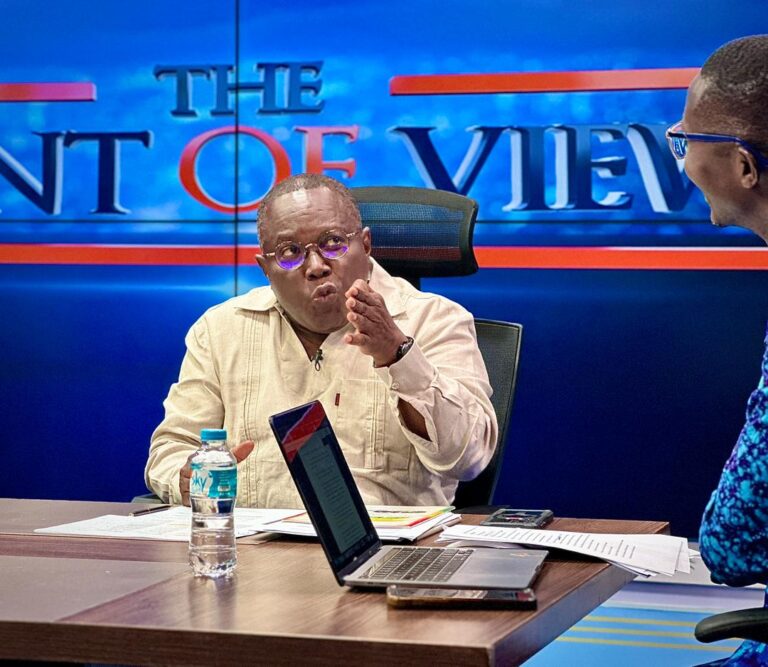
Speaking in an interview with Bernard Avle on Channel One TV’s The Point of View on Wednesday, January 7, Dr. Thompson said he agreed with the proposal, describing the current arrangement as problematic.
“Yeah, [I agree], it creates a lot of issues. There was one case where the person was an MP, a pastor and also a minister, possibly a board member. And they were all overwhelmed by these things. Separating MP and Minister roles is a step forward,” he said.
Dr. Thompson noted that such overlapping roles contribute to inefficiencies in governance, stressing that addressing them could improve the effectiveness of government operations.
“We have come face-to-face with numerous inefficiencies in government; if tackled, it can open up space for us to do so many things,” he added.
Nii Moi Thompson: Lowering presidential age to 30 not appealing
A dedicated member of the ruling National Democratic Congress (NDC), Mr. Novihoho Afaglo has commended President John Dramani Mahama’s impressive and unexpected performance of Ghana’s economy.
The NDC leader stated that the remarkable recovery of Ghana’s economy, which was on the brink of collapse during the Akuffo-Addo-Bawumia administration in 2024, is now among the fastest-growing economies globally.
He noted that the current positive economic indicators are due to Mahama’s effective new policies, including the “Reset Agenda,” the 24-hour economy initiative, and sound fiscal management.
Mr. Afaglo mentioned that the current government not only improved the economy but also provided fiscal proof of this rapid turnaround through the appreciation of the cedi and other factors.
He pointed out that the Ghana Cedi, which had been struggling against the dollar, made significant gains against the US dollar, rising from about GH₵17.00 to roughly GH₵10.35 in just a few months.
This remarkable performance was recognized by Bloomberg as the best-performing currency in the world at one point in 2025.
Regarding inflation, he emphasized that the cedi has significantly decreased from over 23% at the end of 2024 to 6.5% in December 2025, relieving pressure on households and businesses.
“The cedi’s appreciation and the decline in inflation have led to lower prices for some goods, such as fuel and cement, offering relief to citizens.
He disclosed that several controversial taxes, including the e-levy, the 10% betting tax, and the emissions tax, were eliminated as promised during the campaign, aimed at reducing the financial burden on Ghanaians and businesses.
Based on the cedi’s appreciation and President Mahama’s strategic fiscal policies, the national debt burden was reportedly reduced by nearly GH₵150 billion, mainly due to the cedi’s appreciation and effective fiscal strategies.
On the topic of economic growth, Mr. Afaglo stated that the economy reportedly grew by 6.1% in the first three quarters of 2025, marking the fastest growth since.
The United States government continues to tighten the country’s entry as it adds 25 more countries to its list of nations whose citizens could be required to post bonds of up to $15,000 to apply for entry into the country.
Under the Visa Bond requirement, which is part of efforts by the US government to prevent visa overstays, citizens of the affected countries are required to pay a bond of either $5,000, $10,000, or $15,000, starting January 21, 2026.
The amount travellers end up paying is determined during visa interviews and does not guarantee that a visa will be granted to travel to the US.
“Any citizen or national traveling on a passport issued by one of these countries, who is found otherwise eligible for a B1/B2 visa, must post a bond for $5,000, $10,000, or $15,000. The amount is determined at the time of the visa interview. The applicant must also submit a Department of Homeland Security Form I-352. Applicants must agree to the terms of the bond through the Department of the Treasury’s online payment platform, Pay.gov. This requirement applies regardless of place of application.
Applicants should submit Form I-352 to post a bond only after a consular officer directs them to do so. Applicants will receive a direct link to pay through Pay.gov. They must not use any third-party website for posting the bond. The U.S. government is not responsible for any money paid outside of its systems,” part of a statement shared on the US State Department website reads.
Know all the 19 African countries affected by US visa suspension from January 1, 2026
It added, “A bond does not guarantee visa issuance. If someone pays fees without a consular officer’s direction, the fees will not be returned.”
Only 13 countries were initially on the list of countries whose citizens required a visa bond, which brings the total to 38 following the addition of the 25 countries.
The list mostly includes countries from Africa, Latin America, and South Asia.
Below are the countries on the visa bond list
– Algeria (January 21, 2026)
– Angola (January 21, 2026)
– Antigua and Barbuda (January 21, 2026)
– Bangladesh (January 21, 2026)
– Benin (January 21, 2026)
– Bhutan (January 1, 2026)
– Botswana (January 1, 2026)
– Burundi (January 21, 2026)
– Cabo Verde (January 21, 2026)
– Central African Republic (January 1, 2026)
– Cote D’Ivorie (January 21, 2026)
– Cuba (January 21, 2026)
– Djibouti (January 21, 2026)
– Dominica (January 21, 2026)
– Fiji (January 21, 2026)
– Gabon (January 21, 2026)
– The Gambia (October 11, 2025)
– Guinea (January 1, 2026)
– Guinea Bissau (January 1, 2026)
– Kyrgyzstan (January 21, 2026)
– Malawi (August 20, 2025)
– Mauritania (October 23, 2025)
– Namibia (January 1, 2026)
– Nepal (January 21, 2026)
– Nigeria (January 21, 2026)
– Sao Tome and Principe (October 23, 2025)
– Senegal (January 21, 2026)
– Tajikistan (January 21, 2026)
– Tanzania (October 23, 2025)
– Togo (January 21, 2026)
– Tonga (January 21, 2026)
– Turkmenistan (January 1, 2026)
– Tuvalu (January 21, 2026)
– Uganda (January 21, 2026)
– Vanuatu (January 21, 2026)
– Venezuela (January 21, 2026)
– Zambia (August 20, 2025)
– Zimbabwe (January 21, 2026)
BAI
You can also watch more videos from Naser Toure’s funeral below:
Police say the victim was butchered on the face and her head smashed with a concrete block
The Ghana Police Service has reportedly arrested a man in his late 30s who is accused of killing his girlfriend at Awutu Yamoah Nkwanta, a community in the Central Region.
According to a report by GHOne TV, the accused allegedly killed his girlfriend, who has been identified as Sister Yaa, after she refused to have sex with him.
The media house, in a post shared on Facebook on January 7, 2025, indicated that information from the police showed that the victim was cut on the face with a cutlass by the accused.
Additionally, he hit Sister Yaa’s head on a block.
“A man in his late 30s has been arrested for allegedly killing his girlfriend, Sister Yaa, at Awutu Yamoah Nkwanta, Central Region.
“Police say he attacked her after she denied him sex, cutting her face with a cutlass and smashing her head with a concrete block,” part of the post read.
The report indicated that the suspect was in the custody of the police, assisting with investigations.
View the post below:
BAI
You can also watch more videos from Naser Toure’s funeral below:
Food prices were at the centre of Ghana’s inflation story in December 2025, as the country recorded a 12th consecutive decline in headline inflation, driven largely by easing pressures within the food basket.
According to the Ghana Statistical Service (GSS), food inflation fell sharply to 4.9 per cent in December, down from 6.6 per cent in November, making it the single biggest contributor to the overall slowdown in inflation.
Food and non-alcoholic beverages account for 42.7 per cent of the Consumer Price Index, meaning changes in food prices carry significant weight in determining how inflation moves.
Food items driving prices up
Despite the overall moderation in food inflation, several commonly consumed food items recorded exceptionally high year-on-year price increases, continuing to place pressure on household budgets.
At the top of the list is ginger, which recorded a year-on-year inflation rate of 76.7 per cent, making it the fastest-rising food item in the CPI basket. Green plantain, a staple in many Ghanaian households, followed closely with a 69.4 per cent increase, while charcoal, widely used for cooking, rose by 66.8 per cent.
Other food items recorded sharp price increases in 2025. Avocado prices surged by 42.8 percent, while palm fruits went up 35.2 percent. Fresh coconut rose by 34 percent, and both crab and snail recorded inflation above 30 percent.
These items featured prominently among the top contributors to overall inflation, not only because of their high price increases but also due to their frequent consumption. Charcoal and plantain, in particular, remain essential household items, magnifying their impact on the cost of living even as inflation slows overall.
Food items pulling inflation down
While some food prices surged, a large group of staple food items recorded significant price declines, helping to offset inflationary pressures elsewhere in the food basket.
Leading the downward trend were: Garden eggs which fell by 56.7 percent, while kontomire, or cocoyam leaves, dropped by 51.9 percent. Fresh tomatoes declined by 39.8 percent, and both cabbage and pawpaw recorded price falls of over 40 percent.
These declines had a dampening effect on food inflation, particularly because these items are widely consumed and form the base of everyday meals. Improved supply conditions, favourable harvest outcomes, and seasonal price corrections are likely factors behind the sharp drops.
Month-on-month pressures persist
Although food inflation slowed on an annual basis, food prices still increased by 1.1 per cent between November and December 2025, pointing to ongoing short-term pressures.
Items such as onions, yam, and fish recorded month-on-month increases, reflecting seasonal demand, transport costs, and distribution challenges.
What the food price mix tells us
The December data show that Ghana’s inflation slowdown is not uniform across food items. Instead, it is being shaped by a push-and-pull effect, where steep declines in vegetable prices are counterbalancing sharp increases in items like plantain, charcoal, and spices.
This pattern suggests that inflation in Ghana is becoming more item-specific rather than broad-based, creating room for targeted interventions rather than sweeping price controls.
Why this matters
For households, easing food inflation provides some relief, but the persistence of high prices for key staples means the cost-of-living challenge has not disappeared. For policymakers, the data highlight the need to focus on food storage, transportation, irrigation, and market access, especially for items that continue to drive inflation despite the broader decline.
As Ghana marks a full year of falling inflation, the December CPI release makes one thing clear: what happens to food prices—item by item—will continue to determine how inflation is felt at the market and household level.



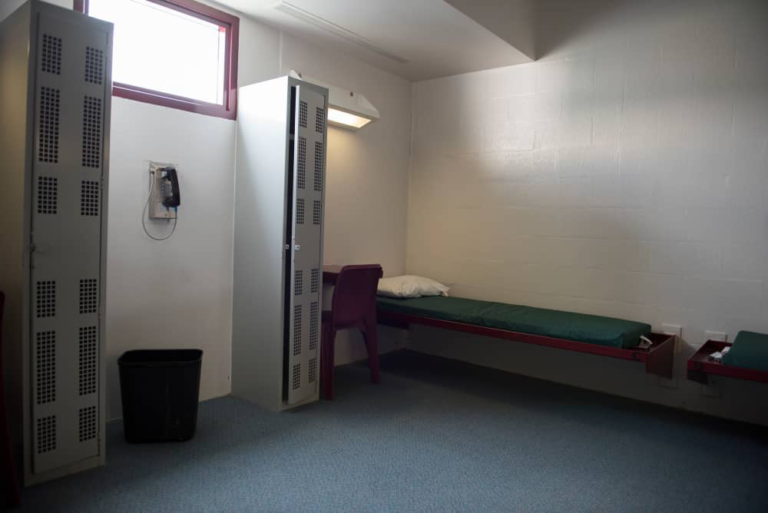
 Reports indicate that Mr Ofori-Atta is currently being held at the Caroline Detention Facility in Virginia, a centre operated by ICE. The facility, formerly known as the Peumansend Creek Regional Jail, was repurposed into an immigration detention centre following its closure in 2017.
 It operates under a five-year agreement between Caroline County and the United States Department of Homeland Security for the detention and care of administrative detainees.
 Detainees are assigned to units based on a classification system determined by immigration and criminal history. Officials categorise individuals into levels ranging from low to high custody, with those deemed higher risk or with criminal records held under stricter conditions.