Kenya’s Home Loans Hit Ksh307 Billion as Few People Take Mortgages

Kenya’s mortgage market expanded to Ksh307.2 billion in 2025, but the number of mortgage accounts grew by only 2.5 percent, highlighting the challenges facing homeownership as the government pushes its affordable housing programme.
According to the Central Bank of Kenya (CBK) 2025 Bank Supervision Annual Report, outstanding mortgage loans increased from Ksh279.3 billion in 2024 to Ksh307.2 billion in 2025, representing a 10 percent rise.
However, the number of mortgage accounts increased by only 746, from 30,016 in 2024 to 30,762 in 2025. This was significantly slower than the eight percent growth recorded in 2023, when 2,229 additional mortgage accounts were added.
The value of mortgage lending has also followed a different trajectory, where the mortgage portfolio grew by 7.5 percent in 2023 before declining slightly by 0.8 percent in 2024, then rebounding by 10 percent in 2025.
New Mukuru Housing Estate Lot 1 — Phase 1, comprising more than 5,616 bedsitters, May 20, 2025.
Photo
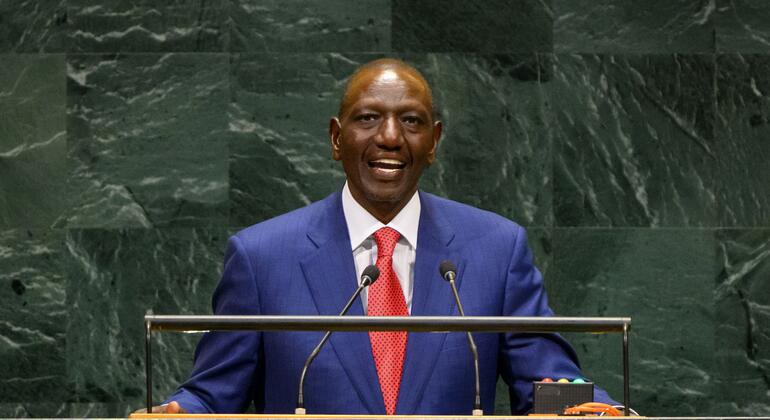
William Ruto
The average mortgage size increased from Ksh9 million in 2024 to Ksh10 million in 2025, meaning the expansion in the value of home loans was accompanied by a relatively small increase in the number of borrowers.
“The leading constraints to mortgage growth were low levels of income, the high cost of purchasing property and limited access to affordable long-term finance,” CBK said.
Other challenges included the high cost of land, difficulties with property registration and titling, legal and valuation costs, credit risk and lengthy processes involved in securing mortgage financing.
The challenges have implications for Kenya’s home ownership ambitions because an increase in the value of mortgage lending does not necessarily mean more households are becoming homeowners. If incomes remain low and property prices high, many households may struggle to qualify for or repay conventional mortgages.
The State Department for Housing and Urban Development says Kenyans registered on Boma Yangu can save towards a deposit, select available housing units and apply for financing through partner banks and SACCOs. The programme currently targets affordable homes across the country.
The CBK report, however, shows that access to mortgage financing remains a major challenge. Banks identified low levels of income, the high cost of property and limited access to affordable long-term finance as the three leading obstacles to the growth of mortgage lending.
Mortgage borrowing costs nevertheless eased in 2025, with the average mortgage interest rate falling from 15.2 per cent in 2024 to 13.5 per cent.
However, non-performing mortgage loans increased from Ksh46 billion to Ksh50.2 billion, although their ratio to gross mortgage loans edged down from 16.5 per cent to 16.3 per cent.
While expanding housing supply remains central to the affordable housing agenda, this will need to be matched by affordable financing and sufficient incomes to help more Kenyans move from renting to owning homes.
Central Bank of Kenya Headquarters along Haile Selassie Avenue, Nairobi CBD
Photo
REUTERS/Njeri Mwangi