


Monday 17th August, 2026 01:01 PM|
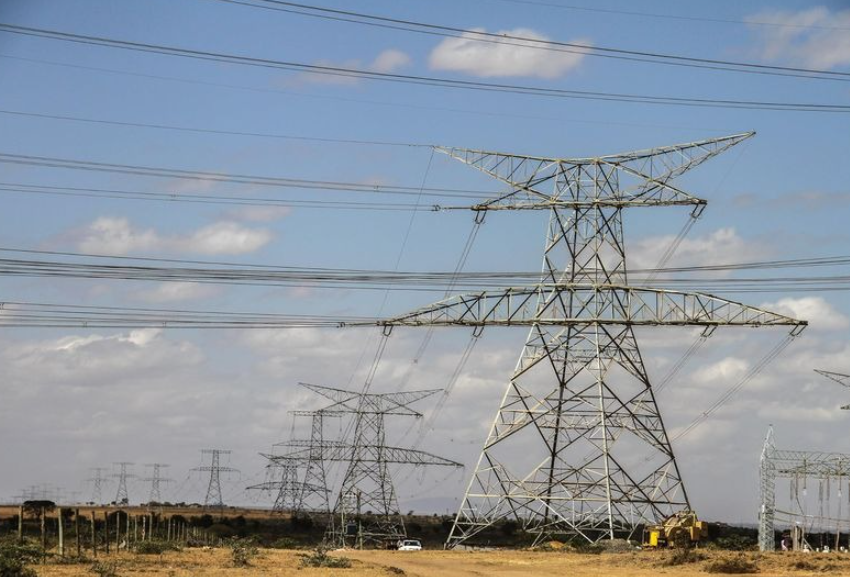
Kenyans face higher electricity costs in August after the Energy and Petroleum Regulatory Authority (EPRA) announced three tariff adjustments that will add a combined Ksh4.7027 per kilowatt-hour (kWh) to electricity prices for meter readings taken during the month.
The charges are contained in three notices published in the Kenya Gazette on August 14, 2026, covering fuel energy, foreign exchange fluctuations and water resource management.
The largest adjustment is the Fuel Energy Cost Charge of Ksh3.51 per kWh, followed by a Foreign Exchange Fluctuation Adjustment of Ksh1.1777 per kWh and a Water Resource Management Authority (WRMA) levy of Ksh0.015 per kWh.
EPRA said the charges apply to meter readings taken in August 2026 under the existing Schedule of Tariffs 2023.
“All Prices for Electrical Energy specified in Part II of the said Schedule will be liable to a Fuel Energy Cost Charge of Plus 351 Kenya cents per kWh for all meter readings to be taken in August 2026,” the regulator stated in Gazette Notice No. 13172.
Fuel charge takes biggest share
The fuel energy charge accounts for most of the additional cost facing electricity consumers.
EPRA based the calculation on electricity generated and purchased in July 2026. The data covered 1.376 billion kWh, excluding electricity exports.
The figures show wide differences in the cost of supplying electricity from various power stations.
North Horr recorded the highest fuel displacement charge among the stations listed, at Ksh396.12 per kWh, followed by Rhamu at Ksh363.18 and Baragoi at Ksh346.75.
Other high-cost thermal stations included Karmoliban at Ksh371.91, Faza Island at Ksh389.84 and Kakuma at Ksh335.94.

The schedule also shows lower costs associated with geothermal generation. Olkaria IV, Olkaria I Units IV and V, Sosian Menengai and other geothermal stations recorded a steam charge of Ksh3.75 per kWh.
EPRA’s figures also show that the cost of some thermal generation fell in July compared with June. Kipevu III, for example, recorded a variation of Ksh13.80, while Lodwar, Mandera and Marsabit also recorded decreases.
However, several isolated stations recorded increases, including Rhamu, where the charge rose by Ksh113.56, and North Horr, where it increased by Ksh120.40.
Forex costs add Ksh1.17
The second charge will add Ksh1.1777 per kWh to electricity prices.
In Gazette Notice No. 13173, EPRA said:
“Notice is given that all prices for Electrical Energy specified in Part II of the said Schedule will be liable to a Foreign Exchange Fluctuation Adjustment of Plus 117.77 Cents per kWh for all meter readings taken in August 2026.”
The regulator reported combined exchange gains and losses of Ksh1.353 billion involving Kenya’s electricity sector.
KenGen accounted for Ksh145.26 million, Kenya Power Ksh168.87 million, while independent power producers accounted for the largest amount at Ksh1.039 billion.
EPRA uses the adjustment to account for changes in foreign exchange costs incurred by electricity-sector players.

Hydropower levy also applies
Consumers will pay a further Ksh0.015 per kWh through the WRMA levy.
Gazette Notice No. 13174 states that electricity prices will be subject to a “Water Resource Management Authority (WRMA) Levy of Plus 1.50 Cents per kWh” for meter readings taken in August.
EPRA said 344.09 million kWh was purchased from hydropower plants with capacity of at least 1MW in July.
The stations included Gitaru, Kamburu, Kiambere, Kindaruma, Masinga, Turkwel and Sondu Miriu.
What the new charges mean
The three adjustments amount to Ksh4.7027 per kWh.
For a household consuming 100 kWh in August, the three charges alone would amount to about Ksh470.27, before the base electricity tariff, taxes and other applicable charges are included.
A consumer using 200 kWh would face about Ksh940.54 from the three components.
However, EPRA’s Ksh4.70 figure should not be interpreted as the total price of electricity.
The authority’s electricity pricing system combines the base tariff with pass-through costs, taxes and levies. EPRA has previously explained that pass-through costs reflect changes in specific components such as fuel, foreign exchange and water-resource charges.
The latest notices therefore represent monthly adjustments rather than a permanent increase in the base electricity tariff.
Still, the immediate effect for consumers is higher electricity costs in August, with fuel expenses accounting for the largest share of the additional charges.
The changes also highlight the effect of Kenya’s electricity generation mix on consumer prices, particularly the cost of thermal generation in areas that rely on isolated power stations.
EPRA’s August notices show that while geothermal generation recorded relatively low steam charges, several isolated thermal stations continued to record much higher generation costs.
For households and businesses already managing tight budgets, the additional Ksh4.70 per kWh will mean spending more to maintain the same level of electricity consumption during the month.
Kenneth Mwenda
Kenneth Mwenda is a business, sports, and politics digital writer with over seven years of experience in journalism, covering breaking news, feature stories, and in-depth analysis across a range of beats.
For inquiries, he can be reached at [email protected]
View all posts by Kenneth Mwenda
