


Ghana does not have a talent problem. If anything, we are overflowing with it. From music to film, radio, digital content, comedy, and live performance, the evidence is everywhere.
Artistes like Black Sherif, Sarkodie, Stonebwoy, Gyakie, and Amaarae have all proven that Ghanaian creativity can travel and compete on the world stage. The same is true of the filmmakers, radio personalities, producers, event curators, and digital storytellers who shape culture here every single day.
So the real question is not whether we have talent. It is why talent alone is not translating into a fully structured, globally competitive creative industry.
After many years of working in media production, radio, entertainment programming, and large-scale cultural events, I have arrived at a clear and unavoidable conclusion. Ghana does not struggle with creativity. We struggle with structure. And that difference changes everything.
In our industry, success is often measured in moments. A hit song. A viral interview. A sold-out show. A performance that sets social media on fire. We celebrate loudly, and rightly so. But after the celebration, there is often very little system in place to carry that success forward.
Everything depends on individual effort, informal relationships, and sheer personal sacrifice. That works for a moment. It does not build an industry.
An industry is not defined by how many stars it produces. It is defined by how consistently it can sustain, scale, and export those stars.
I write this not from theory, but from lived experience and hard-won perspective. As the lead producer of two of Ghana’s most influential entertainment platforms, Showbiz A-Z and Showbiz Roundtable, I have had the privilege of sitting at the centre of some of the most important conversations shaping Ghana’s creative ecosystem today.
These platforms have moved well beyond entertainment commentary. They have become spaces where serious, critical discussions around policy, structure, sustainability, and the future of the Orange Economy are examined, debated, and pushed forward.
Over the years, we have held conversations on royalties, intellectual property, artiste management, investment frameworks, media governance, distribution pipelines, and the long-term future of Ghana’s creative economy.
And because of what I do, I have been in rooms and meetings with almost all the great minds and key personalities in the creative ecosystem, both in Ghana and across other countries. I have sat with industry architects, global executives, artistes at every level, policymakers, and cultural strategists. I say this with full authority: lack of structure and systems is not just a conversation topic or an academic concern.
It is the single greatest ceiling on African creative potential. It is the reason why generational talent repeatedly hits walls that should not exist. It is the silent tax that every creative in this ecosystem pays, often without even knowing it, in lost deals, stolen royalties, expired opportunities, and careers that plateau long before they should.
Talent is not the issue. Systems are. If we are honest with ourselves, Nigeria offers a clear and instructive regional comparison. Take Nollywood. Its strength is not merely talent. It is structure, volume, and distribution thinking. Thousands of films are produced annually, supported by a growing network of cinemas, streaming platforms, and international distribution pipelines.
The same is true of Afrobeats. Nigeria did not only produce global icons like Burna Boy, Wizkid, Davido, and Rema. It built label ecosystems, management structures, publishing awareness, and an aggressive global positioning strategy that consistently pushes talent beyond its borders. There is intention behind every success. That is what structure does. It turns individual brilliance into industrial momentum.
In Ghana, too many creatives are still operating as one-person ecosystems, serving simultaneously as their own artist, manager, marketer, promoter, negotiator, and strategist. That model is unsustainable. It stunts growth and manufactures burnout.
We also continue to wrestle with inconsistent systems around contracts, royalties, publishing, and rights management. So even when success arrives, the ability to sustain and grow value from it remains dangerously weak. This is why we repeatedly see cycles of explosive excitement followed by long periods of stagnation for talented individuals. It is not because they stopped being good. It is because the system around them did not grow with them.
Between creativity and commerce, there is a missing middle in Ghana’s creative industry. That middle should be composed of structured management companies, robust legal frameworks, proper distribution infrastructure, data-driven marketing practices, and genuine business education designed specifically for creatives. Right now, that space is dangerously thin.
So we default to passion, hustle, and informal arrangements, rather than systems that can replicate and scale. And passion alone cannot carry an industry.
We are also living in an era where visibility is routinely mistaken for value. A viral moment feels like success. A trending clip feels like impact. But without structure, visibility fades almost as quickly as it arrives. Strong creative industries do not chase attention alone. They convert attention into long-term, compounding value. That requires systems that deeply understand timing, audience behaviour, monetisation, and sustainability.
In the world’s most powerful creative economies, creativity is only the entry point. Hollywood runs on layered, interlocking systems. Agents, unions, studios, distribution companies, and legal frameworks that work in concert to protect and scale value over time. South Korea built its global entertainment dominance through disciplined training systems, structured label environments, calculated export strategies, and long-term cultural investment backed by both private enterprise and state support.
Even within Africa, Nigeria continues to deepen its pipeline between local creativity and global platforms, through streaming partnerships, diaspora market activation, and strategic international collaborations. The direction is unmistakably clear. Structure wins.
The Way Forward
We cannot continue building an industry that depends on individual heroics. We cannot keep celebrating talent while ignoring the systems that should carry and multiply it. We cannot expect global outcomes from structures that remain largely informal.
If we are serious about growth, and I believe we must be, the shift must be deliberate and sustained.
We need real management companies, not informal representation. We need stronger enforcement of royalty and intellectual property frameworks. We need structured label systems built to develop talent across years, not just singles. We need deeper integration between music, film, digital content, and brand ecosystems. We need data, distribution, and strategy treated with the same reverence we give creativity. We need business and legal literacy embedded into the creative journey from the start.
Creativity without structure is potential. Creativity with structure is power.
We have the talent. The world already knows it. Now it is time to build the architecture worthy of it.
About the author
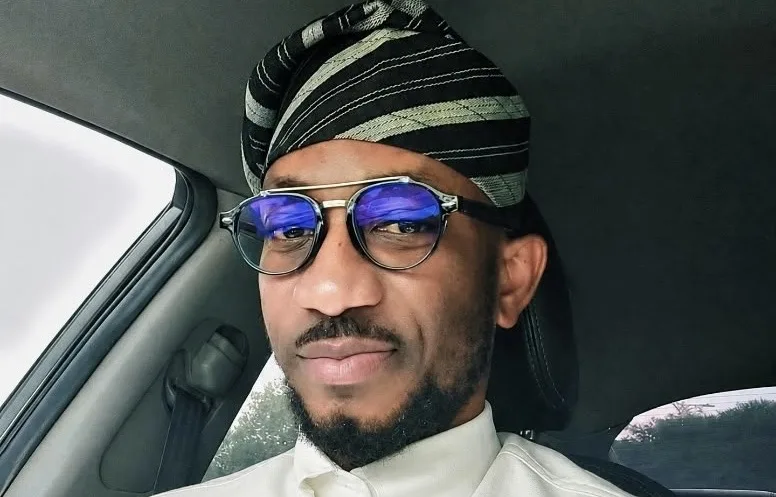
Philip Nai is a media executive, lead producer at Joy FM , with almost two decades of experience at the heart of Ghana’s media and entertainment industry and Chartered Brand Management Professional.
DISCLAIMER: The Views, Comments, Opinions, Contributions and Statements made by Readers and Contributors on this platform do not necessarily represent the views or policy of Multimedia Group Limited.
Tags:
DISCLAIMER: The Views, Comments, Opinions, Contributions and Statements made by Readers and Contributors on this platform do not necessarily represent the views or policy of Multimedia Group Limited.
