Ghana and the U.S. Strengthen Strategic Partnerships in Satellite Technology and Digital Transformation
Ghana’s Minister for Communication, Digital Technology, and Innovations, Hon. Samuel Nartey George, recently engaged in a high-level strategic dialogue with a delegation from the United States government and the U.S. Embassy to foster deeper digital collaboration between the two nations. The discussions centered on responsible satellite technology deployment, digital infrastructure expansion, and policy frameworks to accelerate Ghana’s digital transformation agenda.
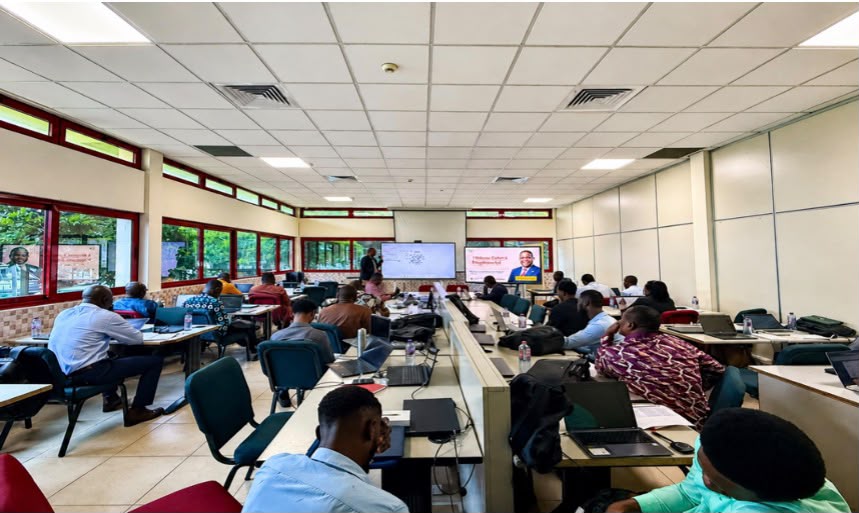
The U.S. delegation included Brooke Donilon, Chief of Staff at the National Telecommunications and Information Administration (NTIA); Jaisha Wray, Associate Administrator of NTIA; Laurie Kelleher, Acting Commercial Counselor at the U.S. Embassy; and Victoria Agbai, a Commercial Specialist. This meeting marked a significant milestone as it was the first-ever satellite training session hosted in Ghana by the U.S. Telecommunication Training Institute (USTTI), underscoring the growing strategic importance of satellite technology in Africa’s digital future.
Satellite Technology as a Catalyst for Ghana’s Digital Expansion
Ghana’s satellite sector is rapidly evolving as a cornerstone of the country’s digital infrastructure, addressing critical gaps in connectivity, particularly in rural and underserved regions. With internet penetration exceeding 70% and over 38 million active mobile subscriptions recorded in 2025, satellite solutions are becoming indispensable for extending broadband access beyond traditional terrestrial networks.
The expansion of Very Small Aperture Terminal (VSAT) services, growing interest in low-Earth orbit (LEO) satellite networks, and substantial investments in digital infrastructure—valued at approximately USD 400 million—highlight Ghana’s commitment to next-generation connectivity. These advancements are essential for supporting smart cities, e-government services, fintech innovations, and cloud-based solutions, all of which rely on reliable, high-speed satellite connectivity.
Policy Reforms and Regulatory Frameworks for Sustainable Growth
During the discussions, Hon. Sam George provided an in-depth briefing on Ghana’s ongoing digital reforms, including:
– Review of key telecommunications legislation to align with global best practices.
– Development of a comprehensive Artificial Intelligence (AI) strategy to position Ghana as a regional leader in AI-driven innovation.
– Strengthening of regulatory frameworks to ensure secure, competitive, and responsible satellite technology deployment.
The Minister emphasized that Ghana is proactively hosting international training programs—such as the USTTI session—to build local expertise in satellite operations, spectrum management, and digital governance. He also highlighted the One Million Coders Initiative, a flagship program aimed at equipping Ghanaian youth with essential coding and digital skills to meet the demands of a tech-driven economy.
Key Focus Areas for U.S.-Ghana Collaboration
The discussions explored multi-faceted opportunities for collaboration, including:
1. Satellite Technology Deployment – Expanding LEO and geostationary satellite networks to enhance rural connectivity, disaster resilience, and digital inclusion.
2. Digital Skills Training – Strengthening partnerships in STEM education, cybersecurity training, and AI development to create a future-ready workforce.
3. Regulatory Harmonization – Aligning spectrum policies, cybersecurity standards, and data governance frameworks to foster cross-border digital trade and innovation.
4. Responsible Innovation – Ensuring that satellite and emerging technologies are deployed in a manner that protects national sovereignty, promotes fair competition, and mitigates security risks.
The U.S. delegation praised Ghana’s ambitious digital agenda, particularly its proactive approach to satellite technology adoption and regulatory openness. Both sides reaffirmed their commitment to continued cooperation, aiming to accelerate inclusive digital development, economic growth, and technological sovereignty for Ghana.
Future Outlook: Satellite Connectivity as a Pillar of Ghana’s Digital Future
As Ghana advances its smart infrastructure, fintech ecosystem, and e-government initiatives, satellite connectivity will play a critical role in ensuring nationwide digital resilience. The integration of 5G, IoT, and AI-driven applications will rely heavily on high-performance satellite networks, particularly in remote regions where fiber and mobile infrastructure remain limited.
The strategic partnership between Ghana and the U.S. is poised to drive innovation in satellite technology, enhance digital literacy, and position Ghana as a regional hub for technology and connectivity. By fostering responsible, secure, and scalable satellite deployments, both nations are laying the foundation for a more connected, inclusive, and economically vibrant Africa.
This collaboration underscores the growing global recognition of Ghana’s leadership in digital transformation, reinforcing its position as a key player in Africa’s tech revolution.