


For generations, Ghana’s political discourse was anchored in a time-honored tradition: the morning radio debate. Millions would gather around their radios, tuning in to lively exchanges between politicians, party strategists, and sharp-witted commentators. These discussions were not merely conversations—they were cultural phenomena, shaping public opinion before cascading into print media and evening television broadcasts. Radio, in this context, was the unchallenged kingpin of political communication, a platform where ideas were debated, narratives were constructed, and power dynamics were subtly (or overtly) negotiated.
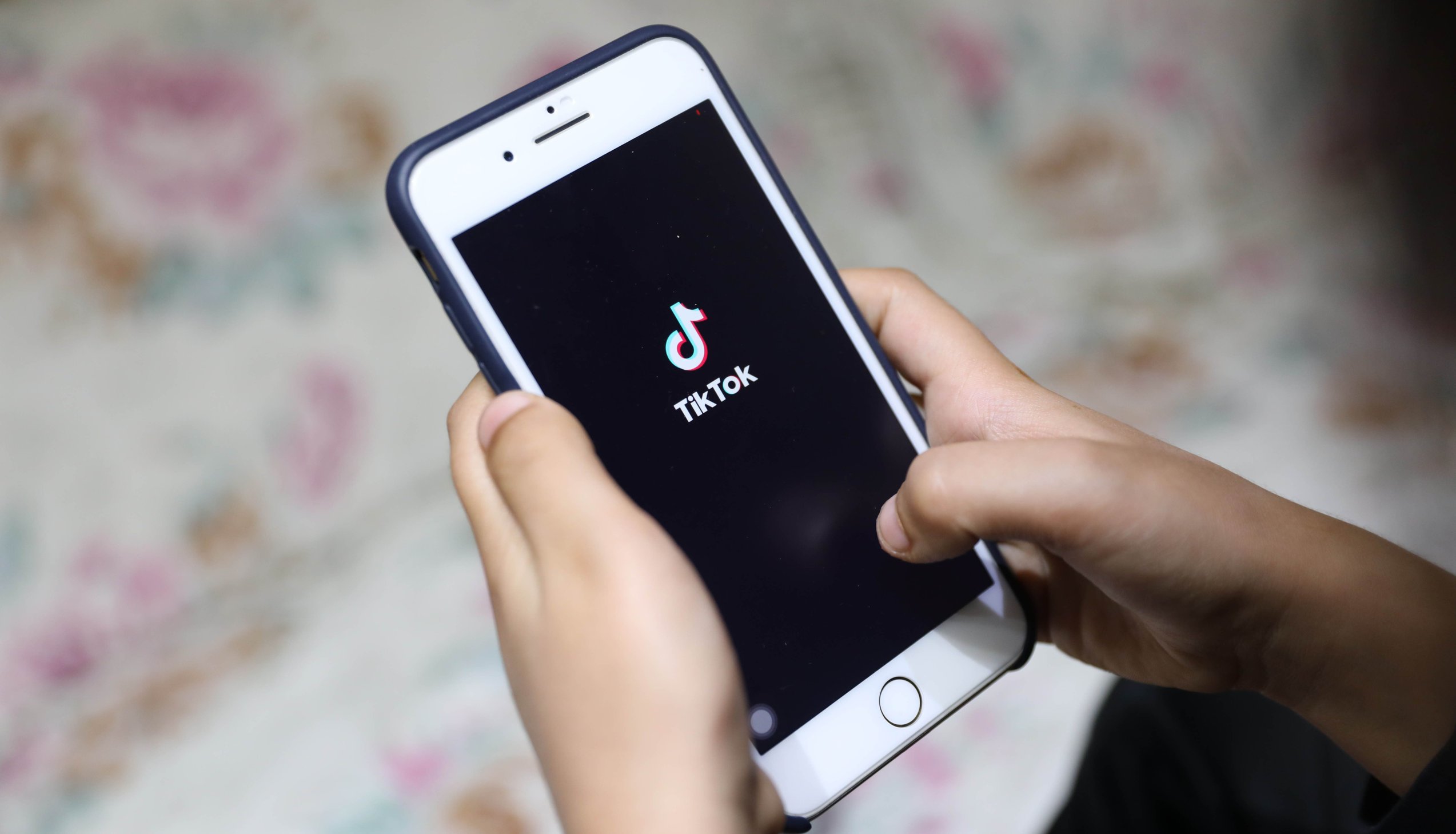
Yet, in the span of a decade, this once-dominant medium has been eclipsed by a new frontier: TikTok. The rise of this short-form video platform has not only redefined how Ghana’s political elite engage with the public but has also fundamentally altered the contours of political communication in the country. No longer is radio the sole battleground for influence—today, politicians are racing to TikTok, where viral moments, memes, and rapid-fire messaging dictate the tempo of public discourse.
The Decline of Radio as a Political Platform
Radio’s golden age in Ghanaian politics was defined by its accessibility, immediacy, and the personal touch of live debates. Shows like The Voice of Democracy, Politics Today, and The Morning Show became household names, hosting figures such as former Presidents Jerry Rawlings and John Mahama, as well as opposition leaders like Nana Akufo-Addo and John Mahama himself. These platforms allowed politicians to articulate their policies, counter opposition narratives, and appeal directly to voters in a conversational tone.
However, the advent of digital media—particularly social media—has eroded radio’s monopoly on political engagement. Younger generations, who now constitute a significant portion of Ghana’s electorate, have increasingly turned to platforms like TikTok, Facebook, and Twitter for news and political commentary. Radio, while still relevant, has been relegated to a secondary role, overshadowed by the real-time, interactive, and visually engaging nature of digital platforms.
TikTok: The New Arena for Political Influence
TikTok’s ascent in Ghana’s political sphere is a testament to its ability to democratize content creation and consumption. Unlike traditional media, where political messaging is often filtered through gatekeepers, TikTok allows politicians to bypass intermediaries and connect directly with their audience. Here’s how the shift is manifesting:
-
Short-Form, High-Impact Messaging
TikTok’s 60-second video format demands brevity and clarity, forcing politicians to distill complex policies into digestible, engaging snippets. For instance, a politician might use a 30-second clip to highlight a single policy achievement, accompanied by trending sounds or text overlays to maximize reach. This approach contrasts sharply with radio’s longer, more deliberative discussions, which often require listeners to piece together arguments over extended periods. -
Viral Potential and Grassroots Mobilization
A well-timed TikTok video can go viral within hours, exposing a politician’s message to millions without traditional media amplification. During Ghana’s 2020 elections, opposition leader John Mahama leveraged TikTok to share campaign clips, while President Nana Akufo-Addo’s team used the platform to disseminate government achievements in bite-sized formats. The viral nature of TikTok enables politicians to tap into grassroots movements, where word-of-mouth and peer-sharing play a crucial role in shaping public opinion. -
Visual Storytelling and Emotional Appeal
Radio relies on auditory persuasion—voice tone, rhetoric, and verbal wit. TikTok, however, thrives on visual storytelling. Politicians now use cinematic techniques, such as dramatic music, split-screen comparisons, and animated graphics, to make their arguments more compelling. For example, a politician might juxtapose images of economic growth under their leadership with footage of opposition-led regions to underscore their claims. This visual appeal resonates particularly with younger voters, who are more attuned to multimedia narratives. -
Real-Time Engagement and Feedback
Unlike radio, where feedback is limited to call-ins or letters to the editor, TikTok enables politicians to interact with their audience in real time. Comments, likes, and shares provide immediate insights into public sentiment, allowing politicians to tailor their messaging on the fly. This dynamic engagement fosters a sense of immediacy and inclusivity, making politics feel more participatory. -
Challenging Traditional Media Narratives
Radio and television have long been controlled by established media houses, which sometimes shape narratives in favor of certain political factions. TikTok, however, operates outside these traditional gatekeeping structures. Politicians can bypass mainstream media by posting content directly, thereby controlling their own narratives. This has led to a fragmentation of political messaging, where multiple voices—some credible, others not—compete for attention in the digital space.
The Challenges of TikTok-Driven Politics
While TikTok offers unprecedented opportunities for political engagement, it also presents challenges:
- Misinformation and Disinformation: The platform’s algorithmic amplification can spread false or misleading information rapidly. Politicians and their supporters may use TikTok to disseminate unverified claims, which can sow confusion and erode trust in political discourse.
- Short Attention Spans and Shallow Debates: The emphasis on brevity can lead to superficial discussions, where complex issues are reduced to soundbites. This risks oversimplifying political debates, making it harder for voters to engage with nuanced policy discussions.
- Algorithmic Bias: TikTok’s recommendation system may favor sensational or emotionally charged content over substantive political analysis. This can skew public perception, amplifying divisive rhetoric over constructive dialogue.
- Digital Divide: While TikTok is popular among younger demographics, older voters and those in rural areas may still rely on traditional media. This digital divide could exacerbate inequalities in political engagement.
The Future of Political Communication in Ghana
The shift from radio to TikTok reflects a broader global trend: the digitalization of politics. Ghana’s political class is increasingly recognizing that to remain relevant, they must adapt to the preferences of a digitally savvy electorate. However, this transition is not without risks. The challenge lies in balancing the immediacy and reach of digital platforms with the depth and substance required for meaningful political engagement.
For radio, the future may not be as a primary political platform but as a complementary tool—perhaps in niche discussions or community-focused programming. Meanwhile, TikTok and other social media platforms will continue to dominate the political conversation, demanding that politicians develop new skills in digital storytelling, crisis communication, and data-driven engagement.
Conclusion: A New Era of Political Engagement
Ghana’s political landscape is undergoing a seismic shift, with TikTok emerging as the new battleground for influence. While radio once dominated political discourse, the rise of digital media has democratized political communication, giving politicians direct access to voters and enabling new forms of engagement. Yet, this evolution also brings challenges, particularly around misinformation and the need for substantive debate in an era of short attention spans.
As Ghana moves forward, its political leaders must navigate this digital transformation carefully—leveraging the strengths of new platforms while mitigating their pitfalls. The future of politics in Ghana will not be defined by radio alone, but by how effectively politicians can harness the power of digital media to connect, persuade, and govern in an increasingly connected world.
