


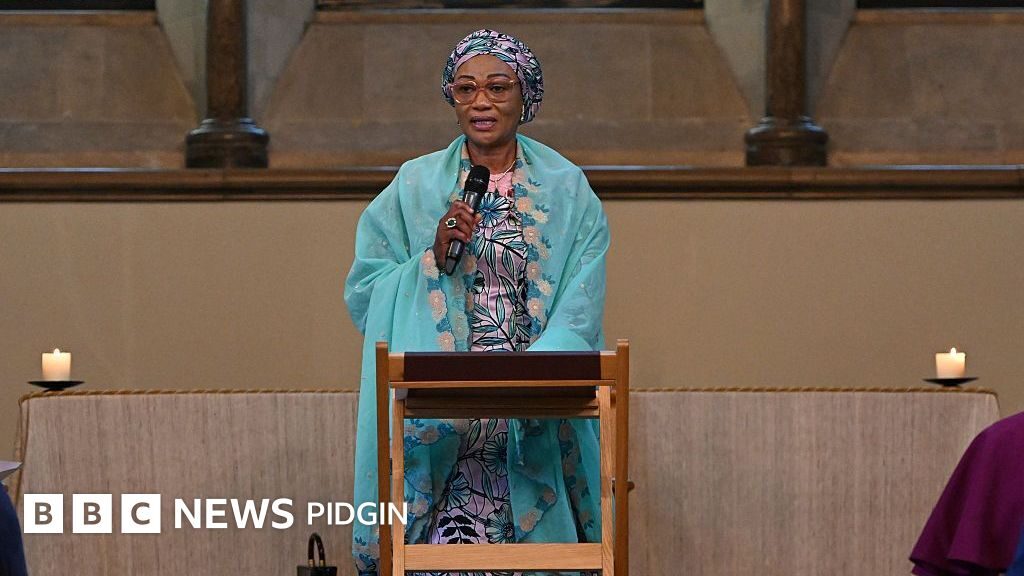
In a recent address that has sparked widespread debate across Nigeria, First Lady Remi Tinubu emphasized the transformative potential of small-scale businesses—such as akara, corn roasting, and kulikuli—as catalysts for economic empowerment. Her remarks, delivered during a meeting with wives of state governors at the Abuja State House on June 24, 2024, under the Renewed Hope Initiative, have ignited a national conversation about entrepreneurship, government support, and the future of Nigeria’s informal economy.
A Call to Empowerment Through Micro-Entrepreneurship
During her interaction with correspondents following the second-quarter progress review of the Renewed Hope Agenda, Mrs. Tinubu underscored the government’s commitment to fostering economic resilience by enabling Nigerians to start businesses with minimal financial barriers.
“We are trying to give hope, and to start an akara business does not require plenty of money. Roasting corn or selling kulikuli—these are ventures that do not demand excessive capital. We have not given them loans; we have provided grants to support them.”
She further clarified that the initiative focuses on leveraging what is already within reach, ensuring that Nigerians are equipped with the necessary resources to thrive.
“I will continue to give, and I will keep giving what is within our capacity to ensure that every Nigerian has the opportunity to succeed.”
Her words resonated deeply with many, as they reflect a broader narrative of economic inclusion—one that seeks to uplift millions engaged in the street food and informal trade sectors, which are backbone industries in Nigeria.
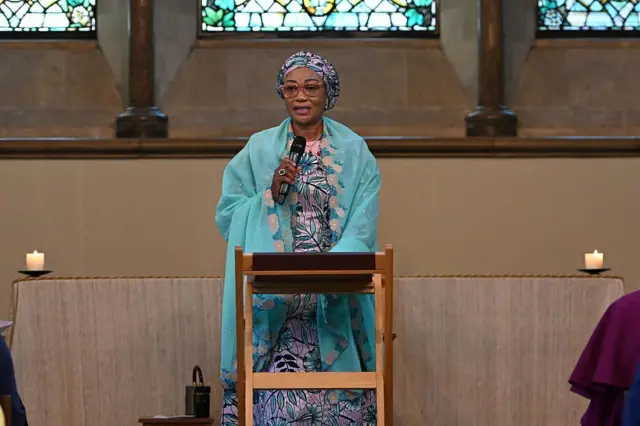
First Lady Remi Tinubu addresses stakeholders during the Renewed Hope Initiative meeting. (Source: Thomas Krych – WPA Pool/Getty Images)
Beyond Akara: A Multifaceted Approach to National Development
While the akara and kulikuli debate dominated social media discussions, Mrs. Tinubu’s remarks extended far beyond street food. She highlighted comprehensive interventions across critical sectors, including healthcare, education, agriculture, and social investment, demonstrating the government’s holistic approach to development.
1. Healthcare: Fighting TB and Breast Cancer
One of her most notable contributions has been in the health sector, where she has directed substantial funding toward combating tuberculosis (TB) and breast cancer.
- TB Initiative: She announced a N2 billion donation to support TB eradication efforts, acknowledging the severe burden of the disease in Nigeria.
- Breast Cancer Awareness: Additionally, she allocated N1 billion to breast cancer research and patient care, reflecting her commitment to gender-sensitive healthcare policies.
2. Education and Skill Development
Recognizing education as a cornerstone of progress, the First Lady’s office has facilitated:
– Scholarships for deserving students.
– ICT (Information and Communication Technology) training programs to bridge the digital divide.
– Agricultural and vocational training to enhance employability and reduce youth unemployment.
3. Agricultural and Social Investments
To strengthen Nigeria’s food security and economic stability, the government has:
– Supported smallholder farmers with grants and access to markets.
– Invested in infrastructure to improve agricultural productivity.
– Launched social investment programs aimed at reducing poverty and inequality.
Mrs. Tinubu emphasized that these efforts are part of a larger vision—one where the Renewed Hope Agenda translates into tangible benefits for ordinary Nigerians.
“The narrative has changed. It is no longer about challenges for the average man; it is about giving him hope. That is why I support the President’s Renewed Hope Agenda—because hope is what we are renewing, and that is what we must deliver to the Nigerian people.”
A Divided Nation: Social Media Reactions to the First Lady’s Remarks
The video of Mrs. Tinubu’s speech, shared by journalist Kayode Ogundamisi on X (formerly Twitter), quickly went viral, sparking intense debates among Nigerians. While some praised her vision, others criticized it as elitist or misguided.
Supportive Perspectives
Many users defended the First Lady’s stance, arguing that street food businesses are legitimate economic engines that sustain millions.
@Silvermirabe wrote:
“This is very good for SMEs. These businesses sustain millions—from China to the street food markets. They are viable and should be encouraged.”
@omoonifade1 shared a personal anecdote:
“There’s a woman in Abeokuta who sells akara elepo for Kuto. I always buy from her. Many of us online don’t have her income but still act like her business is irrelevant.”
Others highlighted the global relevance of Nigeria’s informal economy, noting that similar ventures thrive worldwide.
Criticism and Skepticism
However, a significant portion of the online discourse was highly critical, with some accusing the government of undermining ambition by promoting low-income ventures.
@smuhammadumar argued:
“This elitist mentality is why foreigners dump industries in our country, believing we are ‘too big’ to handle. Why not encourage innovation instead of keeping people in akara businesses?”
@ade_sheun expressed frustration:
“Nigeria politicians and their wickedness. It’s been this way for too long.”
Another user, @ekwus76333, drew a parallel between the government’s focus on street food economies and critics’ earlier accusations of a “container economy”—a term used to describe Nigeria’s reliance on imported goods.
- @ekwus76333 remarked:
“They called Obi’s plan a ‘container economy’ while now they’re pushing a ‘roadside akara economy.’ The double standards are glaring.”
A third user, @omoonifade1, countered that not all street vendors are poor, pointing out that many succeed despite systemic challenges.

Social media reactions to First Lady Remi Tinubu’s comments on akara and kulikuli businesses.
The Bigger Picture: Can Small-Scale Businesses Drive Nigeria’s Economy?
Mrs. Tinubu’s remarks raise important questions about Nigeria’s economic strategy. While akara, kulikuli, and corn roasting are indeed low-capital, high-impact businesses that employ millions, critics argue that the government should also encourage innovation, technology, and high-growth industries to reduce dependency on informal sectors.
Why Akara and Kulikuli Matter
- Job Creation: The street food industry employs millions of Nigerians, particularly women and youth, who lack formal employment opportunities.
- Economic Resilience: These businesses are recession-proof, as demand for affordable food remains constant even during economic downturns.
- Cultural Significance: Akara and kulikuli are deeply embedded in Nigerian culture, making them economically and socially sustainable.
The Need for a Balanced Approach
While promoting informal enterprises is crucial, experts argue that Nigeria must also invest in formal sectors to create higher-paying jobs and reduce poverty in the long term.
- Government Support: More grants, training, and market access could help street vendors scale their businesses.
- Policy Reforms: Easing bureaucratic hurdles for small businesses could encourage formalization without stifling entrepreneurship.
- Education and Innovation: Encouraging STEM (Science, Technology, Engineering, and Mathematics) education could help Nigerians transition into tech-driven and high-skilled industries.

A vendor prepares akara in Lagos, Nigeria—a testament to the country’s thriving informal economy.
Conclusion: A Vision for a Hopeful Nigeria
First Lady Remi Tinubu’s comments on akara, corn roasting, and kulikuli reflect a bold, grassroots approach to economic empowerment. While the debate over whether these businesses should be the primary focus of Nigeria’s development strategy continues, one thing is clear: millions of Nigerians rely on them for survival.
The Renewed Hope Agenda must strike a balance—supporting informal enterprises while also investing in innovation and formal job creation. Only then can Nigeria sustain economic growth and ensure that every citizen has the opportunity to thrive.
As Mrs. Tinubu herself stated:
“We are renewing hope, and that is what we must deliver to the Nigerian people.”
The challenge now lies in translating vision into action—ensuring that every Nigerian, from the street vendor to the corporate professional, has a path to prosperity.

First Lady Remi Tinubu during a public engagement event in Lagos, emphasizing government initiatives for economic empowerment.
A kulikuli vendor in Ibadan, showcasing the vibrant informal food sector in Nigeria.

Corn roasting stalls in a Lagos market, highlighting the accessibility of low-cost business ventures.

Healthcare workers in Nigeria, reflecting the First Lady’s contributions to TB and breast cancer initiatives.

Students participating in an ICT training program, part of the government’s education and skill development efforts.

Agricultural workers in a Nigerian farm, symbolizing the government’s support for food security and rural development.

Social media users debating the First Lady’s remarks on akara and kulikuli businesses.

A street food market in Port Harcourt, illustrating the economic significance of Nigeria’s informal food sector.
