
By James Amoh Junior
Accra, March 5, GNA – Ghana will on Friday, March 6, commemorate the 69th anniversary of her independence from British colonial rule, a historic milestone that continues to inspire reflection on the nation’s journey, achievements and aspirations for the future.
Independence Day remains one of the most significant events on Ghana’s national calendar, symbolising the triumph of self-determination and the enduring spirit of a people who charted their own path to nationhood.
Nearly seven decades after the historic declaration of independence by Dr Kwame Nkrumah on March 6, 1957, Ghana continues to commemorate the day with national ceremonies, civic activities and community engagements aimed at strengthening patriotism and national unity.
This year’s celebration is expected to draw renewed public interest, not only because of the historic significance of the day but also due to the national reflection it inspires about Ghana’s development trajectory.
Theme reflects national agenda
The official theme for this year’s celebration is “Building Prosperity, Restoring Hope.”
President Mahama has described the theme as more than a ceremonial slogan, noting that it reflects the broader direction of the government’s economic and national agenda.

“The theme for the 69th Independence Celebration, ‘Building Prosperity, Restoring Hope,’ is not just ceremonial; it is the blueprint that guides our administration and actions,” the President said ahead of the anniversary.
The theme resonates with current national conversations about economic recovery, job creation and renewed optimism for Ghana’s future and aligns with broader calls for inclusive growth, accountability in governance and the strengthening of public institutions.
A historic milestone in Africa’s liberation
Ghana’s independence in 1957 marked a turning point in African history. The country, formerly known as the Gold Coast, became the first sub-Saharan African nation to gain independence from colonial rule, igniting liberation movements across the continent.
The moment Dr Nkrumah declared that “the independence of Ghana is meaningless unless it is linked with the total liberation of Africa”, it resonated far beyond the country’s borders and positioned Ghana as a symbol of hope and possibility for many colonised nations.
Since then, Independence Day has served as a reminder of the sacrifices of the country’s founding fathers and freedom fighters whose determination paved the way for political freedom and self-governance.

For many Ghanaians, the anniversary remains an opportunity to reflect on the nation’s past, celebrate its progress and recommit to the ideals of unity, discipline and national service.
Parade at Jubilee House for second consecutive year
A key highlight of the celebration will be the national Independence Day parade scheduled to take place at the forecourt of Jubilee House, the seat of government in Accra.
This marks the second consecutive year the national parade will be held at Jubilee House, following a similar arrangement in 2025.
The shift from the traditional venue forms part of government efforts to reduce public expenditure associated with organising the large-scale national event.
Government figures last year indicated that the 68th Independence Day celebration held at Jubilee House cost about GH₵1.5 million.
By comparison, officials estimated that hosting the parade at the Black Star Square would have cost approximately GH₵15 million due to the logistics, infrastructure and security arrangements required for the larger venue.
Despite the change in location, organisers say the celebration will maintain its traditional ceremonial elements and patriotic displays.


The parade will feature contingents drawn from the Ghana Armed Forces, the Ghana Police Service, the Ghana National Fire Service, the Ghana Immigration Service and the Ghana Prisons Service.
Selected school children from basic and senior high schools will also participate in the parade, performing drills and marching displays that have long been a cherished feature of the national celebration.
Weeks of rehearsals have been undertaken by security personnel and school contingents to ensure precision, coordination and a colourful display on the day.
President John Dramani Mahama is expected to deliver the keynote address during the ceremony, outlining the nation’s progress and reaffirming government’s commitment to national development.
Public holiday and national observance
In line with the national significance of the day, Friday, March 6, 2026, has been declared a public holiday to mark Independence Day.
President Mahama, acting by Executive Instrument, directed that the day be observed nationwide in accordance with Section 2 of the Public Holidays and Commemorative Days Act, 2001 (Act 601), as amended.
The declaration allows citizens across the country to participate in national and community celebrations or observe the day through reflection and civic engagement.
Across the country, district assemblies, schools and civic groups have planned various activities to mark the anniversary.
Build-up Activities across the country
Several activities have already taken place in the days leading up to the celebration.
On March 4, a wreath-laying ceremony was held at the Kwame Nkrumah Memorial Park in Accra to honour Ghana’s first President and other heroes of the independence struggle.
As part of the build-up to the anniversary, Vice President Professor Jane Naana Opoku-Agyemang participated in the President’s Independence Day Awards for school children, organised under the theme “Building Prosperity, Restoring Hope.”
The ceremony honoured 52 outstanding students from all 16 regions, drawn from both public and private schools. The awardees also included students with visual and hearing impairments, reflecting the country’s commitment to inclusive education.
Addressing the students, the Vice President said national prosperity was supported not only by sound policies and infrastructure but also by the character, discipline and responsibility of citizens, particularly the youth.
She encouraged the award recipients to remain focused, uphold integrity, respect authority and serve as role models for their peers.

Prof Opoku-Agyemang also commended the Ministry of Education and the Ghana Education Service for promoting academic excellence and reaffirmed government’s commitment to strengthening inclusive and quality education to equip Ghanaian children with the knowledge, skills and values needed to succeed.
Across the country, schools have also organised debates, quizzes and essay competitions on Ghana’s history and civic responsibility as part of activities marking the anniversary.
The National Commission for Civic Education has intensified its public education across the regions, while District assemblies and community organisations have also organised clean-up exercises, youth forums and cultural performances as part of the build-up to the national celebration.
A symbolic venue: Black Star Square
Although the parade will again be held at Jubilee House, many Ghanaians continue to associate Independence Day celebrations with the iconic Black Star Square.
Completed in 1961, the square has traditionally served as the principal venue for national parades and civic ceremonies.
Over the decades, the square has hosted elaborate national Independence Day celebrations featuring marching contingents from the security services, colourful displays by school children and cultural performances that showcase Ghana’s heritage.

The imposing Independence Arch and the Black Star Gate at the square remain powerful symbols of Ghana’s freedom and sovereignty.
For generations of Ghanaians, the square has been the stage upon which national pride and unity are visibly expressed.
A moment for reflection
Beyond the ceremonial activities, Independence Day continues to serve as a moment for reflection on Ghana’s achievements and challenges since 1957.
Over the years, Ghana has earned international recognition as one of Africa’s stable democracies, having experienced several peaceful transitions of power and maintained an active civic space.
The country has also contributed significantly to international peacekeeping operations and regional diplomacy.
Progress has been recorded in areas such as education, infrastructure development, health services and digital innovation.
However, the anniversary also highlights ongoing challenges, including youth unemployment, economic pressures, environmental concerns and the need for sustainable development.
Many civic leaders have called on citizens to use the occasion not only to celebrate independence but also to renew their commitment to nation-building.
Renewing the spirit of nationhood
For older generations, Independence Day evokes memories of the optimism and excitement that accompanied Ghana’s birth as a nation in 1957.
For younger Ghanaians, the day offers an opportunity to learn about the sacrifices of the nation’s founding leaders and to reflect on their own role in shaping the country’s future.
Across cities, towns and villages, families are expected to gather to watch the national parade on television, attend local events or participate in community activities marking the anniversary.


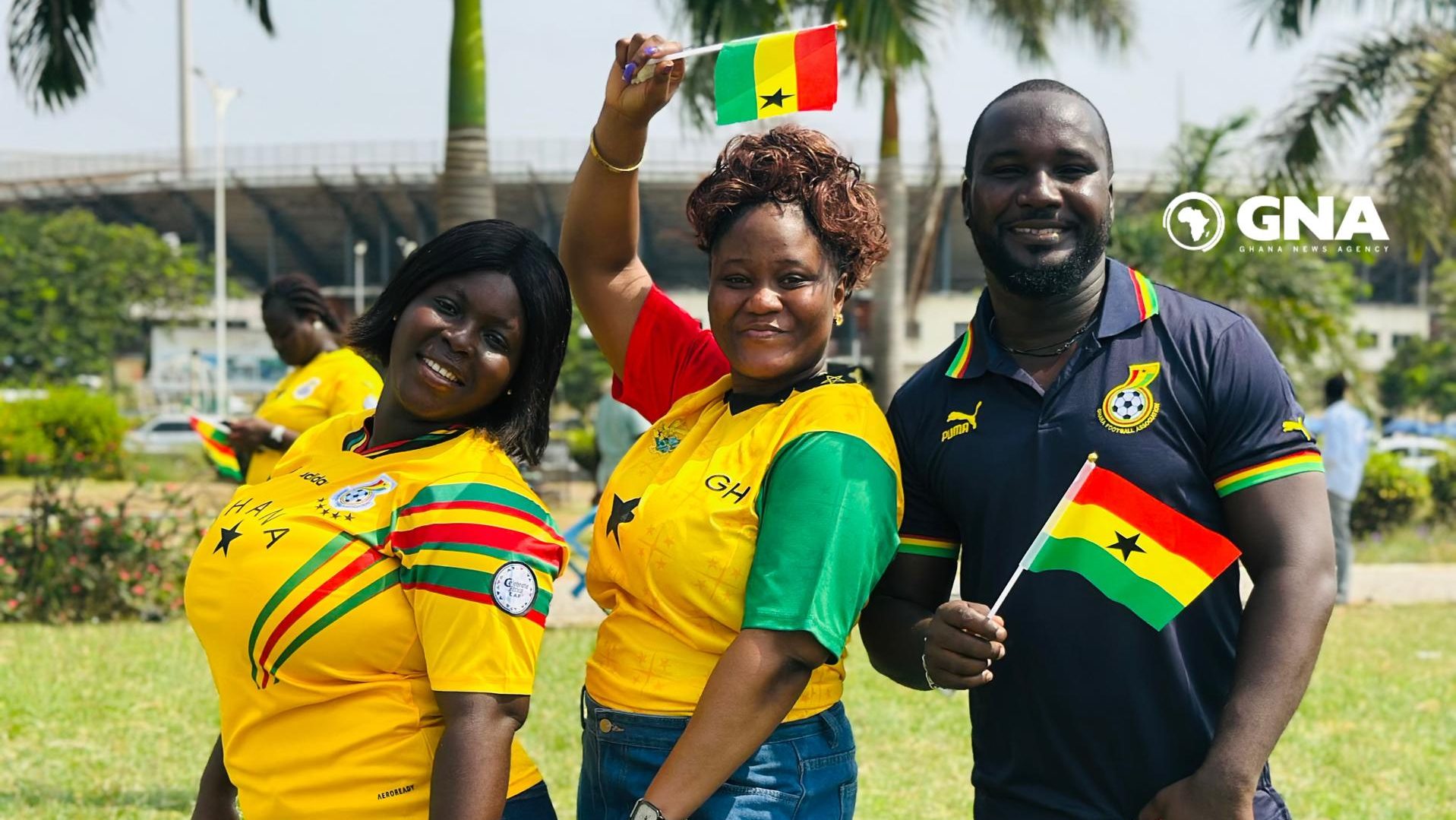
Public institutions and businesses have decorated their premises with Ghana’s national colours of red, gold and green, while the national flag wavers proudly across the country.
Street vendors have also taken advantage of the festive atmosphere, selling miniature flags, scarves and other patriotic souvenirs.
As Ghana marks its 69th Independence Anniversary, the occasion stands as both a celebration of a historic triumph and a reminder that the work of nation-building continues.
Nearly seven decades after independence, the ideals of freedom, unity and national pride remain central to Ghana’s national identity.
The anniversary therefore serves not only as a commemoration of the past but also as a renewed call for collective effort in building a prosperous and hopeful future for generations to come.
GNA
5 March 2026
Edited by Samuel Osei-Frempong

