



US scientists warn of lasting mercury pollution from galamsey
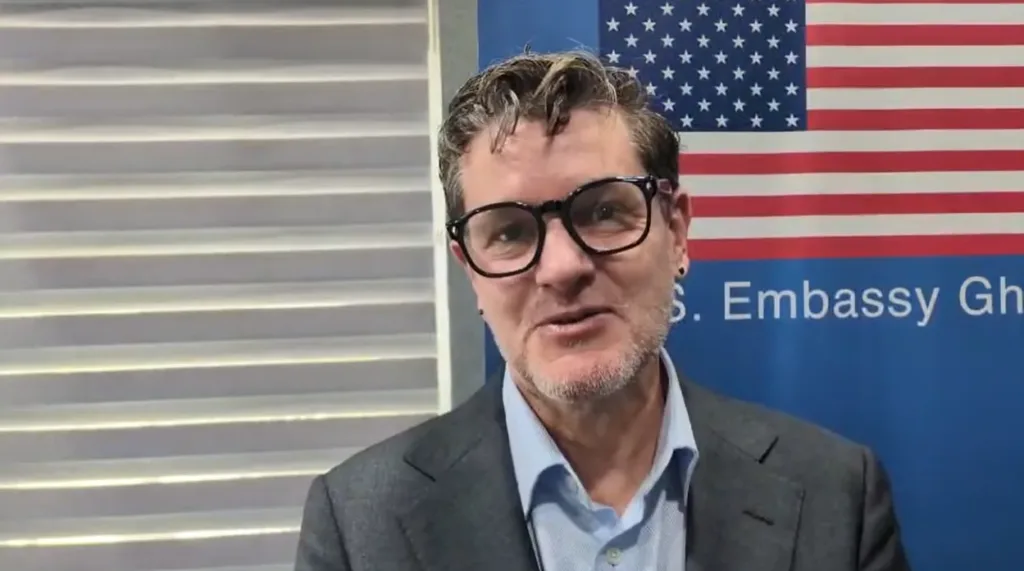
Ghana could face a prolonged environmental clean-up burden from mercury pollution caused by illegal small-scale mining, with two American scientists warning that the toxic metal could have lasting consequences.
Drawing on the United States’ experience and research findings in Ghana, the scientists have highlighted the long-term environmental and public health risks associated with mercury contamination.
Environmental Scientist and Geochemist at the US Environmental Protection Agency (EPA), Dr. Chris Eckley, indicated that the United States is still cleaning up mercury-contaminated sites resulting from gold mining activities dating back to the mid-1800s.
He explained that mercury pollution can persist in the environment long after mining activities have ended, making early intervention and effective remediation critical to protecting waterways, wildlife and human health.
“So in the United States we used mercury as part of the gold mining process from the mid-1800s into the early 1900s, and as a result of those activities we have a legacy of mercury-contaminated sites that we’re still working on cleaning up today,” he said.
Dr. Eckley outlined measures used in the US to contain the pollution, including preventing mercury in old mine waste from entering waterways and using soil and sediment amendments to trap mercury that has already been transported downstream.
He said the interventions were intended to reduce the likelihood of mercury entering fish and subsequently exposing humans and wildlife to the toxic metal.
Meanwhile, a 2024 study by the United States Geological Survey (USGS) found mercury levels in unfiltered water and surface sediments sampled from eight communities along the Pra River comparable to those recorded at contaminated sites in the United States.
USGS chemist Dr. Grace Armstrong, who led the research, said the team collected water, sediments, fish and cassava samples to establish the extent of contamination and identify possible exposure pathways in communities affected by galamsey.
“From our research, we realised that the levels of mercury in the unfiltered water as well as surface sediments are similar to what we see in contaminated sites in the US,” she said.
She, however, clarified that the samples assessed for consumption were below the relevant standards accepted by the US EPA, including those for fish and well water.
Dr. Armstrong is also calling for greater collaboration among Ghanaian research institutions and laboratories to harmonise testing methods and improve the reliability of environmental data.
She proposed that Ghanaian laboratories analyse samples collected during the 2024 study and compare their findings with the USGS results.
“What this does is that it allows data set harmonization across the country so that we can further compare data sets,” she said.
The two scientists were speaking to Citi News at a roundtable discussion on the harmful use of mercury in galamsey activities held at the US Embassy in Accra on Friday, November 20, 2026.
The engagement formed part of the 2026 Ambassador’s Water Experts Program – Ghana, a joint initiative of the US Department of State and the US Department of the Interior, which supports technical cooperation and the exchange of expertise on water management challenges.
 WhatsApp






Comments (0)
No comments yet. Be the first to share your opinion!