



Zenith University College law students gain practical knowledge in copyright, music royalties in educational tour
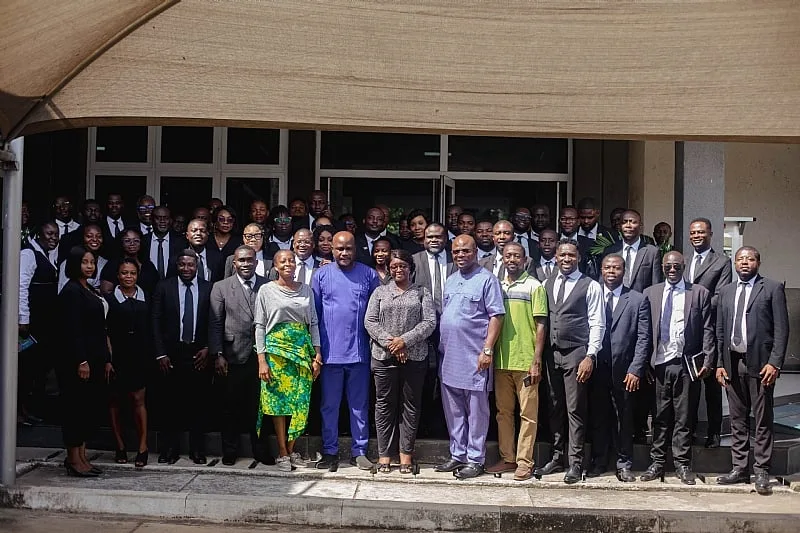
The educational tour, led by Private Legal Practitioner and Intellectual Property Law Lecturer, Dr David Dodjie Olaga, Esq, was aimed at bridging the gap between classroom instruction and the practical demands of legal practice.
The tour provided the students with an opportunity to interact with professionals at the two institutions and understand the processes involved in protecting creative works, licensing music users and distributing royalties to rights holders.
Speaking during the engagement held at the GNAT Hall in Accra on Friday, November 20, Dr Olaga said the tour forms part of the requirements under the new legal education curriculum to expose students to the practical application of the courses they study.
"One of the requirements is to be able to introduce our students to the practical aspect of what we teach in class, and so that was the main brain behind this exercise. … Last year we were here, and the report was very encouraging. Even today, I had few conversations with some of the students, and it's like all that I have been teaching in the class now, they have come to see the practicality of what we learn in the class," he told ModernGhana News on the sidelines.
"Technology will always move faster than the statute books and the determination in court. Technology is always far ahead of us, so we have to catch up with our knowledge. … We need modern laws by way of amendments and so forth," he said.
The GHAMRO session, led by Deputy Head of Licensing, Prince Shadrach Adu-Ameyaw, focused on the organisation's operations, including music licensing, the collection of royalties and the distribution of proceeds to music rights holders.
The students were taken through how GHAMRO licenses businesses and establishments that use music publicly, including restaurants, hotels, nightclubs and other commercial outlets, and how royalties are collected and then distributed to the rightful owners.
Mr Adu-Ameyaw explained that the organisation collects royalties from music users and relies on usage returns and music logs to determine how the proceeds are distributed to rights holders.
Dr Olaga, who noted that intellectual property law remains an area of opportunity for legal practitioners, urged lawyers to consider specialising in the field rather than concentrating largely on criminal cases and land litigation.
He further encouraged creatives whose rights are infringed upon to seek legal redress, while cautioning individuals and businesses against exploiting other people's works without permission.
 WhatsApp

Comments (0)
No comments yet. Be the first to share your opinion!