



Ghana’s $1B Creative Bet Needs Digital Rails – Lali & Lola
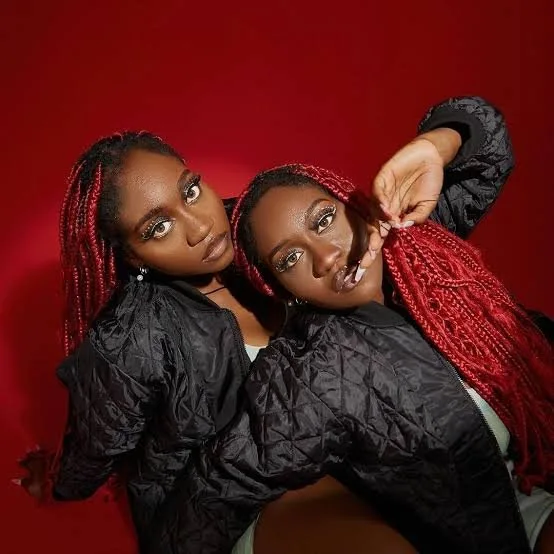
2027 Budget Review: A $1 Billion Creative Bet with a Digital Blind Spot: Why Ghana’s New Economy Needs Stronger Digital Rails to Keep Creative Wealth at Home
Imagine owning a cocoa farm that produces some of the finest beans in the world, shipping those beans abroad every second of the day, and watching up to 30 percent of your export earnings vanish before they ever cross your border not because buyers aren’t paying, but because the trade paperwork hasn’t been signed to let the money come home.
As creative industry practitioners trained in economics, we see that exact paradox playing out every day in Ghana’s digital creative sector. And while Finance Minister Dr. Cassiel Ato Forson’s 2027 Budget Statement sets an ambitious vision for the industry, closing that digital revenue gap remains the critical missing piece.
Placing Tourism, Culture, and the Creative Arts as Pillar Five of the government’s four-year, $10 billion New Economy agenda backed by a proposed $1 billion allocation is a bold acknowledgment that creativity creates jobs and foreign exchange. Expanding “December in Ghana” into a year-round visitor economy and completing long-stalled cultural infrastructure are commendable steps.
Yet to maximize the return on this historic investment, policymakers must address a key policy blind spot: the 2027 Budget treats the creative economy primarily as a physical destination while overlooking that its largest marketplace is digital.
For the past eighteen months, through formal policy submissions to the Ministry of Communication, Digital Technology and Innovations, industry research, and our May 2026 petition to President John Dramani Mahama, we have campaigned to recover what we call Ghana’s “lost digital revenue.”
Today, a Ghanaian song, film, or digital creation does not wait for a tourist to land at Kotoka International Airport to earn foreign currency. It is streamed, monetized, and consumed in London, New York, Lagos, and Johannesburg in real time. Our creatives are already highly performing global exporters. However, two structural bottlenecks prevent that digital foreign exchange from fully reaching our national accounts and artists’ pockets, neither of which is yet captured in the 2027 fiscal framework:
First, our creators remain exposed to punitive foreign tax deductions.
While the 2027 Budget rightly proposes reviewing Ghana’s Double Taxation Agreements under the UN Framework Convention to curb corporate tax evasion, it overlooks how treaty gaps penalize our creative exporters. Because Ghana lacks bilateral digital royalty treaties with major streaming jurisdictions, Ghanaian creators automatically lose up to 30 percent of their international digital earnings to foreign withholding taxes. Creators in South Africa, Egypt, and Morocco keep that money because their governments negotiated tax waivers. Expanding the Ministry’s upcoming treaty review to protect digital creative royalties will ensure our $1 billion investment stays in the domestic economy rather than leaking into foreign treasuries.
Second, we must strengthen governance across our digital distribution rails.
As our 2025 policy report documented, Ghanaian creatives continue to battle delayed payouts, opaque accounting, and unresolved non-payment from digital platforms operating in our market. A thriving 24hour creative economy requires digital intermediaries that operate with clear local transparency, fair auditing, and statutory accountability.
Even the Ministry of Tourism, Culture and Creative Arts has noted that the sector struggles to demonstrate its full economic weight due to missing data. Yet the richest, most accurate economic data in the creative industry sits locked inside digital streaming dashboards that the state can track and protect.
True economic transformation happens when physical ambition is matched with digital sovereignty. As the Ministries of Finance, Communication, and Creative Arts operationalize the $1 billion Pillar Five allocation, three targeted measures can safeguard every cedi invested:
– Expand the upcoming Double Taxation Agreement review to negotiate bilateral digital royalty waivers so foreign withholding taxes stop draining Ghanaian creative export earnings.
– Enforce platform transparency and payout standards for digital service providers and aggregators operating in Ghana.
– Dedicate part of the creative fund toward digital export infrastructure including automated royalty tracking and IP protection alongside physical venues.
Cultural festivals bring the world to Ghana for a few weeks a year. Digital platforms take Ghana to the world every single second. By building stronger digital rails alongside our physical infrastructure, Ghana can keep creative wealth at home ensuring that when our culture goes to the world, the financial rewards return to build our nation.
Written by; Patricia Delali Dake & Trysha Wolali Dake (Lali X Lola),Economists, Recording Artists, and Digital Creative Industry Advocates
 WhatsApp




Comments (0)
No comments yet. Be the first to share your opinion!