



End of an era: Ghana mourns firebrand first lady Nana Konadu Agyeman-Rawlings
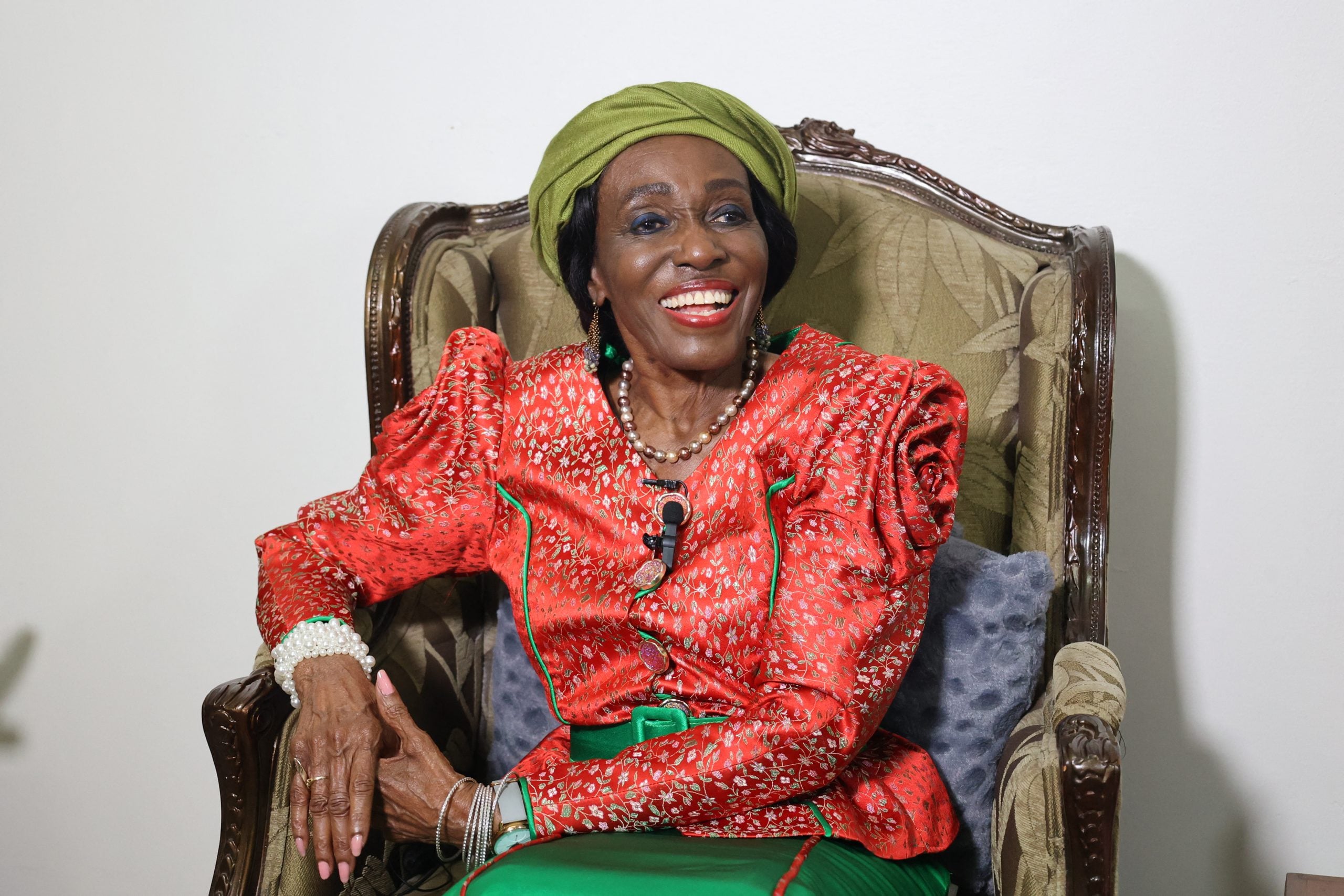
Ghana has lost one of its most formidable and uncompromising figures.
Nana Konadu Agyeman-Rawlings – former first lady, political activist and champion of women’s rights – died in Accra on Thursday at the age of 76.
Her passing marks the close of a tumultuous, trailblazing chapter in Ghana’s political history – one defined by courage, controversy and conviction.
For nearly five decades, she stood beside her husband, Ghana’s longest-serving leader, the late Jerry John Rawlings, as both partner and power.
Yet, she was never content to live in his shadow. Fierce and eloquent, she carved her own political identity, often ruffling feathers as she cut through Ghana’s patriarchal and political boundaries to defend the causes she believed in – the working class, rural communities, women, children and the arts.
Controversial trailblazer with an iron will
Born in Cape Coast in November 1948, Nana Konadu was educated at Achimota School and the Kwame Nkrumah University of Science and Technology.
She met the young Air Force officer Jerry Rawlings while at school, and together they would become Ghana’s most influential and polarising couple.
She was a warm and affectionate woman, with a good sense of humour
As first lady, she founded the 31st December Women’s Movement, a nationwide organisation that transformed the lives of thousands of rural women by teaching income-generating skills and promoting literacy.
The movement, named after her husband’s 1981 coup, became a driving force for women’s economic independence and civic participation.
It was through her advocacy that Ghana passed the 1989 Intestate Succession Law, protecting inheritance rights for women and children, and incorporated gender equality provisions into the 1992 Constitution.
Her assertiveness often unsettled the establishment – even within Jerry Rawlings’ party, the National Democratic Congress (NDC).
In 2011, she broke ranks to challenge then-president John Atta Mills for the party’s presidential candidacy – a bold move that cemented her reputation as one of Ghana’s most independent-minded politicians.
The following year, she founded her own party, the National Democratic Party (NDP), a rare act of political defiance in a male-dominated landscape.
President John Dramani Mahama wrote on his Facebook wall that her “legacy and dedication to empowering women and serving our country will never be forgotten”.
Former president Nana Addo Dankwa Akufo-Addo, who grew close to the Rawlings family in their later years, paid an emotional tribute, calling her “a role model for women in Ghana and across Africa”.
“Mrs Rawlings’ gender advocacy and women empowerment initiatives remain impactful to this day. She was a warm and affectionate woman, with a good sense of humour,” he wrote on social media.
Former vice president Mahamudu Bawumia also honoured her, saying she “didn’t just speak about women’s rights; she mobilised a movement”.
He praised her for inspiring “countless women across Ghana to achieve financial independence and take up leadership roles”.
From beyond politics, Nana Kwame Bediako, leader of The New Force movement, reflected: “I saw you two weeks ago, radiant as ever. It’s hard to believe you’re gone, but I know you’re resting in divine peace.”
International tributes also poured in, with the European Union Delegation to Ghana and the Swiss Ambassador, Simone Giger, commending her “unwavering advocacy for women’s empowerment and the vulnerable”.
At the 1995 Beijing Women’s Conference, she represented women with an unflinching voice, insisting that African women “must be present where power is exercised”.
Mrs Rawlings’ gender advocacy and women empowerment initiatives remain impactful to this day
In her final years, she and her late husband’s reconciliation with former political rivals – particularly then-president Akufo-Addo – symbolised a rare moment of political healing, though it unsettled some within the NDC, including the opposition leader at the time, Mahama.
However, for Nana Konadu, forgiveness was part of legacy – and legacy, for her, was never passive.
She leaves behind four children – Zanetor, Yaa Asantewaa, Amina and Kimathi – and a country forever shaped by her boldness.
 WhatsApp



Comments (0)
No comments yet. Be the first to share your opinion!