



Mahama, Ato Forson have turned Ghana’s economy around in 2 years – Ricketts-Hagan

Deputy Majority Leader and Cape Coast MP, George Kweku Ricketts-Hagan, says President John Dramani Mahama and Finance Minister Dr Cassiel Ato Forson have turned Ghana's economy around within two years of taking office.
He attributed the improvement to what he described as fiscal discipline, prudent spending and a shift towards expenditure-based consolidation.
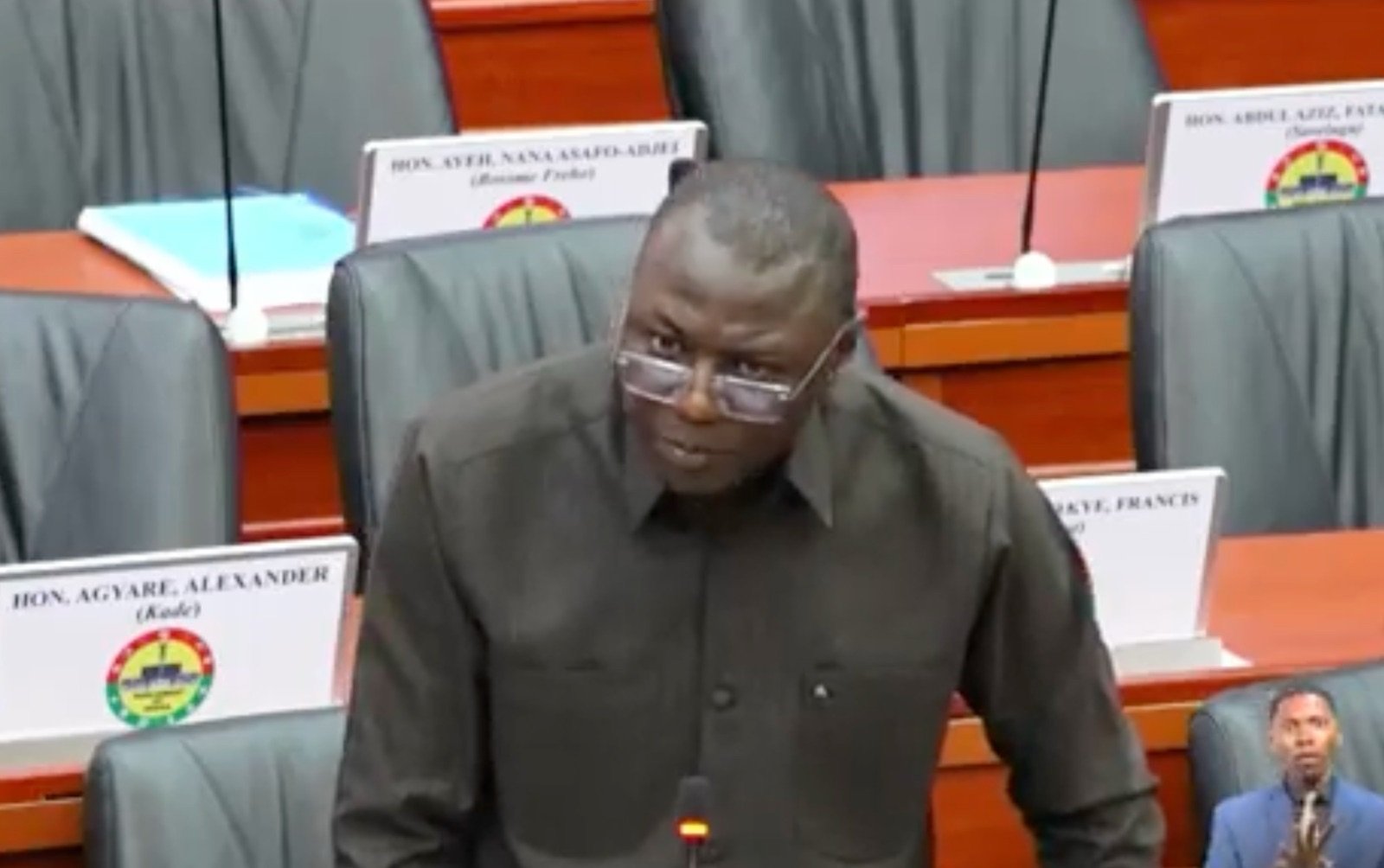
Contributing to the debate on the 2027 Budget Statement in Parliament on Wednesday, November 18, Mr Ricketts-Hagan said the government had made significant progress in stabilising the economy despite inheriting difficult economic conditions.
“His Excellency John Dramani Mahama and Dr Ato Forson have turned Ghana's economy around in two years. We still have about seven years to spare from what they told us,” he said.
He argued that key macroeconomic and fiscal indicators, including inflation and interest rates, had improved under the current administration.
Mr Ricketts-Hagan also challenged figures on Ghana's public debt cited by the former Finance Minister, insisting that the country's debt-to-GDP ratio had declined to 47.5 per cent.
He said Ghana's debt stood at $53 billion in 2024, representing nearly 70 per cent of GDP, while the current debt stock was about $59.3 billion.
According to him, applying the prevailing exchange rate to the current debt figure gives a debt-to-GDP ratio of 47.5 per cent.
He further disputed criticisms of the Bank of Ghana's losses linked to financing gold purchases, arguing that the profitability of the Gold Board's operations should be considered alongside the central bank's financial position.
Mr Ricketts-Hagan said the government had also abandoned what he described as "excessive borrowing and revenue-based consolidation pursued by the previous administration".
He explained that the current approach focuses on aligning government expenditure with available revenue rather than relying on borrowing to finance spending.
“Instead of doing an expenditure-based consolidation, they were doing a revenue-based. They were more interested in borrowing money to fund expenditure,” he said.
He added that the government was now matching expenditure to revenue and directing available resources towards priority areas of the economy.
“The discipline that we have instilled in this country, the expenditure that we are making sure that we have the revenue to fund, is what has brought us here,” he said.
 WhatsApp



Comments (0)
No comments yet. Be the first to share your opinion!