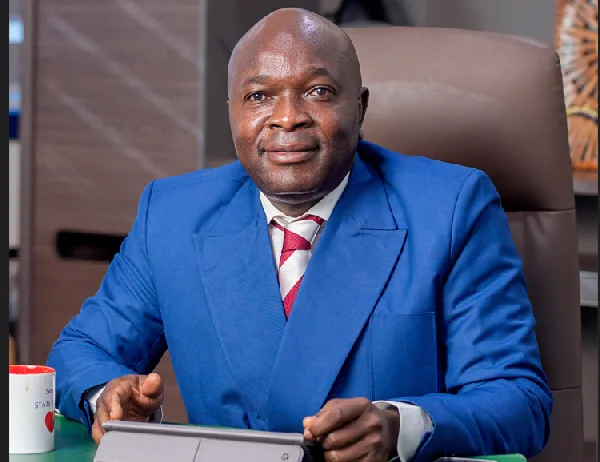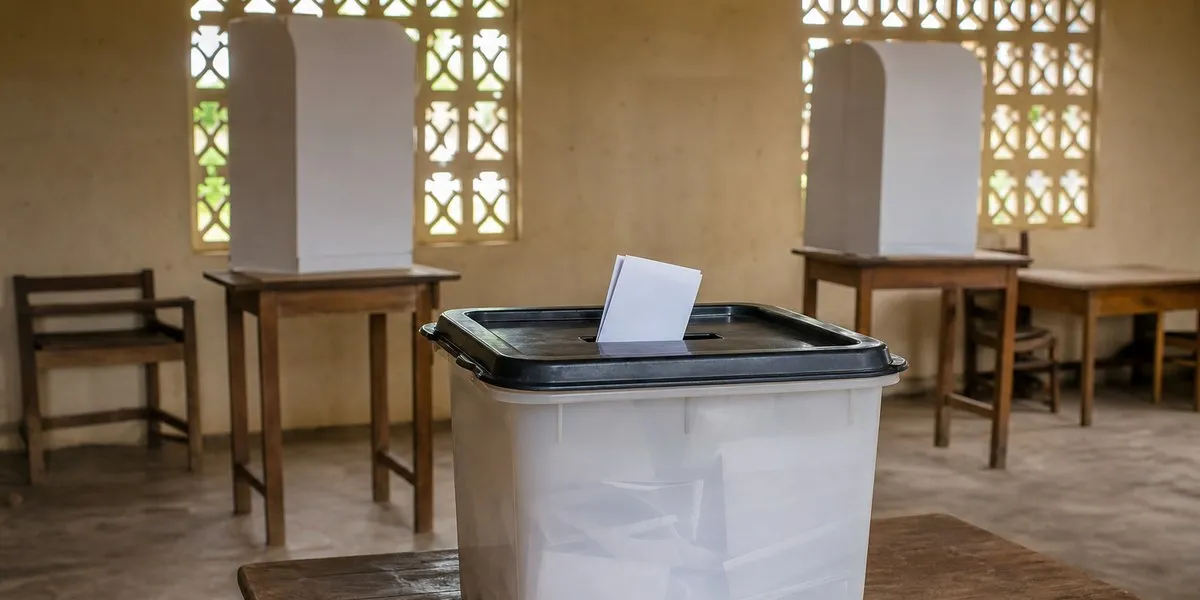
In Ghana, Associate Professor of Social Policy Adams Sulemana Achanso called on the state to fund political parties and strengthen oversight of their private financing. In an opinion column published by MyJoyOnline, he said that the excessive monetization of electoral politics harms the country’s development and creates corruption risks.
Criticism of private financing
Achanso noted that democratic governance in Ghana following the adoption of the 1992 Constitution of the Fourth Republic has contributed to peaceful transfers of power between governments. At the same time, he cited the “winner-takes-all” principle, social fragmentation and the authorities’ insufficient capacity to ensure socioeconomic transformation among the problems of the political system.
According to the author, political parties are public institutions, but their activities depend largely on private funds. He argues that people who finance political forces may expect a return on their investments through political appointments or government contracts. In Achanso’s assessment, this encourages competition for party and state positions, as well as favoritism and nepotism.
More current news is available on the UA.News Telegram channel Telegram.
Choice without reward
The author also criticized the practice whereby voters demand rewards from candidates before voting. He links such demands to distrust of politicians who, he says, fail to fulfill their obligations to citizens after elections. At the same time, Achanso stressed that candidates cannot implement development programs until they receive a mandate.
The associate professor believes that receiving a reward for voting weakens citizens’ ability to demand accountability from elected representatives. He called for providing parties with sufficient state resources and monitoring their private financing, referring to Article 55 of Ghana’s 1992 Constitution, which guarantees the right to form political parties.
Download our app