



COCOBOD debt has become a ‘copybook’ under successive govts – CCMG
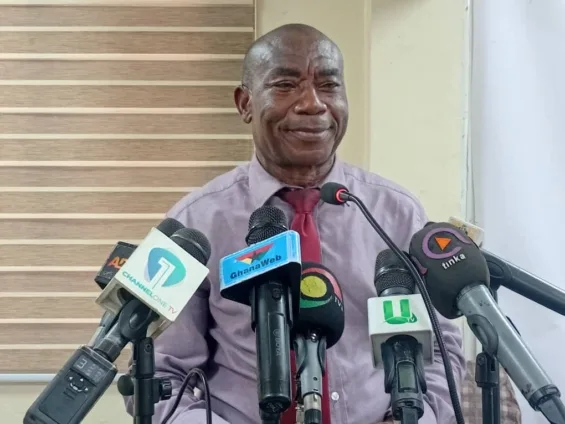
The Chief Executive Officer of the Chamber of Cocoa Marketers Ghana (CCMG), Victus Dzah, says recurring debts owed by the Ghana Cocoa Board (COCOBOD) to licensed buying companies have become a pattern under successive governments, leaving cocoa buyers to bear the financial cost.
Mr Dzah described the situation as a “copybook” repeatedly used by different administrations, saying licensed buying companies accumulate interest on the bank loans they take to finance cocoa purchases while waiting for COCOBOD to settle outstanding payments.
“It has become a copybook so that every administration comes and then LBCs become more or less the sufferers at the end of the day,” he said.
According to him, the delays have persisted across cocoa seasons, leaving licensed buying companies to absorb additional financing costs even as they wait for payments owed to them.
He said the situation had become unsustainable because interest on bank facilities continues to accumulate, adding to the financial strain on the companies.
“We can no longer continue with this,” he said, arguing that recurring delays in settling LBCs were contributing to wider difficulties in the cocoa sector.
Mr Dzah linked the financial strain on licensed buying companies to difficulties experienced by farmers during the current cocoa season, saying disruptions within the buying system ultimately affect the ability of companies to operate effectively.
He, however, distinguished the broader history of COCOBOD’s outstanding obligations from the approximately GH¢4 billion currently being discussed.
Mr Dzah maintained that the GH¢4 billion represents debt from the just-ended cocoa season and should not be characterised as old debt accumulated from previous seasons.
He said settling the outstanding payments was important not only for the licensed buying companies but also to enable them to secure the financing needed to participate in the new cocoa season.
The CCMG is therefore calling for a more sustainable financing arrangement between COCOBOD, licensed buying companies and the banking sector to prevent the cycle of outstanding payments from continuing.
 WhatsApp