



Wigs And Hair Extensions Are The Most Stolen Products In South Africa – 2oceansvibe News
[Image: Unsplash]
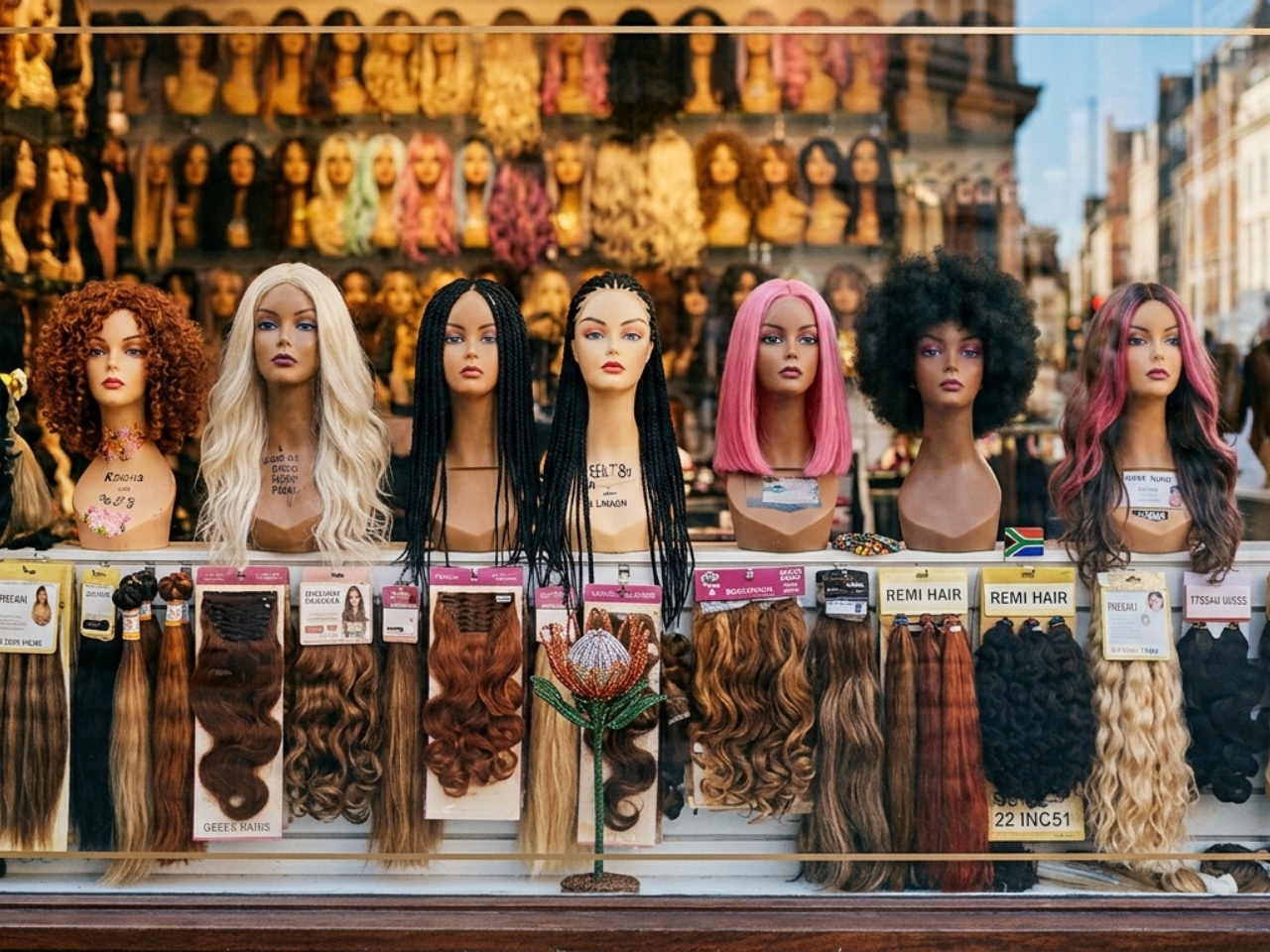
South Africa’s informal beauty industry is growing and, because of this, wigs and hair extensions are the most frequently stolen imported products in the country’s ports.
This was revealed by author and informal economy expert GG Alcock, on a recent episode of the Standard Bank Talks series, according to a report by Daily Investor.
Alcock pointed to a 2022 article by Hollard, which reported a surging demand for wigs, hair extensions, braids and weaves in SA’s illicit trade market, with the insurer’s then senior business development manager, Marika van Rhyn, referring to these products as the new “black gold”.
Van Rhyn said, “There are various types of hair extensions, such as human, synthetic, and even animal hair products, and they are mainly imported from China, Brazil, Mozambique and India. There has been such an increase in demand for hair extensions in South Africa that the theft of extensions is becoming more and more frequent. Once stolen, it is sold illegally and is very fast-moving”.
At the time that the article was published, the global hair extension industry was valued at $2.35 billion (R37.48 billion), with a projected growth rate of 11% per year. Between 2018 and 2022, the value of hair extensions imported into South Africa increased by 64% to R1.1 billion per year, Daily Investor reported.
According to Van Rhyn, the complex manual processes used to make wigs and similar hair products, as well as the high demand for them, greatly increased their worth, with some reports indicating that individual wigs and hair extension pieces can cost up to R20 000.
“The hair must be sourced, cut, trimmed, soaked and stained,” Van Rhyn explained. “It’s quite a time-consuming process and a very manual process. Then there is the shipment and storage cost and, of course, the insurance premium. All of these contribute to the final delivery price.”
What’s more, Van Rhyn said that there is a high fire risk with hair extensions due to the large number of stock being stored together, which, she said, is why wigs and hair extensions account for a significant portion of marine insurance claims, with Hollard reporting a 37% increase in these claims in one year.
Alcock says that the informal beauty market in South Africa, which has been nicknamed the “amasaloon” sector, is worth R10 billion a year.
“It’s booming. The trend is there is more and more growth in terms of beauty, such as wigs, hair extensions, lashes, nails and so on,” Alcock said. “So if you are wanting to invest in that beauty and personal care sector, understand those trends and what is driving them.”
As for where much of the theft is happening, Van Rhyn told Daily Investor that it’s concentrated at Durban’s ports, as this is where much of the cargo en route to Johannesburg comes through, and Johannesburg is where the country’s illicit trade market is centred. “We have certain hotspots in South Africa, specifically distribution centres in the Johannesburg area,” she said. “So those are the most common incidents.”
From fuel and food to electronics and now hair extensions, South Africa’s cargo thieves clearly have an eclectic shopping list.
[Source: Daily Investor]
 WhatsApp
Comments (0)
No comments yet. Be the first to share your opinion!