



Morocco Joins South Africa, Kenya, Egypt and Mauritius in Cementing Africa’s Tourism Powerhouses, From Desert Dunes and Nile Journeys to Coastal Escapes and Luxury Island Retreats
Published on
March 29, 2026

Image generated with Ai
Morocco has strengthened its position alongside South Africa, Kenya, Egypt, and Mauritius as one of Africa’s leading tourism powerhouses. The country’s vibrant cities, golden deserts, and scenic coastlines draw millions of visitors each year, while strategic improvements in air connectivity, hospitality, and safety have made travel easier and more appealing. Combined with the continent’s diverse offerings—from South Africa’s mountains and wildlife, Kenya’s coastal and safari experiences, Egypt’s ancient wonders, to Mauritius’ luxury island retreats—Morocco’s steady growth underscores why Africa’s tourism sector is thriving in 2026.
Africa enters 2026 with its tourism sector moving at full force, strengthened by sharp growth throughout 2024 and 2025. Across the continent, a combination of improved air access, upgraded visitor services, natural beauty, and cultural depth continues to attract millions. North Africa benefits from its closeness to Europe and long-established international recognition, while island nations and several regions in the south and east pull visitors seeking premium comfort, safety and serene landscapes. Wildlife adventures remain iconic, but the continent’s appeal now stretches far beyond safaris, embracing coastlines, heritage zones, business travel and luxury retreats. Using confirmed figures from 2024–2025, these destinations stand out as the strongest performers.
South Africa: Endless Variety and Scenic Thrills
South Africa continues to hold a strong position among Africa’s top tourism performers, drawing between 8.9 and 10 million travellers and growing to nearly 10.5 million visitors by 2025—an increase of about 17.6%. Its appeal lies in the extraordinary range of experiences it offers. Coastal cities, dramatic mountain views, wildlife-rich national parks and world-famous vineyard regions all contribute to its strong presence on the global travel map. Tourists enjoy seamless movement across destinations thanks to reliable transport networks. Enhanced safety measures in major tourism areas support this growth, encouraging visitors to explore freely. With a combination of culture, nature and vibrant city life, South Africa remains a consistent favourite.
Mauritius: The Island Gem Built on Luxury and Calm
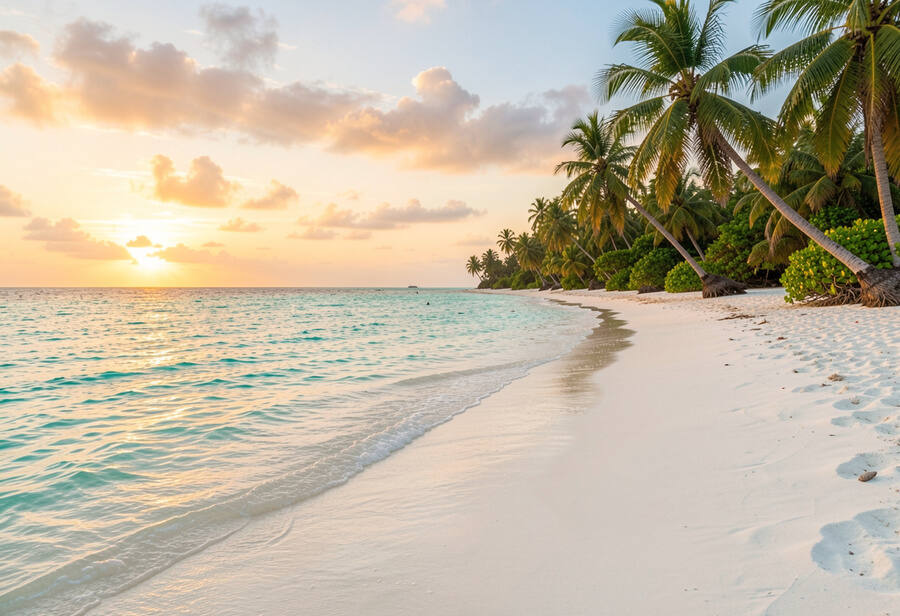
Mauritius continues to shine as one of Africa’s most polished island escapes, welcoming around 1.4 to 1.5 million visitors annually, including 1.436 million in 2025. The island’s growth of nearly four percent reflects its reputation for seamless, high-end hospitality. Turquoise lagoons, smooth white beaches, premium resorts and a strong sense of safety create an environment where visitors feel entirely at ease. The island is especially popular with travellers from Europe and Asia who seek relaxation over adventure. A long-standing focus on attracting high-value tourists has helped Mauritius secure stable revenue and a refined tourism identity. This strategy positions it as one of the most dependable and luxurious destinations in the region.
Kenya: Nature Experiences Expanding Beyond the Classics
Kenya’s tourism climb remains steady, with 2.4 to 2.5 million arrivals recorded in 2024. Known worldwide for its breathtaking wildlife encounters, the country is now gaining recognition for more diverse experiences. Coastal spots such as Diani Beach and Mombasa add warm waters and sandy escapes to complement the famous game reserves. Simplified visa access and consistent promotional campaigns help the country attract broader travel markets. Within the East African region, Kenya benefits from a shared tourism ecosystem that includes celebrated landscapes and island retreats. Although its visitor numbers do not yet match those of the top North African countries, Kenya’s steady rise reflects strong demand for nature-driven travel with modern comforts.
Egypt: A Timeless Destination Reinventing Its Future
Egypt continues to be one of Africa’s most influential travel players, with arrivals rising from 14–15.7 million in 2024 to nearly 19 million in 2025—growth of around 20% to 21%. The country’s global magnetism comes from its unrivalled archaeological wonders, sweeping desert panoramas and the traditional river journeys that trace the Nile. At the same time, modern improvements have made travel more accessible, with increased flight options and major upgrades to heritage sites and transport networks. Visitors also flock to Red Sea destinations for sunshine, water activities and resort lifestyles. This blend of ancient wonder and refreshed tourism infrastructure has strengthened Egypt’s standing as a must-see destination.
Advertisement
Advertisement
Morocco: Africa’s Undisputed Tourism Leader
Morocco stands as the continent’s most visited nation, attracting 17.4 million travellers in 2024 and climbing another 14% in early 2025 to almost 19.8 million visitors. From vibrant old towns and colourful markets to golden beaches, mountain routes and desert dunes, the country offers something for every style of traveller. Expanded low-cost air connectivity has made visiting easier than ever. Preparations for co-hosting a major global sporting event in 2030 have further elevated its international profile. With consistent growth and a rich blend of experiences, Morocco firmly holds its place as Africa’s tourism frontrunner.
Morocco has joined South Africa, Kenya, Egypt, and Mauritius as a top African tourism destination, attracting visitors with its deserts, vibrant cities, and scenic coastlines, while the continent’s diverse offerings—from Nile journeys to luxury island retreats—drive record growth in 2026.
Advertisement
Advertisement
Advertisement
Advertisement

Reported by Travelandtourworld.
Read Original Report at travelandtourworld.com ↗ WhatsApp
Comments (0)
No comments yet. Be the first to share your opinion!