
So, what makes a safari destination the best?
That depends entirely on you. Some travelers want the Great Migration. Others chase gorillas. A few prefer walking safaris where you’re meters from elephants with no vehicle between you. Budget matters too. Ghana costs a fraction of Botswana.
I am James Gatheru, a seasoned African Safari guide for masaimarasafari.travel, and I’ve guided safaris across the continent for over a decade. My honest assessment? There’s no single “best” – just different experiences for different priorities.
West Africa’s Hidden Gem
Ghana’s Mole National Park rarely appears on safari lists. Most travelers skip West Africa entirely, heading straight to Kenya or Tanzania. Their loss. Mole covers 4,850 square kilometers of the guinea savannah in northern Ghana. The walking safaris here offer something East Africa can’t match at this price point. Rangers lead small groups on foot, tracking elephants by fresh dung and broken vegetation. During the dry season (November through April), I’ve watched herds of 30+ elephants gather at the main waterhole. The morning air carries that particular mix of dust and acacia – a smell you don’t forget.
Walking safaris cost approximately USD 5 per person. Mole Motel runs USD 50-80 per night, while Zaina Lodge starts at USD 300 for those wanting luxury. The catch? Getting there takes effort. Two days by road from Accra, or fly to Tamale and drive three hours. Don’t expect the Big Five – lions exist, but sightings remain rare.
Gorillas in Uganda
Bwindi Impenetrable Forest isn’t a traditional safari. It’s something else entirely. You push through thick vegetation for two to seven hours. The forest smells like damp earth and decomposing leaves. Then suddenly you’re sitting with a silverback and his family, watching infants tumble while the dominant male observes with ancient eyes.
Uganda holds over half the world’s remaining mountain gorillas. The 2026 permit costs USD 800 for foreign visitors – considerably cheaper than Rwanda’s USD 1,500. Book permits 3-6 months ahead for peak season. Here’s an insider tip: fly into Kigali, Rwanda instead of Entebbe. It’s 4-5 hours to Bwindi versus 8-9 from Entebbe. The East African Tourist Visa covers both countries.
Kenya’s Safari Circuit
Kenya remains the birthplace of the photographic safari. Two parks deserve specific attention.
Masai Mara National Park
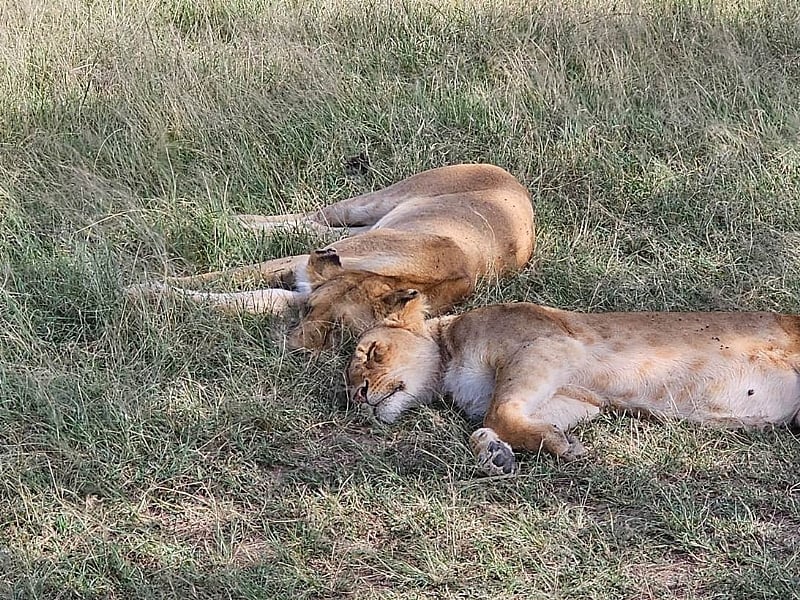
The Masai Mara National Reserve delivers Africa’s densest big cat populations – estimates suggest 25-30 lions per 100 square kilometers in prime viewing areas. The wildlife in Masai Mara includes all of the Big Five plus cheetahs, hippos, and crocodiles.
Peak season park fees (July through October) run USD 200 per adult per 12 hours. Low season drops to USD 100.
Robert Ogema, a KPSGA-licensed guide with over a decade of experience, once shared this tip: arrive at popular spots before 6:30am or after 4pm. Mid-morning crowds thin because most tourists return for breakfast.
The best time to visit Masai Mara for safari runs July through October for the migration. January through March offers fewer crowds and good weather.
Budget options like Manyatta Camp start around USD 100 per night. Luxury Masai Mara safari lodges like Governors’ Camp and Angama Mara run USD 500-1,500 per night. Check the Masai Mara safari cost breakdown for detailed pricing.
Nairobi National Park
Most visitors overlook Nairobi National Park. That’s a mistake if you have a layover or limited time.
This park sits 7 kilometers from downtown Nairobi. You can photograph lions with skyscrapers in the background – genuinely surreal. It’s the only national park bordering a major capital city.
The 2026 entry fee is USD 80 per adult, updated via kwspay.ecitizen.go.ke. The park works well for morning game drives before afternoon flights. Black rhinos roam here, though they’re harder to spot than in the Mara.
Beyond Kenya – Tanzania’s Serengeti
The Serengeti shares an ecosystem with the Masai Mara. The Masai Mara ecosystem spans both countries, with 1.5 million wildebeest circling annually. Calving season in February sees 500,000 calves born within weeks in the southern Serengeti. Predators converge from everywhere. Flight costs from Arusha to Seronera run USD 350-450 one-way via Coastal Aviation or Regional Air.
Botswana’s Okavango Delta
The Okavango costs more than anywhere else mentioned here. Deliberately so. Botswana limits tourist numbers through high pricing. Most camps host fewer than 20 guests. You’ll have wildlife sightings alone. Mokoro canoe excursions glide through papyrus channels. Budget reality: minimum USD 400-600 per night for decent camps. The exclusivity justifies it for some travelers.
What Could Actually Go Wrong
Let me be direct about concerns travelers raise.
Missed flights and logistics failures:
This happened to clients last year. Weather cancelled their internal flight from Arusha, stranding them overnight. The operator rebooked road transfers and extended their safari to compensate. Work with companies that maintain camp relationships and carry emergency contacts.
Not seeing wildlife:
In the Mara and Serengeti, you’ll see animals. A 3-day Masai Mara safari typically delivers lions, elephants, hippos, and zebras. Leopards take patience. Rhinos require luck. For gorillas, success rates exceed 98%. Ghana’s Mole requires realistic expectations. Elephants appear on most dry-season walks. Predators remain elusive.
Safety concerns:
Established safari destinations follow strict protocols. Guides understand animal behavior. Vehicles maintain safe distances. The greater risks involve normal travel concerns – malaria, road conditions, and documentation.
Practical Planning
Driving to Masai Mara for safari takes 5-6 hours from Nairobi via Narok. Fly-in safari Masai Mara options from Wilson Airport cost USD 150-230 one-way. All Kenya Wildlife Service parks now process payments through kwspay.ecitizen.go.ke. Current rates per the official KWS website are USD 90 for Amboseli, USD 80 for Tsavo East and West, and USD 90 for Lake Nakuru. Safari guides typically receive USD 15-25 per person per day in tips. Camp staff get USD 10-15 total.

