
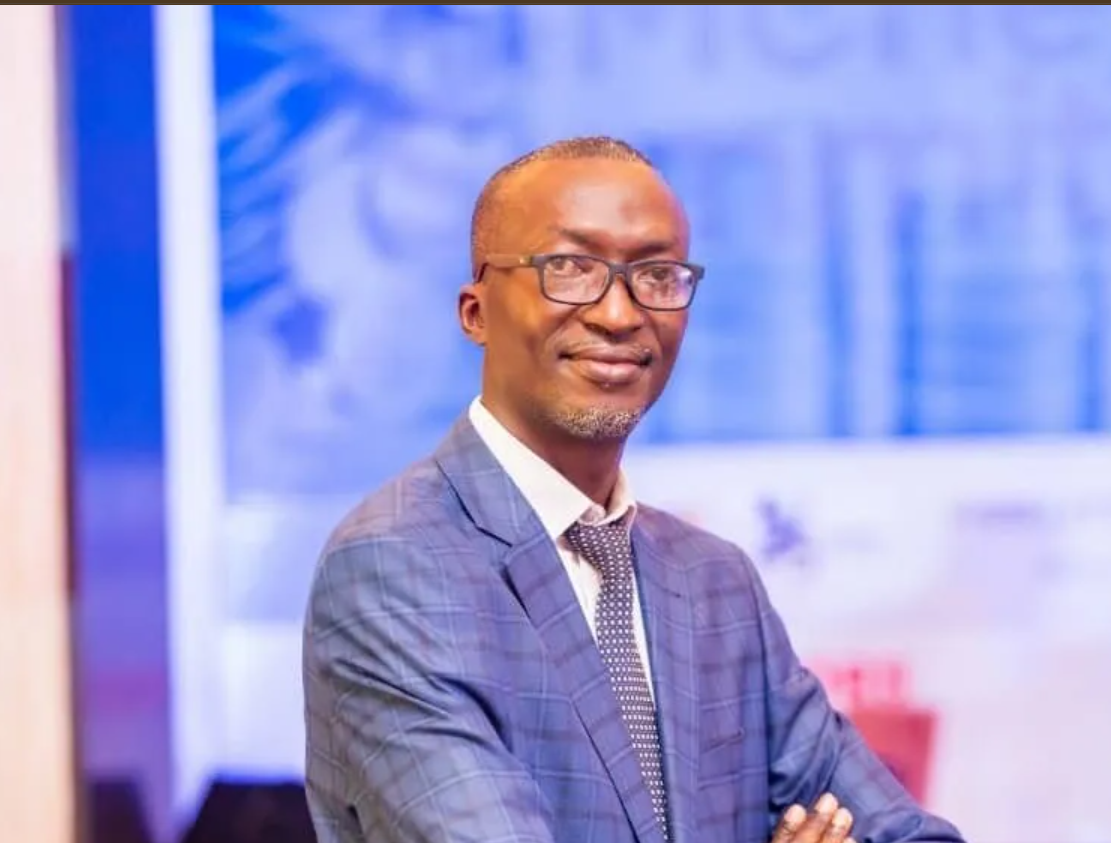
Chief Economist at the Public Initiative for Economic Development (PIED), Dr. Daniel Anim-Prempeh, has stated that Ghana’s economic recovery remains fragile and incomplete despite improvements in macroeconomic fundamentals.
He cautioned the Government against any “premature celebration,” noting that the economy had not yet attained the resilience required for sustained growth.
Speaking in an interview with the Ghana News Agency on current economic conditions, Dr. Anim-Prempeh urged the Government to leverage recent macroeconomic gains to accelerate growth, particularly in the manufacturing sector.
Ghana’s economy has shown signs of stabilisation, including a decline in inflation from more than 50% in December 2022 to 3.8% in January 2026.
The Cedi has also appreciated 40.7% against the US dollar, 30.9% against the Pound Sterling and 24% against the euro.
President John Dramani Mahama, in his message on the State of the Nation on Friday, February 27, said the country’s foreign reserves stood at US$13.8 billion, covering 5.7 months of imports.
He also noted that the public debt had reduced by GHS82.1 billion, from 61.8% to 45.3% of Gross Domestic Product (GDP), while US$1.4 billion in debt service was settled in 2025 to restore credibility with international partners.
“We are not totally out of our economic mess; we still have an issue with the cocoa sector, we’re still battling with electricity issues, and the government is yet to pay outstanding salaries of some workers, indicating that the resources are not there in the quantum to address all these challenges,” he said.
Dr Anim-Prempeh acknowledged the role of reforms under the US$3 billion International Monetary Fund (IMF)-supported programme and domestic measures in helping restore macroeconomic stability after the economic crisis that led to debt default and restructuring between 2022 and 2023.
“The government must tread cautiously because persistent challenges remain in critical sectors, and this requires continued fiscal discipline and cautious management to sustain gains achieved under the IMF programme,” he said.
The economist called for strengthened productive capacity and a robust manufacturing base to reduce import dependence and conserve foreign exchange reserves.
“We need to build a strong production base – our manufacturing base must be strong. It is then that we will minimise the importation of unnecessary items into this economy and ease the burden on our reserves, thereby beefing up our foreign exchange position,” he said.
Dr Anim-Prempeh said sustainable economic recovery required tangible support for the private sector to create employment for the youth, including incentives under the Government’s proposed 24-hour economy initiative.
The incentives include tax exemptions on importing machinery for manufacturing, solar and renewable energy inputs, raw materials not available locally, vehicles and logistics equipment, as well as corporate income tax exemptions for farming in strategic value chains.
“Supporting the private sector to create sustainable jobs for the teeming youth is very critical. These are key things that ought to be done. It’s very difficult, but when they focus and commit to the cause, they should be able to do it.
“Going forward, the big question is how we are going to sustain the gains post-IMF. Are we going to have the fiscal discipline that is required to be able to have sustained macroeconomic performance?” he asked.
Dr Anim-Prempeh urged the Ministry of Finance and managers of the economy to demonstrate commitment to fiscal discipline without IMF oversight.
He also cautioned against complacency, noting that the recovery remained vulnerable to policy reversals, external shocks, and fiscal loosening during election periods.
Source: GNA

