
By Eunice Hilda A. Mensah
Accra, Jan. 30, GNA – Mr Wumbei Dokurugu, Project Coordinator at Oxfam, has underscored the need for wider stakeholder involvement in developing a gender-responsive education training guide aimed at addressing social norms that hinder girls’ access to quality education.
He said recent public concerns about the appropriateness of learning content in Ghana made it necessary for organisations working on education and gender issues to involve key actors in shaping new training materials to ensure they were culturally appropriate and contextually relevant.
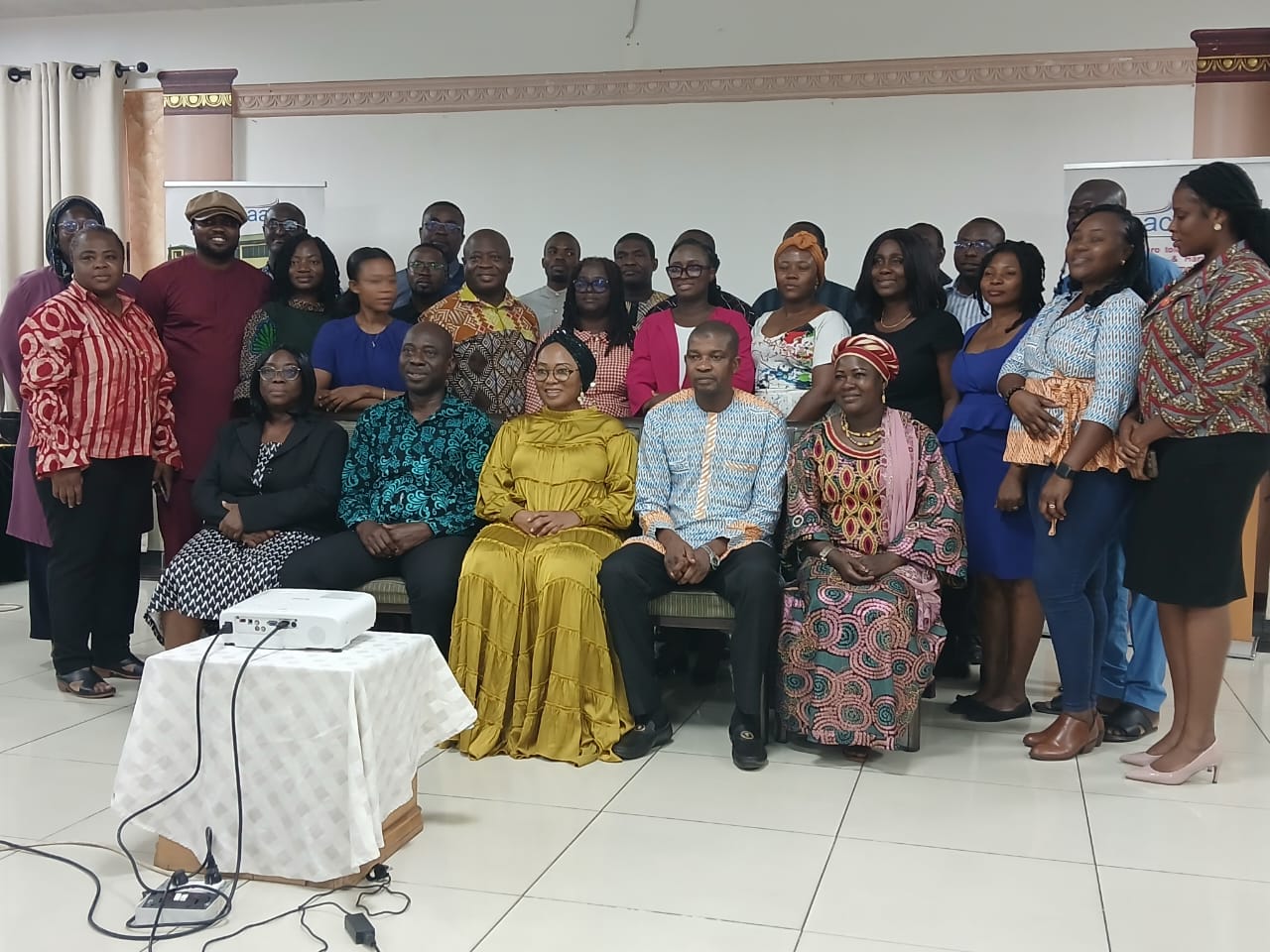
Mr Dokurugu, who spoke in an interview with the Ghana News Agency, at a validation meeting organised by the Northern Sector Action on Awareness Centre (NORSAAC) and OXFAM in Accra, said the manual being developed was anchored on four main areas: gender consciousness-raising, access to resources, social norm change, and policy implementation.

He explained that many misconceptions still existed around gender, hence the need for the guide to enhance public understanding of the concept, particularly among young people and community stakeholders.
“People often misunderstand gender and what it seeks to achieve. The consciousness-raising component will help clarify these issues and promote awareness,” he said.
On social norm change, he stressed that harmful cultural practices continued to impede progress for girls, especially in rural areas.
“These practices include child betrothal and early marriage, as well as the preference for boys’ education over girls’, which pushes many girls out of school into domestic or marital responsibilities,” he said.
Mr Dokurugu highlighted the importance of moving beyond policy formulation toward actual implementation, saying meaningful gender equality required the allocation of resources and visible government commitment.
“When we say we have a gender policy, it should not only be on paper. We should see deliberate efforts and resources committed to its execution,” he said.

He added that the definition of gender used in the training guide had been broadened to include persons with disabilities, who he described as one of the most vulnerable and often unheard groups.
“Women and girls with disabilities face even greater levels of vulnerability, which is why they must be part of the gender conversation,” he noted.
NORSAAC and Oxfam are expected to integrate all stakeholder inputs into the draft manual, after which it will be forwarded to state institutions for technical assessment and approval.
Mr Dokurugo said Oxfam would continue to provide technical support to ensure the guide received the attention it deserved and was ultimately adopted for use within Ghana’s education sector.
GNA
Edited by Audrey Dekalu

