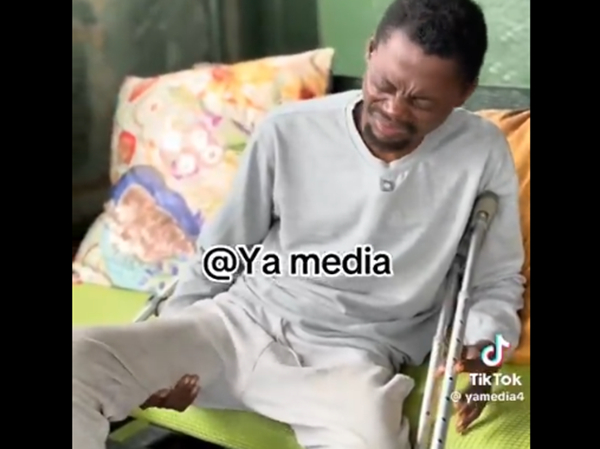
 The young man has been in pain after the medical procedure
A young man has shared his harrowing experience after what was supposed to be a routine medical procedure at the Komfo Anokye Teaching Hospital (KATH) in Kumasi, Ghana, left him unable to walk and in constant pain.
According to him, the entire ordeal began when a young doctor at the facility asked him to remove his shorts in order to draw blood. Trusting the doctor, he complied. However, after the blood was taken for the second time, he began to feel unusual pain in his leg.
“I started feeling sharp pain in my right leg. By the time I was discharged, I could barely walk. When I got home, I couldn’t even stand on my right leg. The pain was unbearable,” he recounted in a video shared on social media platform X, formerly known as Twitter.
Worried, his family tried reaching out to the doctor who had attended to him. To their shock, the doctor not only refused to take responsibility but also responded rudely.
“Whenever we call him, he insults us. Eventually, he told us he was only doing his attachment at KATH and had since left. He said the doctors at the hospital would continue taking care of me,” the young man revealed.
His condition worsened, prompting his mother to rush him back to the hospital. After further examination and an X-ray, doctors discovered that the bone in his hip had been affected, potentially during the procedure.
“The doctors said the bone in my hip is damaged. They explained that I will need a hip bone replacement surgery. But the surgery is very expensive and my family does not have the money. For now, they’ve given me painkillers, but the pain is still there and I can’t do anything for myself.”
The young man and his family are now calling for accountability, support, and assistance to enable him to get the life-saving surgery he needs.
“I just want to be able to walk again. I want to work and live my life. But right now, I’m stuck and in pain,” he said, his voice full of despair.
Sad 😢 The internship doctors at Komfo Anokye Hospital made me paralyzed. A Kumawood crew member cry out pic.twitter.com/AjSg4nYxtI
— Jasper Ziggle 🥷🇬🇭 🇺🇸 (@JasperZiggle) June 23, 2025
KA
Ever heard of Nkofie, the legendary Kwahu cave believed to grant wishes? Join GhanaWeb’s People & Places as we take you on an exclusive tour of this mystical site:
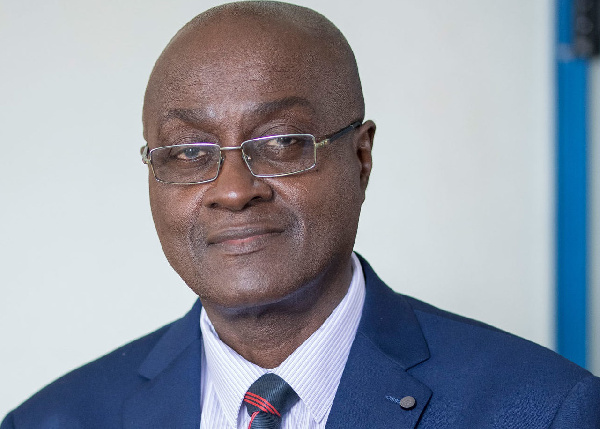
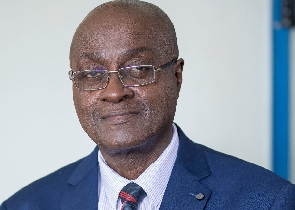 Banking and corporate governance expert Dr Richmond Akwasi Atuahene
Banking and corporate governance expert Dr Richmond Akwasi Atuahene has advocated the adoption of a principles-based regulatory framework in the domestic digital financial sector, arguing that such an approach is essential to balance innovation with robust consumer protection in a fast-evolving technological landscape.
In a detailed paper on Ghana’s digital financial ecosystem, Dr. Atuahene warned that the existing rules-based regulatory framework, while effective in certain contexts, is increasingly inadequate for addressing the complexities of financial technology (FinTech), mobile money, digital currencies and other emerging financial services.
“The challenge facing financial regulators today is not whether to regulate innovation, but how to do so in a manner that protects consumers without stifling growth,” he stated.
“Principles-based supervision offers a pragmatic solution by focusing on the outcomes of financial services – such as safety, transparency and fairness – rather than prescribing rigid methods of compliance,” Dr. Atuahene added.
The local digital financial sector has witnessed exponential growth in recent years, driven by widespread adoption of mobile money platforms, peer-to-peer lending and digital payment systems.
As of December 2024, BoG data show that mobile money platforms account for over 97 percent of digital transaction volumes in the country, with more than 59.7 million registered accounts and over four million mobile loans accessed by individuals previously excluded from formal banking systems.
This expansion, while transformative for financial inclusion, has also introduced new regulatory challenges including data privacy concerns, cybersecurity risks, digital fraud and market conduct issues.
According to Dr. Atuahene, these risks require a shift in regulatory posture – from a static, one-size-fits-all model to a dynamic framework that adapts to innovations without compromising essential regulatory goals.
Under principles-based supervision, regulators establish high-level objectives – such as protecting consumer data, ensuring fair treatment, or maintaining financial stability – and allow institutions to determine how best to meet these standards, subject to oversight.
This contrasts with traditional rules-based supervision, which relies on detailed, prescriptive requirements that may become obsolete as technologies change.
“FinTech and digital finance are defined by speed, scale and constant innovation. A rigid rulebook cannot anticipate or address every emerging scenario. Principles-based regulation empowers institutions to innovate responsibly while giving regulators flexibility that can respond to evolving risks,” Dr. Atuahene explained.
He stated that such a model does not mean an absence of rules. Rather, it enables a more nuanced regulatory environment where specific, codified rules govern high-risk areas – such as anti-money laundering and capital adequacy – while broader principles govern dynamic areas like product development, customer service and data governance.
This approach, he argued, also strengthens consumer protection. By placing the onus on institutions to act in the best interest of consumers and demonstrate compliance with broad ethical and operational standards, regulators can hold firms accountable in a more responsive and risk-aware manner.
“Principles-based supervision fosters a culture of responsibility and risk management within firms. It challenges them to not merely meet minimum standards but also internalise regulatory objectives as part of their business practices,” he noted.
Dr. Atuahene further recommended that the regulator expand its use of regulatory sandboxes – controlled environments for testing new financial innovations – and adopt regulatory technologies (RegTech) to enhance supervisory capabilities.
These tools, he said, will help bridge the gap between policy and practice by allowing regulators to monitor market developments in real time and intervene where necessary.
Citing international examples, he pointed to the United Kingdom’s Financial Conduct Authority and Indonesia’s financial services regulator as institutions that have successfully integrated principles-based regulation to manage digital finance. He called for Ghana to adopt a similar approach tailored to the country’s unique financial landscape.
He also proposed a hybrid model as a transitional step – combining the clarity of rules with the adaptability of principles – to ensure both regulatory certainty and flexibility. Such a model, he said, would be especially effective in areas like mobile money and digital lending where risks and opportunities are evolving rapidly.
With Ghana’s growing focus on digitalisation, including ongoing efforts to pilot a central bank digital currency (e-Cedi), Dr. Atuahene warned that regulatory inertia could undermine financial sector innovation and expose consumers to systemic risks. He urged regulators to take a proactive stance.
“The shift to a principles-based regime is not optional – it is essential if Ghana is to sustain the gains of financial inclusion, promote responsible innovation and maintain public trust in digital finance,” he remarked.
The call comes at a time when BoG is increasingly engaging with FinTechs through sandbox initiatives and payment systems modernisation.

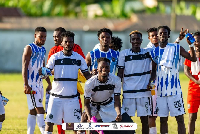
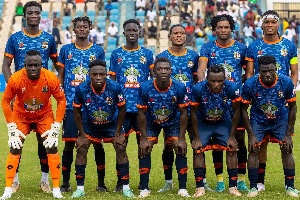 Ghana Premier League side Nations FC squad after a football match
Ghana Premier League sides Nations FC and Bibiani Gold Stars have set their sights on Bechem United midfielder Seth Kwadwo, with both clubs exploring potential deals for the talented players.
Nations FC have taken the most concrete steps so far, initiating formal discussions for Kwadwo who impressed last season with his technical quality and work rate.
However, they face competition from CAF Champions League-bound Gold Stars, who are closely monitoring the situation as they seek to strengthen their squad for continental football.
Kwadwo’s ability to dictate tempo and contribute goals from midfield has made him one of the most sought-after players in the domestic market this window.
Bechem United are prepared to negotiate but will demand a significant fee for their prized asset.
The coming days will prove crucial as both suitors weigh up formal offers.
Nations FC see Kwadwo as central to their plans to establish themselves in the topflight, while Gold Stars view him as ideal reinforcement for their historic African campaign.
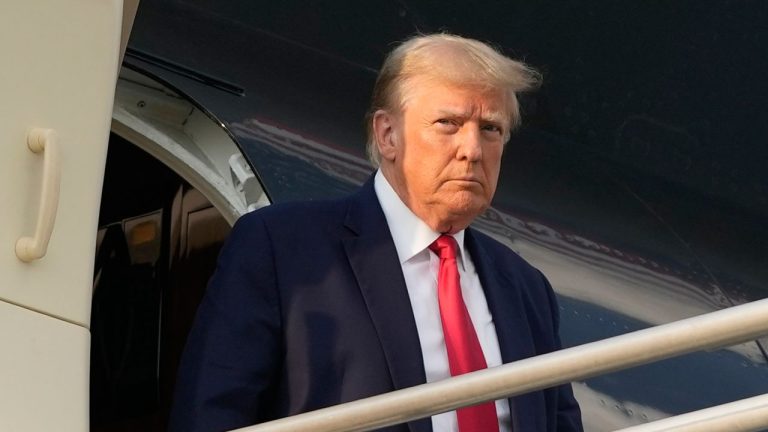
Iran has announced that it is prepared to end its attacks if Israel agrees to do the same, as reports of a potential ceasefire gain traction following statements from U.S. President Donald Trump.
President Trump said a “complete and total ceasefire” between Iran and Israel is expected to take effect within hours. However, neither Iran nor Israel has officially confirmed the ceasefire.
Speaking in Tehran, Iranian officials stated that continued restraint from Israel would be met with a cessation of Iranian strikes. “If Israel stops its attacks, Iran will also bring an end to its strikes,” a government spokesperson said. Israel has not publicly responded to the announcement.
The comments come after a night of heavy bombardment on Tehran, which lasted until 4:00 a.m. local time—marking the deadline Iran had issued for Israel to halt its offensives.
Earlier, Iran had launched a missile barrage targeting the U.S.-run Al Udeid airbase in Qatar in retaliation for Saturday’s strikes on its nuclear facilities. President Trump downplayed the Iranian response, calling it “very weak” and noting there were no casualties among U.S. or Qatari personnel. He thanked Iran for providing “early notice” of the attack.
Qatar confirmed that all missiles aimed at the base were successfully intercepted and condemned the strike as a “flagrant violation” of regional stability.
Tensions remain high following a dramatic escalation that began with U.S. airstrikes on three Iranian nuclear sites just two days prior. The international community has expressed concern over the rapidly intensifying conflict, urging all parties to exercise restraint.
With the region on edge, observers are awaiting official confirmation from both Tehran and Jerusalem to determine whether the reported ceasefire will hold.
Israel-Iran war: Fuel prices likely to rise in July – COPEC
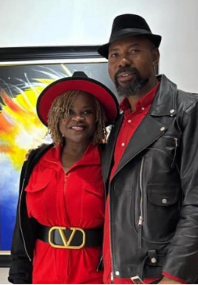

Nollywood actor, Linc Edochie has publicly distanced himself from his wife Yinka’s recent actions of sharing his younger brother’s estranged wife, May Edochie’s phone number online.
Over the weekend, Yinka, who has been in conflict with May’s fans, posted her number while accusing May of giving her (Yinka’s) phone number to her supporters, who she claims have been calling to insult her.
Linc Edochie writes as he dissociates himself from wife, Yinka’s act of releasing May’s number online
This morning, Linc took to social media to clarify his stance regarding the situation. He stated that he is a man of peace and does not support the attacks on May or the act of sharing her number online.
‘’We may not all agree with each other but we can respect one another…Better to be alone and at peace than to be in a union filled with landmines. Respect.”

Yinka and Linc, who recently got married, have now unfollowed each other on Instagram

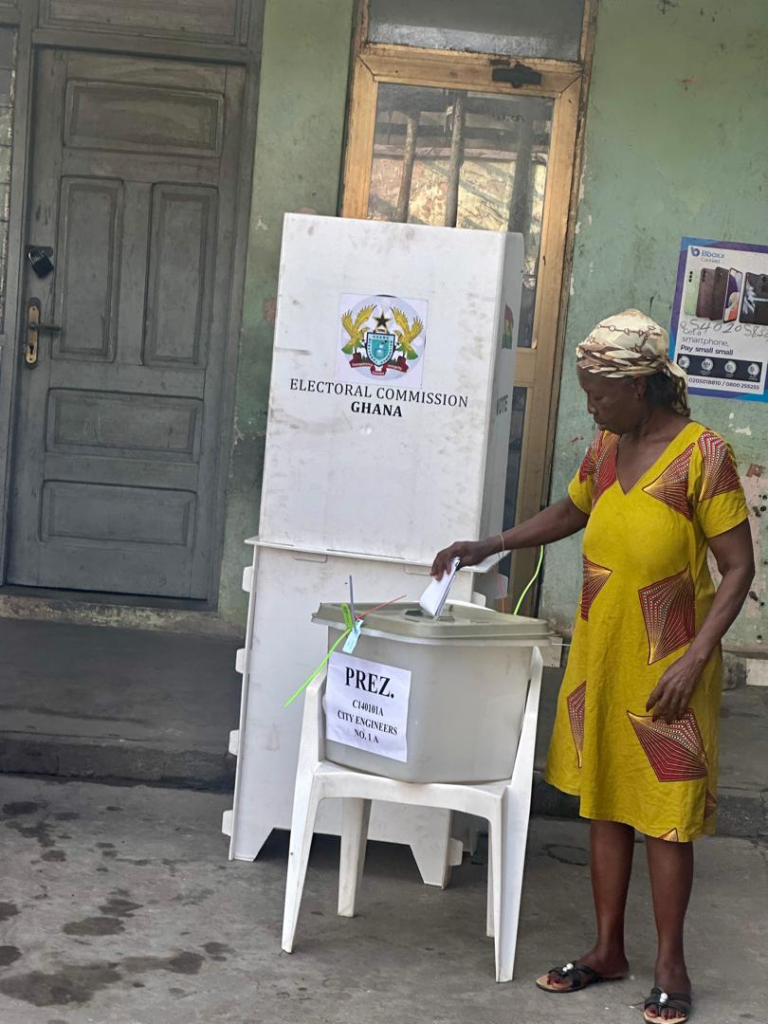
Okaikwei Central MP, Patrick Yaw Boamah, has offered an assessment of the 2024 general elections, describing the outcome as a testament to the discernment and political maturity of the Ghanaians.
He noted that the results reflected the electorate’s awareness of the national mood and their ability to choose wisely when it matters most.
In an interview on Channel One TV on Monday, June 23, Mr Boamah conceded that although he firmly supported NPP’s Dr Mahamudu Bawumia, it became evident that the political atmosphere was not favourable for then governing party.
“The 2024 election also taught us a few things — that Ghanaians don’t make mistakes. At every material time, they know who they want to vote for,” he said.
The Okaikwei Central MP acknowledged that several internal and external factors had stacked the odds against the NPP.
“I am NPP. I would have loved Dr Bawumia to win, but the circumstances around the country, the factors — everything was against the NPP, except those of us who were in the party,” he remarked.
He added that many within the party foresaw the uphill task they faced: “Some of us knew we were facing a headwind and it was going to be a very difficult election for us.”
Despite the broader challenges confronting the NPP nationally, Mr Boamah highlighted that meticulous planning and targeted campaigning enabled him to retain his parliamentary seat.
“I put in place the right strategies to win. I knew by 7:30 pm on election night that I had won the election because I had my own system of calculating and collating results,” he explained.
He concluded by noting the importance of data-driven electoral strategy at the constituency level, saying: “By 8 p.m., I told my people to go to the centre.”
DISCLAIMER: The Views, Comments, Opinions, Contributions and Statements made by Readers and Contributors on this platform do not necessarily represent the views or policy of Multimedia Group Limited.
DISCLAIMER: The Views, Comments, Opinions, Contributions and Statements made by Readers and Contributors on this platform do not necessarily represent the views or policy of Multimedia Group Limited.
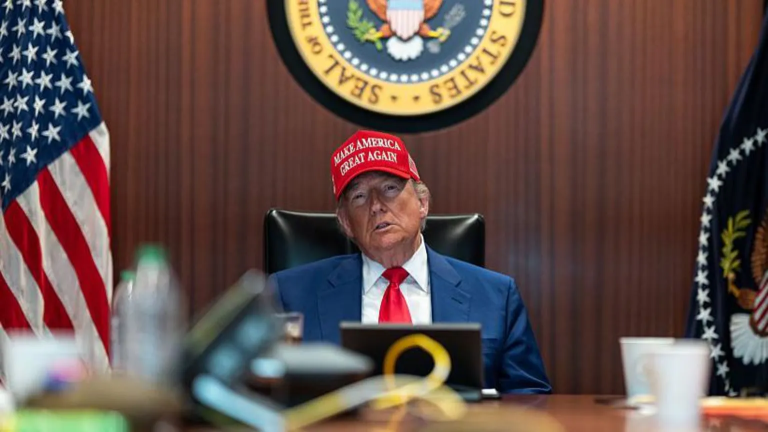
U.S. President Donald Trump said on Tuesday a ceasefire between Israel and Iran was now in place and asked both countries not to violate it, only hours after Iran launched waves of missiles, which Israel’s ambulance service said killed four people.
“THE CEASEFIRE IS NOW IN EFFECT. PLEASE DO NOT VIOLATE IT!” Trump said in a Truth Social post.
When Trump announced on Monday what he called a complete ceasefire to end a 12-day war, he appeared to suggest that Israel and Iran would have time to complete missions that were underway, at which point the ceasefire would begin in a staged process.
Witnesses said they heard explosions near Tel Aviv and Beersheba in southern Israel before Trump’s statement.
Israel’s military said six waves of missiles were launched by Iran and Israel’s national ambulance service said four people were killed in Beersheba, the first reported deaths in Israel since Trump announced the ceasefire.
Iran’s semi-official SNN news agency reported on Tuesday that Tehran fired its last round of missiles before the ceasefire came into effect.
A senior White House official said Trump had brokered a ceasefire deal in a call with Israeli Prime Minister Benjamin Netanyahu and Israel had agreed so long as Iran did not launch further attacks.
“On the assumption that everything works as it should, which it will, I would like to congratulate both Countries, Israel and Iran, on having the Stamina, Courage, and Intelligence to end, what should be called, ‘THE 12 DAY WAR’,” Trump wrote on his Truth Social site.
An Iranian official earlier confirmed that Tehran had agreed to a ceasefire, but the country’s foreign minister said there would be no cessation of hostilities unless Israel stopped its attacks.
Abbas Araqchi said early on Tuesday that if Israel stopped its “illegal aggression” against the Iranian people no later than 4 a.m. Tehran time (0030 GMT) on Tuesday, Iran had no intention of continuing its response afterwards.
“The final decision on the cessation of our military operations will be made later,” Araqchi added in a post on X.
Israel, joined by the United States on the weekend, has carried out attacks on Iran’s nuclear facilities, after alleging Tehran was getting close to obtaining a nuclear weapon.
Iran denies ever having a nuclear weapons program but Supreme Leader Ali Khamenei has said that if it wanted to, world leaders “wouldn’t be able to stop us”.
Israel, which is not a party to the international Non-Proliferation Treaty, is the only country in the Middle East believed to have nuclear weapons. Israel does not deny or confirm that.
Qatar’s Prime Minister Sheikh Mohammed bin Abdulrahman Al Thani secured Tehran’s agreement during a call with Iranian officials, an official briefed on the negotiations told Reuters on Tuesday.
U.S. Vice President JD Vance, Secretary of State Marco Rubio and U.S. special envoy Steve Witkoff were in direct and indirect contact with the Iranians, a White House official said.
Neither Iran’s U.N. mission nor the Israeli embassy in Washington responded to separate requests for comment from Reuters.
Hours earlier, three Israeli officials had signaled Israel was looking to wrap up its campaign in Iran soon and had passed the message on to the United States.
Netanyahu had told government ministers whose discussions ended early on Tuesday not to speak publicly, Israel’s Channel 12 television reported.
Markets reacted favorably to the news.
S&P 500 futures rose 0.4% late on Monday, suggesting traders expect the U.S. stock market to open with gains on Tuesday.
U.S. crude futures fell in early Asian trading hours on Tuesday to their lowest level in more than a week after Trump said a ceasefire had been agreed, relieving worries of supply disruption in the region.
Earlier on Monday, Trump said he would encourage Israel to proceed towards peace after dismissing Iran’s attack on an American air base that caused no injuries and thanking Tehran for the early notice of the strikes.
He said Iran fired 14 missiles at the U.S. air base, calling it “a very weak response, which we expected, and have very effectively countered.”
Iran’s handling of the attack recalled earlier clashes with the United States and Israel, with Tehran seeking a balance between saving face with a military response but without provoking a cycle of escalation it can’t afford.
Iran’s attack came after U.S. bombers dropped 30,000-pound bunker-buster bombs on Iranian underground nuclear facilities at the weekend, joining Israel’s air war.
Much of Tehran’s population of 10 million has fled after days of bombing.
The Trump administration maintains that its aim was solely to destroy Iran’s nuclear program, not to open a wider war.
“Iran was very close to having a nuclear weapon,” Vice President JD Vance said in an interview on Fox News’ “Special Report with Bret Baier.”
“Now Iran is incapable of building a nuclear weapon with the equipment they have because we destroyed it,” Vance said.
Trump has cited intelligence reports that Iran was close to building a nuclear weapon, without elaborating. However, U.S. intelligence agencies said earlier this year they assessed that Iran was not building a nuclear weapon and a source with access to U.S. intelligence reports told Reuters last week that that assessment hadn’t changed.
In a social media post on Sunday, Trump spoke of toppling the hardline clerical rulers who have been Washington’s principal foes in the Middle East since Iran’s 1979 Islamic Revolution.
Israel, however, had made clear that its strikes on Evin prison – a notorious jail for housing political prisoners – and other targets in Tehran were intended to hit the Iranian ruling apparatus broadly, and its ability to sustain power.
DISCLAIMER: The Views, Comments, Opinions, Contributions and Statements made by Readers and Contributors on this platform do not necessarily represent the views or policy of Multimedia Group Limited.
DISCLAIMER: The Views, Comments, Opinions, Contributions and Statements made by Readers and Contributors on this platform do not necessarily represent the views or policy of Multimedia Group Limited.
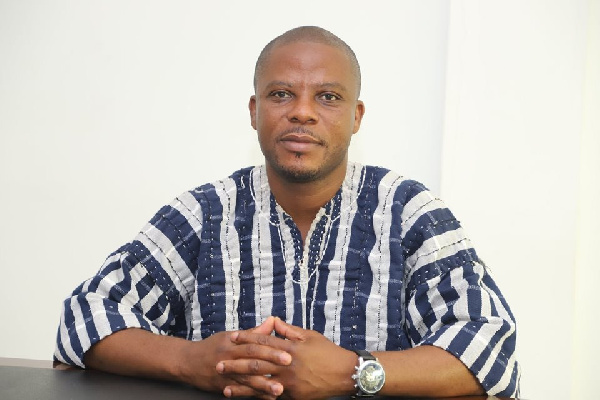
 Sylvester Tetteh is poised to lead the party to NPP victory in 2028
Former Member of Parliament for Bortianor-Ngleshie Amanfro and one-time Deputy Minister of Information, Sylvester Tetteh, has officially declared his intention to contest for the position of General Secretary of the New Patriotic Party (NPP).
Mr. Tetteh made the announcement during an interview on Kumasi-based Nhyira FM, stating that his extensive political and governance experience spanning over three decades places him in a prime position to help reorganize and reenergize the party.
“As the NPP prepares to return to power in 2028, the party needs tested, loyal, and strategic leadership. I believe I am the best person to occupy the General Secretary position to steer the affairs of the party at this critical juncture,” he said.
The former MP emphasized that the current state of the party calls for a unifying figure who understands the grassroots, has strong organizational skills, and possesses a deep understanding of both party structures and national governance.
Mr. Tetteh, known for his communication skills and active role during the NPP’s previous administration, pledged to foster inclusiveness and discipline within the party if elected.
He called on party delegates and stakeholders to rally behind his bid in order to position the NPP for victory in the next general elections.
Sylvester Tetteh has a wealth of political experience.
He has been a polling station executive, a constituency secretary for Ningo-Prampram, TESCON President at the university. He also managed campaign in the run up to the 2008 general elections serving as the campaign manager of Ningo-Prampram. He later was elected the Ningo-Prampram Constituency Secretary.
Mr Tetteh was elected the Parliamentary candidate for the 2012 elections going into battle with the then NDC candidate and stalwart, E.T Mensah who he nearly defeated in that election.
Following the party’s victory in 2016 election, Mr Tetteh was appointed to serve as CEO of the National Youth Authority in 2019.
In 2020, he won the parliamentary election and went to parliament where he served as Vice Chairman of the Communications Committee and also as member of the Finance Committee. He also served on the Local Government Committee.
Subsequently, President Akufo-Addo appointed him the Deputy Information Minister. He has been a critical voice of the NPP in the communications front.
He managed Freedie Blay’s campaign to be the National Chairman. He has also served as a member of the National Council, and the Greater Accra Lands Commission Board.
KA


<!– –>



<!–
–>
<!–
–>
<!–
–>
–>
[embedded content]
Related Video(s)

News Videos
23 June 2025
2261
23 June 2025
5715

23 June 2025
19092

23 June 2025
3913
23 June 2025
610
23 June 2025
31152
More News Videos <!–
–>
<!–
–>





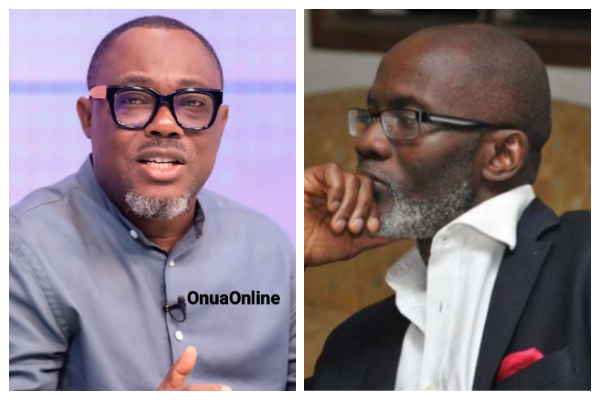
![A photo collage of Professor Gyampo [L] and Gabby Asare Otchere-Darko](https://cdn.ghanaweb.com/imagelib/pics/184/18445623.295.jpg "A photo collage of Professor Gyampo [L] and Gabby Asare Otchere-Darko") A photo collage of Professor Gyampo [L] and Gabby Asare Otchere-Darko
A photo collage of Professor Gyampo [L] and Gabby Asare Otchere-Darko
The Acting Chief Executive Officer of the Ghana Shippers Authority, Professor Ransford Gyampo, has cautioned President John Dramani Mahama not to be swayed by recent praises from individuals who previously criticised him.
According to Professor Gyampo, some of Mahama’s fiercest critics have now turned around to heap praises on him, a gesture he believes should not distract the President or derail the efforts of the anti-corruption task force, Operation Recover All Loot (ORAL).
Speaking on a panel discussion on TV3 on June 21, 2025, Prof Gyampo emphasised that regardless of the public accolades, ORAL must stay committed to its mandate of retrieving illegally acquired assets.
“All of a sudden, President Mahama is being showered with accolades from people who had once severely criticised him. Now he is being told that he is the most prepared president in Ghana. Some are saying that Ato Forson is the smartest Minister of Finance we have ever had. Some people are saying all manner of things.
“But I want to say that look, whether Mahama’s accolades are touted or not the reports of ORAL will be implemented, and nobody will be made to live in a fool’s paradise.
“If something is good, but the point is that we tell President Mahama that regardless of whatever people say about him, that he is doing well, that he is the most prepared president.
“Now people have started taking to a certain posture and it is curious, and I am surprised but we are saying that look, we will collect our money.
“Wherever monies have been kept, we will collect our money. Even if you praise him or you don’t praise him, the right thing would be done and it’s important that we put this on record and we let President Mahama know that he should not be swayed.
“Attorney General, all of you don’t be swayed by all this thing, let us go and get to the bottom of every matter that is being investigated regardless of whoever that is involved.”
Prof Gyampo’s comments follow remarks made by New Patriotic Party (NPP) stalwart Gabby Asare Otchere-Darko, who recently described President John Mahama as the most prepared leader in Ghana’s political history.
Speaking on Asaase Radio on June 16, 2025, Otchere-Darko highlighted Mahama’s unique career trajectory, which spans from serving as an assemblyman to becoming Vice President, President, and now again a presidential candidate.
“I think the current president is probably the most prepared president we have had. From assemblyman all the way to where he is now, Vice President, President, you have been in opposition, seen who your real friends are, learned from your mistakes, identified missed opportunities, and now you’ve been given another chance,” Otchere-Darko stated.
However, he also issued a word of caution, noting that Mahama faces immense pressure to fulfill campaign promises, particularly those directed at Ghana’s youth.
“The youth are unforgiving. They want jobs. They voted for you because they expect their aspirations to be met through your 24-hour economy policy and other promises. Satisfying them in this era of social and new media where every government action is magnified is a huge challenge,” he noted.
AM/KA
Ever heard of Nkofie, the legendary Kwahu cave believed to grant wishes? Join GhanaWeb’s People & Places as we take you on an exclusive tour of this mystical site:
 Ghana international Richard Ofori
Ghana international Richard Ofori has hinted that he is not thinking about retiring from active football.
The former Orlando Pirates shotstopper, who is now 31, has been a key figure for AmaZule in the South African Betway Premier League, keeping nine clean sheets from 22 appearances in the recently concluded season.
His impressive performances saw him overtake the number one choice, Veli Mothwa.
Speaking to KICK OFF, Ofori said he has years to come between the goal posts and the moment and was quick to shut down any suggestions of hanging up his gloves or a move, insisting that he is content with life at AmaZulu.
He added that he does not have retirement in mind and is committed to the AmaZulu project.
“I’m thinking about it (retirement) in a sense of planning ahead, you know. But not in terms of I’m thinking of retiring soon, no. I think for a goalkeeper, I still have many playing years in me,” Ofori said.
“I’ve recently joined this beautiful family at AmaZulu, and it’s a big team with big ambitions. It’s an awesome environment and a great family.
“The team is good, the players, the management, everyone is loving. So, I am enjoying my football.
“I’m working hard to help the team achieve these ambitions and fulfil what we believe is the team’s potential. Overall, I’m very happy.”
Having finished sixth last season, Ofori and his teammates will be looking to secure a top four finish when the 25/26 campaign gets underway, and with that, a return to continental football.
Meanwhile, Ofori has been out of the Ghana national team after the 2023 Africa Cup of Nations (AFCON) tournament in Ivory Coast, where the team exited in the first round.
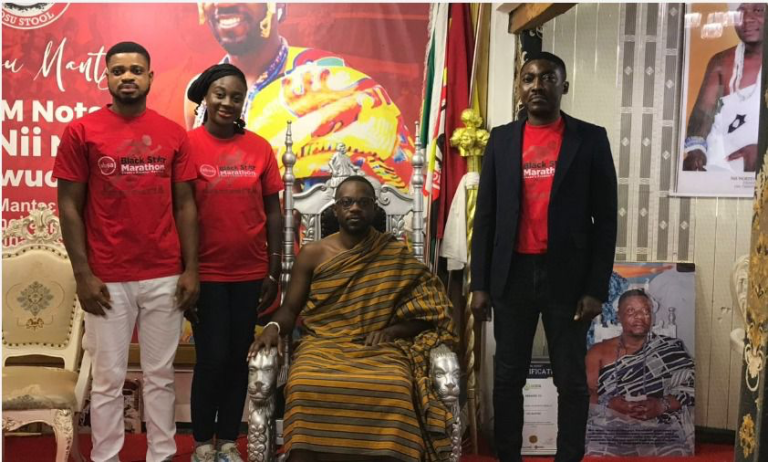
The Osu Mantse, Notse Nii Nortey Owuo IV, has endorsed the 2025 Absa Black Star marathon, underlining its significance in fostering healthy living and community welfare.
The Osu Mantse threw his support behind this year’s event when a group from Absa Bank Ghana and the Black Star Marathon Foundation paid him a courtesy call at the Osu Palace to formally invite him to the marathon.
This year’s marathon, set for Saturday, July 26, 2025, would feature a 42.2km race with a wheelchair event in both the men’s and women’s races, as well as a 10km run, walk, and jog.
The event, which is on the theme “Your Story Matters”, would begin and end at Independence Square in Accra.
During the meeting, Notse Nii Nortey Owuo IV thanked the organisers for their respect and formality in seeking the blessing of traditional authorities.
He praised the marathon as a positive step towards enhancing community health and encouraged all Ghanaians to participate and support this vital cause.
Mr Richard Doe – Sallah of Absa Bank Ghana, speaking on behalf of the organisers, highlighted the broader vision behind the marathon.
“We came here this morning to invite Osu Mantse and his subjects to join us in this very important marathon that is going to happen on their land,” he said.
“It is also a way of saying that we recognise the fact that we are having this event on your land, and we want you and the whole traditional area to be part of this important international marathon.”
He emphasised that the event aligns with Absa’s corporate mission to make a positive and inclusive impact on society.
“The marathon itself is geared towards supporting healthy living and lifestyle, and also addressing critical health issues like kidney disease,” he added.
Also present was Naa Adokarley Mettle Tutu of the Black Star Marathon Foundation, who reiterated the health-focused goals of the event.
“We are on a mission to promote good health, vitality, tourism, and awareness of kidney disease, which has become a major concern in Ghana. We want the entire community and traditional leadership to stand with us in this national effort for wellness and transformation,” said Naa Adorkarley.
The prize pool for this year’s marathon has been increased, with the total exceeding GH¢132,400.
Both the men’s and women’s marathon winners will receive GH¢15,000 each, with special prizes allocated for other categories. Registration for the event is currently open and will close on Monday, June 30, 2025.
DISCLAIMER: The Views, Comments, Opinions, Contributions and Statements made by Readers and Contributors on this platform do not necessarily represent the views or policy of Multimedia Group Limited.
DISCLAIMER: The Views, Comments, Opinions, Contributions and Statements made by Readers and Contributors on this platform do not necessarily represent the views or policy of Multimedia Group Limited.

Ghana’s democracy is not simply underperforming; it is unravelling exactly as it was designed to fail the people.
That is the assessment of Yaw Nsarkoh, former Executive Vice President of Unilever Ghana and Nigeria.
Speaking on PM Express on JoyNews after delivering a public lecture at the Ghana Academy of Arts and Sciences titled “Iniquities of Iniquity in Our Santa Claus Democracy”, he warned that the country’s political decay is no accident.
It is the product of a carefully maintained system that rewards secrecy, monetisation, and manipulation over accountability, he stated.
“We are in a public auction,” Mr Nsarkoh said bluntly. “This is not democratic participation. It is the electorate being reduced to a transaction—bought and sold every four years.”
His argument is as provocative as it is sobering.
According to him, Ghana’s transition to democracy was not a bold leap of principle but a cautious sidestep.
Citing the late political economist Claude Ake, Nsarkoh described it as a “reluctant transition.”
The democratic space, he argued, was only opened “just a little bit” to give the illusion of freedom while keeping real power unaccountable.
“We opened up space so that we could say the forms of democracy were in place,” Nsarkoh said.
“That’s why the institutional frameworks, for example, to track fund flows in politics, are almost non-existent.”
He believes this deliberate gap in transparency lies at the root of what he called “the iniquities of iniquity”—a cycle of corruption and elite capture that begins with money and ends with broken institutions.
“You are the media guy,” he said to the show’s host. “So let me ask you: how much money did the sitting president spend on his campaign? How much did his main opponent spend? You don’t know. I don’t know. CDD has tried to put out estimates. But how were they calculated? Even that is unclear.”
In other democracies, he noted, political financing is not only tracked but televised, dissected, and debated.
“Even when we sit here, we know the budgets of American presidential candidates. But in our democracy, we don’t know this basic thing.”
That opacity creates the perfect environment for corruption.
“If you and I are in the drug trade, we can carry money in sacks and give it to people who are going to become powerful actors,” he warned.
“We then make demands: put this person here, put that one there. And that’s how the rot starts.”
According to Mr Nsarkoh, this is not just a Ghanaian phenomenon. It is continental.
Countries across Africa that have gone down the same so-called democratic path are seeing the same patterns: a system that allows money to buy power and power to protect money.
“These are systemic defects,” he stressed. “Yes, personalities matter, and they must be held accountable. But when it’s been three and a half decades, and across borders, the same problems persist, then there are design flaws you must confront.”
Yaw Nsarkoh’s central argument is that political decay in Ghana was never the result of an accidental slide. It was baked into the architecture of power from the beginning. A democracy created to serve elites, not citizens.
“In a Santa Claus democracy,” he said, “you cannot track your fund flow. That is the root of all evil.”
He believes the way forward starts with a radical redesign—one that forces transparency into campaign financing, punishes illicit funding sources, and empowers citizens beyond just their votes.
Yaw Nsarkoh paints a grim picture of Ghana: a democracy in name, a market for influence in practice.
“Whether you call it Santa Claus democracy or a public auction,” he said, “it’s not working for the people.”
DISCLAIMER: The Views, Comments, Opinions, Contributions and Statements made by Readers and Contributors on this platform do not necessarily represent the views or policy of Multimedia Group Limited.
DISCLAIMER: The Views, Comments, Opinions, Contributions and Statements made by Readers and Contributors on this platform do not necessarily represent the views or policy of Multimedia Group Limited.
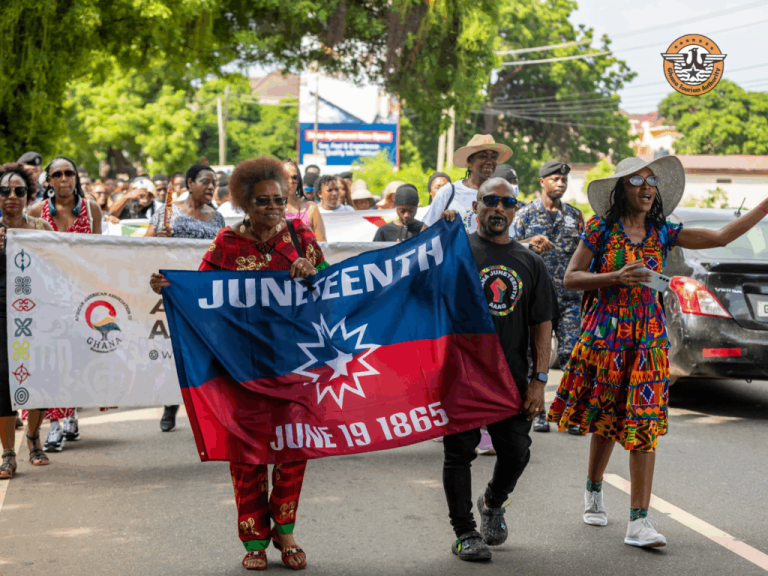
The Ghana Tourism Authority (GTA), in collaboration with the African American Association of Ghana (AAAG), has commemorated the 2025 edition of the Juneteenth Festival in Accra to strengthen the bond between Ghana and the Diaspora.
Juneteenth is a holiday celebrated on June 19 to commemorate the emancipation of enslaved people in the United States.
The holiday was first observed in Texas, where on that date in 1865, in the aftermath of the Civil War, enslaved people were declared free under the terms of the 1862 Emancipation Proclamation.
It is to celebrate freedom, resilience, identity, and the enduring bonds between Africa and its Diaspora.
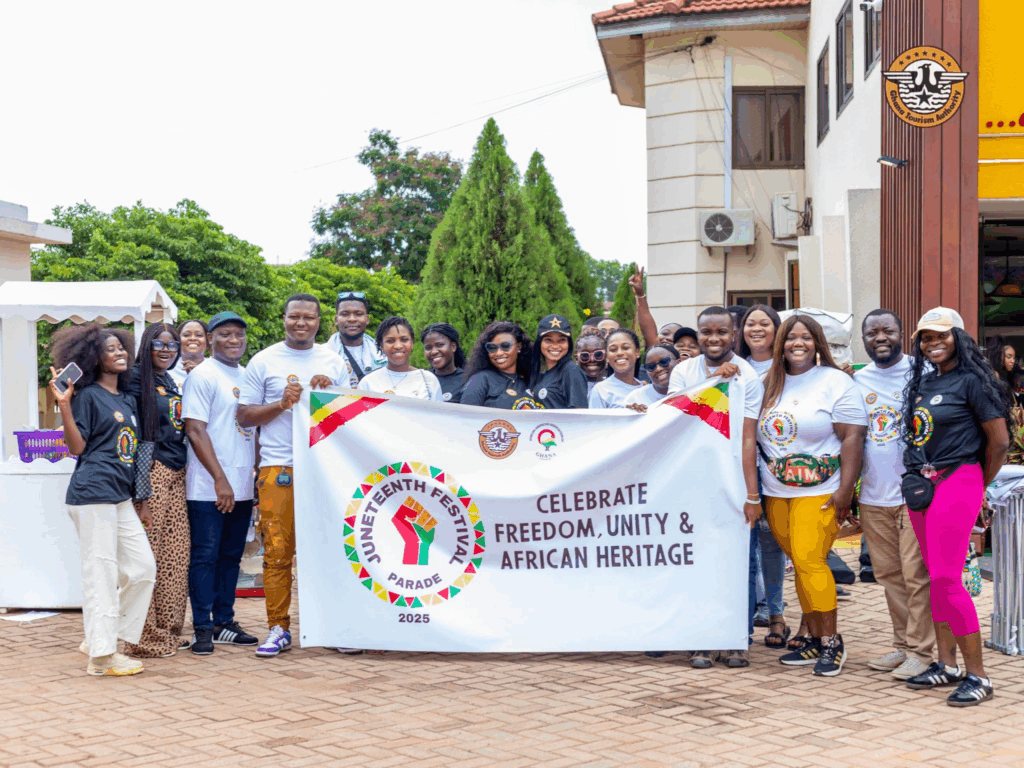
Mrs Maame Efua Houadjeto, the Chief Executive Officer, GTA, said the event marked a moment of deep cultural resonance and historical remembrance, and a call to reflection, unity, and forward movement for the global African family.
She said this year’s festival, under the vision and leadership of the AAAG, brought to the forefront the power of cultural expression as a tool for healing and unification.
“Music, art, dance, and shared storytelling serve as bridges that reconnect us to our roots and strengthen our future,” Mrs Houadjeto said.
As Ghana continued to position itself as the Gateway to the African Homeland, the GTA remained deeply committed to fostering relations with the Diaspora, she said.
“Through initiatives such as the ‘Year of Return’, ‘Beyond the Return’, and our active participation in events like this, the GTA affirms its dedication to reconnection, cultural celebration, and collective progress.”
Mrs Houadjeto said the GTA was proud to support this year’s Juneteenth Festival, assuring that the support was not only symbolic, but strategic and intentional.
“It is rooted in our belief that reconnecting with the Diaspora is vital to Ghana’s sociocultural and economic transformation,” she said.
She noted that the return of the Diaspora reaffirmed the unbreakable ties that bound Ghana and the diaspora, saying: “Together, we will continue to tell our story, build our legacy, and shape our collective destiny.”
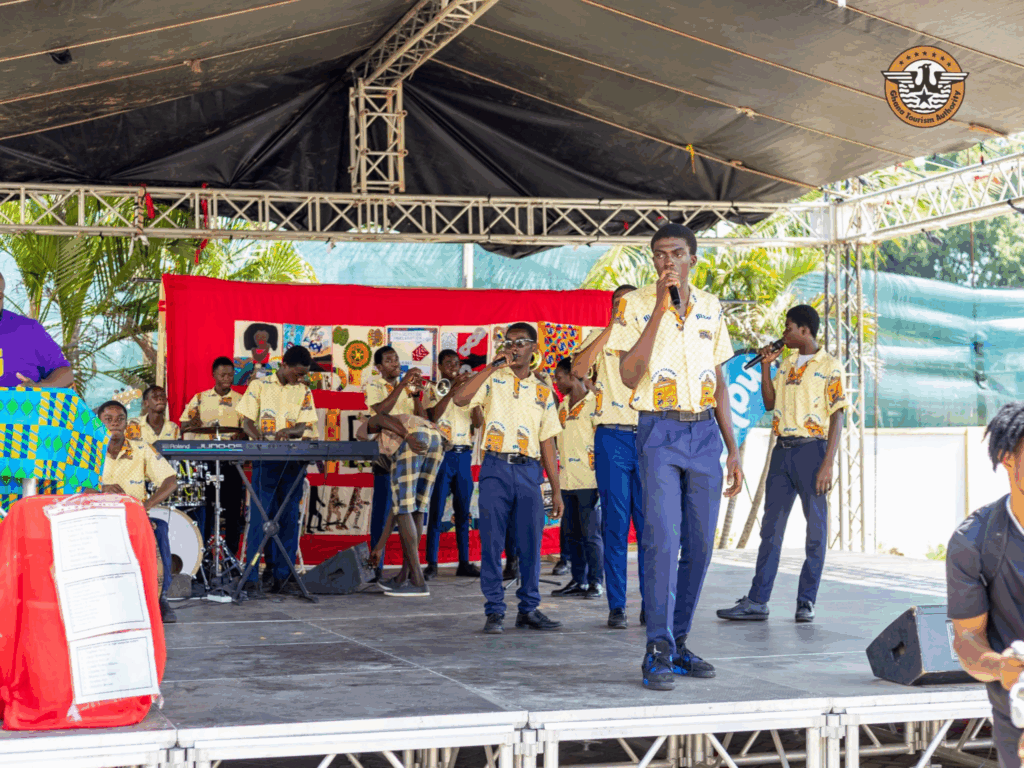
Mr Maurice Cheetham, the Vice President, AAAG, said Juneteenth was the day that the President of the United States in 1863 announced that slaves were free in the southern states.
The day is to celebrate the culture, history, and tradition of the black community and a way of integrating with Ghanaians to make a difference.
He said the celebration was also to share a part of the African American history and make it an annual tradition and share the rich history of slavery until the emancipation proclamation.
Mr Cheetham noted that individual members of the Association had committed to engaging in developmental projects across the country, to support and give back to their roots, and would not relent in their efforts to build their homeland.
He commended the GTA for their continued support, assuring that they would continue to collaborate to tell the rich African culture and tradition to the world and support the motherland.
DISCLAIMER: The Views, Comments, Opinions, Contributions and Statements made by Readers and Contributors on this platform do not necessarily represent the views or policy of Multimedia Group Limited.
Tags:
DISCLAIMER: The Views, Comments, Opinions, Contributions and Statements made by Readers and Contributors on this platform do not necessarily represent the views or policy of Multimedia Group Limited.
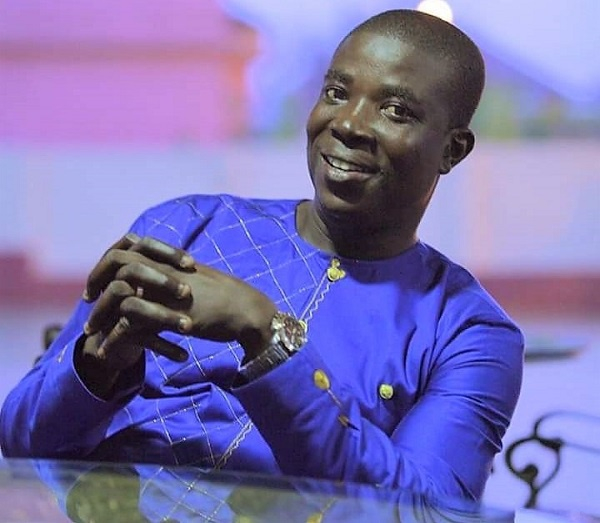
Gospel veteran Jack Alolome has questioned the notion that gospel singers should not openly endorse political parties or figures.
“Why do people say that?” he asked during an interview with Nana Romeo on Okay FM.
He challenged the opinion that declaring support for a political party could polarise his following or lead others astray.
“If anyone misses the way to heaven because of that, they chose and decided to backslide themselves,” he said.
Alolome offered an alternative perspective on gospel acts supporting political parties.
“Perhaps, we are using our influence to help save the country when it is derailed,” he suggested.
Parting Ways with the New Patriotic Party (NPP)
The singer acknowledged that he once supported the NPP, being the child of “diehard NPP supporters.”
“But in 2016 – Sam Pyne, Dr. Serebour, Lawyer Ohene Gyan, Kokofu, Nana B, Taabea, Kwame Adinkra – these were my friends, and the majority, or about 90%, were NPP supporters. Taabea was a staunch supporter, but he wasn’t treated fairly. We used to meet every Sunday at Yegoala [Hotel] in Kumasi,” he recalled.
“If you remember, there was an NPP programme at the Kumasi Sports Stadium, for which Sam Pyne asked me to perform. I had to stop my own programme at Breman Asikuma. We came and gave a great performance – I was introduced by Lord Inusah. I even created a song on the spot for the party. But after all that, whoever I called for payment referred me to someone else. We were never paid.”
He lamented working without compensation, even though he had dropped everything to honour the invitation to perform.
He stressed that he and his team deserved to be paid and that expecting compensation was neither greedy nor dishonourable.
Joining the National Democratic Congress (NDC)
Following his disappointment with the NPP, Jack Alolome said, “I was called by Honourable Armah Kofi Buah – you know he’s a brother; we come from the same town. He informed me he was launching his campaign – that was in 2016 – and he wanted me to support him.”
“On the day, the DJ struggled to play my song, so I had to perform a cappella. I did that for about five minutes on stage. Later, when I returned to my hotel, they came to thank me for gracing the occasion. When I checked the money they had left for me, it was GHS20,000 – back in 2016. I placed it on my bed, took a picture, and sent it to my family, telling them this party was better and that we should be with them instead.”
Defending His Shift in Allegiance
Alolome clarified that his support for the NDC was not about personal gain but was inspired by the party’s appreciation and respectful treatment — in contrast to how he had been treated by the NPP.
“The [NPP] party came to power and performed the worst,” he said, criticising former President Nana Akufo-Addo’s administration and defending his support for John Mahama and the NDC.
He appreciated the NDC’s warm reception despite his past allegiance to the NPP and described it as a privilege and “divine grace” to sing before President Mahama took the stage.
He said that during Akufo-Addo’s eight-year tenure, he came to realise that the ousted Mahama was the better leader, which inspired his song Begye Yen (“Come Save Us”).
He recalled how Eric Adjei told him that he and his boss, then National NDC Communications Officer Sammy Gyamfi, had recognised “there was power in the song” when they first heard it.
“They told me they loved the song. And truly, it made an impact,” Alolome added.
Expectations
He admitted that his “education was not deep enough” to expect high-ranking government appointments now that power has returned to the NDC. However, he expressed openness to “generous acts of kindness and befitting contracts.”
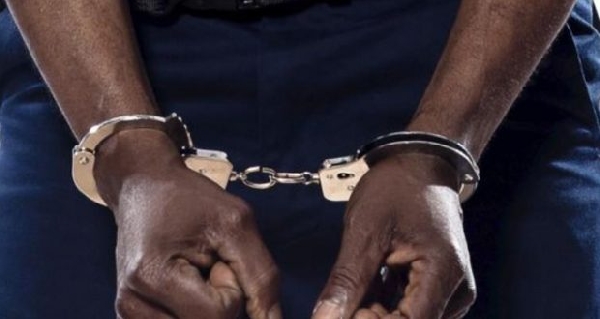
The Ghana Police Service’s Special Anti-Galamsey Task Force has arrested three individuals and seized mining equipment in a crackdown on illegal mining activities in the Central Region.
The coordinated operations took place last Friday at Nikanika and Adeade, according to a press release copied to the Ghana News Agency.
At the Nikanika site, no operators were found; however, the task force retrieved a single-barrel shotgun loaded with a cartridge and three water pumping machines.
“In a related development, the task force extended its operation to Adeade, where three suspects; Prosper Quansah, Chrispin Nartey and Owusu Gambra, were arrested with an excavator on a lowbed trailer,” the statement noted.
“One SANY excavator, four unregistered Haojin motorbikes and one lowbed vehicle with registration number GN 2136-24 were seized from the scene,” it added.
The suspects remain in police custody assisting with investigations, and all recovered items are being held as evidence.

Niger’s main mine workers’ union has thrown its support behind the military government’s planned nationalisation of Somair, one of the world’s largest uranium mines, saying output will continue, despite tensions with French operator Orano.
Niger, which seized the Somair mine in December, announced its plan to nationalise it last week, accusing Orano of taking a disproportionate share of production.
Its action follows measures by other West African governments to increase earnings from their natural resources.
French state-owned Orano did not respond to a request for comment on the allegations that it has taken more than its fair share.
It has previously said it opposes Niger’s plan and that it reserves the right to take legal action.
The National Union of Niger Mine Workers, or SYNTRAMIN, said in a statement on Saturday that it backed the “sovereign decision” by Niger’s military rulers, who seized power in a coup in 2023.
“For more than 50 years… the benefits of this strategic wealth have never fairly benefited Niger,” it added, denouncing “decades of pillaging organised for the benefit of foreign interests,” without providing evidence.
Orano holds a 63% stake in Somair, while Niger’s state-owned Sopamin owns the remainder. The government said last week that Orano had taken 86.3% of production between 1971, when the mine was launched, and 2024, without elaborating.
SYNTRAMIN also pledged to “mobilise to ensure the continuity of production and optimal valorisation of our resources” under new state management.
Niger is the world’s seventh-largest uranium producer and Somair plays a critical role in global nuclear fuel supply chains.
DISCLAIMER: The Views, Comments, Opinions, Contributions and Statements made by Readers and Contributors on this platform do not necessarily represent the views or policy of Multimedia Group Limited.
DISCLAIMER: The Views, Comments, Opinions, Contributions and Statements made by Readers and Contributors on this platform do not necessarily represent the views or policy of Multimedia Group Limited.

![The minister [blue suit] in a photograph with the Professional Golfers’ Association, Ghana](https://cdn.ghanaweb.com/imagelib/pics/490/49020011.295.jpg "The minister [blue suit] in a photograph with the Professional Golfers’ Association, Ghana") The minister [blue suit] in a photograph with the Professional Golfers’ Association, Ghana
The minister [blue suit] in a photograph with the Professional Golfers’ Association, Ghana
The Minister of Sports and Recreation, Kofi Adams, has expressed his readiness and enthusiasm for leveraging golf as a tool for sports development and environmental consciousness in the country.
According to the sports minister it’s important to give attention to a sport like golf in order not only to enhance its development but also its economic benefits especially to the youth.
Kofi Adams made a comment when the leadership of the Professional Golfers’ Association, Ghana (PGA), led by its President Hans De Beer, paid a courtesy call to discuss potential collaborations.
At the heart of the meeting was a shared commitment to reposition golf most importantly professional golf as a powerful tool not only for sporting excellence but also for promoting ecological awareness and social inclusion.
The sports minister expressed his deep appreciation to the PGA for their ongoing collaboration and acknowledged their recognition of the Ministry’s support for both amateur and professional golf in Ghana.
He emphasised that sports development cannot thrive in isolation and requires strong partnerships, visionary planning, and collective action.
He emphasized the importance of golf in promoting discipline, strategy, and respect for nature.
He noted that “Every golfer becomes an advocate for the environment, and he strongly believes it is time to introduce golf in schools.”
This initiative would nurture young minds to value green spaces while embracing a sport that has enormous potential for tourism, health, and character development.
The Member of Parliament for Buem assured that the PGA team that their collaboration would move beyond dialogue into action, with plans to develop golf-in-schools programmes, roll out climate-awareness campaigns, and engage communities across regions in growing the game.
The minister’s vision for golf in Ghana aligns with the country’s efforts to promote sustainable development and environmental conservation.
By introducing golf-in-schools, Kofi Adams hopes to instill values of discipline, hard work, and respect for nature in young people.
The planned golf-in-schools programmes would not only promote the sport but also provide opportunities for young people to develop important life skills.
The President of PGA Hans De Beer, expressed their gratitude for the sports minister’s support and commitment to developing golf in Ghana.
They welcomed the opportunity to collaborate with the Ministry and contribute to the growth of the sport in the country.
The meeting marked the beginning of a long-term partnership between the Ministry and the PGA to strengthen the presence of golf in Ghana and build a legacy that connects sport with sustainability.
The collaboration between the Ministry and the PGA is expected to have a positive impact on the development of golf in Ghana.
By working together, they aim to promote the sport, raise environmental awareness, and contribute to the country’s sustainable development.
Other PGA executive members who were present at the meeting include: Alhaji Ahmed Padori, vice president, Tournament Director, Eric Henaku, assistant tournament director, Francis Torgah, Emos Kwablah a senior member and secretary of the ladies’ professional golfers of Ghana Mercy Werner.
AM/KA
Ever heard of Nkofie, the legendary Kwahu cave believed to grant wishes? Join GhanaWeb’s People & Places as we take you on an exclusive tour of this mystical site:

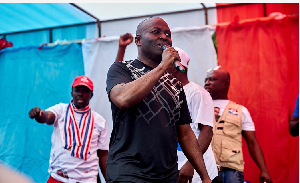 Odeneho Kwaku Appiah, former NPP Chairman for Afigya Kwabre South Constituency
It is the responsibility of NPP constituency executive members to unite and organise efforts to bring people together and build a strong foundation for the party.
They must put in more effort to set aside egos and personal behaviours and work collectively to strengthen the party in preparation for the 2028 elections.
Odeneho Kwaku Appiah, former NPP Chairman for the Afigya Kwabre South Constituency, who made these remarks, said unity should be grounded in teamwork, collaboration, and mutual support to achieve the party’s shared objectives.
Addressing the NPP Constituency Chairmen Caucus in Kumasi, he emphasised the importance of chairmen working closely with other constituency executive members to make the party more attractive to voters.
“We cannot force voters to choose the NPP. What we say and do will attract votes,” he stated.
Odeneho Appiah, who also served as the former Chairman of the Ashanti Regional NPP Constituency Chairmen Caucus, stressed that it was essential for constituency chairmen to remain united in order to overcome challenges, solve problems, and make meaningful progress.
He noted that the party needed practical ideas at all levels to promote fairness, accountability, and transparency, and to unite in the interest of preserving the party’s integrity.
Odeneho Appiah also pointed out that no civilised society has issues with dissenting views, and that democracy must allow space for such perspectives.
He added that constituency chairmen, together with other party executives, have a duty to protect, promote, rebuild, reorganise, and maintain the party’s integrity to enable it to win the 2028 elections.
They must respect and collaborate with everyone to serve the overall interest of the party, noting that when the party’s interest is achieved, individual interests will naturally follow.
He further emphasised the need for constituency chairmen to guide the executive in developing and implementing the party’s strategy, ensuring alignment with party goals and objectives, building strong relationships with all executive members, and supporting informed decision-making.
Odeneho Appiah concluded by stressing the importance of addressing all internal concerns promptly, so the party can focus on strategies that will lead to victory in the 2028 elections.
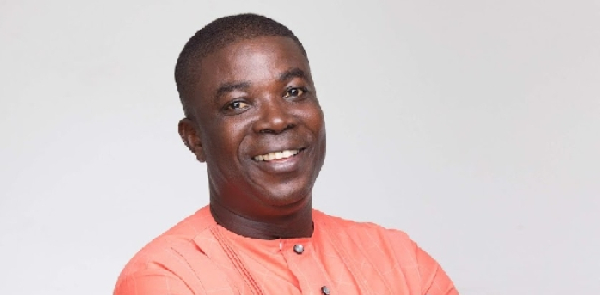
Gospel veteran Jack Alolome has admitted to consuming alcohol but only in the past.
He spoke to Nana Romeo on Accra 100.5 FM.
“I was tagged as a drunk because the people I walked with liked to drink – they were elderly, too,” he recalled, bemoaning, “And in Ghana, once you are spotted in such company, it is concluded you are just like them.”
The Adom Nsuo (Water of Grace) singer indicated he once went astray but promptly repented when he observed the unacceptable trend.
“If I say I’ve not taken alcohol before, even God will be angry at me. But being human, as your life progresses, you may get swollen-headed and do some things you are not supposed to do. But when you notice and admit your shortfall, it’s between you and your God, and you can backtrack,” he said.
However, “I was not a heavy drinker,” he clarified, explaining that even when he consumed alcoholic beverages they had low alcohol content.
Alolome concluded by categorically stating he had completely stopped drinking, adding he had never used cannabis before, too.
The Western Central Regional Police Command has commenced investigations into the death of a 19-year-old boy who allegedly committed suicide while in police custody at the Simpa Police Station in the Tarkwa Nsuaem Municipality.
Chief Superintendent of Police Kusi Appiah, the Regional Crime Officer for the Western Central Region, confirmed the incident to the Ghana News Agency (GNA).
He said the complainant, Isaac Asare, a small-scale miner, worked with the deceased and that both resided at Simpa.
On Sunday, June 1, 2025, the complainant returned from work and discovered that six blades of gold (value yet to be determined) had been stolen from his room. He suspected Obeng, the deceased, was behind the theft.
Chief Superintendent Kusi Appiah stated that on June 6, 2025, the complainant, with the assistance of a group of people, apprehended Obeng and handed him over to the Simpa Police Station, where he was detained for alleged stealing.
According to him, the deceased admitted to the crime and even led the investigator handling the case to the location where he had allegedly sold the gold. However, the person who had bought the gold was not available at the time.
The Regional Crime Officer reported that on Sunday, June 8, at around 05:00 hours, a non-commissioned officer on duty at the charge office found the deceased hanging from the inner cell gate with a torn piece of the blanket he had been sleeping on.
He said the body of Obeng has since been deposited at the Tarkwa Municipal Hospital mortuary at Bogrekrom for autopsy and preservation.

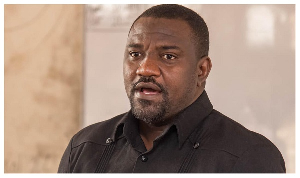 Deputy Minister of Food and Agriculture, John Dumelo
Ghana’s Deputy Minister of Food and Agriculture, John Dumelo, who also serves as the Member of Parliament for Ayawaso West Wuogon, has inaugurated the Amankwakrom Cattle Ranch Task Force in the Kwahu Afram Plains North District.
The task force aims to resolve escalating conflicts between crop farmers and cattle herders, and to improve livestock management.
The newly launched farmer-herder task force was introduced during the third Interprofessional Collaboration for Community Development (ICCD) Summit, hosted by the Kwahu Asabi Royal Foundation.
The task force, comprising representatives of both farmers and herders, along with the local District Cattle Ranching and Transhumance Committee, is designed to manage cattle movements, prevent conflicts, and protect farmlands.
MP John Dumelo emphasized that the team must operate strictly within legal frameworks, reinforcing the rule of law.
As part of the Feed Ghana Programme, Dumelo also announced plans for local processing centres to curb post-harvest losses and boost farmers’ incomes.
The initiative received strong community backing, with Chief Nana Otukwa Mpareko VI endorsing it, and fellow MPs Wolarse Kpeli and Emmanuel Nyadedzo calling for supportive district bylaws to regulate livestock and promote development.
The initiative underscores the government’s commitment to its Feed Ghana Programme, aiming to strengthen food security, boost rural economies, and manage agricultural conflicts.
Going forward, the newly formed task force will enforce cattle movement rules and local bylaws, while farm-based processing centres will be established to reduce crop losses and improve farmer earnings.
Authorities will monitor the results closely, with particular focus on the initiative’s effectiveness in curbing tensions between farmers and herders.
The initiative protects farmers’ livelihoods by preventing crop destruction, increases rural incomes through reduced waste and on-site processing, and fosters peaceful farmer-herder coexistence—laying the foundation for sustainable livestock development and long-term rural stability.
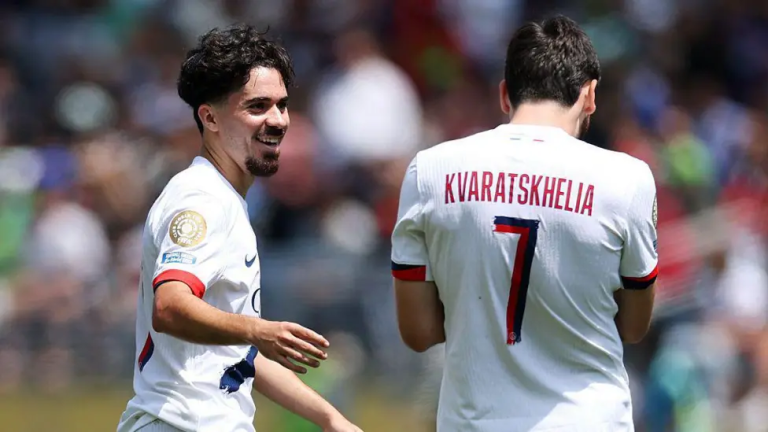
Vitinha and Khvicha Kvaratskhelia linked up – unintentionally – to score PSG’s opener
Paris St-Germain beat Seattle Sounders to seal their place in the Fifa Club World Cup knockout stages.
The European champions win Group B and will play the runners-up of Group A – which is likely to be Palmeiras or Inter Miami.
Their opening goal had a hint of fortune to it with Vitinha’s 20-yard first-time drive heading off target before hitting Khvicha Kvaratskhelia on the back and going in.
They added a second on the counter with Achraf Hakimi slamming in from Bradley Barcola’s pass.
PSG deserved their victory in Seattle with Desire Doue forcing three stops from Sounders keeper Stefan Frei.
The hosts’ best chance came when Gianluigi Donnarumma gave the ball straight to Jesus Ferreira, who shot over from a tight angle.
Could PSG bounce back from their defeat by Botafogo last time was the main question. They had won six in a row, including the Champions League final against Inter Milan, before that loss.
The answer was yes. The French side were far from their best but they were good enough to beat their Major League Soccer hosts.
They are now four games away from adding a first world title to their maiden European one – and they still have striker Ousmane Dembele to come back from injury.
Vitinha was quality again in the heart of the PSG midfield. He completed 107 of his 113 passes – and had that accidental assist for Kvaratskhelia.
The Portuguese midfielder is aiming to win three continental or global trophies in the space of six weeks, having already lifted the Champions League with PSG and Nations League with Portugal.
PSG had 73% possession over their three group-stage games, completing over 1,500 more passes than their opponents
PSG play either Inter Miami – in what would be a reunion with their former player Lionel Messi – or Palmeiras in Atlanta on Sunday (17:00 BST).
Sounders are back in MLS action the same day against Austin.
DISCLAIMER: The Views, Comments, Opinions, Contributions and Statements made by Readers and Contributors on this platform do not necessarily represent the views or policy of Multimedia Group Limited.
DISCLAIMER: The Views, Comments, Opinions, Contributions and Statements made by Readers and Contributors on this platform do not necessarily represent the views or policy of Multimedia Group Limited.

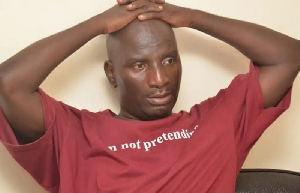 Fil producer Socrate Safo
Film maker, Socrate Sarfo says he always gets jealous of his colleagues in the National Democratic Congress (NDC).
He says the government has shown that they have enough respect for creatives and not just bookish individuals.
The New Patriotic Party supporter said when his party was in power, the party never respected creatives.
He said they were looked at in a very condescending manner by their people so much such that they were not considered for any influential positions.
However, the NDC has since taking over proven that they believe creatives have something innate which will help the country’s development.
Socrate Sarfo was speaking on Kalsoume Sinare’s appointment as Ambassador to Spain by the president.
”I get jealous of my colleagues in the NDC. Their people have shown that they acknowledge their depth as creatives and are making good use of them. Our people on the other hand will look at you in a very condescending manner thinking they are better than you. We had the creatives who could do excellent jobs but they were overlooked just because they claim they don’t have degrees,” he said while speaking on Accra-based Okay FM.
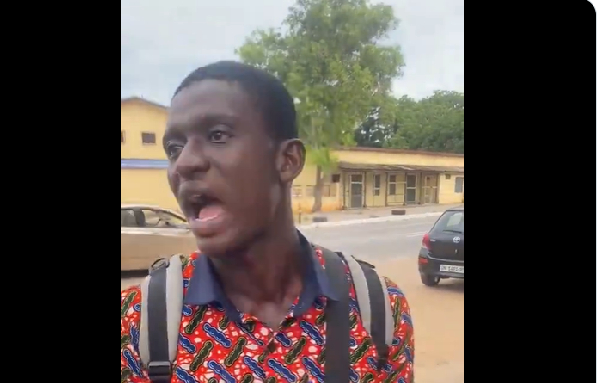
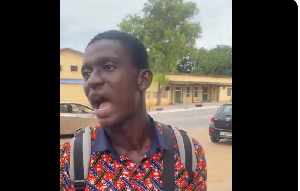 The demonstration was in response to delayed staff identification numbers and unpaid salaries
A newly trained Ghanaian teacher from the 2022 batch of Colleges of Education graduates has lambasted a police officer for allegedly threatening to assault teachers who staged a protest at the Ghana Education Service (GES) headquarters in Accra on Monday, June 23, 2025.
The demonstration was in response to delayed staff identification numbers and months of unpaid salaries.
According to the frustrated teacher, who hails from the Northern Region and has been working for the GES for the past ten months without pay, the situation has severely affected his livelihood.
He lamented that he is burdened with debts and daily living expenses, making life increasingly difficult.
In a viral video interview, the teacher alleged that a police officer confronted the group during their peaceful picketing and threatened to beat them if they crossed a designated red line.
He expressed outrage over what he perceived as disrespect from the officer, whom he described as having only a Senior High School (SHS) level of education.
“Ten months without salary, do you think you’re the one to teach me what to say? I am from the Northern Region. I didn’t travel all the way to Accra just to make noise. I came because my employer hasn’t paid me, and I’m rightfully complaining. Then you bring in a police officer who claims he will beat us. He said if we cross the red line, he will beat us,” the teacher said.
He continued, “I have gone to university and worked for ten months without pay. I am here to speak up, and you are threatening me? He didn’t speak well. If he thinks he is tough, he should take off the uniform and see what happens. I only respect the uniform,” he added.
The teacher further highlighted the financial struggles many of his colleagues are enduring, “We pay rent, we eat, we owe, and creditors keep calling us to settle our debts. We are simply here to tell our employer our grievances, and instead, you call in the police to threaten us.
“You an SHS-level police officer threatening a university graduate who hasn’t been paid for ten months. If you, as a police officer, go two months without pay, you will form an association and storm this place.”
As part of the picketing, the aggrieved teachers claimed they had submitted a formal letter outlining their concerns and waited at the GES premises for over two hours without any response or engagement from officials.
Tensions escalated when police officers arrived and issued a three-minute ultimatum for the group to disperse. The teachers, however, refused to comply, prompting a forceful removal by the officers.
Undeterred by the incident, the protesters have vowed to intensify their actions. They plan to present a petition to the Ministry of Finance on Tuesday June 24, 2025, before marching to Parliament to press home their demands.
The group maintains that they will not back down until the government addresses their concerns.
An aggrieved teacher who has not been paid for the past ten months, angrily shares his frustration over how police officers drove them out of the GES premises while they were picketing to demand their pay. pic.twitter.com/clPlSHaZh5
— SIKAOFFICIAL🦍 (@SIKAOFFICIAL1) June 23, 2025
AM/KA
Ever heard of Nkofie, the legendary Kwahu cave believed to grant wishes? Join GhanaWeb’s People & Places as we take you on an exclusive tour of this mystical site:
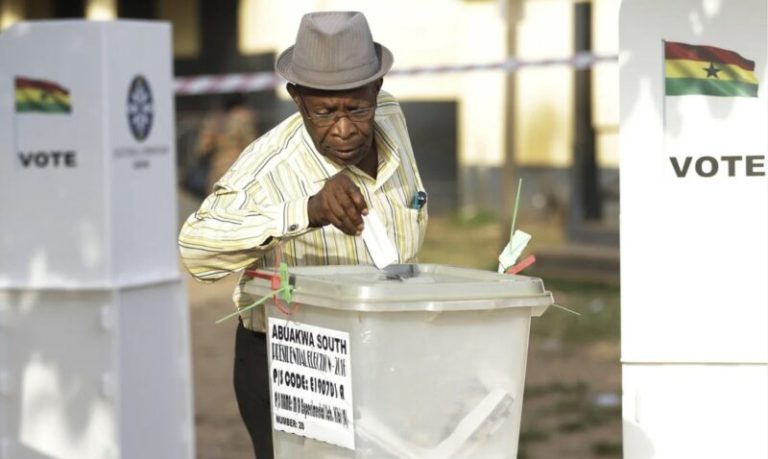
The former Executive Vice President of Unilever Ghana and Nigeria, Yaw Nsarkoh, says Ghana’s experiment with democracy was never real; it was only performative.
He argues that what passes for democratic governance in Ghana is, in fact, a sophisticated illusion—more concerned with optics than substance.
“We never truly transitioned,” he declared on JoyNews’ PM Express on June 23, following his lecture at the Ghana Academy of Arts and Sciences titled Iniquities of Iniquity in Our Santa Claus Democracy.
“It was a reluctant transition. We opened up space just a little bit so that we could say the forms of democracy had been put in place and that we had democratised.”
Nsarkoh’s critique is blistering and rooted in both history and structural realities.
Referencing the late Nigerian political economist Claude Ake, he said Ghana is a textbook case of how African states often liberalise just enough to check boxes, never enough to empower citizens or dismantle entrenched systems of control.
“We’re reduced to voters, not citizens. It’s a public auction for the highest bidder,” he warned.
“You and I could be in the drug trade, carry sacks of cash and sponsor candidates. Once they win, we start making demands. That’s the chain reaction.”
At the heart of his concerns is the near-complete absence of transparency in political financing.
“If I asked you how much money the sitting President spent on his campaign, or how much his main opponent spent, you couldn’t answer. Even as a media person, you don’t know. No one does.”
He contrasted this opacity with mature democracies where campaign fundraising and expenditure are routinely disclosed and scrutinised.
“In the U.S., you’ll hear on TV: this candidate raised this much, that one spent that much. But in Ghana, we’re in the dark. Why?”
According to Mr Nsarkoh, the failure to regulate campaign financing is the “root of all evil” in Ghana’s political ecosystem.
It creates a system where power is captured by money—often illicit money—and the political process is compromised before a single vote is cast.
“People don’t sponsor campaigns out of goodwill. They expect payback. Contracts, positions, and impunity. It’s systemic. We like to name and shame individuals, and that’s fair. But the deeper problem is the design.”
He challenged the very structure of Ghana’s democracy, arguing that after more than three decades, the same foundational flaws continue to replicate themselves.
“Three and a half decades in, and we’re still here. We haven’t built the institutions. We haven’t enforced the rules. We just tweak the faces.”
Nsarkoh’s remarks go beyond critique. They are a call to action. He urged Ghanaians to rethink their role in governance, not just as voters but as participants with a duty to demand transparency and accountability.
“We must move beyond personality politics. These are design issues. It’s time we fixed the system.”
And he warned of the cost of inaction.
“If we keep treating democracy like Santa Claus, where people come bearing gifts and disappear until the next election, we’ll keep having the same problems. Only the faces will change.”
For Mr Nsarkoh, Ghana’s democracy has not failed because of bad people.
He believes it has failed because it was never structurally equipped to succeed. “The forms are there. The substance never came,” he said.
DISCLAIMER: The Views, Comments, Opinions, Contributions and Statements made by Readers and Contributors on this platform do not necessarily represent the views or policy of Multimedia Group Limited.
DISCLAIMER: The Views, Comments, Opinions, Contributions and Statements made by Readers and Contributors on this platform do not necessarily represent the views or policy of Multimedia Group Limited.
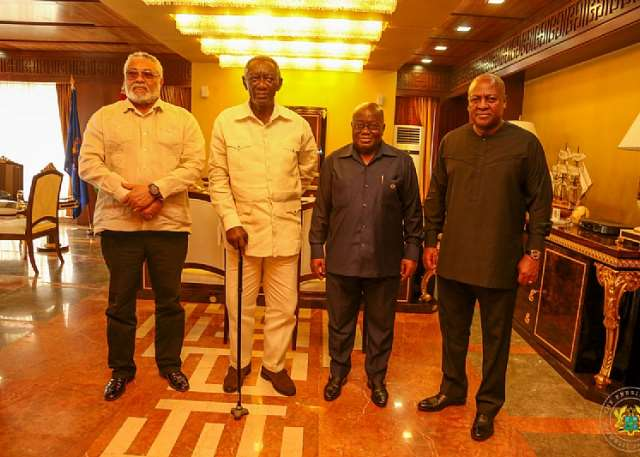
Former Executive Vice President of Unilever Ghana and Nigeria, Yaw Nsarkoh, has cut to the core of what he sees as a dangerous defect in Ghana’s democratic architecture.
Speaking on JoyNews’ PM Express on Monday, June 23, Mr. Nsarkoh did not mince words as he lamented the systemic opacity of political financing in Ghana, saying, “No one knows who funds our presidents.”
“We don’t know how much the sitting president spent on his campaign. We don’t know how much his main opponent spent either,” he said. “These are starting questions. I haven’t even gotten to the source.”
The former Unilever executive’s frustration was palpable.
“In other democracies, these things are known. Even in America, we know how much a presidential candidate raised. Sometimes it’s on TV. You sit there and hear: this person has raised X million dollars,” he said. “Why don’t we know the same in Ghana?”
He linked this democratic blind spot to what he called a “Santa Claus democracy”, a system where elections have become transactional, driven by untraceable money and unchecked influence.
“It’s a public auction for the highest bidder,” he declared. “The electorate is reduced to ballots. They are no longer participants in governance.”
Mr Nsarkoh’s comments came on the heels of his hard-hitting lecture titled “Iniquities of Iniquity in Our Santa Claus Democracy” at the Ghana Academy of Arts and Sciences.
There, he argued that Ghana’s democratic transition in the early 1990s was reluctant and superficial, referencing the late political scientist Claude Ake’s seminal work The Feasibility of Democracy in Africa.
“Ake used Ghana as an example of a reluctant transition. We opened up space just enough to say the forms of democracy were in place. But the substance? That’s where we’ve failed,” Nsarkoh said.
He blamed the failure to institutionalise political financing as the root of a corrupt ecosystem.
“There are no real frameworks to track political fund flows. That’s why I say this is the root of all evil,” he emphasised.
And the consequences, he warned, are profound.
“If you and I are in the drug trade, we can carry sacks of money and fund people who will become powerful actors. Then the demands start. Put this person here, appoint that person there.
“It doesn’t have to be the candidate who wins—it can be the kingmakers. And once they’re in place, the rot spreads,” he said.
According to Mr Nsarkoh, this is not unique to Ghana.
“These are not just Ghanaian features. These are systemic defects we see across the continent. Yet, instead of confronting the design issues, we personalise the debate. We make it about individuals,” he said.
“Yes, personalities matter. Accountability matters. But after three and a half decades, we must admit the system itself is broken.”
He urged media professionals, civil society, and citizens to demand answers.
“You are the media guy,” he told the host. “You probably have more access than I. But even you, can you tell me where the money came from? That’s the problem.”
To Yaw Nsarkoh, democracy without transparency is democracy in name only.
“If we can’t trace money in politics, then our democracy is not a tool for development. It’s a mechanism for elite enrichment,” he said.
DISCLAIMER: The Views, Comments, Opinions, Contributions and Statements made by Readers and Contributors on this platform do not necessarily represent the views or policy of Multimedia Group Limited.
DISCLAIMER: The Views, Comments, Opinions, Contributions and Statements made by Readers and Contributors on this platform do not necessarily represent the views or policy of Multimedia Group Limited.
Former Executive Vice President of Unilever Ghana and Nigeria, Yaw Nsarkoh, has cut to the core of what he sees as a dangerous defect in Ghana’s democratic architecture.
Speaking on JoyNews’ PM Express on Monday, June 23, Mr. Nsarkoh did not mince words as he lamented the systemic opacity of political financing in Ghana, saying, “No one knows who funds our presidents.”
“We don’t know how much the sitting president spent on his campaign. We don’t know how much his main opponent spent either,” he said. “These are starting questions. I haven’t even gotten to the source.”
The former Unilever executive’s frustration was palpable.
“In other democracies, these things are known. Even in America, we know how much a presidential candidate raised. Sometimes it’s on TV. You sit there and hear: this person has raised X million dollars,” he said. “Why don’t we know the same in Ghana?”
He linked this democratic blind spot to what he called a “Santa Claus democracy”, a system where elections have become transactional, driven by untraceable money and unchecked influence.
“It’s a public auction for the highest bidder,” he declared. “The electorate is reduced to ballots. They are no longer participants in governance.”
Mr Nsarkoh’s comments came on the heels of his hard-hitting lecture titled “Iniquities of Iniquity in Our Santa Claus Democracy” at the Ghana Academy of Arts and Sciences.
There, he argued that Ghana’s democratic transition in the early 1990s was reluctant and superficial, referencing the late political scientist Claude Ake’s seminal work The Feasibility of Democracy in Africa.
“Ake used Ghana as an example of a reluctant transition. We opened up space just enough to say the forms of democracy were in place. But the substance? That’s where we’ve failed,” Nsarkoh said.
He blamed the failure to institutionalise political financing as the root of a corrupt ecosystem.
“There are no real frameworks to track political fund flows. That’s why I say this is the root of all evil,” he emphasised.
And the consequences, he warned, are profound.
“If you and I are in the drug trade, we can carry sacks of money and fund people who will become powerful actors. Then the demands start. Put this person here, appoint that person there.
“It doesn’t have to be the candidate who wins—it can be the kingmakers. And once they’re in place, the rot spreads,” he said.
According to Mr Nsarkoh, this is not unique to Ghana.
“These are not just Ghanaian features. These are systemic defects we see across the continent. Yet, instead of confronting the design issues, we personalise the debate. We make it about individuals,” he said.
“Yes, personalities matter. Accountability matters. But after three and a half decades, we must admit the system itself is broken.”
He urged media professionals, civil society, and citizens to demand answers.
“You are the media guy,” he told the host. “You probably have more access than I. But even you, can you tell me where the money came from? That’s the problem.”
To Yaw Nsarkoh, democracy without transparency is democracy in name only.
“If we can’t trace money in politics, then our democracy is not a tool for development. It’s a mechanism for elite enrichment,” he said.
DISCLAIMER: The Views, Comments, Opinions, Contributions and Statements made by Readers and Contributors on this platform do not necessarily represent the views or policy of Multimedia Group Limited.
DISCLAIMER: The Views, Comments, Opinions, Contributions and Statements made by Readers and Contributors on this platform do not necessarily represent the views or policy of Multimedia Group Limited.

 File photo of an NPP flag
Private legal practitioner, Iddi Muhayu-Deen, has refuted claims that the decision by the National Executive Committee (NEC) of the New Patriotic Party (NPP) to elect the party’s flagbearer before its executives violates the party’s traditional ‘bottom-to-top’ approach.
In a write-up sighted by GhanaWeb, he explained that the election of the flagbearer is distinct from the party’s national and grassroots elections, which are required to follow the ‘bottom-to-top’ approach.
He emphasised that the NEC of the NPP is mandated by the party’s constitution to organise the flagbearership election at any time it deems appropriate.
“The NPP is not, and has never contemplated, changing its traditional approach to electing party executives. Article 5(2) of the NPP Constitution provides the structure and organisation of the party, stating: ‘The Party shall be based on Polling Station, Electoral Area, Constituency, External, Regional, and National Organisations.’
“In line with this, the party has always elected executives starting from the Polling Station level, to the Electoral Area, Constituency, Regional, and then to the National level, that is, the Bottom-to-Top Approach, and will continue to do exactly that. According to the party’s constitution, the position of the Presidential Candidate is not part of the structure and organisation of the party. It is neither at the top nor the bottom because it simply does not fall within the party’s structural framework,” he wrote.
He further explained, “Similarly, the party’s parliamentary primaries to elect parliamentary candidates are also not part of the party’s structural organisation. That is why the National Executive Committee, per Article 12 of the NPP Constitution, can decide to fix any date for parliamentary primaries and has, in fact, almost always scheduled separate dates for primaries in ‘orphan constituencies’ and in constituencies where the party has sitting MPs.”
Read the full write-up below:
BAI/MA
Ever heard of Nkofie, the legendary Kwahu cave believed to grant wishes? Join GhanaWeb’s People & Places as we take you on an exclusive tour of this mystical site:
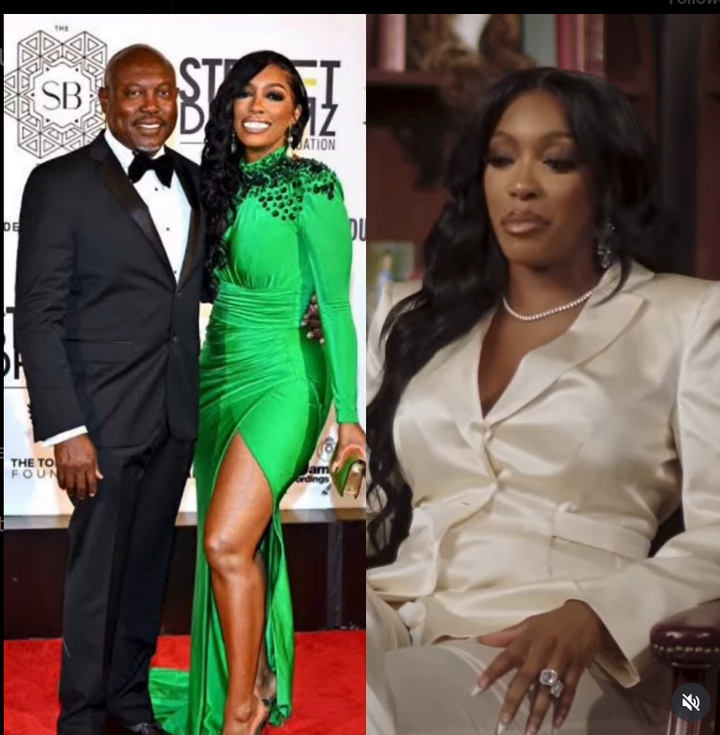
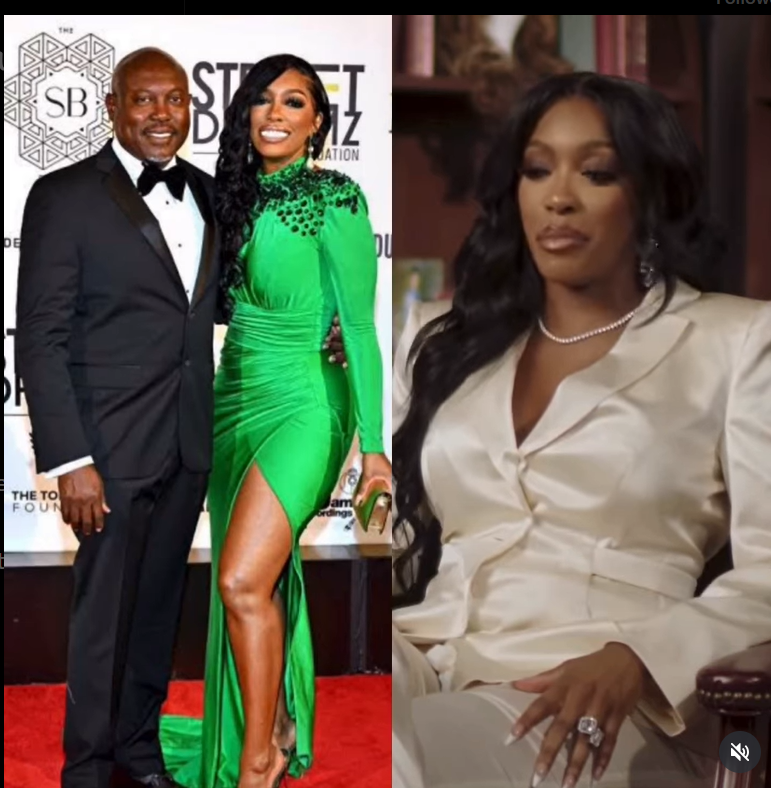
Reality TV star Porsha Williams has finally spoken out after her divorce was officially finalised, and she says she’s just relieved it’s over.
In her first interview since the split, the former Real Housewives of Atlanta star admitted that while the experience hasn’t been smooth, she’s choosing peace over bitterness.
“Well, now that my divorce is finalized, yes, I’m finally able to exhale. I really am. It comes with mixed feelings. It’s not like a smooth like, you know, because it’s not smooth yet. It’s kind of surreal,” she shared.
Porsha described the process as long, drawn-out, and ugly, but said her biggest relief comes from stepping away from constant conflict.
“I’m just glad not to be in the fight anymore. I’m glad not to battle anymore.”
She added that she’s choosing healing and forgiveness moving forward, not just for her ex, but for herself as well.
“I forgive myself and I truly forgive him. And I’m done with the animosity. And I’m done with what could have been,” she said.
“I’m also done fantasizing about what it could have been. Because when you have a marriage like mine that felt so perfect, you often, after the breakup, fantasize about how perfect it could have been and what you could have done different.”
Now, Porsha says she’s focused on peace and embracing whatever the future holds.
“I’m okay now with how everything has happened. And I’m good. I’m ready for what’s next. I really, really am.”
Watch video below…
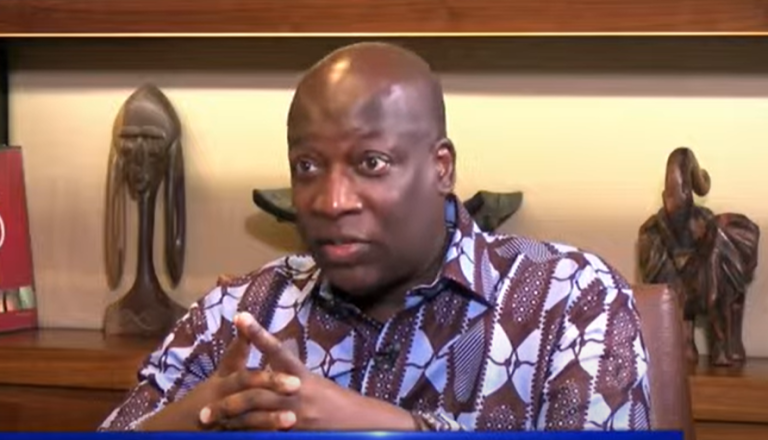
Yaw Nsarkoh, former Executive Vice President of Unilever Ghana and Nigeria, has raised concerns about the opacity of political financing in Ghana.
He warned that the country’s democratic foundations are eroding under the weight of untraceable money and unchecked influence.
Speaking on JoyNews’ PM Express on Monday, June 23, Mr. Nsarkoh declared that political funding in Ghana lacks the transparency seen in other functioning democracies.
“If I ask you, how much money did the sitting President spend on his campaign? How much did his main contestant spend? Those are even starting questions,” he said. “I’ve not even gotten to source.”
He lamented the near-complete absence of institutional frameworks to monitor and regulate fund flows in politics.
“In our democracy, we do not know these things. Even when we sit here, we know the budgets of the American presidential candidates—how much they raised, how much they spent. Why can’t we know that in our own country?”
According to Nsarkoh, this lack of oversight creates fertile ground for illicit money to shape the country’s political direction.
“If you and I today are in the drug trade, we can carry money in sacks and give it to people who are going to become very powerful actors,” he warned. “And then that starts an entire chain.”
He noted that this influence doesn’t stop at campaign contributions.
“Sometimes not even the people in office, but the kingmakers. And once we have played big roles in sponsoring them, we start to make all sorts of demands: You need to put this person here, you need to put that person there.”
Yaw Nsarkoh blamed Ghana’s current predicament on what he called a “reluctant transition” to democracy.
Referencing the late Nigerian political economist Claude Ake’s posthumously published book Feasibility of Democracy in Africa, he noted that Ghana’s path to democracy was more about appearances than substance.
“We opened up space just a little bit so that we could say the forms of democracy had been put in place. But the structures needed to sustain it were never truly built.”
This has resulted in a system where, he says, “the electorate is reduced to mere ballots” in what he described as a “public auction for the highest bidder.”
The transactional nature of the political process, he argued, is hollowing out any real sense of citizenship and participatory governance.
Calling the current state of affairs a “Santa Claus democracy,” Mr Nsarkoh said Ghana’s political environment rewards those with money, not ideas.
“This is the root of all evil. In a Santa Claus democracy, you cannot track your fund flow.”
Though he acknowledged that individuals must be held accountable, Nsarkoh argued that Ghana’s political decay is far more structural than personal.
“There are systemic defects. Yes, there’s a place to hold personalities accountable. But after three and a half decades, when you compare with other countries going through the same cycles, and see the same outcomes, then there are design issues that need to be corrected.”
Yaw Nsarkoh’s remarks come just days after his lecture at the Ghana Academy of Arts and Sciences, titled Iniquities of Iniquity in Our Santa Claus Democracy, where he delivered a blistering critique of the country’s democratic trajectory.
DISCLAIMER: The Views, Comments, Opinions, Contributions and Statements made by Readers and Contributors on this platform do not necessarily represent the views or policy of Multimedia Group Limited.
DISCLAIMER: The Views, Comments, Opinions, Contributions and Statements made by Readers and Contributors on this platform do not necessarily represent the views or policy of Multimedia Group Limited.

Member of Parliament for Okaikwei Central, Patrick Yaw Boamah, has issued a strong caution to fellow members of the New Patriotic Party (NPP), urging them to be mindful of their public statements, particularly on digital platforms.
Speaking on Channel One TV‘s The Point of View on Monday June 23, the MP highlighted the long-lasting impact of online commentary and warned that careless remarks could have serious political consequences for both individuals and the party as a whole.
“Let me use your platform to admonish members of our party—the internet doesn’t forget. Whatever you say could or would be used against you, so we should be very careful about our utterances,” Boamah advised.
The Okaikwei Central MP referenced the party’s performance in the 2024 general elections as a clear example of how public perception, influenced in part by unguarded statements, can shape electoral outcomes.
“You saw what happened in the last elections. Senior members must be very careful with what they say,” he stressed.
Boamah’s remarks come amid increasing concern within the NPP over internal divisions and public criticism from party insiders, which some analysts believe contributed to the party’s decline in popularity and performance.
He emphasised the need for party unity, discipline, and responsible communication, especially as the NPP works to rebuild its image and reconnect with the electorate.
His call adds to a growing number of voices within the party urging members—particularly senior figures and spokespersons—to prioritise cohesion and avoid comments that could damage the party’s reputation or undermine its strategic objectives.
Read also
Let’s fix the party before choosing a flagbearer – Patrick Boamah to NPP

The Education Minister, Haruna Iddrisu, says the Mahama-led-government will not interfere in the academic freedom of universities in the country.
“There will be no interference in academic freedom. We will respect the letter and spirit of the Constitution, not to interfere even in the management and running of universities,” he emphasised.
Mr. Iddrisu was speaking at the fifth congregation of the Clement Kubindiwo Tedam University of Technology and Applied Sciences (CKT-UTAS) in Navrongo.
A total of 790 students, comprising 198 graduate students and 592 undergraduate completed various programmes and were conferred degrees.
He said interference in academic freedom was not part of President Mahama’s ‘Reset Agenda’ and further explained that the agenda was rather to offer universities unfettered freedom, contribute to research and meaningful social development of the country.
He noted that CKT-UTAS had some legacy debts related to the Electricity Company of Ghana (ECG), and said government would consider absorbing the debt and resolving other issues to enable the university to concentrate on its mandate.
“Also be assured that at any opportunity where government will deploy fibre infrastructure or broadband to universities, CKT-UTAS will be prioritised,” Mr. Iddrisu, who is also the Member of Parliament (MP) for the Tamale South Constituency, said.
Touching on the poor nature of roads on the university’s campus, Mr. Iddrisu said he had written to the Minister for Roads to prioritise university roads, saying, “I trust that the Minister for Roads will give your institution deserved attention in the allocation of road infrastructure for universities.”
He said President Mahama inherited an economy with unsustainable debts and that the 2025 budget of the Minister for Finance was corrective to reset the economy.
“And so, in 2026, we will begin a major infrastructure initiative on this campus in the 2026 budget,” the Sector Minister further assured the university community.
He acknowledged that even though CKT-UTAS was established in 2020, and not one of the lucky universities in the country, it had, over the years, made tremendous progress, and that the Ministry would continue to support the university to deliver on its mandate.
Mr. Iddrisu said: “Be assured that President Mahama will work with us to improve the quality of higher education in Ghana. In fact, we have already started demonstrating it.
On the national front, I am happy to observe and note that President Mahama has operationalised the national research fund, and an allocation of GH¢50 million has been dedicated to research in Ghana.”
The Minister added that government, through the Ghana Education Trust Fund (GETFund), would fully fund five local Doctor of Philosophy (PhD) programmes as part of the Mahama-led-government’s reset agenda.
“So, we will be happy to support those of you in the faculty who would want to take advantage of it,” he said.
Mr. Iddrisu admonished the graduates to serve the nation diligently and work to preserve their personal and institutional corporate reputations, noting that some of them, after national service, would begin to work with corporate entities.
He advised them to work honestly, devoid of corruption and corruption-related acts.
DISCLAIMER: The Views, Comments, Opinions, Contributions and Statements made by Readers and Contributors on this platform do not necessarily represent the views or policy of Multimedia Group Limited.
DISCLAIMER: The Views, Comments, Opinions, Contributions and Statements made by Readers and Contributors on this platform do not necessarily represent the views or policy of Multimedia Group Limited.

 Leader of the deployed police officers ordering the teachers to vacate the GES premises
A team of police officers of the Ghana Police Service was on Monday, June 23, 2025, deployed to evict a group of unpaid teachers who had besieged the premises of the Ministry of Education and the Ghana Education Service (GES).
Upon arrival, the officers swiftly moved into action, with the team leader confronting the teachers and instructing them to vacate the premises within three minutes while their representatives proceeded to engage with the Minister of Education.
However, the agitated and disgruntled teachers defied the police order, prompting the police commander to issue a stern warning.
“Not all of you can be leaders, so leave the premises. We are giving you only three minutes to leave. We gave you respect, but you did not honour that respect—so move,” he declared.
Amid chants of “move, move” from the officers, the police eventually succeeded in driving out all the protesting teachers.
The group, made up of recently posted teachers from the 2022 batch of College of Education graduates, had gathered at the GES headquarters to demand the issuance of staff IDs and payment of their salaries, which have been outstanding for ten months.
Despite repeated follow-ups and assurances from GES officials, the 784 affected teachers claim they have not received any pay since their appointment on August 1, 2024.
One of the group’s members, Solomon Opoku Gyan, described the situation as dire, citing a lack of transparency and financial hardship.
“We’ve worked for 10 months now without pay. We don’t even have staff IDs. Every time we visit GES, they offer excuses. It’s too much—we’re suffering,” he lamented in an interview.
He further claimed that the prolonged delay has had devastating consequences, with some members reportedly losing their lives due to the hardship.
The teachers are calling for immediate action from the GES to resolve the delay and regularize their employment status.
The moment personnel of the Ghana Police Service were deployed to the Ghana Education Service Headquarters, to evacuate teachers who were picketing at the premises over unpaid salaries. pic.twitter.com/J8gV8oX0rj
— SIKAOFFICIAL🦍 (@SIKAOFFICIAL1) June 23, 2025
KA

I’m not politically neutral. I wrote an article to that effect in 2014. It’s a Google search away. I am a citizen of Ghana, first and foremost, before being a journalist. I vote. And I have an interest in who becomes my president.
The last time I voted was in 2016. I voted for the NPP’s Nana Addo Dankwa Akufo-Addo. I had voted for John Dramani Mahama in the 2012 election, but I believed —and still believe today —that he did not deserve my vote in 2016. (He appears to have learnt some great lessons in the wilderness of opposition.)
In my latest book, The President Ghana Never Got, I stated why I would not vote in the 2024 election. But I also stated in that book that an NPP victory in 2024 would send a dangerous signal about our democracy, that a party could kill and still be retained in office to continue killing with impunity. An NPP defeat could ensure some semblance of accountability. Thankfully, many Ghanaians agreed with me.
Until a better and serious alternative emerges in 2028, I may have to choose between the NPP and the NDC. If what John Mahama has done so far as president continues, and if he were to contest again, I wouldn’t have a difficulty choosing who to vote for in 2028.
But John Mahama will not contest. And high are the chances that the government will mess up at some point. Besides, the rumours I hear from the NDC’s camp about Mahama’s possible successor don’t inspire hope. Who leads the NDC and how the party performs in the next four years will determine my choice between the NDC and NPP.
That is why I am interested in who leads the NPP, the party that is ready to choose its flag bearer. I want a candidate I can vote for if the NDC doesn’t impress me. Among the options lined up to lead the NPP, the candidate who has the chance of getting my vote is Dr. Mahamudu Bawumia.
Dr. Bawumia may not be the best in the entire NPP as a party, but from the list of options ready to lead, he stands out by miles. Next to Bawumia, in my preference, is Kwabena Agyei Agyepong. (My first or second choice would have been Dr. Yaw Adutwum if he hadn’t become a substantive minister. I’ll explain in my next article.)
I’m not neutral. I have an interest in who leads the NDC. And I have an interest in who leads the NPP. It is from the two that Ghanaians like me will choose from in 2028. I cannot be interested in who wins the election in America and pretend that I don’t care who governs Ghana. Even if I end up not voting for Bawumia, it is in the interest of our democracy that the opposition party remains strong and elects the most formidable and level-headed candidate to lead them.
It is in the interest of the NDC that the NPP elect a bad candidate. And it is in the interest of the NPP that the NDC elect a bad candidate. However, it is in the interest of our democracy and the well-being of Ghanaians that both parties put their best foot forward.
Dr. Bawumia has been part of a failed regime, but in my article, in which I intend to explain why I think Bawumia should lead the NPP, I will also explain why Bawumia’s failure in that regime is enough disqualify his internal opponents if that failure were to form the basis for his rejection in the internal race.
At a period of heightened acrimony and division threatening the party’s chances at returning to power, the party needs a unifying figure. And I see that in Bawumia. It is true that he led the party once and lost, but he’s in an enviable company of first-time election losers.
Kufuor lost in 1996 before winning in 2000. President Atta Mills lost twice, in 2000 and 2004, before winning in 2008. President Akufo-Addo lost twice, in 2008 and 2012, before winning in 2016.
President Mahama lost twice, in 2016 and 2020, before winning in 2024.
I’ve also heard that Bawumia has enough money to pump into the party. If the primary consideration for leading the NPP were money, then Chairman Wuntumi could as well be the NPP’s flag bearer.
DISCLAIMER: The Views, Comments, Opinions, Contributions and Statements made by Readers and Contributors on this platform do not necessarily represent the views or policy of Multimedia Group Limited.
DISCLAIMER: The Views, Comments, Opinions, Contributions and Statements made by Readers and Contributors on this platform do not necessarily represent the views or policy of Multimedia Group Limited.
The Member of Parliament for Okaikwei Central, Patrick Yaw Boamah, has issued a strong warning to the leadership and rank-and-file of the New Patriotic Party (NPP), cautioning against rushing to elect a flagbearer before addressing the deep-rooted challenges within the party.
In an interview on Channel One TV‘s The Point of View on Monday June 23, the MP criticised what he described as a misplaced focus on flagbearer ambitions at a time when the party is yet to recover from a significant loss of public trust following the 2024 general elections.
“I have stated on various platforms that I am against this approach of selecting a flagbearer when we haven’t fixed the party,” Boamah stressed. “We need to fix the party to make the party attractive again to be able to win a general election.”
According to him, rebuilding the party’s internal structures and restoring public confidence must take precedence over personal ambitions and premature leadership contests.
“That is why I said we need a very organised and disciplined party to elect a president, not a flagbearer, because those declaring to be flagbearers and what have you—what are we standing on?” he questioned.
Boamah noted that the party’s disappointing performance in the last elections was largely due to a growing disconnect between the NPP and the Ghanaian electorate, which must be addressed as a matter of urgency.
“What some of my people forget is that what led to our abysmal performance was the lack of public trust in our party,” he continued. “We need to build that public trust and confidence again, because it cannot be that you go into an election and produce this result and all you are interested in is electing a flagbearer. Nobody does that.”
His remarks come amid increasing speculation and open declarations from leading party figures vying for the NPP’s 2028 presidential ticket, despite calls from various quarters for introspection and reform.
Boamah’s appeal adds to a growing chorus within the party urging a strategic pause for unity-building, restructuring, and a re-engagement with grassroots supporters before any further steps toward the 2028 elections are taken.
Read also
Call NPP to order – Patrick Boamah urges Kufuor, Akufo-Addo
The demonstration was in response to delayed staff identification numbers and unpaid salaries
A newly trained Ghanaian teacher from the 2022 batch of Colleges of Education graduates has lambasted a police officer for allegedly threatening to assault teachers who staged a protest at the Ghana Education Service (GES) headquarters in Accra on Monday, June 23, 2025.
The demonstration was in response to delayed staff identification numbers and months of unpaid salaries.
According to the frustrated teacher, who hails from the Northern Region and has been working for the GES for the past ten months without pay, the situation has severely affected his livelihood.
He lamented that he is burdened with debts and daily living expenses, making life increasingly difficult.
In a viral video interview, the teacher alleged that a police officer confronted the group during their peaceful picketing and threatened to beat them if they crossed a designated red line.
He expressed outrage over what he perceived as disrespect from the officer, whom he described as having only a Senior High School (SHS) level of education.
“Ten months without salary, do you think you’re the one to teach me what to say? I am from the Northern Region. I didn’t travel all the way to Accra just to make noise. I came because my employer hasn’t paid me, and I’m rightfully complaining. Then you bring in a police officer who claims he will beat us. He said if we cross the red line, he will beat us,” the teacher said.
He continued, “I have gone to university and worked for ten months without pay. I am here to speak up, and you are threatening me? He didn’t speak well. If he thinks he is tough, he should take off the uniform and see what happens. I only respect the uniform,” he added.
The teacher further highlighted the financial struggles many of his colleagues are enduring, “We pay rent, we eat, we owe, and creditors keep calling us to settle our debts. We are simply here to tell our employer our grievances, and instead, you call in the police to threaten us.
“You an SHS-level police officer threatening a university graduate who hasn’t been paid for ten months. If you, as a police officer, go two months without pay, you will form an association and storm this place.”
As part of the picketing, the aggrieved teachers claimed they had submitted a formal letter outlining their concerns and waited at the GES premises for over two hours without any response or engagement from officials.
Tensions escalated when police officers arrived and issued a three-minute ultimatum for the group to disperse. The teachers, however, refused to comply, prompting a forceful removal by the officers.
Undeterred by the incident, the protesters have vowed to intensify their actions. They plan to present a petition to the Ministry of Finance on Tuesday June 24, 2025, before marching to Parliament to press home their demands.
The group maintains that they will not back down until the government addresses their concerns.
An aggrieved teacher who has not been paid for the past ten months, angrily shares his frustration over how police officers drove them out of the GES premises while they were picketing to demand their pay. pic.twitter.com/clPlSHaZh5
— SIKAOFFICIAL🦍 (@SIKAOFFICIAL1) June 23, 2025
AM/KA
Ever heard of Nkofie, the legendary Kwahu cave believed to grant wishes? Join GhanaWeb’s People & Places as we take you on an exclusive tour of this mystical site:
Member of Parliament for Okaikwei Central, Patrick Yaw Boamah, has raised concerns about what he describes as the current weakness in the New Patriotic Party’s (NPP) leadership structure, lamenting the absence of a strong national chairman capable of holding the party together.
Speaking on The Point of View on Channel One TV on Monday, June 23, the legislator noted that the NPP has historically benefited from firm and principled chairmen and leadership who could intervene decisively in party affairs — even when it meant challenging the president or the party’s flagbearer.
“We’ve been used to strong chairmen who could correct even the flagbearer or marshal his National Executive Officers to sit the president or the flagbearer down to put in place some arrangement for the betterment of the party,” Mr. Boamah said.
His comments come amid growing public disagreements among senior party members and rising tensions following the NPP’s defeat in the 2024 general elections. Patrick
Boamah criticised the current national executives, accusing them of failing to maintain cohesion and discipline within the party. He insisted that there is a leadership vacuum in the NPP that has weakened internal coordination and accountability.
While he did not mention any names, Mr. Boamah’s critique adds to a chorus of internal voices calling for introspection and stronger leadership ahead of the 2026 polls.
The NPP is currently preparing for presidential primaries scheduled for January 31, 2026, a decision party officials say is aimed at resolving internal friction and rallying the rank and file behind a unified flagbearer.
Member of Parliament for Okaikwei Central, Patrick Yaw Boamah, has made a passionate appeal to former Presidents John Agyekum Kufuor and Nana Addo Dankwa Akufo-Addo to intervene in the growing internal tensions within the New Patriotic Party (NPP), calling on them to help restore order and unity.
His call follows reports of factional disputes and power struggles within the NPP ahead of its announced presidential primaries in January 2026.
Boamah emphasised that the involvement of the two former leaders—who command respect and authority within the party—could be pivotal in easing tensions and refocusing the party on its core values and long-term vision.
Speaking in an interview on Channel One TV‘s The Point of View on Monday June 23, the legislator expressed concern over the state of affairs in the party, which has been rocked by internal divisions and public disagreements.
“This party has produced two presidents. We are fortunate to have two former presidents alive,” Boamah stated.
“I am calling them to call for some action and order in the party because this party produced them. If we are going through this turmoil, we ask that they call people round the table and have a heart-to-heart chat with them.”
Read also
NPP has lost its strong leadership culture – Patrick Boamah

Former Chief Executive of the Adentan Municipality, Ebenezer Doku, has rejected claims that the endorsement of Dr. Mahamudu Bawumia by 220 former Metropolitan, Municipal, and District Chief Executives (MMDCEs) was orchestrated under pressure or coercion.
The endorsement, which has generated significant political attention, involved former appointees of the New Patriotic Party (NPP) who served between 2017 and 2024 and have now thrown their support behind Dr. Bawumia’s bid to lead the party into the 2028 general elections.
Speaking in an interview on Channel One Newsroom on Monday, Mr. Doku dismissed claims that the group was forced or “whipped in line” to declare support for the former Vice President.
He described such claims as insulting to the dignity and independent judgment of the former MMDCEs.
“Who can force me to make a declaration for one person or the other. I mean, I have been in this party for a long time. Why should I allow somebody to pull me to go and do something that I do not think is right? Honestly, it is an insult to us to a large extent,” he stated.
Doku maintained that the endorsement was a voluntary and well-considered move by individuals who believe in Dr. Bawumia’s vision and leadership potential for the party’s future.
Ex-MMDCEs endorsing Bawumia lack political principle – Dr. Asante Otchere

Actor, Linc Edochie and his woman, Yinka Theisen seem to have put their separation on hold.
Earlier today, Linc announced that he was choosing peace over an explosive union, while Yinka stated that their relationship was over. read here and here
These announcements followed an incident where Yinka released the phone number of Linc’s brother, Yul Edochie’s, former wife, May Edochie. This prompted retaliation from May’s supporters, resulting in the private numbers of Edochie family members being leaked.
Despite the turmoil, Linc and Yinka appear to have decided to stay together. Yinka has deleted her post announcing their split and has shared new photos of Linc, referring to him as her “Odogwu.”

Okaikwei Central MP, Patrick Yaw Boamah has disclosed that former President John Agyekum Kufuor is increasingly concerned about the waning culture and internal discipline of the New Patriotic Party (NPP), describing the party’s current state as a source of deep worry for the statesman.
Speaking on The Point of View on Channel One TV on Monday, June 23, Boamah revealed that the former President recently expressed his unease about the cohesion and direction of the party, citing a personal interaction at the funeral of retired Justice Sulemana Gbadegbe.
“He is worried about the state of the party, that I can tell you for free,” Boamah stated. “I saw him on Friday at late Justice Gbadegbe’s funeral. The first question he’ll ask you is how is the party front? Because it is the party that made him. It is part of him, so he must be worried, Bernard,” he said.
The lawmaker’s remarks reflect broader concerns within the NPP about internal divisions, weak leadership, and the party’s readiness to regroup after losing power in 2024.
Boamah has in recent days joined calls for the national executives of the party to do more to restore discipline and unity, arguing that the absence of strong internal leadership is harming the party’s cohesion and public image.
He argued that the NPP has historically benefited from firm and principled chairmen and leadership who could intervene decisively in party affairs — even when it meant challenging the president or the party’s flagbearer.
“We’ve been used to strong chairmen who could correct even the flagbearer or marshal his National Executive Officers to sit the president or the flagbearer down to put in place some arrangement for the betterment of the party,” Mr. Boamah said.

Assembly members in the Kpandai District of the Northern Region have unanimously confirmed Haruna Abdul Karim, as the new District Chief Executive (DCE), bringing to an end a six-month leadership vacuum that had left the district without a substantive head.
Celebrations broke out in Kpandai on Monday, June 24, as all 39 assembly members—comprising 27 elected representatives and 12 government appointees—voted in favour of Abdul Karim, securing a rare 100% endorsement.
Kpandai was one of two districts in the region that had been without a DCE since the beginning of the year. The prolonged absence of leadership had sparked growing tensions, particularly among the youth, who had been divided in their support for rival candidates. The nomination of Haruna Abdul Karim last week, a well-known youth leader and serving assemblyman, helped to calm nerves ahead of the vote.
In a bid to fully restore the administrative capacity of the district, the assembly also elected a new presiding member before confirming the DCE.
In his acceptance speech, Haruna Abdul Karim expressed heartfelt appreciation to President John Dramani Mahama for the confidence reposed in him and thanked assembly members for their unanimous support.
“My administration will do everything possible to ensure the comfort and security of the people are guaranteed, to improve their socio-economic livelihood,” he stated.
The Northern Regional Minister, Ali Adolf, who witnessed the confirmation, called for unity and cooperation among assembly members, urging them to rally behind the new DCE to drive development in the district.
He further assured that the regional administration would work closely with the new leadership to ensure Kpandai benefits from ongoing national development initiatives.

Five people have been arrested in connection with the printing of fake GH¢200 and $100 notes, totalling GH¢2.3 million and $191,900, respectively.
The accused persons, who appeared before an Accra Circuit Court on Friday, are Shubham Sharma, General Manager; James Mozu Bonaparte, a Graphic designer; Prince Owusu Ahenkorah, a photographer/video director; Jonathan Kwame Appiah and Solomon Adjetey Adjei, both graphic designers.
The five, jointly charged with conspiracy to commit a crime, were nabbed at various locations in Accra.
Sharma, Bonaparte and Ahenkorah are facing the same charge of possession of forged notes, while Appiah and Adjei are facing a charge of uttering forged notes.
The court, presided over by Samuel Bright Acquah, did not take their pleas and remanded them into lawful custody to reappear on July 3, 2025.
The prosecution, led by Chief Inspector Wisdom Alorwu, prayed the court to remand the accused persons pending further investigations.
Our sources have gathered that the complainant was an Accra-based businessman (name withheld).
The accused persons were picked up following intelligence on June 16, 2025.
Sharma, the first accused person, is alleged to have stolen money worth $230,000 from the Accra-based businessman’s safe in his bedroom after embezzling his company’s money.
Police investigations showed that Sharma replaced the stolen money with fake Ghana notes and US dollars.
A search on the cash office of the company at Adabrakah, Industrial Area, led to the discovery of fake GH¢200 notes totalling GH¢2,318,000 and $100 notes totalling $191,900.
Sharma is alleged to have admitted to keeping those fake notes in the office.
Police investigations also revealed that Sharma paid Bonaparte GH¢25,000 for the fake Ghana notes and GH¢15,000 for the fake dollars.
Investigations revealed that Bonaparte and Ahenkorah conspired to supply Sharma with the money.
Security personnel, during a search on Ahenkorah, led to the retrieval of five bundles of the fake GH¢200 notes.
When Ahenkorah was questioned, he mentioned Appiah as his accomplice and that Appiah, the manager of the printing press, supervised the printing of the fake notes.
Appiah also led the police to arrest Adjei, who was alleged to have handed over the fake notes to Ahenkorah.
DISCLAIMER: The Views, Comments, Opinions, Contributions and Statements made by Readers and Contributors on this platform do not necessarily represent the views or policy of Multimedia Group Limited.
DISCLAIMER: The Views, Comments, Opinions, Contributions and Statements made by Readers and Contributors on this platform do not necessarily represent the views or policy of Multimedia Group Limited.
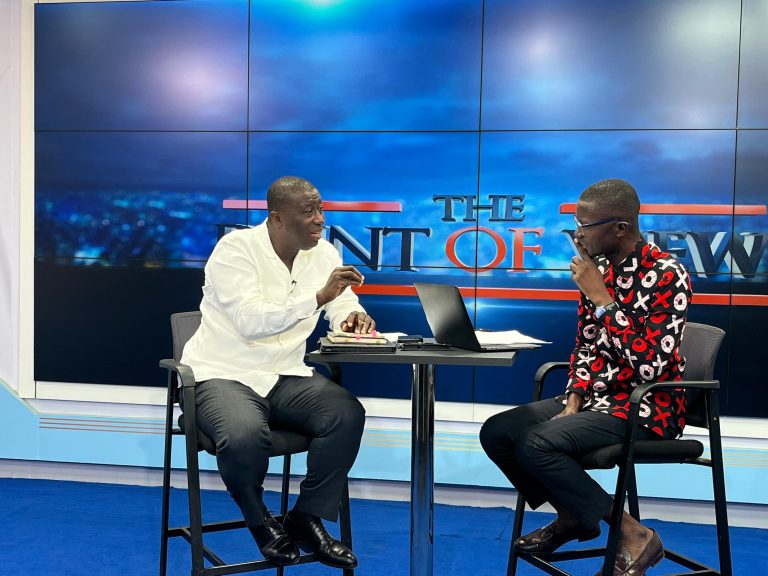
Member of Parliament for Okaikwei Central, Patrick Yaw Boamah, has shared candid reflections on the 2024 general elections, stating that the outcome demonstrated the political maturity of the Ghanaian electorate and the challenges facing the New Patriotic Party (NPP).
Speaking in an interview with Bernard Avle on Channel One TV‘s The Point of View on Monday June 23, he acknowledged that while he personally supported the party’s presidential candidate, Dr. Mahamudu Bawumia, he recognised early on that the political climate was not in the NPP’s favour.
“2024 election also taught us a few things — that Ghanaians don’t make mistakes. At every material time, they know who they want to vote for,” he stated. “I am NPP. I would have loved Dr. Bawumia to win, but the circumstances around the country, the factors — everything was against the NPP, except those of us who were in the party.”
The MP admitted that he and others within the party were aware that the election would be an uphill battle. “Some of us knew we were facing a headwind and it was going to be a very difficult election for us,” he said.
Despite the national challenges, Boamah revealed that he employed well-structured campaign strategies to retain his parliamentary seat in Okaikwei Central.
“I put in place the right strategies to win. I knew by 7:30 on election night that I had won the election because I had my own system of calculating and collating results. By 8 p.m., I told my people to go to the centre,” he recounted.
Read also
Party discipline collapsing under weak NPP leadership – Political Analyst

The estranged wife of Nigerian Afrobeats singer, 2Face Idibia, Annie Macaulay, has stirred reaction following a subtle shade at the singer.
Recall that 2Baba announced his separation from Annie Macaulay in January 2022, with the reasons under wraps.
However, 2Baba’s divorce from Annie Macaulay took a surprising turn after he announced his engagement to Natasha Osawaru, an Edo State House of Assembly lawmaker.

By Stanley Senya
Accra, June 23, GNA – Dr. Mary Ansong, co-founder of the International Sickle Cell Centre (ISCC), has called for collaboration among healthcare providers, government agencies, and civil society to address the ongoing burden of Sickle Cell Disease (SCD) in Ghana.
She made the call during the second annual Strategic Dialogue on Sickle Cell Disease, held in Accra to mark World Sickle Cell Day 2025.
The dialogue, which brought together health experts, patient advocates, government officials, and civil society leaders, was held on the theme “Progress Made, Challenges, and the Way Forward.”
It focused on evaluating the country’s progress in managing SCD, identifying persistent challenges, and forging stronger partnerships to improve outcomes.
Dr. Ansong said while awareness of the disease had increased, too many patients, especially children, still lacked access to essential care.
She highlighted new-born screening, access to medications such as hydroxyurea, and the affordability of care as major issues that demand urgent attention.
“Yesterday, we marked World Sickle Cell Day. Everyone with a heart for sickle cell disease came together to shine a light on the challenges and support those who continue to live with this condition,” she said. “
She commended the Ministry of Health for unveiling its National Strategy for Sickle Cell Disease, which outlined plans to expand new-born screenings and made treatment more accessible.
Officials from the Ghana Health Service and other medical professionals reiterated their commitment to ensuring that medications were readily available under the National Health Insurance Scheme (NHIS).
However, she emphasized that the efforts must be matched by unified action across sectors.
“Collaboration is the game changer, whether you’re a pharmacist, a doctor, a non-profit leader, or a policymaker, when we align our efforts, we can solve as much as 80 per cent of Ghana’s sickle cell burden,” she stressed.
“We need to map out all the organizations working on Sickle Cell Disease in Ghana and harness their strengths, this is not a fight for one month or one ministry alone. No single entity can solve this alone. We must all put our hands on deck,” she added.
Dr. Ansong offered encouragement saying, “we see you. We know the pain you’re going through. You are not alone. You can live well with Sickle Cell Disease, just follow your treatment plan, stay hydrated, take your medications, and get enrolled in a clinic if you haven’t already.”
The conference featured real-life testimonials from patients and caregivers, a regional spotlight on best practices from across Africa, and a high-level policy panel with Ghanaian stakeholders.
A key recommendation was the establishment of a more inclusive governance structure to coordinate national responses to SCD and ensure that interventions are both sustainable and far-reaching.
The ISCC hopes that through continued dialogue and decisive action, Ghana can become a regional leader in tackling Sickle Cell Disease, improving survival rates, enhancing quality of life, and offering a model for other African countries to follow.
GNA
Edited by George-Ramsey Benamba

Former President of the Ghana Bar Association (GBA), Yaw Boafo, has called for disciplinary action against Members of Parliament (MPs) and legal practitioners who engage in unethical and disorderly conduct, warning that such behaviour threatens the dignity of the legal profession.
He made this call at the official launch and seminar of the 20th Law Students’ Union (LSU) Week celebration at the Kwame Nkrumah University of Science and Technology (KNUST) on Monday, June 23.
Mr. Boafo condemned a recent incident at the premises of the Economic and Organised Office (EOCO), where some New Patriotic Party (NPP) MPs, who are also lawyers, were seen sitting on the floor in protest of the arrest of the Ashanti Regional Chairman of the NPP, Bernard Antwi Boasiako, popularly known as Chairman Wontumi.
Describing their actions as unethical, he stressed that such conduct tarnishes the image of the legal fraternity and should not be tolerated.
Mr. Boafo also criticised the behaviour of some legal practitioners during the vetting of ministerial nominees by Parliament’s Appointments Committee on Thursday, January 30. He singled out Majority Chief Whip Rockson-Nelson Dafeamekpor, Weija-Gbawe MP Jerry Ahmed Shaib, and former Deputy Minister of Transport and MP for Gushegu, Alhassan Tampuli, for their involvement in what he described as a chaotic and unbecoming scene.
According to him, such behaviour constitutes professional misconduct and violates the ethical code of the legal profession.
He emphasised that holding a political position does not exempt lawyers from the disciplinary standards of the legal profession.
“For me, I think, and I still believe that the lawyers who engaged in any form of behaviour that is wrong should suffer consequences—whether they are politicians, public officials, or chiefs. No matter what, there should be some form of disciplinary measures,” he said.
Read also
220 former MMDCEs declare support for Bawumia’s 2028 candidacy

Bahrain’s Ministry of Transport said authorities are closely monitoring the situation around the clock in coordination with international partners.
Kuwait’s Directorate General of Civil Aviation said it is suspending air traffic until further notice, citing the need to maintain the highest levels of safety and security.
Iran said it launched missiles at US bases in Qatar and Iraq on Monday evening in retaliation for Washington’s bombing of several nuclear sites over the weekend.
GNA
PDC