Chief of Staff at the Presidency, Julius Debrah’s wife, stole the spotlight at his fitness event dubbed, Walk With Julius
The event was held at Legon Park and was attended by dignitaries, political figures, and fitness enthusiasts
Many people on social media talked about Mr Debrah’s ever-gorgeous wife, as they admired her in the comments
Chief of Staff to President John Dramani Mahama, Julius Debrah, hosted his much-anticipated Walk With Julius (Members and Friends) event at Legon Park, Accra, on Saturday, August 23, 2035, drawing in dignitaries, political figures, and fitness enthusiasts alike.
Julius Debrah’s gorgeous wife was spotted at his fitness event, Walk With Julius. Image Credit: @tinanewsgh Source: Instagram
Julius Debrah’s wife at his fitness event
The highlight of the day, however, was the graceful presence of his wife, who effortlessly stole the spotlight with her charm, energy, and style.
Mrs. Debrah arrived in a chic all-black sporty outfit, a sleek Nike top paired with matching tights, which accentuated her fine curves and gave her an elegant yet athletic look.
Complemented by a trendy waist pouch, her outfit struck the perfect balance between comfort and fashion, making her stand out among the crowd.
During the walk, she could be seen walking hand-in-hand with her husband, radiating joy and confidence.
The energy turned up a notch when she joined the training and dance session afterwards, showing off some impressive moves that got the crowd cheering.
Videos from the event quickly spread online, with many praising her youthful looks and infectious spirit.
The event also saw the participation of businessman Hon. Kojo Jones; MC and Sports Presenter Nathaniel Attoh, singer Kwabena Kwabena, business tycoon Daniel McKorley, and several dignitaries, emphasising unity, wellness, and community spirit.
Videos of Mr Debrah, the former Eastern Regional Minister of Ghana, smiling alongside his wife and guests, have surfaced on social media.
“Where Was Miracles Aboagye When We Were Suffering for NPP?” – Hopeson Adorye Fires Back
News Hub Creator1h
A heated political exchange has erupted between Hopeson Adorye of the Movement for Change and Dennis Miracles Aboagye, Communications Director for Vice President Mahamudu Bawumia’s 2024 campaign as reported by Ghana Web.
The clash comes from remarks by Aboagye suggesting that no one in the New Patriotic Party (NPP) wanted Adorye back, even after the party announced amnesty for suspended members.
In a video response, Adorye, a former Deputy National Security Coordinator in charge of Airports, rejected the claim and maintained that he continues to receive invitations from party figures to rejoin.
He argued that Aboagye lacks the authority to speak on behalf of the NPP regarding his political future.
Adorye also took a swipe at Aboagye’s political relevance, questioning his contributions to the party’s earlier struggles.
“Where was Miracles Aboagye when we were suffering for the party?” he asked, while pointing to the sacrifices he and others made long before Aboagye was appointed a Municipal Chief Executive.
The disagreement shows growing tensions between factions within the ruling party as Ghana approaches the 2024 general elections.
While Aboagye has positioned himself as a strong voice in defense of the Bawumia campaign, Adorye insists that dismissing experienced party members undermines unity at a critical time.
He further suggested that the “positive numbers” Aboagye referred to as the NPP’s strength were misleading, warning that such strategies could cost the party dearly in future polls.
The camp of New Patriotic Party (NPP) presidential hopeful Dr. Bryan Acheampong has downplayed the significance of the latest Global Info Analytics survey ahead of the January 31, 2026, primaries.
His aide, former Deputy Information Minister Pius Enam Hadzide, has described the poll as a psychological operation.
The survey released on Thursday, August 21, sampled 2,656 delegates nationwide between August 12 and 20.
It shows former Vice President and 2024 NPP presidential candidate Dr. Mahamudu Bawumia commanding 52% support among delegates, giving him a decisive edge over his rivals.
His closest challenger, former Assin Central MP Kennedy Agyapong, trails far behind with 17%. Other aspirants fared poorly, with Dr. Acheampong polling 3%, former Education Minister Dr. Yaw Osei Adutwum 1%, and former General Secretary Kwabena Agyapong, Boakye Agyarko, and Addai Nimo each recording less than 1%.
In an interview on Accra-based Citi FM, Mr. Hadzide cast doubt on the credibility of political polls, arguing that they can sometimes be manipulated.
“I don’t know about it, but many of these researches are a psychological operation sometimes sponsored by politicians who seek to deceive unsuspecting audiences and to create a misleading impression,” he said.
However, he explained that the Acheampong campaign treats all such findings as constructive.
“Our attitude at the Bryan Acheampong campaign is that all research, wherever they are coming from, we take it as feedback… and if there are any gaps, we work on those,” he added.
Hadzide also stressed that the Abetifi MP and former Minister for Food and Agriculture’s relatively late entry into the race should be considered when assessing his numbers.
“We are very confident that Dr. Bryan Acheampong is not only the fastest-growing contender in this race; published research has also confirmed this,” he stated.
In a determined move to reverse declining Basic Education Certificate Examination (BECE) results, the Asuogyaman District has launched a two-week academic boot camp aimed at equipping top-performing students with the tools to excel.
Dubbed Ampem EduCamp 2025, the initiative is spearheaded by the Member of Parliament for Asuogyaman and Deputy Finance Minister, Thomas Ampem Nyarko.
The programme brought together 400 Junior High School (JHS) 2 students from across the district for intensive coaching in core subjects at the Akosombo International School.
Speaking at the close of the camp, Mr. Nyarko described the initiative as a strategic collaboration with the district education directorate to sharpen academic skills and raise overall performance in national examinations.
“I sat with the education directorate and agreed that the best way to motivate and sharpen the abilities of our brightest students is to create this camp,” he said. “We brought five of the best students from each school to prepare them to do better.”
Beyond academic coaching, the EduCamp featured mentorship sessions and resource distribution, including over 2,000 exercise books, mathematical sets, and textbooks.
Mr. Nyarko said the interventions are part of a broader strategy to bridge educational gaps and promote equity.
“Education is the key to growth, and I am pleased to help our students succeed,” he added, reaffirming his commitment to educational development in the district.
In addition to the EduCamp, Mr. Nyarko has funded the construction and renovation of classroom blocks in several communities, aiming to improve the learning environment across the district.
District Education Director, Augustina Adwoa Owusu, welcomed the interventions, describing them as “crucial” in addressing systemic challenges in the education sector.
“Poor infrastructure and weak BECE results have long been pressing concerns,” she noted.
“But with initiatives like the EduCamp, we are optimistic that Asuogyaman can rise to become one of the best-performing districts in the country.”
The climax of the maiden EduCamp was an academic assessment to identify outstanding performers.
Zoe Kudo Yayra emerged as the overall best student, earning praise from organisers and participants alike.
The programme is expected to become an annual fixture on the district’s academic calendar, with stakeholders hopeful that such targeted interventions will inspire a culture of excellence and significantly improve BECE outcomes in the years ahead.
Japanese Prime Minister Shigeru Ishiba in a handshake with President Mahama
President John Dramani Mahama has called for renewed Japanese investment in Ghana’s cocoa sector, proposing a public-private partnership (PPP) with the cocoa processing company to revamp its facilities and deepen value addition.
The appeal was made during a high-level meeting with Japanese Prime Minister, Shigeru Ishiba, as part of ongoing efforts to strengthen Ghana–Japan cooperation.
In a tweet sighted by GhanaWeb Business, President Mahama said; “I met with the Prime Minister Shigeru Ishiba to advance Ghana–Japan cooperation in three key areas: Cocoa and value addition, Strategic infrastructure and People-to-people ties.”
He added, “With Ghana supplying about 70% of Japan’s cocoa imports, we invited Japanese investment and a PPP with the Cocoa Processing Company to revamp the plant and deepen processing in Ghana.”
Ghana supplies nearly 70% of Japan’s cocoa imports, yet, much of it is exported in raw form.
Public sector must see private sector as partners – President Mahama
The call on Japan to support local processing initiatives would help in the creation of jobs, boost exports of finished goods, and enhance Ghana’s position in the global cocoa value chain.
The meeting also focused on strategic infrastructure, particularly the Volivo Bridge over the Volta Lake.
This bridge will be a critical transport link for moving agricultural produce such as yams and maize from northern Ghana to southern markets.
Japan reaffirmed its readiness to work with government on infrastructure and to expedite solutions to funding gaps.
Read President Mahama’s tweet below;
I met with the Prime Minister Shigeru Ishiba to advance Ghana–Japan cooperation in three key areas: Cocoa and value addition, Strategic infrastructure and People-to-people ties.
With Ghana supplying about 70% of Japan’s cocoa imports, we invited Japanese investment and a PPP… pic.twitter.com/4YtrzEgCGx
The Head of Communications at the Ministry of Health, Tony Goodman, has rejected suggestions that Health Minister Kwabena Mintah Akandoh was aware of Ralph St. William’s identity prior to shaking hands with the social media activist accused of assaulting a health worker.
The clarification comes after a video circulated showing the minister exchanging pleasantries with the suspect at the Greater Accra Regional Hospital, shortly after meeting hospital authorities over the alleged incident. The viral footage followed a violent altercation between relatives of a patient and medical staff at the hospital’s emergency department.
Speaking on The Big Issue on Saturday, August 23, Mr. Goodman explained that the minister only realised the activist’s identity after the handshake.
“After the handshake, I told the minister that this is the Ralph guy, and he asked me if I was sure. I confirmed, and he then questioned him on why he did that. Ralph responded that he would come to the office to explain. So, for anybody to think that the handshake came after the action, it is wrong. He didn’t know the guy until I prompted him,” Mr. Goodman stated.
He added that the minister was merely extending courtesy expected of a public official and was not endorsing the alleged assault. Mr. Goodman also noted that Ralph’s behaviour was unsettling, observing that the activist was “laughing and shaking hands with everybody,” which prompted him to step back.
Health Minister Kwabena Mintah Akandoh had earlier defended his actions during a press briefing on Thursday, August 21, insisting that the handshake was part of his duties as a public servant and should not be misinterpreted.
Meanwhile, Rejoice Tsotso Bortei, a nurse assaulted at Ridge Hospital during the August 17 incident, has filed a GHS 7 million civil lawsuit against Ralph St. Williams for alleged physical assault and defamation.
Read also….
Ridge Hospital assault demands Health Minister’s resignation – Adomako Kissi
The maiden edition of the Ampem Educamp 2025 for form 2 Junior High Students in the Asuogyaman District has ended with the 400 participating students expressing great enthusiasm about the training they have acquired during their two-weeks camping.
The camping which was a brain child of Deputy Finance Minister and Member of Parliament (MP) for Asuogyaman, Thomas Ampem Nyarko, was launched as a bold educational initiative aimed at sharpening the skills of junior high school students in the district.
The maiden edition of the Ampem Educamp 2025 was held at the Akosombo International School, bringing together 400 top-performing JHS 2 students from 70 schools, both public and private.
The two-week intensive academic Educamp, which runs from August 10 to 24, focuses on English, Mathematics, and Science — subjects critical for success in the Basic Education Certificate Examination (BECE).
According to the MP, the camp was born out of concern for the declining performance of students in the district at the JHS level. “I sat with the education directorate and agreed that the best way to motivate and sharpen the abilities of our brightest students is to create this camp. We brought five of the best students from each school to prepare them to do better,” Mr. Nyarko explained.
The Educamp features interactive problem-solving drills, mentorship sessions, and career coaching, facilitated by some of the best educators in the district.
The MP emphasized that while the initiative may not resolve all of Asuogyaman’s educational challenges, it will serve as a stepping stone toward academic excellence and leadership development. The MP over 2,000 exercise books, mathematical sets and 400 science and maths textbooks, and other learning materials to the participants.
The highlight of the maiden edition was the recognition of outstanding performers, with Zoe Kudo Yayra emerging as the overall best student after an examination.
Mr. Nyarko commended teachers for their commitment and encouraged the students to apply the knowledge gained during the camp to achieve better results in their BECE. “Education is the key to growth, and I am pleased to help our students succeed,” he said.
On her part, the District Education Director, Augustina Adwoa Owusu, praised the MP’s interventions, describing them as timely and impactful. She also underscored the declining level of education with its abysmal performance during BECE examinations in the District.
However, she averted that the interventions being rolled out by the MP are surest ways of helping solve some of the challenges the district faces.
She also mentions infrastructure deficit as a major problem; which she revealed, also caught the attention of the MP who had constructed school blocks and renovated some others to make teaching and learning conducive for both teachers and students.
Augustina Adwoa Owusu expressed hopes that with the Educamp in motion, Asuogyaman district will become one of the districts that will be churning out best students.
DISCLAIMER: The Views, Comments, Opinions, Contributions and Statements made by Readers and Contributors on this platform do not necessarily represent the views or policy of Multimedia Group Limited.
Tags:
DISCLAIMER: The Views, Comments, Opinions, Contributions and Statements made by Readers and Contributors on this platform do not necessarily represent the views or policy of Multimedia Group Limited.
The Convention People’s Party (CPP) has expressed deep concerns about the current state of politics in Ghana, particularly the prevalence of violence and the dominance of the New Patriotic Party (NPP) and the National Democratic Congress (NDC).
In a statement, Enoch Donald Sakpa, National Deputy Secretary for the CPP, emphasized the importance of free and fair elections, devoid of violence, and called for a more inclusive and peaceful political environment where other voices and opinions would also matter.
He highlighted the challenges in the recent election rerun in Ablekuma North, including lack of resources and organized vigilant groups.
“Despite these challenges, the CPP remains hopeful and committed to promoting peace and stability in the electoral process.”
The CPP strongly condemned the recent incident of violence involving a woman who was beaten up by a group of people.
The party believes that violence is not a solution to political differences and called for those responsible to be brought to justice, Sakpa said.
The party emphasised the importance of inclusive engagement and protecting all Ghanaians, regardless of their political affiliation.
We believe that Ghana’s hospitality, honesty, and love for forgiveness are essential values that should guide the country’s politics.
The CPP is calling on all Ghanaian’s who share our vision for a more peaceful and inclusive politics to join them in promoting a culture of peace and stability. By working together, Ghanaians can build a better future for all.
The CPP’s approach to politics is centred around promoting peace, stability, and inclusivity. The party’s leadership believes that this approach is essential for building a more harmonious and prosperous society, where all Ghanaians can thrive, the statement said.
Many interesting things unfolded during the one-week observation of the late Asantehemaa, Nana Konadu Yiadom II, whose demise was confirmed by the Asante Traditional Council on August 11, 2025.
One eye-catching development that has got netizens talking on social media during the event held on August 21, 2025, was the cultural display by some priestesses of the Asante Kingdom.
In a series of videos shared by ‘The Palace View’ on TikTok, some priestesses present at the Manhyia palace expressed their condolences to Otumfuo Osei Tutu II in a cultural display as they appeared before the Asantehene.
Watch scenes from Asantehemaa’s one-week observation
In the video, a young priest chief hopped on one foot and knelt before him.
After having a brief conversation with Otumfuo, he was later seen breaking an egg before the King and sprinkling some white substance on it.
Another priestess also appeared before the Asantehene, crawling on both knees and later hitting his waist on the floor, as a sign of respect for the King.
Background:
Born Nana Ama Konadu, Nana Konadu Yiadom III was the 14th Asantehemaa and the biological sister of the current Asantehene Otumfuo Osei Tutu II.
She became the Asantehemaa in 2020, following the death of her mother, Nana Afia Kobi Serwaa Ampem II, the then Asantehemaa.
Asantehemaa Nana Konadu Yiadom III is dead
Nana Konadu Yiadom, the second most powerful person in Asanteman, was respected for her loyalty, counsel, strength, and devotion to tradition.
Watch the video below:,/b>
@thepalaceview one-week observance of the late Asantehemaa, Nana Konadu Yiadom III. #thepalaceview #AsanteTradition #NanaKonaduYiadom #asantemanmourn #opemsuoradio #fyp #foryoupage❤️❤️ #manhyiapalace ♬ sonido original – Cinéfilo RD
@thepalaceview The Asante Akomfuo (traditional priests) exchanged pleasantries with the Asantehene, Otumfuo Osei Tutu II, at the one-week observance of the late Asantehemaa, Nana Konadu Yiadom III. #thepalaceview #AsanteTradition #NanaKonaduYiadom #asantemanmourn #opemsuoradio #fyp #foryoupage❤️❤️ ♬ sonido original – Cinéfilo RD
JHM/EB
Meanwhile, watch as Sammy Flex announces the release of Shatta Wale from EOCO office:
Former Member of Parliament for Anyaa Sowutuom, Dr. Dickson Adomako Kissi, has criticised the handling of the recent assault on health workers at Ridge Hospital, saying the incident reflects a deep systemic failure in Ghana’s healthcare security framework.
Speaking on Channel One TV‘s The Big Issueon Saturday August 23, he noted that in other countries, such a breach of hospital safety would have warranted the resignation of the Health Minister, regardless of political affiliation.
“In other jurisdictions, trust me, the minister would have resigned—Australia, other jurisdictions—because of this incident. It’s not about [Health Minister] Akandoh. It is about the fact that this is a system failure,” he said.
His comments follow the violent altercation on August 17, where nurses and medical staff at Ridge Hospital’s emergency unit were assaulted by relatives of a patient, sparking public outrage and renewed calls for better hospital security.
Dr Kissi, who is also a medical doctor, said the lack of adequate security in emergency areas in health facilities is unacceptable and pointed to a broader issue that goes beyond any individual minister.
“Hospitals should have good security to begin with—especially emergency areas,” he stressed. “There was a flaw in security system at Ridge.”
He also criticised the Health Ministry’s response, particularly the lack of thorough briefing and engagement with those directly affected before the Minister’s visit to the hospital.
“I’m not happy with the preparation before the minister visited the hospital. There should be appropriate briefing which should have involved the characters involved.”
Meanwhile, Health Minister, Kwabena Mintah Akandoh has set up a committee to investigate the Ridge Hospital incident, giving them a one-week ultimatum to present their findings and recommendations.
Rejoice Tsotso Bortei, a nurse at Ridge Hospital assaulted during the violent incident has also filed a GHS 7 million civil lawsuit against social media personality and activist Ralph Saint Williams, also known as “Ralph De Fellow Ghanaian,” for alleged physical assault and defamation.
Read also….
Assaulted Ridge Hospital nurse sues Ralph Williams for GHS7m
The late Asantehemaa, Nana Konadu Yiadom III (L), and Amma Prempeh (R)
In a touching tribute, Amma Prempeh, a granddaughter of Asantehene Otumfuo Osei Tutu II, has shared a video of her last meeting with the late Asantehemaa, Nana Konadu Yiadom III, prior to her passing.
The video captures a heartfelt grandmother-granddaughter moment.
Dressed in a vibrant kente cloth, Amma Prempeh was seen respectfully bowing as she approaches the royal throne to greet the Asantehemaa.
Asantehemaa Nana Konadu Yiadom III is dead
The video which was recently uploaded online, marked the first time Amma Prempeh met the queen mother she was named after.
Through palace linguists, she recounted her lineage to the Asantehemaa in a heartwarming exchange filled with laughter.
As a customary gesture, she also presented gifts to Nana Konadu Yiadom III.
The emotional connection and lively conversation that followed highlighted the special bond forged during their first and their final meeting.
Amma Prempeh dedicates award to late Asantehemaa
Amma Prempeh, a granddaughter of Asantehene Otumfuo Osei Tutu II, has dedicated a prestigious award she recently won to the late Asantehemaa, Nana Konadu Yiadom III, as a final tribute.
On August 17, 2025, Amma Prempeh, who is currently the Ambassador of Kente for Ghana, was named the ‘Diaspora Ghanaian Woman of the Year’ at the 6th Edition of the Ghana Media and Entrepreneurship Awards (GMAEA).
Former President Kufuor attends one-week observance of Asantehemaa
“I won the award a few days to HRH Asantehemaa’s funeral. I am dedicating this particular award to HRH the late Queen of Asantehemaa, whom I was named after; my late father, Kwasi Prempeh, and all my royal ancestors,” she stated.
She added that her drive comes from her heritage, saying, “It is that royal blood of not giving up that flows in me and God’s guidance that allows me to continue to press on even when I fall down.”
She also expressed gratitude to her mother, Mrs Mabel Prempeh, and the entire Prempeh family.
Meanwhile, the final funeral rites for the late queen mother of Asanteman, Nana Konadu Yiadom III, is scheduled to take place on Thursday, September 18, 2025.
VPO/EB
Meanwhile, watch the trailer to GhanaWeb’s upcoming documentary on teenage girls and how fish is stealing their futures below:
The race for the Tamale Central parliamentary seat has officially become one of the most hotly contested primaries in recent memory, with fourteen candidates stepping forward to battle for a single slot. From seasoned politicians and academics to professionals and grassroots organizers, the contest has set the stage for an electrifying showdown.
Leading the pack of contenders is Lawyer Halid Abdul Rauf, a respected legal practitioner whose message of accountability and justice has struck a chord with young professionals. He is joined by Dr. Seidu Mohammed, popularly known as Seidu Fitter, whose influence among artisans and traders is expected to boost his chances.
The list also includes sitting and former public officials such as Hon. Abdul Rahaman Hanan Gundadoo, who is banking on his grassroots ties, and Hajia Mulaika Sualisu, a businesswoman widely admired for her philanthropic work. Others are Alhaji Alhassan Mbalba, a long-time party activist in the diaspora, and Mariama Naama Salifu, whose campaign focuses on empowering women and youth in Tamale.
Academia is also well-represented. Dr. Abdul Rahaman Abdul Rashid, Dr. Aliu Abdul Hamid, Prof. Abdul-Razak Abubakari, and Prof. Alidu Seidu are all eyeing the seat, each bringing years of expertise and scholarship into the political arena. Their entry has heightened the intellectual dimension of the race.
Grassroots candidates like Sadat Haruna Alhassan and Osman Alhassan Gomda are equally determined, with promises to “give the seat back to the people.” The contest also features strong female voices, including Hajia Shamima Yakubu, who has emphasized unity and inclusiveness. Meanwhile, Alhaji Ibrahim Seidu, popularly called Engineers, is relying on his reputation as a problem-solver to appeal to delegates.
Party supporters say the diversity of candidates reflects the growing interest in Tamale Central politics. A delegate who spoke to reporters noted: “This is not going to be an ordinary contest. Fourteen strong candidates means delegates have the power to shape the future of the constituency like never before.”
As campaigns heat up, Tamale Central is buzzing with activities—house-to-house engagements, town hall meetings, and intense lobbying of delegates. The big question remains: who among the fourteen will emerge victorious to carry the party’s flag into the next parliamentary election?
For now, Tamale Central stands as a symbol of democracy in action, where one seat has managed to attract fourteen dreams, fourteen visions, and fourteen contenders—all vying for the trust of the people.
Nigerian Grammy award-winning singer, Damini Ogulu, professionally known as “Burna Boy”, has reacted to widespread misconceptions surrounding his choice to keep his armpits unshaven.
Over the years, viral photos of the Afro-fusion star revealing his unshaved armpits have triggered mixed reactions, with some fans speculating that his refusal to shave is tied to spiritual powers.
The Speaker of Parliament, Rt. Hon. Alban Bagbin, has officially received the 2025 Democracy Cup trophy ahead of the match between Accra Hearts of Oak and Accra Great Olympics, now rescheduled to September 5, 2025, at the University of Ghana Stadium.
During the presentation ceremony, Speaker Bagbin delivered a wide-ranging address emphasising the unique nature of Ghana’s democracy and the role of football in promoting national unity and civic education.
“We have decided to leverage the brand that you have made with the world on football to see how that could impact the quality of our democracy in Ghana,” Bagbin stated, explaining the initiative’s goal to use the sport’s popularity to foster better public understanding of governance.
He took time to distinguish Ghana’s democratic system from those of other nations, stressing that “Ghana’s democracy is different from what is practised in the United Kingdom and is different from what is practised in the United States.”
He clarified that, unlike the UK, where sovereignty rests with Parliament, “in Ghana, we have combined them. By combining them, we made sure that the sovereignty of the country remains with you, the people. It’s not in Parliament.”
The Speaker also announced that this year’s event has secured a title sponsor, stating, “We have a title sponsor, kgL group, limited, and I want you to give them a loud clap, particularly to the executive chairman for accepting, not only to sponsor this year, but for continuous years.”
Reflecting on football’s power to promote Ghana globally, Bagbin shared personal anecdotes: “When I got to Libya in September 1983… I said, Ghana. It was footballers. He said, Do you know George Allah? Time, do you know Abed Pele?”
Looking beyond the annual match, Bagbin revealed broader ambitions for the initiative: “together with parliamentary leadership, we are getting all the members of parliament to buy into this so that we can reach out to their constituencies and reach out to the Ghana Education Service to get the teachers, the physical education teachers across the country, to equip them with the skills to unearth and identify football talents from the early age.”
The Speaker also confirmed he would lead a delegation to present the trophy to other arms of government, including “His Excellency the President John Dramani Mahama,” emphasising the collaborative spirit of the Democracy Cup.
The event was moved from the Accra Sports Stadium to the University of Ghana Stadium to “ensure optimal facilities, security and a premier experience for spectators, players and supporters nationwide.”
Speaker of Parliament Alban Bagbin has declined a request from Okaikwei Central MP Patrick Yaw Boamah to be removed from Ghana’s delegation to the Pan-African Parliament.
Boamah, who had been added to the delegation as an observer, raised concerns in a memo to the Speaker, questioning the basis of his designation and referencing the agreed formula for selection by the Minority Caucus.
“Speaker, I respectfully write to formally withdraw from the reconstituted list of Ghana’s delegation to the Pan-African Parliament as an Observer, as adopted by the House in a resolution on Tuesday, 22nd July, 2025, as evidenced in the copy of the attached votes and proceedings of Tuesday, 22nd July, 2025,” he wrote.
He explained that, according to the Pan-African Parliament Secretariat, observers are restricted in their participation:
“Mr. Speaker, my checks with the Pan-African Parliament Secretariat indicate that Observers are not permitted to participate at plenary or in committee meetings. Observers are only permitted to attend upon meeting.”
Boamah also argued that, by the established formula for committees and delegations, he is entitled to be a full member. The Minority Caucus is allocated two representatives, following the 68:32 ratio used for parliamentary committee assignments and ECOWAS Parliament delegation selections.
“Mr. Speaker, under the established formula for committees and delegations, my inclusion is by right, as the Minority Caucus is entitled to two representatives. The 68:32 ratio, which guided the allocation of committee memberships equally, applied in constituting the ECOWAS Parliament delegation,” he maintained.
The MP said he opted to withdraw as an observer to avoid “any potential embarrassment to the Parliament of Ghana and Ghanaians as a whole.”
The current Ghanaian delegation to the Pan-African Parliament is led by First Deputy Speaker Bernard Ahiafor, with Rockson-Nelson Dafeamekpor, Collins Dauda, Zanetor Agyeman-Rawlings, and Frank Annoh-Dompreh as full members. Boamah had been designated as an observer.
In response, Speaker Bagbin acknowledged Boamah’s concerns but insisted that Parliament’s resolution remains binding. He emphasised that any changes would require a substantive motion.
“As you are aware, the composition of Ghana’s delegation to the Pan-African Parliament was duly adopted by the plenary, following the established procedures of the House. Once Parliament has passed a resolution, it becomes binding, and any variation to that decision must be effected through a formal motion brought before the House. Until such a motion is considered and adopted, the resolution remains in force,” Bagbin said.
Boamah’s withdrawal leaves the Minority with only one representative in the delegation, a move that the Minority argues violates the agreed ratio. Citi News has learned that NPP MPs are dissatisfied, claiming that the Speaker is unfairly assisting the Majority in using its numbers to override due process.
This is reportedly the first instance in the history of the Pan-African Parliament that the Minority Caucus has been represented by only a single member.
For the Minority, the dispute is not simply about representation but about rights. The two-seat allocation is guaranteed, and anything less is viewed as a breach. They contend that the Speaker’s stance effectively endorses the Majority’s action, denying the Minority full participation in Ghana’s delegation.
Ghana International Bank’s flagship conference, GHIBCONVERGE 2025, concluded last week with a clear message: Africa must rapidly shift from exporting raw materials to trading value-added goods.
Held in London, the three-day gathering brought together central bankers, industry leaders, and finance experts to design a practical roadmap for transforming the continent’s commodity trade.
GHIB CEO Dean Adansi set the tone, highlighting that only 14% of Africa’s exports are processed goods—a figure stagnant for decades. “We are sitting on untapped billions because we export raw cocoa instead of chocolate, raw gold instead of refined bullion,” he told attendees. He called for dedicated value-addition funds, better-structured trade finance, and regulatory harmonization to accelerate industrialisation under the African Continental Free Trade Area.
Central bankers echoed the urgency. The Gambia’s Governor Buah Saidy emphasised how domestic refining and regional value chains can stabilise currencies and build economic resilience. Representing the Bank of Ghana, First Deputy Governor Dr. Zakaria Mumuni outlined efforts to expand local gold refining, noting it would reduce import dependency and shield the economy from global price swings.
Lord Paul Boateng, former UK Cabinet Minister and GHIB board member, framed commodities as geopolitical leverage. “Critical minerals, cocoa, gold—these are bargaining chips in a changing global order,” he said, urging African nations to use these resources to secure technology transfer and sustainable investment.
Panels covered everything from hybrid financing models for cocoa farmers to blockchain use in trade documentation. A strong emphasis was placed on embedding sustainability and ESG standards into commodity value chains to meet demand from environmentally conscious markets.
The conference also featured partnership announcements, including a new tie-up between GHIB and Vista Bank to expand trade finance in West Africa. Niche Cocoa Industry Ltd. CEO Edmund Poku received the inaugural Trader of the Year award for his company’s role in producing finished cocoa products and creating local jobs.
In closing, Adansi reaffirmed GHIB’s role as a bridge between African opportunity and global capital. Real transformation, he noted, requires coalition—not competition—between the public and private sectors. Whether that collaboration can finally turn billions of raw potential into realised value remains the continent’s next great test.
After spending a night in detention with the Economic and Organised Crime Office (EOCO) over an ongoing investigation involving his 2019 yellow Lamborghini Urus, dancehall musician Shatta Wale has made his first public appearance.
In a video that has gone viral online on social media on August 23, 2025, Shatta Wale, dressed in an all-purple outfit, was spotted on the streets of Accra with his newly purchased purple Lamborghini Urus.
The musician who is still in the trends, following the ongoing investigation, was also seen throwing money on the streets, as fans cheered him on.
Shatta Wale released after EOCO detention
In another video sighted by GhanaWeb, fans of the “On God” hitmaker were heard expressing disappointment with the EOCO, adding that “We are not going to jail.”
Background
Shatta Wale was detained on Wednesday, August 20, 2025, after voluntarily appearing at the EOCO headquarters in Accra with his lawyer, Cephas Biyuo.
The inquiry centres on allegations of irregularities surrounding the luxury vehicle, which was earlier seized by authorities on suspicion of being connected to a wider financial scandal in the United States.
EOCO sets GH¢10m bail with two sureties for Shatta Wale – Management
Also, a probe of possible breaches of Ghana’s tax regulations relating to the car is being conducted.
Shatta Wale was released on Thursday, August 21, 2025, after meeting bail conditions of GH¢5 million with two sureties.
Watch the video below:
Shatta Wale makes his first public appearance since his release from EOCO custody and ‘makes it rain’ on the streets of East Legon. pic.twitter.com/yvHhhUFFt8
A catastrophic famine is now underway in Gaza, according to a devastating new report from the Integrated Food Security Phase Classification.
More than half a million people are facing starvation, with famine conditions expected to spread across the territory in the coming weeks. This is the first official famine declaration in the Middle East.
Four United Nations agencies FAO, UNICEF, WFP, and WHO are urgently calling for an immediate ceasefire and full humanitarian access to prevent further mass loss of life. The agencies warn that without a major scaling up of aid, the situation will rapidly deteriorate.
By the end of September, over 640,000 people are projected to face catastrophic food insecurity. An additional 1.14 million will be in emergency conditions. The report highlights that North Gaza may be experiencing conditions even worse than in Gaza City, though limited access has prevented full assessment.
Children are bearing the brunt of the crisis. Malnutrition is accelerating at an alarming rate; in July alone, more than 12,000 children were identified as acutely malnourished a six-fold increase since the start of the year. Nearly one in four of these children suffer from severe acute malnutrition, which is often fatal.
The collapse of food systems, agriculture, and health services has left families with nowhere to turn. Almost all cropland is damaged or inaccessible, and nine out of ten people have been repeatedly displaced. Access to clean water, sanitation, and medical care is severely limited, leading to surging rates of disease.
UN leaders emphasized that only an immediate and sustained ceasefire can enable the scale of response needed. “People in Gaza have exhausted every possible means of survival,” said FAO Director-General QU Dongyu. “Access to food is not a privilege—it is a basic human right.”
UNICEF Executive Director Catherine Russell echoed the urgency. “Famine is now a grim reality,” she said. “Without an immediate ceasefire and full humanitarian access, famine will spread, and more children will die.”
Veteran music producer and industry stalwart Fred Kyei Mensah has weighed in on the recent controversy involving dancehall artiste Shatta Wale and the Economic and Organised Crime Office (EOCO), calling for understanding, cooperation, and a focus on unity within the creative space.
In a heartfelt social media post titled “Staying Connected to the Shatta Wale Brand”, Mensah described his evolving perception of the musician, stressing that while Shatta Wale has often provoked heated public conversations, he should not be reduced to his controversies.
Fresh controversy has erupted in Ghana’s political landscape after a leaked CCTV video allegedly exposing the whereabouts of 200 ambulances has gone viral, dragging former Ranking Member on the Health Committee of Parliament, Kwabena Mintah Akandoh, into the storm. Reports claim Akandoh has gone underground as pressure mounts for him to respond to the revelations.
The video, which surfaced on social media this week, reportedly shows rows of unused ambulances parked in a hidden location. Critics say the footage confirms long-standing suspicions about the mismanagement of the country’s National Ambulance Service resources, sparking outrage among citizens who have repeatedly raised concerns about inadequate emergency response during medical crises.
According to circulating claims, Akandoh, who has in the past been vocal about ambulance procurement controversies, is now being accused by political opponents of having prior knowledge of the vehicles’ existence but failing to disclose the information. The development has prompted calls for accountability and investigations into how such a massive number of ambulances could remain idle while hospitals and communities struggle with inadequate emergency transport.
“This is a serious matter. While people are dying because they cannot access timely medical assistance, hundreds of ambulances are hidden away. The leadership must explain,” said a health advocate in Accra.
Public anger has escalated, with many Ghanaians taking to X (formerly Twitter) and Facebook to express shock and disappointment. Some users accused politicians of playing games with citizens’ lives, while others demanded the immediate deployment of the vehicles across the country.
Meanwhile, unconfirmed reports suggest that Akandoh has “gone on the run” amid the backlash, avoiding public appearances and declining calls for comment. Attempts by journalists to reach him have so far been unsuccessful, fueling speculation about his role and knowledge of the unfolding scandal.
The Ministry of Health and the National Ambulance Service have yet to issue an official response to the leaked video. However, insiders hint that a formal statement may soon be released to clarify the status of the ambulances and address mounting public pressure.
Political analysts say the scandal, if not quickly addressed, could further deepen public mistrust in Ghana’s healthcare system and add to the political tensions as the country heads toward the next election season.
For now, the leaked CCTV footage has set the stage for heated debate, with Ghanaians demanding transparency, accountability, and above all, the urgent deployment of the 200 ambulances for the benefit of citizens in dire need.
Egg traders in Accra say soaring poultry feed costs are erasing the benefits of record-high production, keeping prices elevated despite what farmers describe as a glut.
At the Lapaz and Mallam markets, traders argue that high input costs continue to squeeze margins, with crates of eggs selling between GHC 65 and GHC 70.
This is well above the GHC 40 price of previous years.
Elizabeth Nuertey, a trader at Lapaz, told Citi Business News that, reducing feed prices is key to increasing sales and sustaining demand.
“Farmers also depend on eggs to feed their birds. If sales are low, we as traders won’t have enough money to buy more eggs, which in turn affects farmers who rely on those sales to purchase feed. We therefore urge the authorities to intervene and help reduce the cost of poultry feed. This would enable farmers to lower prices for us.”
“When I started this business as a wholesaler, a crate of eggs cost GHC 55. At the farm gate, we usually add only GHC 2 as profit, plus transportation costs. For direct consumers, a crate sells for about GHC 60,” she explained.
While some traders insist sluggish sales, not oversupply are behind the market slowdown.
“There is no glut in egg production. The real issue is that sales are discouraging, and it’s only by the grace of God that we are able to sell at all. Prices are very high now—a crate of eggs costs between GHC 65 and GHC 70. In previous years, we used to sell a crate for about GHC 40, but that is no longer the case,” Sarah Tetteh, a trader at the Mallam market said.
CEO of the Greater Accra Poultry Farmers Association, Ali Muhammed, revealed that farmgate prices of eggs have actually dropped.
He urged traders to ensure those reductions are passed on to consumers.
“We try to sensitise those who pick eggs from the farm gate to adjust their pricing, but post-market surveys show they are not responding. It’s taking a toll because farmers are realising that patronage has fallen. The challenge is compounded by poor storage facilities, especially among local farmers,” he explained.
The Executive Director of Global InfoAnalytics, Mussa Dankwah, has raised concerns about what he describes as a “disguised lead” for the New Patriotic Party (NPP) candidate in the upcoming Akwatia by-elections.
Speaking on The Key Points on TV3 on Saturday, August 23, Mr. Dankwah said voter behavior in the constituency often makes polling results less reflective of the true electoral outcome.
Stakeholders in the agriculture sector converged on Jei River Farms at Kasoa in the Central Region for the second edition of Demeter Ghana Limited’s Farm Field Day.
Smallholder and commercial farmers, distributors, retailers, industry partners and officials from the Directorate of Crop Services, Ministry of Food and Agriculture participated in the event which had become a key platform for knowledge-sharing, innovation showcase, and hands-on training within the agricultural sector.
It provided a collaborative space for participants to exchange ideas, learn about modern farming technologies and witness firsthand how science-backed agricultural solutions could boost productivity and profitability.
Activities
Participants were taken on a guided tour of the trial farm, beginning with the specialised nursery, where young crops are carefully nurtured under optimal conditions to ensure strong early-stage growth.
The tour then moved to the field demonstration plots, where visitors could see the visible difference made by Demeter Ghana’s products, ranging from BM 270 maize seeds, known for their resilience and high yields, to soil health enhancers that improve nutrient availability and water retention, and crop protection solutions designed to safeguard plants from pests and diseases.
Farmers had the opportunity to observe not just the theory but the real-world performance of these solutions under actual farm conditions.
Many participants engaged in discussions on best planting techniques, fertiliser application timing, and disease prevention strategies, ensuring they left with practical knowledge they could apply directly to their own farms.
Throughout the day, DGL’s technical team conducted live demonstrations of improved seed varieties, advanced soil conditioning techniques and integrated pest management practices.
The Director of the company which specialises in the supply of high-quality agricultural inputs and services, Bartie Stagg, explained that the event underscored the company’s role as a trusted partner in driving Ghana’s agricultural transformation, one well-trained, well-equipped farmer at a time.
“We believe agricultural transformation happens in the field, side by side with farmers.
“Our trial farm is a living laboratory where we test, refine and showcase practices that can make a real difference in farmers’ livelihoods,” he added.
The Ministry of Education has assured Parliament that all teachers employed by the Ghana Education Service (GES) who are awaiting financial clearance will soon be fully engaged.
The assurance came in response to a question from the Chair of the Public Accounts Committee, Abena Osei Asare, who sought clarification on why some teachers had not received payment after eight months.
Mrs. Osei Asare expressed satisfaction that education authorities were demonstrating a commitment to resolving the issue.
Deputy Education Minister Dr. Clement Apaak, who led the ministry’s team to the hearing, assured Parliament that efforts were ongoing to address the matter. He agreed with the committee chair that the affected teachers were entitled to their employment as citizens serving the nation.
“Honourable Chair, I agree with you entirely. These are Ghanaians. They are our relatives, our sons and daughters, and our constituents. I can assure you that the Honourable Minister has been working assiduously to secure the needed clearance for this issue to be resolved,” Dr. Apaak said.
He added that the Education Minister had been in constant communication with the Finance Ministry and Parliament as part of efforts to tackle the challenge.
However, GES Director-General, Professor Ernest Davis noted that of the 15,755 teachers granted financial clearance since last year, 10,112 had been successfully processed, leaving nearly 6,000 teachers “for one reason or another.”
According to him, the current GES management, which assumed office earlier this year, inherited an ongoing process that had already onboarded about 6,000 teachers. The exercise was subsequently paused, and affected applicants were asked to reactivate their clearances to secure postings.
As anticipation builds for the 2025 edition of the This Is Ghana Exhibition, Elorm Derrick Amoako, Creative Lead at fashion and lifestyle brand, Pinpam, has praised the event as a crucial platform for boosting brand visibility and building strong business connections.
Speaking on Channel One TV’s Breakfast Daily Weekend on Saturday August 23, ahead of the exhibition scheduled for September 6–7, 2025, at the Efua Sutherland Children’s Park in Accra, he emphasised the importance of such fairs in helping Ghanaian brands reach new audiences and compete more effectively in the local and international markets.
“This will be our third time. As a brand, one of the things you can’t trivialise is visibility,” he said, adding “No matter how well-positioned you are—even in a physical shop—you want to come to such fairs to make direct contact with your customers, both existing and prospective, as well as touch base with other entrepreneurs.”
He noted that collaboration among brands and face-to-face interaction with customers are key reasons why Pinpam continues to participate in the annual event.
“There may be collaborative strategies between brands. That is why we make it a point to be at the This Is Ghana fair[exhibition]. It’s a great platform to exhibit what we have,” he added.
Amoako also pointed out the challenge Ghanaian products face in gaining recognition when compared to international brands, stressing that the event provides a rare opportunity to change that narrative.
“Ghanaian products are much marginalized when it comes to comparative value. Channel One has given us a great opportunity to showcase our products and services to the general public,” he said.
Organised by Channel One TV and Citi FM, the This Is Ghana Exhibition 2025 is expected to be the biggest edition yet, bringing together SMEs, startups, research institutions, and homegrown brands from across the country.
The two-day event, which kicks off at 10 AM daily, will feature a wide range of products—from traditional crafts and fashion to tech innovations—offering businesses like Pinpam a vibrant marketplace to connect, explore, and grow.
Read also
From Innovation to Tradition: What awaits you at ‘This Is Ghana 2025’
President John Dramani Mahama has urged African governments to change their approach towards business growth by treating the private sector as partners instead of obstacles.
Speaking at the Private-Public Business Dialogue during TICAD-9 in Yokohama, Japan on Thursday August 21, 2025, President Mahama stressed that governments must create the right policies and frameworks that allow private businesses to thrive and contribute to national development.
“The public sector must see the private sector as partners and not an irritant,” he said, adding that over-regulation and restrictive policies have in the past stifled innovation and discouraged investment.
Drawing from his experience as a former Minister of Communications, President Mahama recalled how removing unnecessary licensing requirements for internet cafés in Ghana allowed the industry to expand rapidly, creating jobs and boosting access to technology.
He argued that the same approach should be applied today to empower young innovators and entrepreneurs, particularly in Africa’s growing fintech sector.
He further noted that while the private sector is described as the “engine of growth,” governments have the responsibility of providing the “fuel” through stable policies, infrastructure, and an enabling environment for investment.
On Africa’s partnership with Japan, President Mahama called for a shift from aid to trade and investment, insisting that Africa must also play its part by promoting governance reforms, reducing corruption, and ensuring accountable leadership.
He highlighted the opportunities presented by the African Continental Free Trade Area (AfCFTA), which offers a market of 1.4 billion people, but cautioned that weak infrastructure and high freight costs still limit intra-African trade.
President Mahama also emphasized that Africa’s natural resources and youthful talent, combined with Japan’s innovation and technology, could drive sustainable economic transformation if given the right environment.
Meanwhile, watch the trailer to GhanaWeb’s upcoming documentary on teenage girls and how fish is stealing their futures below:
The network stressed that African journalists are uniquely positioned to tackle migration
The African Leaders Network for Democracy, Emergence and Renewal (Réseau-LEADER) has called on African media professionals to take a central role in debunking myths surrounding youth migration and exposing the harsh realities that often lie behind promises of prosperity abroad.
Meeting in Accra with Ghanaian and regional journalists, Réseau-LEADER issued an appeal for the media to move beyond superficial reporting and instead confront misinformation, deceptive recruitment schemes and exploitative practices that continue to endanger young Africans seeking opportunities outside the continent.
The press conference, organized under the theme “The Role of the Media in Addressing the Illusions and Realities of African Youth Migration,” on August 22, 2025, will continue in Accra on September 22, 2025, with media professionals, migration experts and institutional partners expected to deepen discussions and commit to more responsible coverage of migration issues.
Speaking during the event, Nana Bafour Odefour Boamh Darko, Mawerehene of Akyem Adadientam stated that, thousands of African youths are lured daily by embellished narratives of success in Europe, the Middle East, Asia and other regions. Yet, these dreams often end in abuse, exploitation or even life-threatening situations.
He cited the controversial “Alabuga Start” case in Russia where young African women were reportedly recruited under the pretext of training but allegedly faced exploitation as an urgent example demanding investigative scrutiny by journalists.
Other troubling patterns were highlighted In the Middle East, African women working as domestic workers, particularly in Saudi Arabia, Lebanon and Kuwait, often face confiscation of passports, unpaid wages, poor living conditions and physical or psychological abuse under the kafala system.
“These situations, far from isolated, reveal a troubling norm: the exploitation of young Africans through opaque migration circuits has become a dangerous feature of today’s globalized world,” he warned.
Inside Uganda-US deal on unwanted migrants
The network stressed that African journalists are uniquely positioned to counter these migration illusions by, investigating and exposing false narratives and deceptive recruitment schemes.
“We urge media professionals to become true allies in this struggle, trapped migration is not only an individual tragedy; it is a collective threat to the future of our continent.”
Dr Jean Emmanuel, the chairperson of the organization, called on African youth to take their pursuit of success seriously.
He cautioned that success is not achieved overnight; therefore, if the youth’s goal is to make it big by traveling to some Western countries, they may be putting their lives at risk.
AM/
Meanwhile, watch below the trailer for GhanaWeb’s upcoming documentary on teenage girls and how fish is stealing their futures:
Award-winning Ghanaian rapper Medikal gave fans an unforgettable experience with one of his best performance at the Zodiac Party held on Friday, August 22, 2025.
Despite the great performance, one incident that has since gone viral on social media, happened when a fan decides to pull up behind the rapper when he was performing to spray money on him.
NPP Invites Shatta Wale To Join Party Following Public Appreciation
News Hub Creator30min
The New Patriotic Party (NPP) has invited popular dancehall artist Shatta Wale to join their political group after he publicly expressed appreciation for his contributions to Ghana’s entertainment scene.
As reported by GHOne TV, Atchulo Abdul Baki, a member of the NPP Communications Team, confirmed the party’s desire to include Shatta Wale in their political movement. This announcement was made on Friday, August 22, 2025, and has sparked considerable discussion on social media.
This invitation is part of the NPP’s larger strategy to connect with influential figures in Ghana’s entertainment industry. Shatta Wale, whose real name is Charles Nii Armah Mensah Jr., is one of Ghana’s leading musical artists, boasting a large following both locally and globally.
The dancehall artist has been outspoken about various social and political issues in Ghana, often using his platform to highlight national concerns. His significant social media presence and influence among young Ghanaians make him an appealing figure for political parties looking to broaden their appeal.
This situation reflects a growing trend in Ghana where political parties actively seek out celebrities and entertainment figures to enhance their support. The NPP’s public acknowledgment and invitation to Shatta Wale show the increasing awareness of the entertainment sector’s political power.
The musician has not yet publicly reacted to the NPP’s invitation, leaving his political ties and potential involvement with the party unclear at this moment.
This has raised concerns among Ghanaians as some are seeking the Dancehall artiste should become the flagbearer of the NPP.
Dr. Seidu Mohammed Fiter receiving his nomination forms at the party office in Tamale
Dr. Seidu Mohammed Fiter, one of the aids of the Minister for Education, Haruna Iddrisu, has officially picked his nomination forms to contest in the upcoming Tamale Central Parliamentary primaries of the National Democratic Congress (NDC).
The Tamale Central Constituency seat became vacant following the tragic death of the former Member of Parliament, Alhaji Dr. Ibrahim Murtala Muhammed, who was one of the victims of the Ghana Armed Forces helicopter crash near Adansi Brofoyedu in the Ashanti Region.
The NDC has opened nominations to find a replacement for the party in the Tamale Central constituency.
The party has indicated that members can pick nomination forms from the party’s regional office from August 22, 2025, to August 24, 2025.
After picking up his nomination forms, Dr. Seidu Mohammed Fiter, assured of his commitment to serving the people of Tamale Central and continuing the legacy of the late MP, Alhaji Dr. Ibrahim Murtala Muhammed.
“I am ready to serve the people of the Tamale Central constituency. I believe that after picking this form, the late Dr. Murtala will be smiling in his grave, knowing that his brother and mentee are taking this first step towards victory. I am confident that the grassroots will be pleased,” he stated.
Dr. Fiter assured that he would conduct a clean campaign, adhering to the party’s rules and regulations before, during, and after the election.
He urged delegates to vote for a candidate who is connected with the community and someone who can retain the Tamale Central seat for the party to continue with the reset agenda of the party.
“Vote for a grassroots candidate, someone who can effectively do the job and continue the legacy of the late Dr. Murtala,” he urged delegates.
Mohammed Abdul Salam, the Northern Regional Secretary of the NDC, in an interview with journalists noted that the party is committed to ensuring a free and fair nomination process for all members aspiring to represent the party.
He also noted that the party will monitor candidates coming from abroad to ensure they do not hold dual citizenship, which could pose challenges during the by-election.
Arnold Mashud, PhD, Director of Elections for the NDC, urged all aspirants to conduct their campaigns respectfully, avoiding insults and disrespect towards their opponents.
As of the time of this report, 11 aspirants have picked up nomination forms, including Abdul Hanan Gundadoo, a former Mayor of the Tamale Metro Assembly; Abdul Rauf Halid, National Vice Chairman of the party; Dr. Seidu Mohammed Fiter, lecturer at UDS; Mariama Naa maa Salifu; Princess Yelzoli of Zabzugu; diplomat Dr. Rahman A Rashid; Dr. Aliu Abdul Hamid, a civil engineer; Prof. Razak Abubakari, senior lecturer at Tamale Technical University; Alhaji Alhassan Nbalba, former chair of the NDC chapter in the UK; Prof. Alidu Seidu, lecturer at Legon; Muliaka Suliasu; and Sadat Haruna.
Meanwhile, the Electoral Commission, has slated the Tamale Central constituency by-election for September 30, 2025.
Dr. Seidu Mohammed Fiter receiving his nomination forms at the party office in Tamale
Dr. Seidu Mohammed Fiter, one of the aids of the Minister for Education, Haruna Iddrisu, has officially picked his nomination forms to contest in the upcoming Tamale Central Parliamentary primaries of the National Democratic Congress (NDC).
The Tamale Central Constituency seat became vacant following the tragic death of the former Member of Parliament, Alhaji Dr. Ibrahim Murtala Muhammed, who was one of the victims of the Ghana Armed Forces helicopter crash near Adansi Brofoyedu in the Ashanti Region.
The NDC has opened nominations to find a replacement for the party in the Tamale Central constituency.
The party has indicated that members can pick nomination forms from the party’s regional office from August 22, 2025, to August 24, 2025.
After picking up his nomination forms, Dr. Seidu Mohammed Fiter, assured of his commitment to serving the people of Tamale Central and continuing the legacy of the late MP, Alhaji Dr. Ibrahim Murtala Muhammed.
“I am ready to serve the people of the Tamale Central constituency. I believe that after picking this form, the late Dr. Murtala will be smiling in his grave, knowing that his brother and mentee are taking this first step towards victory. I am confident that the grassroots will be pleased,” he stated.
Dr. Fiter assured that he would conduct a clean campaign, adhering to the party’s rules and regulations before, during, and after the election.
He urged delegates to vote for a candidate who is connected with the community and someone who can retain the Tamale Central seat for the party to continue with the reset agenda of the party.
“Vote for a grassroots candidate, someone who can effectively do the job and continue the legacy of the late Dr. Murtala,” he urged delegates.
Mohammed Abdul Salam, the Northern Regional Secretary of the NDC, in an interview with journalists noted that the party is committed to ensuring a free and fair nomination process for all members aspiring to represent the party.
He also noted that the party will monitor candidates coming from abroad to ensure they do not hold dual citizenship, which could pose challenges during the by-election.
Arnold Mashud, PhD, Director of Elections for the NDC, urged all aspirants to conduct their campaigns respectfully, avoiding insults and disrespect towards their opponents.
As of the time of this report, 11 aspirants have picked up nomination forms, including Abdul Hanan Gundadoo, a former Mayor of the Tamale Metro Assembly; Abdul Rauf Halid, National Vice Chairman of the party; Dr. Seidu Mohammed Fiter, lecturer at UDS; Mariama Naa maa Salifu; Princess Yelzoli of Zabzugu; diplomat Dr. Rahman A Rashid; Dr. Aliu Abdul Hamid, a civil engineer; Prof. Razak Abubakari, senior lecturer at Tamale Technical University; Alhaji Alhassan Nbalba, former chair of the NDC chapter in the UK; Prof. Alidu Seidu, lecturer at Legon; Muliaka Suliasu; and Sadat Haruna.
Meanwhile, the Electoral Commission, has slated the Tamale Central constituency by-election for September 30, 2025.
Nii Okanta Ankrah II (In the middle) of two other royal members
Head of the Mantse Ankrah Royal Family, Nii Okanta Ankrah II, was joined by thousands of family members and friends to celebrate this year’s Homowo Festival.
The colourful ceremony showcased the rich cultural heritage of the Mantse Ankrah people, featuring drumming, dancing, traditional rituals, and the sprinkling of the sacred festival food, ‘Kpokpoi’.
The Supreme Head of the Mantse Ankrah Royal Family of Otubluhom Daadebenaa, Nii Okanta Ankrah Royal II, led his Asafoatsemei (warlords) in performing age-old rites at the Mantse Ankrah Royal Museum before proceeding through some principal streets of North Kaneshie.
Watch as Ga Mantse leads Homowo Festival celebration with sprinkling of Kpekple, drumming and dancing
This was accompanied by traditional chants, singing, drumming, and the firing of muskets, symbolising the rejection of hunger and invoking blessings for the year ahead.
Speaking to the media during the festival, on Wednesday, August 20, 2025, Nii Okanta Ankrah II stressed the urgent need for unity, peace, progress, and teamwork among members of the Mantse Ankrah Royal Family.
Weija-Gbawe MP supports Homowo and traditional leaders
He emphasised that these values are essential for cultural survival and social development.
“When we come together as one family, we can address our basic needs and build lasting development not only for our households but for the Ga people as a whole,” he said.
VPO/EB
Meanwhile, watch the trailer to GhanaWeb’s upcoming documentary on teenage girls and how fish is stealing their futures below:
Former Women’s Organiser of the NDC, Anita Desoso has been missing from the political scenes for nearly a decade.
The last time political watchers heard of her could probably be her famous apology to the late former President Jerry John Rawlings, which was met with a scolding from the founder of the NDC.
It was during the 39th anniversary of the June 4 Revolution held at the Madina Social Welfare Centre in Accra in 2018.
Madam Anita Desoso, sought to appease the NDC founder after some internal conflict that led to the former President describing some members of the party as children with sharp teeth.
In an attempt to calm tempers and bring some resolution to the matter, Anita Desoso decided to publicly apologise to the former President Rawlings; a gesture that attracted a scolding.
We’ve erred, forgive us – Anita De Sosoo begs Rawlings
Many political watchers are asking, where is Madam Anita Desoso, a formidable member of the NDC who when went into the trenches with the men, to campaign for the party.
This article by GhanaWeb reflects on the possibly last time Anita Desoso made headlines in Ghana, in this flashback we published from dailyguidenetwork.com on June 5, 2018.
Watch video of former President Rawlings reacting to Anita Desoso’s apology below.
Former President Jerry John Rawlings has cautioned the vice chairperson of the National Democratic Congress (NDC) Anita Desoso to stay away from bleaching soaps and creams.
According to him, Ms Desoso is becoming too fair, and this could be as a result of the soap she is using on her skin.
The former President, who acknowledged the decision of the former Women’s Organiser of the NDC to call him her father, said she must watch the soap she uses if he was to advise her as a father.
Former President Rawlings made the comments at the 39th anniversary of the June 4 Revolution held at the Madina Social Welfare Centre in Accra in 2018.
I’m the most insulted one – Anita DeSoso speaks on political insults
Anita Desoso, who had represented the NDC executives, had mounted the stage where she referred to the former President as her father and begged for forgiveness on behalf of the NDC for the maltreatment they had inflicted on him.
The NDC founder soon took his turn to address the gathering and the first observation he made was the bleached skin of Anita Desoso.
“Hmm! Hmm! But she is getting too fair. Let us stop this kind of things. The use of these kind of soaps (bleaching soaps) is not good. She said she is my daughter so allow me to say it. Let it serve as a lesson. Tomorrow too come and stand here and say that I am your father. Anita! Anita!” Former President Rawlings mocked.
The former President did not end there, as somewhere in between his address, he went back to the topic, throwing the crowd into laughter and jeers.
Touching on the NDC’s treatment of Martin Amidu and his subsequent appointment as the Special Prosecutor by the NPP government, Rawlings demanded some answers from Desoso.
“Anita what does that make of us? Anita, I am calling your name, won’t you mind me. Anita says I am her father,” the former President teased.
The former president urged party members to put aside their differences and work towards rebuilding the party.
“In spite of all these issues let us, as a party, not overlook the challenges plaguing our party. Let’s work to improve conditions and go back to our values.
He noted that the NDC is going through identity crisis and if it realises it the better.
“Our party has almost become a clone of what the other side used to be. Elitism and gross display of affluence have almost engulfed us and as I stated in 2017, we are still at the crossroads,” he added.
Former President Jerry John Rawlings said persons within the NDC are now distorting the essence of the party.
“Unfortunately, we have consistently distorted the history of June 4 and 31st December mainly for parochial reasons… a great deal of the distortion of facts concerning the history that eventually gave birth to our party, the National Democratic Congress (NDC), has come from our own, from within,” he said.
He said persons with “deeply malicious motives within our party have over the past 12 years especially, consistently spewed falsehood about our own history and attempted to downplay the story of June 4.”
He also said the persons, whom he declined to name, “have shamelessly dissociated themselves from our history in a bid to create the impression that it is a blot on the image of the party.
“Ironically the party that was seen as elitist and detached from the grassroots rather associated itself with the grassroots to win the last elections while we chose the elitist route and lost miserably,” he stated.
He described this as “suicidal” and the cause of the NDC’s woes.
The apology
Anita went on her knees to beg Former President Jerry John Rawlings to forgive them their sins.
“Now to my father – founder, I know as your children, we have erred and I also know that you are a human being and you have also done something, maybe, it is not right.
“And I was so happy when I heard you say that; when you brought a statement out, rendering an apology. You are a hero. You are a hero. This shows that what you have taught me is still within me. If you are a leader, be prepared to say that I am sorry.
“If you are a child, be prepared to say that daddy I’m sorry. So, I will take this opportunity on behalf of the party to kneel down before my dad – please forgive us. Let us come together to build this country”, Desoso pleaded with the former President.
This, however, did not move Rawlings who would not even look in her direction.
VPO/EB
Meanwhile, watch the trailer to GhanaWeb’s upcoming documentary on teenage girls and how fish is stealing their futures below:
This weekend’s edition of the country’s leading weekend television show, Newsfile, featured an in-depth discussion on cocoa prices, the performance of the cedi, and recent operations by the Ghana Tertiary Education Commission (GTEC) concerning fake educational qualifications.
Today’s show will be hosted by Philip Osei Bonsu, a seasoned legal practitioner, and will feature panellists from diverse fields.
Watch the live stream below.
DISCLAIMER: The Views, Comments, Opinions, Contributions and Statements made by Readers and Contributors on this platform do not necessarily represent the views or policy of Multimedia Group Limited.
DISCLAIMER: The Views, Comments, Opinions, Contributions and Statements made by Readers and Contributors on this platform do not necessarily represent the views or policy of Multimedia Group Limited.
CEO of the Driver and Vehicle Licensing Authority (DVLA), Julius Neequaye Kotey
Former Chief Executive of the National Entrepreneurship and Innovation Programme (NEIP), Kofi Ofosu Nkansah, has contested claims by the current Chief Executive of the Driver and Vehicle Licensing Authority (DVLA), Julius Neequaye Kotey, that the Authority’s recent revenue growth is solely attributable to his leadership.
In a Facebook post on Friday, August 22, Nkansah stated that his assertions were based on documents from the former DVLA management which he has reviewed.
He argued that the credit for the improvements must go to the former management.
“The DP plate stickers project he is claiming credit for and cites as reason for the growth in revenue was undertaken in 2024 and was only waiting to be issued in January 2025,” he wrote.
Nkansah accused Mr Kotey of being disingenuous in a recent media interview, where the latter suggested that he had not inherited any initiatives from his predecessor.
According to him, the DP plate stickers project – which Kotey has highlighted as the key driver of revenue growth – was designed and completed under the previous administration, with the rollout scheduled for early 2025.
Outlining a timeline, Kofi Nkansah explained that in January 2024, the Ministry of Transport granted approval for the conversion of DP plates into digitalised stickers.
A vendor was subsequently engaged, designs were finalised, and a committee was established in May 2024 to oversee the project’s implementation.
By June 2024, an agreement had been signed with the manufacturers of the plates, and by November, training sessions had been conducted for the police and other stakeholders in readiness for the launch, he indicated.
Nkansah further stressed that the processes were fully concluded before the current DVLA Chief Executive assumed office, who, in his view, only executed what had already been set in motion.
“All processes were completed in October and in November, training was organised for the police and other stakeholders on the features and processes for the issuance of the stickers.
“DVLA was only waiting to commence issuance in January 2025 and that’s what the new CEO has done to do. He didn’t add anything to it,” he added.
He emphasised that the substantial groundwork laid by Edusei, the former DVLA boss, was what has resulted in the revenue growth, and urged that due credit be given where it is rightly due.
Final Draw for the FIFA World Cup 26 to take place in Washington DC on 5 December
On Friday, 5 December 2025, the world will discover the group-stage matches to be contested at the FIFA World Cup 26™, with all eyes set to converge on the Kennedy Center in Washington DC for the final draw.
As announced by the President of the United States and Chairman of the Kennedy Center, Donald J. Trump, and FIFA President Gianni Infantino at the White House, the Kennedy Center will serve as the location for team officials, ambassadors, fans representing the tournament’s Host Cities and global media representatives, amongst others, to unite, as one of the major milestones on the path to the biggest and most engaging FIFA World Cup™ ever is held.
The Kennedy Center is America’s national cultural centre and a living memorial to President John F. Kennedy, attracting millions of visitors each year to more than 2,000 performances, events and exhibits.
In December, the iconic FIFA World Cup Trophy will shine brightly at the venue as the world’s best national teams discover their next steps on the path to lifting the coveted crown at New York New Jersey Stadium on Sunday, 19 July next year.
In a groundbreaking initiative for the Final Draw for the FIFA World Cup, fans from each of the 16 Host Cities (two in Canada, three in Mexico and 11 in the United States) will be able to participate in a special lottery for the chance to win complimentary admission to the once-in-a-lifetime event, including a VIP experience.
A select number of admissions will be allocated to each Host City, with the lottery procedures to be announced in due course.
FIFA President Gianni Infantino said: “We are excited to host the most anticipated Final Draw for the FIFA World Cup in history in the cultural and entertainment heart of the United States, the Kennedy Center in Washington DC.
The draw is a major tournament milestone and one that will continue the remarkable build-up to the biggest sporting event ever, as we get set for many landmark FIFA events across North America throughout 2026.
“We look forward to welcoming the team delegations, our partners, global media, and, uniquely, fans representing each of the 16 wonderful Host Cities, to the capital of the United States for this significant occasion.”
The draw will commence at 12:00 local time (18:00 CET) and will be beamed to the three host countries and around the globe by FIFA’s Media Partners. Further details of the draw, including broadcast information and the full draw procedures, will be published on FIFA.com in due course.
The teams representing the host countries will be assigned to positions A1 (Mexico), B1 (Canada) and D1 (USA), as per the match schedule released last year.
As well as the Final Draw for the FIFA World Cup 26 being staged in the US capital in December, the FIFA play-off tournament – a new event that will see six nations from five of the six confederations (with UEFA to hold a separate play-off competition for the final four European spots) compete for two places at the global extravaganza – will be hosted in North America in March next year.
Then, on 30 April, the 76th FIFA Congress will take place in Vancouver, Canada, as the countdown to the eagerly anticipated kick-off at the Estadio Azteca Mexico City on 11 June continues.
In addition to the three host countries, ten nations have already qualified for next year’s FIFA World Cup: defending champions Argentina, Australia, Brazil, Ecuador, IR Iran, Japan, Jordan – who are set to make their tournament debut – Korea Republic, New Zealand and first-timers Uzbekistan.
In total, 42 of the 48 teams that will compete in Canada, Mexico and the United States will be known by the time the draw is made, with the final six coveted berths to be determined via play-off matches in March next year.
In a striking commentary on the recent detention of popular musician Shatta Wale by the Economic and Organized Crime Office (EOCO), according to a report by TV3Gh, Professor Enoch Opoku Antwi has made headlines with his assertion that luxury cars cannot simply be purchased on the street.
His remarks come in the wake of ongoing investigations into the circumstances surrounding Shatta Wale’s acquisition of high-end vehicles, raising questions about financial transparency and the implications of wealth in the entertainment industry.
Shatta Wale, known for his flamboyant lifestyle and chart-topping hits, was taken into custody as part of a broader inquiry into potential money laundering and other financial irregularities.
The musician’s detention has sparked widespread debate across social media and among industry insiders, with many questioning the legitimacy of his wealth and the sources of his income.
Professor Antwi, an esteemed academic and financial expert, weighed in on the situation during a recent interview. He emphasized the complexities involved in purchasing luxury items, particularly in an economy where regulations and ethical considerations are paramount.
“When we talk about luxury cars, we must understand that they are not merely purchased on a whim or from street vendors. There are systems and processes in place that ensure legitimacy,” he stated, calling for a thorough examination of the financial practices surrounding high-value transactions.
His comments resonate with ongoing concerns about the influence of wealth in the entertainment sector and the potential for illicit activities to undermine the integrity of the industry.
Antwi argued that public figures like Shatta Wale have a responsibility to maintain transparency regarding their finances, particularly when their actions may set a precedent for younger fans and aspiring artists.
“We cannot ignore the impact that these celebrities have on society. It’s crucial that they demonstrate ethical behavior and accountability,” he noted.
The investigations into Shatta Wale have not only raised questions about his financial dealings but have also sparked a broader discussion about the culture of extravagance within the Ghanaian entertainment industry.
Many fans and commentators have expressed concern that such displays of wealth can promote materialism and skew societal values. Antwi emphasized the importance of fostering a culture that values hard work and integrity over ostentation.
“We need to shift the narrative away from superficial wealth and encourage young people to focus on education, skills, and sustainable success,” he urged.
As the public awaits further developments in Shatta Wale’s case, the incident serves as a reminder of the challenges faced by the entertainment industry in navigating financial ethics and public perception.
Antwi’s insights highlight the need for greater education and awareness surrounding financial literacy, particularly among young artists who may be drawn to the allure of quick success.
In conclusion, Professor Enoch Opoku Antwi’s comments on the detention of Shatta Wale underscore the complexities of wealth in the entertainment sector and the importance of accountability.
As the investigation unfolds, it is vital for public figures to reflect on their financial practices and the messages they convey to their audiences.
Ultimately, fostering a culture of integrity and transparency will benefit not only the individuals involved but also the broader society that looks to them for inspiration.
Pius Enam Hadzide, aide to Dr. Bryan Acheampong, has addressed the recent Global Info Analytics poll that places former Vice President Dr. Mahamudu Bawumia far ahead in the race to lead the New Patriotic Party (NPP) into the 2028 general elections. The poll has generated significant discussion among party members and the general public, but Hadzide has attempted to downplay its significance.
Speaking on the matter, Hadzide noted, “We have seen this poll, and while it may indicate certain trends, it does not define the final outcome of the party’s decision-making process. NPP members will make their choices based on experience, vision, and commitment to the party’s growth.” His remarks were aimed at reassuring party supporters that polls, while informative, should not be considered the final determinant of leadership within the NPP.
Hadzide further emphasized that the NPP has a robust internal structure that allows members to engage in informed discussions before electing their leaders. He said, “Our party has always valued internal consultations and debates. Members do not simply follow polls; they examine track records and the ability to lead effectively.” This comment underscores his belief that while public opinion polls may influence perceptions, they do not replace careful deliberation within the party.
The Global Info Analytics poll, released earlier this week, showed Dr. Bawumia with a commanding lead over other potential candidates. According to the survey, a significant percentage of respondents within the party expressed confidence in his ability to carry the NPP into the next general elections successfully. The results have stirred conversations on social media platforms, with supporters and critics alike sharing their views on the implications of the poll.
Hadzide cautioned against over-reliance on such polls, adding, “It is important for party members and the public to remember that polls are snapshots of opinions at a specific time. They are not guarantees of election outcomes.” He highlighted that leadership races within the NPP involve a series of consultations, discussions, and votes, all of which play a crucial role in determining the final candidate.
He also addressed the media coverage of the poll, noting that headlines often exaggerate the results and create unnecessary tension among party members. “Media reports sometimes sensationalize numbers. Our focus should remain on strengthening the party and preparing for the 2028 elections,” Hadzide said. His comments were aimed at encouraging members to concentrate on policy, strategy, and party unity rather than becoming overly influenced by public polls.
As the 2028 elections draw closer, internal discussions within the NPP are expected to intensify. Party leaders, including Dr. Bryan Acheampong and his team, continue to engage with members to understand their concerns and priorities. Hadzide’s statements reflect a strategy to manage expectations and maintain calm within the party, ensuring that debates and decisions remain grounded in the party’s principles.
Ultimately, Hadzide concluded, “We respect every opinion and every survey, but NPP’s direction will be determined by the collective wisdom of our members and their commitment to our shared vision.” His remarks serve as a reminder that while polls may spark discussion, the party’s ultimate choices will rest with its members and the democratic processes established within the NPP.
The Ministry of Education has assured Parliament that all teachers employed by the Ghana Education Service (GES) who are awaiting financial clearance will soon be fully engaged.
The assurance came in response to a question from the Chair of the Public Accounts Committee, Abena Osei Asare, who sought clarification on why some teachers had not received payment after eight months.
Mrs. Osei Asare expressed satisfaction that education authorities were demonstrating a commitment to resolving the issue.
Deputy Education Minister Dr. Clement Apaak, who led the ministry’s team to the hearing, assured Parliament that efforts were ongoing to address the matter. He agreed with the committee chair that the affected teachers were entitled to their employment as citizens serving the nation.
“Honourable Chair, I agree with you entirely. These are Ghanaians. They are our relatives, our sons and daughters, and our constituents. I can assure you that the Honourable Minister has been working assiduously to secure the needed clearance for this issue to be resolved,” Dr. Apaak said.
He added that the Education Minister had been in constant communication with the Finance Ministry and Parliament as part of efforts to tackle the challenge.
However, GES Director-General, Professor Ernest Davis noted that of the 15,755 teachers granted financial clearance since last year, 10,112 had been successfully processed, leaving nearly 6,000 teachers “for one reason or another.”
According to him, the current GES management, which assumed office earlier this year, inherited an ongoing process that had already onboarded about 6,000 teachers. The exercise was subsequently paused, and affected applicants were asked to reactivate their clearances to secure postings.
Associate Professor at the Department of Statistics and Actuarial Science at the University of Ghana, Ezekiel Nortey, says former Vice President Dr Mahamudu Bawumia currently enjoys the strongest visibility and recognition among aspirants in the New Patriotic Party’s (NPP) upcoming internal contest.
Speaking on JoyNews’ The Pulse on Friday, Prof Nortey explained that Dr Bawumia’s experience and past visibility on the ballot paper have given him a clear advantage in political marketing.
Ghana’s dynamic and growing economy presents a compelling opportunity for international property investors. However, the potential for high returns is paired with a significant challenge: currency volatility. The Ghanaian Cedi (GHS) has a history of fluctuation against major currencies like the US Dollar, which can impact rental income, capital gains, and the repatriation of funds.
A successful strategy for overseas real estate investments in Ghana hinges not on avoiding this risk, but on understanding and actively managing it. This guide transforms complex analysis into an actionable framework, providing you with the tools to protect your assets and capitalise on one of Africa’s most promising markets.
Understanding the Landscape of Currency Risk in Ghana
The value of the Ghanaian Cedi is influenced by a combination of deep-seated economic factors. Unlike currencies pegged to the Euro, such as the West African CFA Franc used by neighbours like the Ivory Coast, the GHS has a flexible exchange rate. This means its value is subject to market forces, which are driven by several key factors.
Key Drivers of Cedi Volatility
Structural Imbalances: Ghana’s economy relies heavily on importing consumer and industrial goods, while its export earnings are concentrated in a few commodities like cocoa, gold, and oil. This makes its balance of payments vulnerable to global commodity price swings.
Fiscal and Monetary Policy: Government spending patterns, particularly around the four-year election cycle, can lead to fiscal deficits. In the past, this has led to direct borrowing from the Bank of Ghana, increasing inflation and putting downward pressure on the Cedi.
Inflation Pass-Through: Due to import dependency, a weaker Cedi quickly translates to higher domestic prices for essentials like fuel and food. This forces the central bank to often raise interest rates to manage inflation, which can impact the broader economy.
Investor Sentiment: As a small, open economy, Ghana is sensitive to global financial trends. Changes in monetary policy in advanced economies, like the U.S. Federal Reserve raising rates, can lead to capital outflows and pressure on the Cedi.
SPOTLIGHT:
Manora Residence: Fully Vetted and Legally Secure.
Skip the red tape, avoid shady deals, and invest with peace of mind. Every unit at Manora by Quao Realty comes with verified documentation and legal support for both Ghanaians and diaspora investors.
Located on Patrice Lumumba Road, Manora is not just secure—it’s significant. A family-connected, style-driven community that’s already making headlines in Ghana’s property scene.
Fill out the contact form on our site, and our sales team will reach out immediately to guide you.
The Legal Framework for Foreign Investors in Ghana
Navigating the legal landscape is fundamental to securing your investment. Ghana has a well-defined framework that provides significant protections for foreign investors, establishing clear rules for property ownership and capital transfers. Understanding this framework is a critical component of any plan for foreign real estate investment in Ghana.
Property Ownership Rules for Non-Citizens
The 1992 Constitution of Ghana provides absolute clarity on land ownership for foreigners. Non-citizens are prohibited from owning freehold interests in land. Instead, foreign individuals and entities can acquire land through a leasehold agreement for a maximum term of 50 years, which is typically renewable. While the land is leased, the investor can own the physical buildings and improvements on it outright. All transactions must be registered with the Lands Commission to ensure a secure, state-backed title.
The Ghana Investment Promotion Centre (GIPC) Act: Your Primary Protection
The GIPC Act, 2013 (Act 865) is the cornerstone legislation for foreign investors. It offers two critical guarantees:
Protection from Expropriation: The Act explicitly states that an investor’s enterprise cannot be nationalised or expropriated by the government.
Unconditional Repatriation of Funds: Subject to satisfying tax obligations, the Act guarantees the free transferability of funds out of Ghana. This includes initial capital, profits, dividends, and proceeds from the sale of the property. This statutory right is your legal assurance against capital controls.
The US Dollar Pricing Paradox
While Bank of Ghana regulations prohibit pricing goods and services in foreign currencies, the high-end real estate market widely operates on a U.S. dollar basis. Properties are often advertised and valued in USD as a practical hedge against Cedi volatility. Though this practice is technically a regulatory offence, Ghanaian courts have established that USD-denominated contracts are generally enforceable. This means that while a landlord might face regulatory scrutiny, the lease agreement itself is likely to be upheld in a dispute.
A Practical Toolkit for Currency Risk Mitigation
A multi-layered defence is the most effective way to manage currency risk. This involves a combination of financial instruments, operational best practices, and specialised insurance.
Financial Hedging Instruments
These tools, offered by Ghanaian commercial banks, allow you to lock in future exchange rates to create certainty for your cash flows.
Instrument
Primary Use
Key Advantage
Key Disadvantage
Forward Contract (FEC)
Locking in a rate for predictable future income (e.g., rent).
Completely eliminates exchange rate uncertainty.
Eliminates exchange rate uncertainty.
Currency Swap
Aligning the currency of a loan with project revenue.
Ideal for hedging long-term foreign currency debt.
More complex and may have limited market liquidity.
Currency Option
Protecting against downside risk for uncertain cash flows (e.g., a future property sale).
Provides downside protection while preserving upside potential.
Requires paying an upfront premium, which is a sunk cost.
Smart Operational and Financing Strategies
Use Foreign Exchange Accounts (FEAs): This is a powerful and low-cost tactic. Have rental income paid in GHS, then immediately instruct your bank to convert it to USD and deposit it into a designated Foreign Exchange Account (FEA). This crystallises the value of your income and protects it from subsequent depreciation.
Structure Lease Agreements Strategically: Denominate leases in USD, with a clause stipulating payment in the GHS equivalent at the prevailing spot rate. This effectively transfers the immediate currency risk from the landlord to the tenant.
Consider Local Financing: While GHS-denominated loans come with high interest rates, they create a perfect “natural hedge” by matching the currency of your debt to the currency of your rental income, eliminating currency risk on your financing.
Specialised Insurance: Political Risk Insurance (PRI)
PRI is a crucial backstop for low-probability, high-impact events. It is vital to understand that PRI does not cover market-driven currency devaluation. Instead, it protects you against government actions that prevent you from transacting. The key coverage is for:
Currency Inconvertibility: Protects against government actions that prevent you from converting your local Cedi earnings into foreign currency.
Transfer Restriction: Protects against government actions that block you from transferring foreign currency you legally own out of the country.
Premier providers include multilateral agencies like the World Bank’s Multilateral Investment Guarantee Agency (MIGA) and private market insurers.
Tailored Strategies for Different Investor Profiles
The optimal strategy depends on your specific goals. Here are integrated approaches for common investor types.
For the “Buy-to-Let” Investor
Your goal is to protect a steady stream of rental income. Your strategy should be:
Denominate leases in USD.
Immediately convert all GHS rental income into USD in a Foreign Exchange Account (FEA).
Consider rolling 3-6 month Forward Contracts to lock in rates during periods of high volatility.
Secure a long-term Political Risk Insurance (PRI) policy to guarantee repatriation.
For the Property Developer
Your main risk is the currency mismatch between development costs and the final sale revenue. Your strategy should focus on:
Aligning financing with costs. If materials are imported in USD, seek USD-denominated construction financing.
Using a Currency Option to set a “floor” exchange rate for the final sale, protecting your proceeds while the property is on the market.
Holding the investment in a Special Purpose Vehicle (SPV) to legally isolate project liabilities.
Conclusion: Navigating Ghana’s Market with Confidence
Ghana’s real estate sector offers significant growth potential for the prepared global investor. While currency volatility is an undeniable risk, it is manageable. By understanding the economic drivers, leveraging the country’s protective legal framework, and implementing a multi-layered mitigation strategy combining operational tactics, financial hedging, and specialised insurance, you can build a resilient portfolio. With this strategic approach, investing in Ghanaian property from abroad can be a secure and highly rewarding venture.
DISCLAIMER: The Views, Comments, Opinions, Contributions and Statements made by Readers and Contributors on this platform do not necessarily represent the views or policy of Multimedia Group Limited.
DISCLAIMER: The Views, Comments, Opinions, Contributions and Statements made by Readers and Contributors on this platform do not necessarily represent the views or policy of Multimedia Group Limited.
The Ghana Revenue Authority (GRA) has reaffirmed its commitment to taxpayer-focused reforms through innovation and digitalisation to enhance compliance and revenue mobilisation.
This assurance was made at the second Customer Experience Conference in Accra, held on the theme: “Transforming Service Delivery for Impact and Growth.”
The event brought together senior officials, staff, and partners of the Authority to deliberate on strengthening customer service in revenue administration.
Speaking on behalf of the Commissioner-General, Brigadier General Glover Ashong Annan, Commissioner, Customs Division, said the GRA was determined to place taxpayers at the centre of its reforms.
“Delivering quality service is not merely an operational requirement but the very essence of our mission,” Brigadier General Annan said.
“We are embracing digitalisation as a cornerstone of service delivery, with initiatives such as Online Filing and Payment, E-VAT, Faceless Audits, and Electronic Tax Clearance Certificates to simplify processes for taxpayers,” he added.
Brig. Gen. Annan indicated that a new Modified Taxation Scheme was being rolled out to ease registration, filing, and payment, particularly for micro, small, and medium enterprises.
The Authority, he said, is also expanding taxpayer service centres, digital service points, and contact centres to improve accessibility.
Dr Alex Adomako-Mensah, Commissioner, Support Services Division, emphasised that transformation went beyond new tools and required a cultural shift in how the GRA engaged with taxpayers.
He outlined three key principles to guide the Authority’s service culture: professionalism, a people-first attitude, and empathy.
“When our customers are satisfied, the nation grows,” he added, urging staff to build meaningful partnerships with taxpayers beyond enforcement.
Mrs Birago Antwi-Agyei, Assistant Commissioner, Customer Experience, highlighted the role of technology in driving compliance and service delivery.
“Nobody likes paying taxes, but our role is to ensure the process is not burdensome. By leveraging digital platforms, we aim to make tax compliance simple, transparent, and customer-friendly,” she said.
Mrs. Antwi-Agyei noted that the second phase of the conference included a practical workshop to equip GRA managers with tools to embed customer-focused service within their units.
While tax collection is underpinned by law, she said the human element must remain central.
Mrs. Antwi-Agyei also called on the media to support the Authority by positively projecting its work, fostering collaboration with taxpayers, and strengthening public trust.
Ghanaian singer Akwaboah has clapped back at critics after being dragged online for an “odd” picture he recently shared.
On August 22, 2025, Akwaboah posted a picture of himself on social media, looking bizarre in a loose fitted outfit.
The singer, who has already been a topic of discussion due to his rapid weight loss and ‘sickly’ appearance, which has raised major concern, posed for the camera in a way that appeared to deliberately further fuel the speculation.
I woke up to people trolling me and my marriage over my tired face – Akwaboah laments
As expected, netizens did not hold back. Many online users have been circulating the post and leaving a barrage of negative comments.
Initially, Akwaboah responded by saying he intentionally uploaded the picture to attract attention ahead of promoting his upcoming project.
However, as the backlash intensified, Akwaboah addressed the criticism more directly in a video sighted by GhanaWeb on August 23, 2025.
“Look at how I am trending, you people love negativity too much. You guys refused to talk about the positive ones, but look at how you spread this particular picture. You guys are witches,” he said.
Regarding his deliberate decision to post the picture online to draw attention to his yet-to-be-released single titled “Obinim,” Akwaboah stated.
I wasn’t getting credit – Akwaboah opens up on why he stopped writing music for others
“Ghanaians should wake up, my Obinim song will be released soon. I felt like it’s been a while since I heard from Ghanaians, so I decided to share an odd picture of myself and afterwards see the way I am trending.”
Speaker of Parliament Alban Bagbin has rejected a request by Member of Parliament for Okaikwei Central, Patrick Yaw Boamah, to be removed from Ghana’s delegation to the Pan-African Parliament.
Boamah, who has been added to the delegation as an observer, in a memo to the Speaker, questioned the basis for his status as an observer given the agreed formula for selection by the Minority Caucus.
“Speaker, I respectfully write to formally withdraw from the reconstituted list of Ghana’s delegation to the Pan-African Parliament as an observer as adopted by the House in a resolution on Tuesday, July 22, 2025, as evidenced in the copy of the attached votes and proceedings.
“Mr Speaker, my checks with the Pan-African Parliament Secretariat indicate that observers are not permitted to participate at plenary or in committee meetings. Observers are only permitted to attend upon meeting.”
Patrick Boamah’s decision followed Parliament’s reconstitution of the delegation to the Pan-African Parliament after adopting a resolution on July 22, 2025.
He further contended that his inclusion in the delegation as a full member is a matter of rights, based on the established formula for committees and delegations, which entitles the Minority Caucus to two representatives.
“Mr Speaker, under the established formula for committees and delegations, my inclusion is by right, as the Minority Caucus is entitled to two representatives. The 68:32 ratio—which guided the allocation of committee memberships—was equally applied in constituting the ECOWAS Parliament delegation,” he argued.
Boamah added that his decision to withdraw as an observer is “to avoid any potential embarrassment to the Parliament of Ghana and Ghanaians as a whole.”
The newly reconstituted delegation to the Pan-African Parliament had First Deputy Speaker Bernard Ahiafor as leader, with Rockson-Nelson Dafeamekpor, Collins Dauda, Zanetor Agyeman-Rawlings, and Frank Annoh-Dompreh serving as members, while Patrick Boamah had been designated as an observer.
But in a response to the memo from the Okaikwei Central MP, the Speaker, though conceding the concerns raised, argued the resolution adopted by Parliament stands. According to him, the decision can only be reversed through a substantive motion.
“As you are aware, the composition of Ghana’s delegation to the Pan-African Parliament was duly adopted by the plenary, following the established procedures of the House. Once Parliament has passed a resolution, it becomes binding, and any variation to that decision must be affected through a formal motion brought before the House.
“Until such a motion is considered and adopted, the resolution remains in force,” Bagbin said in response.
The decision by the Speaker means the Minority now has only a single member on Ghana’s delegation to the Pan-African Parliament, in clear violation of the agreed ratio.
Starr News has gathered the Minority Caucus is not happy about the development.
The NPP MPs feel the Speaker is unfairly aiding the Majority to use its numbers to muscle their way through in flagrant violation of due process.
This is the first time in the history of the Pan-African Parliament where the Minority Caucus has only one representation.
This decision is a clear denial of the Minority’s rightful entitlement under the established formula agreed by the Committee of Selection.
Authorities in Burkina Faso have confirmed that the Bagre Dam will begin spilling water on Wednesday, August 27, 2025.
In a statement released on August 22, officials explained that the water level at the dam had risen to 233.98 metres, representing 86.38 percent of its storage capacity. This leaves just 1.02 metres below its maximum operational threshold.
The announcement, signed by Kindo Issiaka, Head of Hydraulics at SONABEL (Société Nationale d’Électricité du Burkina Faso), said the controlled spillage is a precautionary measure to safeguard both the dam’s structural integrity and public safety.
SONABEL urged communities downstream and others who may be impacted to take all necessary precautions ahead of the exercise.
The statement also gave an update on the Kompienga Dam, noting that it currently stands at an upstream elevation of 177.66 metres, which is about 77.26 percent of capacity, leaving 2.34 metres before reaching its peak limit.
Nabia from The Or Foundation works with Apprentices in the No More Fast Fashion Lab. Image: Photo by Alhassan Fatawu, courtesy of The Or Foundation
A research lab in Ghana is working to turn the country’s growing problem of textile waste into an economic opportunity.
The Or Foundation’s Material Technology and Transformation Lab is developing new methods to convert discarded fabrics into usable commercial materials.
The initiative has tested and built the manufacturing processes to create new materials and products that are scalable and circular.
The Lab has also built its technology including shredders and balers locally out of waste materials. By treating waste as a resource, the project aims to reduce pressure on landfills, create local jobs, and lower dependency on imported materials.
The Or Foundation says the lab’s work is both practical and visionary. It demonstrates how waste streams can become valuable feedstock for local industry and even generate exportable expertise in sustainable manufacturing.
Eric Opoku is the Minister of Food and Agriculture
The Minister of Food and Agriculture, Eric Opoku, has accused the Akufo-Addo-led government of leaving behind a trail of debt and economic hardship after eight years in office.
Speaking in an exclusive interview on Accra FM’s The Citizen Show on Friday, August 22, 2025, the minister, who also serves as the Member of Parliament for Asunafo South in the Ahafo Region revealed that his ministry inherited a staggering debt of nine billion Ghana cedis from the previous government.
According to him, the liabilities included arrears for goods and services, as well as, unpaid statutory obligations such as annual membership subscriptions to the Food and Agriculture Organization (FAO) of the United Nations.
He disclosed that Ghana’s failure to settle these commitments led the FAO to sever ties with the country.
Opoku further revealed that upon assuming office, his ministry discovered an outstanding debt of 27,000 tonnes of cereals owed to the Economic Community of West African States (ECOWAS).
The matter, he said, was promptly referred to the Ministry of Finance to commission an audit and facilitate the payment of legitimate debts.
GRA to roll out nationwide tax education for informal sector by 2025
Highlighting the importance of the sector, the minister emphasized that the Ministry of Food and Agriculture is central to the government’s flagship 24-Hour Economy initiative.
As part of this agenda, the Feed Ghana programme has been launched to enhance food security and stabilize prices.
“The new programme is aimed at reducing food prices by ensuring affordability, availability, and quality,” he explained.
Comparing the current situation to the past, Opoku noted that food inflation under the Akufo-Addo administration reached a record 61 percent in July 2023, the highest in the Fourth Republic, despite the widely publicized Planting for Food and Jobs initiative.
In contrast, he said, food inflation in 2014, during President John Mahama’s first term, was as low as five percent.
Opoku concluded by affirming the government’s commitment to restoring confidence in the agriculture sector while addressing the debts and challenges inherited from the previous administration.
Meanwhile, watch the trailer to GhanaWeb’s upcoming documentary on teenage girls and how fish is stealing their futures below:
President of the Ghana Football Association (GFA), Kurt Edwin Simeon-Okraku, on Friday, August 22, 2025, paid a working visit to Asante Kotoko SC to motivate the team as they prepare for their return to continental football in the 2025/26 TotalEnergies CAF Confederation Cup.
The GFA boss joined the Porcupine Warriors at their training camp in Akropong, where he interacted with players and technical staff during an intensive session. His visit was aimed at boosting the morale of the squad as they gear up for Africa’s prestigious inter-club competition.
In his address, President Simeon-Okraku reminded the team of the weight of expectation from millions of Ghanaians and the historic Ashanti Kingdom, urging them to approach the campaign with discipline, unity and determination.
“As representatives of Ghana on the African stage, you carry the hopes of an entire nation,” he told the players. “We at the FA are firmly behind you and believe you have what it takes to succeed.”
He drew parallels with Dreams FC’s remarkable run in the same competition two seasons ago, stressing that commitment, teamwork, and focus could propel Kotoko to continental glory.
“The expectations are huge,” he added. “When you stay united and work for each other, you can achieve anything. You have the capacity to restore Kotoko’s pride on the continent. Listen to your technical team and give everything to make Ghanaians proud.”
Asante Kotoko will open their Confederation Cup campaign against Nigerian side Kwara United in the preliminary round. The Porcupines host the first leg in Ghana between September 19-21, before traveling to Ilorin for the return fixture scheduled for September 26-28, 2025.
This engagement forms part of President Okraku’s broader initiative to support Ghanaian clubs competing on the continental stage. He has already visited Premier League champions Bibiani Gold Stars and Women’s Premier League winners Police Ladies FC, reaffirming the FA’s commitment to all its representatives.
Kotoko’s participation this season marks their first appearance in the Confederation Cup since 2022. Their return provides an opportunity to re-establish their status as one of Africa’s most decorated clubs and to bring renewed pride to Ghanaian football.
Okomfour Kwadee Wows SHS Students With Electrifying Performance After Rehab
News Hub Creator2h
Ghanaian hiplife legend, Okomfour Kwadee, has made a powerful return to the stage, leaving Senior High School (SHS) students thrilled with an electrifying performance that proved his passion for music remains stronger than ever.
After months of undergoing rehabilitation with a focus on his mental health, Kwadee stepped back into the spotlight with confidence and unmatched energy. His stage presence and lyrical delivery reminded fans of the immense talent that once dominated Ghana’s music industry.
The crowd of enthusiastic students could not hide their excitement as they sang along to his timeless hits. Their cheers and chants filled the atmosphere, signaling that the bond between Kwadee and his audience is still unbroken despite his time away.
Known for his unique storytelling style and deep cultural influence, Kwadee’s performance not only entertained but also inspired many, showcasing the resilience of an artiste who has fought through personal challenges to reclaim his craft.
This comeback moment has rekindled hope among fans that Okomfour Kwadee may soon return fully to the mainstream music scene, reminding everyone why he remains one of Ghana’s most celebrated hiplife pioneers.

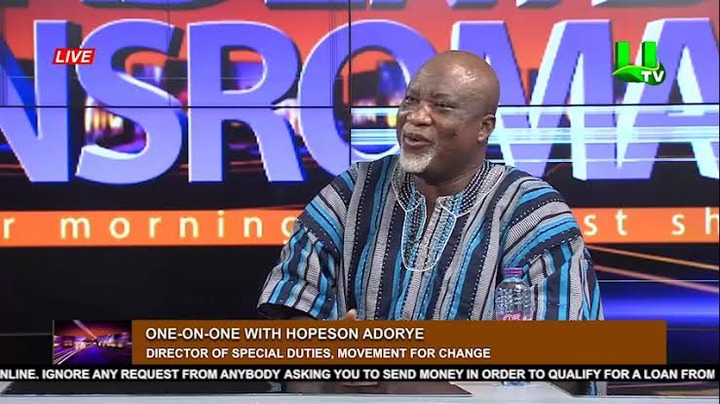
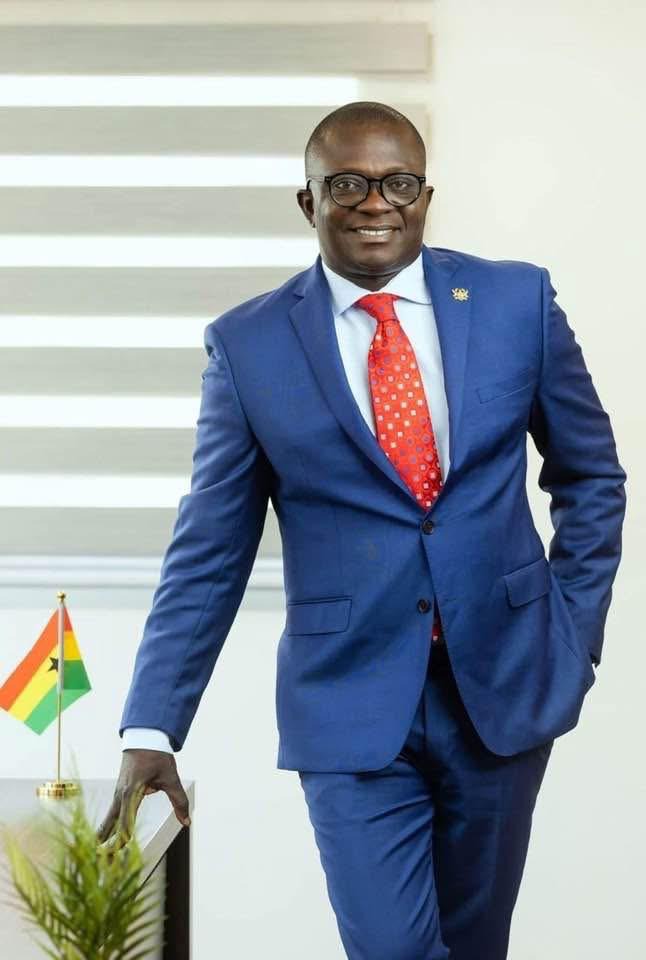


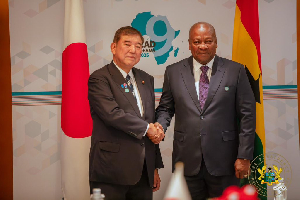


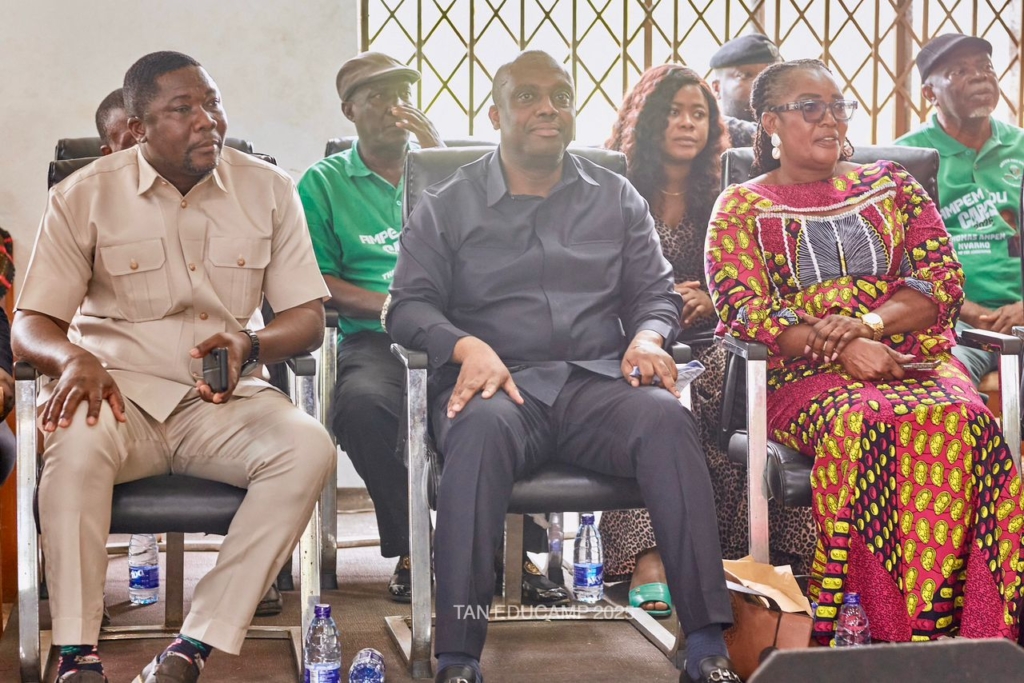
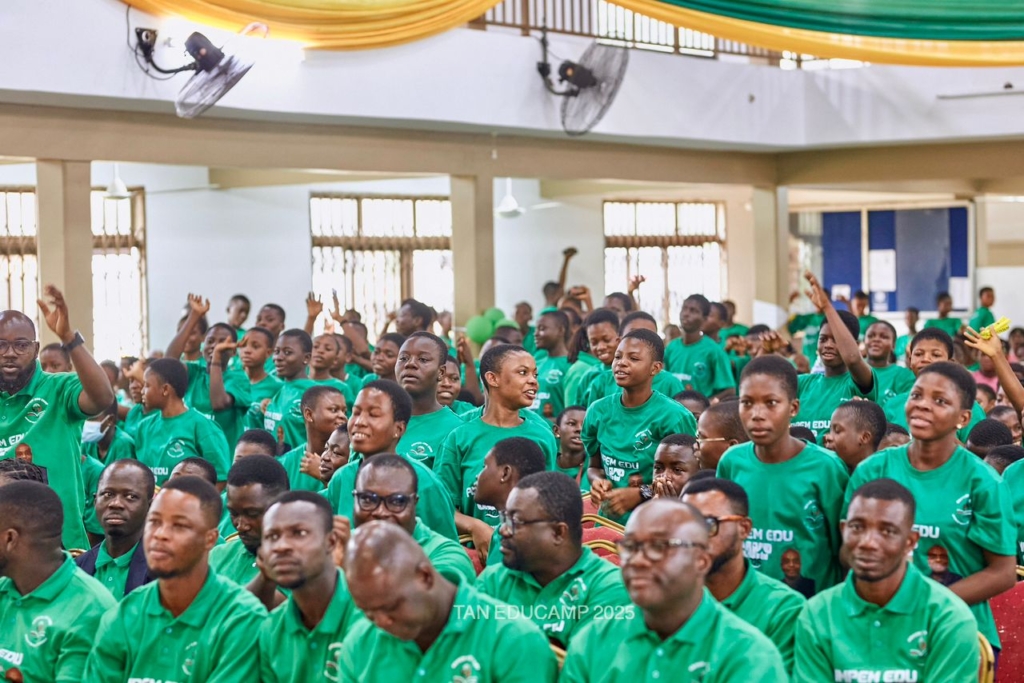

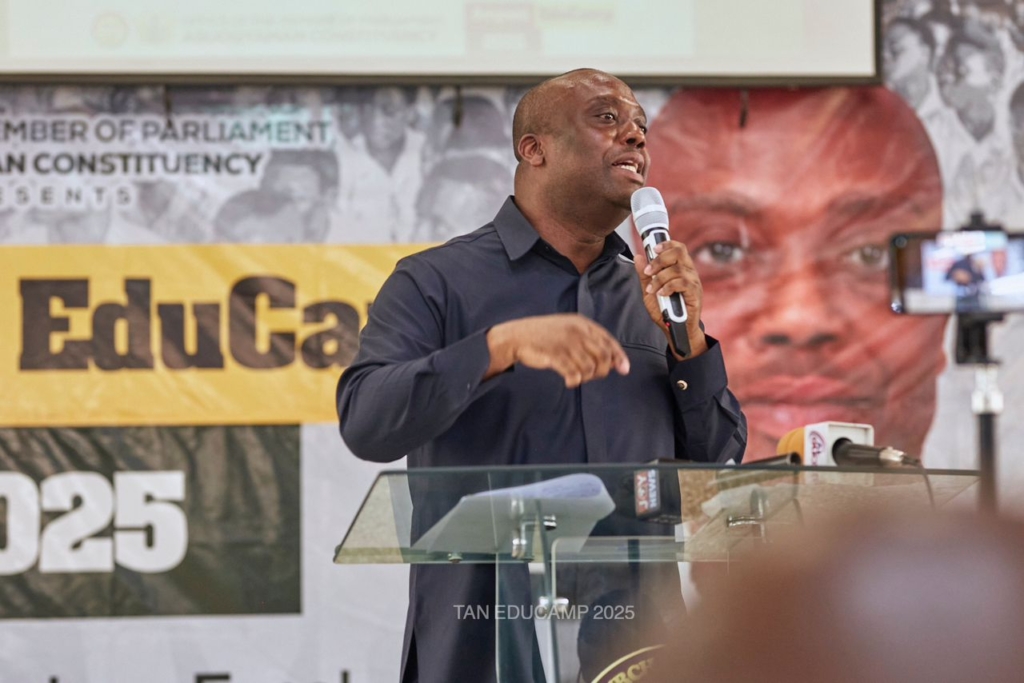
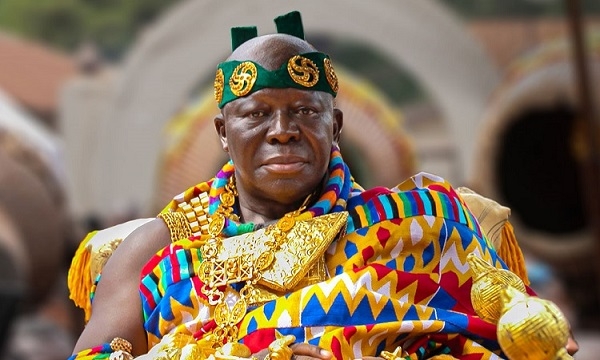


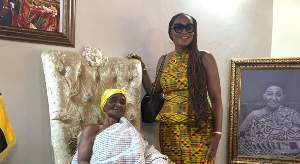
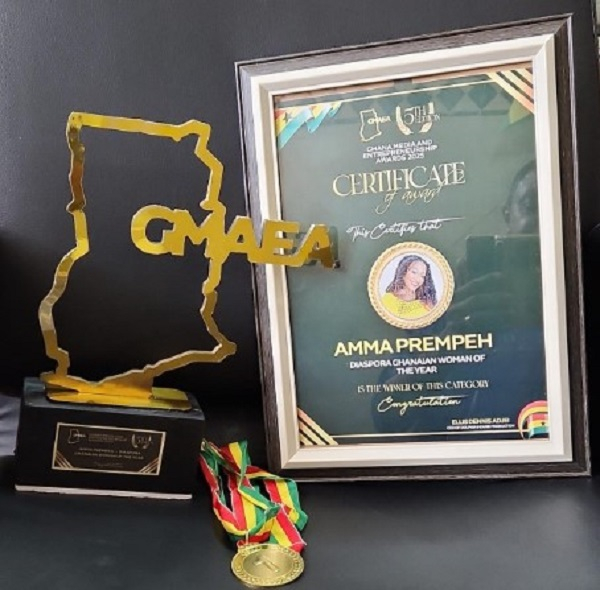
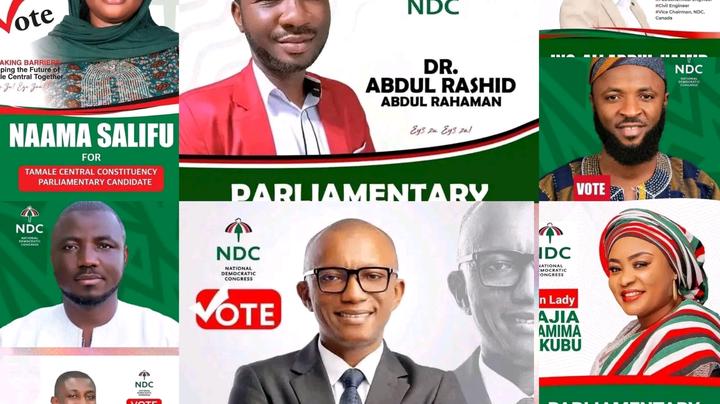
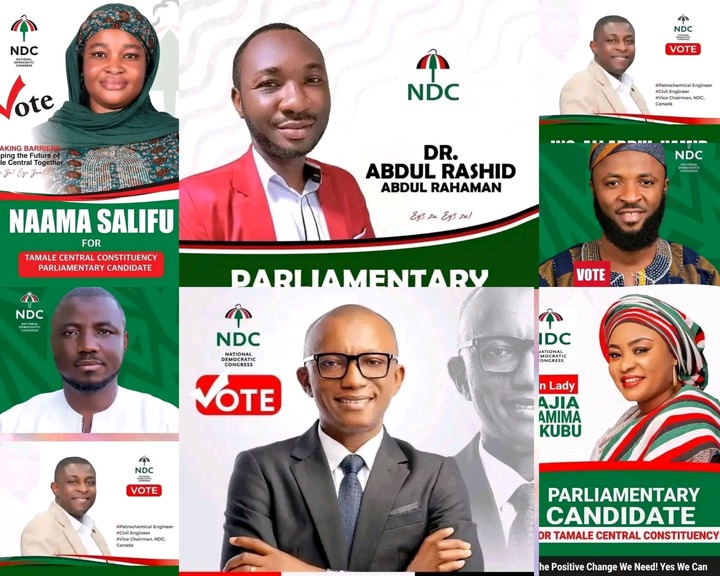
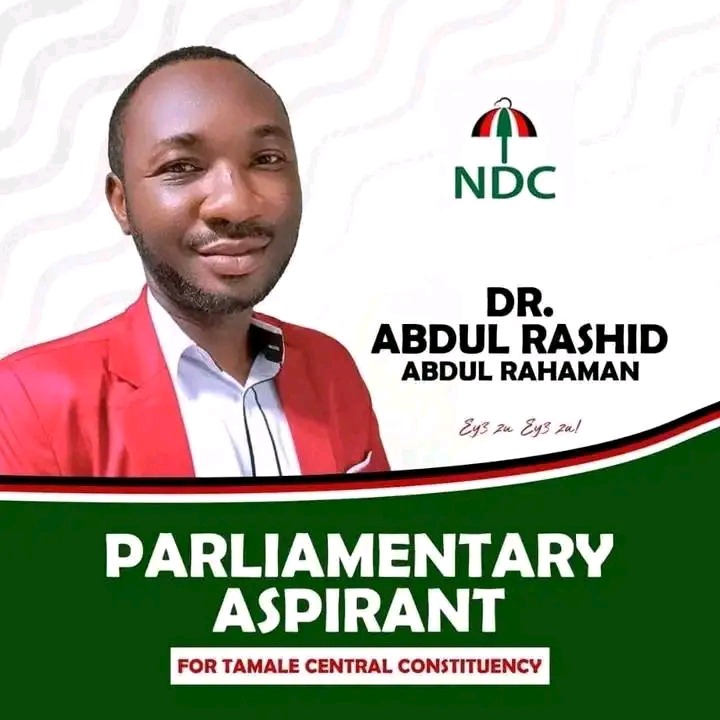
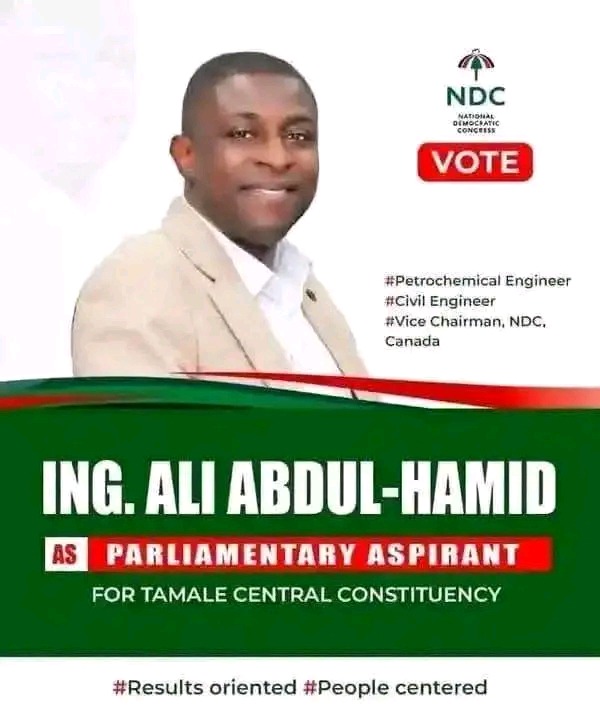
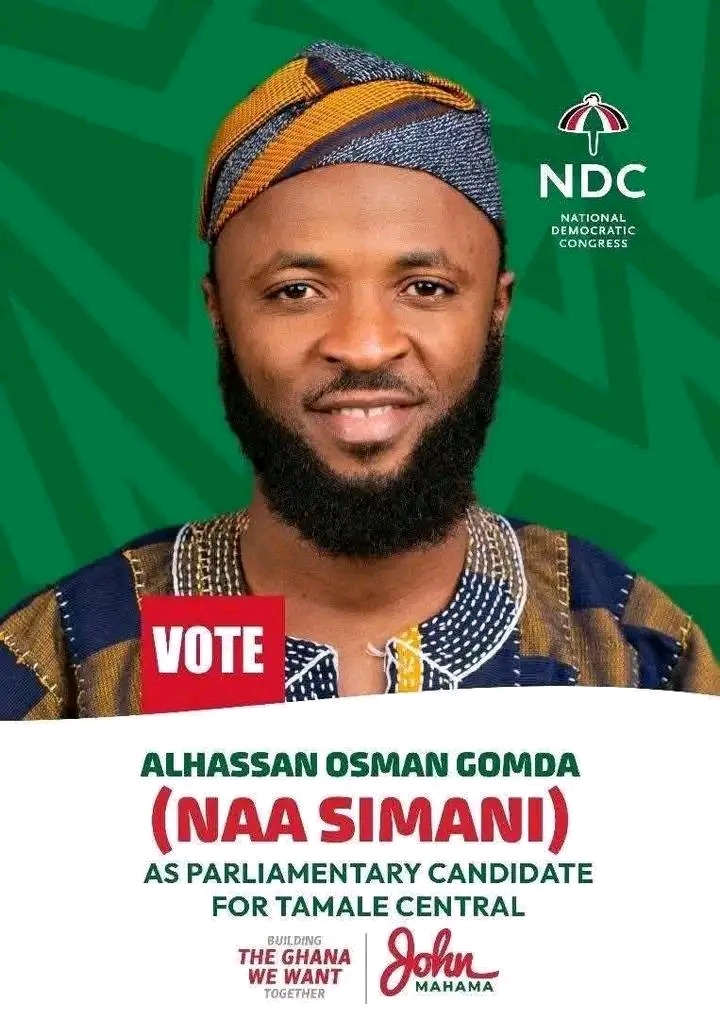
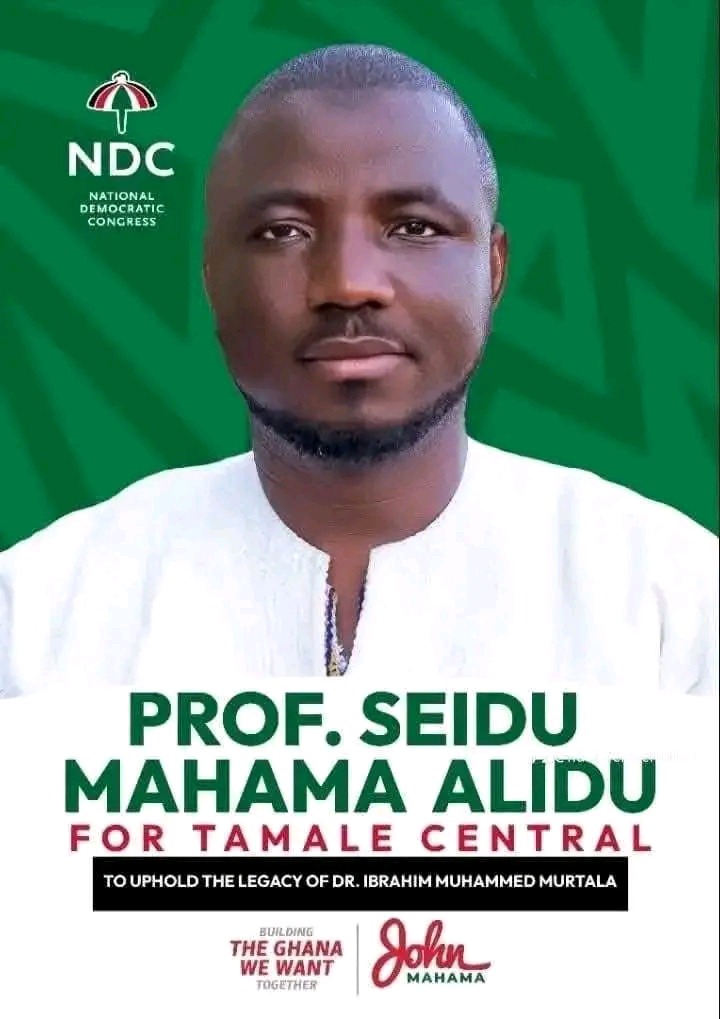

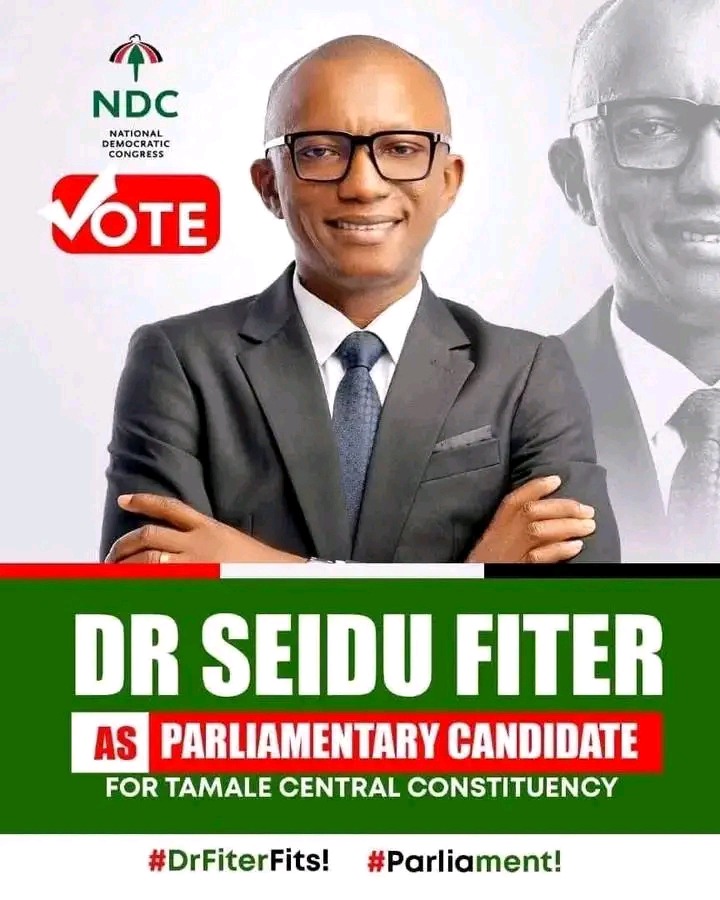


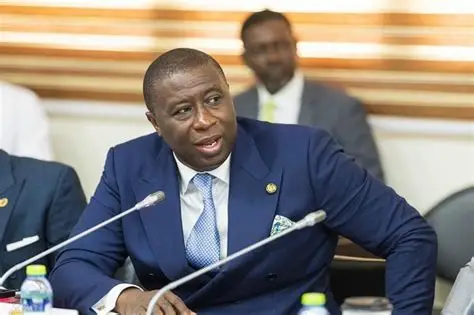
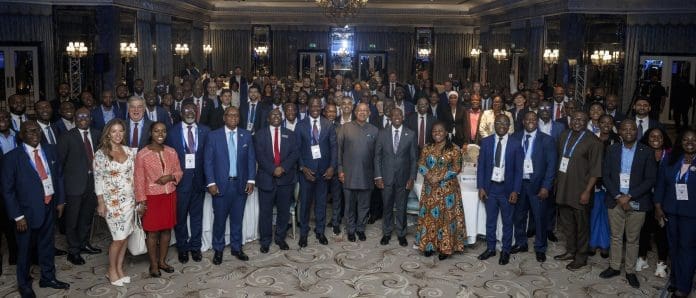
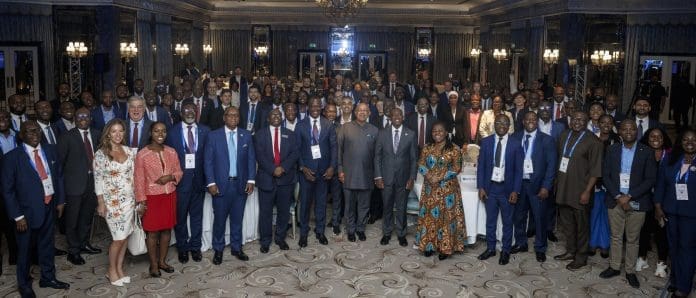



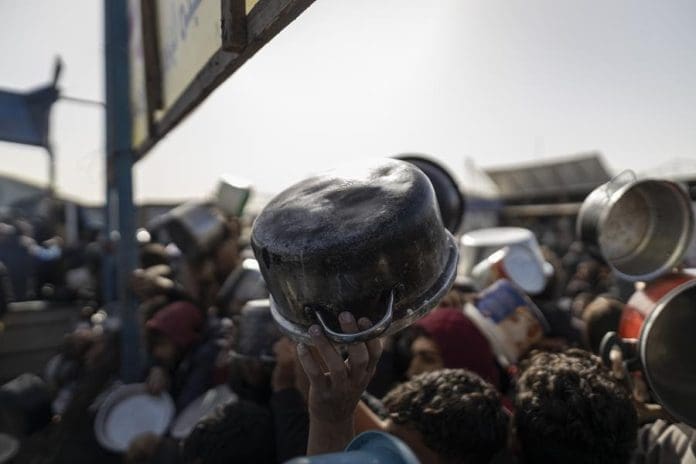

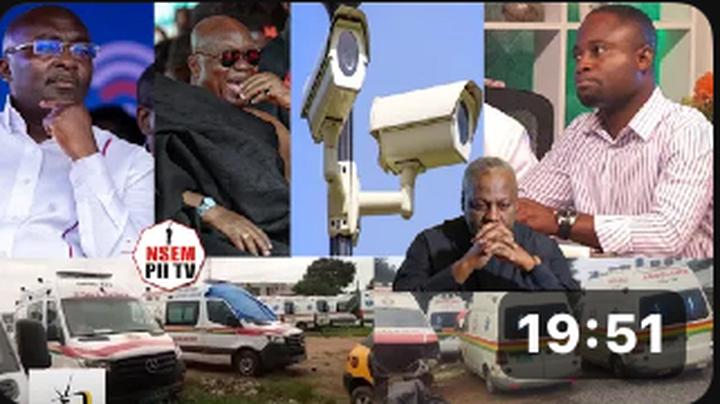


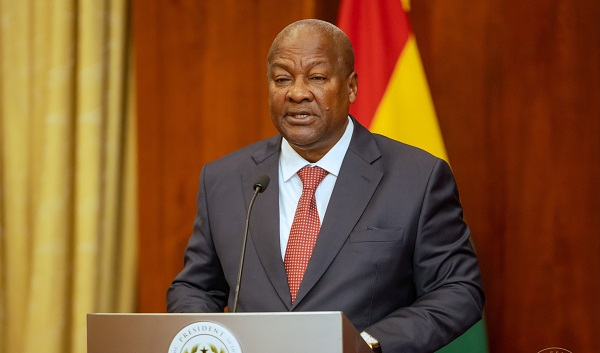
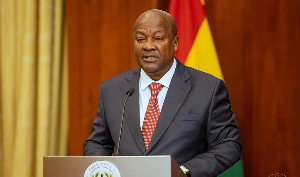




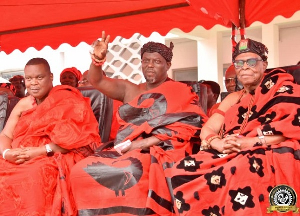
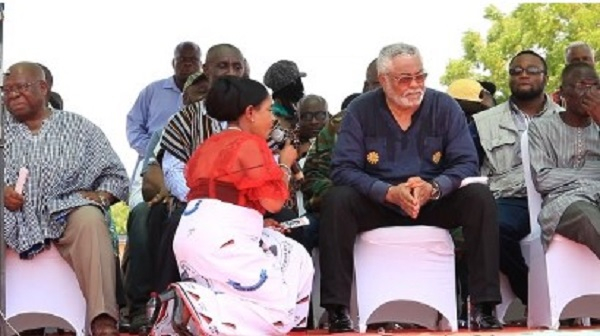

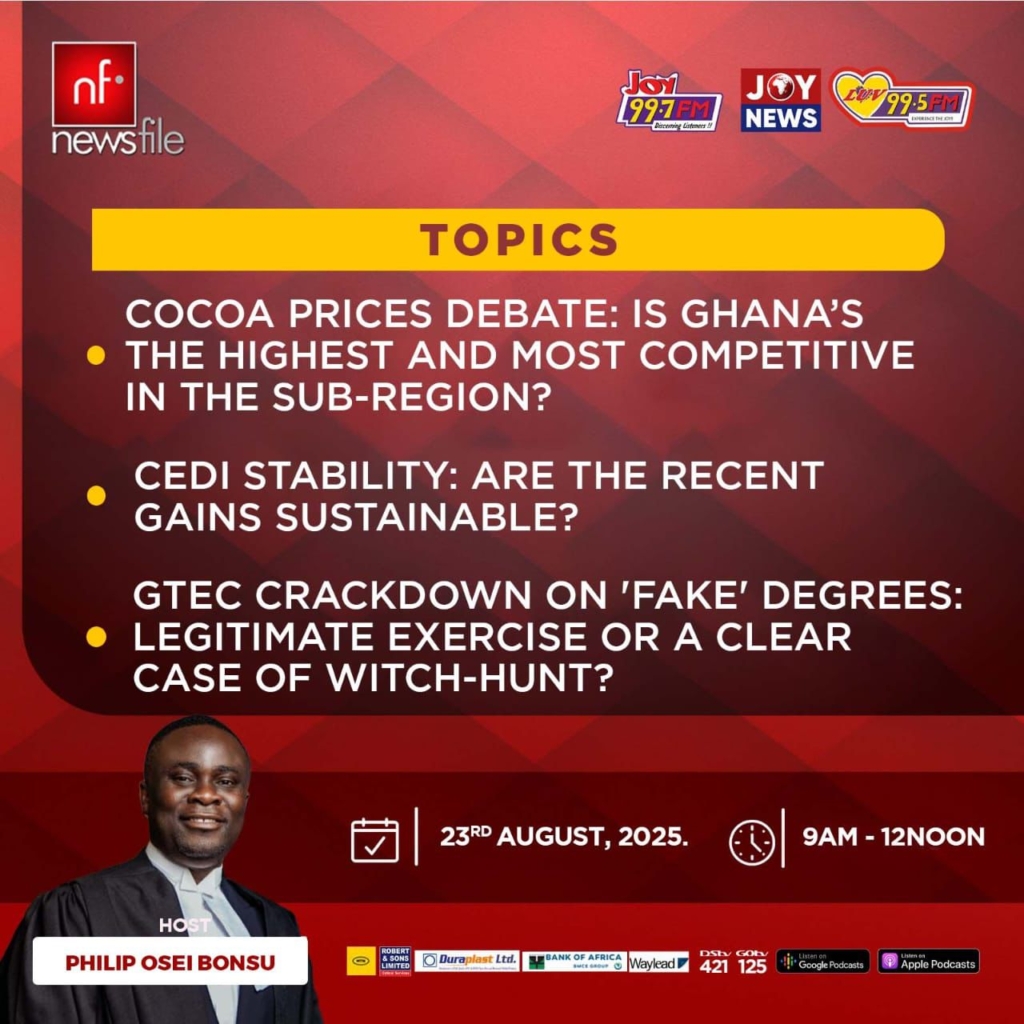
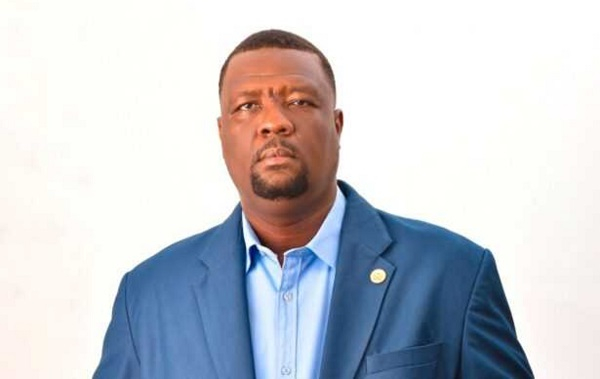

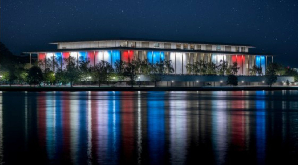


 The Ghana Revenue Authority (GRA) has reaffirmed its commitment to taxpayer-focused reforms through innovation and digitalisation to enhance compliance and revenue mobilisation.