1.4 C
London
Thursday, January 1, 2026
Home Blog Page 65

‘You’ve taken GH¢4b, so you’re quiet’

0

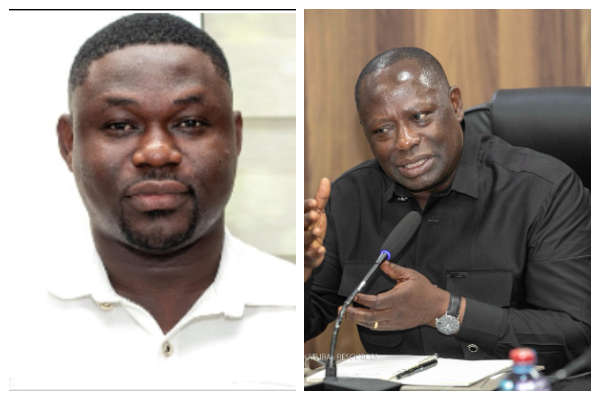
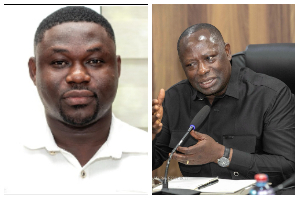
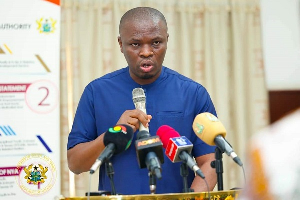
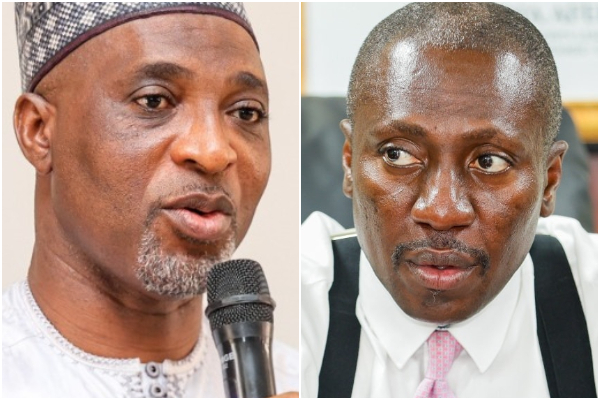
Afenyo-Markin (R) has accused Muntaka (L) of remaining unusually silent play videoAfenyo-Markin (R) has accused Muntaka (L) of remaining unusually silent

The Minority Leader Alexander Afenyo-Markin on Tuesday December 16, 2025, criticised the Minister of Interior, Mohammed-Mubarak Muntaka, in Parliament over what he described as an alleged GH¢4 billion allocation to the minister’s office following his additional responsibility for national security matters.

The confrontation occurred during proceedings on the report of the Committee on Security and Intelligence on the 2026 Annual Budget Estimates of the National Security Council.

Raising concerns on the floor of the House, Afenyo-Markin questioned the process and timing surrounding the presentation of additional documents relating to the budget estimates.

According to him, the Minority was not given prior notice nor supplied with copies of what he described as a newly printed “addendum” linked to the Interior Ministry’s expanded mandate.

“When the Minister of Interior, with additional responsibility to national security, entered the chamber, he came with all his might. Suddenly, another paper was printed and brought in. We have not been given copies,” he stated.

The Minority Leader stressed that such actions undermined consultation and parliamentary procedure, principles he said the Interior Minister himself had previously championed while in opposition.

Afenyo-Markin then accused the Interior Minister of remaining unusually silent because of the alleged allocation.

“Mr Speaker the amount in the report … when you cannot provide for Women’s bank…I was only signaling them that the amount that they have given to the minister of interior with additional responsibility…. Mr Speaker, he is not paying attention to me, with all the provocation he has decided not to respond, he has to respond.

“Mr Speaker he can’t be quiet today, honourable Muntaka is not known for being quiet, he can’t be quiet today. Honourable is not known for being quiet. You have taken 4 billion so you’re quiet. Money does not like noise … your mouth is full, so you don’t want to talk, “he said.

Why Kennedy Agyapong has asked Afenyo-Markin to step down as Minority Leader

The presiding speaker, Bernard Ahiafor intervened at several points, noting that the report had not yet been formally laid and cautioning members against debating a motion that had not been moved.

The Minority Leader further warned the Majority against what he described as attempts to run a “one-sided Parliament.”

“These things must stop. If you want to run a one-sided Parliament, say so, and the civil society organisations will come after you,” he cautioned.

Despite the exchanges, the Chairman of the Committee on Security and Intelligence eventually presented the report on the 2026 National Security Council budget estimates, which the Speaker announced was laid and made available for distribution to Members of Parliament.

Watch the proceedings from 5:56:00 minute.

AM

Also, watch below Amnesty International’s ‘Protect the Protest’ documentary as the world marks International Human Rights Day 2025

The wait is over! The GhanaWeb Excellence Awards 2025 is officially launched. Let’s Celebrate impact, innovation and excellence across Ghana.

Who deserves to be honoured this year?


Nominate now 👉 https://ghanaweb.com/ghanaexcellenceawards/nominate
Capital Bank’s Ato Essien spotted first time in public after leaving jail

0

The founder of the defunct Capital Bank, William Ato Essien, has made what is believed to be his first public appearance since his release from jail.

Ato Essien was granted bail in July 2025 by the Court of Appeal in the sum of GH¢10 million with two sureties, after reports indicated that he was unwell and required medical attention.

Capital Bank Conviction: Court grants William Ato Essien bail

As part of his bail conditions, he was also required to deposit his passport at the court’s registry.

His release came after spending 21 months in prison for his role in the bank’s collapse.

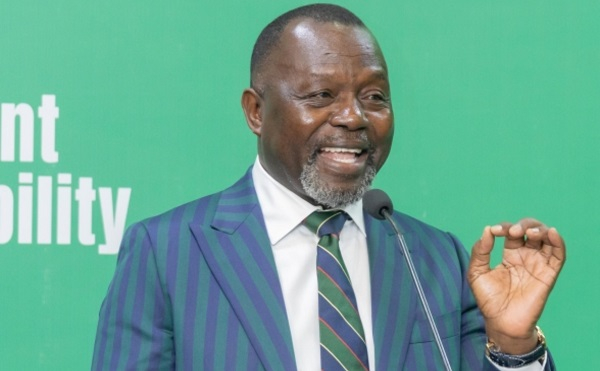
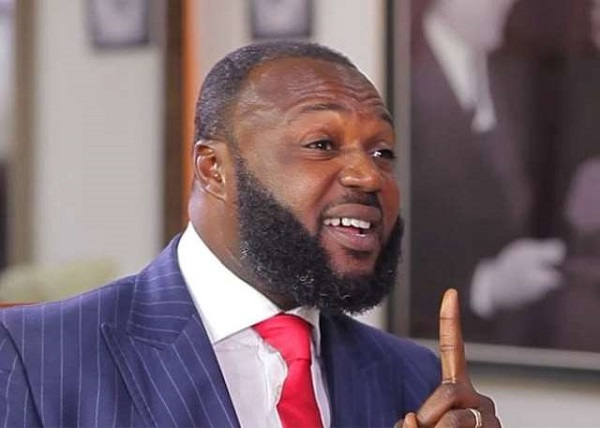
In new photos sighted by GhanaWeb and shared on Facebook on Friday, December 19, 2025, by the Deputy CEO of Tema Oil Refinery (TOR), Mustapha Abubakar, Ato Essien was spotted wearing a blue striped suit, while attending an event.

According to the post accompanying the pictures, the event was a press conference to commemorate the signing of an agreement between Cybele Energy and the Government of Guyana for the exploration of oil in the South American country.

Other photos from the event showed some key government officials and dignitaries attending the occasion alongside Ato Essien.

About Ato Essien:

Ato Essien was convicted in December 2022 for allegedly embezzling over GH¢90 million from Capital Bank, funds acquired through Bank of Ghana liquidity support.

Although initially spared a custodial sentence via a restitution agreement, he was later jailed in late 2023 after failing to fulfil the payment terms.

The state, under the Nana Addo Dankwa Akufo-Addo government, entered an agreement under Section 35 of the Courts Act, 1993 (Act 459), with Ato Essien and settled on him paying GH¢90 million to avoid being jailed.

Presidential Amnesty: Why high-profile prisoners were left out

He paid GH¢30 million in cash before the settlement was adopted by the court, with the rest to be paid over a period of one year.

He, however, defaulted after paying GH¢9 million in addition to the GH¢30 million and was jailed for 15 years after the then Attorney General applied to the court for him to be sentenced.

See some of the photos below:

MAG/AE

What Cletus Avoka said that made Otumfuo warn him over Bawku conflict:

TWI NEWS

How President Mahama and Sharaf Mahama celebrated Ghana’s U20 World Cup win

0

The Chief Executive Officer (CEO) of Legacy Rise Sport, Sharaf Mahama, has revealed that he was an avid fan of the Black Satellites team that won the 2009 FIFA U20 World Cup.

He narrated that at the time, he was at home with his father, then Vice president John Dramani Mahama, and followed the team throughout the tournament by watching all their matches.

The president’s son noted that after the team triumphed and made history as the first African nation to win the U20 World Cup, he and his father were overjoyed and decided to meet the players at the airport.

Ghana to face Germany in pre-World Cup friendly

Sharaf explained that, as someone who aspired to become a footballer, he eagerly joined his father to welcome the team, touch the trophy, and interact with the players.

“At the time, I was working to become a professional footballer, so I had those goals and aspirations. Everything in my mind was football. So when the U20 team won the World Cup, I followed them throughout the tournament, I knew all the players’ names. I would even worry my father in the house.

“So when we won the trophy and they were returning, and he [President Mahama] was going to the airport, I said I was following him. I jumped in the car. I was so excited to meet the players. I was boasting to everyone. I still have the pictures today,” he said.

Watch the interview below:

SB/JE

Mahama promises Alan Kyerematen ‘a very special place’ ahead of AU chair position:

TWI NEWS

Bawumia Is NPP’s Winnable Candidate – Jinapor Declares

0

Dr. Mahamudu Bawumia 


The Member of Parliament for Damongo Constituency, Samuel Abu Jinapor, has declared his firm and unflinching support for former Vice President, Dr. Mahamudu Bawumia, describing him as the New Patriotic Party’s (NPP) best candidate ahead of the party’s presidential primaries scheduled for January 2026.

Speaking ahead of a campaign engagement in the Savannah Region, Mr. Jinapor affirmed that Dr. Bawumia remains the best option to lead the NPP into the 2028 General Election.

“Dr. Bawumia can unite our base, appeal to the floating voters, and inspire hope across the country. He is not just a candidate for the primaries, he is our pathway to victory in 2028,” he stressed.

Mr. Jinapor highlighted what he described as Dr. Bawumia’s clean reputation and strong track record.

“He is well marketed, he is formidable, and he is credible,” he noted, adding that the former Vice President is “somebody you cannot associate with anything of corruption or incompetence.”

The former Lands Minister argued that Dr. Bawumia’s visibility and performance in the 2024 national elections have made him an already recognisable figure to the Ghanaian electorate, positioning him as a candidate with broad national appeal.

“I believe if we present him again for 2028 and we rally behind him, he has a strong chance of winning the 2028 election,” Mr. Jinapor said.

He added that the party’s grassroots are ready to support Dr. Bawumia’s renewed bid for the flagbearer slot.

“I am convinced the party will support him on January 31, and I am convinced the party will elect him because the party wants to win,” he declared.

Dr. Bawumia, known for spearheading the Akufo-Addo-led government’s digitalisation agenda, is seeking to return as the NPP’s presidential candidate. His campaign has gained momentum as influential figures within the party continue to publicly rally behind him.

Mr. Jinapor’s endorsement reflects growing confidence within the party that Dr. Bawumia is the candidate most capable of uniting the NPP and securing a decisive win in the next national polls.

A Daily Guide Report


“They brought fake bank guarantees” – Napo explain PDS failure

0

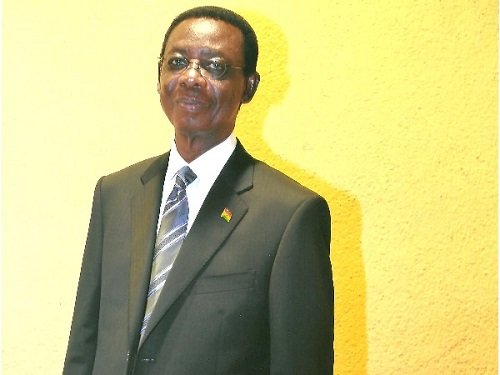
Dr Matthew Opoku Prempeh, the 2024 running mate of the New Patriotic Party (NPP) and a former Energy Minister, has explained why the Power Distribution Services Ghana Limited (PDS) concession agreement failed.

Napo, as he is commonly referred to, revealed that the Power Distribution Services Ghana Limited (PDS) brought fake bank guarantees in the deal.

Donald Trump suspends US green card lottery scheme

0

Donald Trump's government has been making new reforms regarding green card lottery Donald Trump’s government has been making new reforms regarding green card lottery

President Donald Trump has suspended the US green card lottery scheme in the wake of a mass shooting at Brown University last week in which two people were killed.

The suspect, a Portuguese man who was found dead on Thursday, entered the country through the diversity lottery immigrant visa programme (DV1) in 2017 and was granted a green card.

Homeland Security Secretary Kristi Noem said she has paused the visa scheme under Trump’s direction to “ensure no more Americans are harmed by this disastrous programme”.

US officials said they believe the suspect, 48-year-old Claudio Neves Valente, also killed Portuguese Massachusetts Institute of Technology professor Nuno Loureiro earlier this week.

The programme makes up to 50,000 visas available each year through a random selection process among entries from countries with low rates of immigration to the US.

Writing on social media, Noem said Trump had previously “fought to end” the scheme in 2017 after eight people were killed in a truck-ramming attack in New York City.

Uzbekistan national Sayfullo Saipov, an Islamic State supporter who is serving multiple life sentences for the attack, entered the US through the DV1 scheme, according to Noem.

Her comments come just hours after Neves Valente was found dead in a storage facility in Salem, New Hampshire, from what police believe is a self-inflicted gunshot wound.

Police said video evidence and tips from the public led investigators to a car rental location where they found the suspect’s name and matched him to their person of interest, following a six-day multi-state manhunt.

He was found dead with a satchel and two firearms. Evidence in a car nearby matched to the scene of the shooting at Brown University in Providence, according to Rhode Island Attorney General Peter Neronha.

Brown University President Christina Paxson said Neves Valente was enrolled at the Ivy League school from the autumn of 2000 to the following spring, and was studying for a PhD in physics.

He had “no current active affiliation” to Brown, she said.

Officials said they believe Neves Valente shot and killed MIT professor Nuno F Gomes Loureiro, 47, on Monday at his home in Brookline, which is about 50 miles (80km) from Providence.

Both men had studied at the same university in Portugal in the late 1990s, police said.

Officials said the cases were linked when the suspect’s vehicle was identified via CCTV footage and a witness at Brown University.

The same car was spotted near the scene of the professor’s shooting, which happened just two days later.

Authorities have not provided any suspected motive for either of the attacks.

Two students were killed and nine others were injured as a gunman burst into Brown University’s engineering building on 13 December and opened fire during final exams.

They have been identified as Ella Cook, 19, a second-year student from Alabama, and Mukhammad Aziz Umurzokov, 18, an Uzbek-American who had just started at the university.

Analyst Urges Kennedy Agyapong to Pick Samira Bawumia as Running Mate

0

Second Lady Mrs Samira Bawumia
Mrs Samira Bawumia

Political analyst Nana Kofi Frimpong Ziega has called on New Patriotic Party flagbearer hopeful Kennedy Agyapong to consider selecting Samira Bawumia as his running mate if he wins the party’s presidential primaries, describing the move as strategic for unity.

Speaking on Kessben TV, Mr. Ziega warned that the NPP is currently facing deep internal challenges that could threaten its chances in the 2028 general elections. He stated that “the NPP has lots of problems” and suggested that a victory in 2028 would require significant effort to overcome current divisions.

According to the analyst, the tone and conduct of the ongoing internal campaigns are worrying and risk creating lasting divisions within the party. He described the situation as more dangerous than previous periods of internal tension in the party’s history, including the 1998 period leading up to the Sunyani congress.

Mr. Ziega expressed concern that the current campaign rhetoric could undermine post-primary unity. He questioned whether losing aspirants and their supporters would genuinely campaign for rivals if they are defeated, citing specific examples of campaign figures whose commitment to party unity remains uncertain.

As a solution, the analyst proposed that Mr. Agyapong should adopt an inclusive strategy if he emerges victorious. He argued that selecting Samira Bawumia as running mate would broaden the party’s appeal and heal internal divisions, while also gaining support from women and Muslims.

Mr. Ziega further suggested that if Vice President Mahamudu Bawumia wins the primaries, he must equally pursue reconciliation within the party. He recommended that Bawumia should use campaign heads from various aspirants to lead his campaign, incorporating people from Kennedy’s campaign team to bridge differences.

According to him, deliberate efforts at inclusion and reconciliation are essential for the NPP’s long-term survival. He concluded that such measures would enhance the party’s future prospects as a political organization.

The comments come as the NPP prepares for its presidential primaries, with multiple aspirants competing for the party’s flagbearer position. Internal party dynamics and the ability of losing candidates to support the eventual winner have historically influenced the NPP’s electoral performance in general elections.

Party unity has been a recurring challenge for the NPP during primary seasons, with previous contests occasionally producing tensions that required significant reconciliation efforts. The 2008 primaries, for instance, left divisions that some party observers believe contributed to the NPP’s narrow loss in that year’s general election.

The recommendation to select Samira Bawumia as running mate reflects broader discussions within Ghanaian political circles about gender representation and strategic ticket balancing. Samira Bawumia has maintained visibility in party activities and public engagements, though she has not held elected political office.

Women remain significantly underrepresented in Ghana’s political leadership, particularly in presidential and vice-presidential positions. No woman has served as vice president since the Fourth Republic began in 1993, though several have held ministerial portfolios and other senior government positions.

Muslim representation on major party tickets has also been a factor in Ghanaian electoral politics, with parties occasionally considering religious and regional balance when constructing presidential tickets. Vice President Bawumia’s selection in 2008 and subsequent elections reflected partly the NPP’s calculation about northern and Muslim voter appeal.

The analyst’s comparison of current campaign tensions to historical episodes, including the 2005 National Democratic Congress congress in Koforidua, underscores his assessment that internal party dynamics have reached concerning levels. However, no physical confrontations or violence have been reported in the current NPP primary campaign.

Whether aspirants will heed calls for inclusive strategies and deliberate reconciliation remains to be seen. Primary campaigns typically intensify as voting approaches, with competing camps working to mobilise delegate support while managing relationships that must be repaired after results are announced.

The NPP’s ability to manage internal divisions and present a united front will be closely watched by political observers and voters as the party seeks to regain power in 2028. Electoral success in Ghana’s competitive political environment typically requires parties to mobilise their full base while appealing to swing voters, objectives that become difficult when internal factions remain unreconciled.

Party leadership has previously emphasised the importance of unity and indicated commitment to reconciliation processes following primaries. How effectively those processes are implemented will likely influence the NPP’s competitiveness in the next general election.

Ghana’s economy improving, debt obligations will be met

0

The Minister for Finance, Dr. Cassiel Ato Forson, has reaffirmed the government’s commitment to prudent financial management, insisting that Ghana’s economy is making measurable progress under the current administration.

Contributing to the debate on the Appropriation Bill No. 2, 2025, in Parliament on Thursday, December 18, Dr. Forson said the gains recorded in the economy were evident and acknowledged across the political divide.

“Everyone in this chamber believes that President Mahama has made significant progress in this economy. Even our colleagues opposite know that Ghana is making progress,” he stated.

Dr. Forson stressed that fiscal discipline remains a central pillar of government policy, dismissing claims that the administration was being wasteful.

He defended discussions around the possible acquisition of a presidential jet, arguing that purchasing an aircraft could be more cost-effective than continuous leasing.

“We have been prudent, and we will continue to be prudent. I heard my colleague say that a government which is prudent is planning to buy a presidential jet. But the fact remains that it is better to buy than to rent, and the cost of buying is equivalent to what was spent on renting aircraft under the previous administration. That fact is there for all to see,” he said.

The Finance Minister also assured Parliament that the government would honour Ghana’s debt obligations, including a major Eurobond payment inherited from the previous administration.

According to him, the government is set to service a US$710 million Eurobond on January 3, 2026, despite the challenging fiscal situation it assumed upon taking office.

“When our colleagues were leaving the office, they left us with a big debt. A debt that has been restructured to the extent that on January 3, 2026, the government will have to service the Eurobond it borrowed to the tune of US$710 million. That debt is due for us to service, and this budget is going to pay that,” Dr. Forson told the House.

He concluded by reiterating the government’s resolve to meet its financial obligations while maintaining discipline in public spending, saying, “We are going to pay the debt you left behind.”

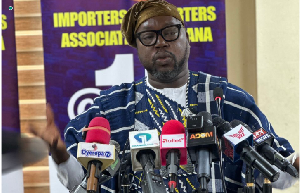
Company to roll out AI at ports lacks capacity, track record – Importers lament

Employment up 330,000 by Q3 2025, unemployment averages 12.8%

0

Employment increased by over 330,000 persons between Quarter 1 and Quarter 3 of 2025, reflecting continued absorption of labour, the Ghana Statistical Service (GSS) has indicated.

The latest Quarterly Labour Force Statistics for Q1–Q3 2025, presented by the Government Statistician, Dr. Alhassan Iddrisu, showed that more than 15 million persons constituted the labour force across the first three quarters of the year, reflecting steady labour market expansion amid persistent structural challenges.

Despite this improvement, unemployment edged up slightly in Q3 to 13.0 percent, contributing to an average rate of 12.8 percent for the first three quarters of 2025.

“Despite strong employment numbers, job quality remains a major challenge. More than two-thirds of employed persons were in vulnerable employment, particularly women, rural workers, and those engaged in Agriculture.

Own-account work continued to dominate, indicating limited access to secure wage employment and persistent informality. These patterns highlight that employment growth alone does not guarantee economic security or resilience for households,” the data stated.

Gender and locality disparities persist

Female employment remained consistently higher than male employment throughout the period under review, with more than 7.2 million women employed compared to about 6 million men in each of the three quarters. However, this advantage in employment did not translate into lower unemployment, as women continued to experience higher unemployment rates than men, with an average gap of 3.7 percentage points in each quarter.

Spatial disparities were also pronounced. Urban areas consistently recorded higher employment levels than rural areas, with the widest gap observed in Q2, when urban employment exceeded rural employment by approximately 1.49 million persons. At the same time, unemployment remained significantly higher in urban areas, averaging 15.1 percent compared to 9.6 percent in rural localities, a difference of 5.5 percentage points.

Youth unemployment and NEET concerns

The report highlights sustained pressure in the youth labour market. Youth unemployment rates remained above the national average, with persons aged 15–24 years recording an average unemployment rate of 32.5 percent, while those aged 15–35 years averaged 21.9 percent in Q2 and Q3.

Greater Accra recorded the highest youth unemployment, reaching 49.3 percent for the 15–24 age group in Q3. In addition, a significant share of young people remained outside employment, education or training. In Q3, approximately 1.34 million persons aged 15–24 years, representing 21.5 percent and about 1.95 million persons aged 15–35 years thus 19.5 percent, were classified as Not in Education, Employment, or Training (NEET), underscoring ongoing challenges in school-to-work transitions.

Labour underutilisation and skills mismatch

Beyond unemployment, the GSS findings point to widespread labour underutilisation. The composite labour underutilisation rate (LU4) was estimated at 23.0 percent in Q2 and increased slightly to 23.4 percent in Q3. This indicated that about one in five employed persons was either underemployed or inadequately absorbed into productive work.

Underemployment was notably higher in rural areas, reaching 14.9 percent in Q3, compared to 9.7 percent in urban areas. On skills and qualification mismatch, in Q3, about two-thirds of employed persons (65.8 percent) perceived their skills as matching their jobs, while one in five were unsure. Over 10 percent reported that their skills exceeded job requirements, particularly men and urban workers. Meanwhile, 58.4 percent of workers felt their educational qualifications matched their jobs, with 8.2 percent describing themselves as overqualified and 15.7 percent as underqualified, the latter being more prevalent in rural areas.

Growing interest in shift-based work

Although nearly 98 percent of workers did not engage in night shift work, interest in shift-based arrangements is rising. Among employed persons not currently working shifts, 46.5 percent expressed interest in shift-based work in Q3, especially men (53.6 percent) and rural workers (51.7 percent).

However, 39.5 percent said they were not interested, a response more common among women and urban workers, while 14 percent said their decision would depend on conditions. The GSS noted that the findings provide critical evidence to guide labour market policy, particularly in addressing youth unemployment, urban joblessness, skills alignment and the emerging dynamics of flexible and shift-based work arrangements.

Dr. Alhassan Iddrisu, Government Statistician, recommended that policymakers prioritise youth employment pathways by strengthening apprenticeships, school-to-work transition programmes, and targeted skills development for young people not in employment, education, or training (NEET). He further urged efforts to reduce vulnerable employment through formalisation, improved access to finance for small enterprises, and stronger labour protections, particularly in agriculture and rural areas.

Dr Iddrisu emphasised aligning skills development with labour market demand via closer coordination between education and training institutions, labour market monitoring systems, and employers, while also strengthening regional and district-level labour market planning to target interventions where unemployment, underemployment, and skills mismatches are most severe.

All you need to know about Ghana’s new vehicle number plates |BizTech:

Diaspora Investment Key to Unlocking Ghana’s Real Estate Potential – Kofi Okyere Darko

0

Diaspora Investment Key to Unlocking Ghana’s Real Estate Potential – Kofi Okyere Darko

Kofi Okyere Darko, Director of the Diaspora Affairs Office, has emphasized the need to address challenges in Ghana’s real estate sector to unlock diaspora investment.

Speaking at the 3rd Ghana Property and Lifestyle Expo, he said, “Adequate housing is the indispensable gateway to all other human rights; it is the sacred ground upon which personal dignity is restored, communal stability is anchored, and a family’s future is permanently secured.”

Darko highlighted five key obstacles in Ghana’s real estate : land tenure insecurity, fragmented regulation, limited access to affordable financing, infrastructure gaps, and a trust deficit.

“The John Mahama Administration is committed to addressing these challenges through practical and sustainable reforms,” he said.

He emphasized the role of the diaspora in Ghana’s development, saying, “The Ghanaian diaspora brings patient capital, global standards, professional expertise, and a deep commitment to nation-building.” Darko encouraged development partners to focus on long-term, sustainable value creation, and financial institutions to innovate financing products for diaspora investment.

“Property ownership is one of the strongest anchors for diaspora reintegration,” Darko said, urging Ghanaians abroad to invest in Ghana. He commended the organizers of the Ghana Property and Lifestyle Expo for promoting diaspora investment, saying, “Let us move from hesitation to confidence. From fragmented systems to coordinated solutions. From obstacles to opportunity.”

The Ghana Property and Expo aims to promote Ghana as a destination for real estate investment and provide a platform for stakeholders to connect and explore opportunities in the sector.

Tyrese Gibson shares image of Ronaldo on set in Fast and Furious movie

0

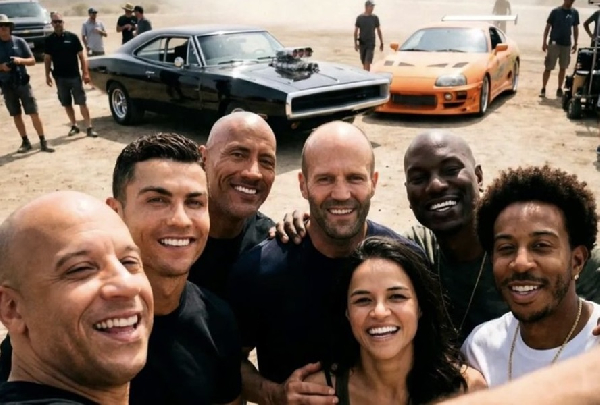
Actor Tyrese Gibson has shared an exclusive image from the Fast and Furious movie set with Portugal and football icon Cristiano Ronaldo.

The picture featured star actors such as Vin Diesel, Michelle Rodriguez, Jordana Brewster, Tyrese Gibson, Jason Statham, and Dwayne Johnson, all appearing in the film to give the franchise a grand climax.

All the actors were seen smiling alongside the legendary footballer, with cars and crew members visible in the background as preparations for filming took place.

Ghana to face Germany in pre-World Cup friendly

The post was accompanied by the caption: “Welcome to the family, Cristiano, the global dance just went to new heights.”

This confirms a report by NME, in which Vin Diesel explained that fans had long asked whether Ronaldo would ever appear in the Fast & Furious universe, and confirmed that he is indeed a genuine addition.

Diesel revealed that a role had been specifically created for the Los Blancos legend, and although nothing has been officially announced, the leaked footage has sparked widespread excitement online.

The image comes as anticipation builds for the 11th film in the series, which is expected to serve as the grand finale.

Diesel has previously hinted that Paul Walker’s character, Brian O’Conner, will return, promising an emotional on‑screen reunion with Dominic Toretto, according to KinoCheck.

View the post below:

SB/JE

Mahama promises Alan Kyerematen ‘a very special place’ ahead of AU chair position:

TWI NEWS

BoG strengthens inter-agency fight against unlicensed financial activities

0

The Bank of Ghana says deeper, action-oriented collaboration between regulators, law-enforcement agencies and the banking industry is the panacea to combat illicit financial activities and protect confidence in the financial system.

Second Deputy Governor of the Bank of Ghana, Matilda Asante Asiedu, made the call at the opening of the second Technical Committee workshop of the Committee for Cooperation Between Law Enforcement Agencies and the Banking Community, known as COCLAB.

She urged the committee to move beyond dialogue and establish structured multi-agency working groups to analyse the tactics of unlicensed financial operators and recommend joint enforcement and preventive measures.

“In 2024 alone, the Bank of Ghana received over 50 complaints related to unregulated savings, investment, and lending schemes. These entities often mimic legitimate financial products while imposing exorbitant charges and engaging in abusive practices that erode public confidence”

Madam Asiedu also proposed elevating some COCLAB engagements to the level of heads of institutions to strengthen implementation, accountability and coordination across agencies.

She stressed that safeguarding the financial system requires a unified approach involving regulators, security agencies, banks, telecommunications companies and the media.

“In collaboration with the Economic and Organised Office (EOCO), arrests have been made. However, it is evident that these measures are not sufficient on their own. The persistence of these operators calls for new strategies, deeper intelligence sharing, and stronger institutional coordination. The trust, soundness, and stability of our financial system are at stake.  The COCLAB Technical Committee is uniquely positioned to lead a coordinated response to this threat”, she said.

The Bank of Ghana, she noted, is intensifying these efforts as Ghana prepares for its third-round Mutual Evaluation by the Inter-Governmental Action Group Against Money Laundering in West Africa, GIABA, scheduled for the first quarter of 2026.

According to the Second Deputy Governor, demonstrating effective inter-agency cooperation and a strong national response to unlicensed financial institutions will be critical to Ghana’s assessment under international anti-money laundering and counter-terrorist financing standards.

“To strengthen our collective efforts, I encourage COCLAB to consider establishing structured multi-agency working groups to analyse the modus operandi of these illicit actors and recommend joint enforcement and preventive measures. Elevating selected COCLAB engagements to the Heads of Institutions’ level would also help ensure implementation and accountability.”

“Collaboration must move beyond dialogue to execution. Each stakeholder – regulators, law-enforcement agencies, the banking industry, telecommunications operators, and the media has a vital role to play. Only a unified and sustained approach will preserve confidence in our financial system.”

LOOK AT THIS GOOD LOOKING MAN – President Trump Gleefully Welcomes Victor Smith As Ghana’s Ambassador To US

0

Ghana’s Ambassador to the United States, H.E. Victor Emmanuel Smith, has formally presented his credentials to U.S. President Donald J. Trump, marking the official commencement of his diplomatic mission in the United States.

The credential presentation took place at the Roosevelt Office of the White House, where Ambassador Smith joined 14 other newly appointed ambassadors accredited to the United States.

Kwesi Appiah calls for patience as GPL title race intensifies 

0

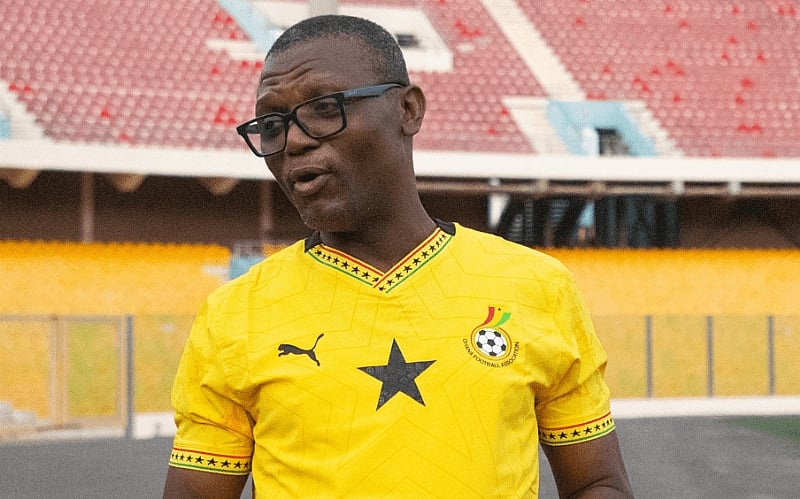
Head coach Kwesi Appiah has urged for patience and unity as his side continues its push in the Ghana Premier League, stressing that team building takes time and persistence.

Speaking on Akoma 87.9 FM, Appiah acknowledged the challenges that come with decision-making while emphasizing the importance of learning throughout the process.

“Team building is a gradual process, and we all need to be patient,” he said. 

“We are doing our best, and while some decisions may not always be right, they offer valuable lessons.”

The experienced tactician reaffirmed his team’s ambition to compete for the league title, insisting they remain fully committed to the fight.

“Our desire and hope are to win the GPL, but above all, we are prepared to fight until the very end,” Appiah added.

Kotoko have struggled to find consistency as they just ended a four game winless streak with win over Dreams FC the last time out. 

The Porcupines, however, sit third on the table with 24 points, trailing leaders Aduana FC by three points. 

Regulate Airbnb or risk undermining Ghana’s hotel industry – Hotels Association president

0

The President of the Ghana Hotels Association, Dr Edward Ackah-Nyamike, has warned that the rapid growth of Airbnb without proper regulation could undermine Ghana’s hotel industry.

He insists that the issue is not competition but an uneven regulatory and tax environment.

Speaking on Joy News’ PM Express Business Edition on Thursday, Dr Ackah-Nyamike said hotels have never feared competition because they offer a range of services that go beyond room bookings.

“Our challenge has never been with competition at all, because the hotels have, if I should call it some monopoly in terms of the services that they provide,” he said.

According to him, hotels operate as full-service facilities, providing accommodation, food, drinks, entertainment, and recreational activities, and, in some cases, car rentals, all under one roof.

“We provide accommodation at the same place, we provide entertainment, and we provide food and drinks. We also provide some recreational activities and, in some cases, car rentals. So we have that unique niche in the market,” he explained.

Dr Ackah-Nyamike said the concern of hotel operators is rooted in regulation and taxation, noting that hotels are subject to multiple taxes, levies and regulatory fees that many Airbnb operators do not pay.

“What we have not been happy about is the regulation of that sector in terms of taxes, in terms of levies, in terms of the regulatory fees that we pay that they don’t pay, and so they end up providing services at cheaper rates,” he stated.

He acknowledged that short-term rental platforms sometimes support the hospitality industry, especially during peak periods when hotels are fully booked.

“To the extent that you can go to some hotel, the place is booked, and the only option that you may have is an Airbnb, so yes, it’s helping the industry as a whole,” he said.

However, he stressed that the unequal playing field created by weak regulation remains the core issue for hotel operators.

“It’s the unequal environment that it provides in terms of taxation. That’s what our issue has been,” he added.

Dr Ackah-Nyamike said the Ghana Hotels Association would have no objection to Airbnb operations if they were properly regulated and subjected to the same standards hotels are required to meet.

“So once that sector of the industry is well regulated, and they are paying their tax, they are paying their levies, they are doing all the regulatory things that we do, FDA, fire service, EPA and all that, we have no problem at all with that,” he said.

He warned that failure to address the regulatory gap could distort pricing in the hospitality market and place traditional hotels at a disadvantage, even as demand for accommodation continues to grow.

DISCLAIMER: The Views, Comments, Opinions, Contributions and Statements made by Readers and Contributors on this platform do not necessarily represent the views or policy of Multimedia Group Limited.

DISCLAIMER: The Views, Comments, Opinions, Contributions and Statements made by Readers and Contributors on this platform do not necessarily represent the views or policy of Multimedia Group Limited.

Afenyo-Markin criticises judge in Kpandai case rulling

0

The Minority Leader in Parliament, Alexander Kwamena Afenyo-Markin, has publicly questioned the handling of the Kpandai parliamentary election petition.

The lawmaker cited what he described as a troubling pattern of missed timelines and procedural opacity by the High Court in Tamale, presided over by Justice Manuel Bart-Plange Brew.

Tamale High Court sets December 18 for ruling on Kpandai MP’s stay of execution

In a strongly worded statement posted on his Facebook account on Friday, December 19, 2025, Afenyo-Markin disclosed that the High Court failed to sit on a scheduled ruling date, with parties only being informed by the court registrar that the judge was “indisposed.”

According to him, the missed sitting is not an isolated incident but part of a series of delays that followed Justice Brew’s decision on November 24, 2025, to nullify the entire Kpandai parliamentary election and order a fresh poll.

“Justice Manuel Bart-Plange Brew of the High Court, Tamale did not sit yesterday. No ruling was delivered. No new date was fixed. Parties were simply informed by the Registrar that ‘He’s indisposed.’ This is not an isolated incident,” he raised concern.

Afenyo-Markin criticised the court’s ruling, noting that although the election petition challenged alleged irregularities in only a limited number of polling stations, the High Court imposed what he described as “the most extreme remedy available” by cancelling the entire constituency election.

The leader, who is also the Member of Parliament for Effutu, stressed that the stakes in the case are high, not only for the affected MP but also for parliamentary representation and the voters of Kpandai.

He argued that the High Court’s decision has already altered the composition of Parliament, prompted preparations for a by-election and necessitated intervention by the Supreme Court.

“… That decision not only strips an MP of his seat but also temporarily reduces NPP’s strength in Parliament and unsettles representation for the people of Kpandai. Parliament’s rapid move to declare the seat effectively vacant, over Minority objections and in the teeth of pending court cases, magnified the impact of that single, still-contested judgment,” he said.

Afenyo-Markin further questioned why courts fix firm ruling dates if they are not treated as binding, adding that litigants and state institutions have organised their actions around timelines that were not honored.

While acknowledging that judges are entitled to ill health and recovery, he insisted that transparency and prompt communication are essential in cases of such national importance.

“Why do judges fix firm ruling dates in open court if those timelines are not treated as binding commitments? Litigants, Parliament and the Electoral Commission have all now organised their conduct around dates that the court itself has not honored.

“What does ‘indisposed’ mean in this context? If His Lordship is unwell, he is entitled to every courtesy and every wish for full recovery. But in a case of this magnitude, the parties and the public deserve more than a single unexplained word. Even a brief, transparent administrative explanation and a prompt alternative date would show respect for the litigants’ rights and the constitutional stakes,” he added.

He called on Justice Brew to promptly deliver a ruling on the stay of execution application to restore procedural clarity and confidence in the judicial process.

Supreme Court suspends Kpandai constituency election re-run

“The people of Kpandai, whose lawful votes are already in limbo, are waiting,” Afenyo-Markin added.

He warned that justice delayed, particularly after a sweeping and controversial judgment, risks undermining public confidence in the administration of justice.

Read his full statement below:

MAG/AE

What Cletus Avoka said that made Otumfuo warn him over Bawku conflict:

TWI NEWS

Mining in forest reserves remains legal till Act 703 is amended — Consultant tackles minister

0

Wisdom Gomashie says the argument by the minister is flawed Wisdom Gomashie says the argument by the minister is flawed

A mining consultant, Wisdom Gomashie, has challenged recent government claims suggesting that mining in forest reserves is banned in Ghana.

He insisted that under the country’s existing laws, mining in forest reserves remains legal unless the Minerals and Mining Act, 2006 (Act 703) is amended.

Sharing these arguments in a detailed public post, Gomashie accused the government of “playing with words” and attempting to mislead the public, urging media houses to report accurately on the matter.

According to him, Legislative Instrument (LI) 2462, which has been at the centre of public debates, does not grant licences for mining in forest reserves and never did.

Mining in forest reserves banned as government revokes LI 2462

Rather, he explained that the LI was introduced to impose tighter mining and environmental control standards on companies that had already been granted leases in forest reserves.

“LI 2462 was a law meant to ensure stricter environmental and mining standards for companies operating in forest reserves, not to legalise mining there,” portions of his statement said.

He further cited examples of large-scale mining firms such as Chirano Gold Mine and Newmont Akyem, which were granted mining leases in forest reserves as far back as 2005 — about 17 years before LI 2462 was passed.

He noted that these companies continue to operate, demonstrating that mining in forest reserves predate the controversial Legislative Instrument.

He also argued that Ghana’s forest depletion cannot be blamed solely on LI 2462, pointing to data showing that between 2002 and 2023, the country lost about 143,000 hectares of humid primary forest, accounting for 8.9 per cent of total tree cover loss.

Galamsey Fight: Forestry Commission pushes for paramilitary status

From 2001 to 2023, Ghana reportedly lost 1.64 million hectares of tree cover — a 24 per cent decrease since 2000 — largely due to illegal mining, illegal logging and other activities that predate the passage of LI 2462.

“If the Minister for Lands and Natural Resources, Emmanuel Armah-Kofi Buah, and President John Dramani Mahama genuinely want to stop mining in forest reserves, the solution is straightforward.

“State it explicitly clear in the Mining Policy Amendment Document. Eg. ‘Ghana will not allow mining in forest reserves’,” he added.

More importantly, he stressed the need to amend Act 703 to reflect that policy direction.

Specifically, he called for amendments to Sections 4, 5, 9, 11, 13, 18, and Sections 31 to 47 of the Minerals and Mining Act, 2006, to legally prohibit mining activities in forest reserves.

“Until these amendments are made, mining in forest reserves remains legal under the laws of Ghana,” he emphasised, warning that revoking LI 2462 alone would create significant legal and operational challenges for the government.

See his full post below:

AE

Ambassador Quarcoo clocks 90 after dedicated service to sports

0

To say Ambassador Ray Quarcoo has played a pivotal role in the development of sports in Ghana is an understatement.

Apart from Ghana’s first world boxing champion, David Kotei (DK) Poison, the goodwill sports ambassador has had a hand in virtually all the boxing greats Ghana and Africa as a whole have produced.

From legendary figures such as Azumah Nelson, Ike Quartey, Ebo Danquah, Nana Yaw Konadu, Thunder Ayeh, the Clottey brothers (Emmanuel and Joshua) and Joseph Agbeko, through to more recent stars like Isaac Dogboe and Joshua Buatsi, among others, his singular efforts in their respective careers and success stories have etched his name in gold.

His passion for the pugilistic sport, sports as a whole, and his desire to see athletes excel both in and outside the ring is unmatched.

Boxing under his stewardship as President of the Ghana Amateur Boxing Federation (GABF) witnessed modern initiatives such as boxing exchange programmes with countries including Britain, the USA, and Azerbaijan.

Ghana to face Germany in pre-World Cup friendly

As an avid student of the sport, he could identify potential boxers from a very young age.

The goodwill sports ambassador’s love for boxing and sports knows no bounds. He would travel on Sunday afternoons just to watch juvenile boxing on the streets of Accra at the Wato Club—a practice that became routine where he “blessed” young boxers during his regular visits.

Many members of Ghana’s Olympic boxing team, the Black Bombers, have benefited not only from his vast experience in the sport but also from his financial support.

Indeed, his supervision of boxers’ preparation camping, nutrition and training has endeared him to many athletes.

His contribution as an executive member of the prestigious International Boxing Association (IBA), formerly AIBA and as a dedicated management member of the Black Stars, was evident across the African continent.

In the coming weeks, he will turn 90. A businessman and sports administrator extraordinaire, Ambassador Quarcoo believes current-day sports administrators must go the extra mile to restore the dwindling fortunes of Ghanaian sports.

Among his many contributions to Ghanaian sports is sponsoring Mike Carney, an international boxing coach from British Sports, UK, to assist in the preparation of the Black Bombers for the 1984 Los Angeles Olympic Games.

The lifetime patron of the Sports Writers Association of Ghana (SWAG), his contribution towards Ghana’s participation in the 1992 Olympics earned him an honorary award from the Ghana Olympic Committee (GOC).

Widely known as Uncle Ray, he also facilitated and bankrolled the establishment of several boxing clubs in Bukom, Accra, including Black Panther and Panix, among others.

Mahama promises Alan Kyerematen ‘a very special place’ ahead of AU chair position:

TWI NEWS

Gov’t failing its MPs and citizens — Minority

0

The Minority in Parliament has criticised the leadership of the Majority Caucus, accusing it of failing to improve the welfare of its members and questioning the government’s credibility on job creation.

The Minority argued that a government unable to adequately cater for the needs of its 189 Majority Members of Parliament could not be trusted to deliver on its broader employment promises to the Ghanaian people.

Contributing to the debate on the Appropriation Bill No. 2, 2025, on Thursday, December 18, Minority Leader, Alexander Afenyo-Markin, described the government as a failure, alleging that some Majority MPs were compelled to use commercial vehicles to attend parliamentary sittings.

“They also said they were going to create one job with three shifts. A government that cannot take care of the many jobless youth who are looking for jobs, a government that cannot take care of its 189 members in this chamber,” he said.

Mr Afenyo-Markin further claimed that backbenchers on the Majority side were struggling and had been rendered ineffective, arguing that such circumstances undermined the government’s job creation rhetoric.

“The backbenchers in this House are suffering, and you say you are going to create jobs. When your members have been rendered redundant and cannot go back to their constituencies, you say you are going to create jobs,” he stated.

He challenged the Majority Caucus to prioritise the welfare of its own members, stressing that their well-being was a leadership responsibility.

“The Majority should take care of its own backbenchers; they are your MPs. It is not enough to come here with 189 MPs, and you cannot take care of them,” the Minority Leader added.

He further questioned the government’s commitment to prudent spending, citing the large number of appointees at the Presidency despite the appointment of 60 Ministers.

“The minister for public sector reforms has been rendered redundant and jobless. She is just at the Jubilee House. The minister in charge of special initiatives is also just there doing nothing, and he is being paid salaries doing nothing.

“…They said they were only going to appoint 60 ministers, but there are many other government appointees,” he added.

GWL to shut down Weija Water Treatment Plant for maintenance

Parliament approves Sports Development Fund Bill to boost athlete welfare

0

Ghana’s Parliament passes the country’s first Sports Development Fund Bill, championed by Hon. Kofi Adams, to support athletes, infrastructure, and grassroots sports.

Parliament has approved the country’s first Sports Development Fund Bill, a landmark legislation championed by the Minister for Sports and Recreation, Kofi Adams on Wednesday, December 18, 2025.

Analyst Urges Kennedy Agyapong to Pick Samira Bawumia as Running Mate

0

Second Lady Mrs Samira Bawumia
Mrs Samira Bawumia

Political analyst Nana Kofi Frimpong Ziega has called on New Patriotic Party flagbearer hopeful Kennedy Agyapong to consider selecting Samira Bawumia as his running mate if he wins the party’s presidential primaries, describing the move as strategic for unity.

Speaking on Kessben TV, Mr. Ziega warned that the NPP is currently facing deep internal challenges that could threaten its chances in the 2028 general elections. He stated that “the NPP has lots of problems” and suggested that a victory in 2028 would require significant effort to overcome current divisions.

According to the analyst, the tone and conduct of the ongoing internal campaigns are worrying and risk creating lasting divisions within the party. He described the situation as more dangerous than previous periods of internal tension in the party’s history, including the 1998 period leading up to the Sunyani congress.

Mr. Ziega expressed concern that the current campaign rhetoric could undermine post-primary unity. He questioned whether losing aspirants and their supporters would genuinely campaign for rivals if they are defeated, citing specific examples of campaign figures whose commitment to party unity remains uncertain.

As a solution, the analyst proposed that Mr. Agyapong should adopt an inclusive strategy if he emerges victorious. He argued that selecting Samira Bawumia as running mate would broaden the party’s appeal and heal internal divisions, while also gaining support from women and Muslims.

Mr. Ziega further suggested that if Vice President Mahamudu Bawumia wins the primaries, he must equally pursue reconciliation within the party. He recommended that Bawumia should use campaign heads from various aspirants to lead his campaign, incorporating people from Kennedy’s campaign team to bridge differences.

According to him, deliberate efforts at inclusion and reconciliation are essential for the NPP’s long-term survival. He concluded that such measures would enhance the party’s future prospects as a political organization.

The comments come as the NPP prepares for its presidential primaries, with multiple aspirants competing for the party’s flagbearer position. Internal party dynamics and the ability of losing candidates to support the eventual winner have historically influenced the NPP’s electoral performance in general elections.

Party unity has been a recurring challenge for the NPP during primary seasons, with previous contests occasionally producing tensions that required significant reconciliation efforts. The 2008 primaries, for instance, left divisions that some party observers believe contributed to the NPP’s narrow loss in that year’s general election.

The recommendation to select Samira Bawumia as running mate reflects broader discussions within Ghanaian political circles about gender representation and strategic ticket balancing. Samira Bawumia has maintained visibility in party activities and public engagements, though she has not held elected political office.

Women remain significantly underrepresented in Ghana’s political leadership, particularly in presidential and vice-presidential positions. No woman has served as vice president since the Fourth Republic began in 1993, though several have held ministerial portfolios and other senior government positions.

Muslim representation on major party tickets has also been a factor in Ghanaian electoral politics, with parties occasionally considering religious and regional balance when constructing presidential tickets. Vice President Bawumia’s selection in 2008 and subsequent elections reflected partly the NPP’s calculation about northern and Muslim voter appeal.

The analyst’s comparison of current campaign tensions to historical episodes, including the 2005 National Democratic Congress congress in Koforidua, underscores his assessment that internal party dynamics have reached concerning levels. However, no physical confrontations or violence have been reported in the current NPP primary campaign.

Whether aspirants will heed calls for inclusive strategies and deliberate reconciliation remains to be seen. Primary campaigns typically intensify as voting approaches, with competing camps working to mobilise delegate support while managing relationships that must be repaired after results are announced.

The NPP’s ability to manage internal divisions and present a united front will be closely watched by political observers and voters as the party seeks to regain power in 2028. Electoral success in Ghana’s competitive political environment typically requires parties to mobilise their full base while appealing to swing voters, objectives that become difficult when internal factions remain unreconciled.

Party leadership has previously emphasised the importance of unity and indicated commitment to reconciliation processes following primaries. How effectively those processes are implemented will likely influence the NPP’s competitiveness in the next general election.

Foreign Affairs Ministry commissions six buses to boost staff welfare

0

The Ministry of Foreign Affairs has commissioned six new buses to improve staff welfare and productivity, particularly easing transportation challenges faced by junior staff commuting daily within Accra.

The initiative forms part of broader efforts by the ministry to enhance working conditions and institutional effectiveness.

The buses arrive at a period of increased pressure on public transport in the capital during the festive season.

The buses were officially handed over by the Minister for Foreign Affairs, Samuel Okudzeto Ablakwa, who said the move was in direct response to concerns raised by staff during his first engagement with them after assuming office earlier this year.

Mr Ablakwa recalled that transportation challenges featured prominently during his initial interaction with workers at the ministry in Accra.

“Staff, particularly the junior staff, were concerned about their mode of transport to work and from work,” he said. “I promised that within my first year in office, I would ensure that we delivered buses to ease the stress that our hardworking and dynamic staff go through on a daily basis.”

The six buses are 2025-model Toyota Coaster vehicles, each a fully air-conditioned 29-seater. They were acquired through a competitive procurement process in accordance with Ghana’s public procurement laws.

According to the minister, the ministry provided detailed specifications, including seating configuration, spaciousness, air-conditioning, brand, and model, to ensure comfort and value for money.

Mr Ablakwa noted that the intervention comes at a time when public attention has increasingly focused on the inadequacies of urban transport systems and the toll they take on workers, especially during peak hours.

He said the daily strain of commuting often leaves workers exhausted and less prepared for the next day’s tasks, adding that the provision of official transport would help lift that burden.

“I am delighted that we in the Foreign Ministry have been able to ease the stress our colleagues were facing when commuting,” he said.

The minister added that reliable and comfortable transportation is particularly important for foreign service officers, whose duties often demand formal dressing, long working hours and high levels of professionalism.

Beyond staff welfare, Mr Ablakwa said the buses would also support the ministry’s operational needs, including protocol and logistics for official events and visiting delegations. He noted that the timing of the delivery was significant, given increased end-of-year activities, international meetings and the arrival of guests from the diaspora for the ministry’s Diaspora Summit.

He urged drivers assigned to the buses to observe all road safety regulations and uphold the image of the ministry.

“You are carrying the image of the Ministry of Foreign Affairs, a very esteemed image, and we expect you to drive carefully and professionally,” he said, adding that the public would be encouraged to report any misconduct.

Mr Ablakwa also tasked the Estate and General Services Bureau to implement a strong maintenance regime to ensure the longevity of the vehicles, noting that with proper care, the buses should remain in good condition for many years.

He expressed optimism that the availability of official transport would improve punctuality and enhance productivity among staff.

The Chief Director of the Ministry of Foreign Affairs, Ambassador Khadija Iddrisu, pledged that management would ensure the buses are properly utilised and well-maintained. She assured staff that a strict maintenance schedule would be enforced to protect the investment and guarantee long-term serviceability.

Madam Ninette Ivo, a Director at the Estate and General Services Bureau, described the commissioning as a remarkable end to the year, noting that the transportation concerns were raised barely ten months earlier, in February 2025.

She commended the minister’s swift response, saying the delivery of the buses demonstrated decisive and people-centred leadership.

“These buses are an investment in staff welfare, punctuality and productivity,” she said, adding that easing the daily commute would allow staff to arrive earlier, feel more energised and be better prepared to serve the nation.

Ms Ivo also noted that the shared commute would help strengthen camaraderie among staff and foster a stronger sense of community within the ministry. She urged both drivers and passengers to act as custodians of the buses by ensuring careful use, cleanliness and strict adherence to maintenance schedules.

Galamsey: Environmental groups commend gov’t for repealing LI 2462


Barack Obama Includes Four Nigerian Artists on 2025 Summer Playlist

0

Barack Obama Includes Four Nigerian Artists on 2025 Summer Playlist
Obama Olamide And Burna Boy

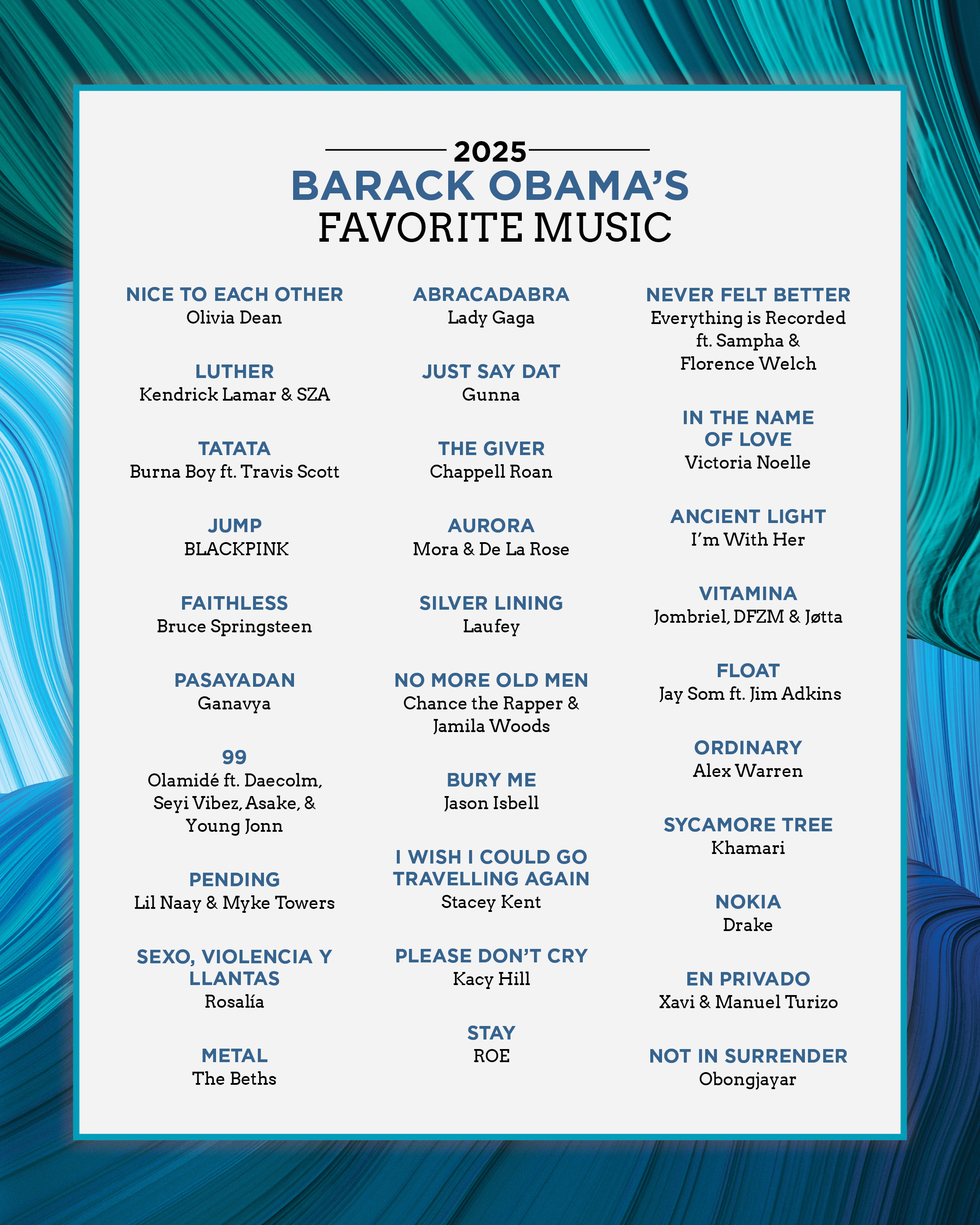
Former U.S. President Barack Obama released his annual music playlist on December 18, 2025, featuring 30 songs including tracks from Nigerian artists Burna Boy, Olamide, Seyi Vibez and Young Jonn. The playlist continues a tradition Obama started during his White House tenure of sharing favorite books, movies and music as each year concludes.

Burna Boy appears on the list with his 2025 single TaTaTa featuring American rapper Travis Scott from the album No Sign of Weakness. Olamide secured placement with the collaborative track 99, which features Seyi Vibez, Asake, Young Jonn and Daecolm from his album Olamid.

The inclusion marks recognition for Nigerian music on a global platform curated by the former president. Obama has maintained the annual tradition since leaving office in 2017, using the lists to highlight diverse musical selections spanning multiple genres and international artists.

Obama shared the playlist on X, formerly known as Twitter, encouraging followers to discover new music. According to his post, he wrote that he hopes people find something new to enjoy and invited recommendations for future listening.

The former president’s musical selections typically generate significant attention for featured artists. Previous playlists have included African artists, reflecting Obama’s connection to the continent through his Kenyan heritage and continued interest in global music trends.

Burna Boy has received international acclaim in recent years, winning a Grammy Award and collaborating with major American artists. His partnership with Travis Scott on TaTaTa represents another cross continental collaboration in his expanding discography.

Olamide remains influential in Nigerian music, having released multiple albums and mentored emerging artists. The track 99 showcases collaboration among several Nigerian performers, demonstrating the interconnected nature of the country’s music industry.

Young Jonn and Seyi Vibez continue gaining recognition beyond Nigeria’s borders. Their inclusion on Obama’s playlist provides exposure to audiences who follow the former president’s cultural recommendations.

The 30 song playlist spans various musical styles and represents artists from multiple countries. Obama’s annual lists often introduce mainstream audiences to artists they might not encounter through conventional channels.

Social media response to the playlist announcement typically includes appreciation from featured artists and increased streaming activity for selected songs. The cultural impact of presidential endorsements extends beyond political influence into entertainment spheres.

Nigerian music has experienced growing international prominence over the past decade. Artists from the country regularly appear on global charts and collaborate with performers from other nations, expanding the reach of Afrobeats and related genres.

Obama’s playlist tradition differs from typical celebrity endorsements by maintaining consistency over multiple years. The annual release creates anticipation among music fans and artists hoping for inclusion on future lists.

The December 18 announcement aligns with Obama’s pattern of releasing year end cultural recommendations. He typically shares separate lists for books and films alongside the music playlist.

MP Says Ghana Premier League Unattractive Due to Lack of Funding

0

MP Says Ghana Premier League Unattractive Due to Lack of Funding
Ghana Premier League

Tafo MP Vincent Assafuah Ekow has described the Ghana Premier League as one of the most unattractive sporting activities in Africa, attributing the situation to insufficient funding for domestic football competitions.

Speaking during parliamentary debate on the Ghana Sports Fund Bill, the legislator said resources supposed to be used to fund sporting activities in the country remain inadequate. He argued that urgent funding is needed to make the Ghana Premier League a befitting competition capable of attracting greater interest.

Assafuah stated that the growing unattractiveness is because of lack of funding, adding that resources supposed to boost morale in terms of the Ghana Premier League are unavailable. He said it is on that basis that Parliament needs to pass the Sports Fund urgently.

The MP’s comments reflect longstanding concerns about the financial health of Ghana’s top-flight football league, which has struggled to attract sponsorship, maintain infrastructure standards and retain top talent in recent years. Clubs have frequently complained about inadequate revenue streams, forcing them to operate on minimal budgets while competing players migrate to better-funded leagues abroad.

The Ghana Sports Fund Bill under consideration is designed to create a dedicated financing mechanism for sports development in the country. Proponents argue that consistent, predictable funding would enable sporting organizations to plan investments, improve facilities and support athlete development programs that have suffered from irregular government allocations.

Parliament’s debate on the bill comes as Ghana’s sporting sector faces multiple challenges including deteriorating infrastructure, limited corporate sponsorship and declining public interest in domestic competitions. The proposed fund aims to address these systemic weaknesses by establishing a stable revenue source independent of annual budget allocations.

The Ghana Premier League has experienced significant difficulties attracting commercial partners in recent years, with previous title sponsors withdrawing due to financial constraints and disputes over broadcasting rights. The absence of major sponsorship has reduced prize money, lowered production quality of broadcasts and limited marketing resources available to promote the league.

Clubs operating in the league face revenue challenges across multiple streams. Gate receipts remain low due to poor stadium facilities and limited fan attendance, while merchandising and commercial partnerships generate minimal income compared to leagues in more developed markets. This financial pressure forces clubs to sell promising players early, undermining competitive quality.

The migration of talent represents a particularly acute problem for the league’s attractiveness. Young players who excel in domestic competition quickly attract interest from foreign clubs offering substantially higher wages and better career prospects. This talent drain leaves the Ghana Premier League with fewer star players capable of drawing crowds and generating excitement.

Infrastructure deficits also undermine the league’s appeal. Many clubs play in stadiums lacking basic amenities, with poor pitch conditions, inadequate seating and limited facilities for spectators. These conditions discourage attendance and make it difficult to attract broadcasters willing to pay meaningful rights fees.

Broadcasting arrangements for the Ghana Premier League have been unstable, with disputes over rights fees and distribution creating uncertainty for clubs dependent on broadcast revenue. Inconsistent coverage limits the league’s visibility and makes it harder to build sustained fan engagement, particularly among younger demographics accustomed to high-quality sports production.

The proposed Sports Fund could potentially address some of these challenges if designed to channel resources toward league operations, infrastructure improvements and marketing initiatives. However, the effectiveness of such funding would depend on governance structures ensuring transparent allocation and accountability in how resources are deployed.

Ghana’s football has historically been a source of national pride, with the Black Stars achieving continental success and producing players who excel at the highest levels of international football. However, domestic league performance has not matched the country’s broader football reputation, creating a disconnect between Ghana’s international standing and the health of its domestic competition.

Comparative analysis shows that more attractive African leagues have benefited from sustained investment, professional management and stable commercial partnerships. South Africa’s Premier Soccer League and Egypt’s Premier League, for instance, have maintained higher standards through consistent funding and better governance structures.

Whether passage of the Sports Fund Bill will translate into meaningful improvement for the Ghana Premier League remains to be seen. Legislation alone cannot address all the structural challenges facing domestic football, including governance weaknesses, limited commercial expertise and infrastructure gaps accumulated over years of underinvestment.

The MP’s intervention in the parliamentary debate signals political recognition that Ghana’s sporting sector requires urgent attention. How that recognition translates into effective policy implementation will determine whether the Ghana Premier League can reverse its decline and reclaim a position as an attractive, competitive football competition.

Use DRIP equipment to fix roads or lose office – Nii Lantey Vanderpuye warns MMDCEs

0

Nii Lantey Vanderpuye warns that MMDCEs who fail to utilise DRIP equipment to improve roads do not deserve to remain in office.

The National Coordinator of the District Road Improvement Programme (DRIP), Edwin Nii Lantey Vanderpuye, has warned Metropolitan, Municipal, and District Chief Executives (MMDCEs) against neglecting the use of DRIP equipment to make roads motorable in their jurisdictions.

MP Says Ghana Premier League Unattractive Due to Lack of Funding

0

MP Says Ghana Premier League Unattractive Due to Lack of Funding
Ghana Premier League

Tafo MP Vincent Assafuah Ekow has described the Ghana Premier League as one of the most unattractive sporting activities in Africa, attributing the situation to insufficient funding for domestic football competitions.

Speaking during parliamentary debate on the Ghana Sports Fund Bill, the legislator said resources supposed to be used to fund sporting activities in the country remain inadequate. He argued that urgent funding is needed to make the Ghana Premier League a befitting competition capable of attracting greater interest.

Assafuah stated that the growing unattractiveness is because of lack of funding, adding that resources supposed to boost morale in terms of the Ghana Premier League are unavailable. He said it is on that basis that Parliament needs to pass the Sports Fund urgently.

The MP’s comments reflect longstanding concerns about the financial health of Ghana’s top-flight football league, which has struggled to attract sponsorship, maintain infrastructure standards and retain top talent in recent years. Clubs have frequently complained about inadequate revenue streams, forcing them to operate on minimal budgets while competing players migrate to better-funded leagues abroad.

The Ghana Sports Fund Bill under consideration is designed to create a dedicated financing mechanism for sports development in the country. Proponents argue that consistent, predictable funding would enable sporting organizations to plan investments, improve facilities and support athlete development programs that have suffered from irregular government allocations.

Parliament’s debate on the bill comes as Ghana’s sporting sector faces multiple challenges including deteriorating infrastructure, limited corporate sponsorship and declining public interest in domestic competitions. The proposed fund aims to address these systemic weaknesses by establishing a stable revenue source independent of annual budget allocations.

The Ghana Premier League has experienced significant difficulties attracting commercial partners in recent years, with previous title sponsors withdrawing due to financial constraints and disputes over broadcasting rights. The absence of major sponsorship has reduced prize money, lowered production quality of broadcasts and limited marketing resources available to promote the league.

Clubs operating in the league face revenue challenges across multiple streams. Gate receipts remain low due to poor stadium facilities and limited fan attendance, while merchandising and commercial partnerships generate minimal income compared to leagues in more developed markets. This financial pressure forces clubs to sell promising players early, undermining competitive quality.

The migration of talent represents a particularly acute problem for the league’s attractiveness. Young players who excel in domestic competition quickly attract interest from foreign clubs offering substantially higher wages and better career prospects. This talent drain leaves the Ghana Premier League with fewer star players capable of drawing crowds and generating excitement.

Infrastructure deficits also undermine the league’s appeal. Many clubs play in stadiums lacking basic amenities, with poor pitch conditions, inadequate seating and limited facilities for spectators. These conditions discourage attendance and make it difficult to attract broadcasters willing to pay meaningful rights fees.

Broadcasting arrangements for the Ghana Premier League have been unstable, with disputes over rights fees and distribution creating uncertainty for clubs dependent on broadcast revenue. Inconsistent coverage limits the league’s visibility and makes it harder to build sustained fan engagement, particularly among younger demographics accustomed to high-quality sports production.

The proposed Sports Fund could potentially address some of these challenges if designed to channel resources toward league operations, infrastructure improvements and marketing initiatives. However, the effectiveness of such funding would depend on governance structures ensuring transparent allocation and accountability in how resources are deployed.

Ghana’s football has historically been a source of national pride, with the Black Stars achieving continental success and producing players who excel at the highest levels of international football. However, domestic league performance has not matched the country’s broader football reputation, creating a disconnect between Ghana’s international standing and the health of its domestic competition.

Comparative analysis shows that more attractive African leagues have benefited from sustained investment, professional management and stable commercial partnerships. South Africa’s Premier Soccer League and Egypt’s Premier League, for instance, have maintained higher standards through consistent funding and better governance structures.

Whether passage of the Sports Fund Bill will translate into meaningful improvement for the Ghana Premier League remains to be seen. Legislation alone cannot address all the structural challenges facing domestic football, including governance weaknesses, limited commercial expertise and infrastructure gaps accumulated over years of underinvestment.

The MP’s intervention in the parliamentary debate signals political recognition that Ghana’s sporting sector requires urgent attention. How that recognition translates into effective policy implementation will determine whether the Ghana Premier League can reverse its decline and reclaim a position as an attractive, competitive football competition.

Tax Relief and Exchange Rate Stability Lower Business Costs for Traders

0

Tax Relief and Exchange Rate Stability Lower Business Costs for Traders
Value Added Tax (VAT)

Tax relief, exchange rate stability and easing inflation are making the cost of doing business in Ghana cheaper and more predictable for traders, according to the Importers and Exporters Association of Ghana.

The association says recent fiscal and macroeconomic adjustments are helping importers and exporters better manage operating costs, particularly those linked to foreign currency transactions, port charges and day-to-day trade expenses. In its annual review, Executive Secretary of IEAG, Samson Asaki Awingobit, said government efforts to streamline taxes are already yielding tangible benefits for businesses.

He pointed to the removal of the one percent COVID-19 Health Recovery Levy and recent adjustments to VAT as key measures easing financial pressure on traders and improving cash flow. Awingobit stated that “the removal of nuisance levies and VAT adjustments are helping to reduce the cost burden on businesses and improve predictability.” Such reforms are critical for trade competitiveness, he added.

Exchange rate stability has also emerged as a major relief for traders who depend heavily on the US dollar for imports, freight and port-related charges. Awingobit noted that the Ghanaian cedi has shown relative stability and modest appreciation against the dollar, helping to moderate import costs and reduce pricing volatility.

The gains in the cedi are particularly important for importers, as they lower the effective cost of international transactions, according to the executive secretary. This improvement has been reinforced by a sustained decline in inflation, which has eased pressure on both businesses and households.

According to IEAG, lower inflation, improved exchange rate stability and declining borrowing costs are creating a more predictable operating environment. This enables traders to plan pricing, manage cash flows and make investment decisions with greater confidence than in previous periods when macroeconomic volatility disrupted business planning.

Beyond macroeconomic conditions, the association highlighted operational gains at Ghana’s ports as another positive development. Improved processes and greater use of digital tools are contributing to faster cargo clearance, shorter delays and increased transparency. IEAG said these efficiency gains are particularly important for small and medium-sized enterprises operating on thin margins.

Port inefficiencies have historically added significant costs to trade operations in Ghana, with delays creating storage charges, demurrage fees and inventory management challenges. The reported improvements in clearance times and transparency represent operational cost savings that complement the macroeconomic gains traders are experiencing.

While welcoming ongoing port modernisation, IEAG cautioned that the adoption of artificial intelligence in customs and port operations must be carefully managed. Awingobit said any AI-driven systems must be transparent, secure and fully integrated with Ghana’s existing trade platforms, especially the Integrated Customs Management System.

The association supports innovation, but digital upgrades must align seamlessly with national systems to avoid duplication, system conflicts or disruptions to trade, he emphasized. The warning reflects concerns that poorly implemented technology upgrades could reverse efficiency gains if they create compatibility issues or require traders to navigate multiple platforms.

Ghana has invested substantially in port digitisation in recent years, including the implementation of ICUMS and other trade facilitation systems. However, the introduction of competing or incompatible systems has occasionally created confusion and delayed clearance processes, making integration a priority for the business community.

IEAG stressed that sustaining the current gains will require consistent policy support, continued investment in infrastructure and the responsible deployment of technology. The association noted that while progress has been made, maintaining momentum depends on avoiding policy reversals and ensuring that regulatory changes support rather than undermine business planning.

The combination of tax relief, currency stability and inflation control represents a significant shift from the challenging operating environment traders faced in recent years. Ghana experienced severe currency depreciation and inflation spikes that disrupted import pricing, eroded profit margins and forced businesses to adjust pricing frequently.

The return to relative macroeconomic stability has allowed traders to operate with greater certainty about input costs and pricing strategies. This predictability is particularly valuable for businesses that must commit to supply contracts or inventory purchases months in advance.

Even so, the association believes that VAT relief, a steadier cedi, falling inflation and gradual digital upgrades are already helping traders operate in a more stable, predictable and business-friendly environment. The improvements are expected to support trade volumes and competitiveness as Ghana seeks to position itself as a regional trade hub.

IEAG represents businesses engaged in import and export activities across multiple sectors, including consumer goods, industrial inputs and agricultural products. The association’s assessment reflects the experience of traders operating at different scales and in various segments of Ghana’s trade economy.

The organization has historically advocated for policy reforms aimed at reducing trade costs and improving the business environment. Its positive assessment of recent changes suggests that government efforts to stabilise the economy and streamline trade processes are being recognised by the private sector.

Tax Relief and Exchange Rate Stability Lower Business Costs for Traders

0

Tax Relief and Exchange Rate Stability Lower Business Costs for Traders
Value Added Tax (VAT)

Tax relief, exchange rate stability and easing inflation are making the cost of doing business in Ghana cheaper and more predictable for traders, according to the Importers and Exporters Association of Ghana.

The association says recent fiscal and macroeconomic adjustments are helping importers and exporters better manage operating costs, particularly those linked to foreign currency transactions, port charges and day-to-day trade expenses. In its annual review, Executive Secretary of IEAG, Samson Asaki Awingobit, said government efforts to streamline taxes are already yielding tangible benefits for businesses.

He pointed to the removal of the one percent COVID-19 Health Recovery Levy and recent adjustments to VAT as key measures easing financial pressure on traders and improving cash flow. Awingobit stated that “the removal of nuisance levies and VAT adjustments are helping to reduce the cost burden on businesses and improve predictability.” Such reforms are critical for trade competitiveness, he added.

Exchange rate stability has also emerged as a major relief for traders who depend heavily on the US dollar for imports, freight and port-related charges. Awingobit noted that the Ghanaian cedi has shown relative stability and modest appreciation against the dollar, helping to moderate import costs and reduce pricing volatility.

The gains in the cedi are particularly important for importers, as they lower the effective cost of international transactions, according to the executive secretary. This improvement has been reinforced by a sustained decline in inflation, which has eased pressure on both businesses and households.

According to IEAG, lower inflation, improved exchange rate stability and declining borrowing costs are creating a more predictable operating environment. This enables traders to plan pricing, manage cash flows and make investment decisions with greater confidence than in previous periods when macroeconomic volatility disrupted business planning.

Beyond macroeconomic conditions, the association highlighted operational gains at Ghana’s ports as another positive development. Improved processes and greater use of digital tools are contributing to faster cargo clearance, shorter delays and increased transparency. IEAG said these efficiency gains are particularly important for small and medium-sized enterprises operating on thin margins.

Port inefficiencies have historically added significant costs to trade operations in Ghana, with delays creating storage charges, demurrage fees and inventory management challenges. The reported improvements in clearance times and transparency represent operational cost savings that complement the macroeconomic gains traders are experiencing.

While welcoming ongoing port modernisation, IEAG cautioned that the adoption of artificial intelligence in customs and port operations must be carefully managed. Awingobit said any AI-driven systems must be transparent, secure and fully integrated with Ghana’s existing trade platforms, especially the Integrated Customs Management System.

The association supports innovation, but digital upgrades must align seamlessly with national systems to avoid duplication, system conflicts or disruptions to trade, he emphasized. The warning reflects concerns that poorly implemented technology upgrades could reverse efficiency gains if they create compatibility issues or require traders to navigate multiple platforms.

Ghana has invested substantially in port digitisation in recent years, including the implementation of ICUMS and other trade facilitation systems. However, the introduction of competing or incompatible systems has occasionally created confusion and delayed clearance processes, making integration a priority for the business community.

IEAG stressed that sustaining the current gains will require consistent policy support, continued investment in infrastructure and the responsible deployment of technology. The association noted that while progress has been made, maintaining momentum depends on avoiding policy reversals and ensuring that regulatory changes support rather than undermine business planning.

The combination of tax relief, currency stability and inflation control represents a significant shift from the challenging operating environment traders faced in recent years. Ghana experienced severe currency depreciation and inflation spikes that disrupted import pricing, eroded profit margins and forced businesses to adjust pricing frequently.

The return to relative macroeconomic stability has allowed traders to operate with greater certainty about input costs and pricing strategies. This predictability is particularly valuable for businesses that must commit to supply contracts or inventory purchases months in advance.

Even so, the association believes that VAT relief, a steadier cedi, falling inflation and gradual digital upgrades are already helping traders operate in a more stable, predictable and business-friendly environment. The improvements are expected to support trade volumes and competitiveness as Ghana seeks to position itself as a regional trade hub.

IEAG represents businesses engaged in import and export activities across multiple sectors, including consumer goods, industrial inputs and agricultural products. The association’s assessment reflects the experience of traders operating at different scales and in various segments of Ghana’s trade economy.

The organization has historically advocated for policy reforms aimed at reducing trade costs and improving the business environment. Its positive assessment of recent changes suggests that government efforts to stabilise the economy and streamline trade processes are being recognised by the private sector.

Galamsey operator jailed for defilement   | Ghana News Agency

0

By Erica Apeatua Addo 

Tarkwa (W/R), Dec 19, GNA-The Tarkwa Circuit Court has sentenced a galamsey operator, Ebenezer Amissah, to eight years imprisonment with hard labour for defiling a 13-year-old girl in a bush.  

He pleaded guilty with explanation.  

The prosecution, led by Assistant Superintendent of Police (ASP) Veronica Tibson told the court presided over by Mrs. Hathia Ama Manu that the complainant was related to the victim, a Junior High School student.  

She said the victim lived with her siblings at Mile 5, near Nsuaem, in the Western Region.  

ASP Tibson said on July 26, 2025, the victim’s grandmother asked her to buy bread for her and while on the way, she met Amissah within the vicinity and he started exhibiting sexual interest towards the victim and even claimed he was in love with her.  

On July 27, 2025, at about 2200 hours, the prosecutor said Amissah chanced on the victim and told her to meet him behind their bathroom so he could give her some dresses as a gift.  

She said when the victim arrived at the location, Amissah lured her into a nearby bush, covered her mouth with his palm, and had sexual intercourse with her on the ground.  

ASP Tibson added that the victim screamed for help, and his brother, along with some youth in the community rescued her, arrested the convict, and handed him over to the police.  

The complainant took the victim to the police station, made an official complaint, and was issued a medical report form to send the victim to the hospital for examination, treatment, and report.  

The prosecutor said the complainant returned the medical form endorsed by a medical officer at the Nsuaem Government hospital.  

According to her, Amissah in his investigation caution statement alleged the victim gave her consent before he committed the offence.  

The court, however, rejected his explanation and handed over the sentence to him.  

GNA  

Edited by Justina Paaga/George-Ramsey Benamba  

Ghana Sports Bill finally passes by Parliament

0

Parliament has officially passed the long-awaited Ghana Sports Fund Bill, unlocking a new era of structured financing for sports development in the country.

This landmark legislation, which has undergone extensive scrutiny and inter-agency collaboration, received final approval after comprehensive deliberations on the floor of Parliament today 18th December, 2025.

The Bill, first introduced under the Ministry of Sports and Recreation, was thoroughly reviewed by Cabinet, the Parliamentary Select Committee on Youth and Sports, in close consultation with the Ministry of Finance, the Office of the Attorney-General, the Parliamentary Legal Committee and other key stakeholders.

It sets the legal foundation for the establishment and operationalisation of a multi-source, performance-driven Sports Development Fund for athlete welfare, infrastructure development, grassroots sports, and talent identification.

The passage follows multiple readings, debates, and refinements involving both the Majority and Minority sides of the House, reflecting a bipartisan commitment to transforming Ghana’s sporting fortunes.

The Fund is expected to mobilise billions of Ghana Cedis annually through various revenue sources, donations, and appropriations. Its operational framework will align with the upcoming National Sports Policy and will be overseen by an independent Governing board with clear accountability mechanisms.

This legislative feat is also a direct reflection of the Mahama administration’s broader vision for sport. Under President John Dramani Mahama, the Ministry of Sports and Recreation has been tasked to reimagine sport as more than just a medal chase.

The new direction embraces sport as a strategic development tool one that requires legal, institutional and financial reforms to be truly impactful.

Veteran musician Michael Adangba involved in car crash

0

Michael Adangba's 2023-registered Kia Optima damaged Michael Adangba’s 2023-registered Kia Optima damaged

Veteran Ghanaian Highlife musician Michael Adangba has been involved in a car accident.

On Thursday, December 18, 2025, Adangba shared photos from the crash scene on his official TikTok page.

While the musician did not disclose the exact location or details surrounding the incident, it appears the accident occurred late in the evening while he was driving.

The images showed his 2023-registered silver Kia Optima, also known as a Kia 5, with registration number GT 106-23, severely damaged and seemingly beyond repair.

Fan allegedly critically injured after rushing to pick money sprayed by Shatta Wale

The car’s bonnet, bumper, and headlights were mangled, with fluids leaking onto the street, and some pedestrians gathered around the vehicle. In his post, Adangba confirmed that he survived but was in poor physical condition.

“I am still alive but not too good,” he wrote.

In a follow-up TikTok post, the veteran musician asked Ghanaians to pray for him as he recovers from severe injuries sustained in the crash.

Michael Adangba, a seasoned Highlife artiste from the northern part of Ghana, gained fame with his hit song ‘Banga Wegoo’, which served as the official soundtrack for TV3’s Ghana’s Most Beautiful pageant.

In 2012, he also composed Taka Tika, the campaign song for President John Dramani Mahama and the National Democratic Congress (NDC) during the general elections.

Watch Ofori Amponsah discuss interesting issues surrounding Lumba’s death, career path on this episode of Talkertainment:

AK/EB

More than 11 drug swoops conducted nationwide – NACOC

0

The Narcotics Control Commission (NACOC) has conducted more than 11 intelligence-led swoops across the country between March and December this year, as part of sustained efforts to crack down on illicit drug activities.

The Acting Director of Public Affairs and International Relations at NACOC, PNCO Francis Opoku Amoah, disclosed this on Channel One TV’s Breakfast Daily on Friday, December 19, stressing that the operations were the result of months and in some cases years of investigations and surveillance.

He explained that NACOC’s enforcement actions are never spontaneous, but carefully planned to ensure efficiency and measurable results.

According to him, suspects are often tracked and monitored over long periods before any swoop is executed, to avoid wasting limited state resources.

Mr Opoku Amoah noted that conducting more than 11 swoops within the period is significant, considering the complex and time-consuming nature of narcotics investigations, stating that the number reflects steady progress in the Commission’s operational work this year.

He further revealed that the swoops were carried out in several locations nationwide, including Fadama in Accra, Effiakuma in the Western Region, Atinkpoko, and parts of the Ashanti Region.

“From March till now, we have conducted more than 11 swoops, which, in our line of work, is a good number because investigations take time. For us to have achieved this means we are doing well.

“This year, we have carried out swoops in Fadama, Effiakuma in the Western Region, Atinkpoko, parts of the Ashanti Region, and other areas. It all depends on where the intelligence is coming from and the type of intelligence we receive,” he said.

GWL to shut down Weija Water Treatment Plant for maintenance

CAF Unveils Davido, French Montana For AFCON 2025 Kick-Off Night

0

The Confederation of African Football (CAF) has announced Nigerian Afrobeats superstar, David Adeleke, popularly known as Davido, as one of the headline performers at the opening concert of the 2025 Africa Cup of Nations (AFCON).

Naija News reports that CAF disclosed this in a statement issued on Thursday, noting that the highly anticipated concert will usher in the continental football fiesta scheduled to kick off in Morocco on Saturday.

Dropped by the Roadside: The Ken Agyapong-NPP 'Thank You Tour' bus incident

0

Kennedy Agyapong is one of the leading aspirants of the NPP

play video

Aspiring New Patriotic Party (NPP) flagbearer Dr Bryan Acheampong has narrated how his fellow aspirant in the NPP presidential election, Kennedy Agyapong, was dropped off midway on the road during a party thank you tour in the Bono Region following the party’s defeat in the 2024 general elections.

According to Dr Acheampong, tensions arose during the tour after some party supporters accused Agyapong of contributing to the NPP’s electoral loss due to his public utterances.

The accusations, he said, led to chaos and confrontation aboard the campaign bus, forcing party officials to ask Kennedy Agyapong to alight halfway through the journey.

Speaking in an interview on Peace FM on December 17, 2025, Dr Acheampong said the situation could have left Agyapong stranded if his vehicle had not been following the convoy.

“During the thank you tour we were undertaking, we had to drop someone from the bus, Kennedy Agyapong. We dropped him around Bono because people said his utterances caused our defeat.

“If not for the fact that his Land Cruiser was behind the bus, he would have walked back to Accra. He was dropped off halfway,” he stated.

Dr Acheampong further explained that the growing tension among party members made it impossible for the team to continue the tour as planned.

“We were told during the thank you tour that his utterances were among the reasons we lost the election.

“Everyone was saying this and it led to chaos and near fights in the bus. Because of that, we could not continue the thank you tour to go and appreciate the voters,” he added.

[embedded content]

AM

Also, watch below Amnesty International’s ‘Protect the Protest’ documentary as the world marks International Human Rights Day 2025

[embedded content]
The wait is over! The GhanaWeb Excellence Awards 2025 is officially launched. Let’s Celebrate impact, innovation and excellence across Ghana.
Who deserves to be honoured this year?


Nominate now 👉
https://ghanaweb.com/ghanaexcellenceawards/nominate
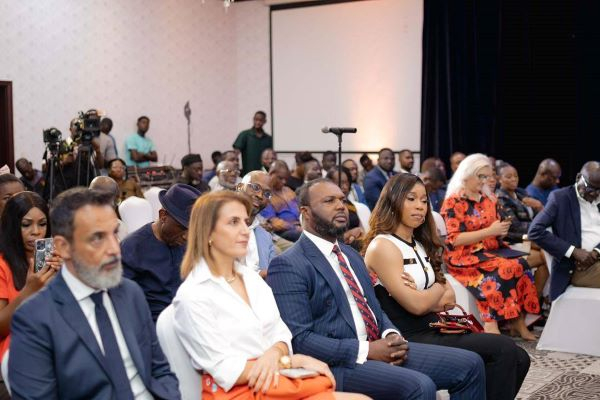
Bank Lending Rates Fall Slower Than Benchmark Despite Sharp Policy Rate Cuts

0

Bank Lending Rates Fall Slower Than Benchmark Despite Sharp Policy Rate Cuts
Policy Rate Chart

Ghana’s benchmark interest rate has fallen sharply in 2025, but new Bank of Ghana data shows lending rates have not declined at the same pace, keeping borrowing costs relatively high for businesses and households.

Between January and October this year, the Ghana Reference Rate declined from 29.72 percent to 17.86 percent, a reduction of 11.86 percentage points representing a fall of about 39.9 percent. Over the same period, the Average Lending Rate declined from 30.07 percent to 22.22 percent, a reduction of 7.85 percentage points equivalent to about 26.1 percent.

The figures show that although both rates are falling, the benchmark rate is declining much faster than the rate borrowers actually pay. This gap means many businesses and households have not felt the full benefit of monetary policy easing despite expectations that borrowing would become cheaper.

The Ghana Reference Rate is the guiding rate used by all banks in Ghana when pricing loans. According to the Bank of Ghana, it serves as a transparent benchmark for borrowers and is calculated using three key interest rates in the financial system: the 91-day Treasury bill rate, the Monetary Policy Rate set by the Bank of Ghana, and the interbank overnight lending rate.

The Treasury bill rate reflects how much the government pays to borrow in the short term. The Monetary Policy Rate shows the central bank’s policy direction on interest rates. The interbank rate reflects how cheaply banks lend to one another. By averaging these three rates, the Ghana Reference Rate provides a benchmark that all banks refer to when determining loan prices.

When the Ghana Reference Rate goes down, it signals that borrowing conditions in the economy are easing and loans should eventually become cheaper. However, the Average Lending Rate, which represents the mean of lending rates charged by banks, does not imply that all borrowers access credit at the same rate, the Bank of Ghana notes.

This means some borrowers pay less than the average, while others, especially individuals and small businesses considered risky, may pay much more. This distinction explains why many borrowers have not felt the full benefit of the sharp fall in the reference rate.

While banks start loan pricing from the Ghana Reference Rate, they add extra charges based on risk, borrower profile, collateral and profit margins. As a result, lending rates tend to fall more slowly than benchmark rates, creating what economists describe as a lag effect.

The lag effect refers to the time it takes for changes in policy and benchmark rates to fully reflect in lending rates. The Bank of Ghana has acknowledged in its monetary policy communications that lending rates respond gradually due to credit risk considerations and the structure of banks’ funding costs.

For Ghanaian businesses, particularly small and medium-sized enterprises, the slow decline in lending rates remains a major concern. High borrowing costs limit investment, expansion and job creation. For households, expensive loans make it difficult to access mortgages, personal loans and other forms of credit, even as inflation shows signs of easing.

The wider economy also feels the impact. Lower lending rates are expected to reduce production costs, support private sector growth and eventually ease the cost of goods and services. When lending rates do not respond quickly to falling benchmark rates, these benefits are delayed, limiting the transmission of monetary policy to the real economy.

The gap between benchmark and lending rates has implications for monetary policy effectiveness. Central banks reduce policy rates to stimulate economic activity by making credit cheaper and encouraging borrowing for investment and consumption. When commercial banks do not pass on rate cuts quickly, the intended economic stimulus is weakened.

Banks justify slower adjustments by pointing to credit risk, non-performing loans and funding costs that do not fall as quickly as policy rates. They argue that lending rates must account for the actual risk of default and the cost of mobilising deposits, which may remain elevated even when benchmark rates decline.

However, borrowers and business groups have consistently called for faster transmission of policy rate cuts to lending rates. They argue that the current gap undermines efforts to revive private sector activity and makes Ghana less competitive compared to countries where lending rates track policy rates more closely.

As the year comes to an end, borrowers will be watching closely to see whether banks allow the continued decline in the Ghana Reference Rate to reflect more strongly in lending rates. A faster adjustment would make credit more affordable, support economic activity and improve household welfare.

For now, the data shows a clear divergence. Ghana’s benchmark rate has fallen by almost 40 percent while lending rates have fallen by only about 26 percent. Until that gap narrows further, the promise of cheaper borrowing will remain only partially fulfilled for many Ghanaians seeking credit to expand businesses, purchase homes or meet other financial needs.

The Bank of Ghana continues to monitor the transmission of monetary policy to lending rates as part of its mandate to ensure price stability and support economic growth. How quickly commercial banks adjust their lending rates in response to further benchmark rate declines will determine whether monetary policy easing translates into tangible relief for borrowers.

Badminton leads Ghana’s medal haul at African Youth Games

0

A photo of the Badminton team at the African Youth Games A photo of the Badminton team at the African Youth Games

Ghana’s Badminton team has delivered a masterclass in excellence and resilience, emerging as the nation’s most successful sport at the ongoing African Youth Games.

Amidst competition across 15 sports, the shuttlecock has soared the highest, securing Ghana’s first and only gold medals of the Games so far, and leading the medal table with a historic and dominant performance.

The young team has achieved a remarkable total medal haul, showcasing depth and talent across all events: 2 gold medals, 1 silver medal and 3 bronze medals.

This outstanding achievement underscores the rapid development, dedication, and world-class potential of Ghanaian badminton on the continental stage.

A Breakdown of Ghana’s Golden Triumphs: Gold medal – Boys’ Doubles<\b>

The sensational pair of Andy Amofa and Adu-Mintah Obapomba captured the nation’s heart with a stunning run to the top of the podium.

They defeated the top-seeded pair from Algeria in a major quarterfinal upset before powering through the finals to claim the ultimate victory, showcasing grit, strategy, and flawless teamwork.

Gold medal – Girls’ Doubles<\b>

The formidable duo of Moslena Adu and Rachael Quarcoo demonstrated clinical precision and unmatched synergy on their path to gold.

Their dominant performance throughout the tournament culminated in a triumphant victory in the final, securing a second gold medal for Ghana and cementing their status as Africa’s premier pair.

Other Medal Highlights:<\b>

SILVER – Mixed Doubles: The pair of Adu-Mintah Obapomba and Moslena Adu fought valiantly to secure a silver medal, adding to the team’s impressive tally.

BRONZE – Girls’ Singles: Rachael Quarcoo delivered a powerful individual performance, defeating the African #2 seed from Mauritius to secure a bronze medal.

BRONZE – Mixed Doubles :The pair of Andy Amofa and Rachael Quarcoo fought their way to a bronze medal finish, demonstrating the team’s strength across multiple disciplines.

BRONZE – Mix Team Relay Event: The Ghana Badminton team set the tone early by winning a bronze medal in the Mixed Team Relay Event, building crucial momentum for the individual competitions.

“This is a monumental moment for Ghana Badminton,” said Evans Yeboah, President of the Ghana Badminton Association and the reigning SWAG Best Sports Administrator of the Year.

“Our young athletes have not only competed—they have dominated. They promised to deliver for Ghana and have done so with courage, skill, and immense pride. These gold medals stand as a testament to their hard work, the unwavering support of their two coaches and families, and the bright future of our sport in Ghana. They have truly brought the #HopeOfGlory to life.”

President Yeboah further highlighted the strategic vision behind the team’s success:

“This triumph is a direct result of our quadrennial high-performance Junior Performance Plan, which is consistently yielding historic results. Following our record-breaking medal haul at the African School Games in Algeria—where we emerged as Ghana’s top-performing sport—this latest achievement reinforces that our structured pathway to excellence is working.”

“We are building champions today and laying the foundation for sustained continental and global success tomorrow. ”This historic achievement sends a powerful message: Ghana Badminton is a force to be reckoned with. The team has not only won medals but has also won the admiration of a nation, inspiring a new generation to pick up a racket and dream big.

BoG steps up stronger inter-agency action to combat unlicensed financial activities

0

The Bank of Ghana says deeper, action-oriented collaboration between regulators, law-enforcement agencies and the banking industry is the panacea to combat illicit financial activities and protect confidence in the financial system.

Second Deputy Governor of the Bank of Ghana, Matilda Asante Asiedu, made the call at the opening of the second Technical Committee workshop of the Committee for Cooperation Between Law Enforcement Agencies and the Banking Community, known as COCLAB.

She urged the committee to move beyond dialogue and establish structured multi-agency working groups to analyse the tactics of unlicensed financial operators and recommend joint enforcement and preventive measures.

“In 2024 alone, the Bank of Ghana received over 50 complaints related to unregulated savings, investment, and lending schemes. These entities often mimic legitimate financial products while imposing exorbitant charges and engaging in abusive practices that erode public confidence”

Madam Asiedu also proposed elevating some COCLAB engagements to the level of heads of institutions to strengthen implementation, accountability and coordination across agencies.

She stressed that safeguarding the financial system requires a unified approach involving regulators, security agencies, banks, telecommunications companies and the media.

“In collaboration with the Economic and Organised Office (EOCO), arrests have been made. However, it is evident that these measures are not sufficient on their own. The persistence of these operators calls for new strategies, deeper intelligence sharing, and stronger institutional coordination. The trust, soundness, and stability of our financial system are at stake.  The COCLAB Technical Committee is uniquely positioned to lead a coordinated response to this threat”, she said.

The Bank of Ghana, she noted, is intensifying these efforts as Ghana prepares for its third-round Mutual Evaluation by the Inter-Governmental Action Group Against Money Laundering in West Africa, GIABA, scheduled for the first quarter of 2026.

According to the Second Deputy Governor, demonstrating effective inter-agency cooperation and a strong national response to unlicensed financial institutions will be critical to Ghana’s assessment under international anti-money laundering and counter-terrorist financing standards.

“To strengthen our collective efforts, I encourage COCLAB to consider establishing structured multi-agency working groups to analyse the modus operandi of these illicit actors and recommend joint enforcement and preventive measures. Elevating selected COCLAB engagements to the Heads of Institutions’ level would also help ensure implementation and accountability.”

“Collaboration must move beyond dialogue to execution. Each stakeholder – regulators, law-enforcement agencies, the banking industry, telecommunications operators, and the media has a vital role to play. Only a unified and sustained approach will preserve confidence in our financial system.”

Testimony of prosecution witness favouring our defence – Atta Akyea

0

Legal counsel for former Director of the National Signals Bureau (NSB), Kwabena Adu-Boahene, says evidence being led by the prosecution is unexpectedly reinforcing the defence’s case, even before the defence has formally begun presenting its arguments.

Speaking on Channel One TV on Thursday, December 18, Samuel Atta Akyea noted that testimony from the prosecution’s second witness appears to support his client’s position rather than weaken it.

Jerry Ahmed Shaib questions betting tax link in Sports Fund Bill

0

Member of Parliament for Weija-Gbawe, Jerry Ahmed Shaib, has questioned the transparency of funding sources listed in the Sports Fund Bill, warning against what he described as a possible rebranding of betting tax.

Contributing to the debate on the floor of Parliament, Mr. Shaib expressed concern over references to proceeds from special sports lotteries.

“Speaker, are we looking at betting? Is that also a way to redirect the betting tax? Are we being real with this?” he asked.

He insisted that if betting tax is the intended source, Parliament should state it plainly.

“If it is betting tax, we should say it is 10 percent of fees and charges accrued from the Gaming Commission,” he said.

Mr. Shaib warned that lack of clarity could undermine public trust in the Sports Fund, urging lawmakers to pursue honesty and openness in sports financing.

DISCLAIMER: The Views, Comments, Opinions, Contributions and Statements made by Readers and Contributors on this platform do not necessarily represent the views or policy of Multimedia Group Limited.

DISCLAIMER: The Views, Comments, Opinions, Contributions and Statements made by Readers and Contributors on this platform do not necessarily represent the views or policy of Multimedia Group Limited.

Ghana government revokes controversial mining law L.I. 2462

0

The government has officially revoked Legislative Instrument (L.I.) 2462, a law that allowed mining activities in forest reserves, as part of efforts to combat illegal mining, or “galamsey.”  

The revocation, which took effect on December 10, 2025, is seen as a significant victory for environmental activists and civil society groups who had long criticized the law for undermining forest protection. 

L.I. 2462 allowed mining in forest reserves, sparking concerns over environmental degradation. 

The revocation aims to strengthen forest conservation and combat illegal mining. 

Mr Emmanuel Armah-Kofi Buah, the Minister for Lands and Natural Resources, presented the revocation instrument to Parliament, citing the need to protect Ghana’s forest reserves and combat galamsey.  

Environmental advocacy group A Rocha Ghana welcomed the decision, emphasizing the need for urgent action to halt illegal operations and restore degraded forests. 

Meanwhile, a statement released on Thursday by 17 environmental civil society groups in Ghana has expressed their gratitude to the government and Parliament for successfully revoking L.I. 2462, a regulation that exposed the country’s forest reserves to mining risks. 

“We, the undersigned, express our profound gratitude to the government of Ghana and Parliament for the successful revocation of L.I. 2462,” the statement read.  

The groups commended the Lands and Natural Resources Minister for his efforts in laying a new Legislative Instrument before Parliament to annul L.I. 2462. 

The revocation is seen as a significant step towards restoring Ghana’s forest estate, which had been depleted due to unsustainable mining practices.  

According to data, L.I. 2462 had exposed 89 per cent of forest reserves to mining, putting over 50 out of 288 reserves at risk. 

The statement recommended the review of Act 703, which explicitly prohibited mining in forest reserves, and a shift towards sustainable mining practices. 

It also called for the development and implementation of a national forest protection strategy to protect and restore Ghana’s forests. 

“Let us tackle artisanal mining, poaching, and illegal logging in forest reserves. 

“And further ensure effective implementation of the program to restore degraded areas,” it said. 

The statement asserts that an enhanced capacity to address new-age threats to Ghana’s forests is essential. 

The groups emphasized that the revocation of L.I. 2462 was just the beginning and urged the government to take further action to secure Ghana’s natural heritage and ensure a sustainable future. 

Source: GNA 

Former sports minister backs Ghana Sports Fund but rejects levy on athletes

0

Former Minister of Youth and Sports, Mustapha Ussif Former Minister of Youth and Sports, Mustapha Ussif

Former Minister of Youth and Sports and Member of Parliament for Yagaba/Kubori, Mustapha Ussif, has endorsed the Ghana Sports Fund Bill, 2025, while strongly opposing proposals to levy athletes to finance the fund.

Contributing to debates on the floor of Parliament on Thursday, December 18, 2025, Ussif supported the report of the Committee on Youth and Sports, which declared the bill urgent.

In his statement, he reminded the House that the Ghana Sports Fund Bill was conceived and drafted during his tenure as Minister for Youth and Sports as part of efforts to ensure sustainable financing for sports development in the country.

The former Sports Minister stressed that the establishment of a Sports Fund is long overdue and necessary to support athlete development, sports infrastructure, national teams, and grassroots programmes across the country. He noted that Ghana cannot continue to rely solely on government subventions if sports is to grow and compete at the highest level.

He further disclosed that as Minister, he travelled to Morocco to understudy how their Sports Fund operates.

He explained that Morocco’s model showed the importance of strong institutional support and diversified funding sources, none of which placed a direct financial burden on athletes.

According to him, the lessons from Morocco helped shape the thinking behind Ghana’s proposed Sports Fund.

Despite his strong support for the bill, Ussif cautioned against the inclusion of a levy on athletes as a source of funding. He argued that athletes already make significant personal sacrifices and should be supported rather than burdened with additional financial obligations.

He urged Parliament to adopt alternative and more sustainable funding sources that do not discourage or penalise sportsmen and women. He stressed that the success of the Sports Fund depends not only on its establishment, but also on fairness and broad stakeholder support.

He concluded by calling on Members of Parliament to pass the bill swiftly, with the necessary amendments, to strengthen Ghana’s sports sector and protect the welfare of athletes.

The Ghana Sports Fund Bill, 2025, seeks to create a dedicated fund to finance sports development and improve the management of sports in the country.

Update on Akosua Serwaa’s health after late husband’s burial

0

Former hiplife singer turned man of God, Evangelist Papa Shee, has shared an update on the late Daddy Lumba’s first widow, Akosua Serwaa, following her late husband’s funeral in Kumasi on Saturday, December 13, 2025.

In an interview with radio presenter Ohemaa Woyeje on Angel 102.9 FM on Thursday, December 18, 2025, Papa Shee noted that Akosua Serwaa was in good health condition both physically and spiritually.

‘You’ve taken GH¢4 billion, so you’re quiet’ – Watch as Afenyo-Markin ‘provokes’ Muntaka in Parliament

0

Afenyo-Markin has accused Muntaka of remaining unusually silent because of GH¢4 billion

play video

The Minority Leader Alexander Afenyo-Markin on Tuesday December 16, 2025, criticised the Minister of Interior, Mohammed-Mubarak Muntaka, in Parliament over what he described as an alleged GH¢4 billion allocation to the minister’s office following his additional responsibility for national security matters.

The confrontation occurred during proceedings on the report of the Committee on Security and Intelligence on the 2026 Annual Budget Estimates of the National Security Council.

Raising concerns on the floor of the House, Afenyo-Markin questioned the process and timing surrounding the presentation of additional documents relating to the budget estimates.

According to him, the Minority was not given prior notice nor supplied with copies of what he described as a newly printed “addendum” linked to the Interior Ministry’s expanded mandate.

“When the Minister of Interior, with additional responsibility to national security, entered the chamber, he came with all his might. Suddenly, another paper was printed and brought in. We have not been given copies,” he stated.

The Minority Leader stressed that such actions undermined consultation and parliamentary procedure, principles he said the Interior Minister himself had previously championed while in opposition.

Afenyo-Markin then accused the Interior Minister of remaining unusually silent because of the alleged allocation.

“Mr Speaker the amount in the report … when you cannot provide for Women’s bank…I was only signaling them that the amount that they have given to the minister of interior with additional responsibility…. Mr Speaker, he is not paying attention to me, with all the provocation he has decided not to respond, he has to respond.

“Mr Speaker he can’t be quiet today, honourable Muntaka is not known for being quiet, he can’t be quiet today. Honourable is not known for being quiet. You have taken 4 billion so you’re quiet. Money does not like noise … your mouth is full, so you don’t want to talk, “he said.

The presiding speaker, Bernard Ahiafor intervened at several points, noting that the report had not yet been formally laid and cautioning members against debating a motion that had not been moved.

The Minority Leader further warned the Majority against what he described as attempts to run a “one-sided Parliament.”

“These things must stop. If you want to run a one-sided Parliament, say so, and the civil society organisations will come after you,” he cautioned.

Despite the exchanges, the Chairman of the Committee on Security and Intelligence eventually presented the report on the 2026 National Security Council budget estimates, which the Speaker announced was laid and made available for distribution to Members of Parliament.

Watch the proceedings from 5:56:00 minute.

AM

Also, watch below Amnesty International’s ‘Protect the Protest’ documentary as the world marks International Human Rights Day 2025

The wait is over! The GhanaWeb Excellence Awards 2025 is officially launched. Let’s Celebrate impact, innovation and excellence across Ghana.
Who deserves to be honoured this year?


Nominate now 👉
https://ghanaweb.com/ghanaexcellenceawards/nominate
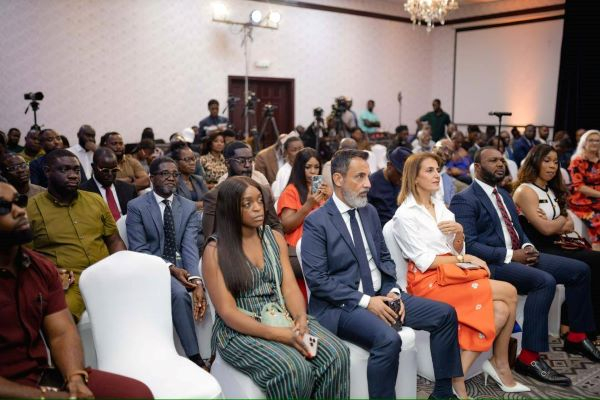
New EV initiative targets commercial riders 

0

A new initiative has been launched to bridge the vehicle‑financing gap for commercial riders by integrating electric motorcycles into Ghana’s ride‑hailing and delivery sector. 

The programme, a collaboration between ride‑hailing company Bolt and mobility firm MAX, aims to shift riders from petrol‑powered motorcycles to electric models in response to rising fuel costs and urban pollution.  

It also seeks to reduce daily operating expenses for commercial riders while creating a pathway to ownership for those excluded from formal banking systems. 

Mr Enoch Amobire, Operations Manager at Bolt, told the Ghana News Agency that the partnership was driven by a shared vision to address what he described as the “triple threat” of vehicle accessibility, high fuel costs and frequent maintenance expenses. 

“One of the biggest challenges we have right now is vehicle access and the fact that drivers’ earnings are impacted by maintenance and fuel costs,” he said. 

Mr. Amobire said the programme uses a subscription‑based rent‑to‑own model, allowing riders to pay for the motorcycle through the Bolt app.  

“Notably, eligibility is determined by a rider’s performance and consistency on the platform rather than conventional credit scores, which often exclude hardworking drivers,” he added. 

Data from the initial rollout indicates that switching to electric motorcycles could reduce operating expenses by 40 to 50 per cent due to the removal of petrol costs and the lower mechanical complexity of electric motors. 

Addressing concerns about range and charging times, Mr Abolaji Odukoya, Country Operations Manager at MAX Mobility Ltd, said the programme relies on a battery‑swapping network.  

“Instead of waiting hours for a charge, riders can visit one of over 30 designated swap stations across Accra to exchange a depleted battery for a fully charged one in less than five minutes,” he said. 

Mr Odukoya said the initiative also provides insurance for both the motorcycle and the rider, as well as access to a specialised maintenance network to ensure commercial riders remain operational during peak periods. 

The rollout aligns with recent transport policy developments, including the legalisation of commercial motorcycle operations under the “Okada Bill” and an eight‑year import duty exemption for electric vehicles used in public transport under the National Electric Vehicle Policy. 

National data shows that these incentives are having an impact, with electric vehicle registrations rising from 200 in 2022 to more than 1,200 by October 2025. 

Source: GNA 

‘You’ve taken GH¢4 billion, so you’re quiet’

0

Afenyo-Markin (R) has accused Muntaka (L) of remaining unusually silent play videoAfenyo-Markin (R) has accused Muntaka (L) of remaining unusually silent

The Minority Leader Alexander Afenyo-Markin on Tuesday December 16, 2025, criticised the Minister of Interior, Mohammed-Mubarak Muntaka, in Parliament over what he described as an alleged GH¢4 billion allocation to the minister’s office following his additional responsibility for national security matters.

The confrontation occurred during proceedings on the report of the Committee on Security and Intelligence on the 2026 Annual Budget Estimates of the National Security Council.

Raising concerns on the floor of the House, Afenyo-Markin questioned the process and timing surrounding the presentation of additional documents relating to the budget estimates.

According to him, the Minority was not given prior notice nor supplied with copies of what he described as a newly printed “addendum” linked to the Interior Ministry’s expanded mandate.

“When the Minister of Interior, with additional responsibility to national security, entered the chamber, he came with all his might. Suddenly, another paper was printed and brought in. We have not been given copies,” he stated.

The Minority Leader stressed that such actions undermined consultation and parliamentary procedure, principles he said the Interior Minister himself had previously championed while in opposition.

Afenyo-Markin then accused the Interior Minister of remaining unusually silent because of the alleged allocation.

“Mr Speaker the amount in the report … when you cannot provide for Women’s bank…I was only signaling them that the amount that they have given to the minister of interior with additional responsibility…. Mr Speaker, he is not paying attention to me, with all the provocation he has decided not to respond, he has to respond.

“Mr Speaker he can’t be quiet today, honourable Muntaka is not known for being quiet, he can’t be quiet today. Honourable is not known for being quiet. You have taken 4 billion so you’re quiet. Money does not like noise … your mouth is full, so you don’t want to talk, “he said.

Why Kennedy Agyapong has asked Afenyo-Markin to step down as Minority Leader

The presiding speaker, Bernard Ahiafor intervened at several points, noting that the report had not yet been formally laid and cautioning members against debating a motion that had not been moved.

The Minority Leader further warned the Majority against what he described as attempts to run a “one-sided Parliament.”

“These things must stop. If you want to run a one-sided Parliament, say so, and the civil society organisations will come after you,” he cautioned.

Despite the exchanges, the Chairman of the Committee on Security and Intelligence eventually presented the report on the 2026 National Security Council budget estimates, which the Speaker announced was laid and made available for distribution to Members of Parliament.

Watch the proceedings from 5:56:00 minute.

AM

Also, watch below Amnesty International’s ‘Protect the Protest’ documentary as the world marks International Human Rights Day 2025

The wait is over! The GhanaWeb Excellence Awards 2025 is officially launched. Let’s Celebrate impact, innovation and excellence across Ghana.

Who deserves to be honoured this year?


Nominate now 👉 https://ghanaweb.com/ghanaexcellenceawards/nominate
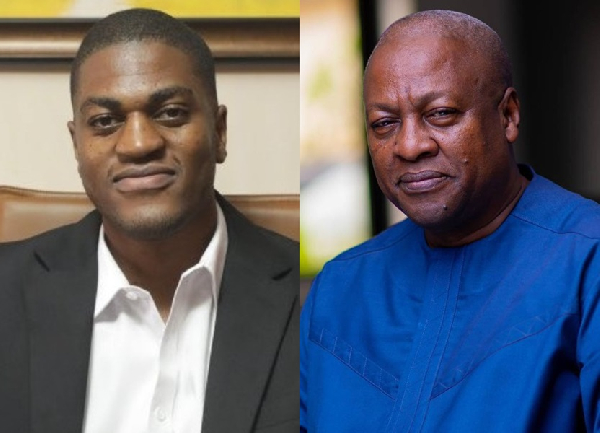
EOCO surpasses GH¢200m target, records GH¢337m recoveries in 2025 – AG

0

Dr Dominic Akuritinga Ayine is the Attorney-General and Minister of Justice Dr Dominic Akuritinga Ayine is the Attorney-General and Minister of Justice

Economic and Organised Crime Office (EOCO) has exceeded its 2025 recovery target by an unprecedented margin, recording the highest recoveries in the agency’s history, according to Attorney-General and Minister for Justice, Dominic Akuritinga Ayine.

Speaking at the Government Accountability Series on December 18, 2025, Dr Ayine disclosed that although EOCO set a GH¢200 million recovery target for the year, it has so far retrieved GH¢337.4 million, beating the target by GH¢133.4 million.

“The economic and organised crime unit has not only met its target but has gone beyond our expectations. This is a remarkable achievement and a testament to the dedication of the agency’s staff and the strength of our institutions,” Dr Ayine said.

‘I can’t tell when Ken Ofori-Atta will be brought back’ – Attorney General Ayine

He explained that the total figure includes direct and indirect recoveries. According to him, direct recoveries, which are paid into EOCO’s exhibit account, currently amount to about GH¢194 million. Indirect recoveries, paid straight to state bodies such as the Ghana Revenue Authority or the Consolidated Fund, stand at GH¢142.4 million.

Dr Ayine stressed that these sums relate to concluded cases and highlighted the critical role of leadership in driving institutional success.

“This achievement shows that while institutions matter, strong leadership is essential for them to function effectively,” he noted.

The Attorney-General also disclosed that Ghana has recovered more than $15 million from an international organised online crime syndicate that defrauded citizens through cryptocurrency schemes. Speaking at the same event, he praised EOCO and other investigative bodies for safeguarding Ghana’s financial interests.

He explained that EOCO relied on domestic laws to freeze and retrieve virtual assets concealed abroad. As a result, on November 19, 2025, Zodia Custody converted the seized crypto assets and transferred $15,191,730.13 into EOCO’s exhibit account.

Dr Ayine said the criminal network deliberately targeted Ghanaians and laundered the stolen funds using digital currencies such as Bitcoin and USDT.

He described the recovery as a major win for law enforcement, noting that millions of dollars siphoned out of the country had been successfully brought back.

He added that affected victims will be identified and compensated, stressing that the recovery underscores the government’s determination to tackle transnational cybercrime, strengthen oversight in the financial and digital sectors, and uphold the rule of law.

Extradition of Ken Ofori-Atta, Ernest Akore now in the hands of US authorities – Dr Ayine

AK/AM

Asiedu Nketia exits MIIF over alleged conflict with CEO

0

Asiedu Nketia steps down from MIIF amid reported dispute with CEO

The son of the National Chairman of the National Democratic Congress (NDC), Dr. Kwaku Asiedu-Nketia Jr., has stepped down from his role as Deputy Chief Executive Officer of the Mineral Income and Investment Fund (MIIF) following an alleged disagreement with MIIF CEO Justina Nelson over her leadership approach.

Climate Change Minister pushes for climate-proofing of major government initiatives  – Ghana Business News

0


Climate Change Minister pushes for climate-proofing of major government initiatives  – Ghana Business News


IEAG commends revenue growth but questions AI plan at Ghana’s ports

0

Executive Secretary of IEAG, Samson Asaki Awingobit Executive Secretary of IEAG, Samson Asaki Awingobit

The Importers and Exporters Association of Ghana (IEAG) has expressed strong reservations about plans to introduce an Artificial Intelligence (AI)-driven system at Ghana’s ports, while at the same time commending government for notable improvements in customs revenue mobilisation and macroeconomic stability in 2025.

Addressing a press conference at the Ghana International Press Centre in Accra on Thursday, December 18, 2025, the Executive Secretary of the Association, Samson Asaki Awingobit, said the IEAG supports port modernisation but insists that any digital reforms must be transparent, credible and aligned with Ghana’s existing customs infrastructure, particularly the Integrated Customs Management System (ICUMS).

Presenting a year-in-review of port operations, Awingobit disclosed that customs revenue had risen significantly in 2025, reaching US$3.179 billion as at September, compared to US$3.108 billion recorded in 2024.

He attributed the growth to improved trade facilitation measures and the continued deployment of ICUMS, despite intermittent technical challenges earlier in the year.

He noted that operational reforms, including 24-hour port operations, have enhanced cargo throughput and positioned the Tema Port as a more competitive hub within the West African sub-region.

Beyond port operations, the IEAG praised broader macroeconomic developments, citing the removal of the 1 per cent COVID-19 levy, adjustments in VAT, improved exchange rate stability, declining inflation and reduced interest rates as positive signals for traders and investors.

Importers and Exporters Association pays courtesy call on BoG Governor

According to the Association, the relative appreciation of the cedi and easing inflationary pressures have helped lower the cost of doing business for importers and exporters.

However, the Association sounded a cautionary note over reports of a planned AI system at the ports, allegedly to be implemented by Truedare Investments Limited, a Cyprus-registered firm.

Awingobit said available public records do not show verifiable expertise or a proven track record by the company in port automation or AI-driven customs systems.

The IEAG warned that the reported system is expected to rely heavily on ICUMS data, which it described as a critical national asset containing all customs declarations, trade values, and revenue records.

Allowing a newly incorporated foreign entity access to such data, the Association argued, raises serious concerns about data sovereignty, cybersecurity risks, system duplication, potential revenue leakages and increased costs to traders.

Among its key demands, the Association called for full stakeholder consultation, guaranteed compatibility with ICUMS, strong safeguards over data ownership and deliberate capacity-building for Ghanaian customs and technical officers to manage advanced port technologies locally.

The IEAG reaffirmed its confidence in Ghana’s improving business environment but urged government to exercise due diligence and transparency in decisions affecting critical digital infrastructure at the ports.

“This is the only way to ensure Ghana’s trade systems remain resilient, secure, and globally competitive,” Awingobit said.

AM

Also, watch below Amnesty International’s ‘Protect the Protest’ documentary as the world marks International Human Rights Day 2025

The wait is over! The GhanaWeb Excellence Awards 2025 is officially launched. Let’s Celebrate impact, innovation and excellence across Ghana.

Who deserves to be honoured this year?


Nominate now 👉 https://ghanaweb.com/ghanaexcellenceawards/nominate

Celebrating Ghana’s Goodwill Ambassador Ray Quarcoo @90

0

BUSINESSMAN and Ghana’s Goodwill Sports Ambassador, Ray Quarcoo, may have taken a back seat from direct sports administration but he remains concerned about the sector’s downward trajectory in the last few decades.

On his 90th birthday today, he is appealing to sports administrators in the country to work harder to rescue Ghana sports and put Ghana at her rightful place in sports.

In a short interaction with the Times Sports yesterday, the sports administrator extraordinaire said although he has advanced in age, his happiest moments have always been when Ghana chalks a new feat in sport.

“We did the very best we could in our era and by the Grace of God, our efforts were rewarded but this is not the time for us to relax because sports is evolving very fast and we need to raise the bar as well to be at par with the developed countries,’ he stated.

“I owe the success I chalked as an administrator to Ghanaians, especially the people I worked closely with. I believe there are still some hardworking people who are ready to work to produce more champions and winners,’ he added.

Ambassador Ray Quarcoo, who doubles as a Lifetime Patron of the Sports Writers Association of Ghana (SWAG), has played a pivotal role in the development of sports in Ghana and has been credited with the success stories recorded across the various sports, especially boxing.

The stories of boxing greats like the legendaries, Azuamah Nelson, Ike Quartey, Ebo Danquah, Nana Yaw Konadu, Thunder Ayeh, Clottey brothers (Emmanuel and Joshua), Joseph Agbeko, Isaac Dogboe, Joshua Buatsi, among others, would be incomplete without mentioning him.

Boxing under his stewardship as president of the Ghana Amateur Boxing Federation (GABF) witnessed modern day initiatives like boxing exchange programmes among countries such as Britain, USA and Azerbaijan.

The goodwill sports ambassador’s love for boxing and sports knows no bound—he will travel on Sunday afternoons just to watch juvenile boxing on the streets of Accra (Wato Club), a practice which became a routine, where he ‘blesses’ the young boxers during his regular visits.

His contribution as an executive member of the prestigious International Boxing Association (IBA), formerly Association of International Boxing Association (AIBA), and a dedicated management member of the Black Stars were evident to all across the African continent.

Among the tall list of his contribution to Ghana sports was his sponsorship for Mr Mike Carney, an international boxing coach from British Sports, UK, to assist in the preparation of the Black Bombers for the 1984 Los Angeles Games.

The Lifetime Patron of SWAG and a Honourary Award from the Ghana Olympic Committee (GOC) were some of the honours he received for supporting Ghana’s participation in the 1992 Olympic Games.

Uncle Ray, as he is affectionately known, also facilitated and bankrolled the establishment of many boxing clubs at Bukom, Accra, like the Black Panther and Panix gyms, among others.

BY TIMES SPORTS
REPORTER

🔗 Follow Ghanaian Times WhatsApp Channel today. https://whatsapp.com/channel/0029VbAjG7g3gvWajUAEX12Q
🌍 Trusted News. Real Stories. Anytime, Anywhere.
✅ Join our WhatsApp Channel now! https://whatsapp.com/channel/0029VbAjG7g3gvWajUAEX12Q