Economist and brother of the late President John Evans Atta Mills, Cadman Atta Mills, has criticised his party, the National Democratic Congress (NDC), insisting that loyalty cannot mean silence in the face of bad policies.
In a strongly worded post on X (formerly Twitter) on September 22, he dismissed claims that criticising one’s party equates to disloyalty.
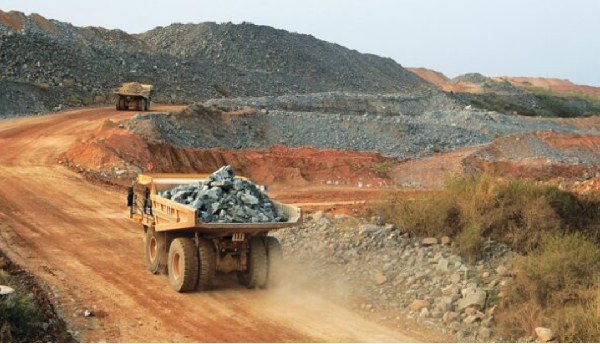
Dr. Cadman Atta Mills, a renowned economist and brother of the late President John Evans Atta Mills, has launched a scathing critique of the government’s approach to combating illegal mining (galamsey).
Speaking on Joy FM’s Super Morning Show (SMS) today, September 23, he asserted that the government is not doing enough to tackle the menace, a position he backs with both economic and public health arguments.
“I think we have to call the government to task. I see, and maybe I’m wrong, but I don’t think I am. That really, the government is a little conflicted in its fight against galamsey. It’s not taking it seriously,” he lamented.
According to Dr. Mills, the government’s perceived reluctance stems from a significant economic benefit it reaps from the galamsey trade.
He alleges that foreign exchange earnings, which would otherwise be lost to the informal sector, are being diverted into official channels.
This influx of foreign currency helps to stabilise the value of the Ghanaian Cedi, a result that the government boasts about.
“They feel comfortable about buying gold from so-called licensed makers,” he stated.
He argues that these “licensed makers are not even miners” but are instead “bankrolling galamsey by buying excavators, by buying pumps… and giving it to small people to do the galamsey.”
He highlighted the government’s own ambitious target of 160 tonnes of gold from the sector this year, a figure he called a “death knell” for the country. Dr. Mills stressed that using an exploration licence to mine is a clear breach of protocol and must be addressed.
He pointed out that while an exploration licence allows for sophisticated geological surveys to determine the size and economic viability of a deposit, it does not grant the holder the right to begin mining operations. The fact that this is happening and has become almost “accepted” is a grave scandal.
The economist also painted a grim picture of the human cost of the illegal mining activities, citing the tragic impact on future generations. He warned of children being born with “heavy metals and developmental retardation”, a direct consequence of polluted water sources.
This is a profound and lasting effect that cannot be undone. His call for a state of emergency in affected areas is intended to send a clear psychological message: “look, we are not playing around.”
For Dr. Mills, the fight against galamsey is not a matter of a small-scale, artisanal livelihood versus the environment, but a systemic failure of governance.
He adamantly rejected the notion that the destruction of the environment is a “sacrifice we have to make” for economic stability.
He concluded, “No, it’s a sacrifice that we don’t have to make,” urging for a clear and firm political will to enforce the law and protect Ghana’s future.
DISCLAIMER: The Views, Comments, Opinions, Contributions and Statements made by Readers and Contributors on this platform do not necessarily represent the views or policy of Multimedia Group Limited.
DISCLAIMER: The Views, Comments, Opinions, Contributions and Statements made by Readers and Contributors on this platform do not necessarily represent the views or policy of Multimedia Group Limited.
Former Minister of Health Dr Bernard Okoe Boye has justified the New Patriotic Party (NPP) youth wing’s protest taking place in Accra today, Tuesday, September 23, arguing that the most fundamental feature of Ghana’s democracy, freedom of speech, is under serious threat.
Speaking to JoyNews at the protest grounds, Dr Okoe Boye said, “We are here because the most fundamental feature of a democracy is being attacked and it’s being threatened. And that fundamental feature is the freedom of speech,” he stated.
The former minister stressed that democracy thrives on tolerance of divergent views, even when expressed crudely.
“By virtue of my level of education, training, and personal values, there is a way I will put a point across which might look to you very proper. But you have others who also want to make a point but might not have the training and intellect to do so. They will speak in a blunt manner, sometimes in an insulting manner, but the beauty of democracy is that all such people are tolerated in society.”
He cautioned against arresting people for their opinions, insisting it sets a dangerous precedent.
“Immediately somebody can be arrested and handcuffed for talking in a way that in another person’s judgment is not proper; it means all of us are in danger. You might think you are speaking well today, but the one in power tomorrow will say that your speech is not proper and that is a threat.”
Dr Okoe Boye added that silencing citizens through fear of arrest could kill Ghana’s dynamism and innovation.
“All democracies or societies that were successful in the past, what made them lose their success was the culture of silence. Because people are being arrested for what they post on TikTok, or how they speak, it will get to a time before someone will talk; the person will think twice… and when people stop speaking, the society is no more dynamic and we will lose our innovativeness and drive.”
He explained that the protest had two key aims: to defend free speech and to push back against what he described as unprofessional conduct by the police.
“We are here for two reasons: to make sure that freedom of speech is protected, and secondly, to protest against the behaviour of institutions like the police, who are expected to be professional and neutral.”
Citing examples, Dr Okoe Boye accused the police of selective justice.
“Why would you say that Chairman Azorka of the NDC has been arrested and given bail when there is no picture of his interaction in his arrest, but when you get Abronye DC, you put him in handcuffs, take a picture, and it goes viral on NDC platforms? Why do you go to Sir Obama, an NPP activist, at 4 a.m., break through his door, and enter his room—not that he has touched or harmed anybody—but because he posted a picture on Facebook? I mean, these are dangerous precedents.”
He concluded by challenging the record of President John Dramani Mahama, suggesting that despite his calm appearance, his administration is presiding over worrying democratic reversals.
“Let’s all be honest. If anybody told you that NDC under President JDM will do this, would you believe it? Look at the nature of President John Mahama on the outside—very calm, very tolerant—yet under him, look at what is happening.”
Background
The protest was largely triggered by the arrest of Kwame Baffoe, widely known as Abronye DC, who serves as the NPP’s Bono Regional Chairman. He was detained on September 8 and charged with offensive conduct likely to cause a breach of the peace, as well as publishing false news.
Beyond Abronye’s case, the demonstration also reflects mounting frustrations over what the party describes as intimidation and harassment of its members.
These include incidents involving high-profile figures such as Chairman Wontumi (Bernard Antwi-Boasiako) and a number of social media activists sympathetic to the NPP.
Protesters are demanding an end to what they view as politically motivated arrests and remands that disproportionately affect opposition members.
DISCLAIMER: The Views, Comments, Opinions, Contributions and Statements made by Readers and Contributors on this platform do not necessarily represent the views or policy of Multimedia Group Limited.
DISCLAIMER: The Views, Comments, Opinions, Contributions and Statements made by Readers and Contributors on this platform do not necessarily represent the views or policy of Multimedia Group Limited.
Hundreds of parents and their wards on Tuesday, September 23, 2025, thronged the Ghana National Association of Teachers (GNAT) Hall in Accra to seek clarity and lodge complaints over the 2025 Basic Education Certificate Examination (BECE) placement.
The anxious parents, many accompanied by their children, expressed frustration over challenges ranging from misplaced placements to difficulties in accessing schools of choice.
Parents cited the stress of long queues, limited information, and uncertainty about their children’s academic future.
Some complained of being assigned to schools far from their preferred locations, while others said their wards had not been placed at all despite meeting the required grades.
Daniel Lartey, a parent of one of the wards, who spoke with Daniel Sackitey of the Citi Newsroom, said: “I came here to change the school that the system gave to my son. Since we got here, the queue has been just overwhelming.
“My ward got St Fidelis SHS I don’t even know where that school is located. I wish he attended the school close to us, and particularly, we want a day school.
“With the pace at which the queue is moving, I doubt they will be able to attend to us today. Even if they stick to the one-week timeline they gave, I doubt they can attend to all of us,” he said.
Some also accused the Computerised School Selection and Placement System (CSSPS) of errors that unfairly disadvantaged their wards, calling for greater transparency and accountability in the process.
How Ghana achieved full internet connectivity in 1995 – Prof. Quaynor recounts
Recently evicted BBNaija Season 10 housemate, Bright Morgan has opened up about his current relationship following his surprise eviction from the reality TV show.
It would be recalled that Bright and Thelma Lawson were evicted after Ebuka Obi-Uchendu made an unexpected visit to the house on Saturday, September 20, 2025.
An aide to former Vice President Dr Mahamudu Bawumia, Dennis Miracles Aboagye, has said he does not support a State of Emergency.
According to Miracles Aboagye, a state of emergency would not necessarily end the menace.
Miracles Aboagye highlighted that the government should rather invest in social mindset reorientation in the fight against galamsey, where the real solutions lie.
MIDiA Research indicates that going viral doesn’t guarantee streams or loyal fans
For some time now, social media has been hailed as the great equalizer in music.
Platforms like TikTok, Instagram, and YouTube have been credited with discovering new stars, propelling unknown tracks to global fame through viral trends, and giving artistes a direct line to millions of listeners.
But according to a global report from MIDiA Research, the reality is more complicated: while social video may help songs go viral, it doesn’t always translate into real fandom or streaming numbers.
The report, titled, “All Eyes, No Ears: Why Virality Is Not Building Fandom”, is based on a global study of more than 10,000 consumers.
Ibrahim Mahama, Wode Maya, Rocky Dawuni, and others offered diplomatic passports
It explores how people discover music and what actions they take afterward. The findings raise important questions about whether the music industry’s growing reliance on social media for promotion is sustainable.
Discovery without follow-through
At first glance, social media appears to work well as a discovery tool. According to MIDiA, 52% of people said they streamed music in the past month because they first heard it on social media.
But the other 48% did not. This gap is significant. If nearly half of consumers stop at the viral trend stage, artistes miss out on potential streams, royalties, and, most importantly, long-term fans.
The report shows that younger listeners, particularly those aged 16 to 24, are especially prone to getting stuck at the “social media video” stage.
While this group is generally more engaged with music overall, they are less likely than 25- to 34-year-olds to take the next steps, such as looking up the artiste, saving the song on a streaming platform, exploring more tracks, or following the artiste for future updates.
In simple terms: people are discovering music on social media, but that discovery isn’t translating into deeper engagement or fandom.
Social media videos compete with streaming
One of the more concerning findings from MIDiA’s research is that social video is starting to replace streaming time, rather than boost it.
Model claims Stefon Diggs is father of her months-old baby amid Cardi B’s pregnancy announcement
Platforms like TikTok, Instagram, and YouTube provide just enough of a song to make users feel satisfied, reducing the need to seek out the full version on Spotify, Apple Music, or other streaming services.
When consumers were asked why they didn’t stream a song after hearing it on social media, the second most common answer was: “I hear it enough on social media.”
In other words, short-form video snippets are acting as substitutes for the song itself.
This trend is particularly strong among younger audiences. MIDiA found that 16- to 24-year-olds are the most likely group to say they no longer feel the need to seek out new music, because they get enough from social platforms.
For the music industry, this is alarming. Streaming generates the bulk of recorded music revenue, while social videos account for only a small fraction.
If fans spend more time watching loops than streaming full songs, artistes and labels will feel the financial impact.
The zero-sum attention game
MIDiA highlights that this issue is structural. Social media platforms are designed to keep users scrolling, not to send them elsewhere.
Every extra minute spent on TikTok is a minute not spent on Spotify. This creates a zero-sum attention economy, where music is just another piece of content competing for screen time.
The more songs are pushed into social feeds, the less effective they become at driving engagement. Instead of helping artistes build careers, social platforms are incentivized to prioritize virality over loyalty.
Meanwhile watch GhanaWeb’s exclusive interview with Ajagurajah
Old Tafo Member of Parliament (MP) Vincent Ekow Assafuah criticized the government’s anti-illegal mining stance following the inauguration of the Association of China-Ghana Mining Limited by Guarantee (ACGM) in April.
The New Patriotic Party (NPP) lawmaker accused the administration of contradicting its public commitment to fighting galamsey through the April 3 launch at Kempinski Hotel in Accra. The ceremony was attended by Minister of Lands and Natural Resources Emmanuel Armah-Kofi Buah, Chinese Ambassador Tong Defa, and businessman Ibrahim Mahama.
Assafuah questioned the government’s environmental protection commitment in a Facebook post, describing the association’s formation as undermining ongoing anti-galamsey campaigns while rivers remain polluted and forest reserves face continued destruction.
The 34-year-old MP, who holds a political science degree from Kwame Nkrumah University of Science and Technology, has previously spoken against illegal mining practices across Ghana. He referenced recent comments by Bawumia Campaign spokesperson Dennis Miracles Aboagye describing water body conditions in Agona East as “catastrophic.”
The ACGM launched under the theme “Responsibility, Sustainability, Excellence, and Growth” with objectives including sustainable mining practices and improved community development. The association comprises major Chinese mining companies operating in Ghana’s mining sector.
Government officials defended the association’s formation as promoting responsible mining practices and strengthening bilateral cooperation between Chinese companies and Ghanaian authorities. Minister Armah-Kofi Buah, representing President John Dramani Mahama, emphasized the ministry’s commitment to working with ACGM to enhance Chinese investments in Ghana’s mining sector.
However, Assafuah warned that galamsey represents both environmental disaster and national security threat, questioning the timing of legitimizing mining interests while environmental degradation continues. He called for binding guarantees of transparency and accountability benefiting ordinary Ghanaians.
The MP has consistently raised concerns about mining sector transparency, recently questioning the Azumah Resources transaction with Engineers & Planners involving strategic national assets. His criticism reflects broader opposition concerns about mining policy under the current administration.
The Ministry of Lands and Natural Resources continues training security personnel for anti-illegal mining operations, indicating ongoing efforts to combat galamsey despite the formation of new mining associations.
Assafuah described the association launch as “polished betrayal of national interest” and dangerous entrenchment of state capture. He argued that partnerships excluding ordinary Ghanaians’ concerns deepen suspicions about leadership complicity in environmental devastation.
The controversy highlights tensions between formal mining partnerships and illegal mining enforcement in Ghana, where environmental groups and opposition politicians continue pressing for stronger action against galamsey operations affecting water resources and agricultural lands.
Chinese companies have maintained significant presence in Ghana’s mining sector through various arrangements, with the new association formalizing cooperation structures between Chinese enterprises and Ghanaian regulatory authorities.
Assafuah, who serves as a Mass Server and Knight of Marshall, previously criticized Catholic Church leadership over anti-galamsey demonstration approaches, demonstrating his consistent engagement with mining policy debates across different platforms.
The debate reflects broader challenges facing Ghana’s mining sector as authorities balance foreign investment attraction with environmental protection and illegal mining prevention in communities across the country.
Nigeria’s National Assembly postponed the resumption of plenary sessions by two weeks, pushing the return date from September 23 to October 7, as lawmakers extend their annual recess period.
The adjustment was announced Tuesday in a statement signed by Clerk to the National Assembly Kamoru Ogunlana, following directives from presiding officers of both legislative chambers. The statement confirmed that plenary activities scheduled for Tuesday, September 23, 2025, would be delayed until Tuesday, October 7, 2025.
Federal lawmakers had initially planned to reconvene Tuesday to begin the final quarter of legislative business for 2025, following their July 23 adjournment for annual recess. The postponement affects both the 109-member Senate and 360-member House of Representatives in the bicameral legislature.
Despite the plenary delay, standing and ad-hoc committees will continue their legislative engagements throughout the extended break period. This ensures ongoing oversight and preparatory work continues while full sessions remain suspended.
Ogunlana, who assumed the role of Clerk to the National Assembly in February 2025, expressed regret for any inconvenience caused by the schedule change. The statement requested all distinguished senators and honorable members adjust their schedules accordingly.
The National Assembly operates on a structured calendar with multiple recess periods throughout the year, including the annual extended break that typically runs from late July through September. The current 10th National Assembly began its 2025 legislative session in January following the Christmas and New Year holidays.
The postponement comes as Nigeria faces significant legislative priorities requiring attention in the final quarter of 2025, including budget preparations and oversight activities across various government ministries and agencies.
Committee work remains active during recess periods, allowing lawmakers to conduct investigative hearings, review proposed legislation, and engage with stakeholders on policy matters affecting different sectors of the economy.
The extended break provides additional time for lawmakers to engage with constituents in their home states and constituencies, addressing local concerns and gathering input on national issues requiring legislative attention.
Nigeria’s legislative calendar allows flexibility for adjustments when circumstances require schedule modifications, though such changes typically include advance notice to ensure proper coordination among members and parliamentary staff.
The October 7 resumption date positions lawmakers to address fourth-quarter legislative priorities, including appropriation bills and oversight functions as the government prepares for the 2026 fiscal year budget cycle.
Parliamentary activities in Nigeria traditionally intensify during final quarters as lawmakers work to complete pending legislation and conduct oversight of government spending and policy implementation across ministries and agencies.
The 10th National Assembly, which began its four-year term in June 2023, maintains responsibility for lawmaking, oversight of the executive branch, and representation of Nigerian citizens’ interests at the federal level.
Nigerian online users have reacted to a new video from Mr Eazi, where he discussed some of his life choices on a podcast.
The Nigerian business mogul, who recently married billionaire’s daughter, Temi Otedola, revealed how he borrowed the sum of 19 million from his uncle.
According to him, the plan was to invest in a diesel business, but three months after he invested, things went south, and he lost it all.
In Mr Eazi’s words, “At 19 I borrowed ₦19 million from my uncle to go into Diesel business, three months later the business crashed, and I lost the whole ₦19 million.”
“At 19 I borrowed ₦19 million from my uncle to go into Diesel business, three months later the business crashed and I lost the whole ₦19 million”
President John Dramani Mahama has praised the Bible Society of Ghana for its role in shaping the nation’s moral and democratic values as it marked its 60th anniversary in Accra on Sunday 21st September,2025.
Represented by his envoy for Inter-Faith and Ecumenical Relations, Elvis Afriyie-Ankrah, at the anniversary thanksgiving service held at the UPSA Hall, President Mahama said the Society’s six decades of Bible translation, distribution and literacy promotion had left an enduring legacy.
“Sixty years ago, the visionaries of the Bible Society of Ghana took up the sacred task of making the Scriptures accessible to every Ghanaian, in a language they could read and understand. That work has borne fruit beyond imagination,” he stated.
The President stressed that the principles of justice, compassion and integrity found in Scripture were indispensable for national development.
He linked his flagship Reset Agenda and 24-Hour Economy proposal to these values, insisting that true progress could not be achieved without moral discipline.
President Mahama also touched on concerns within the Christian community, warning against the rise of “questionable practices and strange doctrines” in some churches.
He backed calls for the creation of an Apex Christian Body to safeguard the integrity of doctrine and pledged government support for such an initiative while maintaining the Church’s independence.
President Mahama further emphasised the importance of partnership between church and state, noting the vital role of faith-based organisations in education, health care and social welfare.
He called for renewed commitment from all sectors to work together for peace, integrity and sustainable development.
The 60th Anniversary celebration brought together clergy, ecumenical leaders and representatives of sister Bible Societies worldwide.
For President Mahama, it was both a thanksgiving for the past and a call to renewal.
“As Scripture declares in Psalm 119:105: ‘Thy word is a lamp unto my feet, and a light unto my path.’ On this Diamond Jubilee, let us recommit ourselves Church, State, and Citizenry to walk together in faith, in truth and in service,” he urged.
GA
Will Ghana pass the Anti-Witchcraft Bill? Find out in the latest episode of The Lowdown on GhanaWeb TV in this conversation with Amnesty International:
Ghanaian boxer, Ernest Akushey, popularly known in the sporting fraternity as ‘Baubali has passed away.
His death comes barely two weeks after suffering from heavy punches in a bout at the Bukom Boxing Arena.
Ernest Akushey AKA Bahubali according to media reports passed away on the morning of Tuesday, September 23, 2025.
Born in Chorkor in Ghana’s capital city, the 32-year-old boxer before his death fought in both the Super Middleweight and the Light Heavyweight class depending on the bout or the opponent.
He was known for being a crowd favourite in his local and the boxing community in Ghana.
Bahubali had an “explosive” style and was popular among fans in Chorkor, Mamprobi, Jamestown, Bukom, La, Osu.
He was under former boxer Ayittey Powers’ Promotions but he was dismissed in 2024.
This is the fight. Bahubali passed away today according to his family https://t.co/fECuCbMC8Y
Sean ‘Diddy’ Combs’ lawyers have asked a US judge to impose a 14-month prison sentence on the producer and rapper after he was convicted of prostitution-related offences. The music mogul was acquitted on the more serious charges of sex trafficking and racketeering.
The 55-year-old star faces a maximum of 20 years in prison after he was found guilty of two counts of transportation to engage in prostitution. However, Diddy has pleaded not guilty and is said to be appealing his conviction. In a recent court filing, his lawyers have asked for a lesser sentence for the star.
They also suggested supervised release with mandatory drug treatment, therapy as well as group counselling. His lawyers claimed it would be “sufficient, but not greater than necessary” and prosecutors will have until September 29 to recommend a sentence.
READ MORE:
Kanye West furiously lashes out at tearful Kim Kardashian in explosive documentary READ MORE:
Cassie Ventura breaks social media silence with first message after Diddy testimony
He was convicted of prostitution-related offences (Image: WireImage)
U.S. District Judge Arun Subramanian is expected to sentence Diddy on October 3.
In the lawyers’ submission, they argued that the jury sent a clear message to Subramanian by finding him not guilty on the more serious charges.
“Put simply, the jury has spoken. Its verdict represents an ‘affirmative indication of innocence,’” the lawyers said.
“He has served over a year in one of the most notorious jails in America — yet has made the most of that punishment. It is time for Mr. Combs to go home to his family, so he can continue his treatment and try to make the most of the next chapter of his extraordinary life.”
U.S. District Judge Arun Subramanian is expected to sentence Diddy on October 3 (Image: AP)
During the two month trial, the court heart how Diddy flew people around the country, including his girlfriends and paid male sex workers, to engage in sexual encounters, a felony violation of the federal Mann Act.
He was acquitted of racketeering conspiracy and sex trafficking charges, relating to allegations that he forced his former girlfriends into drug-fuelled sex encounters – known as ‘freak-offs.’
Before the verdict was read, Diddy asked the courtroom to pray for his family. As he learned of his fate, the rapper fell to his knees with his head down in a chair, seemingly praying again after avoiding life in prison for the highest charge in his case.
His family – who have supported him throughout the trial – stood in the background clapping and cheering for him.
His defence attorneys hugged each other and Combs then stopped up to embrace his lawyer Brian Steel.
Follow Mirror Celebs on TikTok, Snapchat, Instagram, Twitter, Facebook, YouTube and Threads.
READ MORE:
‘I updated my Dyson fan to the new model and it has stopped me switching my heating on’ READ MORE:
Parents hail natural eczema cream ‘miracle in a bottle’ after clearing flare-ups in days
Professor Ahmed Jinapor Abdulai, Director-General of GTEC.
The University Teachers Association of Ghana (UTAG), University of Cape Coast (UCC) chapter, has given the Ghana Tertiary Education Commission (GTEC) a strict 48-hour deadline to withdraw its recent sanctions against the university.
The ultimatum, issued by UTAG-UCC Secretary Dr Isaac Boabeng, comes in response to GTEC’s decision to suspend all government-related support and services to UCC and label the institution as “non-existent” on its official portal.
The Commission claims the sanctions were triggered by UCC’s failure to comply with directives concerning the tenure of its Vice-Chancellor, Professor Johnson Nyarko Boampong.
Speaking to journalists, Dr Boabeng condemned GTEC’s actions as not only “unlawful” and “unjustifiable”, but a direct attack on the livelihoods and dignity of university staff.
“We, UTAG and other unions on campus, categorically reject this publication in its content as unlawful, unjustifiable, and a direct attack on the dignity and the livelihood of the university staff,” Dr Boabeng declared.
He further criticised the withdrawal of government support, particularly any move that could affect the payment of salaries, describing such action as both reckless and criminal.
“Salaries are not privileges that someone can whimsically say, ‘I have withdrawn.’ It is unacceptable to deny the university staff what is due them unjustifiably, unlawfully. I mean, it’s criminal and should be treated with the contempt it deserves,” he asserted.
Dr Boabeng noted that GTEC must withdraw the directive and offer a formal apology by Thursday or Friday. Should it fail to do so, the university’s staff unions say they will march in protest.
“If GTEC fails to do it in the coming days by Thursday, Friday we are all marching to Accra. They should come and lock the University of Cape Coast and take the keys to Accra. GTEC and Professor Okloh should understand that there are laws in this country,” he said.
DISCLAIMER: The Views, Comments, Opinions, Contributions and Statements made by Readers and Contributors on this platform do not necessarily represent the views or policy of Multimedia Group Limited.
DISCLAIMER: The Views, Comments, Opinions, Contributions and Statements made by Readers and Contributors on this platform do not necessarily represent the views or policy of Multimedia Group Limited.
Ghana-focused gold miner Asante Gold Corporation begins trading on the TSX Venture Exchange (TSXV) Wednesday, marking a significant milestone as the company seeks broader investor exposure for its expanding African operations.
The Vancouver-based company’s shares will commence trading under ticker symbol “ASE” on the TSXV effective September 24, 2025, while simultaneously delisting from the Canadian Securities Exchange (CSE) after close of markets Tuesday. The transition occurs without requiring shareholders to exchange certificates or take additional action.
Dave Anthony, President and Chief Executive Officer (CEO) of Asante, described the listing as another milestone for the company. “We anticipate this listing will increase our visibility and liquidity by reaching a broader investor base”, potentially leading to improved market valuation.
The exchange transition represents a strategic elevation for Asante, which operates two significant gold mines in Ghana’s prolific mining regions. The company currently operates the Bibiani and Chirano Gold Mines while advancing detailed technical studies at its Kubi Gold Project, all located on the established Bibiani and Ashanti Gold Belts.
Asante’s operations hold substantial mineral resources, with Bibiani containing 3.5 million ounces across all categories and Chirano holding 3.1 million ounces, with the two mines situated just 15 kilometers apart.
The company maintains diversified exchange listings beyond the new TSXV placement. Asante shares continue trading on the OTCQX Best Market under symbol “ASGOF”, the Ghana Stock Exchange (GSE) under “ASG”, and the Frankfurt Stock Exchange under “1A9”.
Ghana represents Africa’s largest gold-producing nation, providing Asante with access to established mining infrastructure and favorable regulatory frameworks. The Ghanaian Government maintains a 10% non-equity free carry interest in the Bibiani Mine under standard mining lease arrangements.
Recent operational developments show Asante accelerating production capacity. The company expects Bibiani monthly gold production to reach 9,000 ounces by February 2025, increasing to 23,000 ounces by September 2025, supported by ongoing expansion initiatives.
Underground mine development at Bibiani progresses toward full production expected in 2027, with contractor selection planned for the third quarter of 2025. This underground extension could significantly expand the mine’s operational lifespan.
The TSXV listing follows extensive corporate development activities, including substantial financing arrangements to support operational expansion and debt restructuring initiatives across Asante’s Ghanaian portfolio.
Asante’s management team brings extensive African mining experience, positioning the company to capitalize on Ghana’s continued prominence in global gold production while accessing expanded capital markets through the TSXV platform.
The voluntary CSE delisting eliminates dual Canadian exchange obligations while the TSXV placement potentially provides access to more sophisticated institutional investors and improved trading liquidity for the company’s growth phase.
Ghana’s premier medical association has intensified warnings about groundwater contamination from illegal mining, describing the environmental crisis as an existential threat requiring immediate medical intervention and political accountability.
The Ghana Medical Association (GMA) has emerged from relative silence to demand radical action against illegal mining operations, warning that deadly chemicals are infiltrating the nation’s groundwater systems and threatening public health on an unprecedented scale. The association’s president, Dr Frank Serebour, has called on Ghanaians to use the ballot box to hold politicians accountable in the fight against illegal mining, marking a significant shift in the organization’s advocacy approach.
Medical experts warn that groundwater contamination represents a silent crisis affecting borehole water across mining communities. Recent studies show heavy metal concentrations in borehole water from mining communities, with mercury levels reaching 3.33 μg/L and lead concentrations up to 15.60 μg/L, raising serious health concerns for rural populations dependent on groundwater sources.
The contamination occurs through a connected hydrological cycle where surface pollutants from illegal mining operations seep into soils and infiltrate aquifers. Heavy metals like mercury, lead, and arsenic released during galamsey activities pose environmental and health risks, with mercury remaining in the environment for years due to their persistent nature and inability to degrade naturally.
According to health advocacy coalitions, approximately 20 million Ghanaians face risks of losing access to clean water due to the galamsey crisis, with potential water tariff increases of 280 percent imposing severe economic hardship. The scale of the threat has prompted medical professionals to abandon their traditional clinical focus for broader public health advocacy.
Environmental health specialists emphasize that groundwater contamination often remains invisible to consumers. Boreholes may appear clean and tasteless while carrying toxic loads undetectable without laboratory analysis. Studies indicate that 70 percent of houses in artisanal mining communities rely on surface water sources, while elevated mercury, cyanide, arsenic, and cadmium levels are directly linked to mining activities.
The medical implications are severe, with mercury and lead exposure causing kidney failure, neurological damage, and developmental defects. Cyanide poisoning affects cardiovascular and nervous systems, creating long-term health burdens for affected communities. Health risk assessments reveal that 23 boreholes in the Eastern Region alone pose non-carcinogenic health risks to infants, with children and adults also vulnerable.
The GMA’s intervention follows years of what critics describe as professional silence while politicians engaged in “finger-pointing” over illegal mining enforcement. The association’s recent activism coincides with government raids on mining sites, including operations conducted by the NAIMOS Task Force along River Ankobra in collaboration with regional security councils.
Medical professionals argue their role extends beyond treating individual patients to safeguarding public health systems. The association frames illegal mining as a malignant cancer infiltrating the nation’s vital organs, requiring surgical intervention through policy changes and enforcement actions.
The contamination crisis affects multiple regions, with communities in Ashanti, Eastern, Western, and Central Regions reporting unsafe borehole water due to elevated heavy metal concentrations. As gold prices surge to record levels, illegal mining activities continue contaminating rivers and soil, intensifying environmental degradation.
Scientific research confirms the persistent nature of mining contamination. Sediment analysis from mining districts shows marginal mercury concentration declines over two decades, while other heavy metals demonstrate increasing trends, suggesting long-term environmental recovery challenges.
The medical association’s advocacy represents broader civil society mobilization against illegal mining. The organization joins labor unions and professional bodies demanding comprehensive government responses beyond press conferences and policy announcements.
Water security experts warn that continued illegal mining could trigger total water system collapse, particularly affecting rural communities viewing borehole water as their primary safe drinking source. The crisis compounds existing infrastructure challenges while creating new public health emergencies.
The GMA’s call for political accountability through electoral processes reflects growing frustration with government responses to environmental degradation. The association emphasizes that defending water resources represents fundamental leadership responsibilities that determine national survival prospects.
Government officials maintain that existing legal frameworks provide sufficient enforcement authority, though critics argue that emergency measures remain necessary given the crisis scale and urgency. The debate continues as environmental damage accelerates across mining-affected regions.
Cardi B’s new man, Diggs, (middle) has asked for DNA test to resolve the case involving Lopera (R)
Cardi B may have recently announced that she’s expecting a baby with Stefon Diggs, but it appears the NFL star has a paternity case to resolve, as a model is claiming that he’s the father of her months-old baby.
According to TMZ, Aileen Lopera, an influencer and model, was pregnant when she filed a petition in Los Angeles County in December 2024 to confirm parental relationship.
At the time, Lopera, who goes by the username Lord Gisselle on social media, claimed in the petition that her yet-to-be-born baby’s father was Diggs, 31.
But the New England Patriots wide receiver stated that he was “not certain” about being the father of the child. Lopera welcomed her baby in April, and Diggs, who filed a response in July, claimed that he couldn’t tell if he was indeed her father. Diggs asked for official genetic testing to resolve the case.
Lopera and Diggs were ultimately ordered to undergo genetic testing after a judge signed a stipulation on July 17. But it could not be established whether Lopera and Diggs had undergone the tests. It could also not be determined if there was ultimately an outcome, that is if the pair had indeed done the tests.
“My client looks forward to the day Mr. Diggs acknowledges and provides for his infant daughter in Los Angeles,” Tamar Arminak, who is Lopera’s lawyer, told The U.S. Sun.
Diggs is currently dating Grammy-winning rapper Cardi B, 32. On Wednesday, Cardi, born Belcalis Marlenis Almánzar, announced she was expecting her first child with the NFL star. The ‘Am I the Drama’? rapper already shares three children with her estranged husband and fellow rapper, Offset.
And though Cardi ultimately broke the news about her pregnancy, Diggs opted to remain mum during a press conference.
“Oh, my personal life? I told you about that. We don’t talk too much about my personal life,” he told a reporter. “But, I heard about that.”
Despite opting to stay silent, Diggs, in a social media comment, stated that he wanted a baby boy. Diggs is already the father of an 8-year-old girl.
Nana Kwabena Ofori II is the Chief of Akyem Akroso
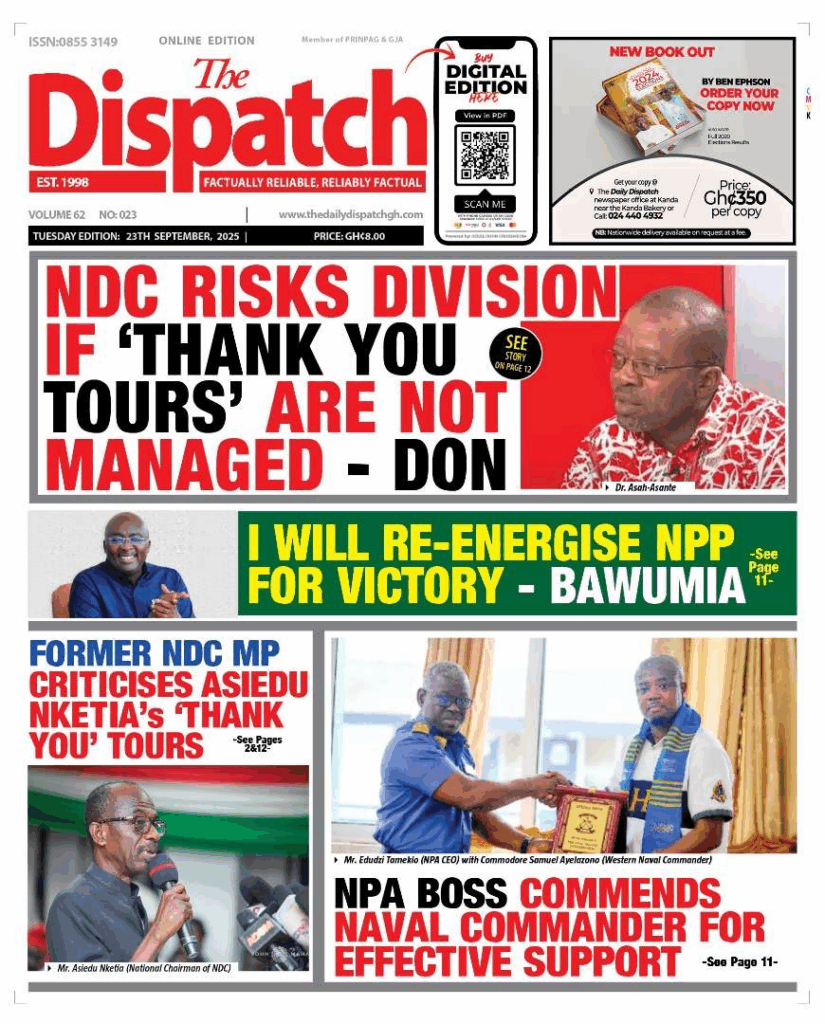
The Chief of Akyem Akroso in the Eastern Region, Nana Kwabena Ofori II, has publicly called on the National Chairman of the National Democratic Congress (NDC), Johnson Asiedu Nketiah, to consider contesting in the party’s presidential primary when President John Dramani Mahama’s tenure comes to an end.
Speaking during Asiedu Nketiah’s thank-you tour engagement, the chief expressed his admiration for Asiedu Nketiah’s leadership qualities and political experience, describing him as the ideal candidate to take over the reins of the party and eventually lead the country.
‘It is better to be a floor member in gov’t than to be in opposition’ – Asiedu-Nketiah
“President Mahama will leave office very soon, and we will need someone else to step in. That person should be you. When we look at the things you are doing, the country needs someone like you to lead. It’s not that the others don’t have the wisdom to lead, but I believe you have the depth of wisdom and experience required to move Ghana forward after President Mahama,” Nana Kwabena Ofori II said.
Asiedu Nketiah explains rationale behind his ‘Thank You Tour’
The chief emphasised that Asiedu Nketiah’s long-standing commitment to the party and his strategic role in shaping its direction make him a strong contender for the presidency.
He noted that grassroots supporters and traditional leaders alike would feel reassured if Asiedu Nketiah declared his intention to run.
“If we see you contesting in the primaries, we’ll be extremely happy. So, when the time comes, we want you to contest,” he added.
Former officials secretly returning stolen monies to state – Asiedu Nketiah alleges
Meanwhile, Asiedu Nketiah has not publicly declared any intention to run yet.
Watch the video below:
The Chief of Akyem Akroso has called on the National Chairman of the NDC to contest in the party’s presidential primaries to replace President Mahama after his tenure concludes. pic.twitter.com/5bnm6U625C
IMF to assess Ghana’s progress ahead of October disbursement
An International Monetary Fund (IMF) staff mission is expected in Accra from September 29, 2025, for Ghana’s 5th programme review.
This review is expected to focus on assessing Ghana’s performance under the IMF programme since completing the 4th review earlier in the year.
It is also expected to determine whether the country qualifies for the next disbursement of about US$360 million in October.
Ghana has received approximately US$2.3 billion since the beginning of the programme in May 2023.
Fuel costs climb again as cedi weakens
The fifth review is the penultimate assessment before the conclusion of the programme in May 2026.
Key among expectations of the IMF include inflation trends and the effectiveness of policy measures, the sustainability of reserve accumulation, and fiscal discipline, particularly progress toward achieving the 1.5% of GDP primary surplus target.
However, some analysts have argued that Ghana risks a slip after the completion of the programme if adequate measures are not put in place.
The IMF’s review will primarily focus on inflation performance, the sustainability of reserve build-up, the audit of arrears, and the country’s weak private sector.
Also, the fund will consider the recapitalisation needs of banks, fiscal policy shortfalls in the face of an appreciated currency, arrears build-up in NHIL, GETFund, road fund, and other areas.
Ghanaians particularly boxing fans have taken to social media to mourn the death of boxer Ernest Akushey, popularly known as Bahubali.
The 32-year-old boxer reportedly passed away on the morning of Tuesday, September 23, 2025.
Bahubali’s death comes barely two weeks after suffering from heavy punches in a bout at the Bukom Boxing Arena.
Ernest Akushey’s passing has stirred grief and sorrow on social media, as Ghanaians reflect on his boxing career and how he kept the sport exciting despite his recent setbacks.
Born in Chorkor in Ghana’s capital city, the 32-year-old boxer before his death fought in both the Super Middleweight and the Light Heavyweight class depending on the bout or the opponent.
He was known for being a crowd favourite in his local and the boxing community in Ghana.
Check out some of the reactions on social media below:
Sad morning as Sensational Ga Boxer confirmed dead 💔! This comes after a brief battle with stroke following head injuries sustained from his last fight ! RIP Bahubali! He was full of life! 🕊️ pic.twitter.com/9emXqFoqgU
Chorkor-based boxer Ernest Akushey, popularly known as Bahubali, has reportedly died less than two weeks after suffering a heavy defeat in a boxing match at the Bukom Boxing Arena. pic.twitter.com/CA9xpXiZmc
Ghanaian boxer Bahubali tragically passed away this morning around 2 a.m., according to close sources. The cause of his death remains unknown, though it is suspected he succumbed an internal bleeding pic.twitter.com/LPWyRDgJPr
Sad to hear about the passing of boxer Ernest Akushey, popularly known as Bahubali. A true warrior in the ring and an inspiration to many. May his soul rest in perfect peace. 🕊️🙏 https://t.co/JfEpFbdMji pic.twitter.com/MuJyH0lMot
Ghanaian singer Wendy Shay’s mother was one of several Ghanaians who attended Dada KD’s funeral in Accra
The singer’s mum has lived in Germany for almost all her life with her children stole the spotlight when she arrived at the funeral grounds
She opened up about her life as a mother to Wendy Shay and her impressions about her daughter’s career
Don’t miss out! Get your daily dose of sports news straight to your phone. Join YEN’s Sports News channel on WhatsApp now!
Wendy Shay’s mother has garnered attention on social media following her recent appearance at the funeral of highlife veteran singer Dada KD.
Wendy Shay’s mother makes rare public appearance at Dada KD’s funeral in Accra. Photo source: WendyShay, Deks360 Source: Facebook
The funeral was held at the forecourt of the State House on September 20, 2025. Scores of musicians, including Pat Thomas and Diana Asamoah, showed up to pay their last respects to Dada KD.
Wendy Shay’s mother arrived at the funeral grounds clad in a black outfit. Onlookers couldn’t help but notice the striking resemblance between Wendy Shay’s mother and the singer.
The beautiful woman is based in Germany, where Wendy Shay was born and raised.
Some fans who saw videos of Wendy Shay’s young and beautiful-looking mum wondered whether she was the singer’s elder sister or real mother.
In an interview about her daughter, the beautiful Mama Shay confirmed her relationship with the singer and proudly hailed her strides so far.
According to Wendy Shay’s mother, she encouraged her daughter to do music and has been of immense support towards her career.
“Wendy Shay did something for me. I wanted her to have a backup plan by becoming a nurse. When she did that, I also decided to let her pursue the music with my full blessing,” she said.
Speaking to DEKS360, Wendy Shay also noted that the Too Late hitmaker was her eldest child among ten children.
Old photo of Wendy Shay and her mother. Photo source: WendyShayofficial Source: Facebook
Ghanaians hail Wendy Shay’s mum
YEN.com.gh gathered a few comments from social media users.
September 18th for me🎉🥳🍾said:
Who else noticed she was hiding from the people not get identified buh she got caught 😅😅😅
LARTEY 🇬🇭 wrote:
this woman looked 40 – 45yrs old. and Wendy shay is 29yrs old. so she was between 15 – 17 when she had Wendy Shey? 🤔
delicious648 remarked:
She give birth when she was 16yrs
Borga Yere Sikapa commented:
The voice alone resembles her mother God bless you 🥰
iam akua nicki💕🦋🥺🥀 shared:
We all need a supportive mom like this beautiful woman 😩💕💕💕
Boss lady🦋💕❤️ noted:
The resemblance shows when she is talking
Heronin💞✨♥️♥️ added:
“If someone gets pregnant in the early stage you say teenage pregnancy you see am now you see say they become twins now 😂😂😂.”
Akosua Agyapong’s daughter marries
In a related story, YEN.com.gh reported that highlife singer Akosua Agyapong’s last daughter with Amandzeba Nat Brew had tied the knot in Ghana.
The singer’s daughter, Kwakyewaa, who lives between the US and Ghana, got married to Fritz Otchere Ababio, an architect based in the US.
The 90s popstar, known for her music and energetic stage presence, captured the admiration of many attendees gathered to witness the union between Kwakyewaa and Fritz.
Former Minister for Education, Dr. Osei Yaw Adutwum, over the weekend joined the family of Kwadwo Mpiani, former Member of Parliament and Chief of Staff, at Agona Jamasi in the Ashanti Region, to mourn the passing of Mr. Mpiani’s mother.
Dr. Adutwum extended his condolences, acknowledgement to Mr. Mpiani’s significant contributions to the New Patriotic Party (NPP) and to Ghana’s development, and expressed solidarity with him and his family during this difficult period.
Former Vice-President Dr Mahamudu Bawumia and four other persons contesting to lead the party into the 2028 elections will today, Tuesday, September 23, face the vetting committee of the New Patriotic Party (NPP) as part of the process to contest the party’s 2026 presidential primary.
The vetting is a crucial step for all aspirants seeking to secure the party’s mandate to lead in the next general election. It is aimed at ensuring transparency, fairness, and compliance with the NPP’s internal rules and regulations.
Dr Bawumia, who served as Vice-President under former President Akufo-Addo’s administration and his colleagues, are expected to present their political vision, leadership credentials, and strategy to unite the party ahead of the polls.
If cleared by the committee, the aspirants will officially make it onto the ballot for the NPP’s flagbearership contest, which is shaping up to be one of the most competitive in the party’s recent history.
Dr Bawumia is facing stiff competition from four other contenders, each bringing their own political experience and appeal to the race.
The other four are Ing. Kwabena Agyei Agyepong, former NPP General Secretary, Kennedy Ohene Agyapong, former Assin Central MP and businessman, former Minister for Food and Agriculture and MP for Abetifi, Dr Bryan Acheampong, and Hon. Dr Yaw Osei Adutwum, MP for Bosomtwe and former Education Minister.
DISCLAIMER: The Views, Comments, Opinions, Contributions and Statements made by Readers and Contributors on this platform do not necessarily represent the views or policy of Multimedia Group Limited.
DISCLAIMER: The Views, Comments, Opinions, Contributions and Statements made by Readers and Contributors on this platform do not necessarily represent the views or policy of Multimedia Group Limited.
Former Member of Parliament for Anyaa Sowutuom, Dr. Dickson Adomako Kissi, has called for the Ghana Gold Board (GoldBod) to bear the cost of water treatment in the wake of a proposed 281 percent tariff increase by Ghana Water Limited (GWL).
GWL has applied for regulatory approval to raise tariffs from GH¢5.28 per cubic metre to GH¢20.09, citing ballooning debts, rising operational costs, and the high expense of treating water polluted by illegal mining (galamsey).
But Dr. Adomako Kissi believes Ghanaians should not be saddled with these costs. He argued that GoldBod, which profits from purchasing gold from both legal and illegal miners, should take responsibility for the damage caused to water bodies.
“The Goldbod has made a huge amount of money, which they have flaunted; they have told everybody. Why must I pay for the water treatment as a Ghanaian? Why must I bear that burden? I really think that the revenue from Gold that has been flaunted everywhere, a portion of that should be used to work on all the water facilities in this country. I really think that the true beneficiary of the damages to all of our water bodies is the gold and mining industry,” he said on Breakfast Daily on Channel One TV, Tuesday, September 23, 2025.
He further insisted that it is unfair for GWL to transfer the burden to ordinary consumers.
“The idea that Ghana Water Company wishes to increase tariffs that I and you have nothing to do with in terms of damage to our water, I think it is very wrongfully placed. As it stands now, all the gold, whether legal or illegal, goes to Goldbod, and as a matter of fact, I think they should be made to pay for all the water damages in this country,” he added.
GWL has defended the tariff proposal, noting that apart from galamsey-related pollution, foreign exchange pressures and the high cost of imported equipment and chemicals have also worsened its financial situation.
Galamsey: Water shortage triggers diarrhoea outbreak in Gomoa East
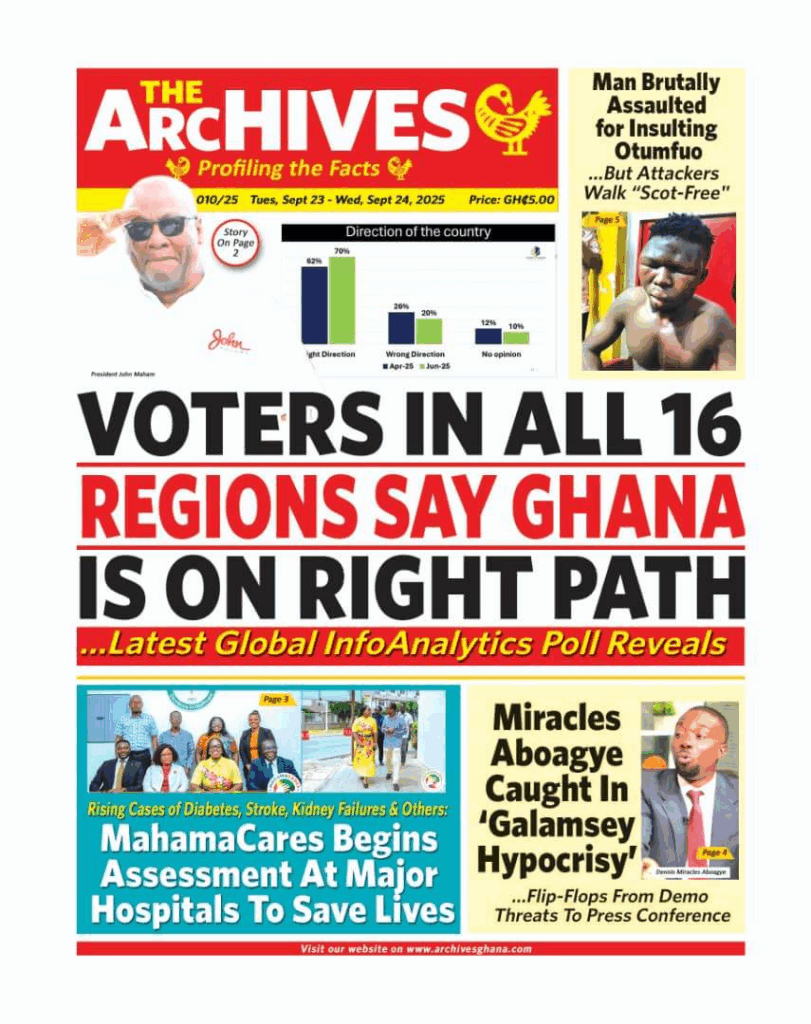
A new poll by Global InfoAnalytics has revealed a razor-thin contest between Tamale South MP and Education Minister Haruna Iddrisu, and NDC National Chairman Johnson Asiedu Nketiah, in the race to succeed President John Dramani Mahama as flagbearer.
The survey, conducted in July, showed Haruna Iddrisu leading with 27 percent support, closely trailed by Asiedu Nketiah at 26 percent.
GHANA in early September this year hosted the Seventh Regional Committee Meeting (RCM) of the International Solar Alliance (ISA) for the Africa Region, a major milestone in the country’s renewable energy journey. The event, the first to be staged in Ghana, brought together 41 African nations, international partners, and industry experts — totalling about 250 delegates — to align regional priorities and advance the continent’s solar energy transition.
The International Solar Alliance is an intergovernmental organisation, launched by India and France during the COP 21 climate conference in Paris in November–December 2015, with the mandate to accelerate global adoption of solar energy. Its core mission is to promote solar power deployment in countries blessed with abundant sunlight, especially least developed countries (LDCs) and small island developing states (SIDS), which face the twin challenges of energy insecurity and climate vulnerability.
The three-day conference, held from September 2 to 5, 2025, in Accra, was themed: “Catalysing Solar Investments and Institutional Capacity across the Continent.” It considered critical issues such as financing, capacity building, digitalisation, and policy reforms needed to accelerate solar deployment.
Among the major outcomes was the launch of the ISA Africa Solar Facility, managed by Africa50, with an initial $200 million in catalytic financing expected to mobilise up to twenty times that amount in private capital for solar investments.
On the sidelines of the RCM, The Ghanaian Times secured an exclusive interview with the Director General of ISA, Mr Ashish Khanna, on how Ghana could harness its vast solar resources to enhance energy security, boost agriculture, create jobs, and achieve its climate goals.
Ghana’s gains from ISA membership
Ques: Ghana is a member of the ISA. What opportunities does Ghana stand to gain from this partnership?
Ans: With the leadership of President John Dramani Mahama and Mr John Abdulai Jinapor, Minister of Energy and Green Transition and Chair of the Seventh RCM, Ghana is spearheading solar energy development in Africa.
As part of the recently signed Country Partnership Framework, Ghana and ISA will promote solar solutions in agriculture to enhance food security and sustainability. The partnership also recognises the need for strong private sector participation. To this end, ISA and Ghana will jointly explore concessional financing mechanisms that lower the cost of capital and encourage businesses to invest in solar projects.
Existing solar projects in Ghana
Ques: Are there any ongoing ISA-supported solar projects in Ghana, and what impact will they have?
Ans: Yes. One of the landmark initiatives is the Solar Technology Application Resource Centre (STAR-C) established at Ho Technical University. The Centre focuses on developing local expertise and advancing applied research to support Ghana’s energy transition.
Ghana is endowed with some of the most abundant solar resources globally. As clean technology investment grows, the solar sector will generate significant employment. Through STAR-C, we aim to provide Ghanaian youth with the skills to design homegrown solutions tailored to the country’s needs.
In addition, ISA programmes are supporting commercial and industrial-scale solar projects in Ghana. These projects provide reliable, affordable power for businesses, thereby enhancing competitiveness, driving economic growth, and creating a platform for industrialisation.
Closing the rural access gap
Ques: Ghana has made progress in electricity access, but rural areas still face challenges. How can ISA support Ghana in using solar energy to bridge this gap?
Ans: Ghana can address rural energy access challenges by scaling decentralised renewable energy (DRE) solutions such as mini-grids, rooftop solar, and portable solar home kits.
Through initiatives like the SolarX Start-up Challenge, ISA is helping scale up low-cost solar innovations — from lighting to refrigeration and clean cooking technologies. These innovations improve rural living standards, enhance healthcare and education, and open opportunities for entrepreneurship.
Furthermore, ISA will support Ghana to expand solar mini-grids under the CPF agreement. These mini-grids offer scalable, reliable, and cost-effective power for remote communities where extending the national grid is impractical.
Financing solar projects
Ques: Access to affordable finance remains a barrier. What specific financing opportunities does ISA offer Ghana for large-scale and off-grid solar projects?
Ans: Financing is indeed a critical hurdle. ISA is addressing this through the Africa Solar Facility, a $200 million blended finance initiative implemented with Africa50. The facility combines concessional capital with commercial investment to de-risk projects, thereby improving their bankability and attracting private capital.
This model is particularly useful for early-stage projects such as solar parks, rooftop systems, and mini-grids in underserved communities.
Role of Ghana’s private sector
Ques: What role can Ghana’s private sector, particularly SMEs, play under ISA initiatives, and how can they be supported?
Ans: Ghana’s private sector, particularly small and medium enterprises (SMEs), is central to accelerating the country’s solar transition. SMEs are closer to local communities and can tailor solutions to specific needs.
At the Africa RCM in Accra, ISA organised a CEO Caucus that convened business leaders to forge partnerships and co-develop strategies for solar expansion. By enabling Ghanaian SMEs to access international expertise, innovative financing, and technical training, ISA aims to catalyse entrepreneurship, stimulate job creation, and strengthen local solar value chains.
Building capacity through STAR-C
Ques: How will ISA help Ghana build local capacity through training, technology transfer, or research collaboration at the STAR-Centre?
Ans: The STAR-C at Ho Technical University is designed to be a cornerstone of Ghana’s solar capacity building. It offers practical training, innovation labs, and institutional mentorship for youth and women.
ISA is also creating a Global Capability Centre in collaboration with leading institutions such as IIT Delhi (India), INES (France), and NPTI (India). This Centre will serve as a global hub, while STAR-Cs — including Ghana’s — will operate as regional spokes. Through this hub-and-spoke model, local centres will access cutting-edge digital resources, benefit from global best practices, and facilitate knowledge exchange. Already, over 10 STAR-Cs are operational across Africa.
Solarising agriculture
Ques: Agriculture employs a large share of Ghana’s workforce. How can solar energy, especially irrigation and cold storage, support Ghana’s farmers?
Ans: Solar energy has enormous potential in agriculture. Currently, less than six per cent of Ghana’s farmland is under irrigation, compared to over 55 per cent in India and China. Replacing diesel pumps with solar-powered pumps could cut irrigation costs by up to 75 per cent while reducing emissions.
Solar cold storage systems can also help farmers reduce post-harvest losses, improve yields, and expand access to markets. The CPF prioritises agricultural solarisation, and Ghana’s Minister of Energy has already made this a key policy agenda. By engaging the private sector, Ghana can scale up such technologies and secure the food-energy-water nexus.
Green jobs and industrialisation
Ques: How can ISA-backed solar projects in Ghana create jobs for youth and women, and contribute to green industrialisation?
Ans: The ISA’s work is aligned with Mission 300 — a World Bank and African Development Bank-led initiative to connect 300 million Africans to electricity by 2030.
In Ghana, solar expansion will create thousands of jobs in installation, maintenance, manufacturing, and research. Programmes such as the SolarX Start-up Challenge, STAR-C, and the Africa Solar Facility will empower youth and women to participate in this growing sector, thereby fostering green industrialisation.
Meeting Ghana’s climate targets
Ques: Ghana has ambitious climate and renewable energy targets. How can ISA partnerships help Ghana meet its Nationally Determined Contributions (NDCs)?
Ans: Ghana’s NDCs aim to increase renewable energy’s share to 10 per cent by 2030. Through ISA partnerships, Ghana can accelerate solar deployment, attract investment, and overcome implementation barriers.
Ghana in 2030 and beyond
Ques: Looking ahead to 2030, where do you see Ghana in terms of solar energy adoption, and how central will ISA be in that journey?
Ans: By 2030, we envision Ghana implementing large-scale grid-connected solar plants, widespread rooftop systems, and solar-driven agricultural expansion. The country could become a leader in solar adoption in Africa, creating jobs, lowering energy costs, and building a resilient economy.
ISA will remain a trusted partner, helping Ghana leverage global expertise, technology, and finance to realise this vision.
play videoJohnson Asiedu Nketiah (L) and Private legal practitioner Martin Kpebu
Private legal practitioner Martin Kpebu has shared his views on the prospects of Johnson Asiedu Nketiah, the National Chairman of the National Democratic Congress (NDC), becoming President of Ghana.
Speaking on a panel discussion on Joy FM on September 21, 2025, Kpebu admitted that while Asiedu Nketiah can rise to the presidency, there are challenges, particularly when it comes to public perception and optics.
According to him, the NDC still enjoys significant goodwill among the electorate, citing the over 1.6 million-vote difference between President John Mahama and Dr Mahamudu Bawumia of the New Patriotic Party (NPP) in the 2024 general elections.
He argued that such a wide margin cannot be erased in just one electoral cycle.
“If he wins the primaries, he can make it because that means the whole party machinery and even John Mahama himself will rally behind him. With a first-past-the-post system and 50% plus one, he can scrape through,” Kpebu explained.
However, he was quick to note that Asiedu Nketiah’s main hurdle would be how Ghanaians perceive him visually and stylistically as a presidential candidate.
‘What is it for exactly? – Social media users question Asiedu Nketiah over ‘Thank You Tour’
“Let’s be blunt. When it comes to optics, generally speaking, Asiedu Nketiah doesn’t usually look the part for presidency. That’s just the truth,” he stated.
Kpebu, nonetheless, argued that Ghanaian voters may eventually move beyond optics when assessing leadership, pointing to former President Akufo-Addo’s tenure.
“People said Akufo-Addo had the swag, but where did we end up? Corruption worsened, freedoms were suppressed, the economy tanked. So maybe a time will come when we look beyond optics and focus on substance,” he added.
AM/SEA
Will Ghana pass the Anti-Witchcraft Bill? Find out in the latest episode of The Lowdown on GhanaWeb TV in this conversation with Amnesty International:
New Patriotic Party (NPP) presidential aspirant Bryan Acheampong has positioned his decision to end the Ghana Cocoa Board’s (COCOBOD) reliance on syndicated loans as proof of his leadership capabilities, as the former Agriculture Minister faces vetting today in the party’s competitive flagbearer race.
COCOBOD broke its 32-year loan cycle by deciding to purchase cocoa for the 2024/2025 season using its own funds rather than raising the annual syndicated loan, marking the first time since the early 1990s that the cocoa sector manager operated without external borrowing for bean purchases.
Speaking to party delegates in campaign appearances, Acheampong claimed personal responsibility for the historic shift away from what he described as decades of expensive borrowing. The Abetifi Member of Parliament (MP) argued that his “Kwahu business calculation” approach saved Ghana millions in interest payments while demonstrating his capacity for bold decision-making.
The NPP’s presidential primary vetting process runs from September 15 to 22, with Dr. Mahamudu Bawumia appearing before the committee today, as the party prepares for its January 31, 2026 primary election to select a flagbearer for the 2028 general elections.
However, the narrative surrounding COCOBOD’s financing strategy reveals complex dynamics beyond Acheampong’s campaign claims. Finance Minister Dr. Amin Adam disputed suggestions that COCOBOD was abandoning syndication entirely, stating that negotiations were ongoing but would likely yield only $600 million of an initial $1.5 billion target, suggesting financial constraints rather than strategic choice may have influenced the decision.
Industry analysis suggested that COCOBOD’s $1.5 billion loan request faced rejection from international banks, forcing alternative financing arrangements, raising questions about whether the move represented bold leadership or necessity driven by limited options.
Acheampong announced that major cocoa processors, rather than banks, would supplement funding for any shortfalls COCOBOD might face, indicating a fundamental shift toward direct buyer financing that could reshape Ghana’s cocoa marketing model.
The cocoa sector transformation comes as Ghana faces broader economic challenges that have affected its international borrowing capacity. The country’s cocoa production has declined significantly in recent years due to illegal mining, climate issues, and disease outbreaks, potentially making traditional syndicated loans more difficult to secure.
Acheampong, who served as Minister of Food and Agriculture from February 2023 to January 2025, represents the Abetifi Constituency and has positioned himself as the “man of ideas” in the NPP race, contrasting his record of implementation with rivals’ campaign promises.
The former minister’s campaign strategy centers on showcasing concrete policy achievements during his tenure, using the COCOBOD financing shift as evidence of his ability to translate vision into results. His supporters argue the approach demonstrates practical business acumen applied to government operations.
Critics, however, question whether the financing changes reflected strategic planning or responses to external pressures beyond government control. The debate highlights broader discussions about Ghana’s economic management and international creditworthiness during the NPP’s recent term in office.
Acheampong submitted his nomination forms on August 27, 2025, describing the filing as moving his campaign “from just a vision to action”, emphasizing his theme of concrete achievements over theoretical proposals.
The NPP primary represents one of the most competitive leadership contests in the party’s recent history, with multiple candidates seeking to lead the party back to power after losing the 2024 elections. Acheampong’s emphasis on policy implementation reflects broader party discussions about lessons learned from electoral defeat.
Marriage is a beautiful journey, and as a married woman, your wardrobe may evolve to reflect not only your personal style but also the roles and responsibilities you embrace. Attire plays a significant role in your daily life, whether you’re working, attending family events, or spending time with your spouse. It’s important to build a versatile wardrobe that is both practical and stylish.
1. Casual Wear: As a married woman, you’ll likely have a mix of social activities, from running errands to attending casual get-togethers with family or friends. Comfortable yet stylish casual wear is essential. You can opt for well-fitted jeans, casual dresses, blouses, or tunics paired with flats or comfortable sneakers. These outfits should allow you to feel at ease while maintaining a presentable look.
2. Workwear: If you’re working outside the home, investing in workwear that reflects professionalism while maintaining a sense of individuality is key. Tailored blazers, structured skirts, and trousers in neutral tones are great choices. Add in a few chic blouses or tops for variety. A smart, polished appearance at work often speaks volumes about your professionalism and commitment.
3. Evening or Date Night Outfits: A married woman should have a few elegant yet comfortable outfits for special occasions or a night out with her spouse. Whether it’s a dinner, celebration, or romantic evening, a well-chosen dress or stylish separates can create a lasting impression. Opt for timeless pieces that flatter your figure and make you feel confident.
4. Loungewear/At-home Outfits: Comfortable loungewear is important for those quiet moments at home. Whether you’re relaxing with your spouse or enjoying some personal time, soft fabrics, cozy sweaters, and simple athleisure options can keep you feeling relaxed but still put-together. Investing in sleepwear and robes that are comfortable yet chic is also a great way to feel good in your own skin.
5. Formal Attire: You’ll undoubtedly attend weddings, formal dinners, or family gatherings. For these events, having a few formal outfits such as a well-fitted gown or a sophisticated jumpsuit is necessary. Classic colors like black, navy, or jewel tones can provide versatility and elegance, ensuring you’re always prepared for any occasion.
As a married woman, your wardrobe should be a reflection of your lifestyle, personality, and comfort. Whether it’s casual, formal, or at-home attire, a mix of practicality and style can help you feel confident and beautiful every day.
A coastal community in the Gomoa East District of the Central Region has recorded 20 diarrhoea cases, following a worsening water shortage triggered by the shutdown of Ghana Water Limited’s Headworks at Kwanyako.
Health officials at the Gomoa Fetteh CHPs compound say the lack of water has made it increasingly difficult to maintain hygiene and sanitation at the facility.
Senior midwife, Belinda Serwaa Sarfo, confirmed to Citi News that “20 people reported to the facility with diarrhoea cases [on Sunday],” adding that cases of enteric and typhoid fever are also being reported.
The health centre has been without water for over a week, with tanker delivery services stretched thin due to high demand across the district. The shortage has left staff struggling with basic care.
One resident, Muda Siru, who rushed his child to the facility, recounted how treatment was delayed because nurses had difficulty finding clean bedsheets.
“They were trying their best, but I saw they were frustrated. There’s no water at the facility, so they haven’t been able to wash the used bedsheets. The nurse on duty struggled before finding a clean one. So I’m even considering getting them an additional storage tank and support water delivery to the CHPs zone,” he said.
Local leaders warn that the crisis is worsening. Assemblyman for the community, Frank Enyinda, noted that residents are paying exorbitant prices for water, with some forced to travel long distances to Senya Breku to fetch supplies.
“My people are suffering. A bucket of water is now selling at an exorbitant price. Not many can afford. The rate of infections may increase,” he lamented.
Some households are now resorting to unsafe water sources, including shallow pools also used by animals.
Dwantoahene of the community, Nana Kwesi Arhin, has appealed to the government to intervene decisively. Linking the crisis to illegal mining activities, he said: “I watched the news on Channel One TV and realised the situation is caused by the shutdown of the Kwanyako plant due to galamsey.
“I want the government to be bold and take decisive action against the galamseyers so that we can all be safe.”
The chief, who disclosed that he spends nearly GHS 1,000 weekly on tanker services, warned that the community’s plight will deepen if urgent measures are not taken.
‘I’m one of the best programmers alive’ – Prof Quaynor
Kwakyewaa (seated), with her mother Akosua Agyapong covering her with a veil
Legendary Ghanaian musician Akosua Agyapong has warmed hearts online after a video of her praying fervently for her daughter on her wedding day went viral.
Her daughter, Ewura-Abena Kwakyewaa, tied the knot in a star-studded ceremony on Saturday, September 20, 2025.
The glamorous event drew several notable figures from Ghana’s entertainment industry, as well as family and friends.
Akosua Agyapong, known for her vibrant stage presence, stole the spotlight in an elegant white lace gown with a flowing cape.
In a touching moment captured on video, the proud mother poured out her heart in prayer as she covered her daughter’s face with a veil alongside her elder sister.
“Today, my daughter Kwakyewaa is getting married. You have given her a good husband. I am here to thank you, Lord,” she prayed.
She continued, “If anyone does not have good intentions, let God kick them somewhere. God should make this wedding sweet, beautiful, and their marriage a testimony to His name.”
The emotional display has since gone viral on Instagram, with many praising Akosua Agyapong for setting an example of motherhood rooted in love, faith, and humility.
Social media users also commended her stunning look and heartfelt words, describing the moment as “a powerful blessing for a new chapter.”
In separate videos captured online, she was also seen exhibiting vigorous dance moves with her daughter on the dancefloor.
Patrons couldn’t help but admire and comment on the fact that, after all these years, she is still full of energy and passion for dancing.
@portiaarthur_ This is the doing of the Lord. Congratulations Kwakyewaa. #ghanaweddings #celebrityweddings ♬ original sound – PortiaArthur
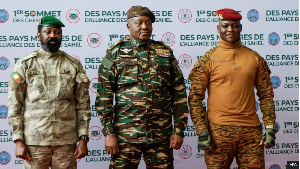
Colonel Assimi Goita (L), Abdourahamane Tchiani (C) and Ibrahim Traore
Burkina Faso, Mali and Niger have announced they will immediately withdraw from the International Criminal Court (ICC), labelling it an “instrument of neo-colonialist repression”.
The three military-led countries issued a joint statement, saying they would not recognise the authority of the United Nations’ top court, based in The Hague.
“The ICC has proven itself incapable of handling and prosecuting proven war crimes, crimes against humanity, crimes of genocide, and crimes of aggression,” the three leaders said.
The court has not yet responded to the decision by the three countries, all of which with close ties to Russia whose leader Vladimir Putin has been subject to an ICC arrest warrant.
The three states said they wanted to set up “indigenous mechanisms for the consolidation of peace and justice”.
They accused the ICC of targeting less privileged countries, echoing criticism from Rwanda’s President Paul Kagame who has previously accused the ICC of holding an anti-African bias.
The ICC was set up in 2002 to legally pursue cases of genocide, crimes against humanity, war crimes and aggression.
Out of 33 cases launched since its inception, all but one involved an African country.
A country’s withdrawal from the ICC officially takes effect one year after the UN is notified.
Military junta forces are in control of Burkina Faso, Mali, and Niger, following coups in the Sahel countries between 2020 and 2023. They make up the only three members of the Confederation of Sahel States.
Their armies have faced accusations of crimes against civilians, as violence has escalated in the region against jihadist groups linked to al-Qaeda and the Islamic State.
In another coordinated move earlier this year, all three countries simulatenously withdrew from the regional bloc, the Economic Community of West African States (Ecowas).
They had rejected Ecowas’ demands for them to restore democratic rule.
Russia has strengthened its ties with the three Sahel countries over recent years, which have all become increasingly isolated from the West, notably the former regional colonial power France.
In 2023, the ICC issued an arrest warrant for Russia’s President Vladimir Putin over alleged war crimes in Ukraine.
Fuel prices in Ghana have risen again, with petrol now selling at GH¢13.38 per litre and diesel at GH¢14.20.
GOIL, one of the country’s largest Oil Marketing Companies, has led the charge in adjusting pump prices after a week of relative stability across the sector.
This marks an increase from GH¢12.99 for petrol and GH¢13.90 for diesel recorded on September 2, 2025.
GOIL’s move comes amid earlier projections from the Chamber of Oil Marketing Companies (COMAC), which anticipated a 6% rise in fuel prices from mid-September.
While other OMCs have yet to follow suit, industry observers are watching closely to see if this adjustment will ripple across the more than 200 companies nationwide.
The primary reason for the hike is the continued depreciation of the Ghanaian cedi against the US dollar.
During the review period, the cedi fell from GH¢11.20 to GH¢12.07, a 7.76% drop that brings its total loss for the year to 14.02%.
COMAC attributes this decline to increased demand for dollars, especially as importers prepare for the festive season.
Also, global prices for crude oil and refined petroleum products have actually decreased, with petrol down by 2.52%, diesel by 4.12%, and LPG by 2.69%.
However, the weakening cedi has offset these declines, making local price increases unavoidable.
COMAC had projected that petrol could rise to around GH¢14.17 per litre, diesel to GH¢14.67, and LPG to GH¢14 per kilogram.
With GOIL setting the pace, consumers may need to brace for further adjustments in the days ahead.
Hearts now move onto four points from their opening two games
Hearts of Oak secured their first victory of the 2025/26 Ghana Premier League season with a narrow 1-0 win over Dreams FC at the Nii Adjei Kraku II Sports Complex in Tema Newtown on Monday.
The decisive moment came in the 14th minute when midfielder Mohammed Hussein found the back of the net.
Hussein reacted quickly inside the penalty area and struck a composed effort past Dreams goalkeeper Gidios Aseako to hand the visitors an early lead.
It was a goal that ultimately proved enough to separate the two sides.
Dreams, who were looking to respond following their opening-day defeat to Heart of Lions, grew into the game after conceding but struggled to convert their chances.
The Still Believe side enjoyed long spells of possession and pressed for an equaliser, yet they found Hearts’ defence well-organised and difficult to break down.
The win provides an important response for Hearts after their disappointing goalless draw with newly promoted Hohoe United last weekend.
Head coach Mas-Ud Didi Dramani will be encouraged by the team’s ability to withstand pressure and protect their slim advantage in Tema.
The result also ended Dreams’ six-match unbeaten run against Hearts and marked their first home defeat since December 2024, when they lost to Asante Kotoko.
Hearts now move onto four points from their opening two games, while Dreams remain without a point after back-to-back defeats.
Mali has approved seven agreements granting the state more revenue from international and local mining companies in the latest push by the military government to extract more income from the sector.
The Council of Ministers approved the exploitation and exploration agreements at its meeting on Friday, according to a statement published late on Friday, giving Mali a guaranteed, non-reducible stake in mining projects with priority access to dividends.
The agreements apply to gold mines including the Sadiola project operated by an Allied Gold (AAUC.TO), opens new tab subsidiary, B2Gold’s (BTO.TO), opens new tab Fekola mine and Resolute Mining’s (RSG.AX), opens new tab site at Syama, as well as Ganfeng’s (002460.SZ), opens new tab Bougouni project.
Mali’s military rulers introduced a new mining code in 2023, increasing royalties to 10% from 6.5% while expanding state and local ownership of mines to at least 35% from 20%.
The latest deals follow preliminary agreements signed with the same companies between September and November 2024.
Resolute Mining declined to comment. Allied Gold, B2Gold and Ganfeng did not respond immediately to requests for comment.
Endeavour Mining (EDV.L), opens new tab and other gold producers have previously signed agreements reflecting the terms of Mali’s revised mining code.
Canadian company Barrick Mining (ABX.TO), opens new tab, however, remains locked in a long-running standoff with the government.
Reuters reported this month that a senior Barrick executive who once represented the gold miner in negotiations with Mali’s government had switched sides to become an adviser to Mali’s president, further complicating matters for Barrick.
Mali is one of Africa’s top gold producers, but regulatory uncertainty has weighed on investment and output.
The government, like others in the region, has emphasised resource nationalism while pivoting from Western investors to courting Russian interests.
President John Dramani Mahama has called on African leaders to reframe health as a strategic investment in development and sovereignty rather than a financial burden.
Speaking at a high-level meeting of the Africa Centres for Disease Control and Prevention (Africa CDC) in New York on Monday, Mr Mahama said Africa’s future depended on resilient health systems and sustainable financing.
“Health is not a cost. It is the engine of productivity and the foundation of sovereignty,” he declared.
The meeting, held under the theme “Securing Africa’s Health Sovereignty: Political Leadership for Sustainable Health Financing, Local Manufacturing, and Pandemic Preparedness”, brought together heads of state and government ahead of the United Nations General Assembly’s 80th session.
Discussions centred on Africa’s efforts to secure its health sovereignty in the aftermath of COVID-19 by prioritising local vaccine manufacturing, securing resources for sustainable healthcare, and preparing for future pandemics.
President Mahama is expected to deepen this conversation on Tuesday when he hosts a side event titled “The Accra Reset: Reimagining Global Governance for Health and Development”. The session, scheduled for 8:00 p.m. GMT, will convene policymakers and global partners to consider new frameworks for health governance and international cooperation.
His interventions highlight Africa’s push for greater self-reliance in health financing and preparedness, ensuring the continent is not left exposed in future global health crises.
Myjoyonline.com brings you the front pages of the various newspapers across the country.
DISCLAIMER: The Views, Comments, Opinions, Contributions and Statements made by Readers and Contributors on this platform do not necessarily represent the views or policy of Multimedia Group Limited.
DISCLAIMER: The Views, Comments, Opinions, Contributions and Statements made by Readers and Contributors on this platform do not necessarily represent the views or policy of Multimedia Group Limited.
The ceremony also witnessed the graduation of eleven other distinguished Ghanaians
Ghanaian sensational gospel artiste Daniel Asamoah has earned a Doctor of Philosophy (PhD) in Public Health from the Livingstone International University of Tourism Excellence and Business Management (LIUTEBM) in Lusaka, Zambia.
The graduation ceremony took place on Friday, September 19, 2025, at the Mulungushi International Conference Centre in Lusaka.
Dr Asamoah, who also serves as a senior staff member at the Health Facilities Regulatory Agency (HeFRA), was celebrated for his outstanding academic achievement.
His doctoral dissertation, titled “Healthcare Facilities Regulations in Ghana: Compliance and Challenges”, addresses critical issues in Ghana’s health sector.
The study is expected to contribute significantly to shaping policies and improving healthcare facility regulations in the country.
Asamoah’s dual role as a gospel musician and public health professional has made him a unique figure in Ghana.
His PhD achievement highlights his dedication, perseverance and commitment to both his music career and national service.
“This milestone is not only a personal achievement but also an inspiration to many who aspire to combine their passions with academic and professional excellence,” colleagues at HeFRA noted.
The ceremony also witnessed the graduation of eleven other distinguished Ghanaians who earned PhDs in various fields, including Public Health, Accounting and Finance, Management, Project Management and Business and Economics.
Among them were Dr Jennifer Andoh, Dr Mabel Afi Togbe, Dr Catherine Armah, Dr Gifty Dede Mateko Angmor, Dr Isaac Setordzi, Dr Augusta Ampah, Dr Hafez Adam Taher, Dr Felix Ahima-Adonteng, Dr Raphael John Marfo, Dr Joseph Okine and Dr Samuel Ataribanam.
Sundays and special occasions often call for outfits that balance comfort with elegance. Whether you’re heading to brunch with friends, a family gathering, or an intimate celebration, the right outfit can set the tone for your day. Chic style is all about looking effortlessly put-together while maintaining a sense of ease. Here are a few fashion ideas for achieving the perfect balance of style and comfort on Sundays and special occasions.
For Sundays, comfort is key, but that doesn’t mean sacrificing style. A flowy maxi dress paired with flat sandals or ankle boots offers a chic yet comfortable look. A simple midi dress with a floral print or pastel tones is perfect for a casual outing or a leisurely walk in the park. You can dress up this look with accessories such as a wide-brimmed hat, oversized sunglasses, and a crossbody bag. This combination provides an elegant and laid-back vibe, ideal for a relaxing Sunday.
For special occasions, a more polished look is often required. A tailored jumpsuit or a sleek sheath dress can create an effortlessly chic silhouette. Opt for classic colors like black, navy, or deep jewel tones, which exude sophistication. To elevate the look, choose statement accessories like a metallic clutch, a bold necklace, or delicate heels. A fitted blazer or a long cardigan can add a refined touch, perfect for an evening gathering or a formal event.
Another versatile option for both Sundays and special occasions is the midi skirt. Pair it with a tucked-in blouse for a chic and comfortable outfit. The midi skirt is flattering on all body types, and when styled with ballet flats or pointed-toe heels, it becomes a go-to choice for almost any occasion. Add a stylish trench coat or leather jacket for a more edgy look, or keep it soft and feminine with a delicate knit sweater.
Chic styles for Sundays and special occasions are all about versatility, comfort, and a touch of elegance. By opting for timeless pieces like flowy dresses, tailored jumpsuits, and midi skirts, you can create outfits that work for both relaxed weekends and festive events. With the right accessories and attention to detail, you’ll be ready to look effortlessly chic wherever you go.
Ecuador is on course to produce more than 650,000 metric tons of cocoa in the 2026/27 season and could surpass Ghana as the world’s second largest grower of the chocolate ingredient, the chairman of the country’s cocoa exporters association said.
Anecacao’s Ivan Ontaneda told Reuters via email that thanks to soaring world cocoa prices , farmers – backed by the public and private sector – are investing more and more in their plots and getting increased yields.
Cocoa prices more than doubled last year, reaching record highs above $12,000 a ton following failed harvests and disease in West African producers Ivory Coast and Ghana, which supply about half of the world’s cocoa.
An increase in production in South America, where Ecuador is the leading grower, has helped to fill the supply gap, and prices have fallen by about a third this year. They remain, however, at historically elevated levels.
Farmers in Ecuador get around 90% of the world price, according to Ontaneda. In the Ivory Coast and Ghana, by contrast, farmers receive about 60-70% of the world price at best.
“Ecuador’s production has shown steady growth (for) years. Ghana’s production has been volatile,” said Ontaneda.
A Reuters poll released earlier this month forecast that Ghana, which is battling illegal gold mining on cocoa farms and struggling to rein in the spread of swollen shoot disease, will produce just 600,000 tons of cocoa in 2025/26.
Cocoa in Ecuador is grown in agroforestry systems that support biodiversity and are crucial to preventing the spread of disease common in monoculture farming, as seen in West Africa. These systems include growing cocoa alongside shade trees, plantains, coffee and fruit trees.
Cocoa farms in Ecuador are currently yielding an annual 800 kg per hectare, Ontaneda noted, adding the country is expected to produce more than 570,000 tons in the 2025/26 season and expects to reach 800,000 tons by the end of the decade.
The average cocoa yield in West African countries, including Ghana, is just under 500 kg per hectare, according to industry data.
DISCLAIMER: The Views, Comments, Opinions, Contributions and Statements made by Readers and Contributors on this platform do not necessarily represent the views or policy of Multimedia Group Limited.
DISCLAIMER: The Views, Comments, Opinions, Contributions and Statements made by Readers and Contributors on this platform do not necessarily represent the views or policy of Multimedia Group Limited.
New Patriotic Party’s (NPP) Bono Regional Chairman, Kwame Baffoe, popularly known as Abronye, has challenged the Ghana Police Service to provide credible evidence supporting charges that led to his recent arrest and remand.
The controversial politician was granted bail in the sum of GHC50,000 with one surety after being charged with publication of false news and offensive conduct conducive to breach of peace. His arrest on September 8, 2025, stemmed from allegations that he made inflammatory statements on social media platforms.
Speaking after his release, Abronye questioned the competence of Inspector General of Police Christian Tetteh Yohuno, who replaced Dr. George Akuffo Dampare in March 2025. President John Dramani Mahama removed Dampare from office on March 13, 2025, appointing Commissioner of Police Christian Tetteh Yohuno as the new IGP.
“To date, the police cannot provide a single piece of evidence to back their claims,” Abronye stated, alleging that the case against him was built on manipulated video footage comprising three different recordings showing him in different clothing.
The NPP chairman drew comparisons with the previous administration, suggesting that if former President Nana Akufo-Addo had pursued legal action against all who criticized him publicly, even prominent political figures like John Mahama would have faced arrest.
Police intercepted footage that had gone viral on social media, including Facebook, showing the accused in a live-stream programme on Ohia TV online, dubbed “The Evidence”, according to court documents.
Abronye raised serious concerns about judicial independence, claiming his remand was predetermined. He alleged that the presiding judge had prepared the ruling before hearing defense arguments, describing the process as compromising the integrity of Ghana’s legal system.
“The judge pulled a paper out of his diary and started reading my ruling just after my lawyer finished his argument,” he stated, adding that legal practitioners across the country condemned the judicial conduct in his case.
The politician expressed broader concerns about democratic governance under President Mahama’s administration, characterizing it as exercising “dangerous democracy” where state power is allegedly being abused for intimidation purposes.
His legal team, led by Daniel Mantey Addo, successfully argued for bail after initial remand orders. Circuit Court Judge Samuel Bright Acquah had remanded Abronye for the second time on September 12, 2025, before eventually granting bail.
The case highlights ongoing tensions between political figures and law enforcement agencies, particularly following the change in IGP leadership that accompanied the new government’s assumption of power.
Abronye’s situation reflects broader concerns about press freedom and political expression in Ghana, with legal experts monitoring how such cases might impact democratic discourse in the country.
The NPP chairman maintains his innocence and continues to challenge the validity of evidence presented against him, while calling for greater transparency in police investigations involving political figures.
His case will continue in court as prosecutors attempt to substantiate charges that could potentially carry significant penalties under Ghana’s criminal laws.
The Ghana cedi has crossed the GH¢12 mark on the interbank exchange market.
This is the first time since May 2025, following a period of consistent appreciation against the US dollar.
As of Tuesday, September 23, 2025, Bank of Ghana published rates indicate that the cedi is trading at GH¢12.27 to the dollar, reflecting renewed pressure on the local currency amid persistent economic challenges and high demand for foreign exchange.
Despite headline inflation dropping marginally, the cedi continues to struggle on both the interbank and forex markets, depreciating steadily against the dollar.
The depreciation is expected to impact fuel prices at the pump in the upcoming pricing windows, increase the cost of living, and likely complicate the government’s quest to achieve single-digit inflation by the end of the year.
Here’s how the cedi is faring on the BoG interbank market as of 8:00 AM, September 23, 2025:
• Dollar – Buying at GH¢12.26, Selling at GH¢12.27
• Pound – Buying at GH¢16.53, Selling at GH¢16.55
• Euro – Buying at GH¢14.41, Selling at GH¢14.42
Calls grow for gov’t support to boost Ghana’s street fashion industry
Here’s how the cedi is trading at the forex bureaus
• Dollar – Buying at GH¢13.00, Selling at GH¢13.45
Asante Kotoko head coach Karim Zito has shared what he told his players following their thrilling 4-3 victory over Kwara United in the CAF Confederation Cup first leg in Accra.
The veteran tactician admitted he was impressed with his forwards but concerned about the defensive errors that allowed the Nigerians to score three away goals.
“Today, if you were to be in my dressing room, I applauded the attackers and then told the defenders, you are surprising me,” Zito revealed.
He stressed that while the competition is demanding, especially for players experiencing continental football for the first time, adaptation is key.
“This is the first time some of them are playing in this type of competition, it’s not easy but we must adapt,” the Kotoko boss noted.
The Porcupine Warriors will travel to Nigeria for the second leg against Kwara United on September 28, with a place in the next round at stake.
Media personality and host of Peace FM’s morning show, Kokrokoo, Kwami Sefa Kayi, issued a warning to the New Patriotic Party (NPP) National Youth Organiser, Salam Mustapha, during the September 18, 2025, edition of the programme.
The incident occurred while the panel was discussing illegal mining, popularly known as galamsey.
Salam Mustapha persistently interjected other speakers, particularly Chris Dugan, a member of the ruling National Democratic Congress (NDC) communications team.
Old video of Sefa Kayi warning Sammy Gyamfi on defamation resurfaces amid GH¢10m suit
Despite several cautions from the host to allow panellists to make their submissions, Salam refused to heed the warnings and continued interrupting.
Clearly irritated, Sefa Kayi finally stepped in and said, “Salam, allow him to speak,” he warned.
However, when the NPP youth organiser repeated the behaviour, Sefa Kayi raised his tone and cautioned sternly, “Salam, I will lose my temper with you. Don’t let me lose my cool on you. We have been on a smooth path, so don’t let me lose it.”
The exchange briefly created tension on the show before calm was restored for the discussion to continue.
AM/SEA
Will Ghana pass the Anti-Witchcraft Bill? Find out in the latest episode of The Lowdown on GhanaWeb TV in this conversation with Amnesty International:
The Ghana cedi has crossed the GH¢12 mark on the interbank exchange market.
This is the first time since May 2025, following a period of consistent appreciation against the US dollar.
As of Tuesday, September 23, 2025, Bank of Ghana published rates indicate that the cedi is trading at GH¢12.27 to the dollar, reflecting renewed pressure on the local currency amid persistent economic challenges and high demand for foreign exchange.
Despite headline inflation dropping marginally, the cedi continues to struggle on both the interbank and forex markets, depreciating steadily against the dollar.
The depreciation is expected to impact fuel prices at the pump in the upcoming pricing windows, increase the cost of living, and likely complicate the government’s quest to achieve single-digit inflation by the end of the year.
Here’s how the cedi is faring on the BoG interbank market as of 8:00 AM, September 23, 2025:
• Dollar – Buying at GH¢12.26, Selling at GH¢12.27
• Pound – Buying at GH¢16.53, Selling at GH¢16.55
• Euro – Buying at GH¢14.41, Selling at GH¢14.42
Calls grow for gov’t support to boost Ghana’s street fashion industry
Here’s how the cedi is trading at the forex bureaus
• Dollar – Buying at GH¢13.00, Selling at GH¢13.45
France international, Ousmane Dembele has been crowned as the footballer of the year at the 2025 Ballon Dor awards ceremony.
The 28-year-old forward won the men’s player of the year award at the Ballon Dor after beating off competing from Barcelona youngster, Lamine Yamal and teammate Vitinha.
Dembele scored 35 goals and made 14 assists in 53 matches for PSG last season as they won the Champions League, league title and the French Cup.
He was the joint top scorer in Ligue 1, with 21 goals, and named the French topflight and Champions League player of the year.
And he also helped PSG to the Club World Cup final where they lost to Chelsea in New Jersey.
PSG manager Luis Enrique was also named as the coach of the year.
Dembele is the sixth Frenchman to win the award and only the second of the 21st century after Karim Benzema in 2022.
Beaucoup de joie, de fierté et d’émotion. Un rêve devenu réalité. Merci à tous ceux qui m’ont toujours soutenu tout au long de ce parcours. #ballondorpic.twitter.com/dLTgZXqa6d
Colonel Assimi Goita (L), Abdourahamane Tchiani (C) and Ibrahim Traore
Burkina Faso, Mali and Niger have announced they will immediately withdraw from the International Criminal Court (ICC), labelling it an “instrument of neo-colonialist repression”.
The three military-led countries issued a joint statement, saying they would not recognise the authority of the United Nations’ top court, based in The Hague.
“The ICC has proven itself incapable of handling and prosecuting proven war crimes, crimes against humanity, crimes of genocide, and crimes of aggression,” the three leaders said.
The court has not yet responded to the decision by the three countries, all of which with close ties to Russia whose leader Vladimir Putin has been subject to an ICC arrest warrant.
The three states said they wanted to set up “indigenous mechanisms for the consolidation of peace and justice”.
They accused the ICC of targeting less privileged countries, echoing criticism from Rwanda’s President Paul Kagame who has previously accused the ICC of holding an anti-African bias.
The ICC was set up in 2002 to legally pursue cases of genocide, crimes against humanity, war crimes and aggression.
Out of 33 cases launched since its inception, all but one involved an African country.
A country’s withdrawal from the ICC officially takes effect one year after the UN is notified.
Military junta forces are in control of Burkina Faso, Mali, and Niger, following coups in the Sahel countries between 2020 and 2023. They make up the only three members of the Confederation of Sahel States.
Their armies have faced accusations of crimes against civilians, as violence has escalated in the region against jihadist groups linked to al-Qaeda and the Islamic State.
In another coordinated move earlier this year, all three countries simulatenously withdrew from the regional bloc, the Economic Community of West African States (Ecowas).
They had rejected Ecowas’ demands for them to restore democratic rule.
Russia has strengthened its ties with the three Sahel countries over recent years, which have all become increasingly isolated from the West, notably the former regional colonial power France.
In 2023, the ICC issued an arrest warrant for Russia’s President Vladimir Putin over alleged war crimes in Ukraine.
For many years, celebrated Ghanaian actress and media personality Nana Ama McBrown was affectionately known by the nickname “Empress.” The title became a part of her identity, symbolizing her elegance, charisma, and dominance in the entertainment industry.
Fans quickly embraced the moniker, associating it with her commanding presence on screen and her graceful demeanor off it.
However, in a recent revelation, Nana Ama McBrown has disclosed that she has chosen to part ways with the “Empress” nickname.
Speaking on the matter for the very first time, she explained the reason behind this personal decision, noting that it stems from her desire to maintain a clean, dignified, and authentic image.
According to her, the title no longer reflects the values she now holds dear, particularly as she continues to evolve in both her personal and professional life.
She shared that over time, the name “Empress” seemed to stray from the polished and respectful image she wished to project. What once felt empowering and fitting began to lose its intended meaning.
McBrown noticed that the name was no longer being used in the context or spirit she had originally embraced it, prompting her to take a step back and reassess its relevance to her brand.
This decision marks a thoughtful and intentional shift in how the actress wishes to be perceived.
By letting go of the “Empress” label, Nana Ama McBrown is emphasizing her commitment to authenticity, self-respect, and continued personal growth. It also gives fans a rare glimpse into her thought process and the values that guide her choices.
For those curious to hear more of her reflections on this transition, the actress has shared additional comments in the post’s comment section, offering deeper insight into her motivations and evolving identity.
Kwame Baffoe, popularly known as Abronye and a former Bono Regional Chairman of the New Patriotic Party (NPP), has strongly criticised President John Mahama over what he describes as the misuse of state funds on the First Lady, Lordina Mahama, during the President’s recent trip to the United States for the United Nations General Assembly.
In a video posted by Ohia TV on Tuesday, September 23, 2025, Abronye alleged that more than three hundred thousand cedis of taxpayers’ money was spent on the First Lady as part of the trip, a decision he says undermines the very principles of accountability and constitutional governance.
According to Abronye, the 1992 Constitution makes no provision for the role of the First Lady in Ghana’s governance structure. He cited Article 57, which outlines the powers, privileges, and limitations of the President, but does not extend any such recognition to the President’s spouse. For that reason, he insists that state resources cannot be legitimately allocated to cover the First Lady’s international travels.
“Lordina Mahama is not part of the articles that govern the presidency. She has no constitutional right to join such trips at the expense of taxpayers. If the President wishes his wife to accompany him, that must come from his personal resources, not public funds,” Abronye stressed in his remarks.
The outspoken politician also used the opportunity to accuse President Mahama of promoting a culture of wasteful spending, arguing that the move demonstrates insensitivity to the suffering of ordinary Ghanaians. He pointed to the current economic climate, where rising living costs continue to place pressure on households, and argued that such expenditures only widen the gap between leadership and the people.
His comments have ignited heated debate, particularly on social media, where opinions remain divided. Supporters of Abronye’s position argue that the absence of constitutional recognition for the First Lady’s office means there is no legal justification for allocating funds to her travels. Others, however, contend that the First Lady plays a symbolic and diplomatic role, often engaging in charity work, women empowerment projects, and serving as a supportive figure to the President during international engagements.
This is not the first time the issue of state sponsorship for the First Lady has come under public scrutiny. Successive administrations have faced questions over whether the wives of Presidents and Vice Presidents should be formally recognised with clear constitutional backing and budgetary allocations, or whether their engagements should remain private and outside the sphere of state funding.
Abronye, however, dismissed such arguments, reiterating that the Constitution is the ultimate guide, and without amendment, the First Lady cannot be regarded as an official of government. He maintained that President Mahama’s decision sets a bad precedent and undermines the spirit of democratic accountability.
Watch the video here
The debate is expected to continue as civil society organisations and constitutional experts weigh in on the matter, with calls growing for a national conversation on whether Ghana should clearly define and regulate the role of the First Lady in governance.
An International Monetary Fund (IMF) staff mission is scheduled to arrive in Accra on September 29, 2025, for Ghana’s fifth programme review under the US$3 billion Extended Credit Facility (ECF).
The review, which follows the completion of the fourth assessment earlier this year, will evaluate Ghana’s progress on key fiscal and macroeconomic targets.
It is also expected to determine whether the country qualifies for the next disbursement of about US$360 million in October.
To date, Ghana has received approximately US$2.3 billion since signing onto the programme in May 2023.
The fifth review carries added weight as it is the penultimate assessment before the programme concludes in May 2026.
The upcoming IMF mission will assess Ghana’s economic data up to June 2025, with discussions expected to focus on key areas of concern.
These include inflation trends and the effectiveness of policy measures, the sustainability of reserve accumulation, and fiscal discipline—particularly progress toward achieving the 1.5% of GDP primary surplus target.
The review will also examine the build-up of arrears in statutory funds such as the National Health Insurance Levy (NHIL), GETFund and the Road Fund, as well as the recapitalisation needs of weak private banks and state-owned institutions, including the National Investment Bank (NIB).
In addition, gaps in social spending and protection programmes are likely to feature prominently, as the IMF evaluates Ghana’s ability to balance fiscal adjustment with safeguarding vulnerable groups.
Ghana risks facing fiscal pressures once IMF oversight ends, raising concerns about post-programme discipline.
Development partners have urged the government to put in place “shock absorbers” to prevent economic slippages, but authorities insist that reforms and expenditure controls are already in place to reassure markets.
The IMF approved the SDR 2.242 billion (about US$3 billion) arrangement for Ghana in May 2023 to restore debt sustainability, rebuild reserves, and support structural reforms.
The programme’s key priorities include strengthening revenue mobilisation, improving public financial management, curbing inflation, preserving financial stability, and creating conditions for private-sector-led growth.
With one final review scheduled for April 2026, the upcoming assessment will serve as a critical test of Ghana’s ability to maintain reforms and sustain market confidence as the country prepares to exit IMF support.



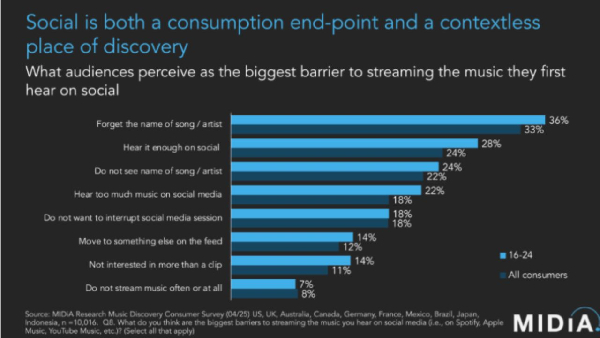


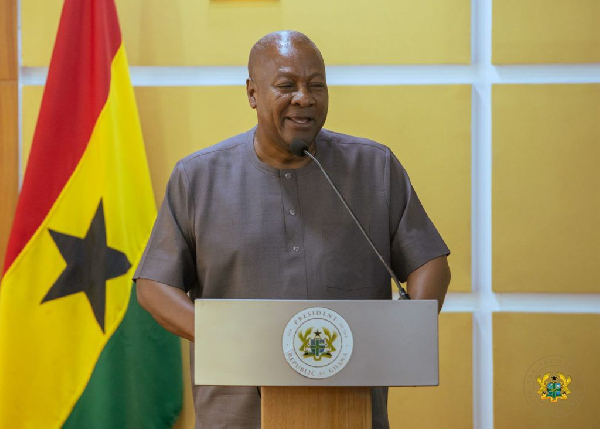
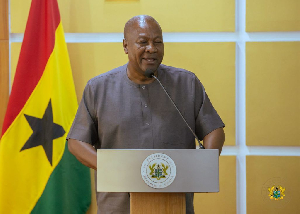





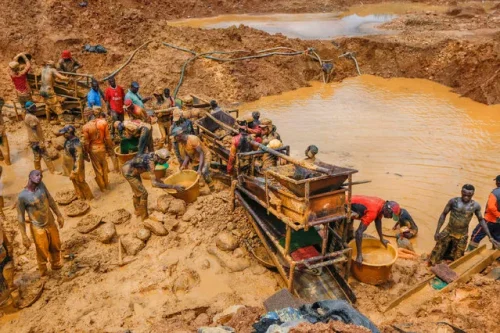



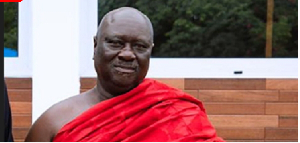

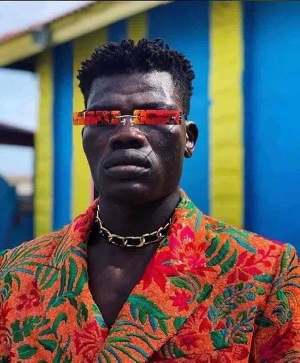


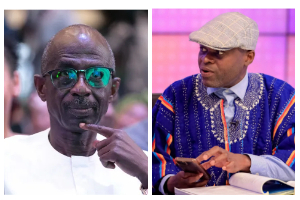



 Health officials at the Gomoa Fetteh CHPs compound say the lack of water has made it increasingly difficult to maintain hygiene and sanitation at the facility.
 “They were trying their best, but I saw they were frustrated. There’s no water at the facility, so they haven’t been able to wash the used bedsheets. The nurse on duty struggled before finding a clean one. So I’m even considering getting them an additional storage tank and support water delivery to the CHPs zone,” he said.
 “My people are suffering. A bucket of water is now selling at an exorbitant price. Not many can afford. The rate of infections may increase,” he lamented.