A national tracking poll conducted by Global InfoAnalytics has revealed a positive approval rating for President John Dramani Mahama’s government, with the majority of respondents saying the country is headed in the right direction.
This was disclosed by Musa Dankwa, the Executive Director and Head of Research at Global InfoAnalytics. In a Facebook post, the renowned pollster said all sixteen administrative regions in the country approve the job performance of President Mahama.
He added that his revelations are based on the September 2025 poll. Musa Dankwa noted that he will provide more information about the data soon.
“All regions approve of the job performance of the president according to the September 2025 poll.
More soon!!” He Facebook post reads.
This comes after an earlier national tracking poll conducted by Global InfoAnalytics revealed a positive approval rating for President John Dramani Mahama’s government, with 62 per cent of respondents saying the country is headed in the right direction.
Only 26 per cent disapproved of the government’s performance in the first three months of its administration, with 12 per cent of respondents declaring no opinion on the subject.
President Mahama’s strong start provides a solid foundation for his administration to push forward its agenda.
However, sustaining this level of public confidence will depend on the government’s ability to address economic challenges, implement key policies, and navigate the burgeoning parliamentary dynamics effectively.
With a significant majority of Ghanaians backing his leadership, the coming months will be crucial in determining whether this early momentum can be maintained.
Sunyani, (Bono), Sept. 22, GNA – Mr Dickson Kyere Duah, the Member of Parliament (MP) for Berekum West Constituency in the Bono Region has urged Ghanaians to re-dedicate themselves to the values of patriotism, as the nation marks Founder’s Day.
The Founder’s Day, Sunday, September 21, commemorates the birthday of Ghana’s first President, the late Osagyefo Dr Kwame Nkrumah, who was earlier Prime Minister and Africa’s foremost champion of continental unity and liberation of the black race.
A statement issued by the office of the MP and copied to the Ghana News Agency (GNA) in Sunyani described Dr Nkrumah as a champion of “independence and unity in Africa”, saying the best honour Ghanaians could show to the late statesman “is only to re-dedicate ourselves with discipline, patriotism which are the embodiment of Dr Nkrumah”
It said “let’s celebrate Dr Nkrumah’s contributions not only with words, but by re-dedicating ourselves to the values of patriotism, discipline, innovation, and unity. That is the modest way to honour his memory and to continue the journey he began”.
The statement noted that “Osagyefo Nkrumah’s life and legacy remind us of the power of vision, courage, and determination. He led Ghana to become the first sub-Saharan African country to gain independence in 1957, inspiring many other nations to pursue freedom and self-determination”, it stated.
The statement stresses that “his unwavering belief in African unity, industrialization, and education continues to shape the aspirations of generations long after him”.
It said “As the MP for Berekum West, I am highly inspired by Osagyefo’s example of selfless leadership and dedication to national progress.
His vision for an independent and prosperous Ghana challenges all of us to renew our commitment to creating a fair, inclusive, and forward-thinking society”, it stated.
“May the legacy of the late Osagyefo Dr Nkrumah continue to inspire Ghana, Africa, and the world”, it stated.
The North East Regional Police Command has seized 1,195 boxes of Tramadol Hydrochloride 120mg, commonly referred to as “Red”, and arrested six people in a significant anti-narcotics operation at Gbintiri, close to Nalerigu.
According to a police statement, the operation was carried out in collaboration with the Narcotics Control Commission (NACOC) on Thursday, September 18, 2025.
Two trucks suspected of transporting illicit substances were intercepted.
The trucks, with registration numbers GR 1712-16 and AW 4417-14, were reportedly loaded in Sankase, Togo, and headed toward Gbintiri.
Police identified the suspects as Alhassan Braimah, Yakubu Muntaka, Abdulai Shakur, Mumuni Iddrisu, Mumuni Yakubu, and Moses Ayorik.
“A search of the trucks uncovered 1,195 boxes of Tramadol Hydrochloride 120mg concealed among other goods in the truck with registration number GR 1712-16. The exhibits have since been secured for evidential purposes,” the statement said.
Investigators believe the consignment was intended for suspect Moses Ayorik, who was expected to deliver it to a recipient in Gushegu.
Police say the suspects have admitted their involvement in the smuggling attempt during interrogation.
DSP Robert Anabik Anmain, Public Affairs Officer for the North East Regional Command, confirmed that all six suspects remain in custody and are cooperating with investigators.
He noted that additional suspects linked to the smuggling syndicate are being pursued.
The police reiterated their commitment to dismantling drug trafficking networks and warned that the influx of such substances poses serious threats to public health and security, particularly in the northern regions.
Black Princesses coach Charles Sampson believes his team won’t be complacent going into the return fixture against Tunisia despite a 2:0 advantage.
He reiterated the need for the players to improve on their game going into the return leg at home.
“We came here, and our aim was to win, so I’m very impressed with the win. When it comes to the play itself, I know we can do even better than this. But looking at the long journey to get here, I’m very impressed with the way the girls recovered and performed on a field that’s so good, but very tough” Charles told ghanafa.org.
”It takes a lot of physical strength to play on this field, so I’m extremely impressed with their performance”.
”Our attack is one department where we always know we’re lacking, especially in the final third and with the final passes. Sometimes we need to be more patient when playing teams like this”.
”We’re working on it, but I’m happy we scored two goals today, and both goals came from our forward position” he added.
”It’s a two-leg tie, and we wanted a win here, which we’ve achieved. However, we won’t be complacent. We’ll still go all out to get a better result in Ghana and qualify for the next round of the qualifiers.”
Ghana will host Tunisia in Accra in the second leg encounter on September 28, 2025.
The Bank of Ghana (BoG) has projected that the country’s inflation rate could fall to single digits by the close of 2025, earlier than initially expected.
According to the Central Bank, the outlook is supported by ongoing monetary tightening, fiscal consolidation, and improvements in food supplies, all of which have helped accelerate the pace of disinflation.
“We have seen a rapid disinflation over the past months, and we expect that to be sustained going forward,” Dr Philip Abradu-Otoo said as quoted by myjoyonline.com.
At the beginning of the year, the BoG had anticipated achieving single-digit inflation in the first quarter of 2026.
Lending rates to drop in October after policy rate cut – BoG
However, Dr Abradu-Otoo explained that current economic developments have enabled the Central Bank to bring the target forward to the final quarter of 2025.
He also highlighted that the improved inflation outlook influenced the Monetary Policy Committee’s recent decision to cut its key lending rate by 350 basis points to 21.5%.
Dr Abradu-Otoo assured that the BoG is committed to maintaining monetary stability, stressing that policy consistency and strong reserve accumulation will remain priorities.
“The Bank of Ghana will definitely continue with what we are doing to ensure that things do not get out of hand,” he said.
Responding to concerns about the scale of the policy rate cut, he clarified that while all committee members agreed on the need for a reduction, the final margin was determined through a vote.
“The decision was unanimous in terms of the need for the policy to be cut; however, the margin was based on a vote,” he explained.
Sunyani, (Bono), Sept. 22, GNA – Mr Dickson Kyere Duah, the Member of Parliament (MP) for Berekum West Constituency in the Bono Region has urged Ghanaians to re-dedicate themselves to the values of patriotism, as the nation marks Founder’s Day.
The Founder’s Day, Sunday, September 21, commemorates the birthday of Ghana’s first President, the late Osagyefo Dr Kwame Nkrumah, who was earlier Prime Minister and Africa’s foremost champion of continental unity and liberation of the black race.
A statement issued by the office of the MP and copied to the Ghana News Agency (GNA) in Sunyani described Dr Nkrumah as a champion of “independence and unity in Africa”, saying the best honour Ghanaians could show to the late statesman “is only to re-dedicate ourselves with discipline, patriotism which are the embodiment of Dr Nkrumah”
It said “let’s celebrate Dr Nkrumah’s contributions not only with words, but by re-dedicating ourselves to the values of patriotism, discipline, innovation, and unity. That is the modest way to honour his memory and to continue the journey he began”.
The statement noted that “Osagyefo Nkrumah’s life and legacy remind us of the power of vision, courage, and determination. He led Ghana to become the first sub-Saharan African country to gain independence in 1957, inspiring many other nations to pursue freedom and self-determination”, it stated.
The statement stresses that “his unwavering belief in African unity, industrialization, and education continues to shape the aspirations of generations long after him”.
It said “As the MP for Berekum West, I am highly inspired by Osagyefo’s example of selfless leadership and dedication to national progress.
His vision for an independent and prosperous Ghana challenges all of us to renew our commitment to creating a fair, inclusive, and forward-thinking society”, it stated.
“May the legacy of the late Osagyefo Dr Nkrumah continue to inspire Ghana, Africa, and the world”, it stated.
A 20-year-old man has allegedly committed suicide by hanging at Obuasi, a suburb of Agogo in the Asante Akim North Municipality of the Ashanti Region.
The incident occurred on Sunday, September 22, at about 3 p.m.
Reports indicate that the deceased had returned from church with his girlfriend. After eating, the two decided to take a nap, but the girlfriend later woke up to find him hanging from the ceiling.
An alarm was raised, prompting personnel from the Agogo Police Service and the National Disaster Management Organisation (NADMO) to arrive at the scene around 7 p.m. The body was later conveyed to the Agogo Presbyterian Morgue for preservation and autopsy.
Police have since launched an investigation into the incident.
Read also
Aggrieved teachers threaten demo Sept 30 over 12-month salary arrears
Faith once again proved that he is a force to be reckoned with, winning the Head of House (HOH) title for the third time this season.
This is his third HOH win, having previously served as interim Head of House, a unique achievement that distinguishes him as an emerging dominant force in the Big Brother Naija Season 10 house.
Sammy Gyamfi, the National Communication Officer of the National Democratic Congress (NDC), has tackled criticisms of the National Chairman of the party, Johnson Asiedu Nketia’s ‘Thank You’ tour.
According to Sammy, there is nothing unusual about Asiedu Nketia’s ‘Thank You’ tour as he is not going on a personal capacity but as the chairman of the party.
On September 18, 2025, a Bank of Ghana team on Non-Interest Banking and Finance (NIBF), led by Prof. John Gatsi, Advisor at the Bank, on behalf of the Governor, Dr. Johnson Asiama, engaged representatives of Christian and Muslim leaders at the Bank Square.
The meeting was part of the Bank’s ongoing stakeholder consultations towards the development of an inclusive regulatory framework for the rollout of NIBF in Ghana.
Discussions touched on international regulatory standards, governance structures, and the establishment of both NIBF windows within conventional banks and fully fledged NIBF institutions.
Prof. Gatsi emphasised that NIBF would enhance financial inclusion, broaden economic opportunities, and expand consumer choice—ensuring fairness and non-discrimination.
Leaders of both faith groups expressed appreciation to the Bank for creating space for dialogue and collaboration on this important initiative.
The Bank of Ghana remains committed to fostering a financial system that serves all Ghanaians.
Samia Nkrumah is the daughter of the late Dr Kwame Nkrumah
There have been several longstanding conspiracy theories surrounding the death of Ghana’s first President, Dr Kwame Nkrumah.
While some believe he died from prostate cancer, others suggest he was poisoned.
Proponents of the poisoning theory claim that his trusted chef, who accompanied him into exile, died mysteriously, allowing other people access to his food and posing a risk to his health.
But in an exclusive interview with “The Break Down” on September 6, 2025, Samia Nkrumah, Dr Nkrumah’s daughter, addressed these claims, stating, “It’s very possible that he was poisoned because his trusted cook, Mr Amoah, who had traveled with him to Guinea, died suddenly.”
The Trip to Egypt and Nkrumah’s Call from China: Samia Nkrumah recounts her father’s coup day
She explained that after his death, there were different hands coming and going, so that could be a factor.
However, Samia Nkrumah also shared a vivid memory from her mother, suggesting another potential cause of his premature death: the 1962 Kulungugu bomb attack.
She recounted how the bomb, meant to assassinate her father, exploded as two children presented him with a bouquet.
“The sharp lead from the explosion goes all over his back, and he had to be hospitalised for almost a week or more,” she said.
Her mother told her that after being discharged, Dr Nkrumah expressed a concern, saying, “I don’t think I’m going to live long because too much lead has gone into my body and it’s possible that it will eventually poison me.”
Samia Nkrumah suggested that there were likely multiple factors contributing to her father’s death.
She also questioned whether he would have died so prematurely had he remained in Ghana and received better medical treatment.
She also pointed to the physical, mental, and emotional stress he endured from the assassination attempts and the setbacks to his dream for Ghana.
Adopt Nkrumah’s vision as a blueprint for national development – Armah-Kofi Buah
“You have to consider whether all the setbacks played a role in his death. Yes, he got sick, but what were all the events and incidents, including the assassination attempts, that led to that premature death?” she quizzed.
MRA/AE
Confusion erupts after ‘Igbo king’ is allegedly denied handshake with Otumfuo at Manhyia
Treasury bills were undersubscribed in last week’s auction
The government secured GH¢3.432.82 billion in its latest treasury bills auction on Friday, September 22, 2025.
This is an oversubscription from the target of GH¢3.019 billion.
Latest data from the Bank of Ghana showed that investors tendered a total of GH¢3.445.95 billion across the 91-day, 182-day, and 364-day bills.
According to the results released by the central bank, out of the bids tendered, only GH¢13.13 million was not accepted.
Government misses target, raises GH¢6.2 billion in latest T-bills auction
Also, bids worth GH¢2.581.67 billion were tendered for the 91-day bills, but only GH¢2.576.67 billion were accepted.
Out of GH¢613.82 million submitted for the 182-day bills, only GH¢608.82 million were accepted.
The 364-day bill received bids worth GH¢250.46 million, but only GH¢247.33 million were accepted.
Interest rates for the 91-day bill were 10.45%, while the interest rate for the 182-day bill was 12.36%.
Additionally, the interest rate for the 364-day bill was 12.88%.
However, the government aims to raise GH¢6.248.84 billion at the next auction.
The Bank of Ghana said the GOG Securities Wholesale Auction is open only to Primary Dealers.
All Primary Dealers are obliged to act as market makers in GOG Securities.
“The investing public interested in purchasing or selling GOG securities may do so on the secondary market (Ghana Fixed Income Market) through depository participants (including Primary Dealers),” the BoG said.
The fight against illegal mining in Ghana has reached a new level after a leading member of the New Patriotic Party (NPP), Paul Kwabena Yandoh, shocked many by going on his knees to plead with President John Dramani Mahama for urgent action.
On Sunday, September 21, 2025, Yandoh, who serves as the Ashanti Regional Communications Director of the NPP, visited the Agona Kwanyako community in the Central Region.
While addressing the press at the Kwanyako Water Treatment Plant, he surprised the crowd when he knelt down, begging the president to declare a state of emergency over the galamsey menace.
According to Yandoh, illegal mining has destroyed many rivers across the country, leaving treatment plants struggling to provide safe drinking water. He explained that the situation at Kwanyako is very alarming because the polluted water makes it almost impossible to produce clean water for the residents.
He reminded President Mahama of the National Democratic Congress (NDC) campaign promise to deal with illegal mining. Yandoh stressed that the time has come for the government to match words with action by cracking down on galamsey operators. He added that the health and safety of millions of Ghanaians are at risk if nothing urgent is done.
“The people of Kwanyako and other communities are suffering. Their water is unsafe, their lands are being destroyed, and their lives are in danger. This is why I am humbly begging the president to act now,” he said.
His unusual act of kneeling at a press conference quickly went viral on social media, with many Ghanaians sharing the video and commenting on the seriousness of the situation.
Some praised him for putting aside pride to speak for the people, while others questioned why such drastic action was needed before leaders take galamsey seriously.
The incident highlights how desperate the situation has become, as illegal mining continues to threaten water bodies, farmland, and the future of communities. Yandoh’s bold plea is a reminder that the fight against galamsey is no longer about politics but about survival.
Spokesperson for Dr Yaw Osei Adutwum’s presidential campaign, Mr Yaw Opoku Mensah, has emphasised that Ghana needs a new kind of leadership to lay the foundation for lasting socio-economic progress.
In an interview on Joy News about the upcoming NPP flagbearer primaries, Mr Opoku Mensah said the choice of a leader goes beyond internal party politics, stressing that the decision will shape the destiny of the nation.
“This election is not only about choosing a flagbearer. It is about who can carry Ghana into 2028 and beyond with vision, focus, and unity. That person is Dr Yaw Osei Adutwum,” he declared.
According to him, Dr Adutwum has shown throughout his public life that he is solution-driven and dedicated to tackling the real challenges facing ordinary Ghanaians, especially in education and job creation. He argued that the NPP must choose a leader whose vision reflects the aspirations of the Ghanaian people.
Mr Opoku Mensah was confident that the upcoming January 31, 2026, primaries would mark a turning point for the party and the nation.
“On that day, NPP delegates will not just be voting for a leader, they will be voting for the future of Ghana. Choosing Dr Adutwum means choosing growth, opportunity, and unity for our people,” he added.
He further noted that Dr Adutwum’s leadership qualities make him the strongest candidate to widen the NPP’s support base ahead of the 2028 elections. He said the additional votes and trust that DDrAdutwum would bring from ordinary citizens would give the party the winning margin to form the next government.
Mr Mensah concluded with a call for unity within the party, reminding members that the nation is watching closely.
“Ghanaians want a leader who listens, a leader who unites, and a leader who builds. Dr Drutwum represents that hope, and with him, the future of Ghana looks bright,” he affirmed.
He added that the journey ahead is not just about party politics but about securing a better tomorrow for every Ghanaian.
“This is about our children, our communities, and the destiny of our nation. With Dr Yaw Osei Adutwum, Ghana will rise stronger, fairer, and more prosperous,” he concluded.
DISCLAIMER: The Views, Comments, Opinions, Contributions and Statements made by Readers and Contributors on this platform do not necessarily represent the views or policy of Multimedia Group Limited.
DISCLAIMER: The Views, Comments, Opinions, Contributions and Statements made by Readers and Contributors on this platform do not necessarily represent the views or policy of Multimedia Group Limited.
The President of the University Teachers Association of Ghana (UTAG) at the Kwame Nkrumah University of Science and Technology (KNUST), Professor Eric Avabare, has launched a scathing criticism of both the opposition New Patriotic Party (NPP) and the governing National Democratic Congress (NDC), accusing them of failing Ghanaians in the fight against illegal mining, popularly known as galamsey.
In a Facebook post on Monday, September 22, 2025, Prof. Avabare expressed disappointment at what he described as the hypocrisy of the NPP’s renewed concern about the menace, arguing that the party had been complicit in fueling the crisis when it was in power.
“I am surprised the NPP suddenly appears concerned about the galamsey menace, but they were terribly worse than the devil himself. They passed the mining law LI 2462, oversaw the building of chanfangs, and issued more mining licenses than all previous administrations combined since independence,” he wrote.
He went further to say that both major political parties had failed the nation.
“These two destructive parties have destroyed Ghana in a literal sense because they are clueless about what they are doing. I blame Ghanaians squarely for knowing what they know about these two parties and still queuing to vote for them, while drinking poisoned water,” he added.
Prof. Avabare also criticised President John Dramani Mahama, accusing him of making excuses for his inability to address galamsey during his earlier term.
“President JDM looked into the eyes of Ghanaians and told them they had short memories, and yet when he returned promising to solve galamsey, they voted for him again. Instead, he gave weak excuses for why he could not stop the destruction of water bodies, forest reserves, and farmlands,” he wrote.
He lamented what he described as the complacency of the Ghanaian public in holding leaders accountable, contrasting it with how citizens in other African countries might have responded.
“The citizens of a serious country like Kenya would have engaged in civil disobedience right away! The inertness of the Ghanaian makes them complicit in this destruction because they also benefit from it,” he said.
Prof. Avabare concluded by invoking the memory of the late Major Maxwell Mahama and other victims of violence linked to illegal mining, warning that Ghanaians cannot absolve themselves from the consequences of galamsey.
Brocade is one fabric that speaks luxury, elegance, and culture all at once. Known for its rich texture, shiny surface, and intricate patterns, brocade is a favorite choice for women who want to make a bold fashion statement at weddings, traditional ceremonies, and high-end events.
Brocade gowns are among the most sought-after styles. From long flowing A-line gowns to fitted mermaid styles, brocade adds structure and sophistication to every design. Many women pair brocade gowns with lace or tulle for a balanced look that blends softness with strength.
For traditional events, brocade kaba and slit styles remain a timeless choice. The fabric’s regal appearance makes it perfect for engagement ceremonies, church services, and important family gatherings. Modern designs now feature puffed or bell sleeves, dramatic slits, and stylish peplum blouses to give a contemporary twist to this classic look.
Two-piece brocade sets are also trending think chic high-waisted trousers or pencil skirts paired with a brocade corset or cropped top. These styles are perfect for receptions, parties, and elegant dinners. Some fashionistas even rock brocade blazers over plain dresses or jeans to add a bold touch to a casual look.
Color is key when it comes to brocade. Rich tones like gold, burgundy, emerald green, navy blue, and royal purple bring out the fabric’s beauty. Accessories should be kept minimal, as the brocade fabric already carries a lot of detail and shine.
In essence, brocade is perfect for any woman who wants to express class, strength, and style all in one outfit. Whether you prefer traditional or modern cuts, brocade never fails to make you stand out confidently.
A prominent Ghanaian-American academic has issued an urgent call for the success of President John Dramani Mahama’s Operation Recover All Loot (ORAL) initiative, warning that failure could cost Ghana its economic future as corruption recovery efforts enter a critical phase.
Professor Stephen Kwaku Asare, a Democracy and Development Fellow at the Ghana Center for Democratic Development (CDD-Ghana), argues that ORAL represents Ghana’s best opportunity to break decades of failed anti-corruption cycles that have drained billions from national coffers. His intervention comes as the ORAL committee has identified cases potentially worth $20.49 billion across 36 major investigations, marking the most comprehensive corruption recovery effort in Ghana’s history.
Writing on social media, Professor Asare emphasized that ORAL transcends partisan politics, describing it as essential infrastructure for national development. The timing proves significant, as President Mahama recently received the committee’s preliminary findings and announced plans to forward cases to investigative agencies for immediate action.
The academic’s 10-point blueprint for ORAL success addresses systemic weaknesses that have historically undermined Ghana’s anti-corruption efforts. His recommendations include establishing dedicated anti-looting courts, implementing transparent recovery tracking systems, and creating strict timelines for asset seizures and prosecutions. The proposals reflect lessons learned from previous failures across multiple administrations.
Professor Asare’s analysis traces a pattern of corruption recovery initiatives dating back to the 1966 National Liberation Council through successive governments including Jerry John Rawlings’ Provisional National Defence Council (PNDC), John Agyekum Kufuor’s Zero Tolerance for Corruption initiative, and Nana Addo Dankwa Akufo-Addo’s pledges to fight graft. Each effort, he notes, began with grand promises but ended in selective enforcement and eventual collapse.
The current ORAL initiative has already demonstrated unprecedented scope and transparency. The committee processed 2,417 total complaints, including 44 formal petitions, suggesting widespread public engagement with the recovery process. Land-related cases alone reportedly carry an estimated value of $702.8 million, indicating the breadth of alleged misappropriation.
Central to Professor Asare’s argument is the connection between corruption and Ghana’s infrastructure deficit. He contends that stolen funds represent the very resources needed for roads, schools, and hospitals, making recovery efforts essential for national development rather than political vengeance. This framing positions ORAL as economic policy rather than partisan retaliation.
The professor’s emphasis on institutional cooperation addresses a critical weakness in previous efforts. His call for coordinated action between the Auditor-General, Economic and Organised Crime Office (EOCO), Office of the Special Prosecutor (OSP), and other agencies reflects understanding that fragmented approaches enable continued looting while hampering recovery.
Particularly significant is Professor Asare’s insistence on transparent tracking mechanisms. His proposed “ORAL Tracker” would publish real-time data on recoveries, prosecutions, and project funding from recovered assets. This addresses public skepticism about whether recovery efforts actually benefit ordinary Ghanaians or simply redistribute resources within elite circles.
The academic’s warning about enablers extends accountability beyond primary perpetrators to include lawyers, auditors, bankers, and other professionals who facilitate corruption. This approach recognizes that effective recovery requires dismantling entire networks rather than pursuing individual cases in isolation.
President Mahama has described ORAL as addressing financial leakages that undermine national development and erode public trust, aligning with Professor Asare’s broader themes about corruption’s systemic impact. The president’s commitment to immediate investigations suggests responsiveness to calls for urgent action.
However, challenges remain substantial. Critics have already begun questioning ORAL’s effectiveness, with some describing ongoing corruption as Ghana’s “toothache” despite eight months of the new administration. These concerns underscore Professor Asare’s warnings about the consequences of another failed recovery effort.
The professor’s constitutional framing of ORAL as implementing national values of “probity and accountability” provides legal foundation for aggressive recovery efforts while deflecting accusations of political persecution. His argument that honest citizens need not fear ORAL aims to build public support while isolating those who have misappropriated public funds.
Looking ahead, Professor Asare’s timeline recommendations call for asset freezing within 30 days, recovery within six months, and quarterly progress reports. These aggressive deadlines reflect understanding that prolonged processes historically favor those with resources to resist accountability through legal delays and political maneuvering.
The success or failure of ORAL will likely determine whether Ghana can break what Professor Asare describes as a destructive cycle where “grand promises, selective enforcement, fresh scandals, and eventual collapse” perpetually undermine anti-corruption efforts. With billions potentially at stake, the initiative represents a defining test of Ghana’s institutional capacity and political will to pursue systemic change.
Shatta Wale warned his followers against being influenced to protest
Ghanaian Dancehall artiste, Shatta Wale, has urged Ghanaians to take personal responsibilities for their lives instead of blaming politicians for their struggles.
In a heated address to his fans during a TikTok Live session on September 20, 2025, the musician, known for his outspoken views, cautioned his followers against being influenced by others to protest or fight the government when they stand to gain nothing from it.
“Stop listening to people; it is not working. You are delaying your own time. Don’t let someone influence you to go and fight some government when you know that you’re not going to benefit from it. Those influencing you know their own mindset,” he stated.
Government is ‘clueless’ about content creation – Shatta Wale laments
Shatta Wale emphasised that citizens have the power to change their own circumstances through initiative and hard work, rather than blaming the government for their woes.
“You guys allow it. So, don’t blame politicians for your losses and your lazy life. Politicians do not own your life. Own your own life. There are a whole lot of ways you can create something for yourself,” he added.
The comments come at a time of resurging public debates about governance, economic conditions, and youth unemployment in Ghana.
Watch the video below:
Dancehall star Shatta Wale went live on TikTok, urging Ghanaians to stop blaming politicians for their hardships or laziness. According to him, politicians don’t control people’s lives; individuals must take charge and create opportunities for themselves. pic.twitter.com/Z0kxG6K9rw
54 Ghanaian candidates were celebrated for achieving their CGMA designations.
Ghana strengthened its financial services sector with 54 accounting professionals earning the prestigious Chartered Global Management Accountant (CGMA) designation, recognized as “the premier management accounting credential, indicating advanced proficiency in finance, operations, strategy and management” according to global standards.
The Chartered Institute of Management Accountants (CIMA) honored the professionals during an awards ceremony held September 20 in Accra, marking another milestone in Ghana’s development of world-class financial expertise. CIMA forms part of AICPA & CIMA, “the most influential body of accountants and finance experts in the world, with 689,000 members, students and engaged professionals globally” advocating for professional excellence.
Tariro Mutizwa, Fellow of the Chartered Institute of Management Accountants (FCMA) and Vice President for Africa, emphasized the strategic importance of these qualifications for Ghana’s economic development. The ceremony represents significant achievement for local professionals who demonstrated exceptional dedication to completing rigorous international standards.
Paul Aninakwah, Associate Chartered Management Accountant (ACMA) and Ghana Country Director, highlighted that earning the CGMA designation positions recipients as commercially astute professionals capable of driving sustainable business performance and long-term value creation across organizations.
The CGMA qualification requires candidates to demonstrate expertise across multiple domains including financial management, strategic planning, risk assessment, and performance measurement. CIMA recently upgraded its “Chartered Global Management Accountant (CGMA) Professional Qualification syllabus, effective 2026” to meet evolving industry demands and technological advancement.
Ghana’s growing pool of internationally certified accountants supports the country’s ambitions to become a regional financial hub while strengthening local capacity for complex business analysis and strategic planning. The designation holders are now equipped to pursue leadership positions across industries including banking, manufacturing, telecommunications, and public sector organizations.
The achievement reflects Ghana’s commitment to professional development and adherence to international best practices in financial management. These professionals join a global network that enables knowledge sharing, career advancement, and access to cutting-edge industry insights from around the world.
CIMA’s presence in Ghana dates back decades, with the organization playing a crucial role in developing local accounting talent through rigorous education standards and continuous professional development requirements. The Institute’s qualification framework ensures that designated professionals maintain current knowledge of evolving business practices and regulatory requirements.
The ceremony coincided with broader initiatives to enhance Ghana’s financial services infrastructure and regulatory framework, positioning the country as an attractive destination for international business operations and investment opportunities across West Africa.
The 54 newly designated professionals represent diverse sectors of Ghana’s economy, bringing enhanced analytical capabilities and strategic thinking to organizations ranging from multinational corporations to local enterprises and government institutions committed to excellence in financial stewardship.
Their achievement demonstrates Ghana’s capacity to produce world-class talent capable of competing effectively in global markets while contributing to sustainable economic development through improved financial management and strategic decision-making processes.
Shatta Wale warned his followers against being influenced to protest
Ghanaian Dancehall artiste, Shatta Wale, has urged Ghanaians to take personal responsibilities for their lives instead of blaming politicians for their struggles.
In a heated address to his fans during a TikTok Live session on September 20, 2025, the musician, known for his outspoken views, cautioned his followers against being influenced by others to protest or fight the government when they stand to gain nothing from it.
“Stop listening to people; it is not working. You are delaying your own time. Don’t let someone influence you to go and fight some government when you know that you’re not going to benefit from it. Those influencing you know their own mindset,” he stated.
Government is ‘clueless’ about content creation – Shatta Wale laments
Shatta Wale emphasised that citizens have the power to change their own circumstances through initiative and hard work, rather than blaming the government for their woes.
“You guys allow it. So, don’t blame politicians for your losses and your lazy life. Politicians do not own your life. Own your own life. There are a whole lot of ways you can create something for yourself,” he added.
The comments come at a time of resurging public debates about governance, economic conditions, and youth unemployment in Ghana.
Watch the video below:
Dancehall star Shatta Wale went live on TikTok, urging Ghanaians to stop blaming politicians for their hardships or laziness. According to him, politicians don’t control people’s lives; individuals must take charge and create opportunities for themselves. pic.twitter.com/Z0kxG6K9rw
The Ghana cedi has crossed the GH¢12 mark on the interbank exchange market.
This is the first time since May 2025, following a period of consistent appreciation against the US dollar.
As of Monday, September 22, 2025, Bank of Ghana published rates indicate that the cedi is trading at GH¢12.27 to the dollar, reflecting renewed pressure on the local currency amid persistent economic challenges and high demand for foreign exchange.
Despite headline inflation dropping marginally, the cedi continues to struggle on both the interbank and forex markets, depreciating steadily against the dollar.
The depreciation is expected to impact fuel prices at the pump in the upcoming pricing windows, increase the cost of living, and likely complicate the government’s quest to achieve single-digit inflation by the end of the year.
Here’s how the cedi is faring on the BoG interbank market as of 8:00 AM, September 22, 2025:
• Dollar – Buying at GH¢12.26, Selling at GH¢12.27
• Pound – Buying at GH¢16.53, Selling at GH¢16.55
• Euro – Buying at GH¢14.41, Selling at GH¢14.42
Ghana explores port partnership with US to boost trade
Here’s how the cedi is trading at the forex bureaus
• Dollar – Buying at GH¢13.00, Selling at GH¢13.45
Dancehall superstar Shatta Wale has finally addressed his absence from the final funeral rites of the late Asantehemaa, Nana Konadu Yiadom III, an event that brought together some of the most prominent figures in Ghana, including former presidents, traditional rulers, and top celebrities.
Many fans and observers had expressed surprise that the self-proclaimed “Dancehall King,” who is known for his strong connection to the Ashanti Region and his admiration for Asante culture, was nowhere to be seen at the highly publicised funeral ceremony in Kumasi.
In a recent statement, Shatta Wale clarified that his absence was not due to disrespect or indifference, but rather because he wasn’t invited and he didn’t want to show up uninvited.
“In his Words”
“I wanted to attend the funeral but nobody invited me. I didn’t want to show up uninvited and have people think I was there to misbehave, so I honored the occasion from my home”, Shatta Wale said.
Shatta Wale used the opportunity to commend Otumfuo for his exemplary leadership and dedication to preserving the traditions and heritage of the Ashanti Kingdom.
He praised the Asantehene for uniting the nation and fostering peace and stability, saying that Ghana is fortunate to have a traditional ruler of his calibre. He also expressed his condolences to the entire Asanteman and pledged to personally visit Kumasi to pay his respects to the royal family when his schedule allows.
The dancehall artiste encouraged Ghanaians to respect and cherish their cultural institutions, stressing that events like the Asantehemaa’s funeral are not just for the Ashanti people but for the entire nation. He promised to continue using his platform to promote unity, culture, and national pride, reassuring his fans that his absence from the funeral does not diminish his love and respect for the Ashanti Kingdom.
An image with the picture of the former Education Minister Dr. Yaw Adu Osei Adutwum has popped up with the inscription “10 SINS OF DR. YAW OSEI ADUTWUM.
The flyer details alleged misconduct or controversies associated with Dr. Yaw Osei Adutwum an NPP Flagbearer hopeful.
Dr. Yaw Osei Adutwum, Ghana’s former Minister of Education under President Nana Addo Dankwa Akufo-Addo, has faced numerous allegations during and after his tenure.
Ho (V/R), Sept. 22, GNA – One of two suspects, who escaped from Police cells at the Kadjebi Police Station in the Oti Region on Saturday, afternoon has been re-arrested.
The other one is being tracked to be apprehended with the Kadjebi Police Command placing a ransom of GHC2,000 on information leading to his recapture.
The suspects exploited the single presence of a Police officer on duty—broke the cell door, and assaulted the officer, and escaped from custody.
Superintendent Frank Nana Asomaning, the Kadjebi District Police Commander, who confirmed the incident to the Ghana News Agency (GNA) in a telephone interview on Monday, said strenuous efforts were activated for his re-arrest, seeking public support.
He said the two suspects attacked the female Police officer on duty, beat her mercilessly, and fled.
L/Cpl. Gyapong has been rushed to the St. Mary Theresa Catholic Hospital in Dodi-Papase for medical attention, where she is responding to treatment.
Supt. Asomaning disclosed that one of the escapees was re-arrested on Sunday, September 21, and is currently in Police custody.
He added that efforts are underway to re-arrest the second escapee, and investigations into the incident have commenced.
Former Unilever executive Yaw Nsarkoh has delivered a scathing critique of Ghana’s democratic trajectory, arguing that education represents the only pathway to dismantling what he terms a “Santa Claus democracy” that perpetuates poverty cycles and reduces citizens to token beneficiaries.
Speaking during the closing of Springboard’s 17th-anniversary Thinkathon series, Nsarkoh emphasized that “knowledge is the most powerful productive force and must be embraced if the country is to experience true liberation.” His intervention comes as Ghana grapples with systemic challenges that traditional economic indicators fail to capture.
The strategic adviser challenged Ghana’s progress metrics, questioning whether gross domestic product growth truly reflects societal advancement when citizens lack basic necessities and critical thinking capabilities. The Thinkathon series, which has operated for seventeen years as a platform for “thinking boldly” and “acting responsibly,” provided the backdrop for Nsarkoh’s provocative assessment of national development priorities.
Nsarkoh painted a stark picture of Ghana’s current reality, asking whether increased school construction translates to meaningful learning opportunities and whether the nation has created environments conducive to intellectual growth. His critique extended to visible governance failures, citing uncollected garbage as evidence of a society struggling to envision its future.
The former Unilever Global Markets Executive Vice President warned against democratic processes that reduce impoverished citizens to electoral commodities, where votes become transactions rather than expressions of genuine political choice. This monetization of politics, he argued, ensures that children born into poverty remain trapped in generational cycles of disadvantage.
Drawing on Nobel Laureate Wole Soyinka’s observation that Africa’s democratic variant has become a “public auction for the highest bidder,” Nsarkoh challenged the fundamental assumptions underlying Ghana’s political economy. His critique suggests that without educational transformation, democratic institutions merely serve elite interests while marginalizing ordinary citizens.
The business leader’s prescription focuses on comprehensive educational reform that extends beyond formal schooling to encompass critical thinking development and opportunity creation. He specifically recommended that Ghanaians engage with complex literature such as “Material World” by Ed Conway to deepen their understanding of global economic systems and resource dynamics.
Nsarkoh’s platform, Springboard Your Virtual University, has operated as Ghana’s “leading motivational and personal development broadcast” since August 2008, providing him with extensive insight into the nation’s human capital challenges and opportunities.
His analysis reflects broader concerns among Ghana’s intellectual class about democratic quality and social mobility. The intervention comes at a critical juncture as the nation prepares for future electoral cycles amid persistent socioeconomic challenges that traditional policy approaches have failed to address adequately.
The former corporate executive’s emphasis on education as liberation tool resonates with ongoing debates about Ghana’s development trajectory and the role of human capital in sustainable transformation. His critique suggests that without fundamental educational reform, political democracy remains largely cosmetic, serving elite interests while failing to deliver meaningful change for ordinary citizens.
Nsarkoh’s call for educational transformation extends beyond policy recommendations to encompass cultural change that prioritizes intellectual development, critical thinking, and genuine opportunity creation for all citizens regardless of their socioeconomic backgrounds.
Heading back to campus is the perfect time to refresh your look and express your style through your hair. Whether you’re going for simple, classy, or bold, the right hairstyle can boost your confidence and keep you looking sharp all semester long.
1. Sleek Ponytail: This timeless look is perfect for lectures, presentations, or just a busy day on campus. You can go low and sleek or high and playful, depending on your mood and outfit.
2. Braided Styles: From box braids to knotless braids and cornrows, braided hairstyles are not only trendy but also protective and low-maintenance. They’re ideal for students with tight schedules who still want to look put-together.
3. Afro Puff or Natural Curls: Embrace your natural texture! A defined afro puff or twist-out brings out your beauty effortlessly. It’s bold, easy to maintain, and lets your personality shine through.
4. Half-Up, Half-Down Styles: This versatile look keeps hair out of your face while still letting you show off your length or curls. Add a braid or bun at the top for a stylish twist.
5. Bantu Knots or Mini Twists: These are bold, fun, and perfect for making a statement on campus. They also serve as a great base for a twist-out after a few days.
6. Bob Cuts or Wigs: For students who love a switch-up, a bob wig or weave gives a fresh, chic look with minimal effort.
7. Protective Updos: Think bun styles, roll-and-tuck, or flat twists. These styles keep your hair safe and neat while still looking elegant and academic-ready.
No matter your style, comfort and maintenance should be top priorities. Choose a hairstyle that fits your personality and helps you feel confident as you step back on campus!
Former Government Spokesperson on Governance and Security, Dr. Palgrave Boakye-Danquah, has argued that Ghana cannot be said to have a single founder, insisting that independence was won through the collective efforts of many political figures.
Speaking on Breakfast Daily on Channel One TV on Monday, September 22, 2025, Dr. Boakye-Danquah reflected on the 116th birthday of Ghana’s first President, Osagyefo Dr. Kwame Nkrumah, marked on September 21.
He said while Nkrumah deserves national recognition, it is misleading to describe him as Ghana’s sole founder.
“In a strict sense, Ghana does not have a founder. It was a group of people who came together and contributed to securing independence for the country in 1957. Ghana should have a separate day to celebrate Kwame Nkrumah as our first President, but not necessarily as the founder of the nation,” he said.
Dr. Boakye-Danquah further noted that Ghana’s development is shaped by a shared national identity rather than the vision of Dr. Kwame Nkrumah.
“Dr. Kwame Nkrumah’s dream is not just a dream that everyone must follow. I believe the blueprint of Ghana has already been laid, if you look at some of the historical antecedents. It is difficult for me to say successive governments are living out Nkrumah’s dream, because I feel that it is the ‘Ghanaism’ that we all share which must drive our development, not necessarily the ideals and ethos of one individual,” he explained.
He added that Ghana’s survival through successive republics should be credited not only to Nkrumah but also to the colonial administrators and other leaders who played critical roles in the independence struggle.
“We need to appreciate the journey we’ve had as a country. We must weigh the successes of all the republics in the context of global politics and pat ourselves on the back for surviving. Our survival is premised on the foundations laid by the colonial fathers and the people who fought for our independence,” Dr. Boakye-Danquah said.
Big Brother Naija Season 10 housemate, Kuture, has responded to comments about how other housemates perceive him in the house.
During the Week 8 live eviction show on Sunday, host, Ebuka Obi-Uchendu revealed that both current and evicted housemates had repeatedly described Kuture as the journalist and gossip of the house.
Broadcast journalist Nana Aba Anamoah was figuratively served a “plate of humble pie” over a recent comment she made on UTV regarding the funeral of the late Asantehemaa.
The overly verbose motor-mouth journalist was on UTV’s United Showbiz program pontificating over a supposed inability of media houses to provide educative commentary on the coverage of the cultural display at the late Asantehemaa’s “Dɔte Yie”.
Peasant farmers are warning that Ghana’s annual food import bill of over $3.5 billion could climb even higher if government fails to take stronger action against illegal mining.
Their concerns follow a new study by Pure Earth and the Environmental Protection Agency (EPA), which revealed widespread contamination from mercury, arsenic, lead, and other heavy metals across artisanal and small-scale gold mining areas. The findings pose grave risks to both public health and food security.
Speaking to Citi Business News, the Executive Director of the Peasant Farmers Association of Ghana, Bismark Nortey, cautioned that the country’s food import costs may escalate further if farmlands and water sources are not safeguarded.
“I urge all ministries and government agencies responsible to use this report as a benchmark to protect our farmers. If the situation continues and farmers are forced to abandon production, the impact on our nation will be catastrophic.
The current amount we spend on food imports, which we have already complained about, could escalate even more if nothing is done—especially as Ghanaian consumers become increasingly cautious about the safety of locally produced food,” he said.
The year-long study titled, Mercury and Other Heavy Metals Impact Assessment, conducted from August 2024 to September 2025 by Pure Earth in collaboration with the Ghana Environmental Protection Agency (EPA), examined soil, water, air, fish, and food crops in six regions: Ashanti, Eastern, Central, Western, Western North, and Savannah.
Mercury Pollution Off the Charts
In Konongo Zongo (Ashanti Region), mercury levels in soil reached 1,342 ppm, over 130 times the safe limit. Airborne mercury at Wassa Kayianko (Western Region) peaked at 150 μg/m³, 150 times above Ghana’s permissible level.
Arsenic Contamination Widespread
Dangerous arsenic levels were found in nearly all regions. Soil in Konongo Zongo recorded 10,060 ppm, 4000% above safe levels, while water in Konongo Odumase showed concentrations of 3.3 mg/L, vastly exceeding drinking water standards.
Lead in Food and Fish
Lead concentrations in fish from Akwaboso (Central Region) and Konongo Zongo surpassed WHO safety limits, with some samples reaching 2.8 mg/kg. Vegetables such as pumpkin leaves in the Western North also showed lead levels as high as 3.1 mg/kg.
Crops Contaminated Across Regions
Mercury, arsenic, and lead were detected in kontomire, tomatoes, cereals, legumes, and tubers, with some values well above international food safety thresholds.
Water Sources Polluted
Several boreholes and streams used for drinking water were contaminated, with lead and arsenic levels exceeding WHO guidelines, posing a direct risk to community health.
Public Health at Risk
The study warns that residents, especially in mining communities, face chronic exposure through multiple routes — inhalation, ingestion, and skin contact — with potential long-term effects on the nervous system, kidneys, and child development.
Recommendations
The researchers propose urgent multi-sectoral action, including remediation pilots in hotspots like Konongo Zongo using low-cost technologies such as phytoremediation.
Kwesi Pratt Jnr is the Managing Editor of the Insight Newspaper
The Managing Editor of the Insight Newspaper, Kwesi Pratt Jnr, has issued a stern warning about the growing influence of money in Ghanaian politics, cautioning that the country risks electing mentally-unfit individuals to high offices if the trend continues unchecked.
In a video shared on X on Monday, September 22, 2025, Pratt expressed deep concern over how financial power has become the dominant force in political party structures and candidate selections.
He argued that the prioritisation of wealth over competence and integrity could have dangerous consequences for Ghana’s democracy.
“Looking at the way things are going, extra care needs to be taken. Money has become so influential in some political parties that it can allow mentally challenged individuals to become party chairmen or even presidential candidates,” he said.
Pratt lamented that Ghana’s political landscape is increasingly driven by financial muscle rather than merit, warning that this could lead to a future where leadership is determined not by vision or capability, but by who can afford to buy influence.
Kwesi Pratt Jr shares light on how urgently Africa deserves reparations from the West
“We will keep following money until one day a mentally challenged person becomes a party chairman or a presidential candidate simply because that person has money. That is the scariest part,” he added.
Drawing on historical examples, Pratt referenced Adolf Hitler, questioning how someone with such a destructive legacy could have been elected to lead a nation.
“Someone like Hitler was voted for to become a president. But how come Germans voted for Hitler, knowing his condition at the time? What was worse than what Hitler did, yet he became a president,” he said.
He stressed that history is filled with examples of mentally-unstable individuals who rose to power, often with devastating consequences for their countries.
According to Kwesi Pratt Jnr, Ghana must learn from these lessons and take proactive steps to prevent similar outcomes.
“There are many examples I can give of mentally challenged persons who became presidents. We need to be careful about the line we are towing; otherwise, we can experience that very soon,” he stressed.
‘This one too wants to be called honourable?’ – Kwesi Pratt jabs politician
Pratt concluded by urging Ghanaians to rethink their approach to politics, emphasising that prayer alone is not enough.
He called for a shift from money-driven politics toward a system that values competence, vision, and the ability to deliver meaningful change.
“This is not about prayers. We need to reduce how we are using money to influence politics and instead think about voting for the person who can bring the best to the country and experience significant changes. That should be our grounds—not money,” Pratt advised.
One day a mentally challenged person would become President of this country because of money.
-Ghanaian journalist and media personality, Kwasi Pratt has raised concern over the current trend in the country’s politics, where the choices of electorates are highly influenced by… pic.twitter.com/qoY9QmO7ME
The Ghana Incentive-Based Risk Sharing System for Agricultural Lending (GIRSAL) is pressuring banks to reduce interest rates on agricultural loans after the Bank of Ghana (BoG) approved its guarantees as acceptable collateral, potentially transforming financing for the country’s flagship 24-Hour Economy initiative.
GIRSAL’s credit guarantees now carry zero percent risk rating from BoG, providing banks with cash-backed protection against agricultural loan defaults up to 70 percent coverage. The policy change removes the most significant financial barrier facing Ghana’s agriculture sector, which has struggled with prohibitively high lending rates.
At Thursday’s Banking Roundtable on financing the 24-Hour Economy, GIRSAL officials argued that banks should eliminate default risk premiums from agricultural loan pricing since guarantees provide comprehensive indemnification against losses.
“We are saying our guarantee can be used as collateral to support funding to the agriculture sector. In the event of defaults, GIRSAL will be ready to indemnify you or pay back the outstanding portion,” the institution stated, emphasizing that 22 financial institutions including rural community banks have signed master agreements.
The intervention comes as government targets eight to 12 percent interest rates for small-medium enterprises, particularly agribusinesses expanding for export markets under the 24-Hour Economy program. Current agricultural lending rates often exceed 30 percent due to perceived sector risks.
GIRSAL’s justification centers on loan pricing methodology, where rates combine the Ghana Reference Rate (GRR) plus margins including default risk components. Since guarantees directly cushion lenders against defaults, the institution argues this risk premium should no longer influence agricultural loan calculations.
Presidential Advisor Augustus Goosie Tanoh warned at the banking roundtable that systemic financial challenges could undermine the economic transformation program, calling for comprehensive banking sector reforms to support round-the-clock production financing.
The timing proves critical as government seeks banking sector buy-in for the ambitious 24-Hour Economy requiring substantial credit expansion. The initiative demands sustainable financing mechanisms to enable continuous agricultural production and processing operations.
GIRSAL has guaranteed GH¢1.2 billion in agricultural loans since inception five years ago, successfully de-risking financing for a sector traditionally considered high-risk by financial institutions. The organization provides technical assistance and capacity building for fund providers including Ghana Infrastructure Investment Fund (GIIF) and Ghana EXIM Bank.
Beyond risk-sharing, GIRSAL offers training programs for financial institutions to appraise agribusiness projects while preparing borrowers to meet lending standards. This comprehensive approach aims to boost confidence in agricultural lending beyond guarantee mechanisms.
The BoG policy change positions Ghana’s agricultural sector for unprecedented financing access, potentially unlocking growth in cocoa, palm oil, and emerging crops targeted for 24-hour processing cycles. Reduced borrowing costs could enable farmers to invest in irrigation, mechanization, and value-added processing.
Banking sector response remains cautious despite government pressure for credit expansion. Industry executives acknowledge guarantee benefits but emphasize broader risk management considerations including commodity price volatility and climate change impacts.
The 24-Hour Economy initiative faces testing ground in banks’ risk appetite, with policymakers acknowledging heavy dependence on financial sector willingness to expand credit while managing exposure. Government plans to mobilize $4 billion through blended finance, pension funds, and diaspora capital.
GIRSAL’s guarantee scheme covers diverse agricultural value chains from primary production through processing and marketing. The organization’s zero percent risk rating from BoG provides unprecedented security for lenders venturing into agricultural financing.
Market analysts suggest successful rate reductions could trigger agricultural lending surge, supporting government objectives to transform Ghana into food processing hub operating continuous production cycles. The policy alignment between GIRSAL guarantees and 24-Hour Economy financing needs creates optimal conditions for sectoral transformation.
As banking executives evaluate GIRSAL’s rate reduction demands, the agricultural sector awaits concrete interest rate adjustments that could determine the 24-Hour Economy’s success in unlocking Ghana’s agricultural potential through accessible, affordable financing mechanisms.
Segun Arinze Criticizes Self-Styled ‘Igbo King’ in Ghana
News Hub Creator1d
Veteran Nigerian actor Segun Arinze has sparked controversy after publicly criticizing a man who claims the title of “Igbo King” in Ghana. The actor expressed his disapproval over what he described as a misleading and unofficial claim to royalty, questioning the legitimacy and cultural accuracy of such a title outside Nigeria. His remarks have stirred debate across social media, with many Nigerians weighing in on the issue of diaspora leadership and representation.
Arinze’s comments reflect growing concerns about individuals adopting traditional titles without proper endorsement from recognized institutions or communities. He argued that the title “Igbo King” carries deep cultural significance and should not be used casually or for personal branding. According to him, such actions risk distorting the heritage and traditions of the Igbo people, especially when presented to foreign audiences.
The actor’s stance has received mixed reactions. While some support his call for cultural integrity and accountability, others believe diaspora communities should be allowed to organize and honor their leaders in ways that reflect their unique circumstances. The debate touches on broader themes of identity, tradition, and the evolving role of cultural symbols among Nigerians living abroad.
As the conversation continues, Segun Arinze’s critique has reignited discussions about who gets to represent ethnic groups in the diaspora and under what authority. Whether seen as a defense of tradition or a challenge to self-appointed leadership, his comments have added a new layer to the ongoing dialogue about cultural authenticity and respect within the global Nigerian community.
US-based Ghanaian journalist Kevin Taylor has cautioned Mustapha Gbande, Deputy National Chairman of the National Democratic Congress (NDC), to refrain from interfering in FixTheCountry’s anti-galamsey demonstration currently underway in Accra.
The civic movement, known for its fierce advocacy against illegal mining and government inaction on environmental issues, is holding a vigil today, Sunday, September 21, at Revolution Square. Organisers say the event is meant to highlight what they describe as the devastating impact of galamsey on Ghana’s rivers, forests, and communities.
Oliver Barker-Vormawor, the group’s convenor, announced that the vigil will be followed by a nationwide march on Monday, September 22 — a public holiday — to sustain pressure on government. He stressed that the demonstrations are in direct response to what the movement views as weak political will from President John Dramani Mahama to address the crisis.
In a Facebook post, Kevin Taylor alleged that Mr. Gbande had shown up at the protest grounds. He urged the NDC executive to step aside and allow demonstrators to carry out their civic action without intimidation.
“Mustapha Gbande, you are overdoing too much. Your position in the Flagstaff House is not to be sniffing around chasing clout. Allow the demonstrators to demonstrate; if they have a petition, they will submit it. If there’s a need to enforce order, the police are there to make sure everything goes well. You have no business at the venue. Leave them alone,” Taylor wrote.
FixTheCountry has consistently accused both the ruling and opposition parties of playing politics with galamsey enforcement, claiming this has allowed the illegal mining trade to thrive at the expense of public health, agriculture, and water security.
As the vigil and Monday’s march unfold, public attention remains focused on whether the government will heed calls for urgent and decisive action against what many now describe as an “environmental emergency.”
Police and fire service officials have launched a joint investigation into the suspected arson attack on a vehicle belonging to William Kwaku Boateng, former New Patriotic Party (NPP) vice chairman for Atebubu Amantin constituency, in the early hours of Sunday, September 21.
Unidentified assailants set fire to Boateng’s Toyota Land Cruiser, registered GS 1001-19, around 1:45 a.m., causing extensive damage to the vehicle before firefighters managed to bring the blaze under control. The attack occurred in Atebubu, the constituency’s main town in the Bono East Region.
Investigators reportedly discovered compelling evidence pointing to deliberate arson at the scene, including boxes of matches and bottles suspected to contain fuel. The presence of such materials suggests the attack was premeditated rather than opportunistic, according to preliminary findings.
Police and fire officials have appealed to the public for information that could assist in identifying the perpetrators and establishing the motive behind the attack. The investigation seeks to determine whether the incident was politically motivated or stemmed from other personal or business disputes.
The timing of the attack has raised concerns about potential political tensions in the constituency, particularly as Ghana approaches electoral activities. However, authorities have not established any direct connection between the incident and political activities at this stage of the investigation.
Atebubu Amantin constituency has experienced internal NPP conflicts in recent years, including disputes over municipal appointments and leadership issues. In 2023, approximately 200 NPP members in the constituency demanded the removal of the Municipal Chief Executive, citing dissatisfaction with local governance.
The constituency has also seen tensions over traditional council engagements and district-level election preparations, though no direct links to the current incident have been established. Local party dynamics and leadership changes could potentially provide context for understanding the attack’s motivation.
William Kwaku Boateng’s role as former vice chairman would have involved him in local party organization, candidate selection processes, and constituency-level decision-making. Such positions often expose individuals to various political and personal relationships that could generate conflicts.
The use of arson as a method of attack suggests a calculated attempt to cause significant financial damage while sending a message to the victim. Vehicle destruction through fire eliminates evidence while creating psychological impact beyond mere property damage.
Fire service response time appears to have been effective in preventing the blaze from spreading to nearby properties or causing additional damage. The quick intervention likely saved surrounding structures and prevented potential casualties.
The Bono East Region has generally maintained relative peace compared to other areas of Ghana, making this incident particularly notable for local security agencies. Regional security coordinators may need to assess whether additional measures are required to prevent similar attacks.
Political party officials across the constituency will likely be concerned about their own security following this incident, particularly if the attack proves to be politically motivated. Party leadership may need to review security protocols for prominent members.
The investigation’s outcome could have implications for political activities in the constituency, especially if evidence suggests systematic targeting of party officials. Law enforcement agencies will need to ensure thorough investigation to maintain public confidence in security arrangements.
Community members in Atebubu are reportedly concerned about the brazen nature of the attack, which occurred in the early morning hours when residential areas typically experience minimal activity. The timing suggests perpetrators felt confident about avoiding detection.
Local traditional authorities and opinion leaders may need to engage in conflict resolution efforts if the incident stems from community-level disputes that have escalated to criminal activity. Such intervention could prevent potential retaliation or further violence.
The financial impact on Boateng includes not only vehicle replacement costs but potentially increased security measures and insurance implications. Such attacks often have broader economic effects on victims beyond immediate property loss.
Kwesi Pratt Jnr is the Managing Editor of the Insight Newspaper
The Managing Editor of the Insight Newspaper, Kwesi Pratt Jnr, has issued a stern warning about the growing influence of money in Ghanaian politics, cautioning that the country risks electing mentally-unfit individuals to high offices if the trend continues unchecked.
In a video shared on X on Monday, September 22, 2025, Pratt expressed deep concern over how financial power has become the dominant force in political party structures and candidate selections.
He argued that the prioritisation of wealth over competence and integrity could have dangerous consequences for Ghana’s democracy.
“Looking at the way things are going, extra care needs to be taken. Money has become so influential in some political parties that it can allow mentally challenged individuals to become party chairmen or even presidential candidates,” he said.
Pratt lamented that Ghana’s political landscape is increasingly driven by financial muscle rather than merit, warning that this could lead to a future where leadership is determined not by vision or capability, but by who can afford to buy influence.
Kwesi Pratt Jr shares light on how urgently Africa deserves reparations from the West
“We will keep following money until one day a mentally challenged person becomes a party chairman or a presidential candidate simply because that person has money. That is the scariest part,” he added.
Drawing on historical examples, Pratt referenced Adolf Hitler, questioning how someone with such a destructive legacy could have been elected to lead a nation.
“Someone like Hitler was voted for to become a president. But how come Germans voted for Hitler, knowing his condition at the time? What was worse than what Hitler did, yet he became a president,” he said.
He stressed that history is filled with examples of mentally-unstable individuals who rose to power, often with devastating consequences for their countries.
According to Kwesi Pratt Jnr, Ghana must learn from these lessons and take proactive steps to prevent similar outcomes.
“There are many examples I can give of mentally challenged persons who became presidents. We need to be careful about the line we are towing; otherwise, we can experience that very soon,” he stressed.
‘This one too wants to be called honourable?’ – Kwesi Pratt jabs politician
Pratt concluded by urging Ghanaians to rethink their approach to politics, emphasising that prayer alone is not enough.
He called for a shift from money-driven politics toward a system that values competence, vision, and the ability to deliver meaningful change.
“This is not about prayers. We need to reduce how we are using money to influence politics and instead think about voting for the person who can bring the best to the country and experience significant changes. That should be our grounds—not money,” Pratt advised.
One day a mentally challenged person would become President of this country because of money.
-Ghanaian journalist and media personality, Kwasi Pratt has raised concern over the current trend in the country’s politics, where the choices of electorates are highly influenced by… pic.twitter.com/qoY9QmO7ME
Kwesi Pratt Jnr is the Managing Editor of the Insight Newspaper
The Managing Editor of the Insight Newspaper, Kwesi Pratt Jnr, has issued a stern warning about the growing influence of money in Ghanaian politics, cautioning that the country risks electing mentally-unfit individuals to high offices if the trend continues unchecked.
In a video shared on X on Monday, September 22, 2025, Pratt expressed deep concern over how financial power has become the dominant force in political party structures and candidate selections.
He argued that the prioritisation of wealth over competence and integrity could have dangerous consequences for Ghana’s democracy.
“Looking at the way things are going, extra care needs to be taken. Money has become so influential in some political parties that it can allow mentally challenged individuals to become party chairmen or even presidential candidates,” he said.
Pratt lamented that Ghana’s political landscape is increasingly driven by financial muscle rather than merit, warning that this could lead to a future where leadership is determined not by vision or capability, but by who can afford to buy influence.
Kwesi Pratt Jr shares light on how urgently Africa deserves reparations from the West
“We will keep following money until one day a mentally challenged person becomes a party chairman or a presidential candidate simply because that person has money. That is the scariest part,” he added.
Drawing on historical examples, Pratt referenced Adolf Hitler, questioning how someone with such a destructive legacy could have been elected to lead a nation.
“Someone like Hitler was voted for to become a president. But how come Germans voted for Hitler, knowing his condition at the time? What was worse than what Hitler did, yet he became a president,” he said.
He stressed that history is filled with examples of mentally-unstable individuals who rose to power, often with devastating consequences for their countries.
According to Kwesi Pratt Jnr, Ghana must learn from these lessons and take proactive steps to prevent similar outcomes.
“There are many examples I can give of mentally challenged persons who became presidents. We need to be careful about the line we are towing; otherwise, we can experience that very soon,” he stressed.
‘This one too wants to be called honourable?’ – Kwesi Pratt jabs politician
Pratt concluded by urging Ghanaians to rethink their approach to politics, emphasising that prayer alone is not enough.
He called for a shift from money-driven politics toward a system that values competence, vision, and the ability to deliver meaningful change.
“This is not about prayers. We need to reduce how we are using money to influence politics and instead think about voting for the person who can bring the best to the country and experience significant changes. That should be our grounds—not money,” Pratt advised.
One day a mentally challenged person would become President of this country because of money.
-Ghanaian journalist and media personality, Kwasi Pratt has raised concern over the current trend in the country’s politics, where the choices of electorates are highly influenced by… pic.twitter.com/qoY9QmO7ME
A haircut is more than just a change in appearance—it is an expression of personality, style, and sometimes even a fresh start. For ladies, choosing the right haircut can enhance facial features, boost confidence, and reflect their lifestyle or mood. With a wide variety of hair textures, lengths, and personal preferences, women today have countless options when it comes to styling their hair.
One of the most popular styles for ladies is the bob cut, which is timeless and versatile. From a sleek, straight bob to a layered or textured one, this haircut suits various face shapes and is easy to maintain. For those who prefer longer styles, layered cuts add volume and movement to the hair, creating a soft and feminine look. Pixie cuts, on the other hand, offer a bold, edgy appeal and are perfect for women who love low-maintenance, high-impact styles.
When choosing a haircut, factors such as face shape, hair texture, lifestyle, and personal taste should be considered. Oval faces can typically pull off most styles, while round faces may benefit from layered or asymmetrical cuts that create the illusion of length. Thick, curly hair often looks stunning in layered styles that reduce bulk and define curls, while fine hair can benefit from blunt cuts that add fullness.
Ultimately, a well-chosen haircut can transform a woman’s appearance and uplift her spirit. Consulting with a professional stylist ensures that the cut flatters her features and aligns with her maintenance preferences. Whether it’s a dramatic chop or a subtle trim, a new haircut is a beautiful way for women to reinvent themselves and embrace their individuality.
As Ghanaians mark the return of Founder’s Day to commemorate the birthday of Dr. Kwame Nkrumah, a private legal practitioner, Victoria Bright, has stated that Nkrumah’s vision of true independence and self-reliance remains an “uncompleted dream.”
Speaking on JoyNews AM Show on Monday, September 22, Ms Bright argued that Ghana has only taken “baby steps” towards achieving the full promise of Nkrumah’s legacy.
She emphasised that while Dr. Nkrumah “undoubtedly laid the foundation of our independence”, the subsequent generations have a duty to complete the building.
“I see it as an uncompleted house. It’s up to us to build the house, complete it, furnish it, etc, etc, and we are forever in the process of building this house,” she said.
Ms Bright’s comments come amid a national conversation about Ghana’s development trajectory since gaining independence on March 6, 1957.
Ghana, the first country in sub-Saharan Africa to break free from colonial rule, has been a beacon of hope for the continent.
However, the nation continues to grapple with economic challenges, including a national debt that reached GH₵658.6 billion in 2024 and a persistent trade deficit.
The International Monetary Fund (IMF) projects Ghana’s economic growth to be around 2.8% in 2025, a figure that some analysts see as a struggle to keep pace with the nation’s potential.
According to Bright, Nkrumah was a “bold, visionary, inspirational leader” who embodied the spirit of nationalism and Africanism. His foreign policy placed Ghana at the forefront of the decolonization movement across Africa, causing the nation to “punch far above its weight.”
Ms Bright argued that Ghana should be “leaping” forward by now, but is failing to do so. She stated, “development doesn’t happen overnight, but the steps we are taking are just baby steps; we should be leaping now. We should be leaping, and we are not doing so.”
Her words serve as a reminder that every Founder’s Day should not just be a celebration of past achievements, but also a sober reflection on the work that remains.
DISCLAIMER: The Views, Comments, Opinions, Contributions and Statements made by Readers and Contributors on this platform do not necessarily represent the views or policy of Multimedia Group Limited.
DISCLAIMER: The Views, Comments, Opinions, Contributions and Statements made by Readers and Contributors on this platform do not necessarily represent the views or policy of Multimedia Group Limited.
Ghana’s agricultural transformation hinges on empowering women farmers through targeted government programs and expanded access to modern farming technologies, Agriculture Minister Eric Opoku declared at a major industry gathering in Accra.
Speaking at the second Annual General Meeting of the Ghana Association of Female Agricultural and Fish Farmers Award Winners (GAFAFAW), Opoku emphasized that women remain the backbone of Ghana’s food systems and must be empowered to play a leading role in shaping the future of agriculture. The event, held under the theme “Rooted in Experience, Rising in Leadership: Rural Women at the Heart of Agricultural Transformation,” brought together award-winning female farmers from across the country.
The Minister outlined ambitious plans under the government’s Feed Ghana Programme, implemented through the Agriculture for Economic Transformation Agenda (AETA), to address longstanding barriers facing women in agriculture. The initiative promises enhanced access to modern farming technologies, expanded extension services, support for value addition and agro-processing, promotion of climate-smart agriculture practices, and improved market and financial access.
Opoku’s remarks highlight a strategic shift in Ghana’s agricultural policy, recognizing women’s pivotal but often undervalued contributions to the sector. Rural women serve multiple roles as farmers, processors, traders, and innovators who sustain both households and national food systems, he noted, while acknowledging their expertise frequently goes unrecognized.
The timing of these commitments proves particularly significant as Ghana grapples with food security challenges. The country faced decreased agricultural production in 2024 due to drought conditions, underscoring the urgent need for agricultural innovation and resilience-building measures.
GAFAFAW, established in 2023, represents a unique coalition of twenty award-winning female farmers from all sixteen regions of Ghana. The association aims to champion the cause of women in the agricultural sector through networking, skills-sharing, and mentorship programs. Since its launch, the organization has emerged as an influential voice in national policy dialogues and agricultural development discussions.
The association’s Chairperson, Ernestina Osei-Tutu, has previously called on government and institutions to provide greater recognition and support for rural women farmers. Her advocacy emphasizes that rural women remain central to the country’s agricultural transformation and economic development.
Minister Opoku praised GAFAFAW’s achievements in its brief existence, particularly commending the organization’s advocacy work in national policy discussions and its mentorship initiatives supporting smallholder farmers. The Minister’s endorsement signals growing government recognition of organized women farmers as key stakeholders in agricultural policy development.
The Feed Ghana Programme represents President John Dramani Mahama’s administration’s flagship agricultural initiative, designed to revitalize the sector through comprehensive reforms and targeted investments. Opoku unveiled the innovative program in April 2025 as part of broader efforts to modernize Ghana’s agricultural economy.
However, significant challenges persist in ensuring equitable access to agricultural opportunities. Female farmers in northern Ghana and the Volta Region continue struggling to access arable lands due to traditional beliefs that prohibit women from owning parcels of land, highlighting the complex cultural barriers that government programs must address alongside technical and financial constraints.
The Minister’s commitment to women’s agricultural empowerment reflects broader recognition across Africa of women’s crucial role in food production and rural economic development. Women farmers constitute a significant portion of agricultural producers across the continent, yet they often face disproportionate challenges in accessing credit, land rights, technology, and markets.
Looking ahead, the success of Ghana’s agricultural transformation will likely depend on the government’s ability to translate policy commitments into tangible improvements for women farmers. The collaboration between the Ministry of Food and Agriculture (MoFA) and organizations like GAFAFAW represents a promising model for inclusive agricultural development that could serve as a template for other West African nations.
The emphasis on women’s leadership in agriculture also aligns with international development goals focused on gender equality and food security. As Ghana works to build a more resilient agricultural sector, empowering women farmers emerges not as a social imperative alone, but as an economic necessity for sustainable growth and food security.
Dr Frank Amoakohene is the Ashanti Regional Minister
The Ashanti Regional Minister, Dr Frank Amoakohene, has urged industry players to capture the attention of young people with creative local content before they gain full purchasing power.
He encouraged greater investment in the creative arts sector and suggested making local content freely available to young audiences to get them hooked.
Dr Amoakohene made the call at the maiden National Film Dialogue, held at the Cedi Conference Centre, University of Ghana, Legon, under the theme “Accelerating Industry Development.” The event brought together policymakers and creatives from across the country.
“As we also work on generating revenue, one key thing that has come up is that we need to invest. Most of the young ones, especially those in SHS and below, are losing touch with our local content, and that is one area we should emphasise,” Dr Amoakohene said.
He added, “At that level, we can offer it to them for free so that they become addicted to local content. Once they get to the university, where they can pay the 20 or 50 cedis, we can reach them there, because by then, they are already hooked.”
play videoDr Kwabena Adjei’s mansion is situated in his hometown, Wassa Amenfi
Perched upon vast acres of land stands Ghana’s grandest mansion, the property of Dr Kwabena Adjei, founder of Kasapreko Company Limited.
Earlier, the focus was on the fact that Dr Kwabena Adjei, one of Ghana’s business moguls built his retirement home in a forest, situated in Wassa Amenfi, in the Western region.
This was captured in an interview with Wode Maya, where Dr Kwabena Adjei, who doubles as the head (Abusuapanyin) of the ‘Aduana’ clan also disclosed that his mansion accommodates the entire family, including extended relatives.
He said he relocated his family from their previous two-storey building to his plush mansion and is currently taking care of every one of them.
However, social media platforms have been inundated with videos showcasing the plush interior of Dr Kwabena Adjei’s ‘much-talked-about’ edifice.
This comes after Ghanaian media personality, Abeiku Santana, took a tour of the house to give netizens a glance at it.
The interior of the magnificent mansion, captured its high ceilings, antique furniture, gardens, car park, and several walkways.
The building, although huge, has no elevators. It comprises a long train of staircases linking other parts of the house.
He also has a special parlour designed like a ‘chief’s palace’, where he hosts visitors and special delegations.
Dr Kwabena Adjei, although not a chief, is said to sometimes help in settling disputes in the community.
This story was earlier published on April 23, 2024
“If You Joke With Me, I’ll End Your Life and Political Career” – Abronye DC Warns Kennedy Agyapong
News Hub Creator1d
Outspoken New Patriotic Party (NPP) stalwart Abronye DC has escalated tensions within the party by issuing a direct and unsettling threat to Assin Central MP, Kennedy Agyapong. In a fiery appearance on Ohia TV, Abronye accused Agyapong of undermining the party’s unity and warned that if provoked, he would not hesitate to end both Kennedy’s political career and his life.
“If you joke with me, I’ll end your life and your political career,” Abronye declared, glaring into the camera as though speaking directly to Agyapong. “You’ve played too many games, and it’s time you face the consequences.” His words were laced with menace, signaling that their rivalry had reached a dangerous new level.
The confrontation followed Agyapong’s recent statements that Abronye interpreted as attacks on the NPP leadership. Known for his own blunt political style, Agyapong has frequently stirred controversy with his bold accusations, but Abronye made it clear he would not be intimidated. “You think you can keep making baseless claims and escape accountability?” he warned. “If you continue, I will expose everything you’ve been hiding.”
Abronye accused Agyapong of corrupt practices and vowed to reveal damaging secrets if their feud continues. “Don’t think you’re untouchable,” he said coldly. “I will end your career publicly and show Ghanaians who you really are.”
The explosive exchange reflects a deepening power struggle within the NPP, which is already grappling with internal divisions ahead of key elections. Though Kennedy Agyapong has not yet responded, Abronye’s threats have heightened tensions and raised serious concerns about the escalating personal and political animosity inside the ruling party.
A prominent legal educationist has advocated for the formal retirement of former Chief Justice Gertrude Torkornoo from the Supreme Court, arguing that her removal from the bench lacks proper legal foundation and violates equitable principles.
Kwaku Ansa-Asare, founder of MountCrest University College and former Director of the Ghana School of Law, made these remarks during the 8th Congregation of MountCrest University College on Saturday, September 20. His intervention adds a significant voice to the ongoing constitutional debate surrounding Torkornoo’s dismissal on September 1, 2025, following her tenure as Ghana’s 15th Chief Justice from June 2023.
The legal expert contends that the process used to remove Torkornoo overlooked critical legal considerations, particularly the distinction between her roles as Chief Justice and as a Justice of the Supreme Court. He emphasized that the petitions filed against her specifically targeted her position as Chief Justice, not her broader judicial appointment to the Supreme Court bench.
“My advice is that the former Chief Justice be formally retired as a justice of the Supreme Court so that she can take a hard-earned entitlement,” Ansa-Asare stated, suggesting this approach would provide both fairness and legal clarity to the unprecedented situation.
His analysis challenges the procedural approach taken during the removal process. “She was invited to answer petitions for her removal as Chief Justice, not as justice of the Supreme Court, and in that I think that we administered common law rules oblivious of equitable principles,” he explained to the gathering.
The constitutional scholar emphasized that Ghana’s legal framework encompasses both common law rules and equitable principles, arguing that the latter were insufficiently considered in Torkornoo’s case. This perspective directly contradicts the position taken by legal practitioner Martin Kpebu, who maintains that the removal was legally sound.
Speaking on Key Points on TV3, also on September 20, Kpebu clarified his interpretation of the legal position regarding the former Chief Justice’s removal. According to his analysis, established legal precedents support the automatic termination of Supreme Court membership when a Chief Justice loses their position.
“There is no ambiguity based on established rulings that when a Chief Justice loses her position, she ceases to become a Justice of the Supreme Court,” Kpebu argued, presenting a contrasting legal interpretation to Ansa-Asare’s position.
The debate has intensified following Torkornoo’s judicial review petition to the High Court, challenging what she describes as President John Dramani Mahama’s unconstitutional decision to remove her from both positions simultaneously. Her legal challenge centers on procedural arguments similar to those advanced by Ansa-Asare.
President Mahama initially suspended Torkornoo in April 2025 following three misconduct petitions, marking the first time in Ghana’s history that a sitting Chief Justice had been suspended under the 1992 Constitution. A five-member committee chaired by Justice Gabriel Scott Pwamang investigated the allegations before recommending her removal.
In her High Court petition, the former Chief Justice argues that Ghana’s Constitution provides distinct procedures for removing a Chief Justice versus removing a Justice of the Superior Courts. She contends that the investigating committee lacked authority to recommend her dismissal from the Supreme Court itself, focusing only on her role as Chief Justice.
This constitutional dispute highlights fundamental questions about judicial tenure and removal procedures in Ghana’s legal system. The case represents the first major test of constitutional provisions governing the highest levels of the judiciary since the Fourth Republic began in 1993.
Ansa-Asare’s intervention carries significant weight given his extensive experience in legal education and his role in training generations of Ghanaian lawyers. His perspective suggests that the resolution of this constitutional crisis requires careful consideration of both procedural correctness and equitable treatment.
The outcome of this legal debate could establish important precedents for future judicial appointments and removals at the highest levels of Ghana’s court system. As the matter proceeds through the courts, the constitutional questions raised by both Torkornoo and her supporters continue to generate significant legal and public interest.
The dispute underscores the complex intersection of law, politics, and constitutional interpretation in Ghana’s democratic governance, with implications extending beyond the immediate parties involved to the broader framework of judicial independence and accountability.
From a tiny village in the Western part of the Gold Coast emerged a little boy who would grow up into a giant for African independence and the voice for the oppressed.
He personally did not bother about his ethnic roots because he always said that he was an African, and that his ideas were for the wider continental space and its occupants who have endured all manner of brutal attacks from all directions.
He saw Africa’s glorious past and inner greatness as her strengths, and that although her slavery, slave trade, colonial past were tragic circumstances, they gave the African a reason to rise and become great so that such evils will not ensnare him or her in future.
Dr Kwame Nkrumah as a little boy on his mother’s back, fording a local stream, asked his mother to standstill because she had stepped on a fish. And it was true! His mother had really stepped on their dinner.
Such high energy and foresight will guide his life to become the greatest African of the last millennium.
His early life was shaped by his mother, Elizabeth Nyanibah, a fishmonger and petty trader. Her deep love for Kwame was tested after his overthrow when at the point of death, she was asked to deny her son. She said, Kwame is my child.
His father, Opanyin Kofi Nwiana Ngolomah, was a goldsmith who will later send for the young Nkrumah to live with him in Half Assini, where he began his elementary education.
Goldsmithing is an integral part of Akan royalty and culture as the craftmen play a significant role in the creation of ornaments, crafts and even items which hold the spirit and soul of nationhood.
To have a goldsmith father enriched his flourishing mind with ideas and philosophies that will help him in his personal and political life.
He sometimes watched his father craft and shape his creations with utmost concentration.
Goldsmiths draw inspiration from many sources, including nature, architecture, and cultural motifs, to create unique and eclectic design.
Guided by design philosophy, Nkrumah’s father shaped his aesthetic appeal of his creations, creating pieces that evoked emotion and told a story through intricate details, reflecting his personal and societal vision and craftsmanship.
Nkrumah’s father, according to rare sources, put quality and craftsmanship above all considerations, leading to the achievement of higher standards.
Goldsmiths in his day were meticulous and had deep understanding of materials.
Nkrumah’s father was in a business and craft which is largely influenced by cultural narratives, traditions, and philosophies.
It is significant to note that throughout Nkrumah’s personal and political pursuits, he drew inspiration from African cultural, philosophical and historical narratives.
A critical study of his political struggles will show that he continually sought new ways to elevate his game, experimenting with new ideas, unconventional methods which encouraged creativity and progress in the liberation struggle and national development.
These are all the hallmark of a master Goldsmith.
His closeness to his mother made him sympathetic to the vulnerable and marginalised. His deep love for female empowerment was evident in his political appointments and scholarships to girls to study, “as far as you can go”
Other influences
One of his early mentors at elementary school in Half Assini was a German Roman Catholic priest named George Fischer, who also shaped his views on rudimentary theology and Universalism.
While training as a teacher at Achimota School in Accra, Nkrumah met another great or perhaps, his real childhood mentor called Dr Kwegyir Aggrey, an Assistant Vice Principal and the first African member of staff at Achimota School.
Dr Aggrey was a Pan Africanist, a philosopher and great orator. Nkrumah learnt a lot from him, shaping his adult life.
Nkrumah’s leadership skills were evident even in his early years, and all these personalities planted in him the willingness and ability to see beyond the horizon.
Certainly, Nkrumah’s childhood laid the foundation for his future as a leader, with his experiences shaping his passion for education, leadership, and Pan-Africanism.
Throughout his political life, he preached African Unity because it was common sense to him.
The balkanisation of Africa was a deliberate deed to weaken the people, and distract them from achieving any significant political and economic measure.
He had observed through his studies and childhood that without unity, Africa is fair game for political, economic and even cultural trophy hunters.
He warned that, if Africa did not unite, the colonialists will come back in a more complex shape and form, and that a more brutal struggle will have to be waged to drive them out. And it could take centuries.
In the Christian Bible, Jesus says, if a demon leaves the human body, it will come back one day and see if it is not protected, and if it is not well fortified, it will go and call stronger demons to join it to occupy the body.
That is the mind of a colonialists and the exploitative class. And he was aware of that fact.
His birthday
Many Pan Africanists are eternally grateful to the creator for allowing such a great personality to walk the path of the African continent.
The little boy from Nkroful says we have stepped on a fish for dinner the murky streams of our circumstances. Are Africans ready for the dinner or still happy to pick the crumps on the floor of others?
Dr Kwame Nkrumah was born on September 21, 1909. He founded Ghana in AD1957
A haircut is more than just a change in appearance—it is an expression of personality, style, and sometimes even a fresh start. For ladies, choosing the right haircut can enhance facial features, boost confidence, and reflect their lifestyle or mood. With a wide variety of hair textures, lengths, and personal preferences, women today have countless options when it comes to styling their hair.
One of the most popular styles for ladies is the bob cut, which is timeless and versatile. From a sleek, straight bob to a layered or textured one, this haircut suits various face shapes and is easy to maintain. For those who prefer longer styles, layered cuts add volume and movement to the hair, creating a soft and feminine look. Pixie cuts, on the other hand, offer a bold, edgy appeal and are perfect for women who love low-maintenance, high-impact styles.
When choosing a haircut, factors such as face shape, hair texture, lifestyle, and personal taste should be considered. Oval faces can typically pull off most styles, while round faces may benefit from layered or asymmetrical cuts that create the illusion of length. Thick, curly hair often looks stunning in layered styles that reduce bulk and define curls, while fine hair can benefit from blunt cuts that add fullness.
Ultimately, a well-chosen haircut can transform a woman’s appearance and uplift her spirit. Consulting with a professional stylist ensures that the cut flatters her features and aligns with her maintenance preferences. Whether it’s a dramatic chop or a subtle trim, a new haircut is a beautiful way for women to reinvent themselves and embrace their individuality.
Police and fire service officials have launched a joint investigation into the suspected arson attack on a vehicle belonging to William Kwaku Boateng, former New Patriotic Party (NPP) vice chairman for Atebubu Amantin constituency, in the early hours of Sunday, September 21.
Unidentified assailants set fire to Boateng’s Toyota Land Cruiser, registered GS 1001-19, around 1:45 a.m., causing extensive damage to the vehicle before firefighters managed to bring the blaze under control. The attack occurred in Atebubu, the constituency’s main town in the Bono East Region.
Investigators reportedly discovered compelling evidence pointing to deliberate arson at the scene, including boxes of matches and bottles suspected to contain fuel. The presence of such materials suggests the attack was premeditated rather than opportunistic, according to preliminary findings.
Police and fire officials have appealed to the public for information that could assist in identifying the perpetrators and establishing the motive behind the attack. The investigation seeks to determine whether the incident was politically motivated or stemmed from other personal or business disputes.
The timing of the attack has raised concerns about potential political tensions in the constituency, particularly as Ghana approaches electoral activities. However, authorities have not established any direct connection between the incident and political activities at this stage of the investigation.
Atebubu Amantin constituency has experienced internal NPP conflicts in recent years, including disputes over municipal appointments and leadership issues. In 2023, approximately 200 NPP members in the constituency demanded the removal of the Municipal Chief Executive, citing dissatisfaction with local governance.
The constituency has also seen tensions over traditional council engagements and district-level election preparations, though no direct links to the current incident have been established. Local party dynamics and leadership changes could potentially provide context for understanding the attack’s motivation.
William Kwaku Boateng’s role as former vice chairman would have involved him in local party organization, candidate selection processes, and constituency-level decision-making. Such positions often expose individuals to various political and personal relationships that could generate conflicts.
The use of arson as a method of attack suggests a calculated attempt to cause significant financial damage while sending a message to the victim. Vehicle destruction through fire eliminates evidence while creating psychological impact beyond mere property damage.
Fire service response time appears to have been effective in preventing the blaze from spreading to nearby properties or causing additional damage. The quick intervention likely saved surrounding structures and prevented potential casualties.
The Bono East Region has generally maintained relative peace compared to other areas of Ghana, making this incident particularly notable for local security agencies. Regional security coordinators may need to assess whether additional measures are required to prevent similar attacks.
Political party officials across the constituency will likely be concerned about their own security following this incident, particularly if the attack proves to be politically motivated. Party leadership may need to review security protocols for prominent members.
The investigation’s outcome could have implications for political activities in the constituency, especially if evidence suggests systematic targeting of party officials. Law enforcement agencies will need to ensure thorough investigation to maintain public confidence in security arrangements.
Community members in Atebubu are reportedly concerned about the brazen nature of the attack, which occurred in the early morning hours when residential areas typically experience minimal activity. The timing suggests perpetrators felt confident about avoiding detection.
Local traditional authorities and opinion leaders may need to engage in conflict resolution efforts if the incident stems from community-level disputes that have escalated to criminal activity. Such intervention could prevent potential retaliation or further violence.
The financial impact on Boateng includes not only vehicle replacement costs but potentially increased security measures and insurance implications. Such attacks often have broader economic effects on victims beyond immediate property loss.
The Economic Community of West African States (ECOWAS) has handed over a hand-held borehole to the Dakuma/Hiel Basic School in the Sissala West District as part of efforts to boost enrolment in the school, especially among girls.
The water facility is expected to reduce water-related absenteeism and the burden associated with water collection, especially on girls as well as improve sanitation and hygiene practices among the school children.
A similar facility had earlier been handed over to the Kanee Basic School in the Jirapa Municipality.
The intervention under the “Promoting Academic Success among Underprivileged Schoolchildren at Rural Areas through School Feeding Programme in Ghana” project was implemented by the Millennium Child Support Group (MCSG).
The ECOWAS and Spanish Cooperation provided technical and financial support for the regional project through the Regional Agency for Agriculture and Food (RAAF) to promote academic success through school feeding.
Speaking at the commissioning, Mr Francis Dabiré, who represented the Executive Director of RAAF, Mr Mohamed Zongo, commended MCSG for its leadership and community-centred approach in the project delivery.
He said the MCSG had demonstrated how meaningful development must reflect the realities and aspirations of the people it serves.
Mr Dabiré described that intervention as “a symbol of hope, dignity, and shared progress and prosperity.”
Dr. Godfrey Ato Parker, the Chief Executive Officer of MCSG, indicated that, “Ending classroom hunger is an integral part of the ambition of our Group geared towards saving the child, saving the future and saving the world.”
He, therefore, said the Group’s collaboration with ECOWAS on that project was instrumental in helping it to achieve that ambition.
Dr. Parker appealed for greater collaboration, partnership and support from stakeholders, including ECOWAS to reach out to more vulnerable schools and pupils in the near future.
Mr Fuseini Gbene, the Sissala West District Chief Executive (DCE), expressed gratitude to ECOWAS, the Spanish Cooperation and MCSG for their partnership on the project, which he said complemented Ghana’s school feeding policy.
He indicated that the government of Ghana remained committed to improving the educational sector in partnership with the necessary stakeholders including ECOWAS considering the numerous challenges in that sector.
The opinion leaders and people in the community as well as the teachers thanked the benefactors for the intervention and pledged commitment to maintaining the facility to serve posterity.
The integrated nutritional enhancement project also considered the need to improve water resources availability and management, including the development of agro ecological vegetable gardens and livestock to enrich canteens with animal proteins.
Through its regional school feeding programme, ECOWAS continued to invest in human capital development and promoting rural business opportunities for agricultural sector actors across its member states, including Burkina Faso, Mali and Niger.


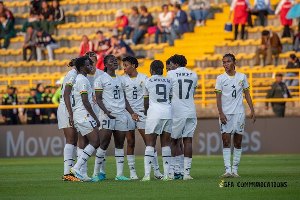




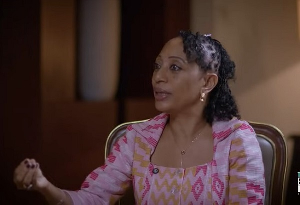




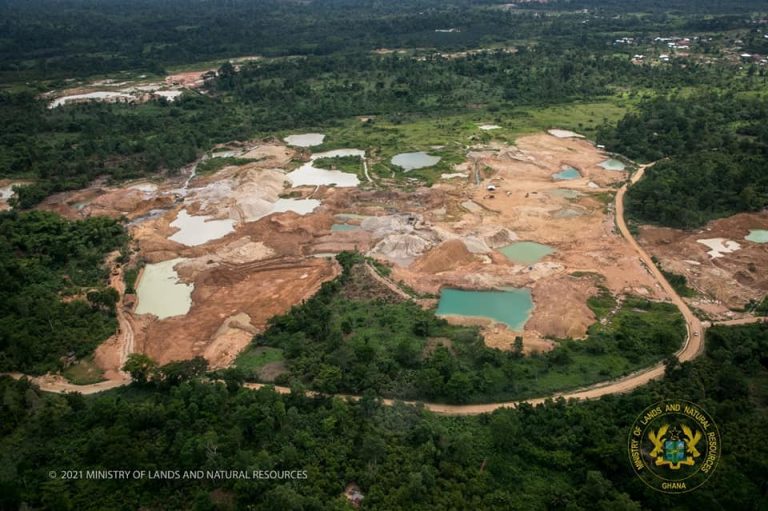





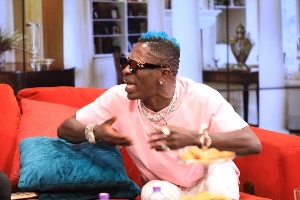




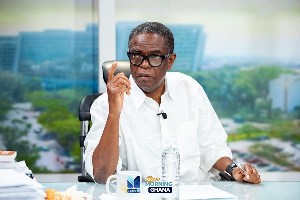


 When choosing a haircut, factors such as face shape, hair texture, lifestyle, and personal taste should be considered. Oval faces can typically pull off most styles, while round faces may benefit from layered or asymmetrical cuts that create the illusion of length. Thick, curly hair often looks stunning in layered styles that reduce bulk and define curls, while fine hair can benefit from blunt cuts that add fullness.






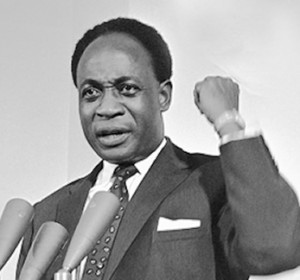


 When choosing a haircut, factors such as face shape, hair texture, lifestyle, and personal taste should be considered. Oval faces can typically pull off most styles, while round faces may benefit from layered or asymmetrical cuts that create the illusion of length. Thick, curly hair often looks stunning in layered styles that reduce bulk and define curls, while fine hair can benefit from blunt cuts that add fullness.


 The Economic Community of West African States (ECOWAS) has handed over a hand-held borehole to the Dakuma/Hiel Basic School in the Sissala West District as part of efforts to boost enrolment in the school, especially among girls.