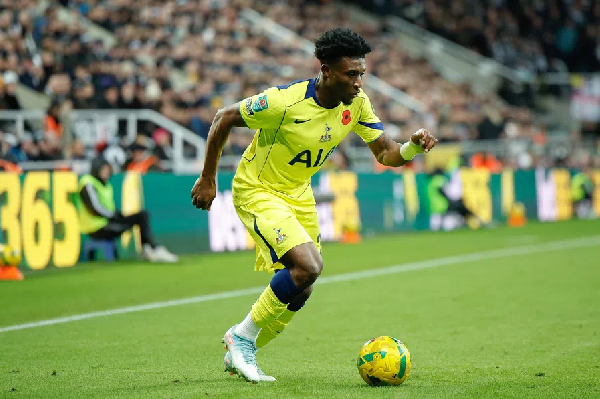
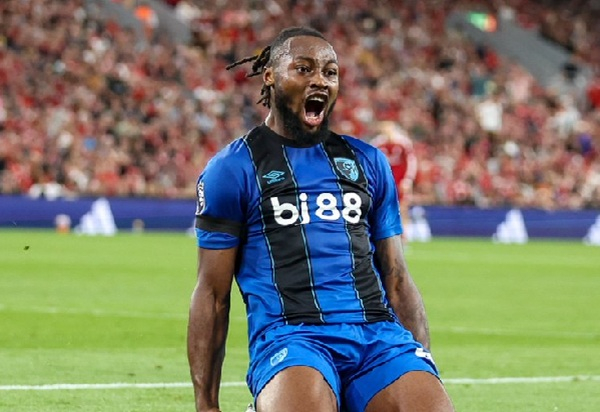
League leaders Aduana FC is hosting fourth-placed Hearts of Oak to the Nana Agyemang Badu I Park in the Ghana Premier League match week 15 fixture this afternoon.
The Dormaa-based side remain unbeaten at home this season and continue to draw strength from one of the league’s most reliable home records. Their recent victory over Heart of Lions underlined a return to momentum, built on a disciplined defensive structure and efficient attacking play.
Hearts of Oak arrive with confidence of their own after a win against Nations, but face a difficult assignment away from home. The Phobians have failed to score in their last three away league matches, an issue they must resolve against a well-organised Aduana defence.
The ongoing 2025/2026 Ghana Premier League leaders, Aduana Stars welcome giants Accra Hearts of Oak to the Nana Agyeman Badu Stadium in Dormaa Ahenkro on Sunday, December 21.
The two-time Ghana Premier League champions welcome the Phobians for the matchday 15 fixture on the back of an impressive 1-0 away victory over Kpando Heart of Lions on matchday 14.
Aduana Stars are also unbeaten at home in the ongoing Ghana Premier League after 14 games, recording 5 victories and drawing the remaining two against Basake Holy Stars and Medeama SC.
Accra Hearts of Oak on the other hand are going into the game after recording their first away defeat on matchday 14 against Karela United at the Naa Sheriga Sports Centre in Nalerigu.
The Phobians haven’t won any of their last 5 away games at the Nana Agyeman Badu Stadium in Dormaa Ahenkro against Aduana Stars.
They have lost all their last 5 away games against Aduana Stars, conceding 7 goals and scoring none.
League leaders Aduana FC is hosting fourth-placed Hearts of Oak to the Nana Agyemang Badu I Park in the Ghana Premier League match week 15 fixture this afternoon.
The Dormaa-based side remain unbeaten at home this season and continue to draw strength from one of the league’s most reliable home records. Their recent victory over Heart of Lions underlined a return to momentum, built on a disciplined defensive structure and efficient attacking play.
Hearts of Oak arrive with confidence of their own after a win against Nations, but face a difficult assignment away from home. The Phobians have failed to score in their last three away league matches, an issue they must resolve against a well-organised Aduana defence.
This Sunday’s edition of JoyNews’ The Law will go behind Ghana’s robust cybersecurity architecture, examining the laws protecting the digital space.
Joining the conversation is Dr. Albert Antwi-Boasiako, cybersecurity expert, author, and former Director-General of Ghana’s Cyber Security Authority, who will examine how Ghana is building resilience against cyber threats in an increasingly digital world.
DISCLAIMER: The Views, Comments, Opinions, Contributions and Statements made by Readers and Contributors on this platform do not necessarily represent the views or policy of Multimedia Group Limited.
Tags:
DISCLAIMER: The Views, Comments, Opinions, Contributions and Statements made by Readers and Contributors on this platform do not necessarily represent the views or policy of Multimedia Group Limited.
President-General of the Nigeria Supreme Council for Islamic Affairs, Alhaji Muhammad Abubakar
The Sultan of Sokoto and President-General of the Nigeria Supreme Council for Islamic Affairs, Muhammad Abubakar, has declared Monday, December 22, 2025, as the first day of Rajab 1447 AH.
The declaration was contained in a statement released on Saturday, signed by the Wazirin Sokoto, Prof Sambo Junaidu.
According to the statement, “The Sultanate Council Advisory Committee on Religious Affairs, in conjunction with the National Moon Sighting Committee, did not receive any report from various moon sighting committees across the country confirming the sighting of the crescent of Rajab 1447 AH on Saturday, 20th December, 2025, equivalent to 29th Jumada Assaniya 1447 AH.”
“Therefore, Sunday, 21st December, 2025, will be 30th Jumada Assaniya, 1447 AH.”
The statement noted that, based on this development, the Sultan subsequently approved Monday, December 22, 2025, as the first day of Rajab 1447 AH.
Rajab is the seventh month of the Islamic lunar calendar, preceding Sha‘ban (8th) and Ramadan (9th)
It is known as one of the four sacred months during which fighting is forbidden and good deeds are magnified.
It is regarded as a significant time for spiritual preparation for Ramadan, a period for increased worship, seeking forgiveness, and reflection, leading up to the holy month.
Sekondi (W/R), Dec. 21, GNA – Rear Admiral Godwin Livinus Bessing, the Chief of Naval Staff (CNS), has commended personnel of the Ghana Navy for their continuous resilience and dedication to protecting Ghana’s maritime domain.
He gave the commendation when the Western Naval Command, Naval Logistics Command, and the Ghana Navy Fleet jointly held the annual West Africa Soldiers Social Activities (WASSA), at the Sekondi Naval Base.
The event brought together civilians, traditional authorities, the military high command, sister security agencies, corporate organisations, and family and friends of personnel to have fun and celebrate the festive season together.
Rear Admiral Bessing said as part of their duties, the personnel kept watch at sea in both calm and turbulent waters, protected the nation’s offshore assets, and provided a conducive environment for legitimate businesses to thrive.
“You all deserve my highest commendation for your professionalism, hard work, and dedication to duty.
“Indeed, your tireless efforts have contributed to making Ghana’s maritime domain one of the safest in a region that continues to record maritime security incidents,” the CNS said.
He encouraged them to keep working hard, while assuring them that the Naval Headquarters and high command were doing everything possible to address their operational and logistical challenges.
Rear Admiral Bessing, however, expressed concern about the continuous decline in physical fitness level among personnel.
He said this situation was particularly worrying as young officers and soldiers, including new entrants, struggled to meet the requirements of Basic Fitness Tests and other physically demanding exercises across the services.
He said: “The challenge was starkly evident during the just-ended Exercise TIGERS’ PATH, where no officer participant was able to surmount all fourteen obstacles or represent their team in the Assault River Range.
“The below-average performance of all teams in both the Obstacle Crossing and Assault River Range should concern us deeply if we truly value the future of our Armed Forces.”
The CNS, therefore, charged commanders at all levels to take a keen interest and institute sustainable measures to reverse the trend.
As part of the event, awards and citations were presented to some deserving personnel who distinguished themselves in the discharge of their duties during the year.
A private citizen has filed a lawsuit challenging the appointment of two Members of Parliament to the board of the Ghana Revenue Authority (GRA).
The plaintiff, identified as Tassah Tapha Tassah, is asking the High Court to order President John Dramani Mahama to remove Members of Parliament Francis Xavier Sosu and Laadi Ayamba from the GRA board, arguing that their appointments violate the Ghana Revenue Authority Act, 2009 (Act 791). Sosu is the MP for Madina, while Ayamba represents Pusiga in Parliament.
According to the writ, filed on December 17, 2025, the plaintiff contends that the law requires board appointments from the private sector, and as elected MPs, the two cannot qualify under that category.
The suit also claims that appointing MPs to a board overseen by Parliament creates a conflict of interest and undermines transparency and accountability.
“The Plaintiff contends that the 2nd and 3rd Defendants, being elected Members of Parliament, cannot be appointed under Section 4(1)f as representatives of the private sector. The Plaintiff avers that appointing the elected Members of Parliament as members of the governing Board of the Ghana Revenue Authority impairs the oversight function of the 2nd and 3rd Defendants as Members of Parliament. The Plaintiff further argues that the elected Members of Parliament who have been appointed on the Board of Ghana Revenue Authority will take decisions on the Boards and thereafter exercise parliamentary oversight over the same institution, thereby festering conflict of interest situations,” the statement of claim said.
Under Act 791, the GRA board must include a chairperson, the Commissioner-General, representatives from the Ministries of Finance and Trade and Industry, the Bank of Ghana, and four private sector representatives—two of whom must be women.
The plaintiff argues that the appointments of Sosu and Ayamba breach this provision and that their roles as board members would compromise their parliamentary oversight responsibilities.
The reliefs sought include a declaration that the appointments are unlawful and an order directing the President to remove the two MPs and replace them with qualified private sector representatives.
Sekondi (W/R), Dec. 21, GNA – Rear Admiral Godwin Livinus Bessing, the Chief of Naval Staff (CNS), has commended personnel of the Ghana Navy for their continuous resilience and dedication to protecting Ghana’s maritime domain.
He gave the commendation when the Western Naval Command, Naval Logistics Command, and the Ghana Navy Fleet jointly held the annual West Africa Soldiers Social Activities (WASSA), at the Sekondi Naval Base.
The event brought together civilians, traditional authorities, the military high command, sister security agencies, corporate organisations, and family and friends of personnel to have fun and celebrate the festive season together.
Rear Admiral Bessing said as part of their duties, the personnel kept watch at sea in both calm and turbulent waters, protected the nation’s offshore assets, and provided a conducive environment for legitimate businesses to thrive.
“You all deserve my highest commendation for your professionalism, hard work, and dedication to duty.
“Indeed, your tireless efforts have contributed to making Ghana’s maritime domain one of the safest in a region that continues to record maritime security incidents,” the CNS said.
He encouraged them to keep working hard, while assuring them that the Naval Headquarters and high command were doing everything possible to address their operational and logistical challenges.
Rear Admiral Bessing, however, expressed concern about the continuous decline in physical fitness level among personnel.
He said this situation was particularly worrying as young officers and soldiers, including new entrants, struggled to meet the requirements of Basic Fitness Tests and other physically demanding exercises across the services.
He said: “The challenge was starkly evident during the just-ended Exercise TIGERS’ PATH, where no officer participant was able to surmount all fourteen obstacles or represent their team in the Assault River Range.
“The below-average performance of all teams in both the Obstacle Crossing and Assault River Range should concern us deeply if we truly value the future of our Armed Forces.”
The CNS, therefore, charged commanders at all levels to take a keen interest and institute sustainable measures to reverse the trend.
As part of the event, awards and citations were presented to some deserving personnel who distinguished themselves in the discharge of their duties during the year.
Afrobeat superstar, David Adeleke, popularly known as Davido, has demonstrated his passion for football ahead of the 2025 Africa Cup of Nations, wagering $25,000 (around N36 million) on Nigeria’s opening Group C match against Tanzania.
The singer shared a snapshot of his betting slip on his X page on Sunday, with the caption “Let’s get this W Nigeria.”
The Stake app betting slip shows a bet on both teams to score, with a potential payout of $96,564 (approximately N140 million).
This is not Davido’s first high-profile bet on the Super Eagles.
Ahead of Nigeria’s last competitive match against Gabon in the 2026 FIFA World Cup play-offs, he staked $10,000 (₦15 million) predicting a Nigerian win and both teams to score, with a possible return of $50,194.58 (₦75.2 million).
Although Nigeria lost that match, Davido’s enthusiasm for the national team remains strong.
His latest betting choice, however, has drawn mixed reactions from fans, with many humorously questioning his loyalty.
As a prominent Stake ambassador, the move is seen by some as a promotional stunt, while others accuse him of prioritising profit over national pride.
The Super Eagles will face Tanzania’s Taifa Stars at the Complexe Sportif de Fès in Morocco on Tuesday, December 23, as they begin their campaign for a fourth AFCON title.
Nigeria, three-time African champions, led by stars Victor Osimhen and Ademola Lookman, are favourites to dominate Group C, which also includes Tunisia and Uganda.
Tanzania’s Taifa Stars, though, known for their resilience, have never defeated Nigeria in a competitive fixture, further boosting confidence in the Eagles’ chances.
Also, the Super Eagles are ranked 38th in the world, compared with Tanzania at 112th in the FIFA rankings.
However, recent failure to qualify for the 2026 World Cup has tempered expectations, leaving even diehard fans cautious.
Governor of the Bank of Ghana(BoG), Dr Johnson Asiama, has outlined the central bank’s priorities for the coming year, stressing the need for discipline, partnership and sustained investment in Ghana’s financial infrastructure.
In a Facebook post on Sunday, December 21, 2025, Dr Asiama said confidence in coordination, signals and consistency across the financial system had been significantly tested when the current administration took office.
He noted that progress made since then reflected sustained effort and collaboration across the sector.
Looking ahead, Dr Asiama said the Bank of Ghana would focus on three key priorities: deepening the quality of financial intermediation to ensure credit supports productive economic activity; strengthening integrity and supervision as reforms move fully from policy into practice; and investing further in financial infrastructure, including payments, markets and digital platforms, to support a more integrated regional economy.
“The year ahead will demand continued judgment, partnership, and disciplined execution,” he said, reaffirming the bank’s commitment to consolidating reforms and sustaining confidence in the financial sector.
Diaspora partnership central to Ghana’s reset agenda – Vice President Opoku-Agyemang
The Diaspora Summit 2025 drew to a close at the Accra International Conference Centre on Saturday, Decmber 20, marking a significant milestone in strengthening ties between Ghana and its global diaspora while advancing the causes of reparatory justice and Pan‑African cooperation.
The summit brought together Ghanaians from across the world, heads of state, development partners, civil society leaders and representatives of diaspora organisations
President John Dramani Mahama urged Africans at home and abroad to work together to redefine their shared future and reclaim control of their history.
He paid tribute to Pan-African pioneers such as Dr Kwame Nkrumah and stressed the enduring bond between the continent and its diaspora.
The President reaffirmed Ghana’s intent to pursue international recognition of the transatlantic slave trade as the greatest crime against humanity.
A central focus of deliberations was reparatory justice. Minister of Foreign Affairs and Regional Integration, Samuel Okudzeto Ablakwa, called for global, coordinated action to transform the discourse on reparations from rhetoric into tangible outcomes.
Photo Credit: Ministry of Foreign Affairs
DISCLAIMER: The Views, Comments, Opinions, Contributions and Statements made by Readers and Contributors on this platform do not necessarily represent the views or policy of Multimedia Group Limited.
DISCLAIMER: The Views, Comments, Opinions, Contributions and Statements made by Readers and Contributors on this platform do not necessarily represent the views or policy of Multimedia Group Limited.
President John Dramani Mahama has questioned claims by the previous New Patriotic Party (NPP) administration that it constructed 10,000 kilometres of roads across the country.
Speaking at the sod-cutting ceremony for the Sunyani–Atronie–Acherensua Road project, on Sunday, December 21, 2025, President Mahama said persistent calls from traditional leaders during his campaign exposed the true state of road infrastructure in the country.
LIVESTREAMED: President Mahama cuts sod for TDC Housing Project in Ho
“During the campaigning, everywhere I went the chiefs wanted us to fix their roads. Everywhere I went across the region, meanwhile the Nana Addo Dankwa Akufo-Addo government claimed that they fixed 10,000 kilometres of roads in the country. If indeed they had fixed the roads, where are the roads the NPP claimed they had fixed?” he questioned.
President Mahama cuts sod for a massive Sports Complex at Ghanasco
President Mahama further cited a World Bank report which estimates Ghana’s infrastructure deficit at about 1.5 billion dollars annually, underscoring the importance of sustained investment in road development for socio-economic growth.
He noted that roads remain critical to trade, access to markets, and overall development, adding that his administration has so far awarded road contracts valued at approximately five billion dollars.
“Roads are very important to socio-economic development. They remain critical for trade, access to markets, and overall growth”, he remarked.
The project is expected to boost economic development, improve transportation, and enhance regional connectivity.
JKB/EB
What Cletus Avoka said that made Otumfuo warn him over Bawku conflict:
The Upper East Regional Police Command has intensified its clampdown on crime along Ghana’s northern borders, arresting four suspects in a targeted operation at Paga in the Upper East Region.
The suspects Kofi Boateng, Eric Owusu, and Godwin Agosa, all porters, together with Abdul Aziz Bukari, a driver’s mate were picked up on Wednesday, December 18, 2025, during coordinated raids on criminal hideouts and locations suspected to be hubs for drug peddling near the Paga border. According to the police, the intelligence-led operation was aimed at disrupting illegal activities believed to be thriving along the frontier community. The swoop led to the retrieval of several exhibits, including eight jackpot gaming machines and thirteen rolls of dried leaves suspected to be Indian hemp.
Other items seized during the operation included three mobile phones, three pairs of scissors, three lighters, a power bank, an empty phone case, and an amount of twenty-five Ghana cedis. The police say the arrests form part of broader efforts to curb drug-related activities, gambling offences, and cross-border crime in the region, particularly in communities close to Ghana’s borders.
All four suspects are currently in police custody assisting with investigations. The Regional Police Command has assured the public that those found culpable will be prosecuted in accordance with the law as efforts continue to keep border communities safe.
Rev Stephen Wengam is the General Superintendent of the Assemblies of God
The General Superintendent of the Assemblies of God, Ghana, Rev Stephen Yenusom Wengam, has spoken strongly against the abuse of power in political circles, the corporate world, workplaces, and marital homes, describing it as a dangerous tool often used to promote selfish interests or gain undue advantage.
“In the name of acquiring wealth, attaining political power, or gaining promotion at the workplace, some people resort to wicked means to mistreat or eliminate their perceived enemies.
“This is what King Herod attempted against the baby Jesus, and such crude methods must be eschewed by political leaders and private individuals alike,” he said.
Rev Wengam was speaking at the forecourt of the State House in Accra during the Festival of Nine Lessons and Carols, hosted by the Parliament of Ghana.
The event was attended by President John Dramani Mahama, who read a scripture.
Other scriptural readings were delivered by the Speaker of Parliament, Alban Bagbin; the Clerk of Parliament, Ebenezer Ahumah Djietror; the Director-General of the Ghana Broadcasting Corporation (GBC), Professor Amin Alhassan; as well as representatives of the Majority and Minority leadership in Parliament.
Rev Wengam, who also serves as Vice Chairman of the Africa Assemblies of God Alliance (AAGA), said the Christmas story presents critical lessons for both personal and national advancement, one of which is reconciliation.
He emphasised that the Christmas message is meaningless unless humanity takes deliberate steps to turn away from sin and seek reconciliation with God, the Creator, who alone guarantees true success in life.
“We must reconcile with God vertically and reconcile with our neighbours, colleagues, spouses, and children horizontally,” Rev Wengam added.
Referencing the obedience of Joseph and Mary to the census decree following the birth of Jesus, he stated, “God would not do by a miracle what people must do through responsibility, common sense, and simple obedience.”
He, therefore, underscored the need for Ghanaians to be law-abiding citizens.
Touching on governance, Rev Stephen Wengam said political leadership must pursue a national vision that transcends narrow partisan considerations, adding that such a vision must be anchored in strong moral values as a compass for holistic development.
He reminded the audience that the once-powerful Roman Empire collapsed largely due to moral failure, particularly sexual immorality, warning that such failures must not be repeated by the present generation.
Rev Wengam also urged the government, Parliament, and other state institutions to intensify efforts to protect human rights and advance the welfare of Ghanaians.
“The security agencies must step up measures to protect the civilian population, while citizens themselves prioritize their personal safety and security,” he said.
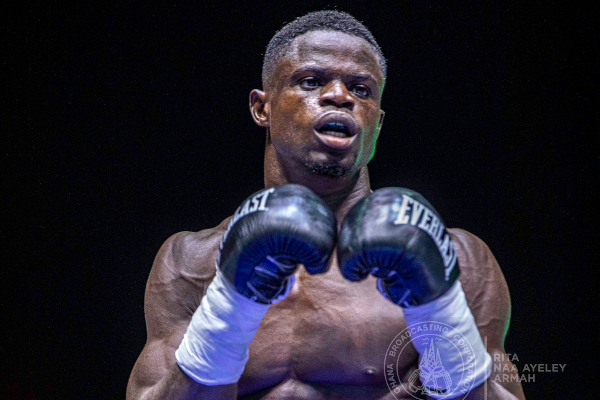
play videoFormer WBA Africa Light Heavyweight champion, Freezy Macbones
Seth Gyimah, popularly known as Freezy Macbones, made a spectacular entrance on December 20, 2025, at the University of Ghana Stadium, blending Ashanti tradition with showmanship.
The Kumasi-born boxer was led to the ring by a lively troupe of Kete and Adowa dancers, whose drumming and rhythmic movements electrified the crowd.
His entourage carried both the Ghanaian flag and the flag of the Asanteman, signaling pride in his national and cultural heritage.
Adding a regal touch, Freezy was shaded under an ornate umbrella, reminiscent of Ashanti royalty, while he himself showcased glimpses of the traditional Adowa dance as he walked to the stage.
His steps combined precision and flair, merging the grace of dance with the intensity of a fighter ready for battle.
The entrance set the tone for the main event, where Freezy faced Jonathan Tetteh in an eight-round clash for the WBA Africa light heavyweight title.
Despite his grand entrance and strong moments in the fight, Tetteh secured a unanimous decision victory, preserving his unbeaten record.
Kenya says it will hand over the East African Community secretary-general’s post when its five-year term expires in April 2026, ending claims that Veronica Nduva, the current holder, is seeking a three-year extension to complete a full term.
Ms Nduva was named to the position in 2024 after Peter Mathuki was recalled amid a storm brewed in the regional parliament over expenditure at the secretariat.
There have been rumours that Kenya wanted Ms Nduva to finish a full term, but EAC Affairs Cabinet Secretary Beatrice Askul this week told_ The EastAfrican_ that there was no intention on the part of Nairobi to push for the extension, which would be against the Treaty Establishing the EAC.
Ms Nduva’s two-year tenure has been marred by a lack of resources, limiting her work and that of the bloc’s departments and agencies. EAC pundits reckon that this is the worst financial crisis since its return in 1999.
“You are also aware that the treaty does not allow such an extension,” she told _The EastAfrican._
The next debate is who will be the next boss in Arusha.
Ideally, since it is a rotational post, South Sudan should go next, but the “big boys” Uganda, Kenya, and Tanzania are uncomfortable with that, as Juba continues to default on statutory payments.
The rotation is not regular: sometimes the Heads of State Summit skips one member for another. For instance, in 2021, the position was to go to South Sudan, after Burundi, but the summit gave it to Kenya.
But in May 2024, President William Ruto recalled Dr Mathuki and redeployed him as the Kenyan Ambassador to Russia.
Ms Nduva was sworn in on June 7, 202,4 in Juba.
She has hardly had any grip on the secretariat in the face of an acute cash crunch, hence the push in some quarters to grant her more time to work on her vision for the community.
But the minister says Kenya’s term will be ending in April and there is no room for manoeuvre.
“It is not about Kenya. When Kenya’s term comes to an end, it will not leave a gap because another country will come to take over,” Ms Askul said.
Should the Summit decide to skip South Sudan again, based on the earlier rotational roster for the post, Uganda would be next in line to provide the next SG.
Tanzania wants it, though, according to South Sudanese East African Legislative Assembly member Kennedy Mukulia.
“I hear Tanzania also wants the SG seat. My country is also in the race for the seat,” the Eala MP told _The EastAfrican._
Juba’s continued default on the annual contributions to the bloc could work against it, as the founding partners feel like they would be ceding power to members who are uncommitted.
South Sudan still owes $15.1 million to the secretariat, making it one of the largest defaulters.
DRC has only remitted $1 million since joining in 2022.
“If we don’t get a solution to this situation, we may collapse,” warned Mr Mukulia. “If the issues are not tackled, including mistrust and financing, things may go bad.”
The failure by partner states to meet their financial commitments has severely crippled the EAC’s operations. The secretariat has struggled to pay staff salaries and meet other statutory obligations, at times having to borrow.
“Remittances are part of the treaty. But it shouldn’t be used as grounds to chase away some of the partner states. Some of their economies are young and you need someone to grow them,” said Askul, who chairs the EAC Council of Ministers.
The EAC is also suffering poor staffing, after the secretariat sent home short-term employees mid this year, leaving many programmes inlimbo.
The ordinary summit, earlier scheduled for November, failed to take place after a number of presidents indicated they would not be present. Tanzania was coming from a bruising election, Uganda is in the middle of an election campaign, South Sudan is in a political crisis, and the Great Lakes Region is facing a regional war due to the M23 rebellion in eastern Congo.
REQUESTED MEETING
Tanzania had requested a December 6 meeting.
“By the 6th, they again advised that they (Tanzania) were yet to appoint
a cabinet. There are many things that keep being changed,” Ms Askul
said.
Around that time, President Ruto, the chair, and Felix Tshisekedi of Congo, Paul Kagame of Rwanda, and Evariste Ndayishimiye of Burundi attended the signing of the Washington Accords to end the war in the region.
The “Washington Accords for Peace and Prosperity” were formally signed by DRC President Félix Tshisekedi and Rwandan President Paul Kagame on December 4, 2025, in Washington, DC, in a ceremony presided over by US President Donald Trump.
The agreement, which was built on a preliminary deal from June 2025, aimed to end decades of conflict, stop state support for armed groups, and foster economic cooperation.
But, just days after the signing, intense fighting flared in eastern DRC’s North and South Kivu provinces, leading to the capture of the strategic town of Uvira, just outside Bujumbura on the common border, on December 10, 2025, an action widely seen as a direct violation of the accord’s spirit and a major blow to the peace process. They have since pledged to withdraw.
Meanwhile, it is hoped that the summit will be held in February 2026, after the Ugandan elections.
“Now Uganda is also saying they want to campaign (for elections in January 2026). It has not been put off; it is pending,” the Kenyan minister said.
The Governor of the Bank of Ghana, Dr Johnson Pandit Asiama, says cryptocurrency trading is now legal in Ghana following the passage of the Virtual Asset Service Providers Bill, 2025.
Speaking at the Bank of Ghana’s Nine Lessons, Carols and Thanksgiving Service in Accra on December 19, Dr Asiama said the new law provides a clear regulatory framework for virtual assets, ending uncertainty around crypto activities. He stressed that the move is not a free-for-all, explaining that the law empowers the central bank to license and supervise digital asset operators to protect consumers and safeguard financial stability.
According to Dr Asiama, “Effectively, virtual assets trading is now legal and no one is going to be arrested for doing crypto, but we now have the framework to manage the risks involved.” His statement clarifies the legal status of cryptocurrency activities that had previously existed in a regulatory grey area.
The Governor emphasized that regulation would reduce risks such as fraud and money laundering, while supporting innovation, financial inclusion and the growth of Ghana’s fintech sector. The regulatory framework aims to balance enabling technological advancement with protecting participants in the digital asset ecosystem.
Dr Asiama added that the crypto law, together with amendments to the Bank of Ghana Act, strengthens oversight and governance to prevent a repeat of the institutional failures experienced during the 2022 crisis. The 2022 banking and financial sector crisis resulted in significant losses for depositors and exposed weaknesses in regulatory frameworks.
The Governor noted that the progress gives room to move but also calls for responsibility and vigilance. He assured the public of the central bank’s commitment to stability as the digital asset space expands, signaling that authorities will actively monitor the sector’s development.
The Virtual Asset Service Providers Bill, 2025 establishes a licensing regime for businesses operating in the cryptocurrency and digital asset space. Service providers will be required to obtain authorization from the Bank of Ghana before offering virtual asset services to Ghanaian customers.
The legislation addresses longstanding concerns about the risks associated with unregulated cryptocurrency trading, including consumer protection gaps, potential for financial crimes, and threats to monetary stability. Regulators across Africa have grappled with how to approach digital assets amid growing adoption.
Ghana joins a growing number of African countries that have moved to regulate rather than ban cryptocurrency activities. While some nations including Nigeria initially restricted crypto transactions, many have since adopted regulatory approaches recognizing the technology’s potential benefits.
The new law is expected to cover cryptocurrency exchanges, wallet providers, and other entities facilitating virtual asset transactions. These businesses will need to demonstrate compliance with anti-money laundering requirements, customer due diligence standards, and capital adequacy provisions.
Financial technology stakeholders have welcomed the regulatory clarity, arguing that formal frameworks will attract legitimate investment and innovation while weeding out fraudulent operators. The absence of regulation had previously deterred some international crypto businesses from establishing operations in Ghana.
Consumer protection provisions within the legislation are designed to ensure that virtual asset service providers maintain adequate safeguards for customer funds and provide transparent information about risks. The 2022 financial crisis highlighted the devastating consequences of inadequate consumer protection in financial services.
The Bank of Ghana will establish supervisory mechanisms to monitor compliance with the new regulations and take enforcement action against violations. The central bank’s enhanced powers under amendments to its governing Act provide additional tools for oversight of the expanding digital financial ecosystem.
Dr Asiama’s remarks at a religious service reflect the central bank’s effort to communicate regulatory changes to diverse audiences beyond traditional financial sector stakeholders. The choice of venue signals that digital asset regulation affects ordinary Ghanaians, not just technology enthusiasts or financial professionals.
Cryptocurrency adoption in Ghana has grown significantly in recent years, driven by factors including remittance needs, inflation concerns, and youth interest in digital technologies. Industry estimates suggest hundreds of thousands of Ghanaians have engaged with cryptocurrencies despite previous regulatory uncertainty.
The regulatory framework’s implementation will require the Bank of Ghana to develop detailed guidelines, establish licensing procedures, and build capacity for supervising digital asset service providers. International cooperation with other financial regulators may be necessary given the borderless nature of cryptocurrency markets.
Some analysts caution that regulation alone cannot eliminate all risks associated with virtual assets, particularly given the volatility of cryptocurrency prices and the technical complexity of blockchain technologies. Investor education and financial literacy will remain important alongside regulatory oversight.
The passage of the Virtual Asset Service Providers Bill represents a significant policy shift for Ghana, which had previously taken a cautious approach to cryptocurrencies. The new framework reflects an assessment that regulation is preferable to prohibition in managing digital asset risks while capturing potential benefits.
The Governor’s assurance that no one will be arrested for crypto trading addresses concerns that had circulated within Ghana’s cryptocurrency community about the legal risks of participation. The clarification provides certainty for individuals and businesses operating in the space.
Implementation of the new regulatory framework is expected to proceed in phases during 2026, with the Bank of Ghana publishing detailed regulations and beginning the licensing process for virtual asset service providers. Existing operators will need to regularize their status under the new regime.
Emerging hype man and MC Bigg Paradise electrified fans at Kweku Smoke’s Revival Concert, delivering a performance that many netizens have described as a bold redefinition of the live music experience in Ghana.
Following his impressive outing at the Beyond Kontrol Concert, Bigg Paradise raised the bar at the Revival Concert by blending live band instrumentation with his signature hype strategy — a combination rarely seen in Ghana’s music scene. The fusion created a powerful and refreshing performance style that kept the audience fully engaged from start to finish.
Concertgoers described the atmosphere as “electric”, with fans singing along, dancing, and responding loudly to every call-and-response moment. Many attendees noted that his stage interaction pushed energy levels beyond expectations, turning the venue into a non-stop celebration rather than a routine concert segment.
Social media was equally alive after the show, as videos and comments flooded timelines praising Bigg Paradise’s originality and stage control. Several fans commended his ability to connect with the crowd on a personal level, while others applauded the live band element for giving the performance a richer, more immersive feel.
Industry observers and fellow performers have also weighed in, suggesting that Bigg Paradise’s innovative approach could influence how hype performances are structured at future live shows, as more acts seek to elevate audience participation beyond the traditional format.
The Revival Concert, headlined by rapper Kweku Smoke, drew a strong turnout and featured a blend of established stars and rising talents. While the night was filled with memorable moments, Bigg Paradise’s performance emerged as one of the highlights, signaling his growing influence and rising profile within Ghana’s entertainment industry.
Francis Xavier Sosu (L) and Laadi Ayamba (R) have been dragged to court
A private Ghanaian citizen and lawyer has initiated legal action against four individuals, including two Members of Parliament, over their appointment to the board of the Ghana Revenue Authority (GRA).
The plaintiff, identified in the writ as Tassah Tapha Tassah, is asking the High Court to order President John Dramani Mahama to remove the two lawmakers, Francis Xavier Sosu and Laadi Ayamba, from the GRA board.
He argues that they cannot be appointed as board members because they are not private individuals, as required under the Ghana Revenue Authority Act, 2009 (Act 791).
President Mahama appoints Dotsei Malor, former CDS, 16 others as deputy ambassadors
The writ, filed on December 17, 2025, and shared by TheLawPlatform and sighted by GhanaWeb, indicates that the plaintiff is seeking a court declaration that, “appointing elected Members of Parliament to the Board of the Ghana Revenue Authority, which is under Parliament’s oversight, weakens transparency, accountability, and the proper functioning of the Authority.”
The plaintiff argued that the GRA Act (2009), among other provisions, mandates the President to appoint the following persons to the governing board: a Chairperson; the Commissioner-General of the Authority; a representative of the Ministry of Finance not below the rank of Director; a representative of the Ministry of Trade and Industry not below the rank of Director; the Governor of the Bank of Ghana or a representative of the Governor not below the rank of Deputy Governor; and four persons from the private sector, two of whom must be women.
According to him, the appointment of the two MPs to represent the private sector contravenes the GRA Act, specifically Section 4(1) of Act 791.
He stated that both Laadi Ayamba and Francis Xavier Sosu, being elected Members of Parliament, cannot be appointed under Section 4(1)(f) as representatives of the private sector.
“… The Plaintiff avers that appointing the elected Members of Parliament as members of the governing Board of the Ghana Revenue Authority impairs the oversight function of the 2nd and 3rd Defendants as Members of Parliament.
“The Plaintiff avers that the elected Members of Parliament who have been appointed on the Board of Ghana Revenue Authority will take decisions on the Boards and thereafter exercise parliamentary oversight over the same institution thereby festering conflict of interest situations,” portions of the writ read.
He is therefore praying the court for:
“that upon a true and proper construction of the Ghana Revenue Authority Act, Act 791, particularly Section 4(1)f and 28 thereof, the 2nd and 3rd Defendants cannot be appointed onto the Governing Board of the Ghana Revenue Authority as representatives of the private sector.”
Meet the six entertainment personalities appointed by President Mahama
He is also seeking:
“A consequential order directed at the president to remove the 2nd and 3rd Defendants and replace them with participants in the private sector and a declaration that appointing elected Members of Parliament to the Board of Ghana Revenue Authority which is under Parliament’s oversight, weakens transparency, accountability and the proper functioning of the said Authority.”
Read the writ below:
MAG/MA
All you need to know about Ghana’s new vehicle number plates |BizTech:
Six commercial drivers were arrested on Wednesday evening when the Chief Executive of the Accra Metropolitan Assembly, Michael Kpakpo Allotey, personally led a task force to crack down on operators charging unapproved transport fares in the city.
The operation, which commenced around 5:30 pm, began at the COCOBOD section of Kwame Nkrumah Avenue in the Central Business District and extended to the Farisco traffic light. The area was heavily congested with peak-hour commuter activity, as passengers sought transport to destinations including Kaneshie, Awoshie, Kasoa, and Lapaz.
During the exercise, Allotey and his team walked through heavy traffic, stopping trotros and other commercial vehicles to question drivers about their fares. The amounts collected were cross-checked with passengers to determine compliance with approved rates.
The checks revealed mixed adherence, with some drivers charging the sanctioned fares while others demanded slightly higher amounts. Six drivers were arrested for violating fare regulations but were later cautioned and pardoned by the Mayor.
Allotey emphasized that this was the first day of the enforcement operation and intended to serve as a firm warning before stricter monitoring and sanctions were applied in future rounds. The decision to pardon the arrested drivers reflects an initial approach focused on education and deterrence rather than punishment.
At one point during the operation, Allotey paid the full lorry fares for all passengers on a bus bound for Lapaz. Witnesses said the gesture eased the burden on commuters and reinforced the Assembly’s message that passengers should not be overcharged.
Speaking to the media during the operation, which concluded around 9:30 pm, the Mayor stated that enforcement would continue and be intensified across the metropolis. He argued that the city cannot allow a situation where commuters are exploited through arbitrary fare hikes, particularly during peak periods.
According to Allotey, sustained enforcement is necessary to ensure fairness in public transport pricing, maintain order at lorry stations and along key corridors, and deter drivers who take advantage of traffic and high demand to charge beyond approved fares. He added that passenger verification would remain a key part of the strategy to monitor compliance.
The Mayor indicated that both drivers and traders engaging in practices undermining public order would be held accountable. The task force maintained a visible presence along the corridor throughout the evening, signaling the Assembly’s commitment to discipline and lawful operation in commercial areas.
The enforcement action comes amid persistent complaints from commuters about arbitrary fare increases by commercial drivers, particularly during rush hours and adverse weather conditions. Transport operators have been accused of exploiting peak demand periods to charge fares significantly above approved rates.
The Ghana Private Road Transport Union and other driver associations periodically negotiate fare adjustments with government agencies based on fuel prices and operating costs. These approved fares are meant to be uniformly applied across routes, though enforcement has historically been inconsistent.
Commuters frequently report being charged higher fares than officially approved rates, especially during morning and evening rush hours when demand for transport exceeds supply. Some drivers justify the increases by citing traffic congestion and longer travel times, though such justifications are not recognized under fare regulations.
The Accra Metropolitan Assembly has responsibility for regulating commercial activities within its jurisdiction, including monitoring compliance with approved transport fares. Previous enforcement efforts have had limited sustained impact, with violations often resuming shortly after task forces withdraw.
Allotey’s decision to personally lead the enforcement operation signals a high-level commitment to addressing the perennial problem of fare exploitation. The visibility of the Mayor during the exercise may enhance deterrence compared to operations conducted solely by lower-level officials.
The operation’s timing during peak evening hours maximized its impact on both drivers and commuters, allowing the task force to observe real-time fare practices during periods of highest demand and greatest exploitation. The heavy traffic conditions provided numerous opportunities to conduct spot checks.
Transport analysts note that effective fare enforcement requires sustained presence and consistent application of penalties rather than occasional high-profile operations. Without regular monitoring, drivers typically revert to overcharging once enforcement pressure diminishes.
The decision to caution and pardon the six arrested drivers on the first day may reflect a strategic choice to build public awareness before imposing harsher penalties. However, some observers question whether lenient initial treatment will effectively deter violations.
Allotey’s gesture of paying fares for an entire busload of passengers demonstrates a populist approach to enforcement that combines regulatory action with direct assistance to commuters. The gesture received positive reactions from beneficiaries and observers at the scene.
The involvement of passengers in verifying fares paid creates a mechanism for independent validation that reduces opportunities for collusion between drivers and enforcement officers. This approach addresses concerns about corruption in previous enforcement efforts.
Commercial drivers have occasionally complained that approved fares fail to reflect actual operating costs, particularly when fuel prices increase without corresponding fare adjustments. However, unilateral fare increases by individual drivers are not permitted under existing regulations.
The Ghana Private Road Transport Union leadership has not publicly commented on the enforcement operation. Previous confrontations between transport unions and city authorities over fare enforcement have sometimes escalated into tensions affecting public transport availability.
The Accra Metropolitan Assembly’s announcement that enforcement will intensify suggests that future operations may involve larger task forces, extended hours, and potentially harsher penalties for repeat offenders. The effectiveness of the strategy will depend partly on the Assembly’s capacity to maintain pressure over time.
Nigerian Music Executive, Paul Okoye, better known as Paul O, has showered love on his partner cum Nollywood actress, Iyabo Ojo, on her 48th birthday.
Naija News reports that Paul O, in a post on Instagram on Sunday, listed Iyabo Ojo’s accomplishments in 2025, including weddings, children, grandchildren, graduations, movie premieres, red carpets, and awards.
The University of Ghana Sports Stadium on Saturday night, December 20, 2025, was filled with excitement and full-blown entertainment as one of Ghana’s celebrated dancehall musicians, Shatta Wale, took center stage to thrill fans and spectators at the Legacy Rise boxing showdown with an electrifying performance.
His arrival on stage turned the whole place up and fully energized the crowd, as fans and attendees braced themselves for a sterling show.
During his high-energy performance, Shatta Wale dropped the legendary and famous “smiling mafia” phrase.
He acknowledged the presence of President John Dramani Mahama, who was in attendance.
He said, “Say smiling mafia! You get president wey dey smile wey san be mafia. You no go get for anywhere.”
The statement drew loud cheers and excitement from his fans as they repeated the words after him.
Shatta Wale further blended music, social commentary, and playful ad-libs into his performance, solidifying his brand as an unapologetic entertainment within the Ghanaian music scene.
He also declared his admiration for the president by adopting his name with a loud bang on stage.
“Shoutout to my daddy. You know today I want you guys to know that my surname is Shatta Mahama and my father is a president. Thank you very much, I love you guys,” he said.
The Ghana Statistical Service has warned that recent increases in employment figures should not be mistaken for real job security, noting that many of the jobs created are unstable and poorly paid.
Speaking on the Asaase Breakfast Show on Friday, December 19, Senior Labour Statistician Anthony Oduro-Denkyira explained that Ghana uses a relaxed definition of unemployment to reflect local labour market realities. He noted that unemployment is only one measure of labour underutilisation, adding that underemployment, especially time-related underemployment, remains widespread across the economy.
According to Oduro-Denkyira, “In Ghana, we classify someone as unemployed if they are available for work, even if they are not actively searching.” He cited discouraged job seekers as a key reason for this approach, suggesting that many potential workers have stopped looking for employment due to repeated failures.
The statistician explained that someone may be employed but working fewer than 40 hours a week and still willing to work more, placing that person in the category of underemployed rather than unemployed. This distinction is crucial for understanding the true state of Ghana’s labour market beyond headline employment numbers.
He also clarified that being underpaid does not make someone unemployed, but rather places them in a category known as income-related underemployment. These individuals are working, but their earnings are not enough to meet basic living standards, creating a situation where employment does not translate into economic security.
On whether illegal activities count as work, Oduro-Denkyira said Ghana’s labour statistics only recognise legal economic activities. Any work that is illegal under Ghanaian law, including cybercrime or fraud, is not captured in employment or GDP data, he stressed.
The senior statistician concluded that without deliberate efforts to formalise businesses, expand access to finance, and invest in skills development, employment gains will remain fragile. His remarks highlight the gap between statistical employment growth and meaningful economic progress for workers.
Oduro-Denkyira’s comments come amid government claims of progress in job creation and economic recovery. While official statistics show increasing numbers of people classified as employed, the quality of those jobs remains a significant concern for policymakers and development experts.
Time-related underemployment affects workers across multiple sectors, particularly in informal trade, agriculture, and services where many people work irregular hours or cannot find enough work to occupy a full week. This form of underemployment represents a significant waste of productive capacity in the economy.
Income-related underemployment similarly affects millions of Ghanaians who work full hours but earn wages insufficient to cover basic needs such as food, housing, healthcare, and education. The statutory minimum wage in Ghana remains low relative to the cost of living, particularly in urban areas.
The Ghana Statistical Service conducts regular labour force surveys to track employment trends, unemployment rates, and various forms of underutilisation in the labour market. These surveys provide data that inform government policy decisions and economic planning.
Formalising businesses and expanding access to finance are widely recognised as critical steps toward creating better quality jobs. Informal businesses typically offer less stable employment, lower wages, and minimal benefits compared to formal sector enterprises.
Skills development has also been identified as essential for improving employment quality. Many Ghanaian workers lack the technical and vocational skills demanded by employers, creating a mismatch between available labour and job requirements.
The statistician’s warning that employment gains remain fragile reflects concerns that economic shocks, policy changes, or external factors could quickly reverse recent progress. Without structural improvements in the economy, job creation may remain dependent on temporary or precarious arrangements.
Civil society organisations and labour unions have consistently called for policies that prioritise decent work rather than just employment numbers. Decent work, as defined by international labour standards, includes adequate wages, job security, social protection, and respect for workers’ rights.
Ghana’s informal sector employs the majority of the workforce but is characterised by low productivity, limited access to credit and technology, and minimal regulatory oversight. Transitioning more workers and businesses into the formal economy remains a major development challenge.
The government has implemented various programs aimed at job creation, including youth employment initiatives, entrepreneurship support, and industrial policy interventions. However, the effectiveness of these programs in generating quality employment has been questioned by some analysts.
Oduro-Denkyira’s statement that Ghana cannot claim victory in the fight against unemployment until job quality improves reflects a more nuanced understanding of labour market challenges. Statistical employment rates may rise while workers remain economically vulnerable and insecure.
International development agencies, including the International Labour Organization, have similarly emphasised the importance of employment quality over quantity. Creating millions of jobs means little if those jobs trap workers in poverty and precarious conditions.
The Ghana Statistical Service plays a crucial role in providing accurate data for evidence-based policymaking. Its warnings about employment quality serve as a reminder that headline statistics must be interpreted carefully and contextualised within broader economic realities.
Tesla boss Elon Musk’s net worth has surged to to $749 billion late on Friday after the Delaware Supreme Court reinstated Tesla stock options worth $139 billion that had been voided last year, Reuters reported, citing the Forbes Billionaires Index.
The ruling restores Musk’s 2018 compensation package, once valued at $56 billion, which had been struck down by a lower court that described the deal as “unfathomable” On Friday, December 19, 2025, the Supreme Court said a 2024 decision rescinding the pay package had been improper and inequitable to Musk.
The decision capped a week of extraordinary gains for Musk. Earlier this week, he became the first person ever to cross $600 billion in net worth following reports that his aerospace venture SpaceX, was likely to go public.
In November, Tesla shareholders separately approved a $1 trillion pay plan for Musk, the largest corporate compensation package in history, backing his push to transform the electric-vehicle maker into an artificial intelligence and robotics powerhouse.
Elon Musk becomes world’s first trillionaire
Musk’s fortune now exceeds that of Larry Page, the world’s second-richest person, by nearly $500 billion, according to the Forbes billionaires list.
He is now worth three times the second-richest person in the world.
Earlier this month, Tesla shareholders approved a plan to grant Musk up to 1 trillion dollars in compensation if he achieves milestones, including a market capitalization of 8.5 trillion dollars.
The compensation plan is divided into 12 tranches. Each stage outlines a path for Tesla to reach an enormous market capitalisation.
If Musk achieves this, he can claim an additional 12% of Tesla’s stock.
SP/EB
All you need to know about Ghana’s new vehicle number plates | BizTech:
A 27-year-old South Sudanese soldier was shot dead by Ugandan security personnel
A 27-year-old South Sudanese soldier was shot dead by Ugandan security personnel in northwestern Uganda after allegedly robbing a civilian and opening fire while attempting to flee, police said, a claim strongly disputed by South Sudanese authorities.
The deceased was identified as Corporal Daniel Agweli, an active-duty soldier attached to the Ajio Detachment of the South Sudan army, according to Ugandan police and South Sudanese officials.
Uganda police said the incident occurred on December 19, 2025, in Yamba Village, Ojuwa Parish, Midigo Town Council in Yumbe District, near the South Sudan border.
North West Nile regional police spokesperson Collins Asea said Agweli allegedly attacked and robbed a local charcoal dealer of a motorcycle, a mobile phone, and Shs500,000 (about $130).
“It is reported by Lt Moris Masendi, OC Okupia UPDF Detachment, that on December 19, 2025, at approximately 15:00 hours, he received a report from Tom Byansi, a 30-year-old charcoal dealer, residing in Kerwa Sub-County,” Asea said.
He added: “Byansi reported that his motorcycle (Senke), mobile phone, and Shs500,000 were robbed by an armed individual dressed in a South Sudan Army uniform.”
Asea said security forces pursued the suspect, who allegedly opened fire when confronted.
“Following this report, the security team immediately initiated a pursuit of the suspect. The suspect was located, but upon seeing the security personnel, he opened fire, resulting in the suspect being neutralized on the spot,” he said.
Police said a South Sudan Army-issued submachine gun, three fully loaded magazines, and additional ammunition were recovered, along with the stolen motorcycle and phone.
“Among the exhibits recovered were a South Sudan Army-issued SMG rifle (No. 56-16018828), three fully loaded magazines, an additional 13 bullets, the robbed motorcycle and mobile phone,” Asea said, adding that the items were handed over to Yumbe police station.
He said the body was taken to Yumbe Regional Referral Hospital mortuary for post-mortem examination, while one suspect, identified as Joseph Mawa, was arrested to assist investigations.
Police preliminary findings indicate the deceased was an active serving officer of the South Sudan army and sustained gunshot wounds to the right arm and head.
Ugandan authorities said they are investigating the incident as a robbery case and are working with South Sudanese counterparts, urging border communities to remain vigilant during the festive season.
‘AMBUSHED BY UGANDAN ARMY’
However, South Sudanese officials rejected the robbery narrative and accused Ugandan forces of crossing into South Sudanese territory.
In an interview, Jackson Wani Mule, the commissioner of Kajo Keji County in South Sudan, confirmed Agweli was a serving soldier but denied the allegations.
“I was called and told that one of my army officers was shot by the UPDF. What I was told is the person was moving from Ajio to a village called Kululu in South Sudan,” he said.
“They ambushed the person and killed him and took the body,” Mule told _MONITOR_, alleging Ugandan forces crossed into South Sudan.
On Sunday, he further claimed that a local chief and his son were arrested by Ugandan soldiers, and accused Uganda of repeated border violations.
South Sudan has accused Ugandan forces of killing 10 of its soldiers in border-related incidents over recent years, citing clashes in 2020, July 2025, and the latest incident.
Ugandan forces and South Sudanese troops have previously clashed over disputed border areas, heightening concerns over security and cooperation along the frontier.
The Okyenhene and Paramount Chief of the Akyem Abuakwa Traditional Area, Osagyefuo Amoatia Ofori Panin II, has firmly dismissed claims of conflict, harassment, or forced evictions involving Ga-Dangme settlers at Okanta in the Eastern Region, insisting that peace continues to prevail in the area.
Speaking during an engagement at his palace in Kyebi, the Okyenhene said there is “no fight, no violence, and nothing of that sort happening” between the Akyem people and the Ga-Dangme communities, stressing that both groups have lived together peacefully for generations.
Kumasi, Dec. 21, GNA – Christian Service University (CSU) has held its 49th Congregation ceremony, marking a historic milestone as the University conferred its own degrees for the first time following its Presidential Charter in September 2023.
Dr. Stephen Babahene, the Acting Vice-Chancellor, speaking at the ceremony, described the occasion as a moment of gratitude and renewed commitment to the University’s faith-based mandate of integrating academic excellence with Christian discipleship.
He said the Charter signified not just institutional achievement but a divine trust that calls for higher standards, deeper service and greater impact on society.
A total of 563 graduands were presented at the ceremony, made up of 328 males (58 per cent) and 235 females (42 per cent).
Of the number, 241 were undergraduate students, 283 were postgraduate students, while 39 received certificates in Biblical Studies and Ministry.
Breaking down the undergraduate results, Dr Banahene said 10 graduands earned First Class honours, 105 obtained Second Class Upper Division, 141 received Second Class Lower Division, 25 graduated with Third Class, and two were awarded a Pass.
The ceremony also marked the graduation of the first batch of Master of Arts students in Event Management, further expanding the University’s postgraduate footprint.
On student enrolment, the Acting Vice-Chancellor disclosed that since the attainment of the Charter, CSU had recorded significant growth in admissions.
For the 2025/2026 September intake alone, the University received 1,149 applications, of which 911 applicants, representing 79 per cent, accepted and registered.
He noted that the newly admitted students comprised 769 undergraduates (84 per cent) and 142 postgraduates (16 per cent), bringing the current total registered student population to 3,031, up from 2,705 the previous academic year.
Dr Banahene highlighted the gender distribution of the student population, indicating that females constituted about 75 per cent, while males accounted for 25 per cent.
He announced plans to expand the University’s physical infrastructure, citing an 11.5-acre parcel of land at Sabin Akrofrom earmarked for the development of a campus for health-related programmes.
As part of its growth strategy, the University has submitted three new programmes to the Ghana Tertiary Education Commission (GTEC) for accreditation — Bachelor of Law, Master of Arts in Chaplaincy Studies and Doctor of Ministry.
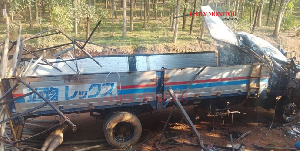
Five people have died following a head-on collision between a Toyota Hiace bus and a DAF truck on Saturday, December 20, at Ayensudo Meyinda on the Cape Coast–Takoradi Highway.
The circumstances surrounding the crash remain unclear, but both vehicles—the truck with registration GG 3227-25 and the bus GW 9373-22—were severely damaged.
The Ghana National Fire Service (GNFS) responded promptly, dispatching a rescue team from the Komenda Fire Station. Firefighters extricated the five passengers trapped inside the Hiace bus and worked with supporting agencies to retrieve the victims and clear the wreckage.
In addition to rescuing the victims, the team removed debris from the roadway, restoring traffic flow and ensuring public safety.
The cause of the accident is under investigation, reports say.
Majority Leader Mahama Ayariga has dismissed claims that President John Dramani Mahama is pursuing a third term in office, while acknowledging that Ghanaians retain the ultimate authority to decide the country’s political future.
Speaking on the floor of Parliament on Friday, December 19, 2025 before the House adjourned for recess, Ayariga said President Mahama has not indicated any interest in extending his tenure beyond the constitutional two-term limit. The Bawku Central MP was responding to persistent allegations from the opposition New Patriotic Party that the government plans to amend the constitution to allow Mahama to run again in 2028.
Ayariga told legislators that while some citizens have expressed support for a third term based on what they describe as exceptional government performance since taking office in January, the president himself has made no such commitment. The statement comes amid heightened political tension over the issue, with opposition MPs staging protests in Parliament earlier this week while chanting anti-third term slogans and waving placards.
The Majority Leader referenced regional precedents to illustrate how democratic systems provide mechanisms for citizens to either endorse or reject leaders seeking extended terms. He recalled conversations with opposition politicians from Côte d’Ivoire during his time in the ECOWAS Parliament, when those leaders sought regional support to oppose their president’s third term bid.
Ayariga emphasized that democratic principles ultimately vest decision-making power in citizens, who can express their will through constitutional processes. However, he cautioned the opposition that continuously raising the third term issue could inadvertently plant ideas that currently do not exist within the ruling National Democratic Congress.
In an earlier interview on Wednesday, Ayariga had warned that persistent speculation from the NPP could embolden voices within the NDC to consider the possibility, even though the party has made no such proposal. He argued that the opposition’s repeated accusations could become a self-fulfilling prophecy by introducing the concept into public discourse.
Ghana’s 1992 Constitution limits presidents to two four-year terms. President Mahama previously served as president from 2012 to 2017 after succeeding John Atta Mills, who died in office in 2012. Mahama lost the 2016 election to Nana Akufo-Addo but returned to power in the December 2024 elections, defeating Vice President Mahamudu Bawumia.
The opposition’s concerns have been amplified by the NDC’s overwhelming majority in Parliament, with 187 seats compared to the NPP’s 86 seats. Minority MPs have linked their third term allegations to recent parliamentary disputes, including the controversy over the Kpandai constituency seat and what they describe as government attempts to consolidate control over key state institutions.
Critics have pointed to government actions since taking office, including the removal of Chief Justice Gertrude Torkornoo and her replacement with a jurist seen as aligned with the ruling party, as evidence of institutional capture designed to facilitate constitutional amendments. Civil society voices and some religious leaders have also joined the debate, with commentators warning against any attempts to extend presidential term limits.
President Mahama has previously stated he has no plans for a third term. The NDC’s General Secretary, Fifi Kwetey, has also publicly rejected any third term agenda, insisting the party remains committed to constitutional governance and democratic norms.
The third term speculation first surfaced even before Mahama filed to contest the NDC flagbearer race ahead of the 2024 elections, with some individuals threatening Supreme Court action to prevent his candidacy. Those concerns proved unfounded as Mahama successfully contested and won both the party primary and the general election.
Ayariga acknowledged in a separate interview that if the NDC were to formally adopt a third term position as party policy, he would be obliged as Leader of Government Business to pursue it or resign from his leadership role. He clarified that such a scenario would represent a party directive rather than his personal preference.
Parliament has adjourned for the year and will reconvene in January 2026, with the third term debate likely to continue as the country approaches the midpoint of Mahama’s current term.
Five people have died following a head-on collision between a Toyota Hiace bus and a DAF truck on Saturday, December 20, at Ayensudo Meyinda on the Cape Coast–Takoradi Highway.
The circumstances surrounding the crash remain unclear, but both vehicles—the truck with registration GG 3227-25 and the bus GW 9373-22—were severely damaged.
The Ghana National Fire Service (GNFS) responded promptly, dispatching a rescue team from the Komenda Fire Station. Firefighters extricated the five passengers trapped inside the Hiace bus and worked with supporting agencies to retrieve the victims and clear the wreckage.
In addition to rescuing the victims, the team removed debris from the roadway, restoring traffic flow and ensuring public safety.
The cause of the accident is under investigation, reports say.
Ghanaian rap artiste formerly known as PeeCee has officially rebranded as ZAGBLENKU, ushering in a bold new chapter in his musical journey.
Alongside the rebrand, the artiste has released his highly anticipated album, L’Appel Du Vide.
The project is now available worldwide on all major digital streaming platforms (DSPs).
The album title, L’Appel Du Vide—a French phrase often translated as “the call of the void”—signals a deeply introspective body of work.
The project explores themes of inner conflict, transformation, and artistic rebirth.
ZAGBLENKU’s transition from PeeCee represents more than a name change. It reflects a clear evolution in sound, vision, and creative identity.
Listeners will encounter a refined musical direction that blends lyrical depth with bold experimentation, underscoring the artiste’s desire to push boundaries and redefine his place within the rap landscape.
With L’Appel Du Vide now out, ZAGBLENKU confidently steps into a new era—inviting audiences worldwide to experience his most personal and ambitious project to date.
DISCLAIMER: The Views, Comments, Opinions, Contributions and Statements made by Readers and Contributors on this platform do not necessarily represent the views or policy of Multimedia Group Limited.
DISCLAIMER: The Views, Comments, Opinions, Contributions and Statements made by Readers and Contributors on this platform do not necessarily represent the views or policy of Multimedia Group Limited.
Ghanaian actor Qwasi Blay Jnr has opened up about how he manages public admiration and fame without letting it inflate his ego, insisting that humility remains central to his life and career.
Speaking in an interview on Joy Prime with Roselyn Felli, the actor reacted to compliments about his looks and composure from audience members, describing them as flattering but ordinary. He emphasized that his approach to fame is shaped by years of receiving similar praise long before entering the entertainment industry.
Qwasi Blay Jnr explained that he has heard such compliments since his school days, from junior secondary school through senior high school to university. This longstanding exposure to public admiration has helped him view celebrity attention as nothing exceptional or deserving of pride.
The actor told the interviewer that he takes compliments in good faith without allowing them to affect his sense of self. According to him, “I don’t want it to get into my head. I take it like a normal person.”
He credited his grounded outlook to his faith, stressing that celebrity status does not make him superior to others. Qwasi Blay Jnr, who is the son of a pastor, said spirituality plays a major role in how he navigates the entertainment space and maintains perspective on his public profile.
The actor argued that anyone could be on television if given the opportunity, dismissing the notion that fame reflects inherent superiority. He described his television presence as a privilege rather than a personal achievement, attributing his career success to divine favor rather than individual merit.
Qwasi Blay Jnr told Joy Prime that when God lifts someone and puts them on a pedestal, humility becomes essential because the elevation is not self-generated. He emphasized that recognizing the source of one’s blessings prevents arrogance and helps maintain healthy relationships with fans and colleagues.
The actor revealed that he attaches God to everything he does, viewing his career trajectory as evidence of divine guidance. He expressed confidence that God is handling his career and doing so beautifully, suggesting that surrendering control to spiritual direction has brought him peace and stability.
His comments reflect a broader conversation within Ghana’s entertainment industry about how public figures manage fame, particularly in a culture where celebrity worship can be intense. Several Ghanaian actors and musicians have spoken publicly about the pressures of maintaining authenticity while navigating public expectations and constant scrutiny.
Qwasi Blay Jnr’s background as a pastor’s son appears to have significantly influenced his worldview and approach to stardom. Growing up in a religious household often emphasizes values such as humility, service, and recognizing human limitations, principles he has carried into his professional life.
The actor has built a reputation in the Ghanaian film industry for his versatility and screen presence, appearing in numerous local productions. His ability to connect with audiences while maintaining what colleagues describe as down-to-earth demeanor has contributed to his popularity beyond his acting roles.
Industry observers note that Qwasi Blay Jnr represents a generation of Ghanaian entertainers who seek to balance professional ambition with personal values. Unlike some celebrities who embrace lavish lifestyles and public displays of wealth, he has maintained a relatively low-key public profile outside his work.
The interview on Joy Prime covered various aspects of his career and personal philosophy, with the humility discussion emerging as a central theme. His remarks resonated with viewers who have expressed appreciation for celebrities who remain accessible and relatable despite their fame.
Faith-based approaches to celebrity management are common among Ghanaian entertainers, many of whom credit their success to divine intervention and maintain active involvement in religious communities. This cultural context shapes how fame is understood and navigated in Ghana’s entertainment landscape.
Qwasi Blay Jnr’s perspective also challenges the stereotype that all celebrities inevitably become egotistical or disconnected from ordinary people. His emphasis on treating fame as a temporary privilege rather than a permanent identity offers an alternative model for public figures seeking to maintain authenticity.
The actor’s comments come at a time when social media has intensified both the rewards and challenges of fame, with celebrities facing constant public commentary on their appearance, behavior, and lifestyle choices. His strategy of viewing compliments as normal rather than exceptional appears to provide psychological protection against the potential distortions of constant attention.
The US has seized an oil tanker that had recently departed from Venezuela, according to the US Department of Homeland Security.
It is the second time this month that an oil-carrying ship has been seized off the country’s coast.
The move comes after President Donald Trump said on Tuesday that he was ordering a “blockade” of sanctioned oil tankers entering and leaving Venezuela.
Venezuela has described the latest US move as “theft and kidnapping”.
It has previously accused the Trump administration of trying to steal its resources.
“These acts will not go unpunished,” a statement from the Venezuelan government said, adding that it intended to file a complaint with the UN Security Council and “other multilateral agencies and the governments of the world.”
The operation was led by the US Coast Guard, similar to the operation earlier this month. The ship was boarded by a specialised tactical team, and was in international waters when it was taken.
Department of Homeland Security Secretary Kristi Noem, whose department oversees the Coast Guard, shared a seven-minute video of the operation on X.
It shows US helicopters landing on the deck of a ship with the name Centuries written on the side.
It is a Panamanian-flagged ship, but in the past five years it has also sailed under the flags of Greece and Liberia, according to records seen by BBC Verify.
It is not on the US Treasury’s list of sanctioned vessels.
In recent weeks, the US has been building up its military presence in the Caribbean Sea and has carried out deadly strikes on alleged Venezuelan drug-smuggling boats, killing around 100 people.
It has provided no public evidence that these vessels were carrying drugs, and the military has come under increasing scrutiny from Congress over the strikes.
The Trump administration has accused Venezuelan President Nicolás Maduro of leading a designated-terrorist organisation called Cartel de los Soles, which he denies.
Trump has accused Maduro’s government of using “stolen” oil to “finance themselves, Drug Terrorism, Human Trafficking, Murder, and Kidnapping.”
Following the seizure of the second ship, Defence Secretary Pete Hegseth posted on X that the US would continue to “unflinchingly conduct maritime interdiction operations… to dismantle illicit criminal networks.”
“Violence, drugs, and chaos will not control the Western Hemisphere.”
Venezuela – which is home to the world’s largest proven oil reserves – is highly dependent on revenues from its oil exports to finance its government spending.
Trump’s announcement of a blockade came less than a week after the US seized an oil tanker believed to be part of the “ghost fleet” off the coast of Venezuela, which allegedly used various strategies to conceal its work.
Venezuela’s government decried the move, with Maduro saying the US “kidnapped the crew” and “stole” the ship.
Following the passage of Ghana’s Sports Fund, a new public conversation is emerging about how the state can launch the fund with seed money.
It is emerging that Ghana’s qualification for the 2026 FIFA World Cup could be a defining moment for the fund. The conversation, which is roping in the World Cup, goes beyond goals, bonuses, and travel budgets.
A growing view is that the money Ghana earns from the World Cup should not disappear into routine spending, but instead be used as seed money for the newly established Ghana Sports Fund.
Despite the excitement that surrounds Ghana’s qualifications and participation in the various World Cups, some Ghanaians are asking a longstanding question: after the various World Cups, what lasting value has the country benefited and can show for its participation?
Minister for sports and Recreation, Kofi Iddie Adams
The argument is rooted in frustration, as for many years, Ghana’s World Cup earnings have been surrounded by controversy, with public debates over bonuses, allowances, and what many describe as “chop chop.”
If for nothing at all, the 2014 Brazil World Cup Scandal continues to remain fresh in the minds of many Ghanaians. Money was blown anyhow; no lasting legacy was made, as with other editions.
Despite the huge sums the country benefits from just participation, after the tournament and the excitement fade, the deeper problems in Ghanaian sports remain.
Bad pitches, poor remuneration of local players, lack of modern equipment, among others, have characterised Ghana’s football. Sadly, despite the football prowess of the country worldwide, it lacks a global standard Sports Stadium.
These challenges are some of the reasons the Ghana Sports Fund was established.
With this vision, some Ghanaians believe that using the World Cup proceeds as seed capital for the Sports Fund would change that story.
Under FIFA’s new prize structure, countries qualifying for the 2026 World Cup are guaranteed significant earnings. Channeling this money into the Sports Fund would give the fund a strong financial foundation from day one, without placing excessive pressure on the national budget.
More importantly, it would turn a short-term sporting event into a long-term national investment.
It is also believed that a properly funded Sports Fund could support grassroots sports, rehabilitate school parks, train coaches, and provide consistent funding for lesser-known sports that receive little attention.
It could help young talents across the country, not just footballers, but athletes, boxers, and para-sports competitors who often struggle without support.
This approach also makes economic sense. Instead of spending the World Cup money once, the funds could be invested and recycled into sports development year after year. Over time, this could reduce the government’s dependence on emergency budget allocations whenever a major competition approaches.
It would also improve public trust. Many Ghanaians feel disconnected from how sports money is spent. Dedicating World Cup proceeds to a transparent, purpose-driven fund would send a strong signal that lessons have been learned and that sports can be managed with discipline and accountability.
Beyond sports, the benefits could spill into jobs, youth engagement, and social development. Better sports infrastructure creates employment, keeps young people active, and opens pathways for talent to earn scholarships and professional contracts abroad.
This call is not about denying players or officials what they deserve. It is about balance. Pay what is fair, but ensure that the nation also gains something permanent from its biggest sporting moments.
Black Stars winger, Kudus Mohammed was in action as Tottenham Hotspurs succumbed to a 2-1 home defeat against Liverpool in the ongoing 2025/2026 Premier League season.
The Ghanaian started the game on the right side of attack but suffered immensely as his team ended the game with 9 men after two red cards to Xavi Simons and captain Cristian Romero.
Xavi Simons was sent off in the 33rd minute for a serious foul on Virgil Van Dijk while Cristian Romero also received his marching orders after a second yellow card offense in the 93rd minute.
Liverpool took advantage of the numerical advantage to go ahead in the game through Alexander Isak in the 56th minute.
Hugo Ekitike doubled Liverpool’s lead 10 minutes later after pouncing on Jeremie Frimpong’s deflected cross in the box.
Richarlison pulled one back for the home team in the 83rd minute but Romero’s red card in stoppage time killed Tottenham’s hope of drawing the game.
Kudus Mohammed played the entire duration of the game and was rated 5.9 and 6.6 by Flashscore and Sofascore respectively.
In 90 minutes, Kudus 31 touches, blocked 1 shot, completed 14 passes out of the 21 he attempted and won 5 duels in the game.
JE
Watch highlights of the bout between Freezy Macbones and Jonathan Tetteh below:
The wreckage of a Fuso lorry after the driver lost control on Saturday night, December 20, 2025
At least eight mobile market vendors were killed and seven others seriously injured late Saturday after a truck crashed on a hilly road in western Uganda, police said. These traders often make long journeys to auction markets.
The crash occurred at about 10:45 pm on December 20 at Misana Village along the Nsiika–Bukiiro Road in Buhweju District, according to Greater Bushenyi Regional Police spokesperson Apollo Tayebwa.
The crash involved a Fuso lorry, registration number UBA 649Z, which was travelling towards Rubindi when it reportedly suffered mechanical brake failure while descending a steep slope.
“Preliminary investigations indicate that the vehicle experienced brake failure, causing the driver to lose control,” Tayebwa said.
Police said the victims, most of them mobile market vendors, were travelling to Rubindi when the lorry veered off the road and crashed.
By press time on Sunday, three of the deceased had been identified as Justus Musinguzi, Jackson Turyagyenda, Kekimuli, and Kemigisha, among others. Their bodies were taken to Nsiika Health Centre IV mortuary for post-mortem examinations.
Seven survivors were rushed to Nsiika Health Centre IV for emergency treatment. Police identified them as Joab Babanza (45), Valentino Turyasingura (26), Amon Akampurira (31), Jovanis Kyarikunda (49), Yasin Kayongo (24), and Joan Katushabe (42).
Police said one female and three male survivors were yet to be fully identified.
The driver fled the scene immediately after the crash and remains at large. Police have launched a manhunt and appealed to the public for information that could lead to his arrest.
“Buhweju Police responded swiftly to rescue the survivors,” Tayebwa told _MONITOR_.
He warned motorists to strictly adhere to traffic regulations, noting the deadly consequences of road crashes.
“We extend our deepest sympathies to the bereaved families. We strongly urge all road users to comply with traffic rules because our lives have no spare parts,” Tayebwa said.
Traffic police were still examining the wreckage to establish the exact cause of the mechanical failure as efforts continued to clear the scene.
Road accidents are common in Uganda, often blamed on poor vehicle maintenance, speeding, and dangerous road terrain.
An average of at least 25 people die daily from road crashes and murders in Uganda, according to the 2024 annual police crime report.
Ishaq Ibrahim, a lecturer at the University of Professional Studies, Accra, and member of the New Patriotic Party (NPP), wants government to consider postponing lithium mining if the country cannot secure a deal that adequately benefits its citizens.
Speaking on The Big Issue on Channel One TV on Saturday, December 20, 2025, Mr Ibrahim said it would be better to leave the resource for future generations than accept an agreement that shortchanges the country.
His comments come amid renewed controversy over the lithium mining agreement between the government and Barari DV Ghana Limited, which covers lithium and other minerals at Mankessim in the Central Region. The agreement was originally presented to Parliament by the Minister for Lands and Natural Resources, Emmanuel Armah-Kofi Buah.
On December 10, the government withdrew the revised agreement from Parliament to allow further consultations with key stakeholders. The revision followed a request by Barari DV Ghana Limited to adjust lease terms, citing a sharp decline in global lithium prices that had affected the project’s viability. The agreement was later resubmitted on December 19, reigniting debate over the proposed 5 percent royalty rate, which critics say is a reduction from the 10 percent rate negotiated under the previous administration.
“If you listen to the minister and you listen to the likes of Hamza Suhuyini, everything that they say regarding the lithium deal defies logic. Ten percent or five percent, which is better? Seven percent or ten percent, which is better?” Mr Ibrahim asked.
He accused the government of prioritising investors over Ghanaians, despite describing itself as a listening administration.
“When you listen to their argument, sometimes I ask myself, on whose side is the government — the investors or the people of Ghana?” he said.
Mr Ibrahim noted that the previous administration had negotiated a 10 percent royalty, which was initially criticised by the current government while in opposition.
“During our time, we came out with a negotiation double of what was proposed. At the time, they told us that the 10 percent wasn’t good at all. Now you have the opportunity to turn things around, and you say five percent,” he stated.
“This team is not good at negotiation,” he said, adding that if the investor accepts the revised sliding scale, it would still be economically beneficial to the company.
Mr Ibrahim also stressed that concerns about unemployment should not override the need to secure a fair deal.
“If we are really shortchanged as Ghanaians in the lithium sector now, there is nothing wrong with leaving it for the next generation. If the concern is that lithium prices are going down, what happens to future generations? We can leave it for them, or wait until we have a competent team that will negotiate better for the Ghanaian people,” he said.
Gov’t resubmits Lithium mining agreement to Parliament
When Otumfuo Osei Tutu II, Asantehene, spoke firmly against attempts to use legislation to include Queen mothers in sittings of the Houses of Chiefs, his message was simple but profound: chieftaincy must not become a political experiment.
This was not a rejection of queen mothers. It was a defense of customary law, constitutional order, and the dignity of traditional authority.
Chieftaincy was never meant to be controlled by politics
Ghana’s 1992 Constitution deliberately shields chieftaincy from political interference. Under Article 270, the institution of chieftaincy is guaranteed “as established by customary law and usage.” This wording matters. It means chieftaincy exists because communities recognise it, not because Parliament created it.
The Constitution goes further by restricting Parliament from passing any law that undermines the honour, dignity, or structure of chieftaincy. In effect, lawmakers are custodians, not architects, of traditional authority.
Otumfuo’s concern is therefore constitutional: once politicians begin redesigning customary institutions, chieftaincy loses the very independence that gives it legitimacy.
What the Chieftaincy Act (As Revised in 2020) was meant to do
The Chieftaincy Act, 2008 (Act 759) as amended and operationally reviewed by 2020—did not alter this constitutional philosophy. Its purpose remains administrative and facilitative, not transformative.
Even after the 2020 reforms, the Act:
– Retains the Traditional Councils, Regional Houses of Chiefs, and the National House of Chiefs as bodies rooted in custom.
– Preserves the principle that membership and representation flow from customary law, not political discretion.
– Focuses reforms on dispute resolution, record-keeping, procedures, and efficiency, not on redefining traditional authority or customary roles.
Critically, the Act does not mandate Parliament to restructure how traditional areas organise themselves internally.
There is still no statutory power for political actors to determine how Asante, Dagomba, Anlo, Mamprusi, Gonja, or Ga systems should assign authority or representation within their customary frameworks.
That restraint—maintained even after the 2020 review—is deliberate. Ghana’s strength lies in its plurality of customs, not in imposing uniform institutional models across distinct traditional systems.
Customary law is not inferior law
Under Article 11 of the Constitution, customary law is a recognised source of law in Ghana. It is living law, shaped by history, values, and long-standing communal practice, which conforms to the statues of the 1992 Constitution of Ghana.
In Asante tradition, queen mothers are not ceremonial figures. They are deeply influential, particularly in nomination, succession, counsel, and moral authority. Their power is real—but it is exercised according to custom, not through open deliberative sittings of chiefs.
That distinction is not discrimination. It is customary design, preserved and respected by both the Constitution and the Chieftaincy Act—even after its 2020 reforms.
Why Otumfuo’s warning matters
The real danger Otumfuo highlighted is this:
If Parliament can decide who sits in traditional councils today, it can decide who controls chieftaincy tomorrow.
Once chieftaincy becomes subject to political pressure, lobbying, or ideological fashion, it loses its neutrality. And once neutrality is lost, tradition becomes vulnerable to division and manipulation.
Ghana’s constitutional framers understood this risk. That is why chieftaincy was insulated from politics in 1992, and why subsequent statutory reforms, including those up to 2020, stopped short of altering customary authority.
Reform must come from within tradition
Custom is not static. It evolves—but it must evolve organically, through dialogue and consensus within the traditional system itself. Change imposed from outside, however well-intentioned, weakens rather than strengthens tradition.
Otumfuo Osei Tutu II’s position is therefore not about blocking progress. It is about ensuring that progress respects history, identity, and constitutional boundaries.
Gold Fields Ghana executives met Minerals Income Investment Fund officials Wednesday to discuss operational insights, investment opportunities and collaboration areas as the mining giant highlighted its substantial contribution to Ghana’s economy.
The December 18 engagement at MIIF headquarters centered on Gold Fields’ operations accounting for 31 percent of the company’s global production, underscoring Ghana’s strategic importance within the multinational’s portfolio. The discussions aimed to explore partnership avenues benefiting both entities while advancing Ghana’s mining sector development.
Elliot Twum, Senior Vice President and Managing Director of Gold Fields Ghana, led the company delegation alongside Emma Morrison, Regional Head of Corporate Affairs, and William Empeh, Head of Human Resources. MIIF Chief Technical Officer Kwabena Barning headed the fund’s team with senior management members.
Twum emphasized operational excellence pillars that have driven Gold Fields’ consistent performance in Ghana. He identified experienced technical and management teams, robust organizational governance, strong Environmental, Social and Governance footprint, Ghana’s significant resource potential, and operations within a tier-one mining jurisdiction as critical success factors.
The company’s commitment to sustainable operations extends beyond mineral extraction into community development and environmental stewardship. Gold Fields established Ghana’s first mine foundation, demonstrating corporate responsibility innovation that has become a sector benchmark for other mining companies operating in the country.
Infrastructure development represents a cornerstone of Gold Fields’ community engagement strategy. The company constructed a 33-kilometer asphalted road linking Tarkwa and Damang at $27 million, addressing transportation challenges that had hampered economic activity and social mobility in mining communities for decades.
Sports infrastructure received similar attention through construction of a 10,000-capacity stadium costing $13 million. The facility serves local communities while promoting youth development through sporting activities, reflecting Gold Fields’ understanding that mining companies carry responsibilities extending beyond immediate operational areas.
Environmental remediation initiatives demonstrate technical innovation applied to sustainability challenges. Gold Fields rehabilitated tailings storage facilities into productive farmland, transforming previously degraded mining sites into agricultural assets that generate income for host communities while addressing environmental concerns about abandoned mining infrastructure.
These environmental and social initiatives earned Gold Fields the Best Green Mine and Best Performer in Environmental Management awards for 2024. The recognition from industry peers validates the company’s integrated approach linking operational efficiency with environmental protection and community development.
MIIF representatives expressed appreciation for the engagement while emphasizing the fund’s interest in exploring collaboration through knowledge sharing and capacity building. The sovereign wealth fund seeks partnerships that strengthen Ghana’s mining value chain while ensuring mineral wealth benefits present and future generations.
The Minerals Income Investment Fund manages equity interests and mineral royalties accruing to Ghana from mining operations. Established by parliamentary Act 978 in 2018, MIIF aims to maximize value from mineral income through strategic investments across diversified asset classes and sectors beyond mining.
MIIF reported substantial growth in mineral royalty collections during 2025, with large-scale gold mining generating $291.87 million in royalties by September, representing a 40.18 percent increase from $208.20 million collected during the same period in 2024. The revenue surge reflects improved regulatory compliance and sustained investor confidence.
Gold Fields operates two mines in Ghana’s Ashanti Gold Belt through its 90 percent ownership stake, with the government holding 10 percent free-carry shares. The Tarkwa mine ranks among Africa’s largest gold producers, while Damang processes stockpiles as management evaluates future development options.
Ghana’s mining sector contributed $5.8 billion in mineral revenue during 2023, representing a 4.3 percent increase from $5.6 billion recorded in 2022. Gold remains the dominant export commodity, accounting for over 90 percent of mineral exports and approximately 12.3 percent of gross domestic product.
The country produced approximately 4.2 million ounces of gold in 2023, contributing roughly 4 percent of global output. Major producers including Newmont, Gold Fields, AngloGold Ashanti and Kinross Gold operate extensive facilities across the Ashanti, Western and Eastern regions.
Gold Fields’ Ghana operations sit within the Birimian and Tarkwaian gold belts, geological formations containing some of West Africa’s richest mineral deposits. These greenstone belts formed during the Paleoproterozoic era and host numerous world-class gold deposits exploited commercially since the late 19th century.
The Tarkwa mine has operated continuously for several decades as one of Ghana’s most productive facilities. Open-pit operations process millions of tons of ore annually, employing sophisticated extraction technologies that maximize recovery while minimizing environmental impact through progressive rehabilitation programs.
MIIF’s investment mandate extends beyond passive royalty collection toward active participation in value chain development. The fund targets investments in mining support services, mineral processing, equipment manufacturing and technology transfer initiatives that embed more economic value within Ghana rather than exporting raw materials.
The potential collaboration between MIIF and Gold Fields could encompass multiple dimensions. Knowledge transfer programs might see Gold Fields sharing technical expertise with local mining companies supported by MIIF investments, accelerating capability development across the domestic sector.
Capacity building initiatives could involve training programs for Ghanaian professionals in specialized mining disciplines including geology, metallurgy, mine engineering and environmental management. Such investments address critical skills gaps constraining broader participation by indigenous companies in high-value mining operations.
Joint ventures represent another partnership possibility, with MIIF providing capital and Gold Fields contributing technical expertise for developing prospects requiring substantial investment and specialized knowledge. This model could accelerate exploitation of mineral deposits currently beyond reach of purely domestic operators.
The meeting reflects broader government policy encouraging deeper linkages between international mining companies and local economic development. Mining companies increasingly face expectations that operations generate spillover benefits beyond direct employment and tax payments.
Gold Fields’ sustainability initiatives align with growing investor emphasis on Environmental, Social and Governance factors in evaluating mining investments. Companies demonstrating robust ESG performance attract capital more easily while securing social licenses to operate in communities potentially affected by mining activities.
The rehabilitation of tailings facilities into farmland exemplifies circular economy principles applied to mining. Rather than viewing mining as purely extractive, Gold Fields integrates restoration planning into operational design, ensuring post-mining landscapes deliver ongoing economic and ecological value.
Ghana’s regulatory framework has evolved to encourage local content development and community participation in mining value chains. The government’s 10 percent free-carry stake in major operations provides direct financial benefits while enabling policy influence over corporate strategy and operational standards.
MIIF reported assets under management reaching $919.39 million by June 2025, representing a 58.46 percent increase from 2024 year-end figures. The growth reflects both investment returns and increased royalty collections as global gold prices remained elevated throughout the period.
The fund’s investment strategy emphasizes diversification across sectors and geographies to reduce exposure to commodity price volatility. While anchored in mining revenues, MIIF seeks opportunities in infrastructure, financial services, agriculture and technology that generate consistent returns independent of mineral price cycles.
Recent MIIF initiatives include investments in small and medium enterprise funds supporting domestic businesses across multiple sectors. The fund committed GH¢25 million to the Injaro Ghana Venture Capital Fund, signaling interest in catalyzing entrepreneurship beyond traditional mining activities.
Gold Fields’ 31 percent production contribution from Ghana highlights the country’s strategic value within the company’s global portfolio. The concentration creates mutual dependency, incentivizing sustained investment in operational efficiency, community relations and environmental stewardship to protect long-term production capacity.
The company faces ongoing challenges including rising operational costs driven by inflation, increasing energy expenses, and pressure for higher local content in procurement and employment. Successfully navigating these pressures while maintaining production volumes requires continuous innovation in operational practices and stakeholder engagement.
Ghana’s position as Africa’s leading gold producer creates competitive advantages attracting international investment while generating substantial government revenues. However, maximizing long-term value requires moving beyond commodity export toward processing, manufacturing and service provision that capture more value domestically.
The Wednesday meeting represents one element in ongoing dialogue between public sector institutions and private mining companies about aligning commercial interests with national development objectives. Success depends on finding mutually beneficial arrangements that incentivize continued private investment while delivering broader economic transformation.
MIIF’s engagement with Gold Fields follows similar discussions with other major producers as the fund develops its investment pipeline. The systematic approach to relationship building reflects MIIF’s maturation from passive royalty collector toward active participant in shaping Ghana’s mining sector trajectory.
Future collaboration possibilities extend to research and development initiatives exploring new extraction technologies, environmental remediation techniques and mineral processing innovations. Ghana’s research institutions could benefit from industry partnerships providing practical problems for academic investigation alongside funding for postgraduate training.
The meeting concluded with both parties expressing commitment to continued dialogue and exploring concrete partnership opportunities. Subsequent technical discussions will likely examine specific investment proposals, capability transfer programs and joint venture structures matching MIIF’s mandate with Gold Fields’ operational priorities.
Accra, Dec. 21, GNA – Mr Alexander Afenyo-Markin, the Minority Leader in Parliament, has described the media as the “lifeblood of democracy” commending the Parliamentary Press Corps for their dedicated coverage of parliamentary proceedings during the Third Meeting of the First Session of the Ninth Parliament.
At the closing ceremony of the meeting on Friday, Mr Afenyo-Markin, also the NPP Member of Parliament for Effutu, praised the journalists for their professionalism and commitment, noting that their work ensured transparency and kept citizens informed about the activities of the legislature.
He urged Members of Parliament to use the recess period to attend to their health, stressing that “knowing your health condition is better in order to treat it.”
The Minority Leader underscored the importance of wellness for effective service delivery, encouraging his colleagues to undergo medical check-ups before the next session resumed.
Mr Afenyo-Markin also expressed concern over alleged plans to remove him and being summoned before the Privileges Committee for purportedly disobeying a parliamentary resolution on Ghana’s representation at the ECOWAS Parliament.
He maintained that he currently served as the Third Deputy Speaker at the ECOWAS Parliament, with his tenure running until 2028, and insisted that “no one can remove me.”
The Minority Leader’s remarks capped the end of the Third Meeting of the First Session, which saw extensive debates and legislative business before Parliament adjourned for the Christmas recess.
Parliament adjourned on Friday, December 19, 2025 sine die the Third Meeting of the First Session of the Ninth Parliament after 35 sittings held within nine weeks.
The adjournment brings to a close week of deliberations, debates, and legislative business that saw Members of Parliament (MPs) consider a wide range of motions, bills, and reports.
During the period, the House engaged in extensive discussions on national policy matters, scrutinised government proposals, and exercised its oversight responsibilities across various sectors.
He emphasised the importance of collaboration across the political divide to ensure that Parliament remained a strong pillar of Ghana’s democracy.
The adjournment sine die means the House will reconvene at the start of the next meeting in the new year, with fresh business expected to be tabled for consideration.
Fifi Fiavi Kwetey, the General Secretary of the National Democratic Congress (NDC), has stated, majority of Ghanaians want the Chairperson of the Electoral Commission, Jean Mensa and deputies gone.
The NDC General Secretary backed calls for the removal of Jean Mensa and her deputies from office, arguing that public opinion would overwhelmingly support the removal of EC officials if an independent assessment were conducted.
Two people died and five others sustained injuries Thursday night after a fuel tanker collided head-on with a passenger bus at Enyiresi near Anyinam on the Accra Kumasi highway, the Ghana National Fire Service reported.
The MAN Diesel tanker carrying two occupants lost control after a tyre detached, veering into the path of an oncoming Sprinter bus transporting eight passengers. The collision left the bus completely destroyed and trapped beneath the tanker, which sustained front axle damage.
The Ghana National Fire Service Anyinam station received an emergency call at 2038 hours Thursday and arrived within seven minutes to lead rescue operations. Firefighters retrieved one female victim deceased at the scene and handed her remains to police. A second victim died later at Enyiresi Government Hospital despite medical intervention.
Five injured passengers received treatment at Enyiresi Government Hospital and Helpline Hospital in Anyinam. Medical personnel referred one seriously injured victim to St. Joseph Hospital in Koforidua for specialized care. The tanker driver and his mate escaped without injuries and are cooperating with police investigations.
Fire crews from Bunso arrived later to reinforce the rescue operation, which concluded shortly after midnight. The GNFS commended its personnel for swift response while acknowledging assistance from the Motor Traffic and Transport Department and Ghana Ambulance Service.
Preliminary assessments indicate mechanical failure caused the accident when the tanker’s tyre detached unexpectedly. The driver lost steering control as the vehicle swerved across the highway’s center line into oncoming traffic. The Sprinter bus had no opportunity to avoid collision given the sudden nature of the tanker’s path deviation.
The Enyiresi area has experienced multiple serious accidents recently. Earlier this month, a Toyota Hiace and Honda Pilot collided on December 4 at nearly the same location, killing two people and injuring 13 others. That incident involved wrongful overtaking by the Hiace driver traveling from Nkawkaw toward Accra.
The recurring accidents along this highway section have raised concerns about road safety. The Accra Kumasi highway represents Ghana’s most important transportation corridor, connecting the capital with Ashanti Region and serving as the primary route for commercial vehicles moving goods between southern ports and northern markets.
Vehicle maintenance standards remain a persistent challenge across Ghana’s transport sector. Commercial vehicles frequently operate with worn tyres, faulty brakes, and inadequate mechanical servicing. Regulatory enforcement struggles to keep pace with the volume of vehicles requiring inspection and certification.
Tanker accidents pose particular dangers due to fuel cargo creating fire and explosion risks. This incident fortunately avoided fuel spillage that could have ignited, though the trapped bus position beneath the tanker complicated rescue efforts. Firefighters worked carefully to extricate victims while monitoring for potential fuel leaks.
The Ghana National Road Safety Authority recorded 2,384 road traffic deaths during the first nine months of 2024, representing a 3.7 percent increase from 2,299 deaths during the same period in 2023. Commercial vehicle crashes account for a disproportionate share of fatalities given their involvement in long-distance travel and heavy cargo transport.
Driver fatigue contributes significantly to commercial vehicle accidents. Tanker and bus operators often work extended hours without adequate rest breaks, particularly during periods of high fuel demand or passenger travel. Pressure to complete deliveries and maximize revenue encourages risky driving practices including excessive speed and inadequate vehicle inspection.
The National Road Safety Authority has implemented various interventions including speed monitoring cameras, roadside inspections, and public education campaigns. However, enforcement challenges persist due to limited personnel, equipment constraints, and vast road network coverage requirements exceeding available resources.
Vehicle age and condition standards require stricter enforcement. Many commercial vehicles exceed recommended service life while operating with minimal maintenance. Owners prioritize profit maximization over safety investments, creating conditions where mechanical failures become increasingly likely as vehicles deteriorate.
Road infrastructure quality affects accident rates. The Accra Kumasi highway has undergone extensive rehabilitation in recent years, yet certain sections remain problematic. Inadequate lighting, poor drainage, narrow lanes, and limited emergency stopping areas contribute to accident severity when mechanical failures or driver errors occur.
Emergency response capabilities have improved substantially through Ghana Ambulance Service expansion and Fire Service equipment upgrades. Response times have decreased in many areas, enabling faster victim extraction and medical treatment. However, rural sections still experience delayed responses due to station spacing and resource distribution.
The Motor Traffic and Transport Department investigates all serious accidents to determine causes and assign responsibility. Drivers found negligent face prosecution for offenses including dangerous driving, causing death by careless driving, and vehicle defects. Conviction rates remain low due to evidentiary challenges and court system delays.
Insurance requirements mandate third-party coverage for all vehicles, yet many commercial operators maintain minimum coverage that inadequately compensates victims. Survivors of serious accidents often face financial hardship when medical expenses exceed available insurance benefits and operators lack additional resources.
Public transport regulation falls under multiple agencies including Driver and Vehicle Licensing Authority, National Road Safety Authority, and Motor Traffic Department. Coordination challenges sometimes create regulatory gaps where vehicles operate without proper oversight. Streamlining regulatory functions could improve compliance monitoring.
The tanker industry faces particular scrutiny given petroleum product transportation risks. Bulk Oil Storage and Transportation Company sets standards for fuel transport, yet private tanker operators sometimes circumvent requirements. Inadequate tanker maintenance creates risks for drivers, passengers in other vehicles, and communities along transport routes.
This accident occurred during the Christmas travel season when passenger and commercial traffic increases substantially. Highways experience congestion as urban residents travel to rural hometowns while commercial vehicles rush to complete deliveries before holiday closures. The combination of increased traffic volume and time pressure elevates accident risks.
Victim identification and family notification represent challenging aspects of accident response. The female victim retrieved at the scene required police custody pending identification and family contact. The second victim’s death at hospital allowed medical personnel to assist with family notification and death certification procedures.
The injured victims face uncertain recovery prospects depending on injury severity. One victim’s referral to Koforidua indicates serious injuries requiring specialized treatment unavailable at local facilities. Medical expenses for extended hospitalization and rehabilitation create financial burdens for families already traumatized by the accident.
The Sprinter bus destruction suggests high-impact forces consistent with head-on collision dynamics. Such crashes generate extreme deceleration causing severe trauma to occupants even when wearing seatbelts. The bus’s position trapped beneath the tanker complicated rescue efforts and likely worsened victim injuries through prolonged entrapment.
The tanker crew’s escape without injuries demonstrates how vehicle size and structural integrity affect occupant protection. Tanker cabs sit higher and feature reinforced construction compared to passenger vehicles. However, their survival also reflects fortune given the collision severity that destroyed the bus.
Police investigations will examine the detached tyre to determine whether maintenance negligence contributed to the failure. Tyre condition, pressure monitoring, and replacement schedules represent critical safety factors for commercial vehicles. Operators who defer tyre replacement to reduce costs create catastrophic failure risks.
The accident highlights ongoing tensions between transportation efficiency demands and safety requirements. Commercial operators face pressure to minimize costs and maximize trips, sometimes leading to deferred maintenance and extended driver hours. Balancing economic viability with safety compliance remains an persistent challenge across the transport sector.
Road safety advocacy groups have intensified calls for stricter enforcement and higher penalties for vehicle defects and negligent driving. They argue that current sanctions inadequately deter dangerous practices and that stronger measures could reduce Ghana’s road traffic death toll.
The Christmas season typically sees road safety campaigns intensify through public service announcements, checkpoint operations, and media coverage of accidents. Authorities hope heightened awareness will encourage safer driving practices during the high-risk holiday period.
This accident serves as a somber reminder of road travel dangers facing Ghanaians daily. While infrastructure improvements and vehicle standards have advanced, significant gaps remain in enforcement, maintenance practices, and driver behavior. Sustained multi-stakeholder efforts will be required to achieve meaningful reductions in road traffic deaths and injuries.
Gold Fields Ghana executives met Minerals Income Investment Fund officials Wednesday to discuss operational insights, investment opportunities and collaboration areas as the mining giant highlighted its substantial contribution to Ghana’s economy.
The December 18 engagement at MIIF headquarters centered on Gold Fields’ operations accounting for 31 percent of the company’s global production, underscoring Ghana’s strategic importance within the multinational’s portfolio. The discussions aimed to explore partnership avenues benefiting both entities while advancing Ghana’s mining sector development.
Elliot Twum, Senior Vice President and Managing Director of Gold Fields Ghana, led the company delegation alongside Emma Morrison, Regional Head of Corporate Affairs, and William Empeh, Head of Human Resources. MIIF Chief Technical Officer Kwabena Barning headed the fund’s team with senior management members.
Twum emphasized operational excellence pillars that have driven Gold Fields’ consistent performance in Ghana. He identified experienced technical and management teams, robust organizational governance, strong Environmental, Social and Governance footprint, Ghana’s significant resource potential, and operations within a tier-one mining jurisdiction as critical success factors.
The company’s commitment to sustainable operations extends beyond mineral extraction into community development and environmental stewardship. Gold Fields established Ghana’s first mine foundation, demonstrating corporate responsibility innovation that has become a sector benchmark for other mining companies operating in the country.
Infrastructure development represents a cornerstone of Gold Fields’ community engagement strategy. The company constructed a 33-kilometer asphalted road linking Tarkwa and Damang at $27 million, addressing transportation challenges that had hampered economic activity and social mobility in mining communities for decades.
Sports infrastructure received similar attention through construction of a 10,000-capacity stadium costing $13 million. The facility serves local communities while promoting youth development through sporting activities, reflecting Gold Fields’ understanding that mining companies carry responsibilities extending beyond immediate operational areas.
Environmental remediation initiatives demonstrate technical innovation applied to sustainability challenges. Gold Fields rehabilitated tailings storage facilities into productive farmland, transforming previously degraded mining sites into agricultural assets that generate income for host communities while addressing environmental concerns about abandoned mining infrastructure.
These environmental and social initiatives earned Gold Fields the Best Green Mine and Best Performer in Environmental Management awards for 2024. The recognition from industry peers validates the company’s integrated approach linking operational efficiency with environmental protection and community development.
MIIF representatives expressed appreciation for the engagement while emphasizing the fund’s interest in exploring collaboration through knowledge sharing and capacity building. The sovereign wealth fund seeks partnerships that strengthen Ghana’s mining value chain while ensuring mineral wealth benefits present and future generations.
The Minerals Income Investment Fund manages equity interests and mineral royalties accruing to Ghana from mining operations. Established by parliamentary Act 978 in 2018, MIIF aims to maximize value from mineral income through strategic investments across diversified asset classes and sectors beyond mining.
MIIF reported substantial growth in mineral royalty collections during 2025, with large-scale gold mining generating $291.87 million in royalties by September, representing a 40.18 percent increase from $208.20 million collected during the same period in 2024. The revenue surge reflects improved regulatory compliance and sustained investor confidence.
Gold Fields operates two mines in Ghana’s Ashanti Gold Belt through its 90 percent ownership stake, with the government holding 10 percent free-carry shares. The Tarkwa mine ranks among Africa’s largest gold producers, while Damang processes stockpiles as management evaluates future development options.
Ghana’s mining sector contributed $5.8 billion in mineral revenue during 2023, representing a 4.3 percent increase from $5.6 billion recorded in 2022. Gold remains the dominant export commodity, accounting for over 90 percent of mineral exports and approximately 12.3 percent of gross domestic product.
The country produced approximately 4.2 million ounces of gold in 2023, contributing roughly 4 percent of global output. Major producers including Newmont, Gold Fields, AngloGold Ashanti and Kinross Gold operate extensive facilities across the Ashanti, Western and Eastern regions.
Gold Fields’ Ghana operations sit within the Birimian and Tarkwaian gold belts, geological formations containing some of West Africa’s richest mineral deposits. These greenstone belts formed during the Paleoproterozoic era and host numerous world-class gold deposits exploited commercially since the late 19th century.
The Tarkwa mine has operated continuously for several decades as one of Ghana’s most productive facilities. Open-pit operations process millions of tons of ore annually, employing sophisticated extraction technologies that maximize recovery while minimizing environmental impact through progressive rehabilitation programs.
MIIF’s investment mandate extends beyond passive royalty collection toward active participation in value chain development. The fund targets investments in mining support services, mineral processing, equipment manufacturing and technology transfer initiatives that embed more economic value within Ghana rather than exporting raw materials.
The potential collaboration between MIIF and Gold Fields could encompass multiple dimensions. Knowledge transfer programs might see Gold Fields sharing technical expertise with local mining companies supported by MIIF investments, accelerating capability development across the domestic sector.
Capacity building initiatives could involve training programs for Ghanaian professionals in specialized mining disciplines including geology, metallurgy, mine engineering and environmental management. Such investments address critical skills gaps constraining broader participation by indigenous companies in high-value mining operations.
Joint ventures represent another partnership possibility, with MIIF providing capital and Gold Fields contributing technical expertise for developing prospects requiring substantial investment and specialized knowledge. This model could accelerate exploitation of mineral deposits currently beyond reach of purely domestic operators.
The meeting reflects broader government policy encouraging deeper linkages between international mining companies and local economic development. Mining companies increasingly face expectations that operations generate spillover benefits beyond direct employment and tax payments.
Gold Fields’ sustainability initiatives align with growing investor emphasis on Environmental, Social and Governance factors in evaluating mining investments. Companies demonstrating robust ESG performance attract capital more easily while securing social licenses to operate in communities potentially affected by mining activities.
The rehabilitation of tailings facilities into farmland exemplifies circular economy principles applied to mining. Rather than viewing mining as purely extractive, Gold Fields integrates restoration planning into operational design, ensuring post-mining landscapes deliver ongoing economic and ecological value.
Ghana’s regulatory framework has evolved to encourage local content development and community participation in mining value chains. The government’s 10 percent free-carry stake in major operations provides direct financial benefits while enabling policy influence over corporate strategy and operational standards.
MIIF reported assets under management reaching $919.39 million by June 2025, representing a 58.46 percent increase from 2024 year-end figures. The growth reflects both investment returns and increased royalty collections as global gold prices remained elevated throughout the period.
The fund’s investment strategy emphasizes diversification across sectors and geographies to reduce exposure to commodity price volatility. While anchored in mining revenues, MIIF seeks opportunities in infrastructure, financial services, agriculture and technology that generate consistent returns independent of mineral price cycles.
Recent MIIF initiatives include investments in small and medium enterprise funds supporting domestic businesses across multiple sectors. The fund committed GH¢25 million to the Injaro Ghana Venture Capital Fund, signaling interest in catalyzing entrepreneurship beyond traditional mining activities.
Gold Fields’ 31 percent production contribution from Ghana highlights the country’s strategic value within the company’s global portfolio. The concentration creates mutual dependency, incentivizing sustained investment in operational efficiency, community relations and environmental stewardship to protect long-term production capacity.
The company faces ongoing challenges including rising operational costs driven by inflation, increasing energy expenses, and pressure for higher local content in procurement and employment. Successfully navigating these pressures while maintaining production volumes requires continuous innovation in operational practices and stakeholder engagement.
Ghana’s position as Africa’s leading gold producer creates competitive advantages attracting international investment while generating substantial government revenues. However, maximizing long-term value requires moving beyond commodity export toward processing, manufacturing and service provision that capture more value domestically.
The Wednesday meeting represents one element in ongoing dialogue between public sector institutions and private mining companies about aligning commercial interests with national development objectives. Success depends on finding mutually beneficial arrangements that incentivize continued private investment while delivering broader economic transformation.
MIIF’s engagement with Gold Fields follows similar discussions with other major producers as the fund develops its investment pipeline. The systematic approach to relationship building reflects MIIF’s maturation from passive royalty collector toward active participant in shaping Ghana’s mining sector trajectory.
Future collaboration possibilities extend to research and development initiatives exploring new extraction technologies, environmental remediation techniques and mineral processing innovations. Ghana’s research institutions could benefit from industry partnerships providing practical problems for academic investigation alongside funding for postgraduate training.
The meeting concluded with both parties expressing commitment to continued dialogue and exploring concrete partnership opportunities. Subsequent technical discussions will likely examine specific investment proposals, capability transfer programs and joint venture structures matching MIIF’s mandate with Gold Fields’ operational priorities.
Growing calls emerge for Ghana to channel its 2026 FIFA World Cup proceeds into the newly established Ghana Sports Fund rather than routine spending following parliament’s December 18 passage of the landmark legislation.
Parliament passed the Ghana Sports Fund Bill on December 18, 2025, establishing a legal foundation for structured sports financing through multiple revenue sources. The legislation underwent extensive scrutiny involving the Ministry of Sports and Recreation, Cabinet, Parliamentary Select Committee on Youth and Sports, Ministry of Finance, and the Office of the Attorney General.
Ghana stands to earn at least $10.5 million from 2026 World Cup qualification, comprising $9 million in participation prize money and $1.5 million for team preparation under FIFA’s record $727 million distribution package. The amount could rise substantially with tournament progression, as round of 16 qualifiers earn $15 million and quarterfinal teams receive $19 million.
Public discourse increasingly focuses on transforming this windfall into lasting infrastructure rather than allowing it to disappear into temporary expenditures. The conversation reflects frustration over decades of World Cup earnings that produced no permanent sporting legacy for Ghana.
The 2014 Brazil World Cup remains etched in public memory after the government airlifted $3 million in cash to pay player bonuses, creating international embarrassment and highlighting financial mismanagement in sports administration. Players threatened to boycott matches over unpaid appearance fees, forcing presidential intervention that ultimately damaged Ghana’s reputation.
President John Mahama acknowledged the 2014 episode dented Ghana’s image internationally. He emphasized that lessons have been learned, noting players now have bank accounts enabling direct transfers rather than physical cash delivery. The administration has committed to transparent budgeting and timely payment processing for the 2026 campaign.
Ghana’s sports infrastructure deficiencies persist despite regular World Cup appearances. The nation lacks a global standard stadium, maintains poorly compensated local players, operates on substandard pitches, and suffers from inadequate modern equipment across most sporting disciplines.
These chronic problems motivated the Sports Fund establishment. Advocates argue that dedicating World Cup proceeds as seed capital would provide immediate operational capacity without straining national budgets, particularly as Ghana faces competing fiscal demands.
The economic logic centers on converting single-use tournament earnings into renewable investment. Rather than exhausting funds immediately, structured deployment through the Sports Fund could generate recurring benefits supporting grassroots development, coaching training, facility rehabilitation, and support for lesser-known disciplines beyond football.
Sports Minister Kofi Adams championed the legislation through parliament, describing its passage as pivotal for Ghanaian sport. He emphasized the fund addresses chronic underfunding affecting disciplines outside football, which historically captured most available resources despite broader athletic talent across the nation.
The fund expects to mobilize billions of Ghana Cedis annually through dedicated revenue streams, donations, and parliamentary appropriations. An independent governing board will manage operations under clear accountability mechanisms aligned with the forthcoming National Sports Policy.
Proposed revenue sources outlined in earlier drafts include parliamentary allocations, sports lotteries, sponsorships, grants, taxes on betting companies, gate proceeds, athlete transfer fees, sponsorship deals, international federation contributions, and commercial sports vendor revenues.
Using World Cup earnings as initial capitalization would immediately demonstrate the fund’s viability. The injection would enable quick action on urgent infrastructure needs while establishing credibility that could attract private sector partnerships and international support.
The proposal addresses legitimate concerns about fair compensation. Advocates emphasize the approach requires balance between appropriate player and official payments and securing permanent national benefits from major sporting moments. Nobody suggests denying earned compensation, but rather ensuring surplus funds create lasting value.
Beyond sports infrastructure, proponents cite broader economic benefits. Improved facilities generate employment through construction and maintenance, keep youth engaged in productive activities, and create pathways toward scholarships and professional contracts abroad that benefit individual athletes and their families.
Enhanced sports development could reduce government reliance on emergency budget allocations during major competitions. Consistent funding through the Sports Fund would enable better planning, more effective preparation, and reduced financial crisis management that has characterized past tournament participation.
The transparency factor carries particular weight given Ghana’s history with sports finance controversies. Establishing a dedicated fund with clear governance structures, regular auditing, and public reporting requirements could rebuild trust eroded by past mismanagement episodes.
The 2026 World Cup represents Ghana’s first qualification since 2022, when the team exited at the group stage. The expanded 48-team format improves African representation from five to nine slots, enhancing qualification prospects for continental teams while maintaining tournament prestige through increased prize pools.
Ghana faces England, Croatia and Panama in Group L, presenting significant competitive challenges. England represents a former World Cup champion, Croatia reached the 2018 final, and Panama qualified through CONCACAF’s expanded allocation. The group stage performance will substantially impact Ghana’s total earnings.
FIFA President Gianni Infantino described the prize structure approval as a landmark moment reflecting the governing body’s commitment to broader revenue redistribution. The 50 percent increase over Qatar 2022 reflects both tournament expansion and FIFA’s expectation of record revenues approaching $13 billion over the 2023-2026 cycle.
The Ghana Football Association faces pressure to demonstrate improved financial stewardship. Recent qualification provides an opportunity to implement reformed practices emphasizing accountability, transparent budgeting, and stakeholder communication that addresses past failures.
Private sector engagement remains crucial for maximizing Sports Fund impact. Government seed capital from World Cup proceeds could catalyze corporate sponsorships, philanthropic contributions, and international development partnerships that multiply available resources beyond initial public investment.
Youth development infrastructure requires particular attention. Ghana produces exceptional athletic talent across multiple disciplines, but systematic development pathways remain inadequate. Consistent funding could establish training centers, coaching academies, and talent identification systems that identify and nurture ability from early ages.
School sports programs represent another priority area. Many educational institutions lack basic sporting facilities, limiting student participation and talent discovery. Sports Fund investment in rehabilitating school parks and providing equipment would expand the talent pool while promoting fitness and discipline among youth.
Para-sports athletes face especially severe resource constraints. These competitors often struggle without support despite representing Ghana internationally. Dedicated funding streams could provide training facilities, specialized equipment, coaching support, and competition preparation that enables athletes with disabilities to compete effectively.
The conversation about World Cup proceeds reflects broader questions about national priorities and resource allocation. Sports development competes with healthcare, education, infrastructure, and social services for limited government resources. Demonstrating that sports investment generates economic and social returns strengthens the case for continued support.
International examples show successful sports funds transforming national athletic landscapes. Countries that invested systematically in sports infrastructure experienced improved competition results, increased youth participation, reduced health problems, and enhanced international visibility that attracted tourism and investment.
Critics might argue that immediate spending on player bonuses and tournament operations takes precedence over long-term investment. However, this perspective ignores the reality that Ghana’s sporting challenges persist precisely because past windfalls produced no structural improvements.
The timing appears optimal for implementing this approach. Fresh legislation provides the legal framework, public awareness of past failures creates pressure for reform, and substantial World Cup earnings offer meaningful seed capital that could launch the fund with immediate credibility and operational capacity.
Parliament’s bipartisan support for the Sports Fund Bill suggests broad political consensus around sports development needs. This unity creates favorable conditions for designating World Cup proceeds as seed capital, as the decision would enjoy support across party lines rather than becoming partisan controversy.
Implementation success depends on maintaining transparency and accountability from the outset. Early decisions about fund governance, investment priorities, and stakeholder engagement will establish patterns determining long-term effectiveness. Getting these foundational elements right matters enormously.
The proposal represents more than financial mechanics. It embodies a philosophical shift from viewing sports as occasional tournament participation toward recognizing athletic development as continuous national investment yielding economic, social, and health dividends alongside competitive success.
Whether Ghana channels World Cup earnings into the Sports Fund remains undecided. However, the conversation itself marks progress, as it acknowledges past failures while proposing concrete mechanisms for ensuring future tournament participation delivers lasting benefits extending far beyond temporary excitement and fleeting glory.
Africa’s richest man, Aliko Dangote, has explained that the price difference between his exported cement and what Nigerians pay domestically is primarily due to Nigeria’s high taxes and regulatory burden.
Speaking at a press conference, Dangote explained that exporting allows his company to bypass a range of taxes that would otherwise drive up production costs domestically.
“When you look at my invoice, the cement I export is cheaper than the one I’m selling domestically, because that’s how exports work… in export I’m saving a lot of money, I’m not paying 30% income tax, I’m not paying 2%, education, I’m not paying 1% health, I’m not paying 7.5% VAT, and I’m not paying 10% withholding tax,” he said.
By eliminating these costs, Aliko Dangote noted that he would be able to price Nigerian cement competitively in global markets against producers from Turkey, Russia, and China.
Nigeria’s fiscal framework makes it cheaper to sell locally produced items overseas than at home, reflecting deeper structural flaws in the economy.
“So when you reduce all these taxes, I can afford to go and compete with the international market, with the likes of Turkey, Russia, and China,” he stated.
Dangote reveals what his prayer for his worst enemy is
He also said Nigerian consumers bear the cost of high taxes, various levies, and regulatory inefficiency.
While local production is sometimes marketed as a remedy to high pricing, Dangote’s experience demonstrates how policy decisions can undercut that goal.
Fuel queues have been a frequent aspect of Nigerian life since the early 1970s. Dangote claims that the refinery immediately addresses this past failure.
Despite its potential to stabilize fuel supplies, relieve foreign exchange pressure, and provide thousands of jobs, the refinery has faced opposition from a variety of sources.
Critics are concerned about market dominance, pricing power, and the concentration of such a valuable national asset in private hands.
Others contend that gasoline costs have not plummeted as swiftly or severely as anticipated.
“People are always trying to look at the negative, when you look at it, since when has Nigeria been having problems with fuel queues? Since 1972, somebody has addressed this problem, and you’re calling the company that addressed this issue names,” he added.
SP/EB
All you need to know about Ghana’s new vehicle number plates |BizTech:
Black Stars forward, Antoine Semenyo was on the scoresheet as AFC Bournemouth drew against Burnley on matchday 17 of the ongoing 2025/2026 Premier League season.
The 25-yerar-old scored his eight goal of the season to help the Cherries to a 1-1 draw against Burnley on Saturday, December 20, 2025, at the Vitality Stadium.
Antoine Semenyo drew the first blood in the game for the home team in the 67th minute but Bournemouth’s inability to keep clean sheets in the ongoing minute cost them in the final minutes.
With Bournemouth cruising to a 1-0 home victory, second half substitute Armando Broja after connecting his head to Marcus Edwards’s cross in the 90th minute of the game.
AFC Bournemouth are now 14th of the league table with 22 points after 17 games while Burnley occupy the 19th position, deep in the relegation zone with 11 points.
Watch the goals below:
JE
Meanwhile, watch highlights of the bout between Freezy Macbones and Jonathan Tetteh below:
A manhunt is underway after a shooting at a tavern in South Africa left nine people dead and another 10 injured.
Police said seven men and two women were killed in Bekkersdal, near Johannesburg, after about 12 unidentified gunmen arrived in two vehicles and opened fire at patrons.
The shooting happened at about 01:00 local time on Sunday (23:00 GMT Saturday) and the perpetrators “continued to shoot randomly as [people] fled the scene”, police added.
South Africa has one of the highest murder rates in the world. Sixty-three people were killed every day on average between April and September this year, according to police figures.
Murders are often the result of arguments, robberies, and gang violence. The motive for this killing is not clear.
At the scene, deputy provincial police commissioner Maj-Gen Fred Kekana told broadcaster Newzroom Afrika that the perpetrators, armed with pistols and one AK-47, were “unprovoked”.
“The poor patrons were just enjoying themselves when people came and shot,” he said.
Two of the victims were shot outside the tavern as they tried to flee, and a third was a taxi driver who had dropped off a passenger nearby, Maj-Gen Kekana added.
Speaking to Newzroom Afrika, one resident described how gunfire had become a normal thing at night in Bekkersdal.
“Criminals, they do as they please here,” the unnamed man said.
“These guns, they sound each and every evening… as soon as it’s dusk we know that gunshots are about to sound and they will sound severely.
“It is terrorising our communities.”
There are about three million legally held firearms in South Africa, but there are at least the same number of unlicensed weapons in circulation in the country, according to statistics cited by Gideon Joubert from the South African Gunowners’ Association.
Earlier this month, at least 11 people – including a child – were shot dead at a hostel near Pretoria.
Police have been carrying out investigations at the tavern
Accra, Dec. 21, GNA –Mr Mahama Ayariga, the Majority Leader and Leader of Government Business in Parliament, has stated that he will not allow himself to be provoked into making comments on the Bawku chieftaincy dispute.
Mr Ayariga, also the Member of Parliament for Bawku Central, said he had deliberately refrained from commenting on the matter, to avoid escalating tensions while the Mediation Team led by Otumfuo Osei Tutu II was working with key stakeholders to resolve the matter.
At the closing ceremony of the Third Meeting of the First Session of the Ninth Parliament on Friday, Mr Ayariga stressed that his silence was a conscious effort to protect peace in the area.
He explained that he had stayed away from his constituency for good reasons, noting that any remarks made in haste could inflame passions or worsen the situation.
Mr Ayariga reiterated his commitment to ensuring that parliamentary business remained focused on national development, while sensitive local issues were handled through appropriate mediation channels.
The Otumfuo Nana Osei Tutu II mediation Team’s verdict on the Bawku chieftaincy conflict reaffirmed Asigri Abugurago Azoka II as the legitimate Bawku Naba.
The mediation team recommended that rival chief Seidu Abagre be recalled to Nalerigu for another traditional role and urged the government support to enforce peace.
However, the Mamprugu Overlord (Nayiri) rejected the report, while the Ghanaian government officially accepted it as a roadmap for reconciliation.
Police arrest Daniel Abeiku Ansah for grading disputed land in Atiwa East.
Police at Anyinam in the Atiwa East District have arrested a miner identified as Daniel Abeiku Ansah for allegedly grading a disputed parcel of land with an excavator, in defiance of a subsisting court order.
The suspect was arrested on Saturday afternoon after police received information that he had moved an excavator onto the land, which is currently the subject of litigation before the Koforidua High Court.
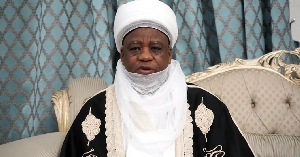
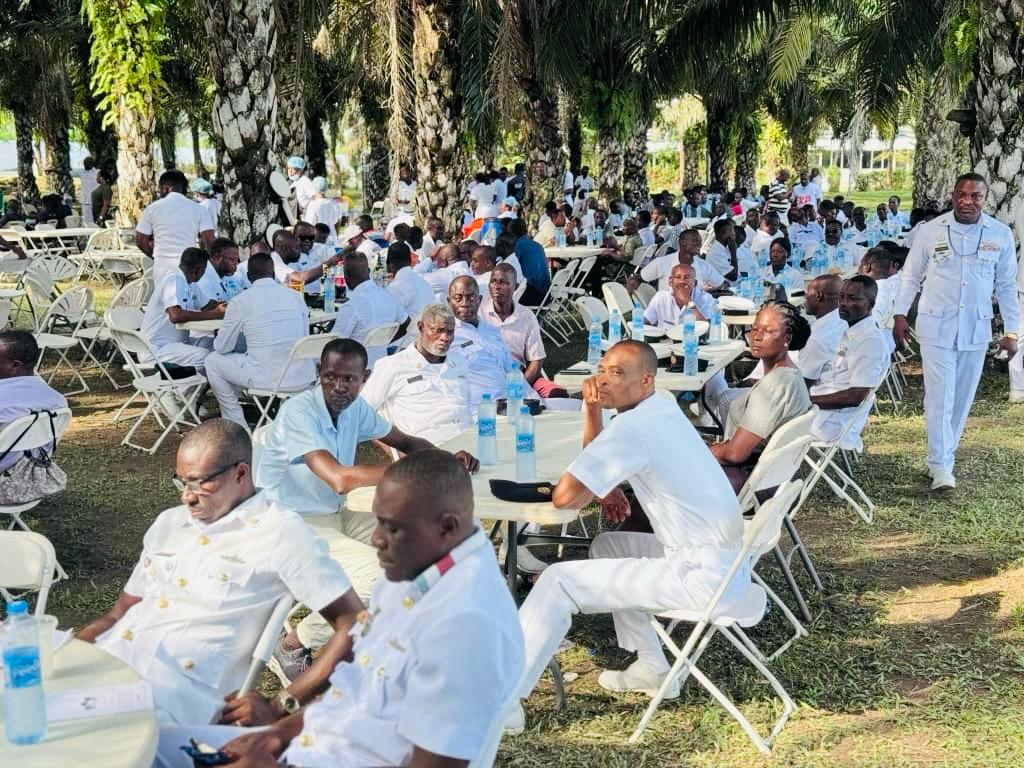



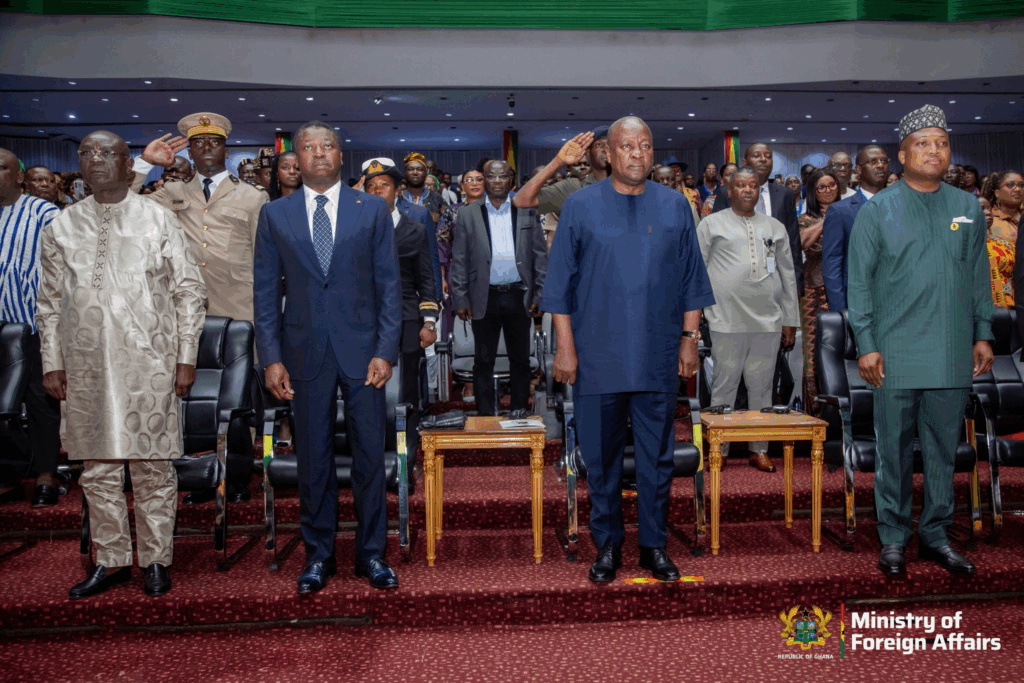
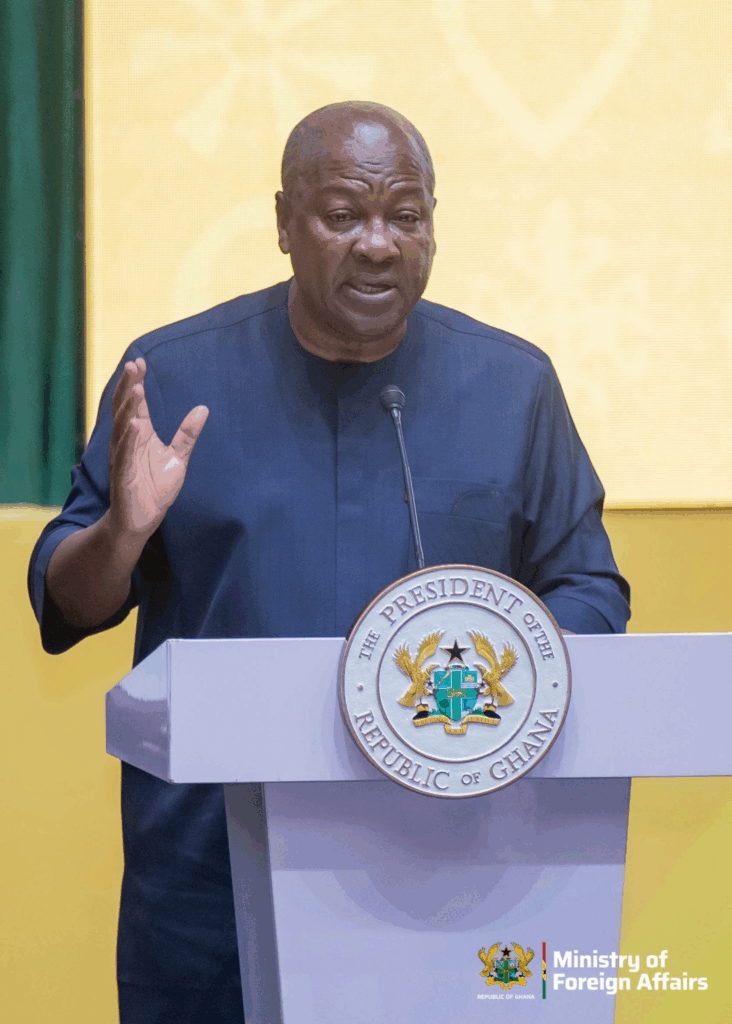
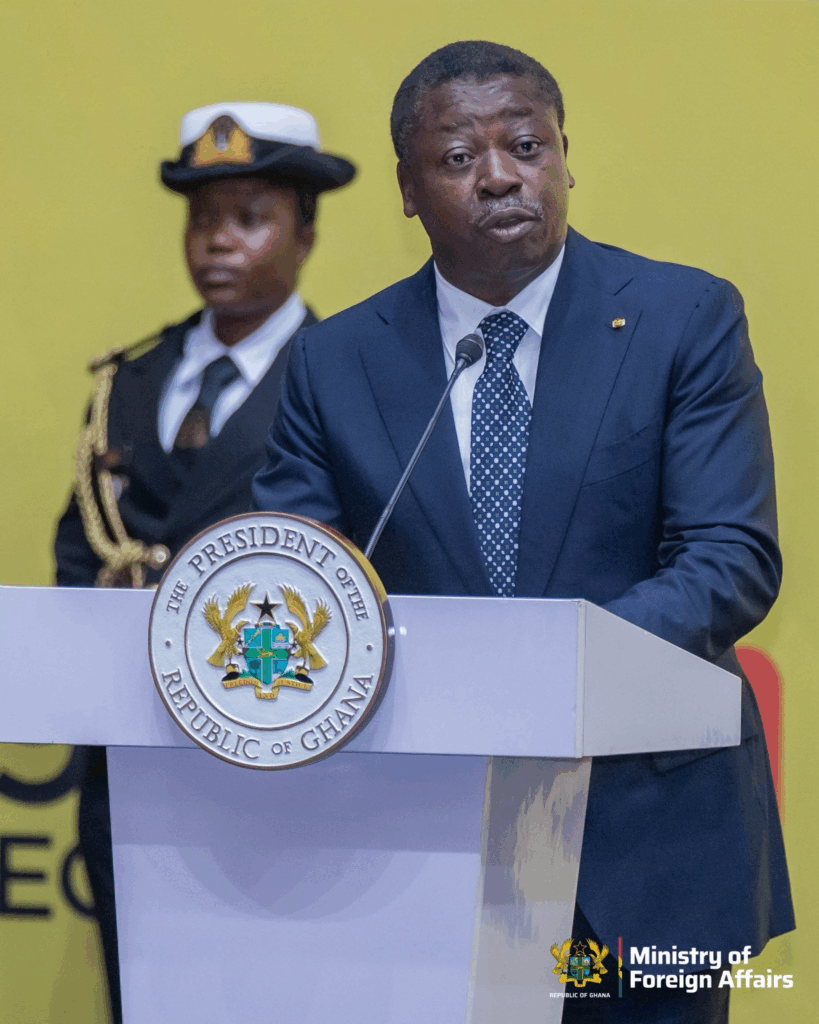
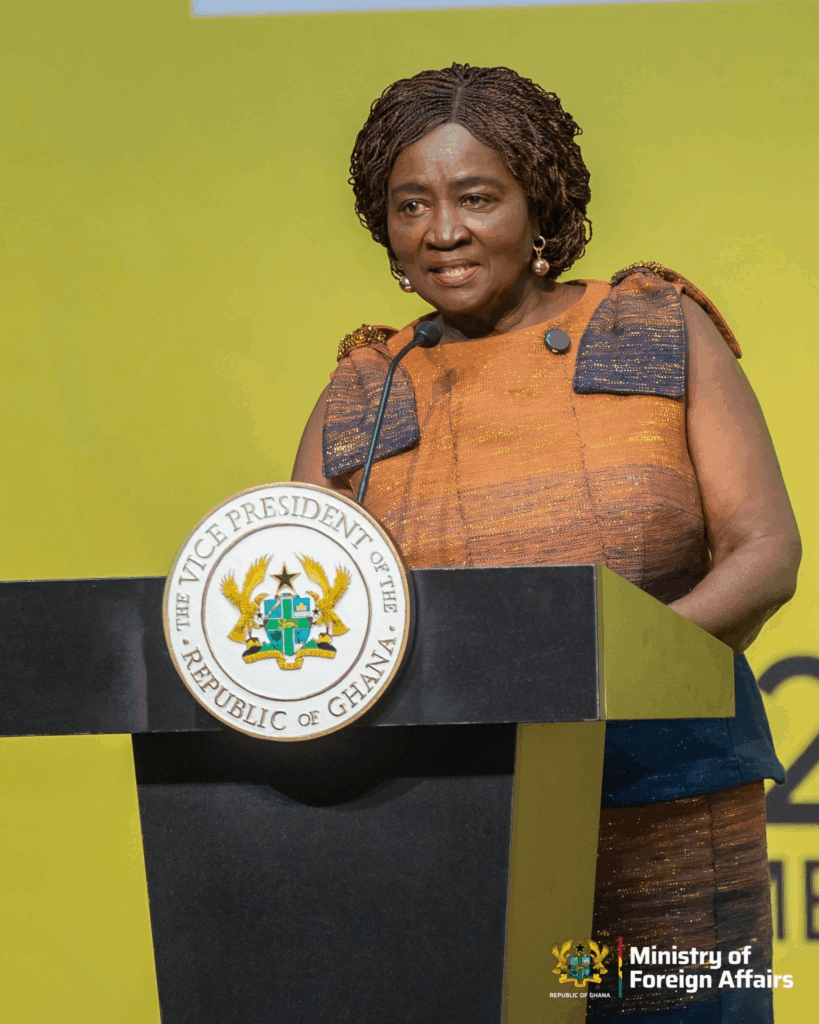
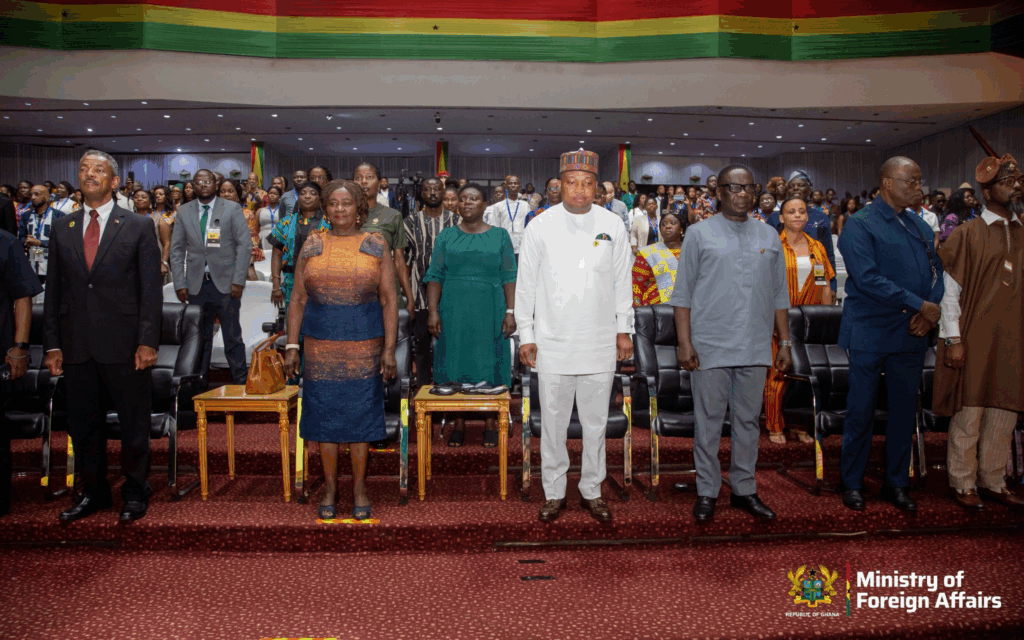
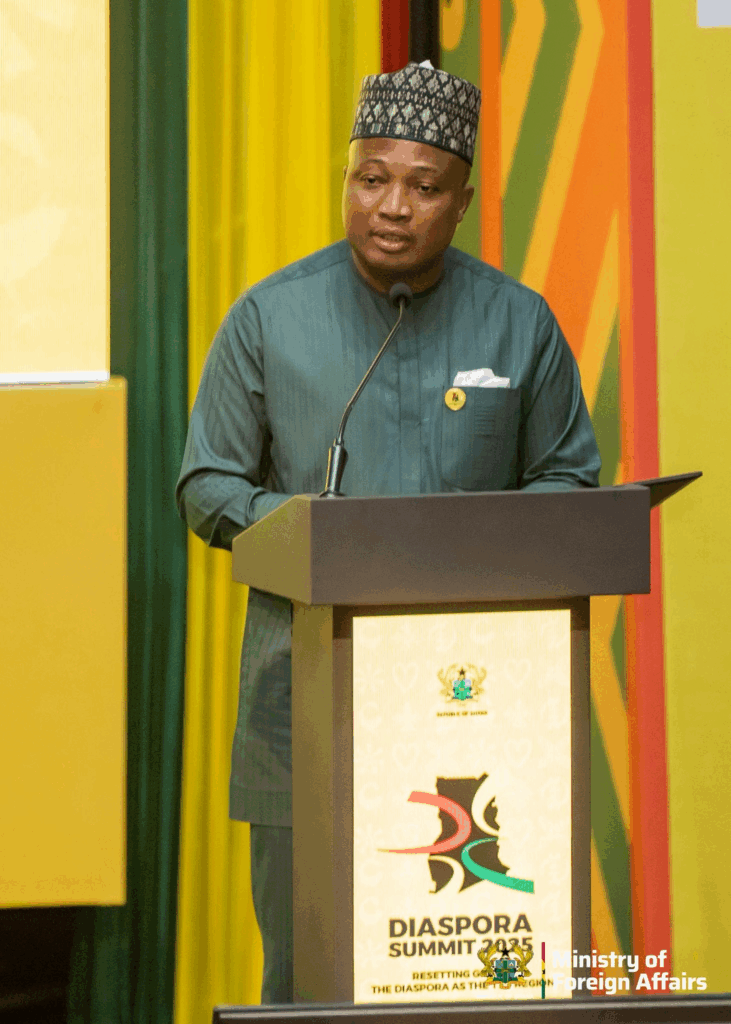
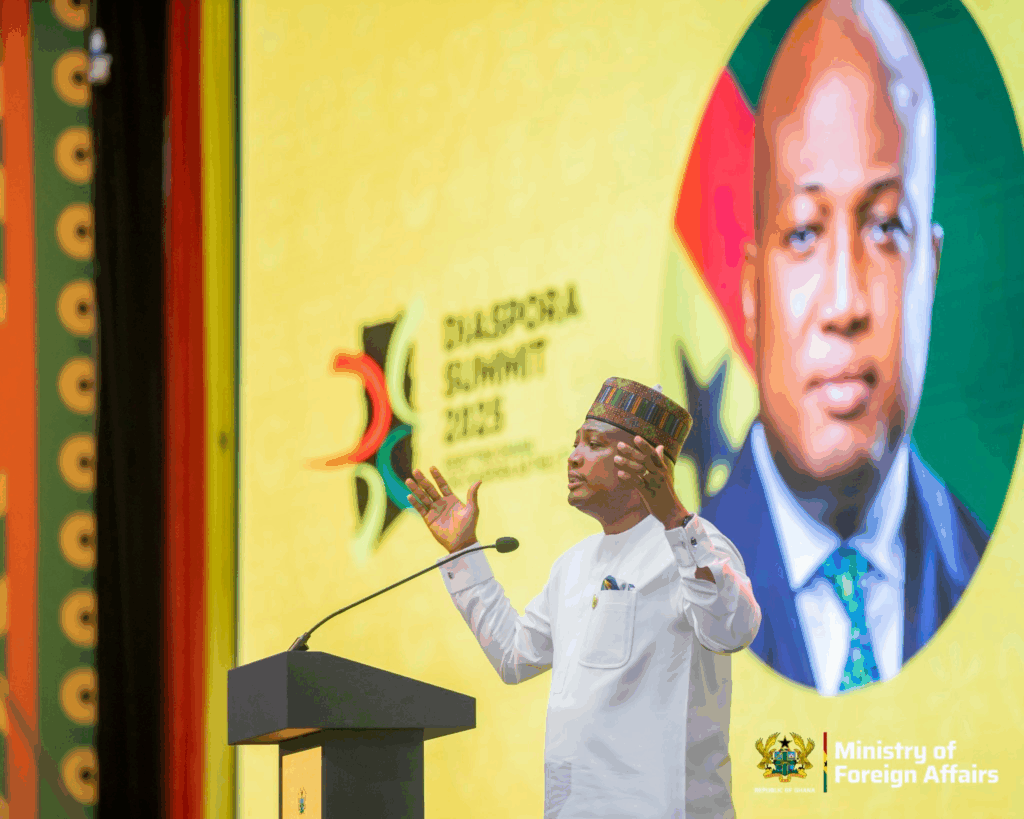
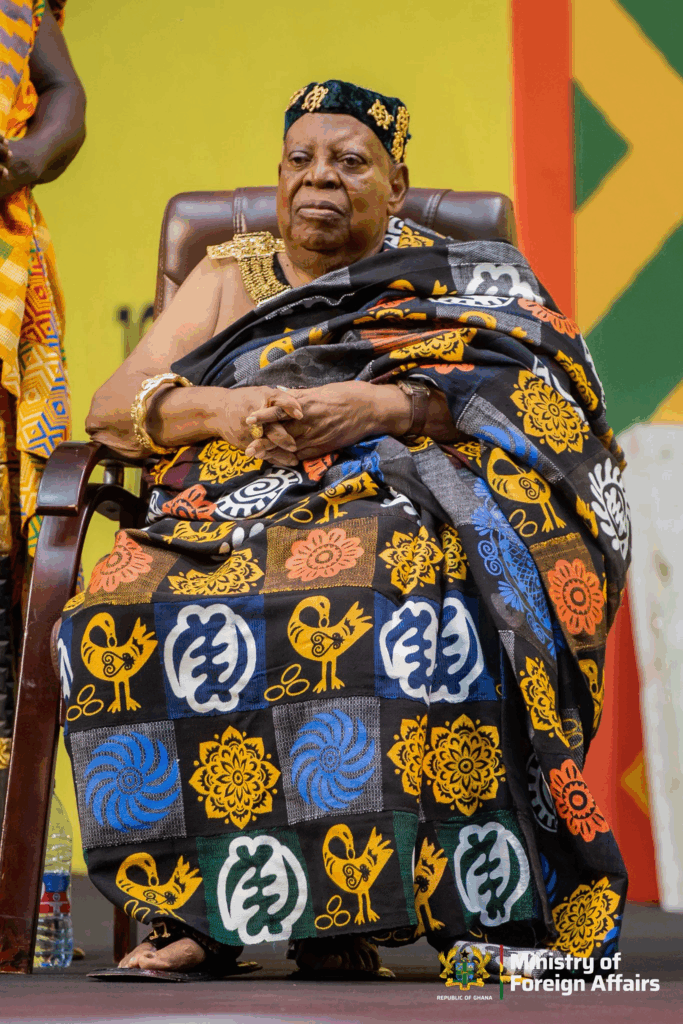
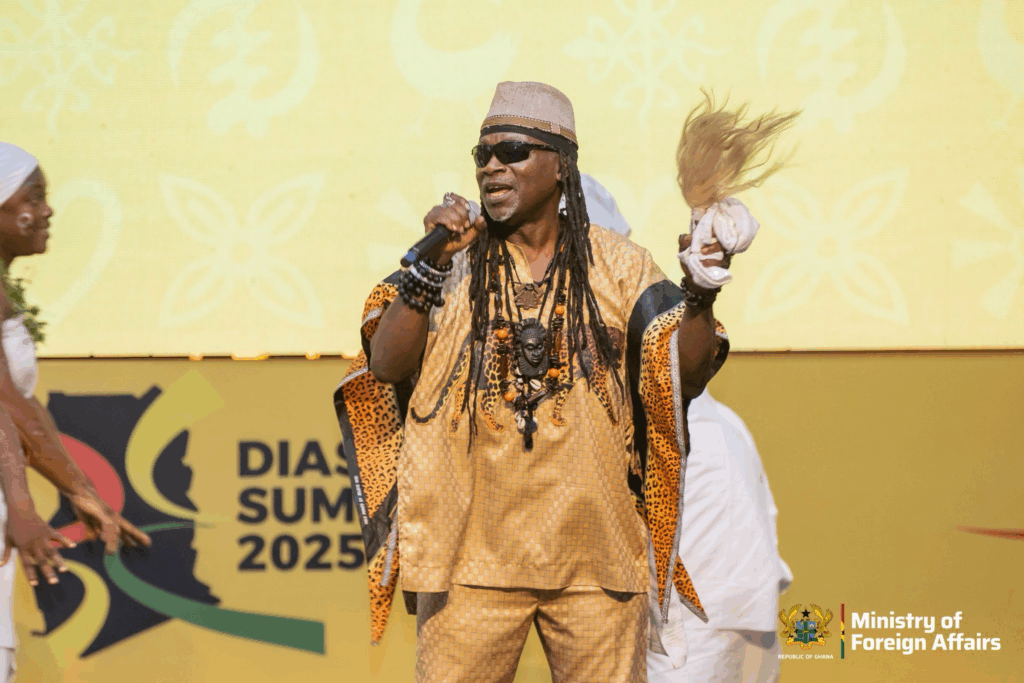
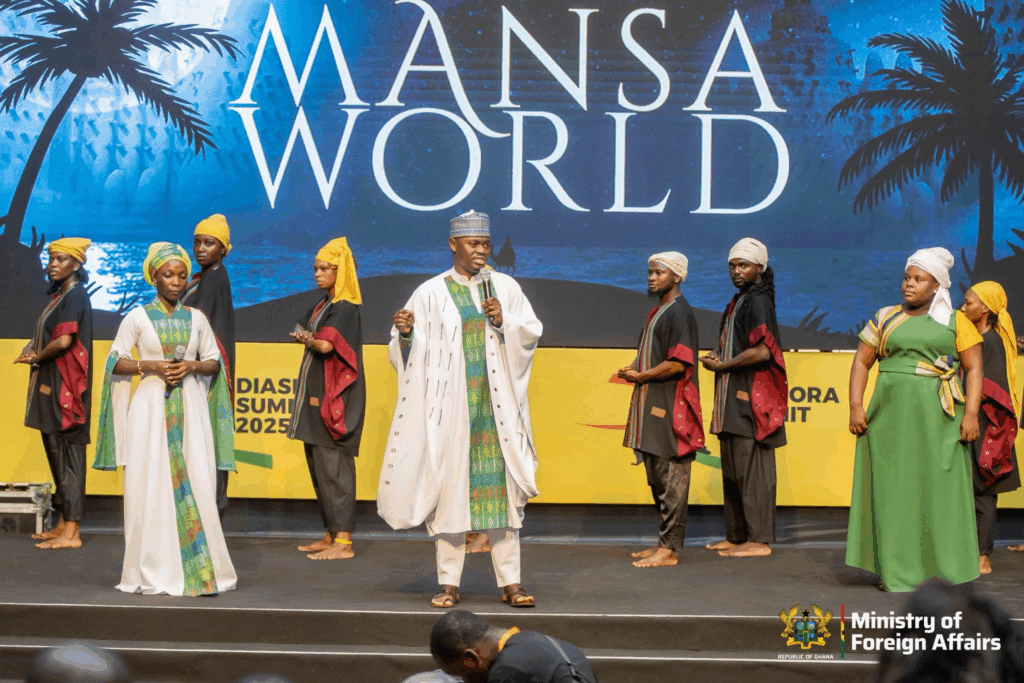
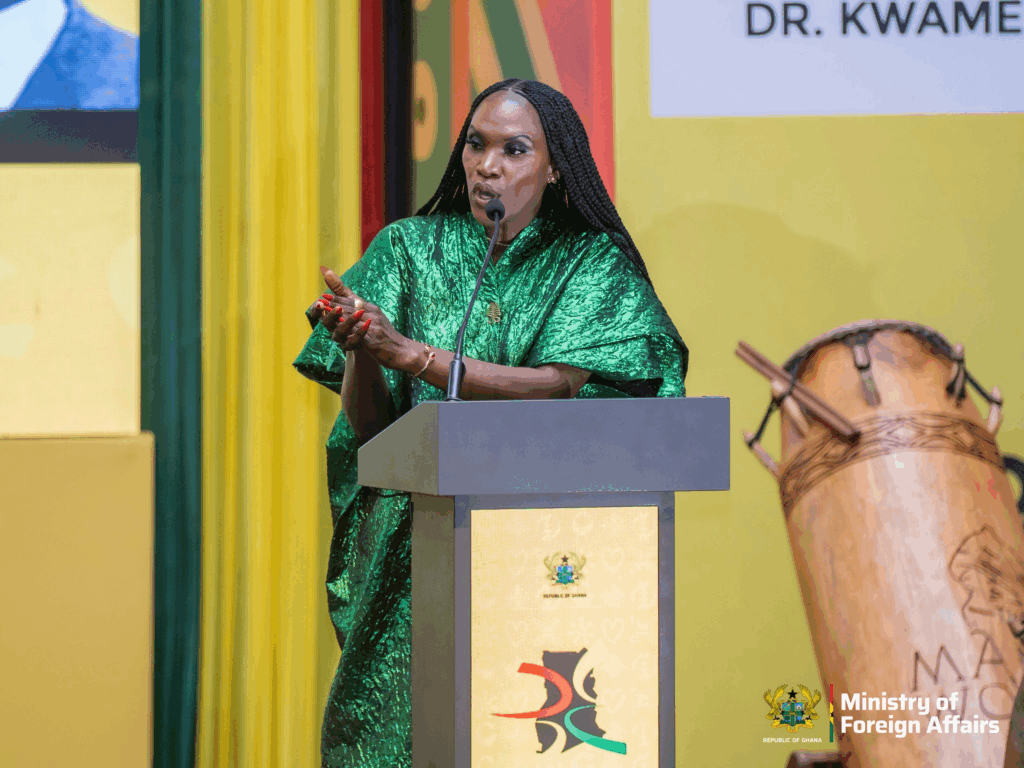
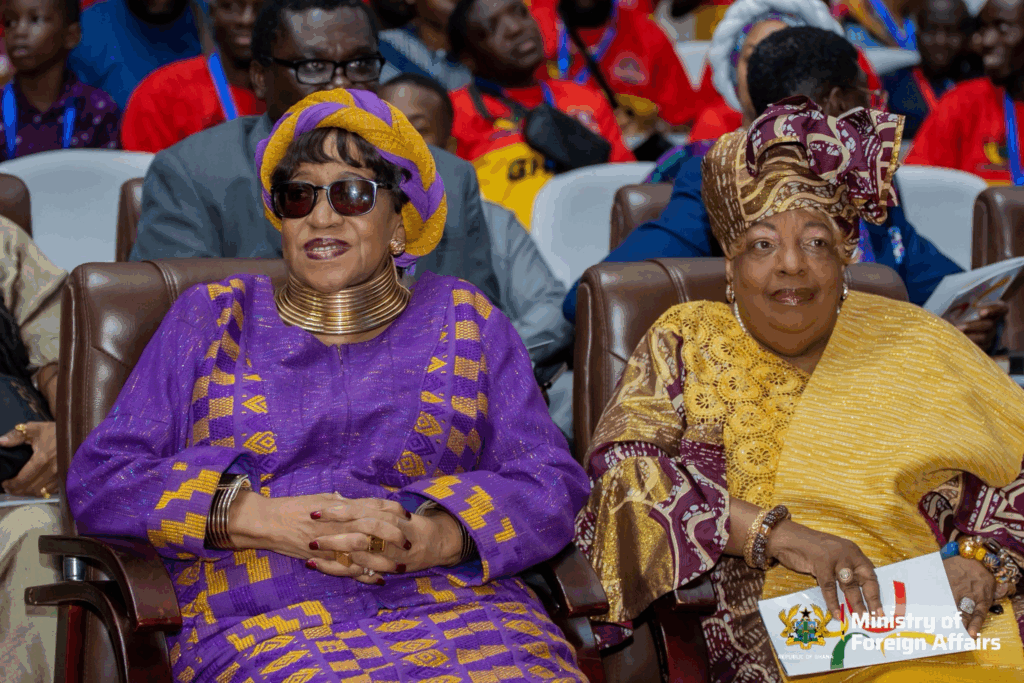
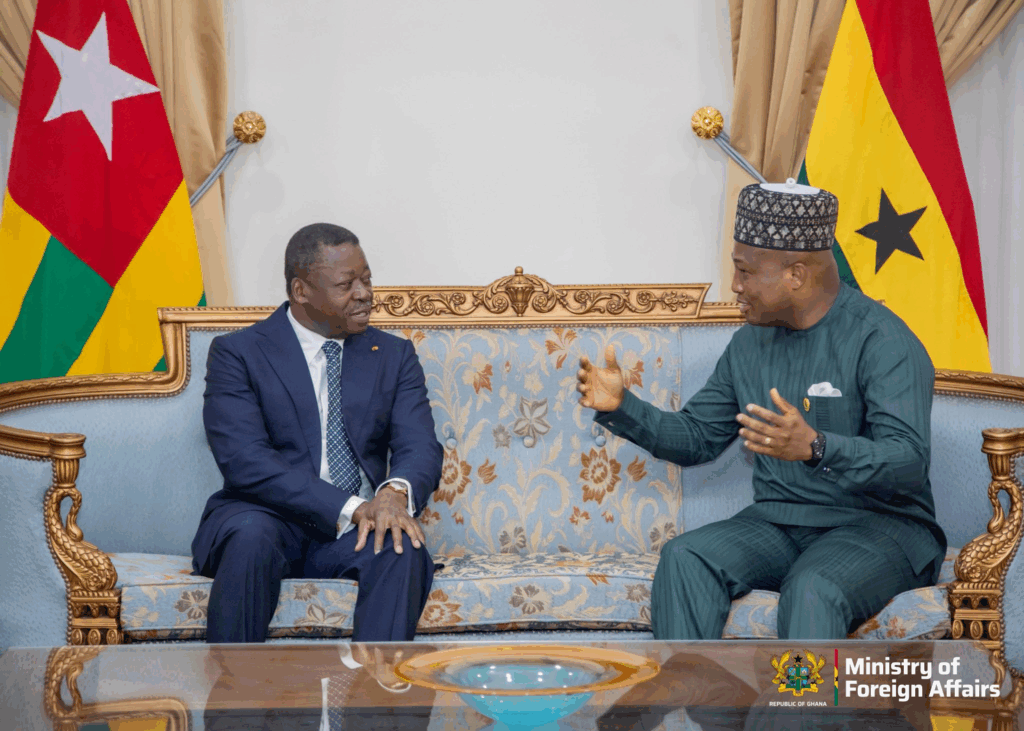
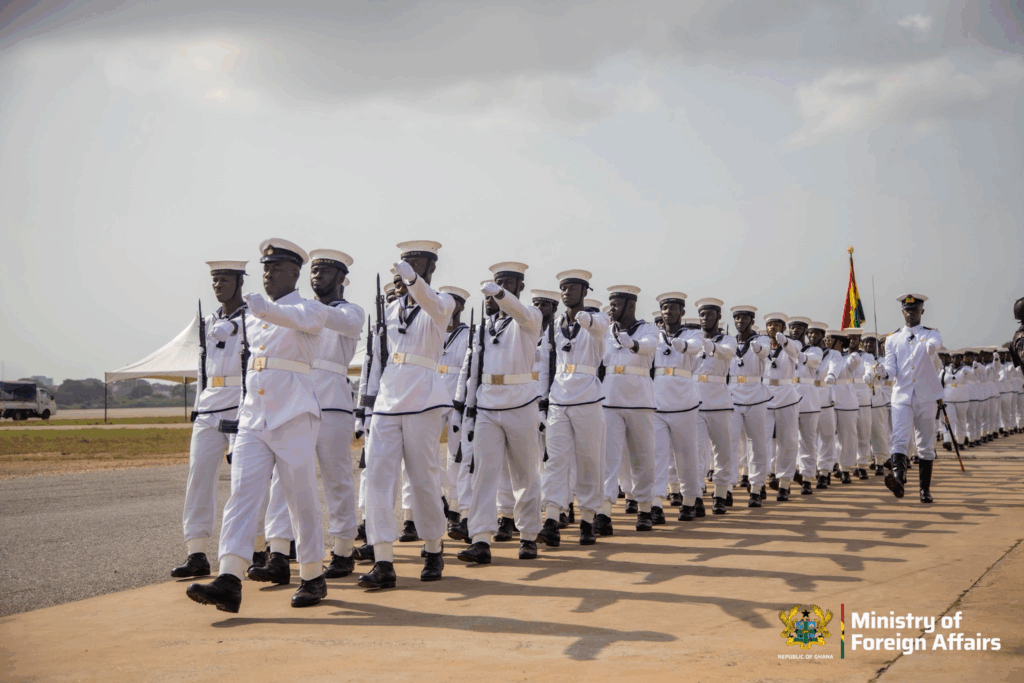
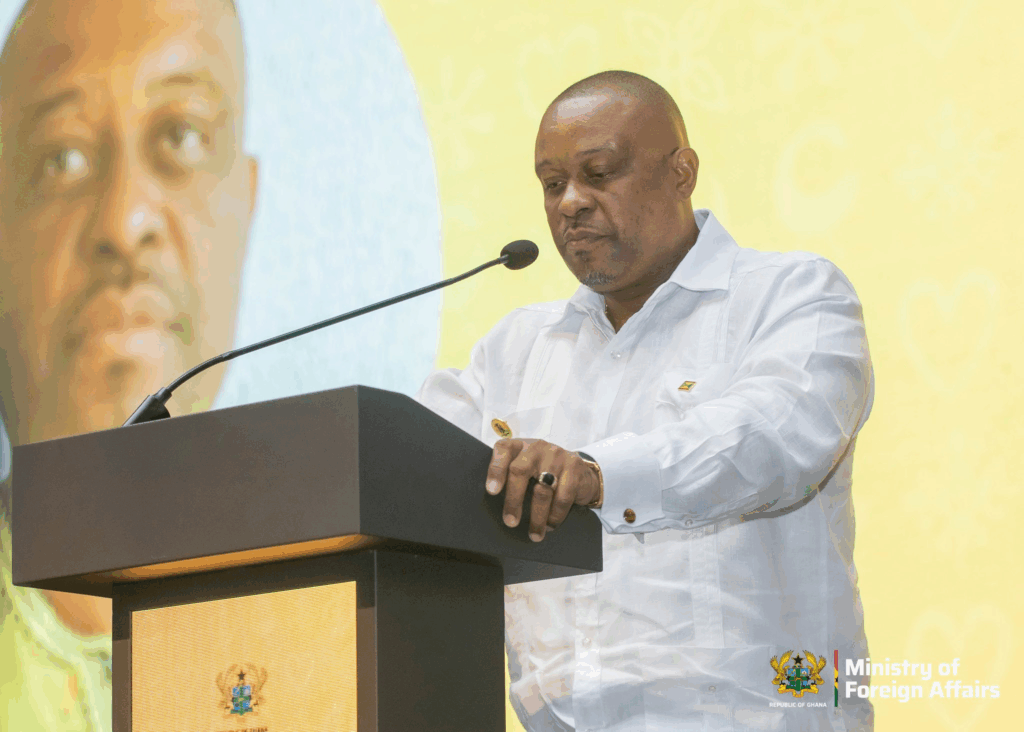
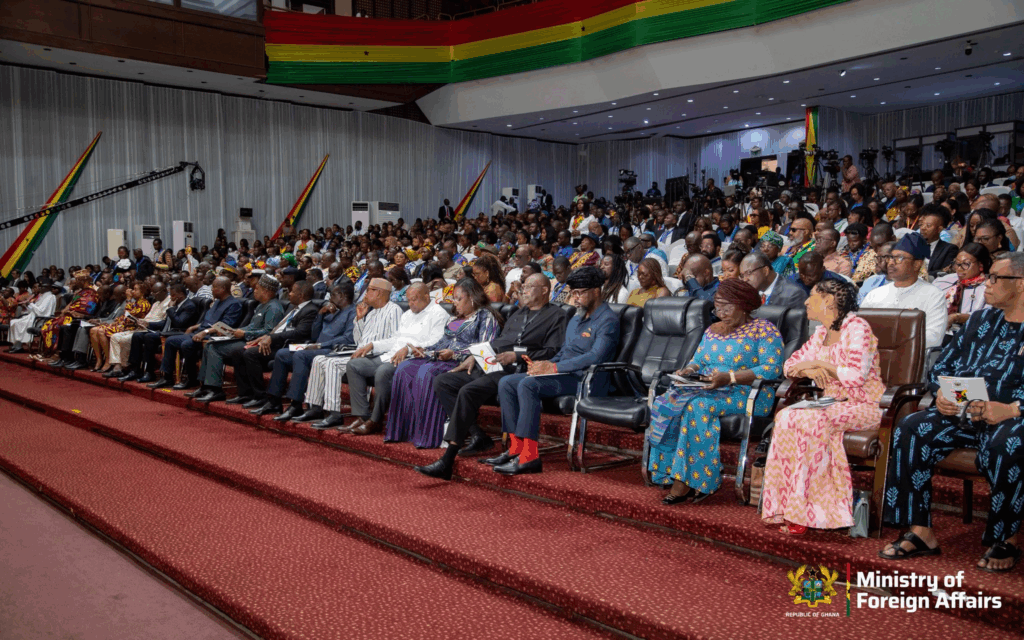
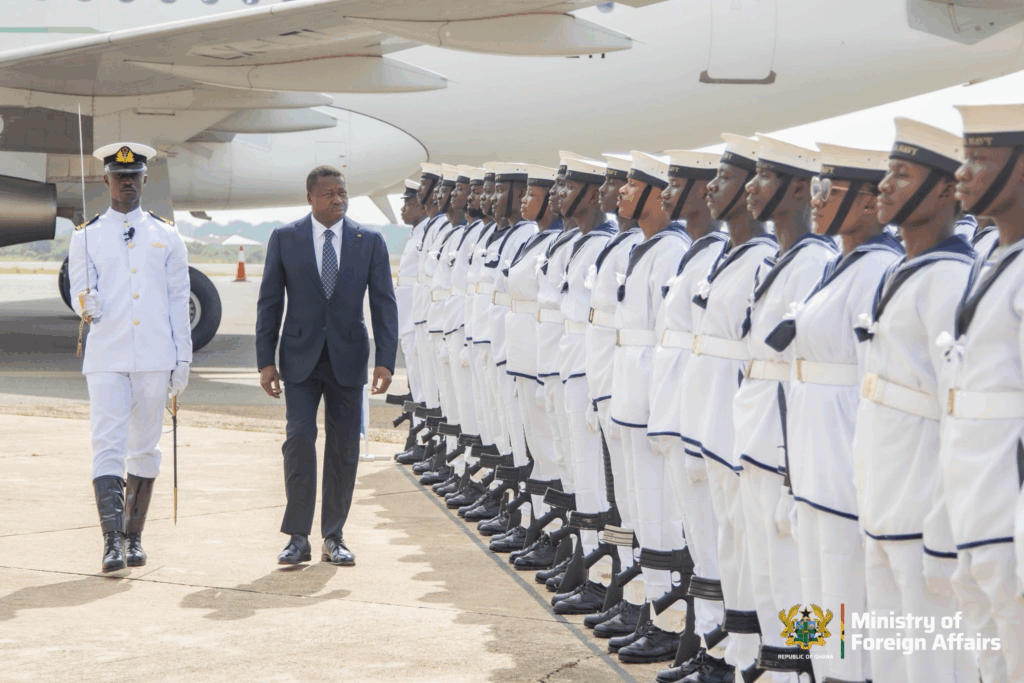
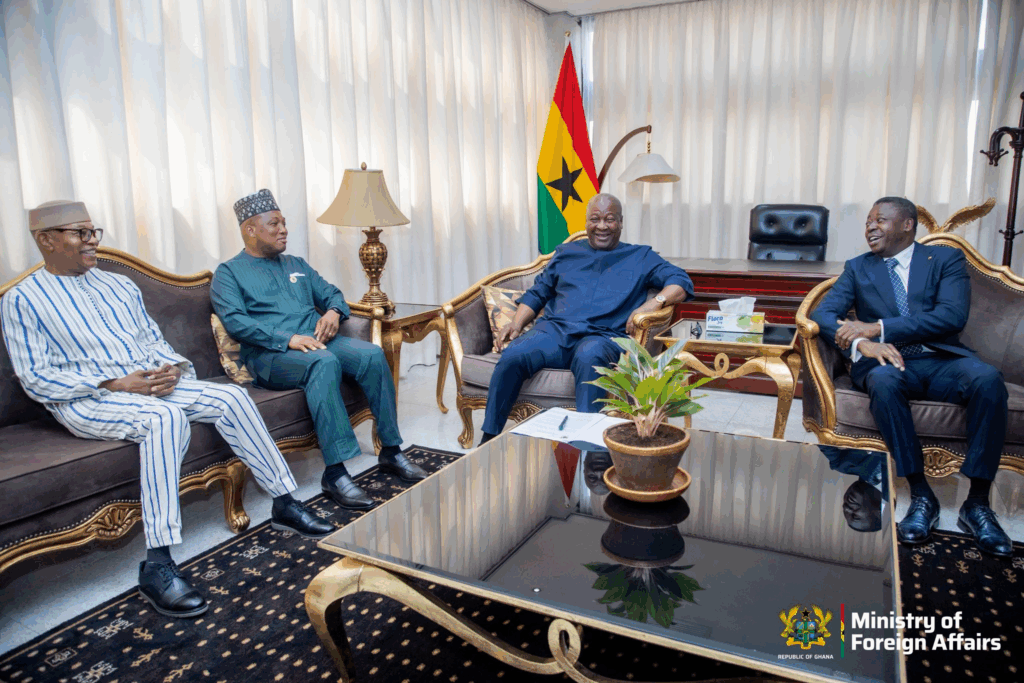
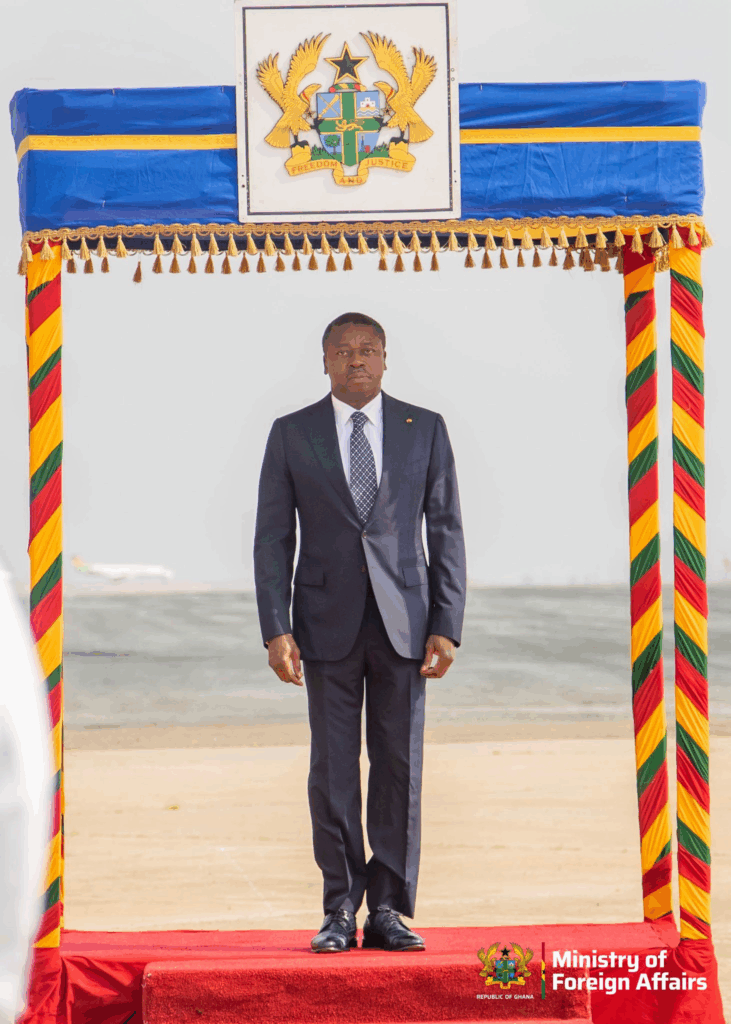
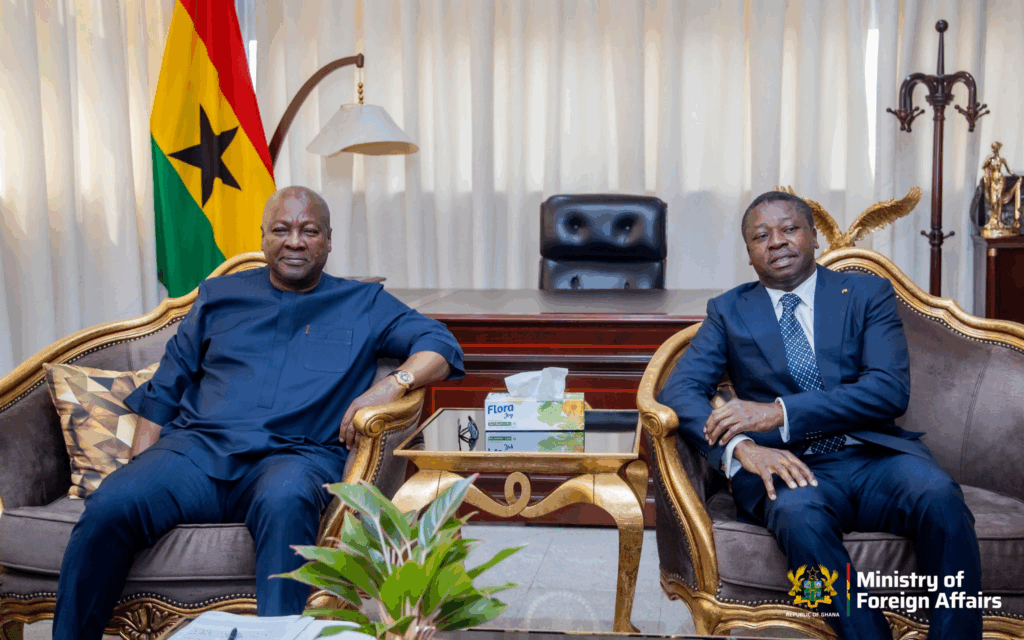
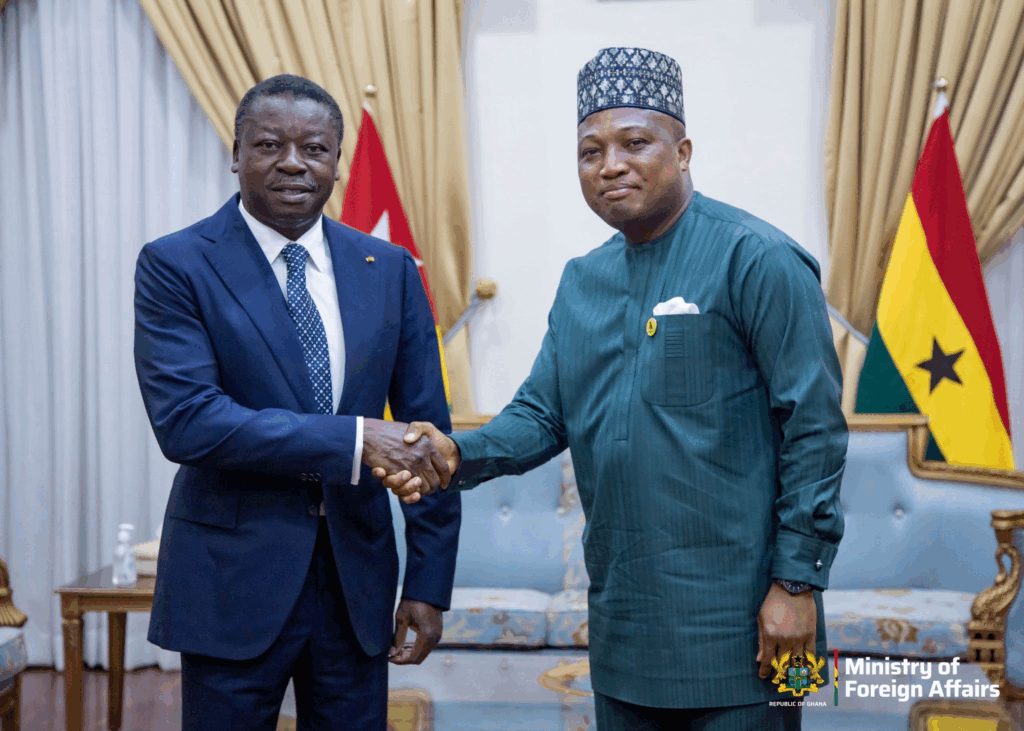
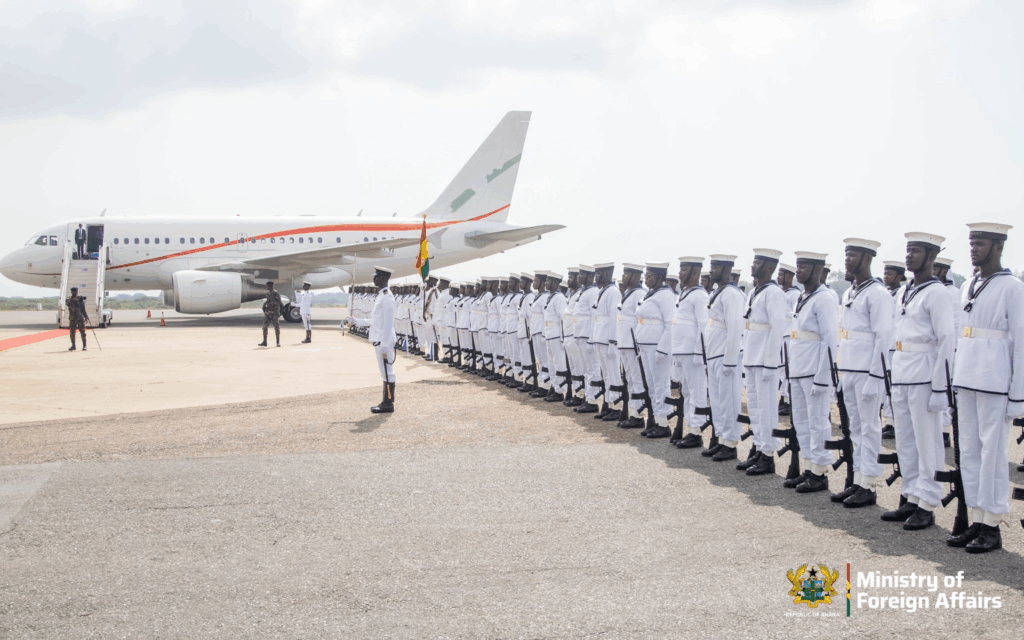
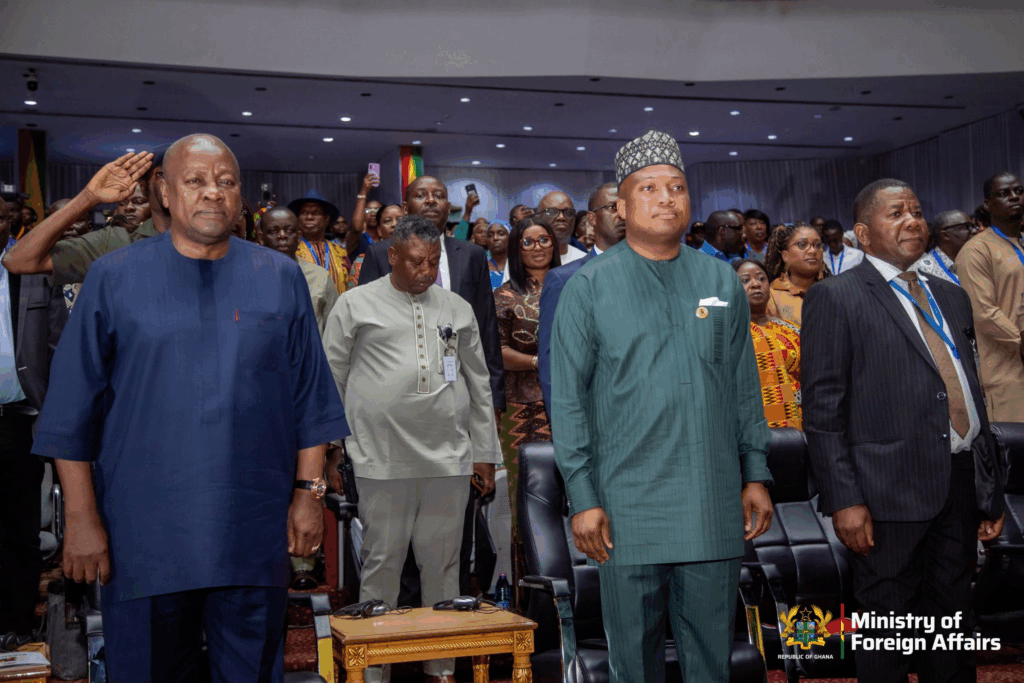
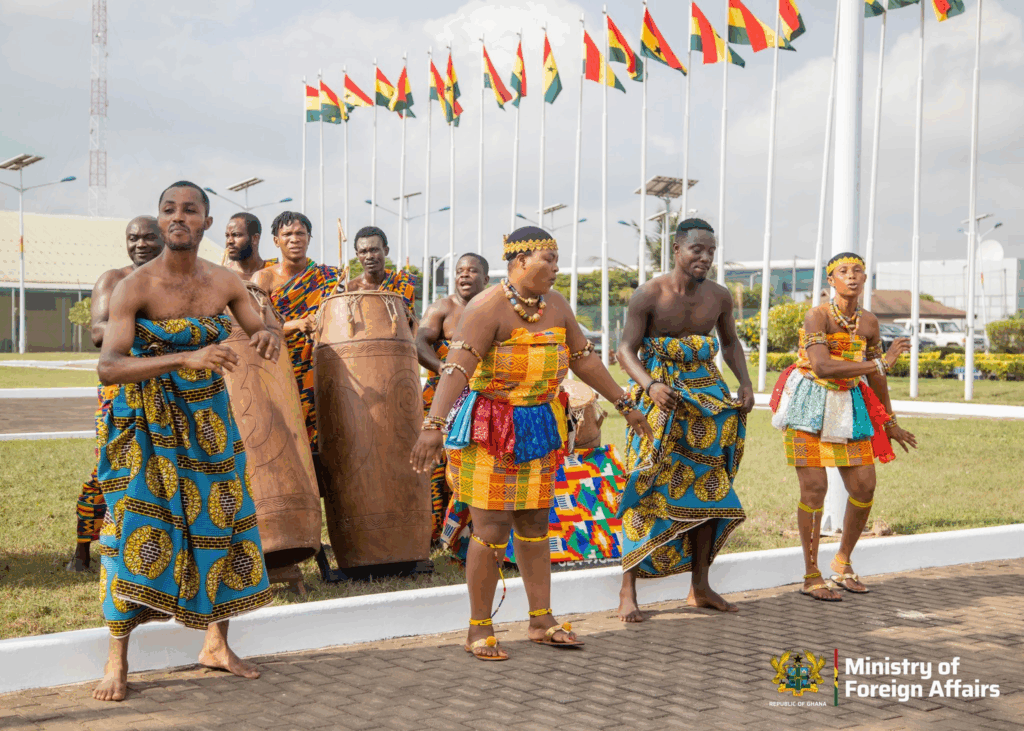
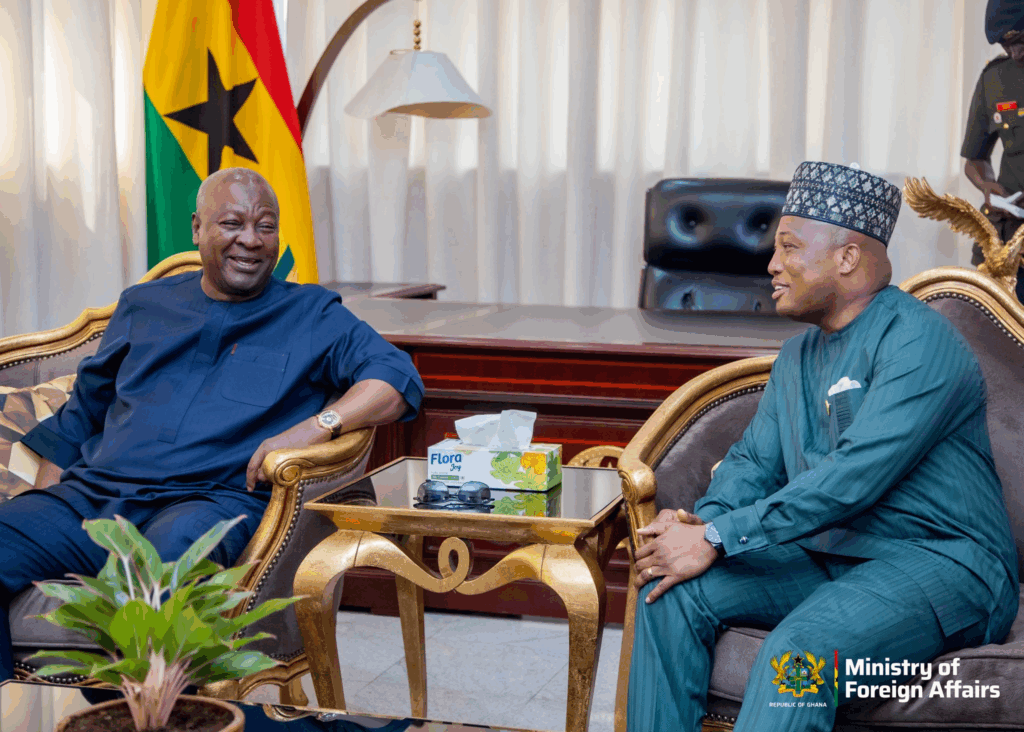
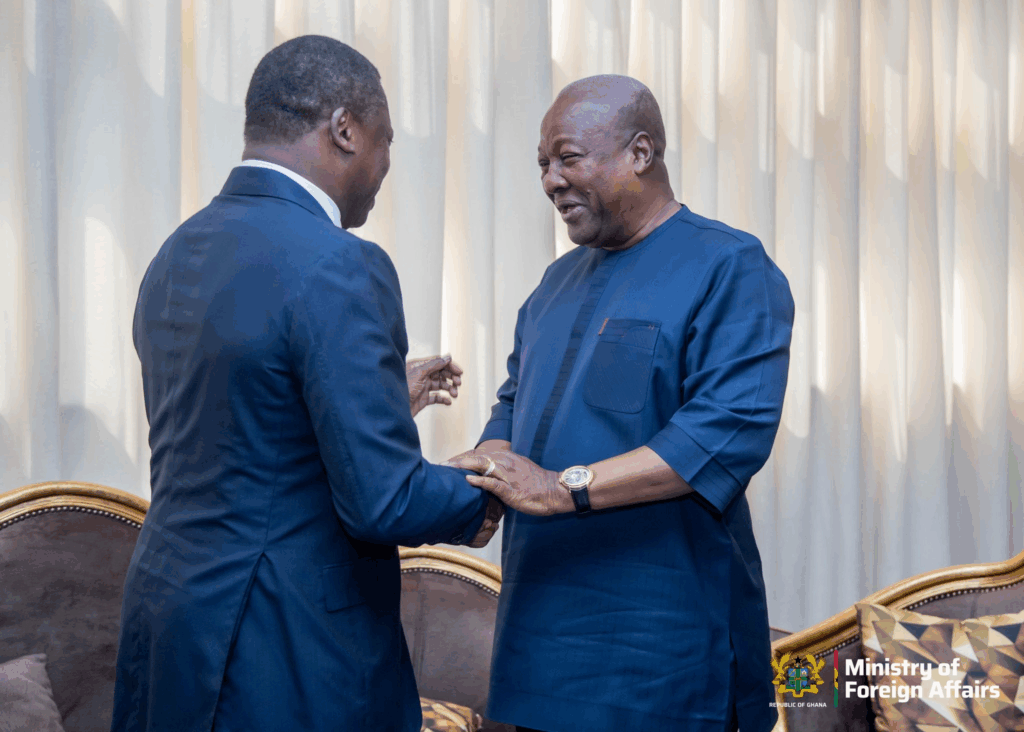
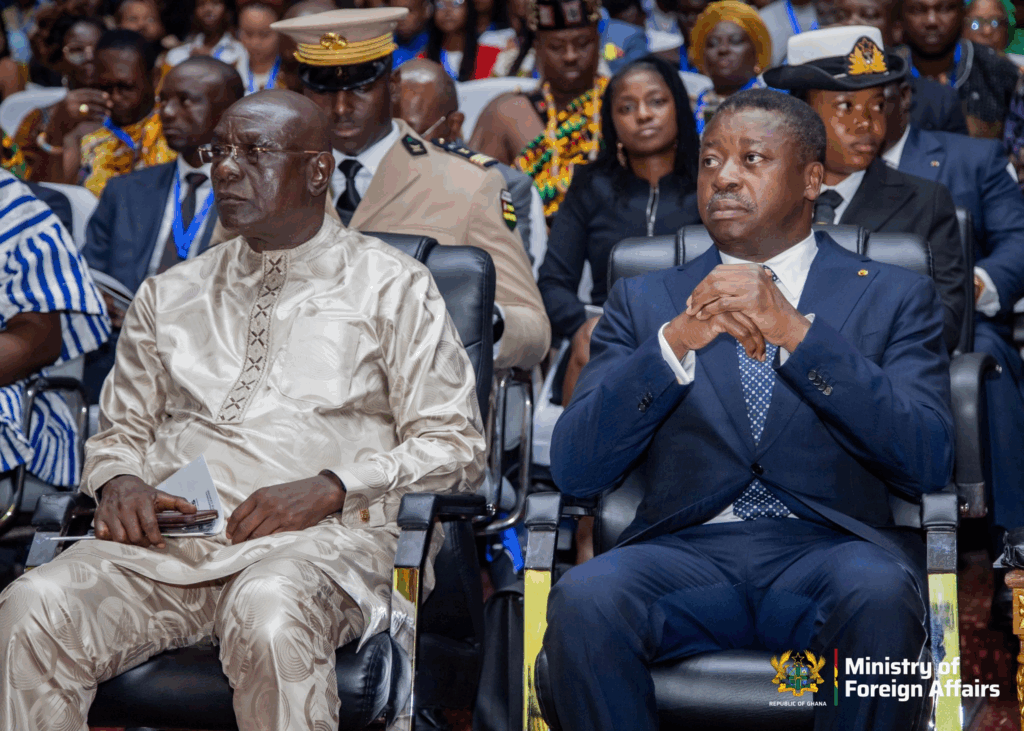
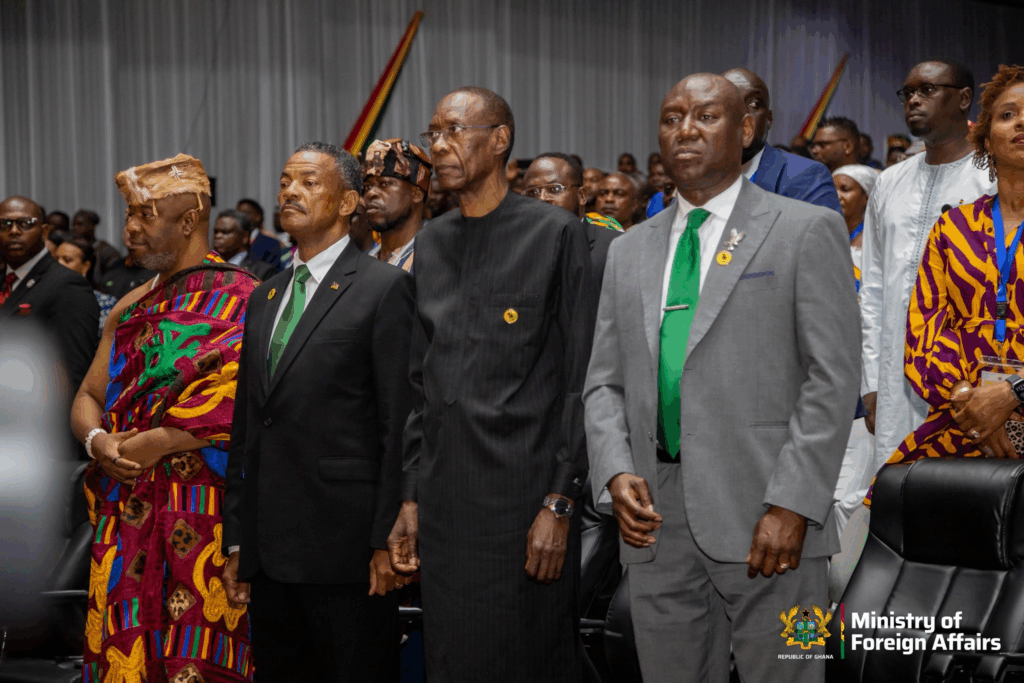

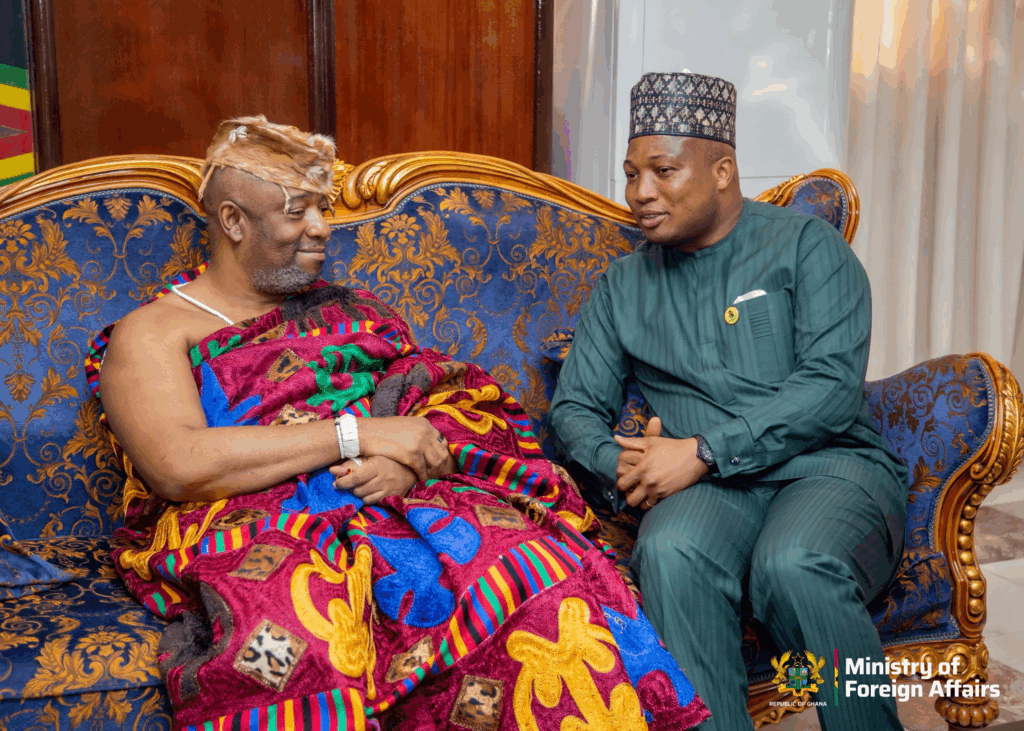
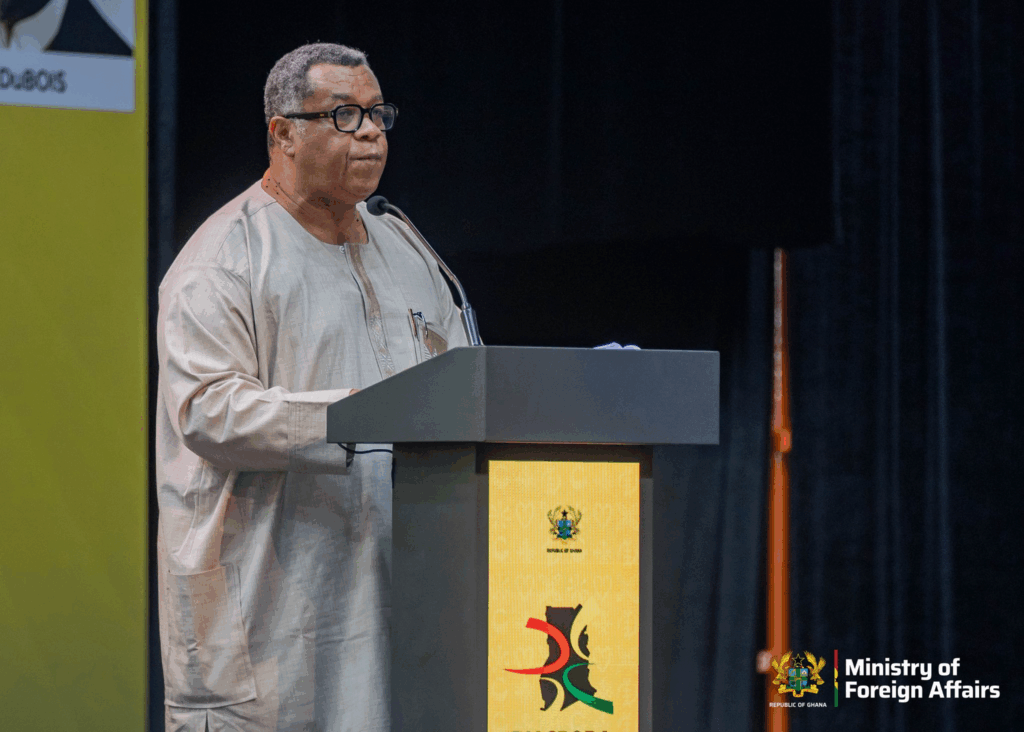
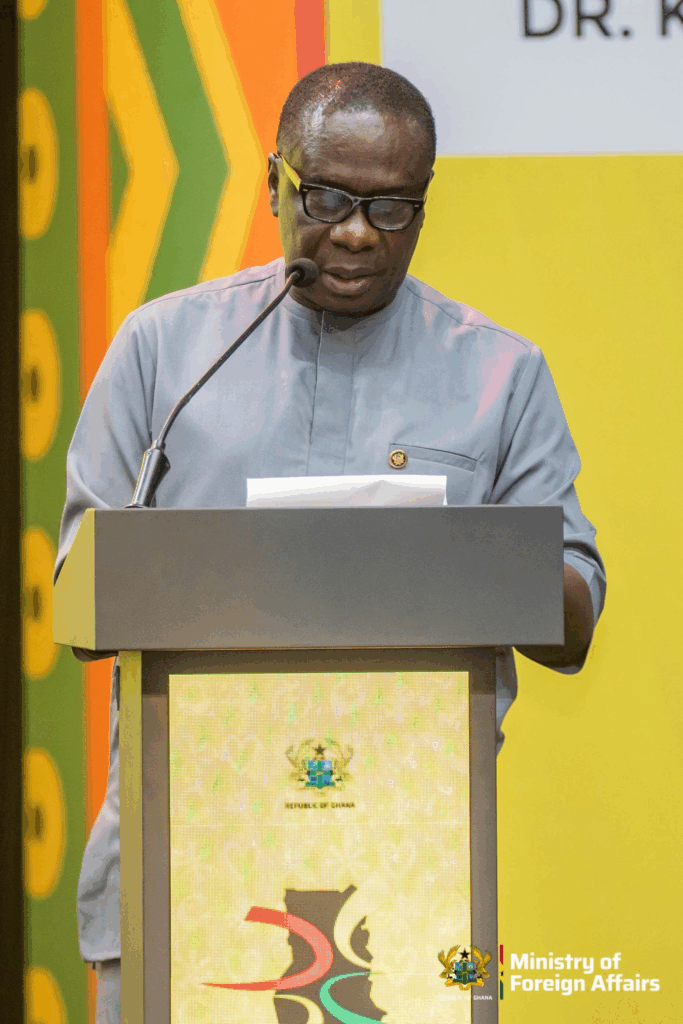
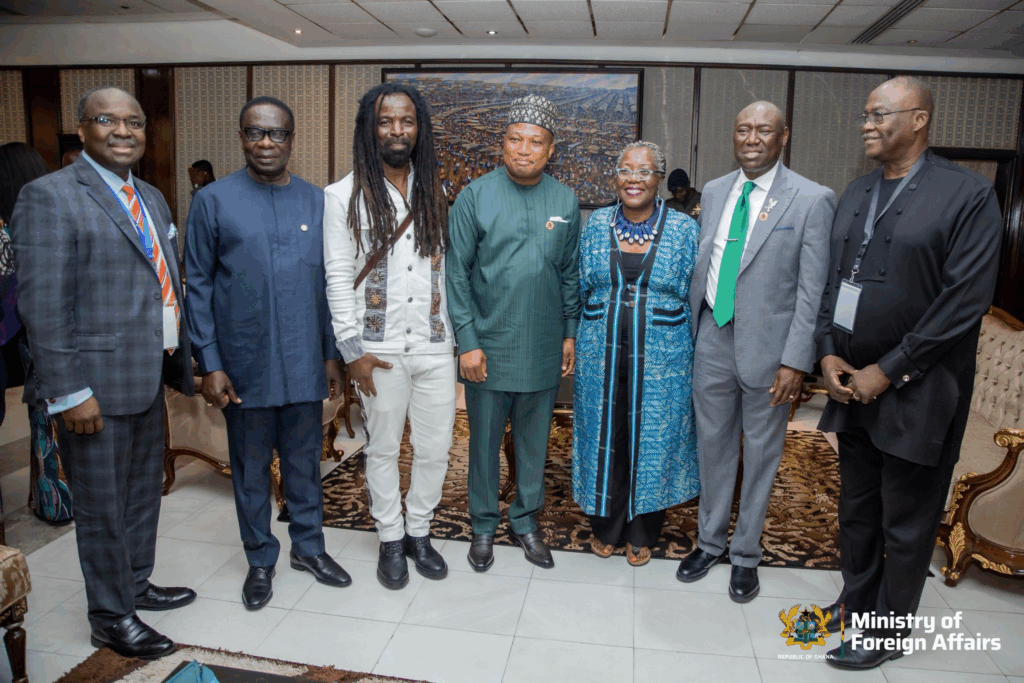
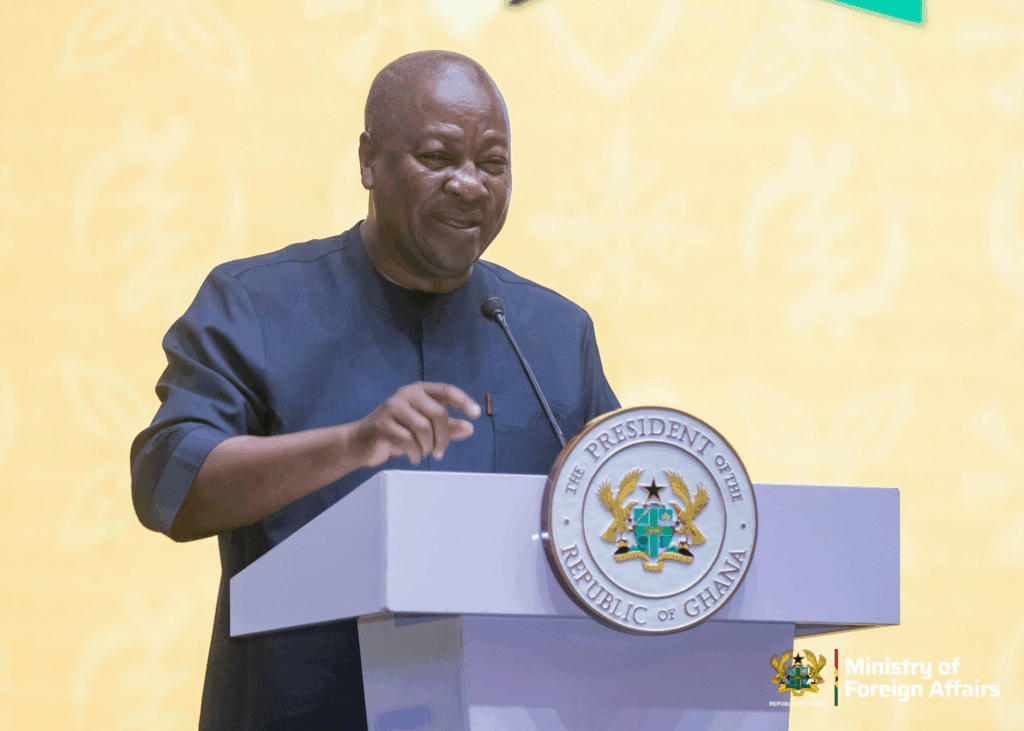
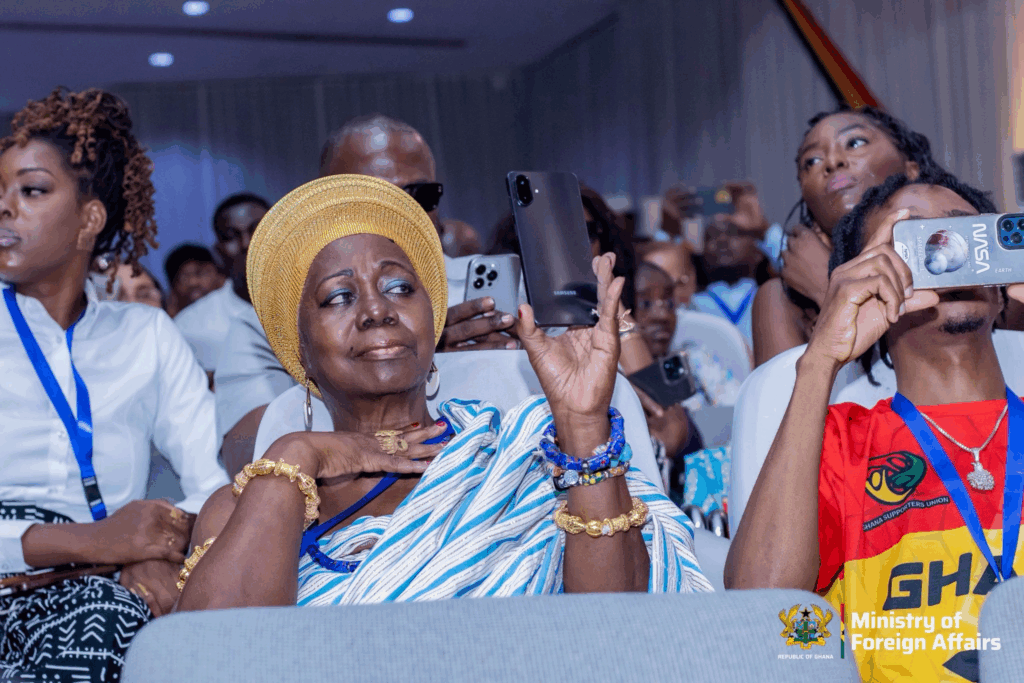
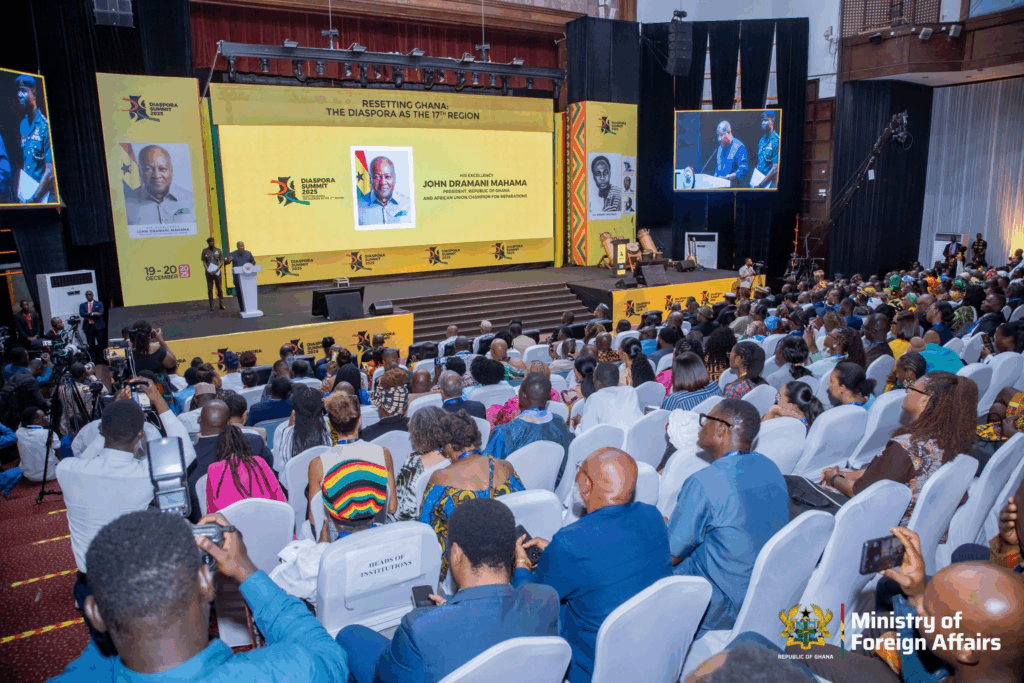
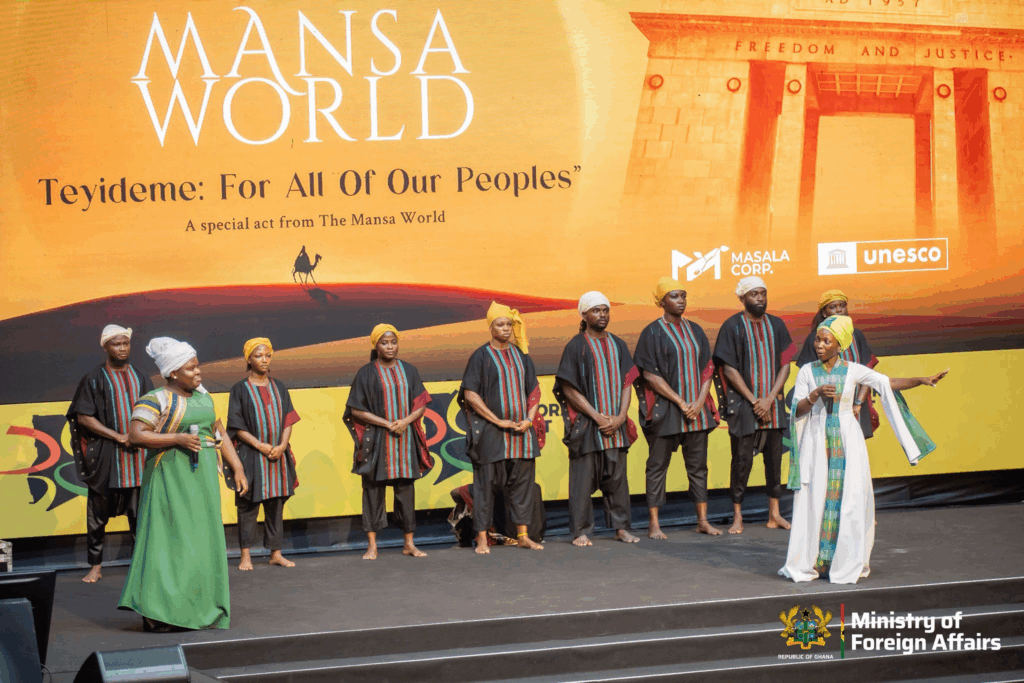
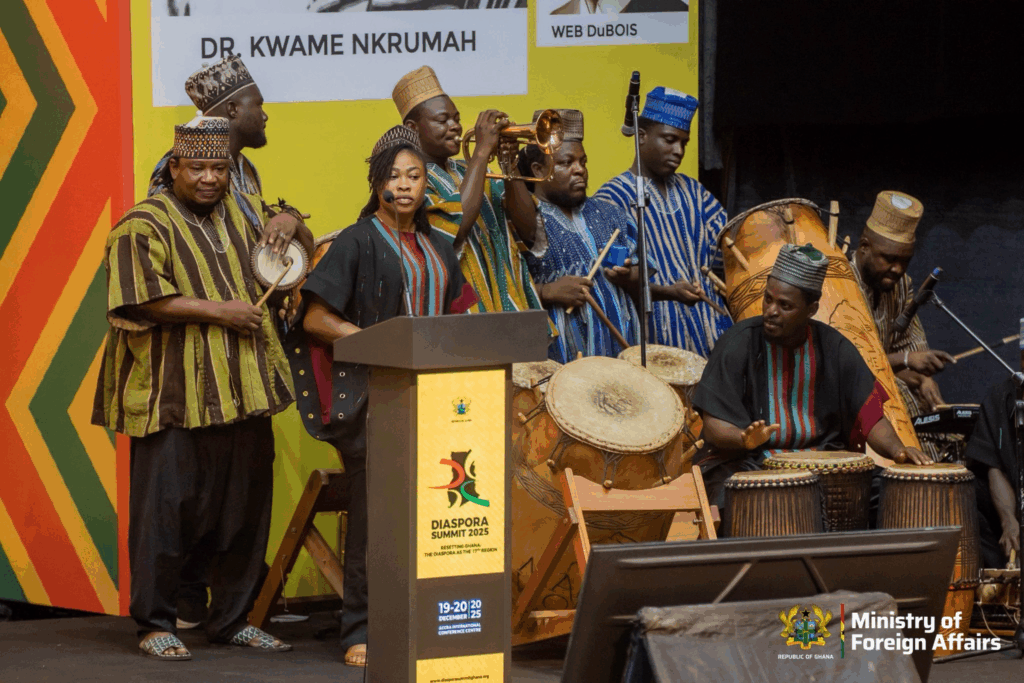
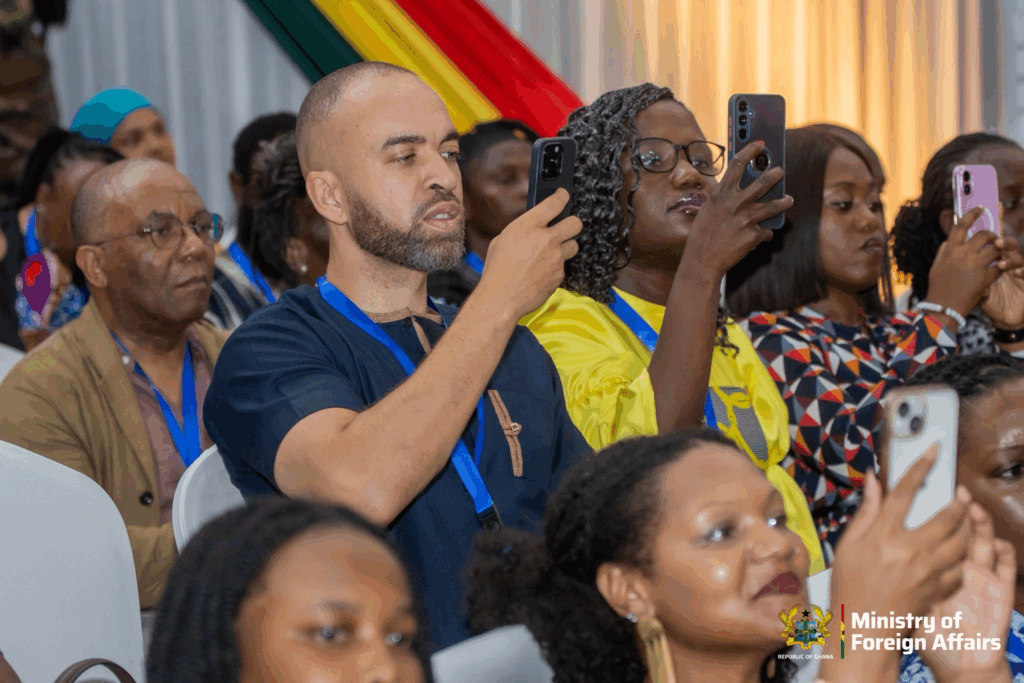
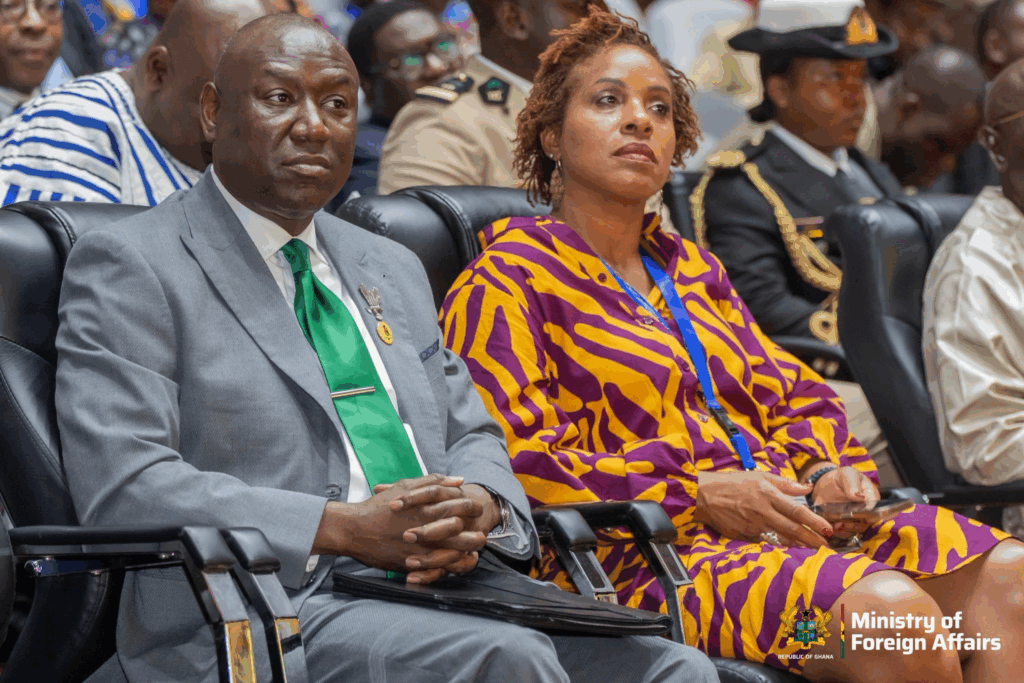
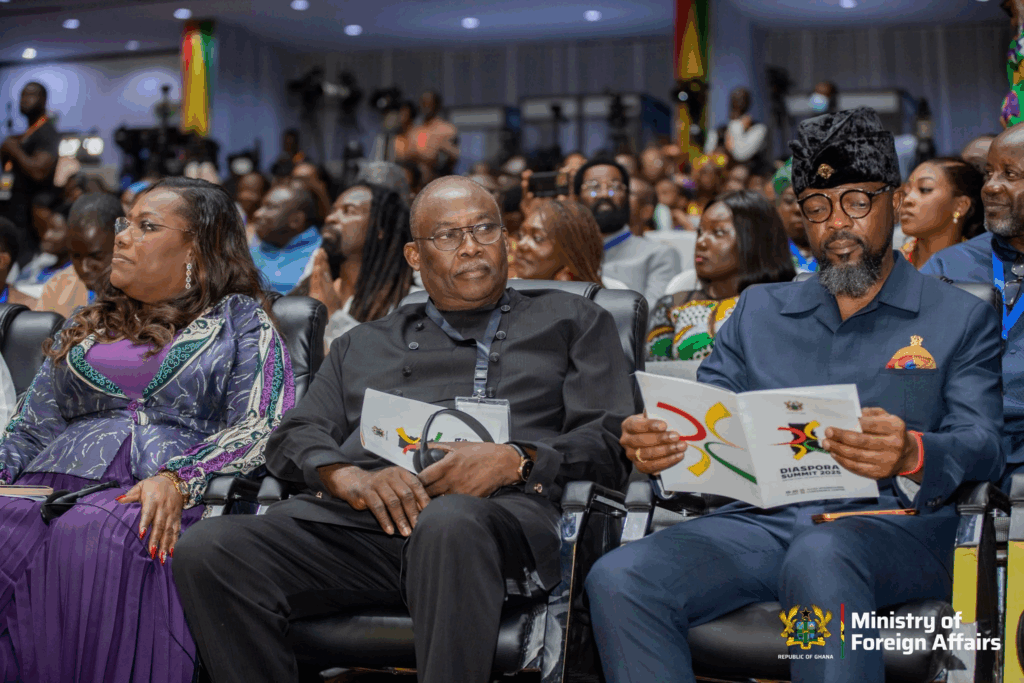
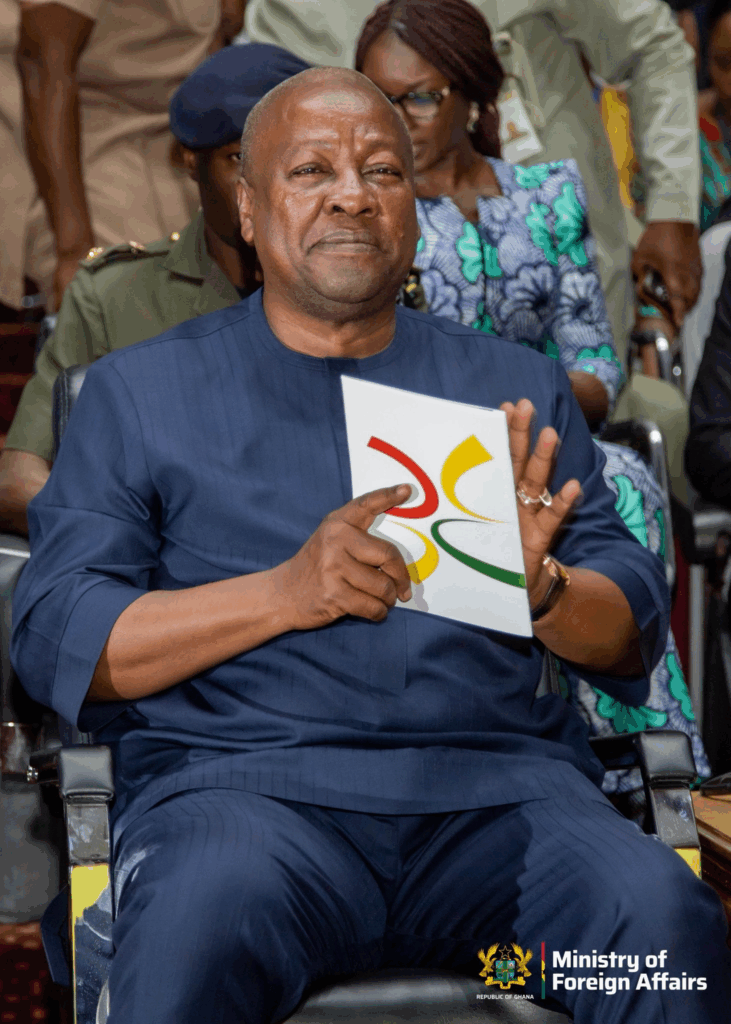
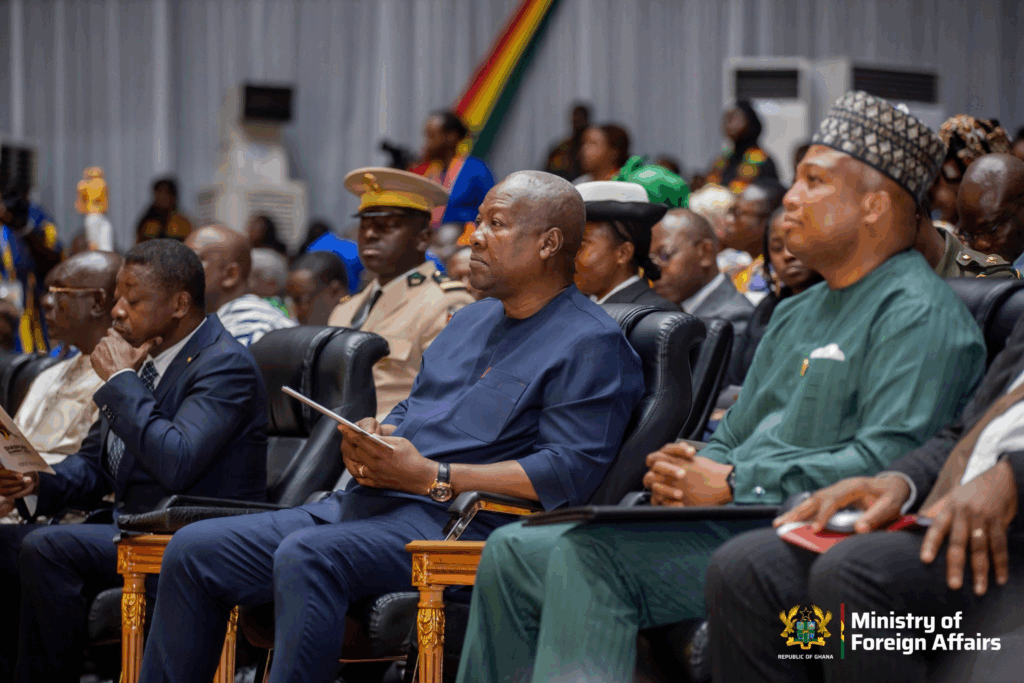
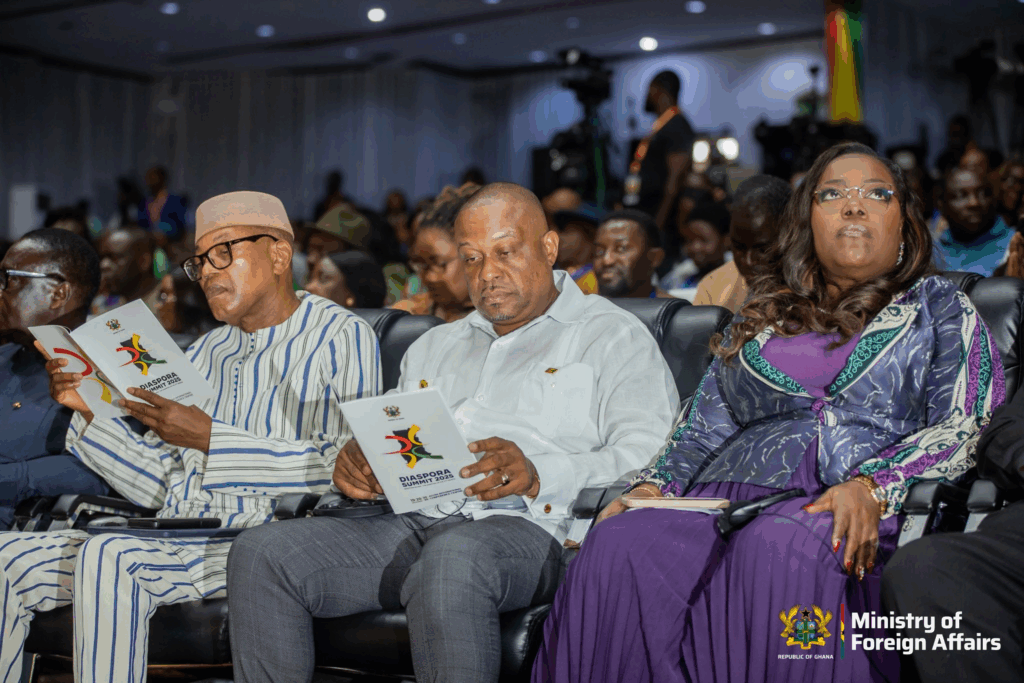
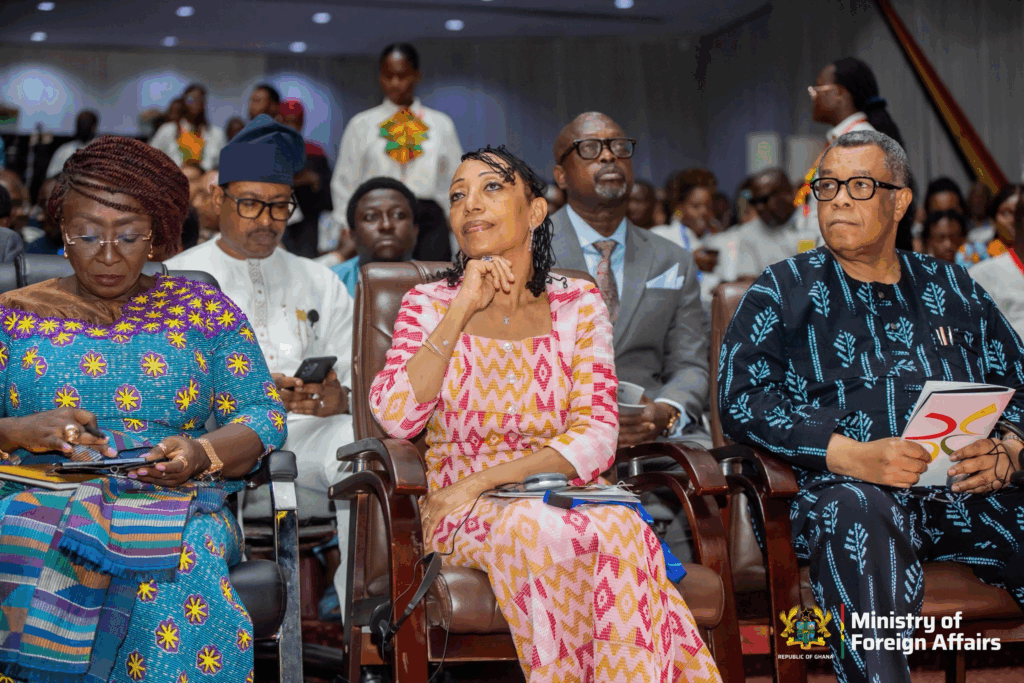
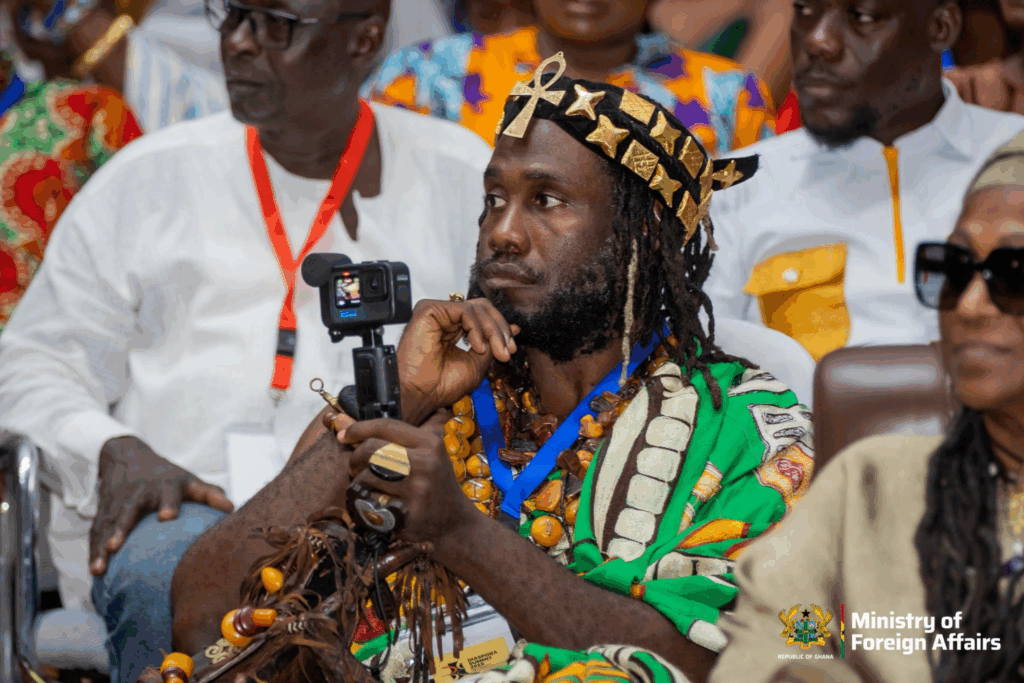
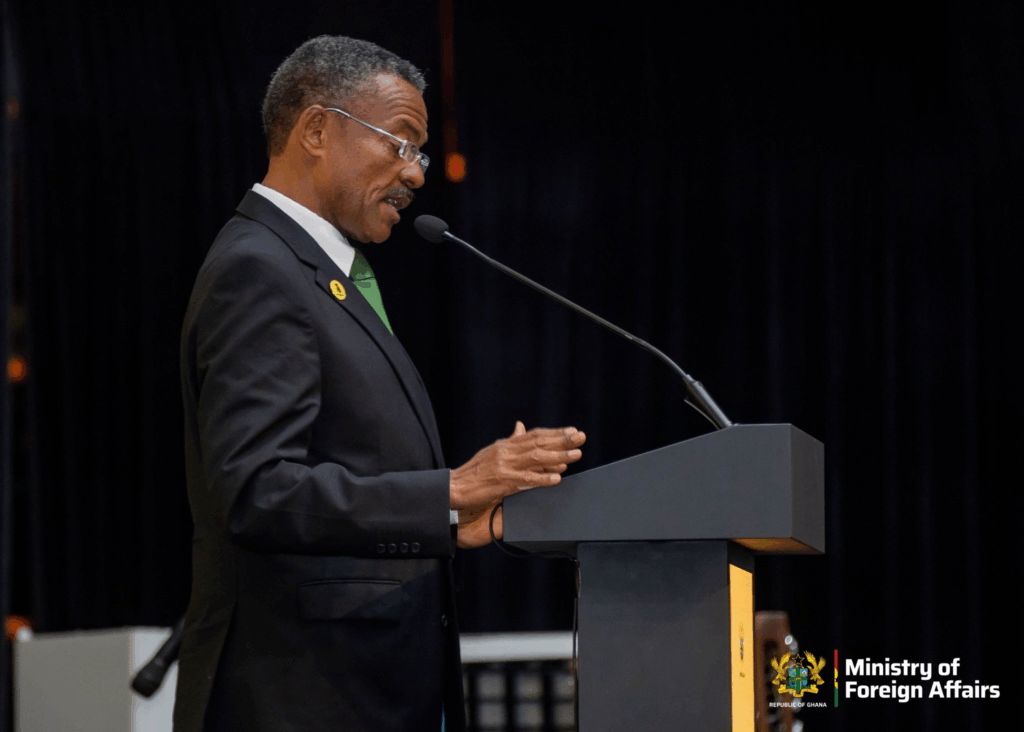
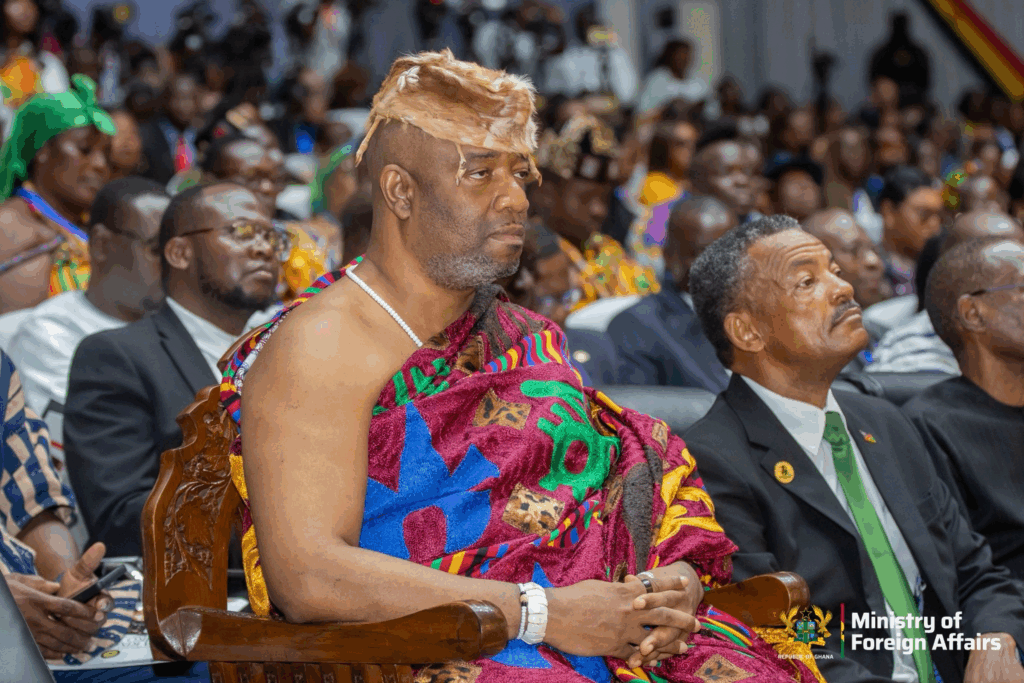
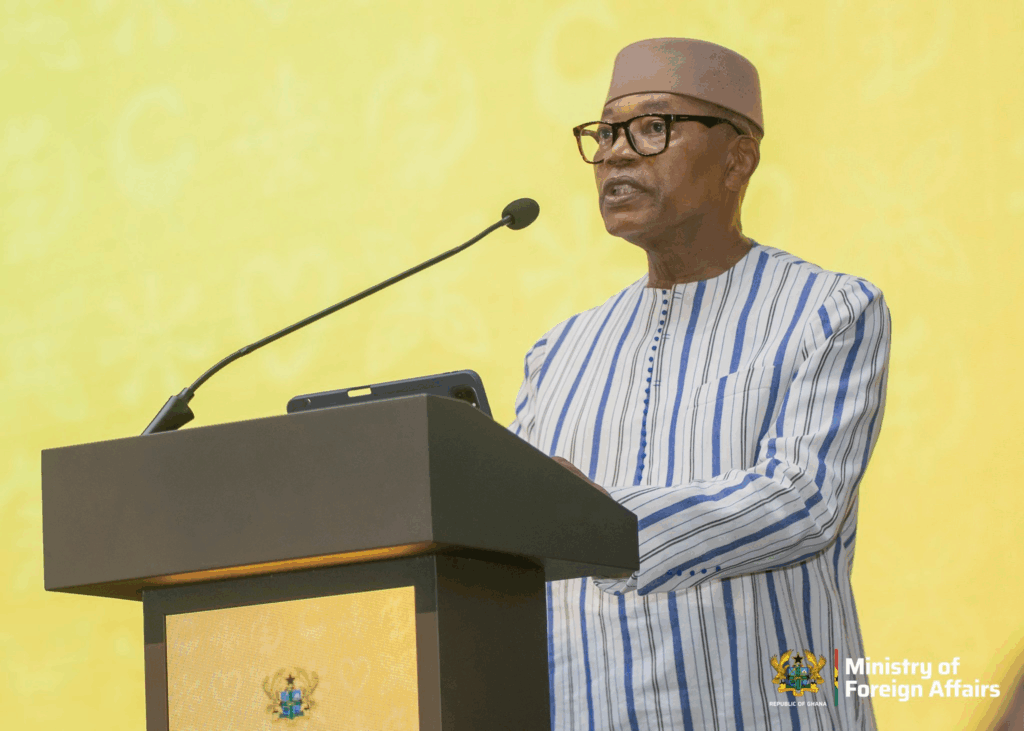
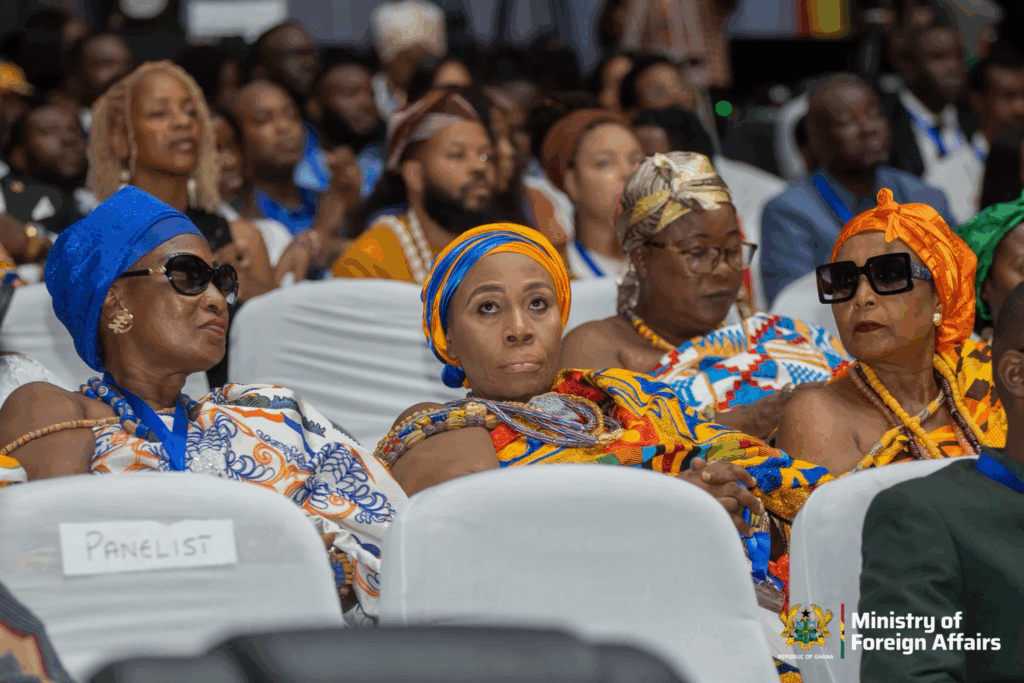
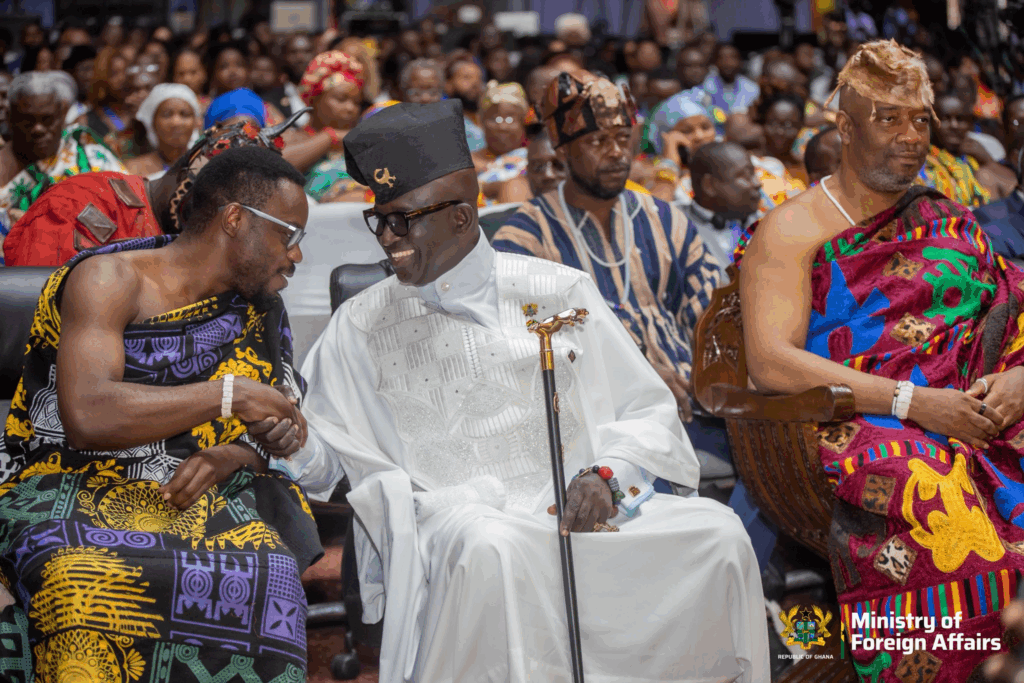
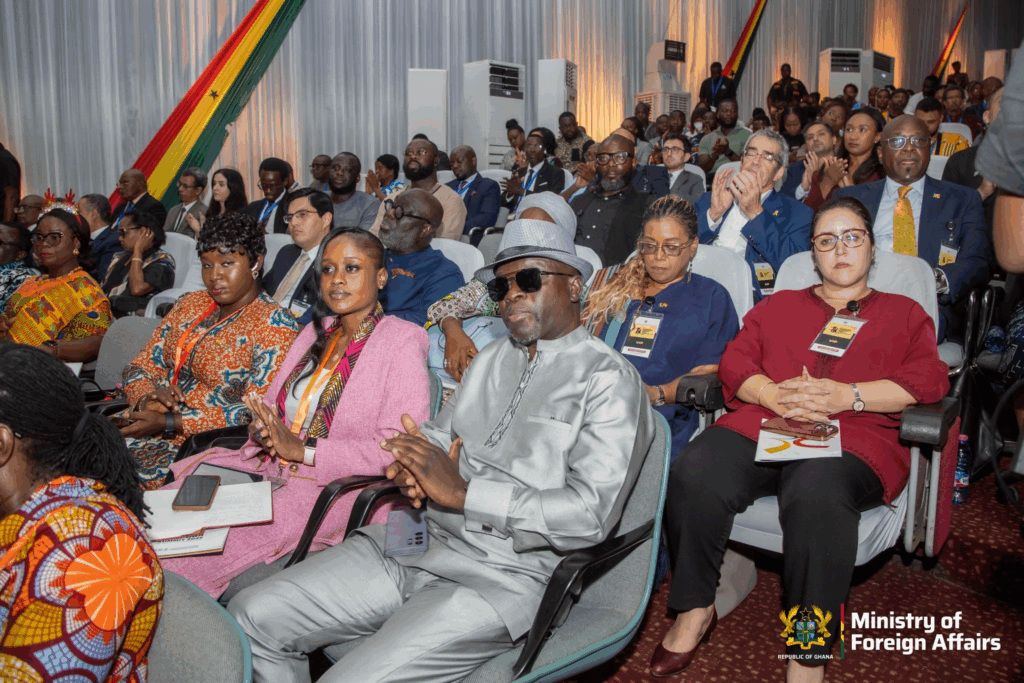
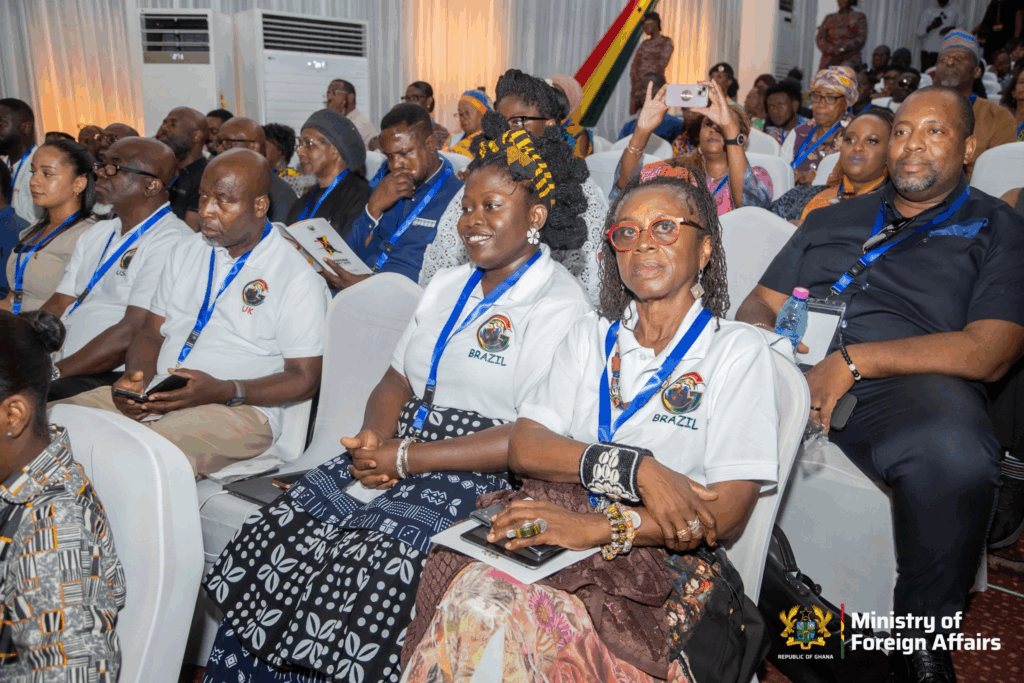
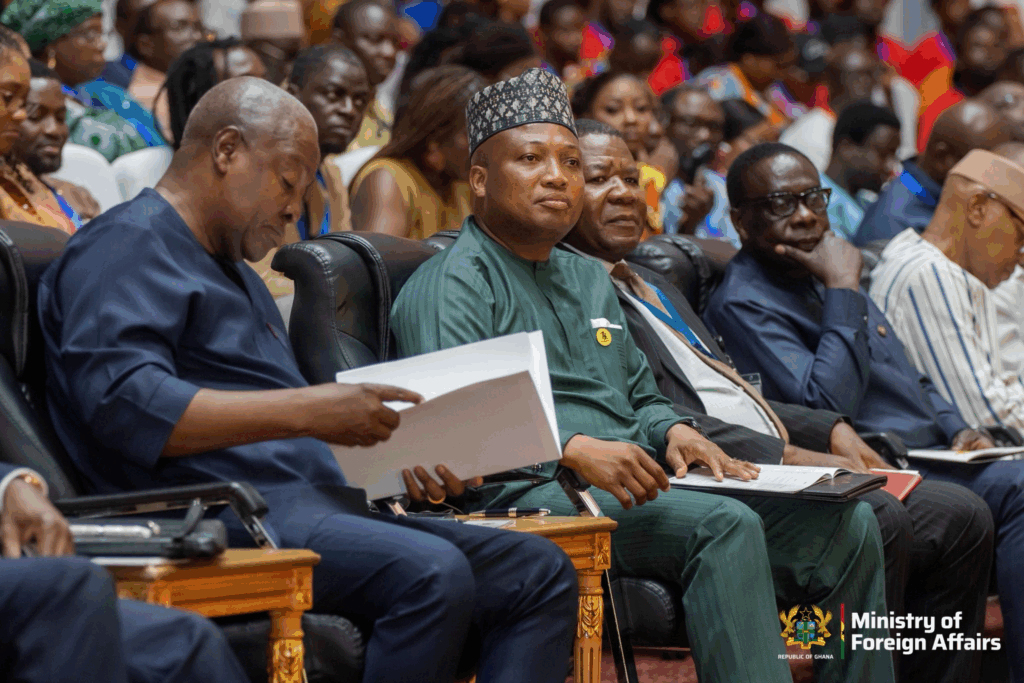

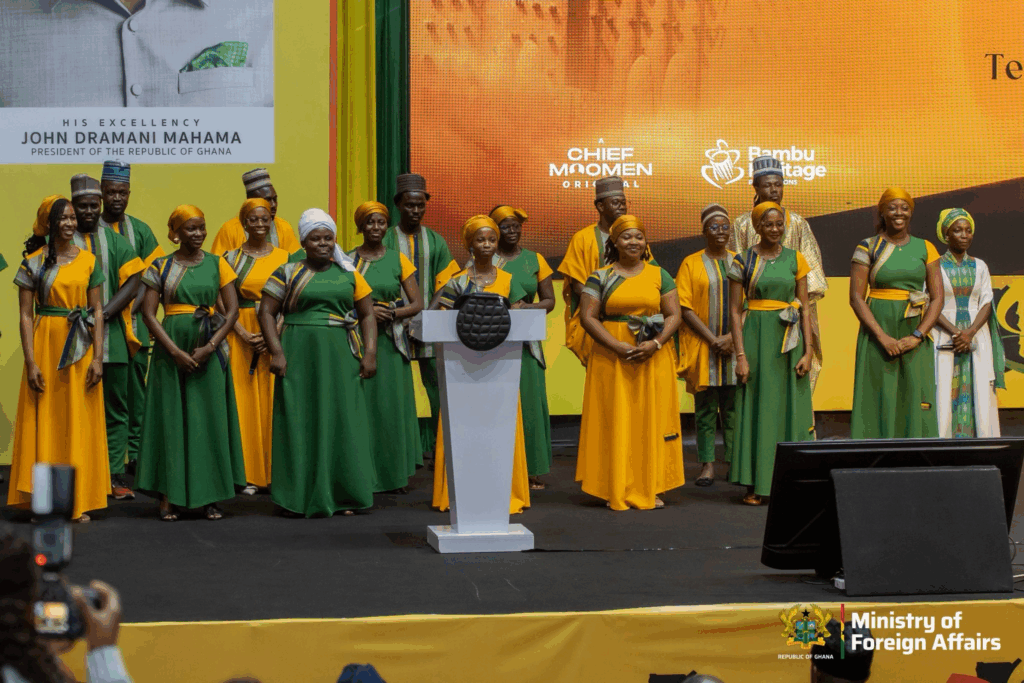
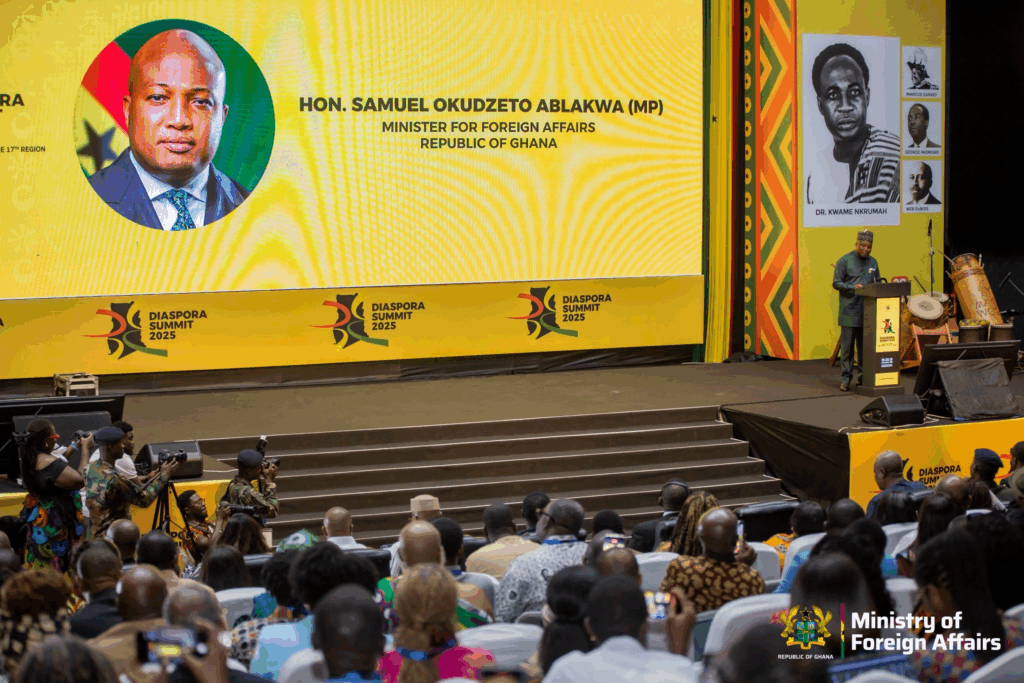
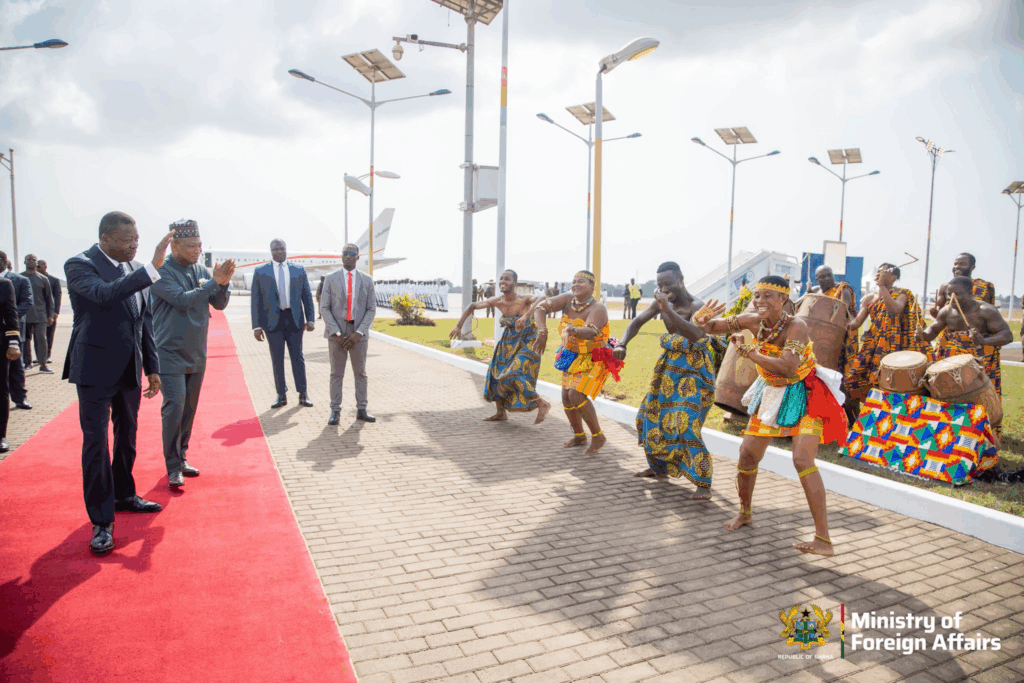
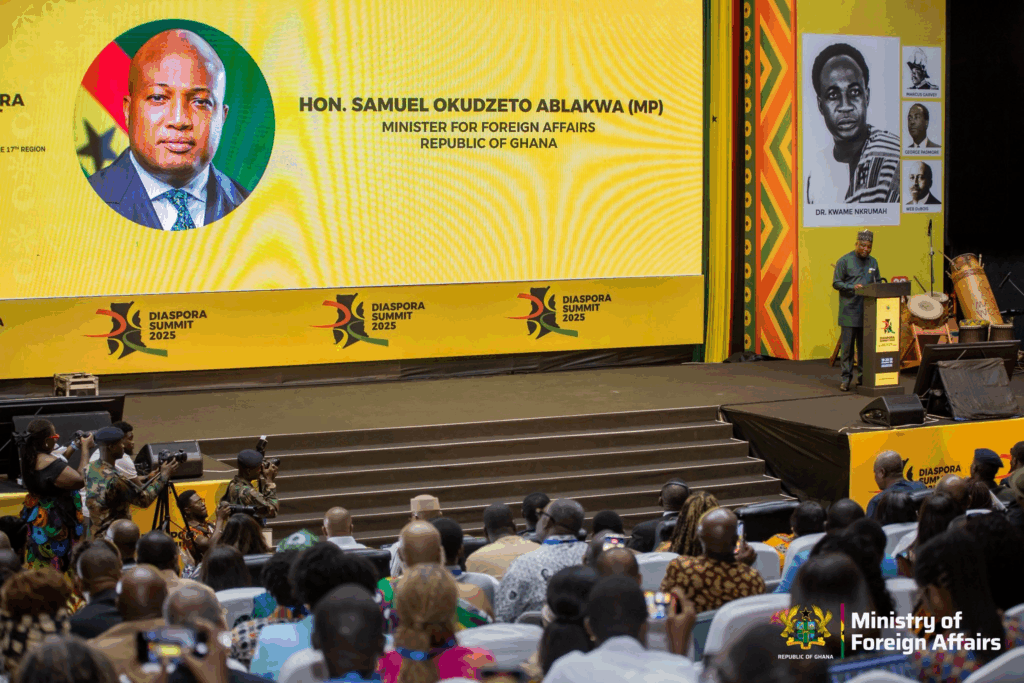
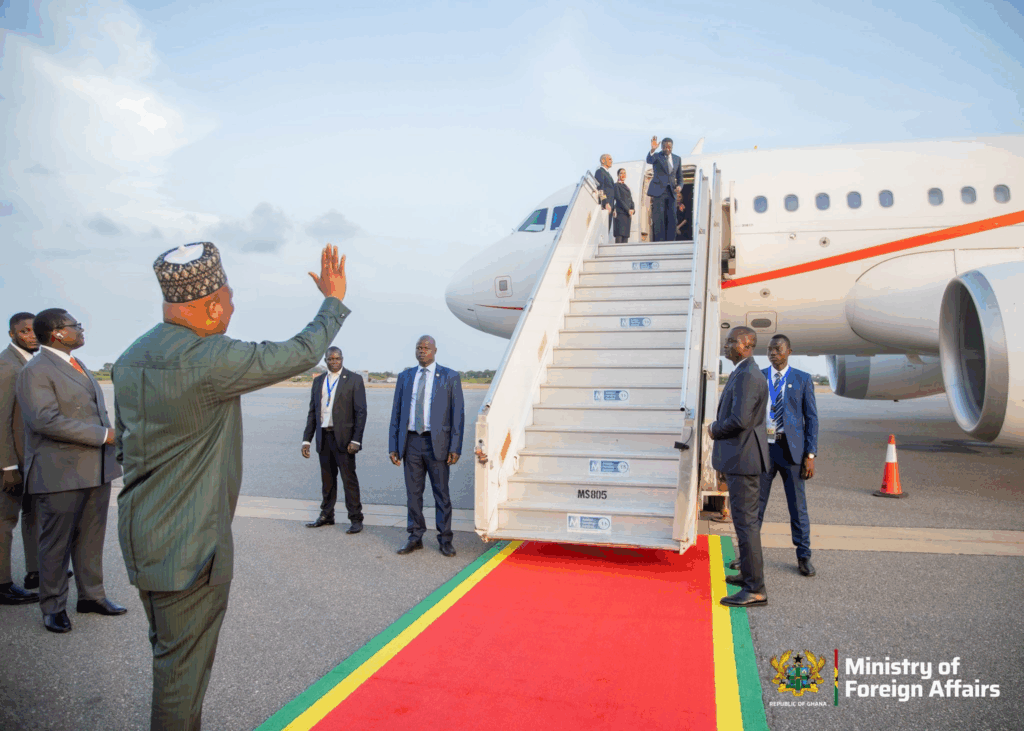

 The police say the arrests form part of broader efforts to curb drug-related activities, gambling offences, and cross-border crime in the region, particularly in communities close to Ghana’s borders.