The Northern Ghana Foto Festival has received a major cultural endorsement following a private audience with the Yagbonwura, Overlord of the Gonja Kingdom, in a ceremony that highlighted the growing role of visual storytelling in promoting Ghana’s cultural identity and tourism potential.
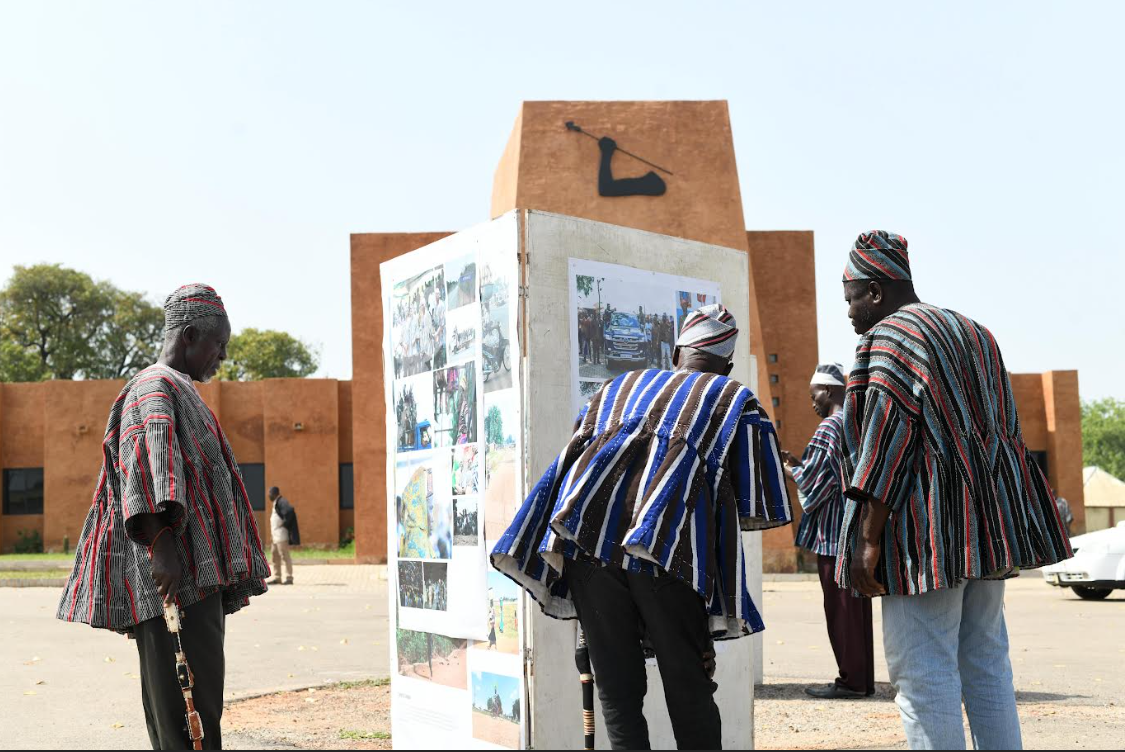
The engagement, marked by traditional rites and a special prayer led by the Yagbonwura, underscored the palace’s support for youth-driven creative initiatives.
In his address, the Overlord expressed deep appreciation for the festival’s mission, commending the young visual
storytellers for using photography to project Northern Ghana—and Ghana at large—to the global stage.


He noted that powerful imagery has the ability to preserve heritage, correct misconceptions, and strengthen national pride, urging the festival team to remain committed to authenticity, discipline, and cultural respect.
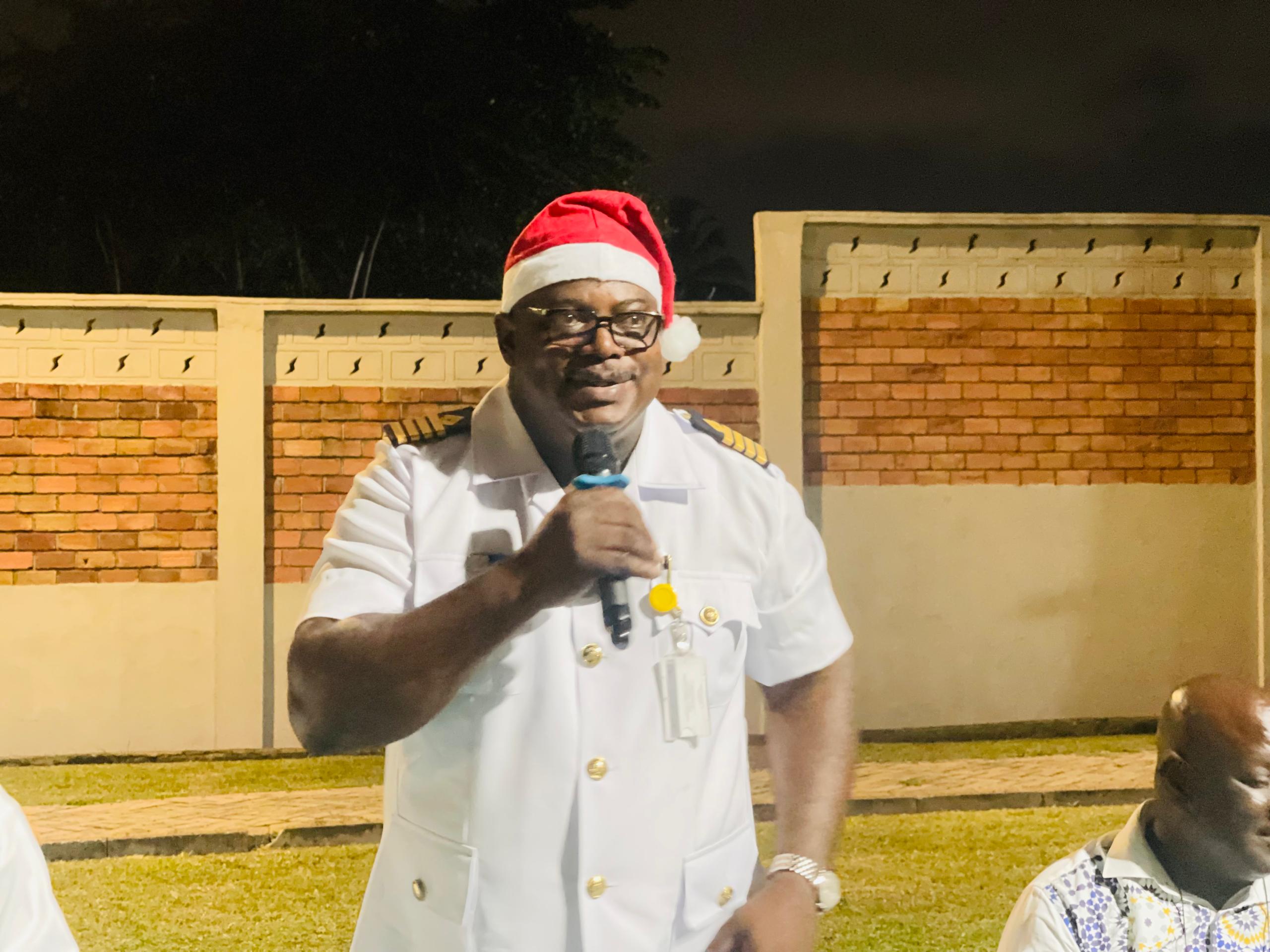
Speaking at the ceremony, Alhaji Sulley Ahmed, Savannah Regional Director of the Ghana Tourism Authority (GTA), described the Northern Ghana Foto Festival as more than an artistic gathering, calling it “a development tool, a cultural archive, and a strategic tourism promotion platform.”
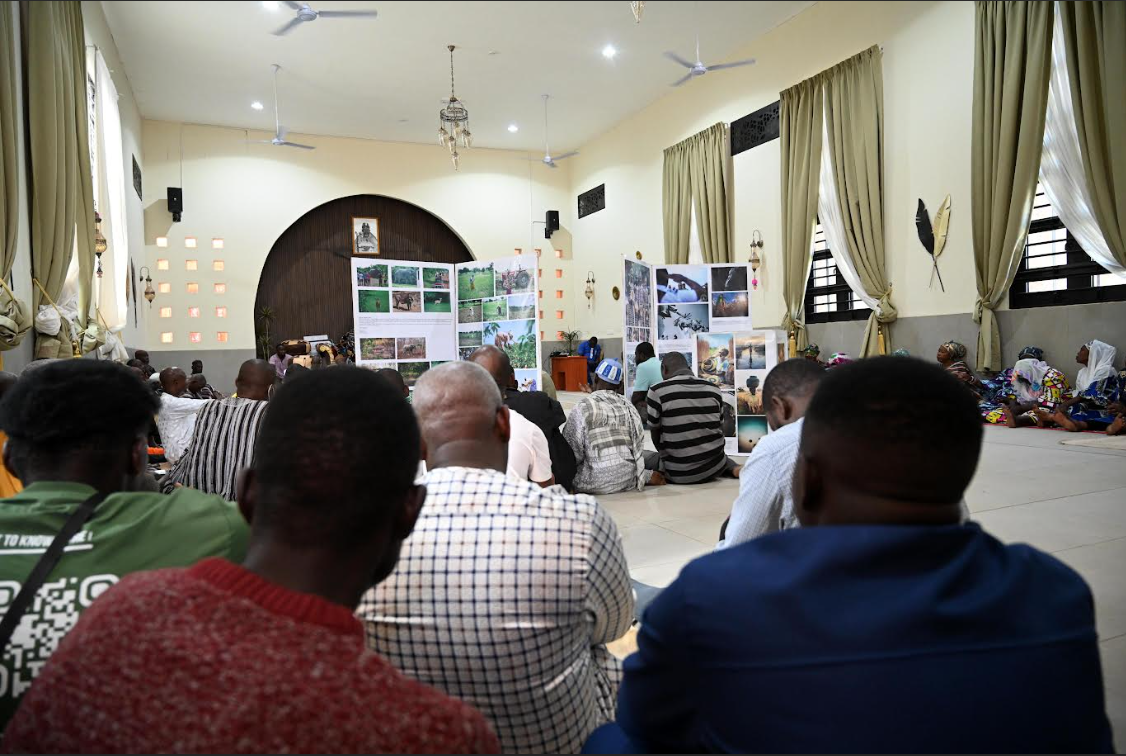
“In today’s world, images speak louder than brochures, and visual stories travel faster than words,” he said. “What this festival is doing is redefining how the world sees Northern Ghana beyond stereotypes to stories of beauty, resilience, creativity, and opportunity.”
Alhaji Ahmed emphasised that the festival aligns strongly with the Ghana Tourism Authority’s vision of positioning the Savannah Region as a must-see destination, rich in culture, landscape, and lived experiences.
He assured the organizers of the Authority’s readiness to support initiatives that promote responsible tourism, heritage preservation, and positive storytelling.
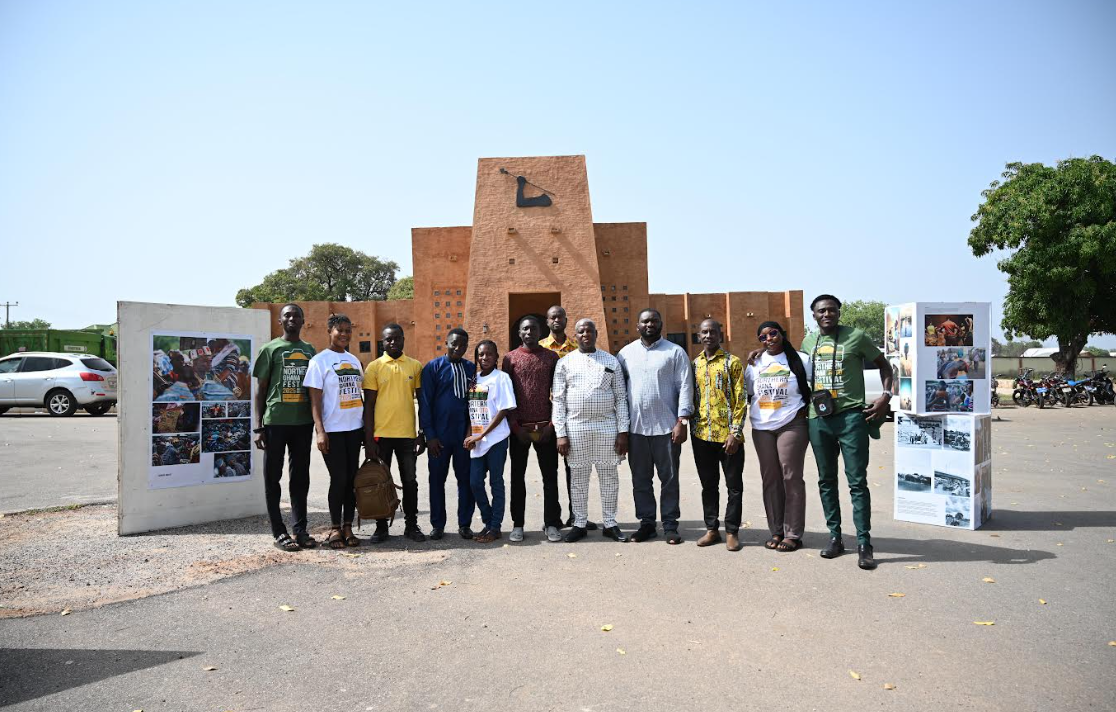
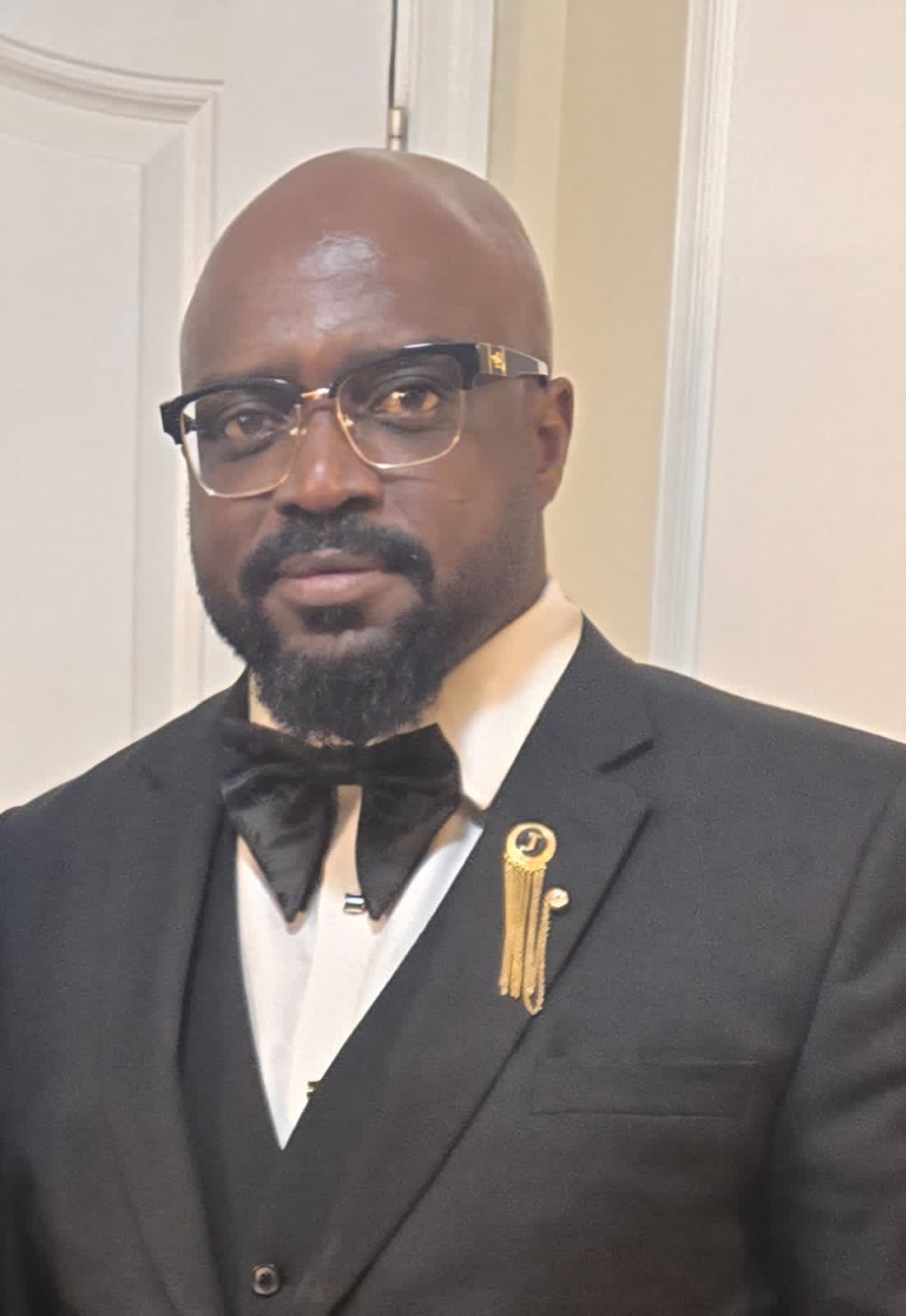
Geoffrey Buta, Team Lead of the Northern Ghana Foto Festival, described the audience with the Yagbonwura as both symbolic and transformative for the team.
“This moment affirms that our work matters not just as photographers, but as custodians of memory and identity,” Buta said. “We are intentional about telling our own stories, from our own perspective, with dignity and truth.”
He stressed that the festival was born out of the need to challenge dominant narratives about Northern Ghana and Africa more broadly, using visual storytelling as a tool for cultural preservation, advocacy, and social change.

“We are not waiting for the world to define us,” he added. “Through this festival, young people are reclaiming the narrative and showing the richness, complexity, and beauty of our communities.”
Buta also expressed gratitude to the Yagbonwura for his encouragement and to the Ghana Tourism Authority for its continued support, noting that collaboration between traditional leadership, creative professionals, and public institutions is essential for sustainable cultural promotion.
The Northern Ghana Foto Festival brings together photographers, visual journalists, and storytellers from across the region and beyond, using exhibitions, workshops, and community engagements to spotlight culture, heritage, wildlife, and everyday life in Northern Ghana.
With the endorsement of the Gonja Kingdom and the backing of tourism authorities, the festival is increasingly being seen as a key platform for cultural diplomacy and creative-led tourism development in Ghana.
As preparations continue for upcoming festival activities, organizers say the vision remains clear:
to tell honest stories, empower young creatives, and position Northern Ghana as a destination of
global cultural significance.