Ghana’s public debt falls 13.3% in 2025 amid cedi appreciation
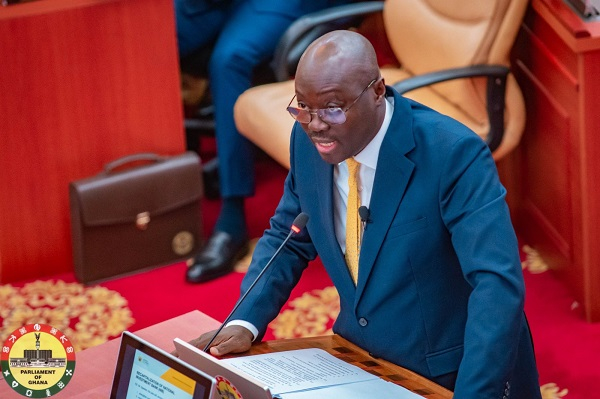
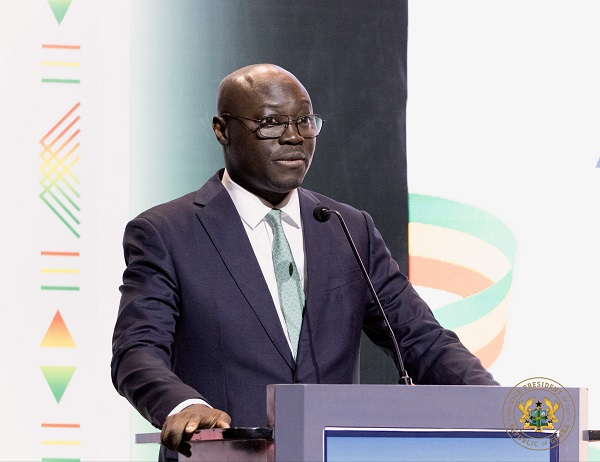
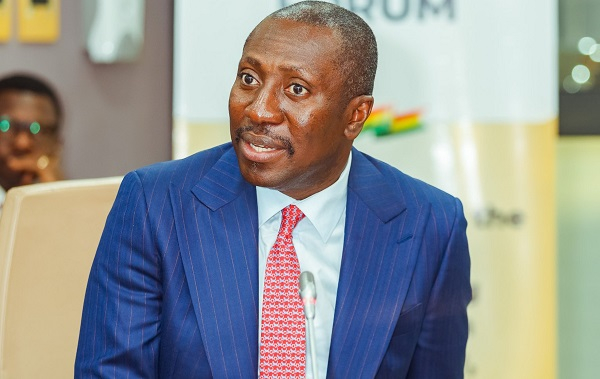
The Minister of Finance, Dr Cassiel Ato Forson, has revealed that Ghana’s public debt fell significantly in 2025, marking one of the sharpest declines in recent history.
Delivering the 2026 Budget Statement and Economic Policy in Parliament on Thursday, November 13, 2025, Dr Ato Forson noted that total public debt dropped from GH¢726.7 billion—representing 61.8 percent of GDP in 2024—to GH¢630.2 billion, equivalent to 45 percent of GDP by October 2025.
“For the first time in over a decade, we have recorded a negative rate in debt accumulation—from a positive 19.1 percent in 2024 to a negative 13.3 percent in 2025,” he stated.
He attributed this turnaround to fiscal discipline, prudent borrowing and the appreciation of the cedi against the US dollar.
He emphasised that these factors have placed Ghana’s public debt on a firm downward trajectory.
Government sets ambitious fiscal targets for 2026
Meanwhile, the government has announced a primary surplus target of 1.5 percent of GDP for 2026.
According to the finance minister, the overall fiscal deficit is projected at 2.2 percent of GDP on a commitment basis and 4 percent on a cash basis.
SP/AM
Watch Dr Ato Forson deliver the 2026 budget in Parliament:
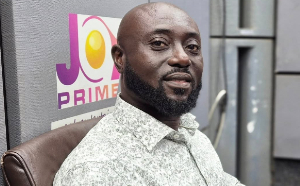
Ghanaian gospel music sensation Ceccy Twum has opened up about sabotage within the gospel music industry, acknowledging that favoritism and behind-the-scenes interference do occur.
Speaking on Joy Prime’s show, she revealed that certain groups sometimes persuade DJs not to play songs from particular artistes, effectively sidelining them.
Despite these challenges, Ceccy Twum said she remains unbothered, placing her trust in God to fight her battles.
“I always say to myself that when I was nobody and God pulled me from wherever I was and brought me here, you did not make me for you to break me. So whatever you do—whether you sabotage me or not—I don’t care. My God will still fight for me, and you can do nothing about it,” she told Roselyn Felli.
She explained that some individuals in the industry are selective and sometimes collude with DJs to prevent certain songs from being played.
“I heard that there’s a group that plans for DJs not to play your songs. So when you bring out a song, they have a platform, and there are some people they call gatekeepers who will tell them not to play certain songs,” Ceccy Twum said.
The “Me Nyame Aye Awie” singer emphasized that she remains focused on her music, undeterred by any attempts to sideline her, firmly believing that God is her refuge.
Ekow Vincent Assafuah, the Member of Parliament for Old Tafo, is demanding a retraction and apology for defamatory statements published against him linking him to the late Samuel Aboagye’s widow.
In a statement filed by lawyers for Ekow Vincent Assafuah revealed that he is demanding an apology from 4 social media users over false claims linking him to late Samuel Aboagye’s widow or face a lawsuit.
Vintage fashion continues to enchant women of all ages with its timeless charm, and one of the most captivating elements of this style lies in the materials used. “Vintage materials” refer to the fabrics and textiles that were commonly used in women’s fashion from the early 1900s through the 1980s. These materials not only represent a bygone era of craftsmanship but also offer a sense of individuality and sustainability in a world dominated by fast fashion.
Among the most iconic vintage materials is lace—particularly handmade or machine lace from the Edwardian or Victorian periods. Lace was often used in blouses, dresses, and undergarments, lending a romantic and delicate touch to feminine silhouettes. Another classic is silk, especially silk crepe and charmeuse, which were favored in the 1920s and 1930s for their fluid drape and luxurious feel. These fabrics were ideal for bias-cut gowns, popularized during the golden age of Hollywood.
Velvet also holds a significant place in vintage fashion. Rich and textured, it became synonymous with evening wear in the 1940s and 1950s. Its deep hues and soft pile brought sophistication to cocktail dresses and capes. Meanwhile, cotton prints—especially floral or novelty prints—were widespread in the 1950s and 1960s, featured in house dresses, skirts, and summer frocks.
Wool and tweed, used in suits and coats from the 1940s onward, highlight the era’s emphasis on durability and structure. These fabrics offered warmth, resilience, and a tailored silhouette ideal for post-war practicality.
Today, wearing vintage materials is more than just a style choice—it’s a celebration of history, craftsmanship, and sustainable living. Whether found in thrift shops, family closets, or specialty boutiques, vintage materials for ladies continue to tell stories of elegance, grace, and enduring fashion.
Ghana is aiming to achieve self-sufficiency in palm oil production by 2032 through a new National Policy on Integrated Oil Palm Development unveiled in the 2026 Budget.
The policy, which spans from 2026 to 2032, seeks to cultivate over 100,000 hectares of new oil palm plantations and create about 250,000 direct and indirect jobs.
Presenting the budget to Parliament on Thursday, Finance Minister Dr. Cassiel Ato Forson said the initiative will be implemented by the Tree Crops Development Authority (TCDA) in collaboration with the Oil Palm Research Institute and private sector partners.
“This policy is designed to make Ghana the palm oil hub of West Africa,” Dr. Forson stated. “We will support smallholders with improved seedlings, access to finance, and processing technology to ensure inclusive growth.”
The policy also focuses on retooling local mills, promoting sustainable farming practices, and increasing value-added exports such as refined palm oil and oleochemicals.
Government officials say the programme will not only enhance rural livelihoods but also cut down on palm oil imports, saving millions in foreign exchange.
The Member of Parliament for Akuapim North, Sammi Awuku, has urged his colleagues in Parliament, particularly those on the Majority side, to reject the nomination of Paul Baffoe-Bonnie as the next Chief Justice of Ghana.
Speaking during the debate on the Appointments Committee’s report on the nominee’s vetting on Thursday, November 13, Mr. Awuku cautioned against rushing the approval process, stressing the need to fully exhaust all legal and procedural avenues before making a decision.
He raised concerns about the potential implications of pending court cases challenging the removal of former Chief Justice Gertrude Torkornoo, questioning what would happen if the court were to rule in her favour.
“We hold the view and in complete fidelity to the law that we believe that these processes we can hold onto and exhaust the process. It is on this basis that we join the House, and also call on the House as well to reject the nominee,” he stated.
However, Speaker of Parliament Alban Bagbin dismissed the call, noting that despite the ongoing court cases, Parliament must continue to discharge its constitutional duties, including the consideration of nominations brought before it.
ACCRA, Nov. 13, GNA – The Government’s 2026 Budget Statement and Economic Policy has set a robust target to collect GH¢268.1 billion in total revenue and grants for the fiscal year.
This projection marks an increase of 18.3 per cent over the GH¢226.7 billion recorded in 2025.
In the Budget, presented to Parliament by the Minister of Finance, Dr Cassiel Ato Forson, Non-oil Tax Revenue was projected to be the backbone of domestic mobilisation, contributing GH¢216.1 billion.
He said the ambitious target was anchored on a comprehensive strategy focused on sustaining fiscal discipline, strengthening revenue mobilisation, and eliminating systemic leakages.
The finance minister noted that the growth was anticipated from improved compliance and enhanced enforcement.
He disclosed that oil and gas receipts were expected to contribute GH¢13.6 billion.
The Finance Minister said to achieve this fiscal consolidation, the government would rely on the continuous implementation of the Medium-Term Revenue Strategy (MTRS).
“The strategy prioritises the expansion of the tax net rather than placing an additional burden on existing compliant taxpayers. Crucially, the government has announced structural reforms and enforcement actions to close revenue leakages, particularly at the ports,” he added.
Dr Forson said an Inter-Agency Committee had been established to audit all import-related transfers, and the Bank of Ghana would now match every foreign exchange (forex) transfer with verified import data.
The decisive action followed an audit that exposed the fraudulent use of Import Declaration Forms (IDFs) for illicit forex transfers and widespread under-declaration of import values, which deprived Ghana of approximately GH¢11 billion in potential revenue.
“The Ghana Revenue Authority (GRA) is mandated to establish a special recovery unit dedicated to reclaiming lost revenue identified from the audits. On the expenditure side, the government will enforce sanctions under Sections 96 to 98 of the Public Financial Management (PFM) Act to penalise breaches related to arrears accumulation and non-compliance with commitment controls,” he said.
The Minister said the overall fiscal strategy for 2026 aimed to secure a Primary Surplus of 1.5 per cent of GDP on a commitment basis, aligning with the country’s fiscal responsibility framework to sustain discipline and debt sustainability.
The finance minister said disciplined fiscal stance balanced consolidation with growth, ensuring that public funds were safeguarded for productive investments, including the ‘Big Push’ Infrastructure Programme and the ‘24-Hour Economy’ Programme.
A South African national and an airline official stationed at the Kotoka International Airport (KIA) have been apprehended by the Narcotics Control Commission (NACOC) for attempting to smuggle more than 30 kilograms of cannabis into Ghana.
According to information gathered by the paper, the airline official was apprehended for assisting a passenger on a flight from Thailand to bypass security checks when he arrived at KIA on Monday, November 10, 2025.
NACOC officials apprehended the suspect following an intelligence-led operation, which prompted a thorough search of his luggage, revealing smuggled cannabis, and after interrogation it was revealed that the airline staff assisted with the smuggling of the cannabis.
The cannabis was discovered carefully concealed in vacuum-sealed packages hidden among his personal belongings.
The commission reiterated its uncompromising stance against drug trafficking, assuring the public that robust measures remain in place to detect and deter such offences.
In a statement, NACOC warned that “anyone found complicit in narcotic-related offences, regardless of nationality or position, will face the full rigours of the law.”
In an effort to curb illicit drug trafficking at the Kotoka International Airport, Deputy Director-General of NACOC in charge of Enforcement, Control and Elimination, Mr. Alexander Twum-Barimah, in a series of interviews, has stated that the commission will not condone or shield anyone involved in illicit drug activities, adding that culprits will be dealt with according to the law, without fear or favour.
Mr. Twum-Barimah further highlighted that the commission is in partnership with other security and border control agencies, such as the Ghana Armed Forces (GAF), the Ghana Immigration Service (GIS), and the National Intelligence Bureau (NIB), to strengthen the fight against transnational drug trafficking.
Several parts of Accra have been flooded this afternoon, Thursday, November 13, 2025, following a few hours of heavy rainfall.
Areas including Kaneshie and Sakumono have been particularly affected, with floodwaters covering streets, blocking major roads, and displacing traders and residents. The rising water has made movement difficult, forcing many people to take shelter until the rain eases.
Prudential Bank Limited (PBL), an indigenous Bank, has reaffirmed its commitment to supporting Ghana’s upstream oil and gas local‑content agenda at the 12th Local Content Conference and Exhibition, held in Takoradi.
Speaking on a panel titled “Innovative Financing to Promote E&P Investment: Unlocking Capital and Fostering Investor Confidence,” Group Head, Energy, Mining and Infrastructure at PBL, Stanley Seppey, said the Bank is ready to support industry players, particularly Indigenous Ghanaian Companies (IGCs).
“We are open for business. There are a number of financing opportunities out there which players can take advantage of,” he said. “As a Bank with special focus on the indigenous businesses, we are ready to tailor solutions to fit the particular needs of the IGCs. Beyond financing, we are ready to support you all the way through,” he told the delegates. Aside exploring the traditional debt capital markets, he urged players in the sector to adopt sustainable practices in order to attract financing from alternative funding sources including renewable energy funding sources.
Mr. Seppey highlighted persistent barriers that hinder IGCs from accessing finance, including incomplete financial information, poor corporate governance structures and a lack of requisite technical expertise.
“We urge SMEs in the sector to scale up to meet the specialized needs of the oil and gas industry. If you have capital but lack expertise, for instance, you will eventually be found wanting as the business grows, making it difficult to attract financing from banks,” he said.
He noted that Prudential Bank’s participation in the conference underscores its broader strategy of providing tailored financing solutions and advisory services to local contractors, service providers and small‑to-medium scale businesses operating in Ghana’s oil and gas value chain.
The three‑day event, organized by the Petroleum Commission, was opened by the Minister of Energy and Green Transition, Dr. John Jinapor, under the theme “Revitalising Ghana’s Petroleum Exploration and Production Sector: Driving Innovation and Redefining Local Content for a Competitive Energy Economy.”
The conference attracted policymakers, industry leaders, investors and service providers, all focused on shaping a more competitive and sustainable local‑content framework for Ghana’s oil and gas sector.
Prudential Bank’s participation as an Indigenous Ghanaian Bank signals its readiness to play a more significant role in supporting the local content agenda of the Petroleum Commission.
Explore the world of impactful news with CitiNewsroom on WhatsApp!
Click on the link to join the Citi Newsroom channel for curated, meaningful stories tailored just for YOU: https://whatsapp.com/channel/0029VaCYzPRAYlUPudDDe53x
No spam, just the stories that truly matter! #StayInformed #CitiNewsroom #CNRDigital
MTN Ghana has formally published merger notices for MobileMoney Limited (MML) and MobileMoney Fintech Limited (MMF LTD) as the telecommunications giant races to meet regulatory requirements for local equity participation in its fintech operations.
The notice issued on Thursday, November 14, confirms that MMF LTD will emerge as the surviving entity following the statutory merger, continuing to operate MTN’s mobile money business in Ghana. The merger represents the final step in satisfying localisation requirements under the Payment Systems and Services Act, 2019 (Act 987).
Ghana’s payment systems legislation mandates that companies conducting mobile money business must maintain a minimum of 30% local equity participation to qualify for a licence to operate as a dedicated electronic money issuer. The Bank of Ghana issued a directive on May 12, 2025, requiring MML to satisfy this localisation requirement by December 31, 2025.
The merger terms have been documented in an agreement dated October 31, 2025, entered between MML and MMF LTD. The merger agreement includes a comprehensive merger proposal outlining how the two entities will combine operations, transfer assets and liabilities, and restructure ownership to comply with regulatory mandates.
Copies of the merger agreement are available for inspection at the registered offices of both MML and MMF LTD at the Standard Chartered Bank Building on Ring Road Central in Accra. Shareholders, creditors, and any other persons to whom either company owes obligations may inspect the documents during normal business hours from 8:00am to 4:00pm, Mondays to Fridays.
The inspection period runs from the date of the notice up to and including December 1, 2025. Entitled parties may also request free copies of the merger agreement by visiting the reception of either company or sending email requests to designated addresses.
MobileMoney Fintech Limited was incorporated on October 16, 2025, specifically to serve as the new operating entity for MTN’s mobile money business in Ghana. Under the proposed merger, all assets, liabilities and consenting employees of MobileMoney Limited will transfer to the new company by operation of law.
Following the merger, a trust mechanism established by Scancom PLC (Publicly Listed Company), MTN Ghana’s parent company, will hold shares in MobileMoney Fintech Limited on behalf of Ghanaian minority shareholders. The trust will hold 27,870,000 A1 ordinary shares representing approximately 28% of the company, while MTN Dutch Holdings will hold 72,130,000 A2 ordinary shares representing roughly 72%.
This ownership structure ensures compliance with the Bank of Ghana’s localisation directive while maintaining economic interests for minority shareholders. The arrangement mirrors the ownership proportions of Scancom PLC, where Ghanaian shareholders hold approximately 30% following successful trades on the Ghana Stock Exchange completed in September 2024.
Implementation of the merger remains subject to multiple regulatory approvals. These include clearance from the Bank of Ghana, Securities and Exchange Commission (SEC) no objection, High Court of Justice orders making the transaction binding, and endorsement from the Chief Labour Officer for employee transfers.
The MobileMoney Limited board approved the merger on October 22, 2025, followed by the company board approval on October 28, 2025. Shareholders will vote on the transaction at an extraordinary general meeting, where they will also consider waiving the requirement for a fairness report under section 247 of the Companies Act, 2019.
Qualifying beneficiaries who vote against the merger and notify both the company and Scancom PLC of their intention to exercise appraisal rights will be entitled to sell their shares. The appraisal rights price shall be the volume weighted average price of shares in Scancom PLC for the 60 trading days preceding the merger meeting date.
The company may not proceed with the merger if appraisal rights are notified to be exercised in respect of shares comprising in aggregate more than 3.5% of the total Scancom PLC shares in issue. The transaction also requires that Scancom PLC confirms its ability to fund the acquisition of shares if the threshold is approached.
MTN Ghana launched its mobile money service in July 2009 as the first telecommunications company in Ghana to offer such services, initially partnering with nine banks. By December 2024, the business had expanded to include 22 partner banks, approximately 17 million active users and over 500,000 active agents and merchants nationwide.
The service operates as Ghana’s dominant mobile money platform, facilitating billions of cedis in transactions annually. The mobile money business has become a critical component of Ghana’s financial inclusion strategy, enabling millions of unbanked citizens to access financial services through their mobile phones.
IC Securities (Ghana) Limited and Sentinel Global Limited serve as financial advisers to the company in relation to the merger, while Bentsi Enchill, Letsa & Ankomah provides legal advisory services. Ernst & Young serves as auditors for MobileMoney Fintech Limited.
The company has indicated that there are no expected adverse tax implications for shareholders or beneficiaries in respect of the transfer of mobile money business assets, liabilities and employees to the new company. Transaction costs, to the extent not borne by Scancom PLC, will be shared by MobileMoney Fintech Limited and MobileMoney Limited.
MTN Ghana expects to list MobileMoney Fintech Limited on the Ghana Stock Exchange within three to five years following the merger, subject to regulatory and corporate approvals. The listing would give minority shareholders the opportunity to invest directly in the fintech entity.
The localisation initiative represents a broader trend across Ghana’s telecommunications and fintech sectors. The National Communications Authority previously mandated telecommunications companies to meet minimum local ownership thresholds for spectrum licenses, prompting similar restructuring exercises across the industry.
Shareholders and qualifying beneficiaries unable to attend upcoming meetings may appoint proxies to vote on their behalf. Proxy forms must be completed and submitted according to specified procedures at least 24 hours before voting commences.
The restructuring underscores challenges faced by multinational corporations operating in Africa’s evolving regulatory landscape, where localisation policies increasingly dictate market access. The success of MTN’s overhaul may set precedents for other foreign controlled fintech operators navigating similar requirements.
For inquiries related to MobileMoney Limited, stakeholders may contact [email protected], while matters concerning MobileMoney Fintech Limited should be directed to [email protected]. Both entities maintain offices at the Standard Chartered Bank Building on Ring Road Central in Accra.
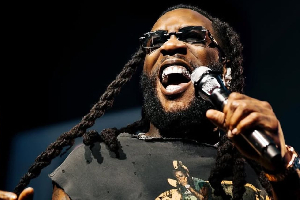
Burna Boy asked a couple to leave his concert for allegedly sleeping
Nigerian artiste Damini Ogulu, popularly known as Burna Boy, asked a couple to leave his concert in Denver, United States, on the night of November 12, 2025, for allegedly sleeping during his performance.
The drama unfolded when the Nigerian musician paused his set and asked a male fan to take his girlfriend home for sleeping while he was performing.
In a video circulating on social media, Burna Boy told the couple that seeing the guy’s girlfriend asleep while he was on stage “pisses him off.”
He warned the crowd that he would not continue performing unless the couple left the venue.
You’re not qualified to speak my name – Burna Boy shuts down critics over Burkina Faso concert snub
“When I stand up here [on the stage] and see you over there with your girl sleeping in front of me, it pisses me the f..k off. So, please, take her the f..k home… Walahi, I’m not performing another song until you go home,” Burna Boy said.
At first, the couple, especially the woman, was reluctant, but they eventually left after the crowd demanded it. Burna Boy resumed his performance after they exited.
This is not the first time Burna Boy has made headlines for such incidents. He previously kicked a starstruck male fan who jumped on stage to hug him during the Greater Lagos 2024 concert. At the time, he explained that he suffers from post-traumatic stress disorder (PTSD).
In an Instagram post, Burna Boy warned fans against jumping on stage during his performances because of his PTSD:
“Everybody knows my rule about getting on stage and startling me when I’m performing. I had an amazing time with Lagos State last night. Don’t jump on my stage like that! I got PTSD. I love you all. Happy new year,” he wrote.
Watch the video below:
“i’m not performing another song till you go home.” — Burna Boy tells man and his girlfriend to go home and sleep after he noticed they were sleeping while he was on stage at his sold out concert in Morrison, Colorado. pic.twitter.com/Odx0zdePZY
Watch the promo to GhanaWeb’s latest documentary, which uncovers the evolution of ‘kayamata,’ an exploitative practice fueled by love charms and manipulation, titled, “The Dark Side of Kayamata,’ below:
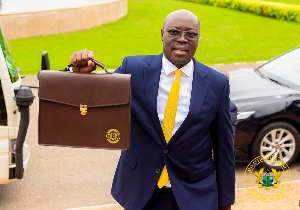
The Minister of Finance, Dr Cassiel Ato Forson, presented the second Budget and Economic Policy of the John Dramani Mahama administration in Parliament on November 13, 2025.
The budget presentation was in accordance with Article 179 of the 1992 Constitution and Section 21 of the Public Financial Management Act, 2016 (Act 921).
The Minister of Finance presented the budget on behalf of the President, John Dramani Mahama, as required by the Constitution.
LIVESTREAMED: Finance Minister Ato Forson presents 2026 Budget
This marks Dr Cassiel Ato Forson’s second time presenting the budget on the floor of Parliament since assuming office.
The budget, themed “Resetting for Growth, Jobs and Economic Transformation,” highlighted key areas, including the country’s implementation of the IMF bailout programme, as well as updates on major government policies.
GNPC to expand Hydrocarbon output amid rising investment
The Minister of Finance, Dr Cassiel Ato Forson, has disclosed that government’s investor-friendly reforms have attracted over US$3.5 billion in new investment commitments in 2025 to revitalise Ghana’s oil and gas sector.
Presenting the 2026 Budget Statement and Economic Policy to Parliament on Thursday, November 13, 2025, Dr Forson said the investments are a clear sign of renewed investor confidence in Ghana’s upstream petroleum industry following years of declining production.
“These include a US$2 billion framework agreement for the Jubilee and TEN fields to drill 20 new wells and a US$1.5 billion Memorandum of Intent with the Offshore Cape Three Points (OCTP) partners to expand operations,” he stated.
He further revealed that the new investor-friendly climate has drawn the interest of major international oil companies such as Shell, whose participation is expected to bring in new capital, advanced technology and technical expertise to boost production and exploration.
Cash Waterfall Mechanism boosts ECG revenue by almost 90% – Finance Minister
Dr Forson also announced that the Ghana National Petroleum Corporation (GNPC) will commence drilling for oil in the offshore Voltain Basin in October 2026, with encouraging prospects for expanding the country’s hydrocarbon output.
He added that government is currently undertaking an upstream regulatory and fiscal review to make Ghana’s petroleum regime more competitive, transparent and stable to attract further investments.
SP/AM
Watch the 2026 budget presentation by Dr Ato Forson:
Bernard Antwi Boasiako, popularly known as Chairman Wontumi, the Ashanti Regional Chairman of the New Patriotic Party (NPP), has filed an application at the High Court seeking to unfreeze his bank accounts.
It will be recalled, the Financial Intelligence Centre (FIC) froze the bank accounts of Chairman Wontumi following the prosecution into his engagement in illegal mining.
The reigning Queen of Ghana’s Most Beautiful (GMB) 2025 has once again left fans in awe, as she graced a recent event in a breathtaking Ankara outfit that exudes tradition, elegance, and modern style. With her radiant smile and graceful demeanor, the queen perfectly embodied what it means to be a true ambassador of Ghanaian beauty, culture, and womanhood.
The outfit, made from vibrant Ankara fabric rich in bold patterns and bright hues, was tailored to perfection highlighting her figure while maintaining a respectful nod to traditional fashion aesthetics. The design featured an off-shoulder neckline with intricate pleating across the bodice, seamlessly flowing into a fishtail hemline that added drama and sophistication to her look. Her matching Ankara headwrap added a regal touch, reminiscent of the matriarchs of African royalty.
The queen’s fashion choice has been widely praised across social media, with many lauding her ability to blend modern fashion trends with Ghanaian heritage. Her accessories, including gold earrings and traditional beads, added depth to her style, while her minimal makeup highlighted her natural beauty.
But beyond the outfit, fans also admired the confidence and poise she exuded traits that have made her a role model for many young women. Her look was not just a fashion statement; it was a celebration of African identity, culture, and creativity.
Ankara fabric continues to reign supreme in African fashion, and the GMB Queen’s appearance is yet another powerful reminder of how this versatile material can be transformed into high-end, elegant fashion statements. As December approaches and festive events ramp up, this look will surely serve as an inspiration to fashion-forward women seeking something bold, beautiful, and unapologetically African.
The Minister for Finance, Dr Cassiel Ato Forson, has announced that the government will commence the construction of a 1,200-megawatt (MW) state-owned thermal power plant in 2026 as part of efforts to ensure reliable and affordable electricity supply for the country.
He made this known on Thursday, November 13, when he presented the 2026 Budget Statement and Economic Policy to Parliament.
According to Dr Forson, Ghana’s OCTP and Jubilee partners are expected to produce about 150 million standard cubic feet of gas per day in the medium term.
This gas output, he explained, will be sufficient to generate up to 1,200 megawatts of power to meet the growing energy needs of households and industries.
He stated that the new power plant, which will offtake the additional gas from the OCTP partners and the Gas Processing Plant 2 (GPP2), is a strategic investment aimed at securing Ghana’s energy future.
“The 1,200-megawatt state-owned thermal power plant will support the provision of reliable and affordable power while ensuring long-term energy security for the country,” Dr Forson said.
He emphasised that the project forms part of government’s broader energy strategy to expand generation capacity, enhance efficiency, and reduce the cost of electricity. The initiative is also expected to strengthen the country’s industrialisation drive by providing stable power for production and export-led growth.
Dr Forson added that the construction of the power plant reflects government’s commitment to self-sufficiency in energy production and its determination to deliver sustainable infrastructure that supports national development.
The Nollywood industry has been thrown into a state of mourning following the demise of popular veteran actor, Prince Oyewole Olowomojuore, better known as Baba Gebu.
Naija News reports that Nollywood actor, Kunle Afod, announced the unfortunate passing of Baba Gebu in a post via his Instagram page.
The Minister of Finance, Dr Cassiel Ato Forson, and the Controller and Accountant General, Kwasi Agyei, have been accused by the Minority in parliament of allegedly colluding to unlawfully withdraw GH¢1.4 billion from the District Assemblies Common Fund.
According to the minority, Dr Cassiel Ato Forson and Kwasi Agyei withdrew GH¢1.4 billion from the District Assemblies Common Fund (DACF) account at the Bank of Ghana in November 2025.
Finance Minister Dr. Cassiel Ato Forson has announced that the 2026 Budget is specifically designed to generate up to 800,000 new jobs across various sectors of the Ghanaian economy.
Presenting the budget in Parliament on Thursday, Dr. Forson said that government’s investments under the “Big Push” road infrastructure programme, totaling GH¢63 billion in contracts awarded so far, are expected to create approximately 490,000 jobs, consistent with World Bank metrics on job creation from road investment.
He highlighted other key initiatives, including three new garment factories projected to create over 20,000 direct jobs, and seven agro-processing plants that will employ about 700 people directly and thousands more through supply chains.
Dr. Forson also pointed to the National Policy on Integrated Oil Palm Development, which is expected to generate 250,000 jobs across the value chain, and the Farmer Service Centres, which will engage thousands in machinery operation, maintenance, and logistics.
“These investments are not isolated; they are part of an integrated national effort to turn stability into jobs and growth,” the Finance Minister said.
He further emphasised that government is putting real capital behind the private sector, which remains the engine of jobs and economic expansion.
To support this effort, Dr. Forson noted that the National Investment Bank has been recapitalized, and plans are underway to recapitalize the Agricultural Development Bank (ADB) and the Consolidated Bank Ghana) CBG with GH¢1 billion before the end of 2025
He also highlighted that GH¢401 million has been allocated to the Women’s Development Bank to provide affordable financing to small businesses and entrepreneurs, particularly women traders and market operators.
Dr Forson mentioned that the facility will support business owners such as Lamisi Adam, Priscilla Yovu, and Caroline Sfeir, whom he met during his engagements at the Takoradi Market Circle and the Kotokoraba Market.
DISCLAIMER: The Views, Comments, Opinions, Contributions and Statements made by Readers and Contributors on this platform do not necessarily represent the views or policy of Multimedia Group Limited.
DISCLAIMER: The Views, Comments, Opinions, Contributions and Statements made by Readers and Contributors on this platform do not necessarily represent the views or policy of Multimedia Group Limited.
Finance Minister Dr. Cassiel Ato Forson has announced that the government will, beginning in 2026, commence procurement processes for the acquisition of four modern helicopters, one long-range aircraft, and one medium-range aircraft to strengthen the operational efficiency of the Ghana Air Force.
Presenting the 2026 Budget on Thursday, November 13, he said the aircraft are expected to be delivered within four years after the procurement processes are finalised, explaining that the move forms part of the government’s broader commitment to retooling the country’s security forces and enhancing national defence capabilities.
He emphasised the relevance of the Ghana Air Force, which, according to him, remains a key pillar of national defence, providing aerial surveillance, troop and logistics transport, air defence, maritime patrol support, disaster response, and medical evacuation operations.
Ato Forson highlighted operational challenges facing the institution due to an ageing fleet and high maintenance demands, which affect readiness and efficiency. The planned acquisitions, he said, will help address these challenges and enhance the Force’s ability to respond swiftly to both security and humanitarian needs.
“The Ghana Air Force will be retooled. Beginning in 2026, the Government of Ghana will start procurement processes for the acquisition of four modern helicopters, one long-range, and one medium-range aircraft,” he stated.
“Mr. Speaker, on 13th August, 2020, the Government of Ghana entered into a supplier’s credit agreement of US$80 million with Messrs. ELBIT Systems Land Ltd for the procurement of nineteen (19) Armoured Personnel Carriers (APCs) and related defence systems,” he added.
Finance Minister Dr Cassiel Ato Forson has outlined Ghana’s Medium Term Debt Management Strategy for 2025 to 2028, focusing on concessional borrowing, risk reduction, and maintaining public debt below 70% of GDP to protect the economy from future financial shocks.
Presenting the 2026 budget to Parliament on Thursday, November 13, Dr Forson announced that Ghana’s total public debt fell from GH¢726.7 billion in 2024 to GH¢630.2 billion by October 2025, marking one of the largest annual reductions in national history. The decline reflected strict fiscal discipline, prudent borrowing, and a stronger Ghana cedi.
Ghana recorded a negative rate of debt growth of 13.3% in 2025, down from a positive 19.1% in 2024. The achievement demonstrates government’s commitment to reversing the debt accumulation trajectory that threatened macroeconomic stability and forced the country into an International Monetary Fund (IMF) Extended Credit Facility programme.
The 2026 deficit is projected at 2.8% of GDP, well within the IMF programme target and significantly lower than the 10.6% recorded in 2022 at the height of the debt crisis. Government targets a primary surplus of 1.5% of GDP in 2026, ensuring Ghana stays on track with fiscal consolidation objectives that end in May 2026.
Government has adopted a zero Bank of Ghana financing policy, eliminating direct central bank funding of budget deficits that previously contributed to inflationary pressures and weakened monetary policy effectiveness. The discipline ensures fiscal policy does not undermine monetary policy objectives of price stability and exchange rate management.
Domestic debt markets have recovered substantially. Treasury bill rates fell to 10.7% from 28.9%, the lowest in 14 years, while eurobond yields declined by 300 basis points, restoring investor confidence in Ghana’s creditworthiness. The improved market sentiment reflects successful debt restructuring and stronger economic fundamentals.
Government completed the exchange of US$13,103.9 million in outstanding Eurobonds in October 2024 with a participation rate of 98.6%. The restructuring resulted in a 37% nominal reduction equivalent to US$4,866.0 million in upfront reductions including Bondholder Post Default Interest claims as of end December 2023, excluding the Long Term Par Note option.
Debt service relief of approximately US$4,325.0 million during the IMF Extended Credit Facility programme period significantly eases fiscal pressures. The average coupon rate on Eurobonds dropped from 8% to lower levels, reducing annual interest obligations and freeing resources for development spending on infrastructure, education, and healthcare.
The debt management strategy prioritizes concessional borrowing from multilateral institutions to refinance high cost debt and reduce interest burdens. Government will engage primarily with the World Bank, African Development Bank, and other development finance institutions offering below market interest rates and longer repayment periods.
External loan disbursements in 2024 amounted to US$1,046.8 million, nearly 70.4% higher than the previous year. The increase came mainly from receipts of US$300.0 million World Bank Development Policy Operation and US$1,320.0 million from the IMF Extended Credit Facility. IMF disbursements accounted for 52.1% of total external borrowing in 2024.
Government conducted an audit of outstanding arrears and payables totalling GH¢68.8 billion, covering unpaid invoices and interim payment certificates from contractors and suppliers. The exercise uncovered GH¢10.4 billion in fraudulent claims that would have been paid without careful verification, demonstrating importance of expenditure controls.
The audit confirmed GH¢47.8 billion in legitimate claims and flagged GH¢8.6 billion for further review due to incomplete documentation. The finance ministry has committed to clearing legitimate outstanding obligations to contractors and suppliers to restore confidence in government financial commitments while preventing payment of fraudulent claims.
Government revealed widespread abuse in Ghana’s import declaration system between April 2020 and August 2025. Over 525,000 transactions valued at US$83 billion were processed through import declaration forms, yet only 10,440 involved actual imports. About US$31 billion was transferred abroad without any goods entering the country.
Dr Forson warned that these practices drained reserves, weakened the cedi, and denied the state revenue needed for schools, roads, and hospitals. Individuals and institutions implicated in the transactions have been referred to the Attorney General, Economic and Organised Crime Office (EOCO), Financial Intelligence Centre (FIC), and Criminal Investigations Department (CID) for investigation.
The Bank of Ghana will now match every foreign exchange transfer to verified import data to prevent future losses. The comprehensive approach combines technology deployment with structural reforms to reduce opportunities for manipulation and protect national reserves from fraudulent schemes disguised as legitimate trade.
Ghana’s fiscal strategy will match discipline with compassion, protecting priority social spending in education, health, and social protection while maintaining tight expenditure controls. The government aims to ring fence investment and prioritize public goods spending on human development while addressing inefficiencies across ministries, departments and agencies.
Total expenditure for 2026 is projected at GH¢302.5 billion, representing 18.9% of GDP, with significant portions dedicated to capital projects under the Big Push Infrastructure Programme and energy sector reforms. Government will impose strict expenditure limits backed by strong cash management controls to prevent accumulation of new expenditure arrears.
The debt sustainability framework aims to bring public debt down to programmed levels by 2028, ensuring Ghana can service obligations without sacrificing development priorities. Government will develop a coherent policy on non concessional external borrowing and clarify expected amounts and intended uses of external funds.
Fitch Ratings estimates Ghana’s interest payment to revenue ratio at 29% in 2025 and 30% in 2026, among the highest for rated sovereigns. The Finance Committee disclosed that GH¢20 billion has been earmarked in the 2025 budget for interest payments, including obligations to Independent Power Producers and the Energy Sector Levy Account.
These projections underscore importance of effective debt management and fiscal strategies to ensure sustainable economic growth. Government will strengthen capacity of institutions like the Ghana Infrastructure Investment Fund (GIIF) and Public Investment Management Unit (PIMU) to ensure transparency and efficiency in deploying borrowed funds.
The Medium Term Debt Management Strategy aligns with IMF programme goals, particularly the aim of reducing fiscal deficit while supporting economic transformation. Government acknowledges that persistent budget deficits financed through borrowing at high servicing costs, especially from international sources, have plummeted the country into excessive debt.
Following the Heavily Indebted Poor Countries (HIPC) initiative and Multilateral Debt Relief Initiative (MDRI) period in 2006, Ghana’s public debt was GH¢4.9 billion or 26.2% of GDP. By end 2008, debt stock had risen to GH¢9.8 billion at 34.8% of GDP, driven by large fiscal deficit of 14.5% during the election year and cedi depreciation.
The upward trend continued with national debt reaching GH¢17.5 billion at 38.9% of GDP by end 2010, reflecting 78% increase from 2008. Between 2010 and 2012, government debt more than doubled to GH¢35.1 billion, increasing the debt to GDP ratio from 38.9% to 48.4% as expenditure demands consistently outpaced domestic resource mobilization.
Government has learned powerful lessons from the debt crisis. Never again must recklessness, waste and indiscipline define how public money is handled. The 2026 budget represents a turning point where short term stabilization gains are locked into permanent rules and institutions that prevent future fiscal crises.
Ghana’s debt risk has been reclassified from high to moderate, signaling restored confidence in the country’s ability to manage obligations sustainably. The reclassification opens access to commercial borrowing at more favorable terms while demonstrating to international investors that Ghana has addressed structural weaknesses that previously threatened default.
Ghanaian musician-cum-pastor, Pastor Nana Agyarko, has added his voice to the ongoing debate over payment of musicians in churches.
Speaking in an interview on Hitz FM on November 13, 2025, Pastor Agyarko was asked if he receives a salary for his role as a music pastor, to which he responded simply; “No, I don’t.”
He added, however, that the musicians in his church do receive payments.
Addressing the broader question of whether church musicians should be paid, Pastor Agyarko emphasised that it ultimately depends on the individual’s conviction.
“It depends on the individual’s conviction about what they do. I think that for someone who has developed a craft and considers it to be a profession and would want to stick to it, such a person should be appreciated and be given something to appreciate that person for choosing that as a profession,” he said.
He also explained his own stance, stating that he doesn’t take payment since he has other money-making ventures.
“I have done music for a very long time but I don’t take any pay. Because I have a conviction not to. I do other things that give me money. So, I think it is a conviction that one must have… I do not take money in my church but the musicians in the church take money,” he stated.
ID/AM
Meanwhile, watch as Parliament approves Chief Justice nominee Paul Baffoe-Bonnie
The Minister of Finance, Dr Cassiel Ato Forson, has disclosed that a special audit report he commissioned into the arrears and outstanding commitments left behind by the erstwhile Nana Addo Dankwa Akufo-Addo government has saved the country millions.
According to him, the audit report found that out of about GH¢70 billion of arrears submitted by the previous government, only about GH¢50 billion were legitimate.
He said that over GH¢10 billion of the arrears were rejected and about GH¢8 billion were still being reviewed due to a lack of proper documentation.
“The findings, Mr Speaker, are troubling and damning: Out of the GH¢68.8 billion payables submitted for audit, GH¢47.8 billion was validated as legitimate claims; GH¢10.4 billion in claims were rejected due to unsupported documentation, duplicate and recycled IPCs, inflated invoices, falsified stores receipts, and instances of no work done.
“Of this rejected amount, GH¢1 billion comprised Bank Transfer Advices that had already been approved and were ready for payment. Without this audit, those funds would have been disbursed, underscoring the importance of vigilance and verification. An amount of GH¢2 billion was reclassified from claims and BTAs to commitments,” he said during his presentation of the 2026 Budget and Economic Policy statement at Parliament on November 13, 2025.
He added, “Mr Speaker, an additional GH¢8.6 billion remains under review, pending further validation due to inadequate documentation, missing third-party confirmations, and lack of supporting contracts.”
BAI
Watch the promo to GhanaWeb’s latest documentary, which uncovers the evolution of ‘kayamata,’ an exploitative practice fueled by love charms and manipulation, titled, “The Dark Side of Kayamata,’ below:
Family of late Samuel Aboagye drags widow to court over refusal to conduct DNA test on child
The wait is over! The GhanaWeb Excellence Awards 2025 is officially launched. Let’s celebrate impact, innovation and excellence across Ghana.
Who deserves to be honoured this year?
Nominate now 👉 https://ghanaweb.com/ghanaexcellenceawards/nominate
The Ghana Airport Company Limited (GACL) will soon introduce an airport development fee to finance major infrastructure upgrades, Minister of Finance, Dr Cassiel Ato Forson, has announced during the presentation of the 2026 Budget.
The fee is expected to support the renovation of Sunyani Airport and the construction of a new airport in Bolgatanga.
It will also fund the development of a multi-purpose parking facility and a connecting concourse between Terminals 2 and 3 at Kotoka International Airport (KIA).
Speaking on the development fee, he said, “To rehabilitate Sunyani Airport, construct a new airport at Bolgatanga, build a multi-purpose car park and a connecting concourse between Terminals 2 and 3 at the Kotoka International Airport.”
Government to introduce tax stamp regime for refined edible oils – Ato Forson
The Sunyani Airport, located in Ghana’s Bono Region, was built in the 1940s to serve domestic flights, mainly between Sunyani and Accra.
Over time, it has suffered from deteriorating infrastructure and limited facilities, leading to occasional closures.
The government now plans to rehabilitate and modernize the airport to meet safety standards, boost air travel, and promote regional economic growth.
The minister stated that the fee is part of the government’s plan to modernize the country’s airports and enhance the travel experience for passengers.
Appiah Stadium sparked buzz online after being spotted in a lively exchange with President John Dramani Mahama at the Prempeh International Airport
In a video, he engaged in a lively conversation with Mahama before he was apparently stopped by a soldier from following him onto his plane
The video sparked mixed reactions online, with many Ghanaians expressing amazement at Appiah Stadium’s latest antics
Ghana’s top stories, now easier to find. Discover our new search feature!
Controversial political commentator Appiah Stadium courted attention online after an encounter with President John Dramani Mahama.
Appiah Stadium engages in conversation with President John Dramani Mahama at the Prempeh Airport in Kumasi. Image credit: @gists_online Source: TikTok
The president visited the Ashanti Regional capital, Kumasi, on November 12, 2025, for the launch of the government’s flagship ‘nkoko nkitinkiti’ project.
The project, officially named the Nkoko Nkitinkiti Household and Backyard Poultry Production Initiative, was launched at the Jubilee Park. It forms part of the broader Feed Ghana Programme and the National Plan for Agricultural Transformation, Food Sovereignty, and Shared Prosperity.
Following the launch, the president was transported to the Prempeh International Airport in Kumasi for his journey back to the seat of government in the capital, Accra.
Appiah Stadium meets President Mahama at airport
In a video seen by YEN.com.gh, the controversial political figure, whose real name is Frank Kwaku Appiah, was spotted engaging in conversation with President John Dramani Mahama.
The two engaged in a hearty conversation as usual, and Appiah was even spotted whispering in the president’s ear.
After sharing a wry smile, Mahama disengaged from the conversation and went towards his waiting plane.
He appeared to spot Appiah Stadium following him and made a gesture indicating that he would call him to continue their conversation.
As the president continued his walk away, Appiah Stadium tried to follow before a military officer behind him appeared to quicken his step in order to get in front of him and block his path.
The TikTok video of the moment is below.
Appiah Stadium and President Mahama’s relationship
A notable figure in Ghanaian politics, Appiah Stadium rose to fame as a famed serial caller for the opposition New Patriotic Party (NPP) during the days of ex-President Kuffuor.
In recent years, Appiah Stadium has transitioned into an impassioned defender of the ruling National Democratic Congress (NDC) after building a personal relationship with President John Dramani Mahama during his time as the opposition leader between 2017 and 2024.
The two have had many memorable encounters at public events, including a similar airport meet-up in July when Mahama appeared to tease the political commentator and his loyal sidekick, Kwame Ahenfie.
Below is a TikTok video of President Mahama teasing Appiah Stadium and Kwame Ahenfie.
The Minister for Finance has announced that the total appropriation for the fiscal year ending 31st December 2026 amounts to GH¢357,105,639,079.87.
He made this known on Thursday, November 13, when he presented the 2026 Budget Statement and Economic Policy to Parliament.
According to the Minister, total expenditure on a commitment basis for 2026 has been programmed at GH¢302.5 billion, representing 18.9 percent of Gross Domestic Product (GDP). This marks a 20.1 percent increase over the 2025 projection of GH¢251.7 billion, which accounted for 17.8 percent of GDP.
He explained that the 2026 allocation reflects a careful balance between fiscal consolidation and strategic investment in infrastructure, human capital, and social protection.
Primary expenditure, excluding interest payments, is projected at GH¢244.7 billion, or 15.3 percent of GDP. Compensation of employees — covering wages, salaries, pensions, gratuities, and social security contributions — is expected to reach GH¢90.8 billion, equivalent to 5.7 percent of GDP. This figure reflects a negotiated 9 percent increase in base pay for public sector workers under the Single Spine Salary Structure.
The use of goods and services has been pegged at GH¢13.2 billion, representing 0.8 percent of GDP, to enhance efficiency in service delivery across Ministries, Departments, and Agencies (MDAs). Additionally, grants to other government units — including transfers to the GETFund, National Health Insurance Fund (NHIF), and District Assemblies Common Fund (DACF) — are estimated at GH¢63.6 billion, or 4.0 percent of GDP.
Interest payments are projected at GH¢57.7 billion, equivalent to 3.6 percent of GDP. Of this amount, GH¢50.1 billion will go toward domestic interest payments, while GH¢7.6 billion will cover external interest obligations. The Minister noted that ongoing debt restructuring and liability management initiatives are expected to reduce the interest burden over the medium term.
Capital expenditure (CAPEX) is projected at GH¢57.5 billion, representing 3.6 percent of GDP. This underscores government’s commitment to growth-driving investments. Of this, GH¢45.5 billion will be domestically financed — GH¢15.5 billion for MDAs and GH¢30 billion for the Big Push Infrastructure Programme — while GH¢12 billion will come from foreign-financed sources such as project loans and grants.
Other expenditures, including payments to Independent Power Producers (IPPs) and Energy Sector Levies Act (ESLA) transfers, are estimated at GH¢19.7 billion, or 1.2 percent of GDP.
Based on these allocations, the total appropriation for the 2026 fiscal year stands at GH¢357,105,639,079.87.
Read also
2026 Budget: Ghana’s public debt falls from GHS726bn to GHS630bn – Ato Forson
Finance Minister Dr Cassiel Ato Forson has unveiled an ambitious agricultural transformation agenda in the 2026 budget, allocating significant resources to mechanization, improved seeds, irrigation infrastructure, and agribusiness credit lines targeting youth and women farmers.
Presenting the budget to Parliament on Thursday, November 13, Dr Forson announced that government will provide over 4,000 pieces of farm machinery to farmers in 50 districts to support agricultural mechanization. The equipment includes heavy duty combine harvesters, tractors with varied implements, rice mills and other primary and secondary processing machinery.
The Agriculture for Economic Transformation Agenda (AETA) aims to modernize cocoa farming and boost agricultural productivity across key value chains including cocoa, rice, maize, poultry, and aquaculture. Government expects to revive cocoa farming through improved support systems, targeting 5.6% growth in 2025 and 8.3% in 2026 after a 22.4% decline in 2024.
Government will establish farmer service centres nationwide to provide technical assistance, inputs, and market linkages. The centres will offer extension services, help farmers access affordable financing, and connect producers directly to markets under the Ghana Commodity Exchange system.
The budget includes subsidies for improved seeds and fertilizers to increase agricultural yields and food security. Government aims to expand the availability and use of quality certified seeds by incentivizing private enterprises to produce adequate domestic quantities and facilitate timely distribution at subsidized prices through public and private outlets.
Farmers will receive support for organic and inorganic fertilizers at reduced rates to boost soil fertility and crop productivity. The fertilizer support programme aims to increase application rates from current levels while ensuring timely procurement, transport and distribution to farmers across all regions.
Expansion of mechanisation centres and warehouse facilities forms a critical part of the agricultural modernization strategy. As of September 2022, 65 out of 80 planned warehouses had been fully completed and became operational. The remaining 15 reached advanced stages of completion, adding 80,000 metric tonnes to national grain storage capacity.
The warehouse infrastructure will promote the Ghana Commodity Exchange, enhance food security, and provide capacity to leverage opportunities under the African Continental Free Trade Area (AfCFTA) for agricultural commodity trade. The facilities will significantly reduce post harvest losses that currently reach about 18% of annual maize production.
New agribusiness credit lines for youth and women will enhance access to affordable financing for agricultural enterprises. The government is implementing interest rate subsidies for agribusinesses in selected value chains including rice, soybean, tomato, and poultry under the CARES Obaatanpa Programme.
President Mahama has directed all schools from basic to secondary levels to purchase rice, maize, chicken, and eggs produced in Ghana only. The directive affects thousands of educational institutions including primary schools, junior high schools and senior high schools participating in the Free SHS Programme.
Five key governmental and educational agencies have been tasked with oversight and enforcement of the local sourcing policy. The National Food Buffer Stock Company (NAFBC), as the national food aggregator and storage facility, will play a central role in facilitating bulk purchases and distributing locally produced rice and maize to schools.
The policy serves as a crucial form of non cash subsidy and market intervention for Ghanaian farmers, providing stability for four key commodities. The programme will directly benefit local rice, maize, poultry and egg producers by guaranteeing government as a consistent bulk purchaser.
Government is implementing irrigation projects to support year round farming. Key initiatives include rehabilitation of the Vea Irrigation Scheme, commencement of work at the Pwalugu Irrigation Project, and certification of 15 Water Users Associations. At full completion, the Vea scheme will produce 6,750 metric tonnes of rice annually with an estimated value of GH¢3 billion.
The Tamne economic enclave is expected to generate GH¢192 million from 4,800 metric tonnes of onions produced annually. The irrigation projects will facilitate year round agricultural production for export and agro industry, create employment, and reduce rural urban migration by making farming more profitable.
Government has secured over 60,000 hectares of land for establishment of agricultural zones through collaboration with traditional rulers. The land allocation strategy aims to enable large scale commercial farming operations, creating opportunities for mechanized agriculture and modern farming techniques.
An Assembly Plant has been established in the Ashanti Region for tractors, backhoe loaders, and local fabrication of agricultural implements under a US$24.984 million Indian Government EXIM loan agreement. Four enterprises including Kambung Cooperative, Denko Agri Company Limited, Indofarms Ghana Limited and others will benefit from the facility.
Capacity building for machinery operators will continue to ensure effective handling of agricultural equipment. Mechanisation Training Centres and irrigation schemes will work together to ensure farmers can effectively use modern equipment and maximize returns from improved farming techniques.
The poultry sector receives special attention with government supporting 140 poultry farmers in Ashanti, Bono, Eastern and Greater Accra regions with 900 metric tonnes of feed and vaccines at subsidized rates. The Broiler Project targets distribution of 900,000 Day Old Chicks to boost domestic poultry production.
Rural women and youth will receive sustainable alternative livelihood opportunities through the Rearing for Food and Jobs module. Beneficiaries receive 120 capacity poultry battery cages to house birds they supply, empowering them economically while promoting improved household nutrition.
The comprehensive agricultural modernization agenda represents a shift from subsidy based policies to sustainable financing models that provide farmers with complete packages of inputs and services. The strategy aims to transform Ghanaian agriculture from small scale subsistence farming to commercially viable operations that can compete regionally under AfCFTA.
Government investment in irrigation, mechanization, improved seeds, and market infrastructure addresses the full agricultural value chain from production through processing to marketing. The approach recognizes that agricultural transformation requires more than fertilizer subsidies, demanding integrated support for modern seed varieties, mechanization, extension services, storage facilities and market access.
Finance Minister Dr Cassiel Ato Forson has announced the deployment of Artificial Intelligence (AI) systems at Ghana’s ports to combat smuggling, under invoicing, and misclassification that have cost the country billions in lost revenue.
Presenting the 2026 budget to Parliament on Thursday, November 13, Dr Forson revealed that government will adopt AI to reduce human involvement in revenue assessments, validate country of origin, and ensure accurate classification and valuation of imports.
The minister disclosed widespread abuse in Ghana’s import declaration system. Between April 2020 and August 2025, over 525,000 transactions valued at US$83 billion were processed through import declaration forms, yet only 10,440 involved actual imports. About US$31 billion was transferred abroad without any goods entering the country.
Dr Forson described the situation as not a loophole but an organised system for exploitation. These practices drained reserves, weakened the cedi, and denied the state revenue needed for schools, roads, and hospitals.
Individuals and institutions implicated in the transactions have been referred to the Attorney General, the Economic and Organised Crime Office (EOCO), the Financial Intelligence Centre (FIC), and the Criminal Investigations Department (CID) for investigation.
The AI driven inspection initiative represents a major technological intervention in governance and revenue mobilization. Government will implement a four part strategy deploying AI to validate import classifications and country of origin documentation, minimizing human discretion in valuation processes.
An Advanced Cargo Information system will require pre arrival shipment manifests at least 24 hours before vessels depart origin ports, enabling earlier risk assessments and reduced documentation fraud. The system aims to detect under invoicing and misclassification before goods arrive in Ghana.
Ghana imported goods worth GH¢204 billion in 2024 but only GH¢85 billion was taxable, highlighting massive revenue leakages. The goal is to boost customs efficiency, protect national security, and ensure every import generates appropriate revenue for national development.
Enhanced anti smuggling surveillance will be established across inland and maritime borders while restructuring Customs Division operations through staff rotations and decentralization. The Bank of Ghana will now match every foreign exchange transfer to verified import data.
Container arrivals at Tema Port have dropped from 2,000 monthly to about 1,000 in recent months, according to industry reports. The decline coincides with increased container volumes at Togolese ports, suggesting importers are rerouting goods through neighbouring countries to evade taxes.
The Food and Beverages Association of Ghana (FABAG) estimates the country loses several billion cedis annually or over 300,000 containers worth of revenue to smuggling through both official and unapproved entry points. Rice, cooking oil, sugar, alcoholic beverages, and textiles are being extensively smuggled through Ivorian and Togolese borders.
Coca Cola Managing Director Felix Gomis reported in April 2025 that over US$700,000 worth of products, approximately 150,000 crates, are smuggled from Nigeria into Ghana monthly. The illicit activity harms local businesses and communities while draining government revenue.
Tema Port processed about 1.67 million containers in 2024, generating an estimated US$10 billion in potential Customs revenue. However, ministry data from July 2025 showed Ghana recorded a Customs revenue deficit of GH¢1.6 billion in the first half of the year, attributed to under declaration, misclassification and smuggling.
Smuggled goods sell below market prices because they avoid taxes, making it difficult for legitimate businesses to compete. Untaxed imports undermine local industries, reduce government revenue, and create unfair market conditions for compliant traders.
The AI system will use machine learning algorithms to predict routes taken by smugglers and monitor cargo movements to detect violations of customs laws. The technology analyzes data derived from satellite imagery, drones, and Automatic Identification Systems (AIS) to detect anomalies and predict illegal activities.
Government aims to strengthen monitoring of import related transfers to prevent future losses. The comprehensive approach combines technology deployment with structural reforms in the Customs Division to reduce opportunities for human manipulation and corruption.
Dr Forson emphasized that the reforms are designed to make Ghana’s tax system fairer and more growth oriented. The measures will strengthen revenue mobilisation while ensuring greater transparency at the ports.
Industry groups have called for a comprehensive review of Ghana’s import tax regime, arguing that high import duties and cumbersome port procedures drive the smuggling trend. Business associations want reforms that balance revenue needs with business competitiveness.
The AI deployment forms part of broader efforts to modernize Ghana’s maritime strategy and strengthen border controls. With increasing digitization in maritime operations, AI driven systems can protect critical infrastructure and safeguard sensitive data from cyber threats.
The technology represents a shift from traditional inspection methods that rely heavily on human judgment to data driven systems that can process vast amounts of information quickly and identify patterns invisible to manual review.
In a grand traditional ceremony marked by rich cultural display and royal pageantry, Mr. Frank Kwabena Owusu, popularly known in media and entertainment circles as Franky5, was enstooled as the Guantuahene of Abiriw-Akuapem in the Eastern Region of Ghana.
The colorful event, which took place at the Abiriw Palace, drew hundreds of well-wishers, dignitaries, family members, friends, and residents of Abiriw who came to witness this historic moment.
The enstoolment ceremony was performed under the auspices of Nana Kwame Henaku II, the Omanhene of Abiriw Traditional Area, together with the elders and kingmakers of the Abiriw Traditional Council.
The installation of Franky5 as Nana Kwabena Owusu I, Guantuahene of Abiriw, is seen as a recognition of his outstanding dedication to the development of culture, media, and youth empowerment, as well as his unwavering commitment to promoting the Akuapem identity both locally and internationally.
A Life of Impact and Service Before his enstoolment, Frank Kwabena Owusu had carved an enviable niche for himself as a respected media personality, cultural advocate, and creative entrepreneur.
Known affectionately as Franky5, he has used his platform on Max TV and other media networks to promote Ghanaian music, culture, and the creative arts.
His popular programmes have spotlighted both emerging and established Ghanaian talents, helping to shape national conversations around culture, morality, and youth development.
A proud son of Abiriw, Franky5 has also been instrumental in supporting cultural initiatives in the Akuapem area, especially in the organization of festivals, heritage events, and community projects aimed at empowering the youth and preserving traditional values.
His passion for uniting the people of Abiriw and his advocacy for responsible cultural representation made him a natural choice by Nana Kwame Henaku II and his elders for this revered position.
A Symbol of the New Generation of Traditional Leaders Speaking after his installation, Nana Kwabena Owusu I expressed deep gratitude to the Omanhene, elders, and people of Abiriw for the confidence reposed in him.
He pledged to serve with humility, integrity, and dedication, working closely with the traditional council to promote unity, development, and cultural pride.
“This is not just an honour but a call to serve. I believe that the youth have a critical role to play in sustaining our traditions while embracing modernity. I will do my best to bridge that gap and bring progressive ideas that benefit Abiriw and the larger Akuapem State,” he stated.
Cultural Splendor and Community Support
The ceremony was characterised by rich traditional drumming, dancing, and displays of regal attire that reflected the beauty of Akuapem culture.
Representatives from various traditional areas, clergy, media colleagues, and the creative arts community were present to celebrate the new chief. Notably, Max TV, where Franky5 has been a prominent face, provided extensive coverage, while community elders and cultural groups showered him with blessings and goodwill messages.
With this enstoolment, Nana Kwabena Owusu I (Franky5) joins the council of elders of Abiriw, expected to contribute his expertise and youthful dynamism toward advancing the traditional area’s social and developmental agenda.
The occasion reaffirmed Abiriw’s commitment to nurturing leaders who embody both traditional wisdom and modern innovation — qualities that perfectly define the new Guantuahene.
The coronation and swearing in ceremony comes off on 22nd December 2025, and this forms part of the arrangement for the upcoming Abiriw Ohum (Eba) Festival scheduled for December, 21-28.
Kennedy Agyapong is a former Member of Parliament for Assin Central
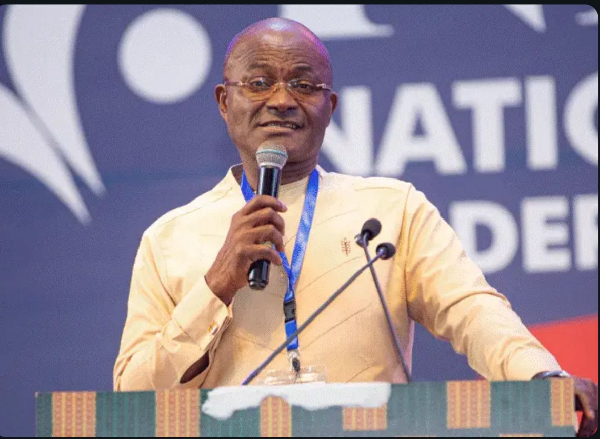
Flagbearer aspirant of the New Patriotic Party (NPP), Kennedy Agyapong, has expressed his sorrow over the tragic stampede at the El‑Wak Sports Stadium, during which six young Ghanaians died while attempting to enlist in the Ghana Armed Forces.
In a statement posted on Facebook on November 13, 2025, Agyapong extended his heartfelt condolences to the families of the deceased and injured, emphasising that ‘no parent should ever have to bury a child.’
Military Recruitment Disaster: Tears flow as Awutu Senya East MP visits family of a victim
“My heartfelt condolences go to the families of the deceased and those injured. No parent should ever have to bury a child who only sought an honest opportunity to serve their country.
“To those who were injured and are receiving treatment, especially those in intensive care, I wish you a swift and full recovery,” he wrote.
He also used the tragedy to spotlight broader issues of employment and national opportunity, stating that the incident was a reminder to transform the economy for the better.
Military Recruitment Stampede: Six dead, five in intensive care unit, 12 in critical condition – Reports
“This tragedy is a painful reminder of the urgent need to transform our economy so that opportunity is not a scarce privilege but a national guarantee. No Ghanaian youth should ever die in the pursuit of employment. We must industrialise, create sustainable jobs, and build a system that restores dignity to work and hope to our young people,” he said.
The tragic event occurred during the early hours of the recruitment exercise at the stadium when a large crowd reportedly rushed the gates, triggering chaos.
The stampede led to 28 casualties, with 6 dead, 12 in critical condition and 5 injured.
Authorities have since launched an investigation and suspended recruitment activities in the region.
ID/AE
El-Wak Tragedy: Watch Pusiga MP’s remarks that caused a stir in Parliament
The Indomitable lions of Cameroon will battle to reignite FIFA World Cup qualification hopes today in Rabat, Morocco as they face DR Congo..
Both nations are targeting at reviving their lives with mundial ticket as a win for Cameroon over DR Congo will not only silence recent controversies but bring them closer to the prestigious tournament.
With both nations eyeing a spot in the final round of the World Cup qualifiers, tonight’s encounter promises intensity, passion, and high stakes.
This encounter offers both a second lifeline in their pursuit of a place at the next FIFA World Cup after missing out on automatic qualification from their group.
Ghana Armed Forces to receive new aircrafts in 2026
The Minister of Finance, Dr Cassiel Ato Forson, has announced the government’s efforts to modernize Ghana’s Armed Forces, beginning with the retooling of the Air Force and Navy and the renegotiation of a stalled defense procurement agreement in 2026.
Presenting the 2026 Budget Statement to Parliament, the minister stated that the Ghana Air Force faces serious operational challenges due to an ageing fleet and high maintenance demands, which have affected its readiness and efficiency.
To address this, the government will commence procurement processes in 2026 for the acquisition of four modern helicopters, one long-range aircraft and one medium-range aircraft to strengthen the country’s air operations.
“The Air Force also faces significant operational challenges, including an ageing fleet and aircraft with high maintenance demands, which affect readiness and efficiency.
“Mr Speaker, the Ghana Air Force will be retooled. Beginning in 2026, the government of Ghana will initiate procurement processes for the acquisition of four modern helicopters, one long-range aircraft and one medium-range aircraft.
“Mr Speaker, these aircraft are expected to be delivered within four years, provided the procurement processes are completed in 2026,” he said.
Government to introduce tax stamp regime for refined edible oils – Ato Forson
He added that the aircraft are expected to be delivered within four years, contingent on the timely completion of the procurement process.
Dr Ato Forson also disclosed that the government is renegotiating a supplier credit agreement signed in August 2020 with Messrs for the supply of 19 Armoured Personnel Carriers (APCs).
“Government has taken steps to renegotiate the existing agreement with the supplier and it will be re-presented to Parliament for consideration.
“Mr Speaker, the Ghana Navy remains a key pillar in safeguarding the nation’s maritime domain, ensuring territorial integrity and protecting strategic offshore assets, including oil and gas installations,” he shared.
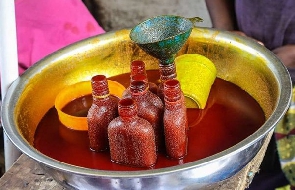
play videoGovernment hopes to unlock Ghana’s ‘Red Gold’ potential
Minister of Finance, Dr Cassiel Ato Forson, has announced that the government will introduce a tax stamp regime for refined edible oils, as part of broader efforts to curb smuggling, ensure fair taxation, and protect domestic producers.
The initiative, unveiled during the presentation of the 2026 budget in Parliament, is expected to enhance tax compliance and eliminate under-declaration of goods, a practice that costs the country millions of cedis in lost revenue annually.
“To enhance compliance and revenue, government will introduce a tax stamp regime for refined edible oils, modelled after the beverage industry,” Dr Forson said.
“This will eliminate smuggling and under-declaration, ensure fair taxation, and protect domestic producers,” he added.
He further said the reforms will not only help Ghana achieve self-sufficiency but also build an export-ready downstream crude palm oil sector that adds value and creates jobs.
Under the new framework, the Tree Crops Development Authority (TCDA) will serve as the lead regulator, overseeing licensing, production planning, and data management.
The Oil Palm Research Institute (OPRI) will focus on developing high-yield, climate-resilient oil palm varieties, while the Oil Palm Development Association of Ghana (OPDAG) will drive industry coordination and public-private dialogue.
Government to abolish COVID-19 Levy – Ato Forson
The policy aims to reduce the importation of over $200 million worth of oil and create an estimated 250,000 jobs.
“Mr. Speaker, the National Policy on Integrated Oil Palm Development represents a bold commitment to re-industrialise agriculture, deepen rural transformation, and make Ghana a regional leader in sustainable palm oil production by 2032,” Dr. Forson stated.
He described the policy as a blueprint for agricultural transformation, export diversification, job creation, inclusive growth, community development, poverty reduction, and shared prosperity.
Through strategic partnerships with investors, communities, and development partners, the government hopes to unlock Ghana’s “Red Gold” potential and position it as a pillar of the country’s industrial and export-led future.
Doris Ogala publicly made serious, unverified claims on Instagram regarding the private life of Senator Ned Nwoko, whom she implicitly linked to the ongoing marital crisis with Regina Daniels.
Ogala alleged that Nwoko has “wild bedroom fantasies,” including a preference for intimacy with three women, and claimed he introduced his wife to other women for such pleasure.
The Executive Chairman of the Food and Beverages Association of Ghana (FABAG), John Awuni, has urged the government to remove excessive taxes to make formal trade more attractive and reduce smuggling ahead of the 2026 Budget presentation.
Speaking on Channel One TV on Thursday, November 13, he disclosed that high and fragmented levies push traders into informal channels, shrinking the tax base rather than expanding it, arguing that simplifying and lowering certain taxes would encourage compliance.
“As a finance minister, what you have to do is come out with policy options that remove most of the nuisance taxes and make it more attractive for them to pass the goods through normal and formal channels. The risk is that when you go through the other means to get the goods into the country, and you are caught, you will be in big trouble,” he warned.
According to him, lower tax rates would deter smuggling and lock traders into the formal market, and that would ultimately boost government revenue: lower barriers would widen the tax base and increase overall collections.
“If we lower more of the taxes, people will be able to go through the normal channel and then more taxes will be paid, and the government will generate more revenue,” Mr Awuni said.
His call comes as the Finance Ministry prepares policy options for the upcoming budget presentation.
Nollywood actress, Annie Idibia, has come under heavy criticism for her involvement in the ongoing marital woes between Nollywood actress, Regina Daniels and her estranged husband, Ned Nwoko.
Naija News reports that Ned and Regina’s marital crisis took a new turn on Wednesday, November 12, when the senator’s Moroccan wife, Laila Charani, shared a post detailing her experience with the movie star.
Accra, Nov. 13, GNA- Dr Johnson Asiama, the Governor of the Bank of Ghana, has underscored the importance of ethics, describing it as a strategic investment and foundation on which trust, innovation, and resilience are built.
Dr Asiama said this in a speech read for him by Mr Ismail Adam, Head of the Banking Supervision Department at the Bank of Ghana at the 29th National Banking and Ethics Conference in Accra.
The Conference organised by the Chartered Institute of Bankers was on the theme: “Building Future Ready Banks: Ethical Leadership, Sustainable Finance and Currency Stability amid Disruption.”
He said trust was a bank’s greatest asset, essential for long-term success in today’s competitive financial landscape.
“Customers and investors choose banks that act ethically, transparently and sustainably,” he added.
The Governor said while ethics was the backbone of trust, Ghana’s banking sector continued to face significant challenges in upholding these standards.
He said unethical practices remained widespread, with staff-related fraud on the rise.
The 2024 Bank of Ghana (BoG) Fraud Report reveals a five per cent rise in reported fraud cases, with a total value at risk increasing by 13 per cent to approximately GH¢99 million.
The report highlights a surge in forgery, document manipulation, and identity theft.
He said notably, there was a significant increase in staff-involved fraud and fraudulent activities within the Payment Service Providers sector, raising serious concerns about internal controls and ethical compliance across the industry.
These issues threaten institutional integrity and public confidence, highlighting the urgent need for stronger ethical frameworks and accountability.
He said to this end, the Bank of Ghana and CIB Ghana had formed a strategic partnership aimed to strengthen ethical standards and professionalism among banking professionals in Ghana, an initiative aimed at restoring public trust, curbing fraud, and fostering a sustainable banking culture.
He said the Bank remained committed to promoting an ethical banking industry.
Mr Haruna Iddrisu, Minister of Education commended the leadership of the CIB Ghana for sustaining the platform to improving the delivery of banking services.
He said the institute had contributed in improving standards and even guiding policy evolution that affected the banking sector.
The Minister called for an autonomous and independent Bank of Ghana, one that operated free from political influence while maintaining healthy coordination between monetary and fiscal policy.
He said the country’s long-term economic stability depended on BoG’s ability to make decisions based on sound economic judgment rather than political considerations.
He commended the Bank’s leadership and predecessors for their role in maintaining the stability of the cedi, cautioning that the focus should now be on ensuring that the stability being celebrated is both sustainable and predictable.
Maxwel Kofi Jumah, the former Managing Director of GIHOC (Ghana Industrial Holding Corporation) Distilleries Company Limited, has praised Minority Leader Alexander Afenyo-Markin as one of the most intelligent figures in contemporary Ghanaian politics.
Speaking during an interview on Asaasepa FM, Kofi Jumah emphasized Afenyo-Markin’s strategic thinking and steady progression within the New Patriotic Party (NPP). He described the Minority Leader’s political career as a testament to diligence and genuine commitment to serving the public.
“Afenyo-Markin has proved himself as an astute politician since joining the NPP,” Kofi Jumah stated. “His journey through the ranks of the party demonstrates his hard work, dedication, and commitment to public service.”
The former GIHOC executive went further to highlight what he considers Afenyo-Markin’s defining characteristics in an often unpredictable political landscape. According to Kofi Jumah, the Minority Leader maintains consistency between his public statements and actual conduct.
“He is a principled and cultured man who walks his talk,” he explained. “In a political environment where words often don’t match actions, Afenyo-Markin stands out as someone who delivers on his promises.”
Afenyo-Markin currently serves as the Minority Leader in Ghana’s Parliament, representing the Effutu constituency. He has held various positions within the NPP and gained recognition for his parliamentary contributions and legal expertise.
Kofi Jumah’s remarks come at a time when Ghana’s political discourse continues to evolve ahead of future electoral contests. His assessment reflects ongoing conversations about leadership quality and integrity within the country’s major political parties.
The praise from a former government appointee underscores Afenyo-Markin’s growing influence within NPP circles and his reputation beyond party lines. His approach to parliamentary duties has drawn attention from both supporters and political observers.
Musician Nana Adomako Nyamekye has called on critics to stop tarnishing the late Lumba’s reputation
Veteran Ghanaian Highlife artiste, Nana Adomako Nyamekye, has clapped back at individuals criticising the late Daddy Lumba following his death.
In a video shared on social media on November 13, 2025, Adomako Nyamekye issued a stern warning to critics, urging them to desist from tarnishing the image of the late Highlife legend.
According to him, such individuals cannot claim to be friends of the late Daddy Lumba simply because they gave him money.
Daddy Lumba’s family announces change in final funeral arrangements
“Some people are making numerous accusations against Kwadwo, which is tarnishing his reputation. Such people think they are friends, but I want to tell them that Kwadwo wasn’t their friend.
Even if he was their friend, they didn’t know what was going on within his family. The fact that such people gave him (Lumba) money doesn’t mean they were friends; therefore, they should stop making such accusations,” he said.
Nana Adomako Nyamekye also debunked social media claims that Ernestina Fosu, the elder sister of Daddy Lumba, had a misunderstanding with the late musician before his death.
Odo Broni’s supporters hold prayer session after Manhyia ruling on Daddy Lumba’s funeral dispute
He described the allegations as unfounded and false.
“How can someone from somewhere sit and make such accusations just to tarnish his (Lumba’s) reputation? Before Kwadwo Fosu passed on, Akosua Brempongmaa used to send him groceries every single week. They never had any fight,” he added.
Watch the video below:
JHM/SSM
President Mahama visits 37 Military Hospital to console El-Wak stampede victims
Alexander Afenyo-Markin is the Minority Leader in Parliament
The Minority in Parliament rejected the approval of Supreme Court nominee Paul Baffoe-Bonnie as the next Chief Justice of Ghana.
The Minority Caucus demanded that a secret ballot be held to formally record their opposition.
During a parliamentary debate on the Appointments Committee’s report on Thursday, November 13, 2025, the Minority Leader, Alexander Kwamina Afenyo-Markin, reaffirmed the caucus’s firm position against the nomination.
“Mr Speaker, we maintain our position on this nomination, and we reject same. We are going to demand a secret ballot to reject this. We are going to demand a secret ballot to vote to let Hansard record our opposition,” he declared.
He further observed that some Members of Parliament might hold independent views and would prefer the opportunity to express them freely through a secret ballot rather than a voice vote.
“Mr Speaker, we know that there are members who have their own views and would want to exercise their rights when there’s a secret ballot. We, the Minority, are going to invoke that so that we take a secret ballot to register our dissent on this matter,” he added.
Opposition to Baffoe-Bonnie’s Chief Justice bid not personal – Alhassan Tampuli
The Minority’s stance follows the Appointments Committee’s majority decision recommending Justice Baffoe-Bonnie’s approval, citing his “deep knowledge of the law, judicial ethics,” and his commitment to upholding constitutional principles.
Justice Paul Baffoe-Bonnie, who currently serves as the Acting Chief Justice, was nominated by President John Mahama to succeed Chief Justice Gertrude Torkornoo.
Justice Baffoe-Bonnie, who appeared before the committee on Monday, November 10, 2025, reaffirmed his readiness to lead the Judiciary into an era of renewed confidence and transparency.
The vetting began on a contentious note when Afenyo-Markin referred to him as a “disputed nominee,” prompting an immediate objection from the Majority Leader, Mahama Ayariga, who argued that there was “no dispute regarding the nominee before us.”
JKB/BAI
El-Wak Tragedy: Watch Pusiga MP’s remarks that caused a stir in Parliament
play videoDr Cassiel Ato Forson is the Finance minister
The Minister of Finance, Dr Cassiel Ato Forson, is in Parliament to present the 2026 Budget Statement and Economic Policy.
The presentation, in accordance with Article 179 of the 1992 Constitution, outlines the government’s plans for the 2026 fiscal year.
The budget will detail how much the government intends to spend in the coming year, its policy priorities, and the macroeconomic framework.
Ahead of the presentation, the finance minister has been engaging market women, traders, workers, and smallholder farmers in the Western Region, emphasizing the government’s commitment to linking agricultural resource development with national economic stability and employment targets.
Minister of Finance presents 2026 Budget on November 13
Dr Ato Forson’s presentation comes at a time when Ghana’s macroeconomic indicators have shown notable improvements, with inflation hovering around 8% way below the estimated target of 11%.
Watch the live feed from the chamber of Parliament below:
SP
#TrendingGH: What Ghanaians want from the 2026 budget:
The Minority in Parliament has accused the Finance Minister and the Controller and Accountant General of unlawfully withdrawing GHC1.4 billion from the District Assemblies Common Fund (DACF) account at the Bank of Ghana earlier this month.
The Minority claims this follows a previous controversial withdrawal of GHC11.3 million between February and April 2025, which they argue has disrupted local government development projects.
Marriage marks a new and exciting chapter in a woman’s life, and with it often comes a desire to refresh one’s wardrobe. As a married woman, your style can reflect maturity, confidence, and elegance while still allowing room for personal expression. Here are some beautiful outfits every married woman should consider having in her collection.
First, a classic evening gown is a must-have. Whether it’s for dinner dates, weddings, or formal events, a well-fitted gown in a timeless color like navy, burgundy, or emerald green can make you look effortlessly graceful. Pair it with subtle jewelry and heels for an elegant, refined look.
Next, every married woman should own a set of stylish traditional outfits that represent her culture. Be it a beautifully tailored Ankara dress, saree, abaya, or kimono-style wrap, traditional wear brings a sense of pride and identity while keeping your wardrobe vibrant and diverse.
Don’t forget casual chic outfits for everyday wear—comfortable yet stylish pieces such as maxi dresses, tailored jeans paired with blouses, or elegant jumpsuits. These outfits are perfect for brunch dates, shopping trips, or casual outings with your spouse or friends.
For professional settings, invest in smart corporate wear—well-cut blazers, pencil skirts, and tailored trousers. These outfits exude confidence and authority, making you stand out in your career or business.
Lastly, a collection of comfortable home and lounge wear is essential. Cozy two-piece sets, kaftans, or soft cotton dresses will make you feel relaxed and beautiful even at home.
In essence, as a married woman, your wardrobe should reflect the balance between elegance, comfort, and self-assurance. Dressing beautifully is not just about appearance—it’s about celebrating the woman you’ve become and embracing every moment with confidence and style.
The Member of Parliament for Akuapim North, Sammi Awuku, has urged his colleagues in Parliament, particularly those on the Majority side, to reject the nomination of Paul Baffoe-Bonnie as the next Chief Justice of Ghana.
Speaking during the debate on the Appointments Committee’s report on the nominee’s vetting on Thursday, November 13, Mr. Awuku cautioned against rushing the approval process, stressing the need to fully exhaust all legal and procedural avenues before making a decision.
He raised concerns about the potential implications of pending court cases challenging the removal of former Chief Justice Gertrude Torkornoo, questioning what would happen if the court were to rule in her favour.
“We hold the view and in complete fidelity to the law that we believe that these processes we can hold onto and exhaust the process. It is on this basis that we join the House, and also call on the House as well to reject the nominee,” he stated.
However, Speaker of Parliament Alban Bagbin dismissed the call, noting that despite the ongoing court cases, Parliament must continue to discharge its constitutional duties, including the consideration of nominations brought before it.
I cannot be controlled by the Executive – Bagbin replies Minority
…..
Explore the world of impactful news with CitiNewsroom on WhatsApp!
Click on the link to join the Citi Newsroom channel for curated, meaningful stories tailored just for YOU: https://whatsapp.com/channel/0029VaCYzPRAYlUPudDDe53x
No spam, just the stories that truly matter! #StayInformed #CitiNewsroom #CNRDigital
Finance Minister Dr Cassiel Ato Forson has officially abolished the COVID-19 levy as part of the 2026 Budget, aimed at boosting household income, supporting businesses, and driving economic transformation.
Presenting the budget on Thursday, November 13, under the theme “Resetting for Growth, Jobs, and Economic Transformation,” Dr. Forson announced a series of VAT reforms designed to ease the tax burden on individuals and businesses.
“The new VAT reforms will abolish the COVID-19 levy, remove the decoupling of the GETFund and NHIS levy from the VAT tax base, and eliminate VAT on reconnaissance and prospecting of minerals,” he said.
He further noted that the effective VAT rate will be reduced from 21.9% to 20%, the VAT registration threshold increased from GH₵200,000 to GH₵750,000, and VAT zero-rating on locally manufactured textiles extended to 2028.
The Finance Minister explained that abolishing the COVID-19 levy alone will return GH₵3.7 billion to individuals and businesses, while the broader VAT reforms are expected to benefit households and enterprises by nearly GH₵6 billion.
Dr. Forson expressed confidence that these measures would stimulate economic activity, promote private sector growth, and provide much-needed relief to Ghanaians grappling with the high cost of living.
“By abolishing the COVID-19 levy, the government is putting money back into the pockets of individuals and businesses,” he said, emphasising that the reforms reflect a commitment to fairness, efficiency, and inclusive economic recovery.
2026 Budget: Ghana’s public debt falls from GHS726bn to GHS630bn – Ato Forson
 Ghana’s public debt falls 13.3% in 2025 amid cedi appreciation