
The Minister for Finance, Dr Cassiel Ato Baah Forson, who also serves as Acting Minister for Defence, has laid bare a staggering US$40 million financial loss to the state under former Defence Minister, Dominic Aduna Bingab Nitiwul, a scandal he revealed, has left Ghana with nothing to show for a colossal outlay to Israeli defence contractor ELBIT Systems Land Ltd.
CIB Ghana holds 29th National Banking and Ethics Conference

The Chartered Institute of Bankers (CIB) Ghana has successfully wrapped up the 29th National Banking and Ethics Conference at its auditorium in Accra, bringing together top regulators, policymakers, and industry leaders under the theme ‘Building Future-Ready Banks: Ethical Leadership, Sustainable Finance, and Currency Stability amid Disruption’.
The conference, one of the country’s foremost platforms for dialogue on ethical and sustainable finance, also saw the launch of two major professional programmes — the Ethics 2.0 Programme and the Non-Interest Banking and Finance Certification Programme — aimed at strengthening ethics, competence, and sustainability within Ghana’s financial system.
Renewed commitment to ethics and professionalism
In his welcome address, Mr. Benjamin Amenumey, FCIB, President of CIB Ghana, reaffirmed the Institute’s statutory mandate under Act 991 (2019) to promote the study and practice of banking in Ghana. He noted that ethics and professionalism remain the foundation of a resilient financial system. “Banking is first and foremost a trust profession. Where trust is strong, stability is possible. Where trust is weak, the system is at risk,” Mr. Amenumey noted.


He outlined recent initiatives by the Institute to deepen professional competence, including the revised Associate Chartered Banker (ACIB) curriculum, the Chartered Banker for Executive Leadership (CBEL) programme, the Branch CEO Programme, and the Digital Banking Academy. He also highlighted the Environmental, Social, and Governance (ESG) Certification Programme, developed in partnership with the International Finance Corporation (IFC) and the Environmental Protection Agency (EPA), as a critical step in advancing responsible and sustainable finance in Ghana.
Launch of Ethics 2.0 and Non-Interest Banking certification
Delivering his remarks, Mr. Robert Dzato, CEO of CIB Ghana, described the launch of Ethics 2.0 and the Non-Interest Banking and Finance Certification as a defining milestone in the Institute’s mission to build a trustworthy and future-ready banking profession. “The currency in banking is trust. Trust is built through character, competence, and consequence, and that is what we are building in Ghana’s banking workforce,” Mr. Dzato said.

He revealed that over 9,000 banking professionals had already completed the earlier Ethics 1.0 Programme, developed jointly with the Bank of Ghana (BoG), and that Ethics 2.0 would expand this framework to all levels of the banking profession, including executives and board members.
He added that, in accordance with a new directive from the central bank, all banking staff would now be required to obtain CIB’s ethics certification, while branch managers must attain the Chartered Banker (ACIB) qualification within the next five years. The Non-Interest Banking and Finance Certification, he explained, reflects the Institute’s commitment to supporting Ghana’s evolving financial landscape by promoting ethical, inclusive, and Sharia-compliant financial services.
Presentations from the Bank of Ghana and the Ministry of Education
In a keynote address, Dr. Johnson Pandit Asiama, Governor of the Bank of Ghana (BoG) – in a speech read on his behalf by the Director of Banking Supervision Department at the Bank, Mr. Ismail Adam –commended the CIB for its leadership in fostering professionalism and ethical discipline across the industry.

He cautioned that while Ghana’s financial system has become more stable, ethical lapses and fraud remain serious threats to public confidence. “Unethical practices remain widespread, with staff-related fraud on the rise. These issues threaten institutional integrity and underscore the need for stronger ethical frameworks and accountability,” Dr. Asiama stated.
He reaffirmed that the Ethics Certification Programme will be integrated into the BoG’s fit-and-proper assessment criteria for senior managers and board members, signalling the regulator’s commitment to deepening professional integrity within the financial sector.
Delivering the Special Guest of Honour address, Hon. Haruna Iddrisu, Minister for Education, commended the Institute’s ongoing partnership with the central bank and called for a fully independent BoG to safeguard monetary policy integrity. He further urged banks not to allow themselves to be used as conduits for unethical financial practices, stressing that “many of the unethical and corrupt monies in this country pass through the banking system.”

He noted that the Ministry of Education was collaborating with CIB Ghana and the National Council for Curriculum and Assessment (NaCCA) to integrate financial ethics and literacy into Ghana’s educational framework to nurture integrity and responsibility among future professionals.
Panels on regulation, practice, and digital finance
The conference also featured a series of thought-provoking panel sessions and expert discussions. The first plenary, dubbed the Practitioners and Professionals Panel, was on the topic ‘The Future of Banking: Ethical Leadership and Sustainability of Revenue, Business and Operating Models of Banks’, and was moderated by Ms. Abena Asare-Menako, ACIB.
Dr. Humphrey Kwesi Ayim Darke, President of the Association of Ghana Industries (AGI); Dr. Stephane Nwolley, CEO and Founder of Npontu Technologies; Mr. Sina Kamagate, Executive Head of Retail Banking at GCB Bank PLC; and Mr. Robert Dzato, ACIB, CEO of the Chartered Institute of Bankers, Ghana, were the panellists.
Discussions focused on how banks can adapt their revenue and operating models to remain competitive in a dynamic market while embedding ethics and sustainability at the core of decision-making. The panellists highlighted the need for values-driven leadership, digital innovation, and governance reforms as essential ingredients for building resilient and future-ready financial institutions.
The second session, a Regulatory Panel held at 12:35 p.m. on the topic ‘Maintaining Stability of Currency in an Era of Digital Asset Disruptions’, brought together leading figures from the central bank, fintech, and the wider banking industry. The discussion was moderated by Mr. Bernard Avle, General Manager of Citi FM/TV, and featured Mr. Ismail Adams, Head of Banking Supervision Department at the Bank of Ghana; Mr. Philip Twum, ACIB, Head of Business Development at FIDO; Mr. John Awuah, CEO of the Ghana Association of Banks (GAB); and Mrs. Doris Yaa Aggrey Ahiati, FCIB, CEO of Crescendo Consult Ltd.
The panellists examined the complex balance between fostering innovation and safeguarding currency stability in an increasingly digital financial landscape. They discussed the implications of cryptocurrency and virtual asset activities on monetary policy, financial regulation, and consumer protection.
The session underscored the central bank’s commitment to developing a clear regulatory framework for digital assets, while industry leaders highlighted the need for responsible innovation, stronger cybersecurity systems, and coordinated oversight to preserve public confidence in the financial system.
Shaping the future of ethical banking
In his closing remarks, Mr. Benjamin Amenumey noted that the 29th National Banking and Ethics Conference was not merely an annual tradition but a reaffirmation of shared values and professional responsibility. “We gather not merely for discussion, but to renew a shared commitment, to build banks that are trusted, to raise leaders who act with integrity, and to shape a financial system that serves Ghana with excellence and honour,” he said.
The 2025 edition of the conference consolidated CIB Ghana’s leadership in shaping the future of banking professionalism in Ghana and across West Africa. By focusing on ethics, technology, and sustainable finance, the Institute continues to build a community of trusted bankers who can drive financial inclusion and long-term economic stability.
About the Chartered Institute of Bankers Ghana
The Chartered Institute of Bankers (CIB) Ghana is the professional body for the banking and financial services industry. Guided by the values of Honesty and Integrity, the Institute is dedicated to developing competent, ethical, and professional bankers who contribute to the growth and stability of Ghana’s financial system.
Kwaku Dawuro presents The Movement in the Morning Political Show

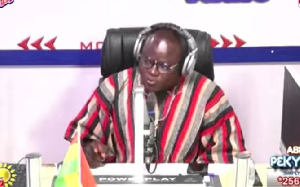 Kwaku Dawuro presents the morning political show on Movement TV
Kwaku Dawuro presents The Morning Political Show on the Wontumi morning show.
Seated with his guests, they discussed some of the most topical political subjects of the week.
Together with his guests, they provided in-depth analysis of political stories making headlines today.
With its blend of expert analysis and engaging discussions, the programme, hosted in the widely spoken local dialect, Twi, brings together well-experienced guests and professionals to share their perspectives on the nation’s most pertinent political and social matters.
The Perfect Blend of Fun and Elegance

A teen girl sparkly party dress is the perfect combination of fun, glam, and style, making it an ideal choice for any special occasion. Whether it’s a birthday party, school dance, or a family celebration, a sparkly dress can turn any event into a dazzling affair. The shimmer and sparkle of these dresses reflect the excitement and joy that a teen girl feels when celebrating with friends and loved ones.
One of the most appealing aspects of a sparkly party dress is its ability to stand out. The sparkle can come in various forms—sequins, glitter, or metallic fabric—giving it a vibrant, eye-catching quality. These dresses often come in a variety of cuts and styles, ranging from A-line to fit-and-flare, and can be found in an array of colors. Classic shades like gold, silver, and blush pink are always a hit, but bold hues like emerald green, royal blue, or even multicolor patterns are also popular.
Aside from their visual appeal, teen girls love the comfort that modern sparkly dresses offer. Many are designed with stretchable materials and soft linings, making them easy to wear for hours without discomfort. The designs may also feature adjustable straps or elastic waistbands, ensuring a great fit while allowing freedom of movement for dancing and fun.
Moreover, sparkly dresses can be styled in many different ways. Pairing them with chic accessories like a cute clutch, sparkly jewelry, and comfortable yet stylish shoes can elevate the overall look. Whether worn with a cardigan for a more modest approach or with a trendy jacket for a touch of edginess, the possibilities are endless.
Ultimately, a teen girl sparkly party dress is more than just an outfit—it’s a reflection of the confidence, creativity, and vibrant energy that define the teenage years. Perfect for any celebration, it helps make lasting memories that will be cherished for years to come.


ECOWAS Court rejects Torkonoo’s request to stop probe committee

The ECOWAS Court of Justice has dismissed former Chief Justice Gertrude Torkonoo’s application seeking temporary prohibition orders to halt the work of the committee that investigated her removal from office.
The Court also rejected a preliminary objection from the Government of Ghana, which argued that the regional court lacked jurisdiction to hear the case.
Justice Torkonoo applied after the President constituted a committee chaired by Justice Gabriel Scott Pwamang to inquire into matters that eventually led to her removal and the swearing-in of her successor, Chief Justice Paul Baffoe-Bonnie.
In its ruling on Wednesday, November 19, 2025, the ECOWAS Court held that although the former Chief Justice had established a prima facie case alleging human rights violations, she failed to demonstrate the urgency required for the Court to issue temporary orders stopping the committee’s proceedings.
The judges noted that despite being suspended on April 22, 2025, and fully aware of the ongoing processes, she waited three months before filing her motion—undermining her own claims of imminent or irreparable harm.
As a result, the request for a prohibition order was dismissed.
The Court also addressed a separate objection by Ghana’s Attorney General, who argued that the matter was sub judice because related issues were before a Ghanaian court. The ECOWAS Court disagreed, describing the objection as “misplaced.”
According to the ruling, the application before the regional court concerns alleged violations of Justice Torkonoo’s human rights during the suspension and removal process, and does not seek to review or overturn any decision of a Ghanaian court. The judges further clarified that the sub judice principle applies only when a matter is awaiting judgment elsewhere—not merely because two cases share similar facts.
The Court concluded that it has jurisdiction to determine the substantive matter, having established the existence of a prima facie human rights claim. It therefore declared the main application admissible and directed the Attorney General to file a response.
GNPC begins Technical Advisory on potential Springfield Afina Well takeover
I’ll take the hits to stop the people who broke Ghana from blocking its reset

Political science lecturer at the University of Ghana and acting chief executive officer for the Shippers Authority, Prof. Ransford Gyampo, is not perturbed by what he describes as a failed agenda against him.
According to him, he is ready to be the target if not allowing those who destroyed Ghana to frustrate those resetting it makes me a target of an already failed propaganda and smear campaign.
Police Arrests Alleged Wife Beater


The Criminal Investigations Department (CID) of the Ghana Police Service has arrested a man caught in a viral Facebook video physically assaulting a woman believed to be his wife at Ofankor in the Ga East Municipality.
The suspect, John Odartey Lamptey, was apprehended on Monday, November 17, 2025, at the family residence following widespread public outrage and calls for swift action.
In a statement issued on Tuesday and shared with The Ghanaian Times, the CID confirmed that two of the suspect’s siblings, Grace Kushie Lamptey and Louis Odartey Lamptey, were also arrested for attempting to attack a female tenant they suspected of recording and circulating the video.
The statement assured that the tenant was rescued and has been placed under police protection to ensure her safety. Efforts are ongoing to locate the victim, who reportedly fled the residence before the Police arrived.
Signed by CID Public Relations Officer, Chief Inspector Brigitte Babanawo, the statement reaffirmed the Police Service’s commitment to safeguarding victims of domestic violence and ensuring that offenders face the full rigour of the law.
By Stephanie Birikorang
🔗 Follow Ghanaian Times WhatsApp Channel today. https://whatsapp.com/channel/0029VbAjG7g3gvWajUAEX12Q
🌍 Trusted News. Real Stories. Anytime, Anywhere.
✅ Join our WhatsApp Channel now! https://whatsapp.com/channel/0029VbAjG7g3gvWajUAEX12Q

Coffee Federation Ghana pledges to reposition industry for national benefit

Coffee Federation Ghana, an umbrella body of Ghanaian coffee farmers that advocates for the development and transformation of Ghana’s coffee sector, has renewed its commitment to reposition the coffee industry to unravel its maximum benefits for Ghanaians.
The Federation is set to roll out its latest strategic plan to revitalise the coffee value chain in Ghana, focusing on inclusiveness.
This was disclosed by the federation’s president, Mr Samuel Adimado, during the launch of the 2025 Ghana Coffee Week at Palms Hotel in Accra.
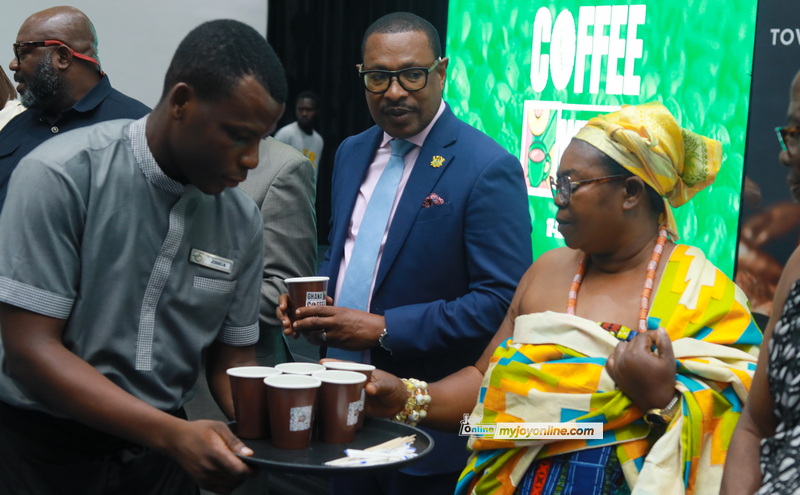
Under the theme, “Revitalising Ghana’s Coffee Sector From Seed to Cup towards Sustainable, Inclusive and Value-Driven Future”, the week-long celebration has a line-up of activities that include a coffee exhibition this Saturday at Nyaneba Estate at Osu and media training for journalists to enable them to report effectively on the coffee industry.

This initiative aims to boost the country’s coffee production and exports, creating jobs and contributing to Ghana’s economic growth.
The goals of this year’s celebration, among other things, include taking a critical look at improving the coffee industry’s competitiveness, supporting farmers, and increasing exports to contribute to economic growth.
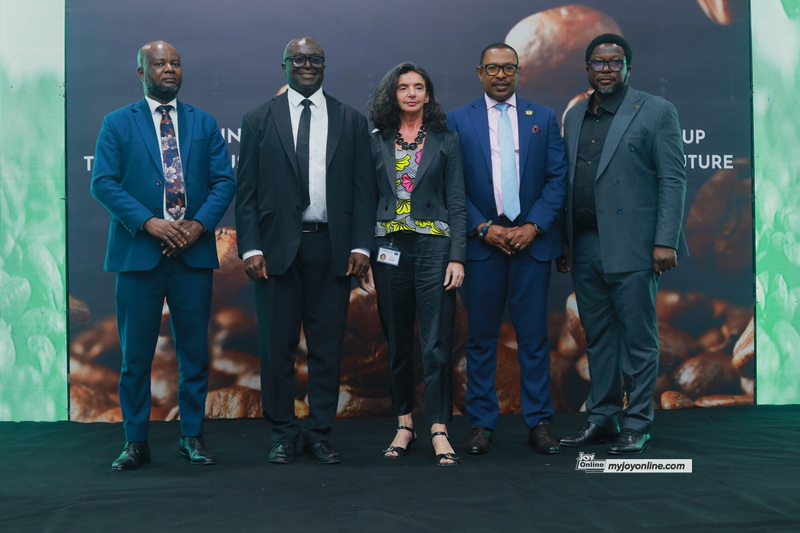
The Federation has called for government and financial institution investment in the sector, citing challenges like limited access to finance, poor infrastructure, and a lack of institutional support.
The program offers a wider platform to promote Ghana’s unique seed-to-cup culture.
It also brings together farmers, youth, women, baristas, SMEs institutions, and consumers to build a sustainable, inclusive, and value-driven future for the sector
The plan involves several key strategies, producing one million seedlings for coffee farmers every year translates to just 600 hectares, which is not a significant amount, but will be increased in the subsequent years.
Investing in Infrastructure to improve infrastructure, such as roads and processing facilities, to reduce post-harvest losses and enhance coffee quality.
Providing training and support to farmers, including access to high-quality seeds and fertilisers.
Enhancing market access for Ghanaian coffee, both locally and internationally.
In an interview after the launch, Mr Adimado said Ghana has more land area that is suitable for coffee growing than cocoa, and yet the country is not even focusing on coffee.
These justifications enabled the International Trade Centre to factor Ghana into the business-friendly program, where coffee was one of the key enterprises they were looking at.
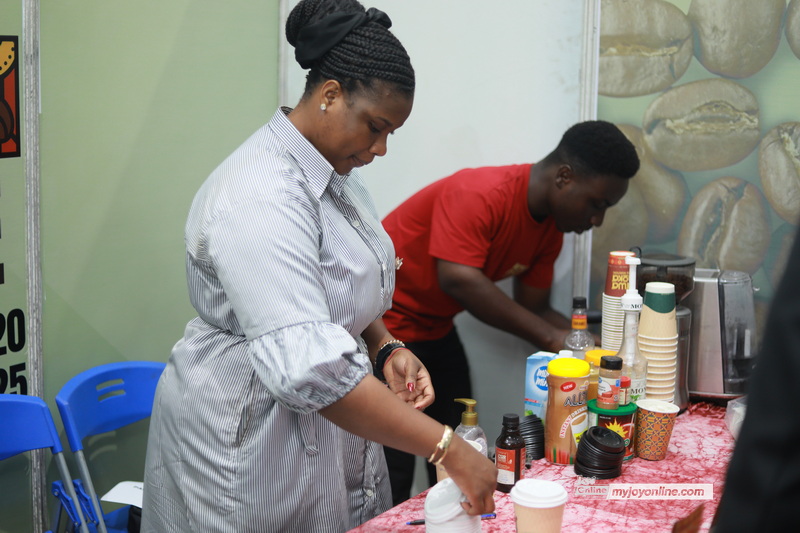
He stated that Ghana can strategically revitalise its coffee industry because we were once a coffee-growing economy, adding that cocoa farmers can now go into coffee because cocoa and coffee do well on the same soil.
When it comes to coffee post-harvest management, it is not a struggle.
According to him, Ghana produces high-quality coffee varieties, such as Robusta, the dominant variety, accounting for most of Ghana’s coffee production
– Arabica: Grown in limited quantities, mainly in high-altitude areas
– Bourbon: A popular Arabica variety, known for its distinct flavour profile. Catimor, another Arabica variety, is cultivated in specific regions.
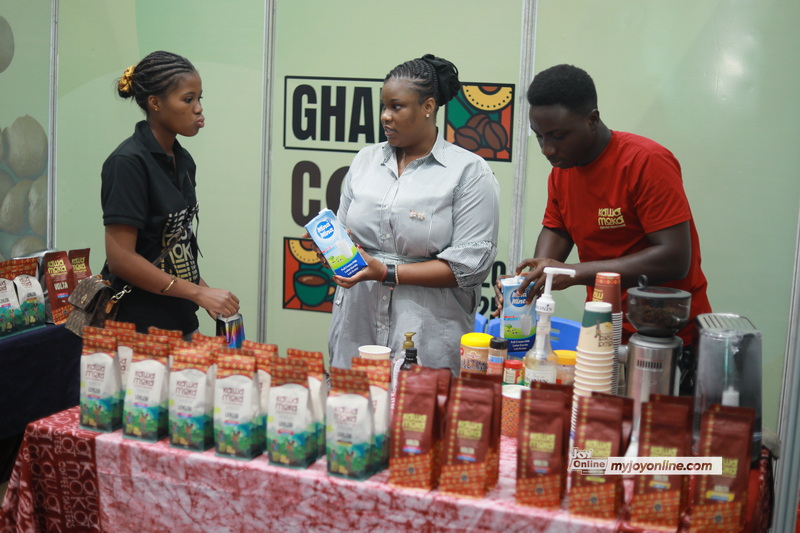
Over the years, Robusta has been feeding into the speciality coffee market, where you can diversify and create many recipes, and that positions Ghana well to revitalise coffee and make it more appealing for investors.
Mr Adimado revealed that Ghana has learnt lessons from the global coffee collapse some years back, so the focus is to build a robust value chain, through which it will ensure diversification of coffee processing.
He said that one of the federation’s major priorities is to make the coffee sector more attractive and appealing so that anybody with a little money to invest in the agriculture sector will look at coffee.
They can look at coffee and have the confidence that as they grow their business, no government institution will one day come and say they are taking control of coffee for the government to export and manage everything he said.
We are calling on government institutions to provide the supporting systems needed for the private sector to be at the forefront of our coffee growth.
The government should give the same attention given to cocoa farmers to coffee farmers, especially with the supply of coffee seedlings.
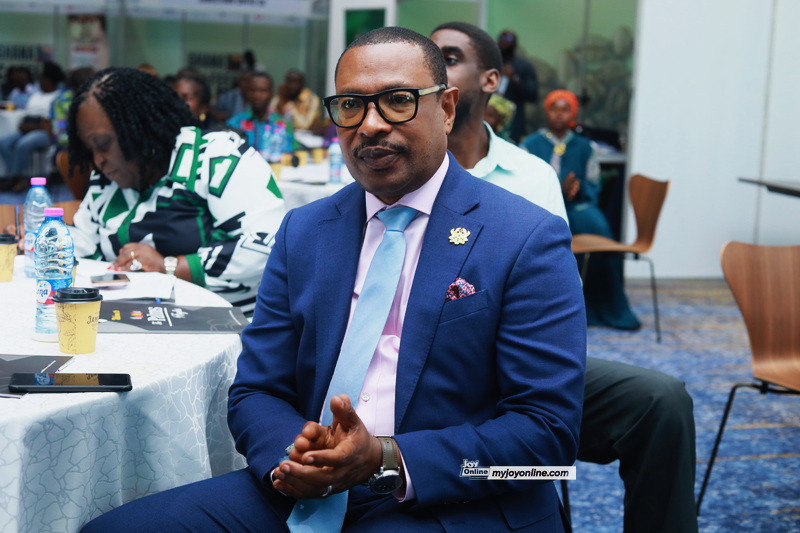
We are engaging state institutions and international bodies for support to encourage the private sector to be at the forefront of our coffee promotion.
Head of Innovative Finance, Partnership and Markets, 24 Hour Economy Secretariat, Office of the President, Dr Ishmael Nii Dodoo, said the future looks brighter for the Ghanaian coffee industry because Ghana produces Robusta coffee, which represents 40 per cent of globally traded coffee.
Ghana has a huge opportunity for the production of Robusta coffee; that’s actually the variety that naturally grows in the country.
Dr Dodoo proposed to the Ministry of Trade to rope the coffee industry into the government’s flagship 24-hour economy program.
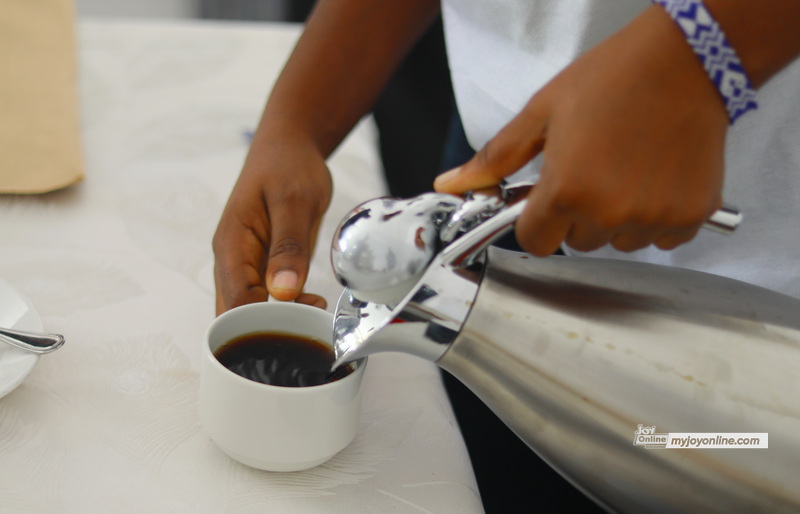
Since 40 per cent of globally traded coffee is actually Robusta, and Ghana has tremendous potential to grow it alongside many other commodities in the value chain, why don’t we create a “Coffee Corridor”? asks Dr Ishmael.
We’re going to work with them to create a “Grow Coffee Corridor” where we would then invest all along the value chain, all the players or stakeholders, from cooperatives and farmers to collectors, gatherers, packagers, baristas, and roasters.
He announced that the government is putting up an SME facility to support the coffee industry players.
He said the 24-hour economy secretariat is already engaging the Coffee Federation, along with other commodity federations.
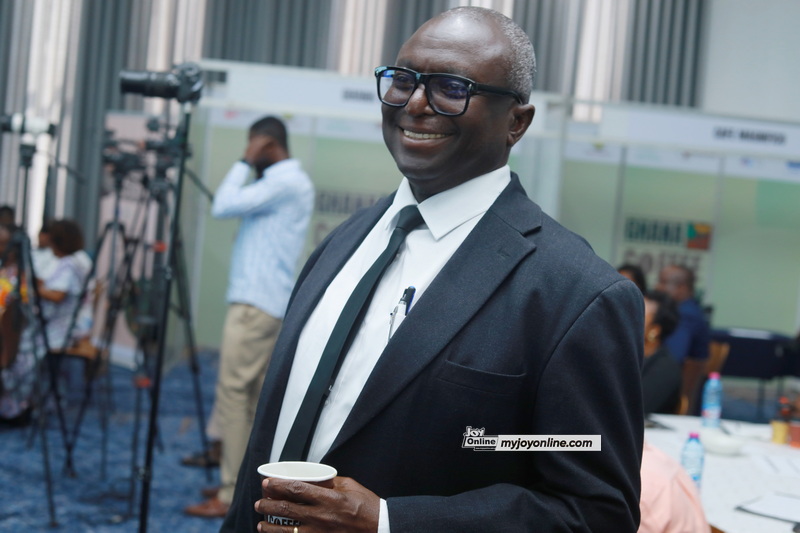
On his part, the National Coordinator, Alliances for Action Programmes at the International Trade Centre, Mr Lawrence Attipoe, said that Ghana is emerging at a time when global demand for quality robusta coffee is sharply rising.
He cautioned that, to compete globally, Ghana must invest in quality improvement, climate-resilient practice, efficient primary processing, strong cooperatives, youth, and women’s leadership, market linkages, and brand visibility.
Mr Attipoe explained that the Sustained transformation needs strong national leadership and continuous collaboration with the government and private sector.
He highlights how the coffee sector aligns with Ghana’s broader development priorities.
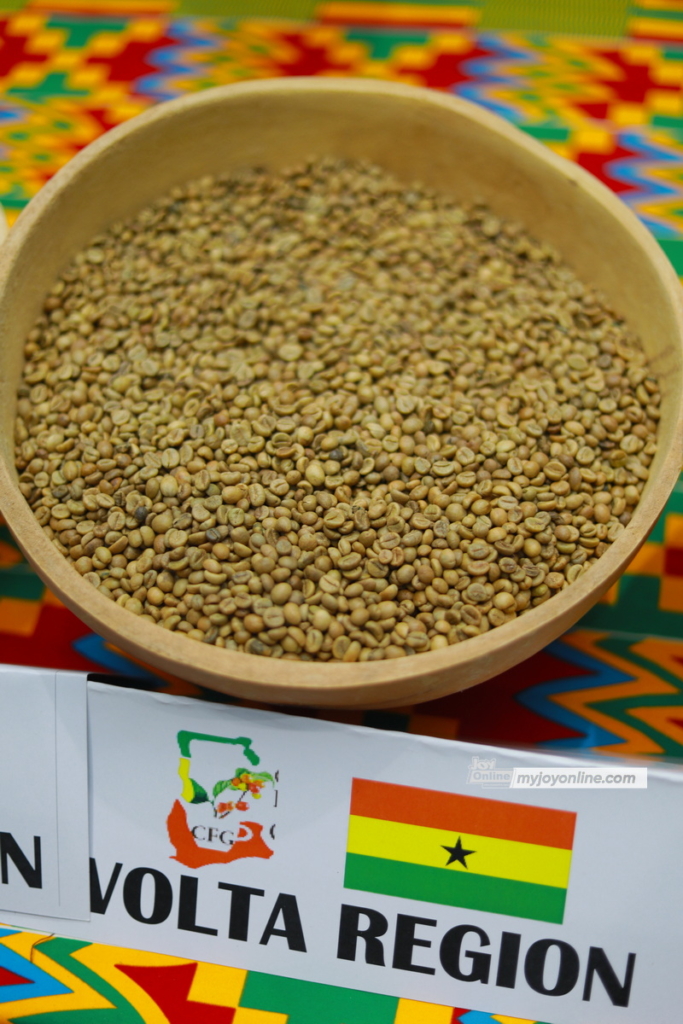
According to him, the Volta Region is a key coffee-producing zone, so the establishment of agri-parks in the region offers new opportunities for processing, job creation, and entrepreneurship linking rural production areas to national and export markets.
He predicted that Coffee can become a driver of green industrialisation in these corridors.
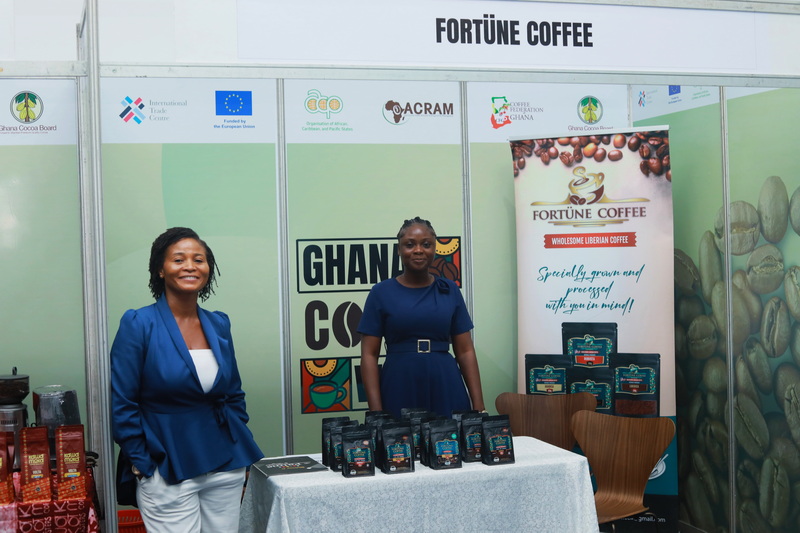
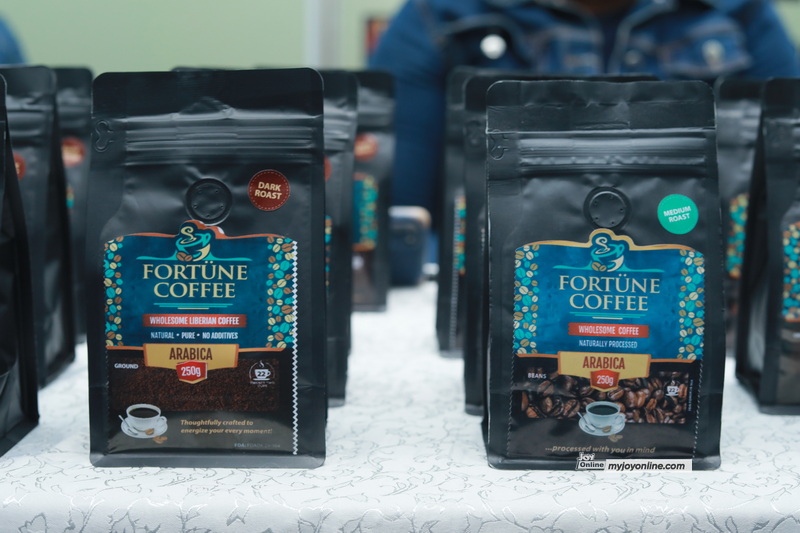
Dr Akosua Agbley, CEO of Fortune Coffee, a local coffee manufacturer, highlighted the benefits of coffee consumption.
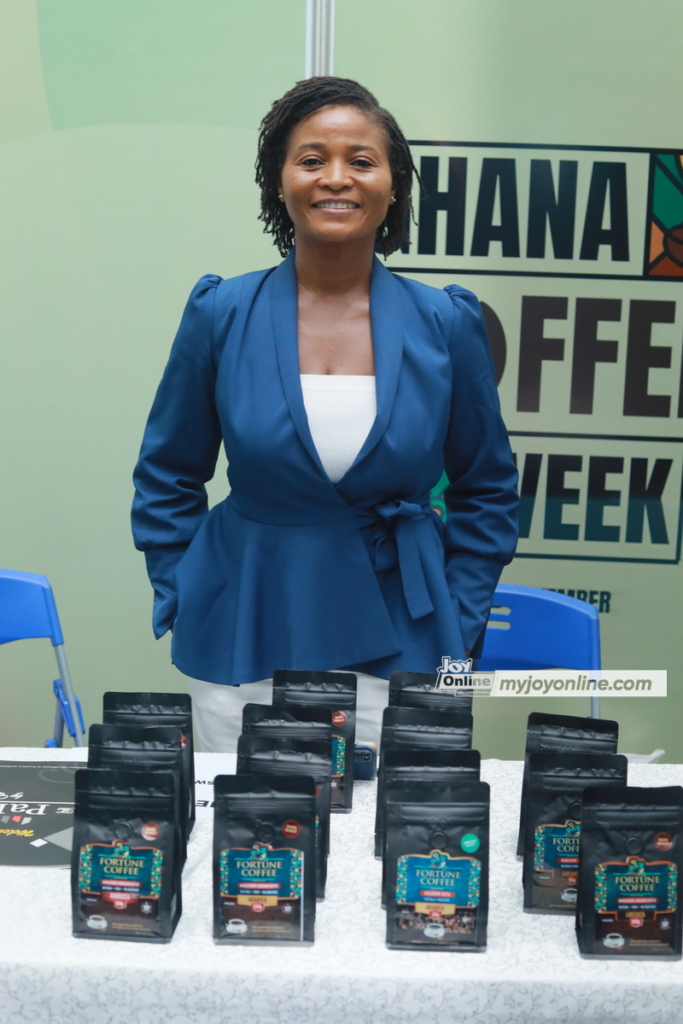
She explained that coffee does contain antioxidants, which can help protect against cell damage and promote overall health.
Moderate coffee consumption has been linked to various health benefits, including energy boost, alertness, and reduced fatigue.
Coffee consumption has been linked to improved cognitive function, including attention and memory.
Dr Agbley urged Ghanaians to incorporate coffee into their daily routine, which can have positive effects on overall health and productivity.
As Ghana’s coffee industry grows, it’s great to see the focus on educating consumers about the benefits of coffee, adding that Coffee is the healthiest alternative for those who rely on refined energy drinks.
DISCLAIMER: The Views, Comments, Opinions, Contributions and Statements made by Readers and Contributors on this platform do not necessarily represent the views or policy of Multimedia Group Limited.
DISCLAIMER: The Views, Comments, Opinions, Contributions and Statements made by Readers and Contributors on this platform do not necessarily represent the views or policy of Multimedia Group Limited.
Spending $400 million on a cathedral is excessive
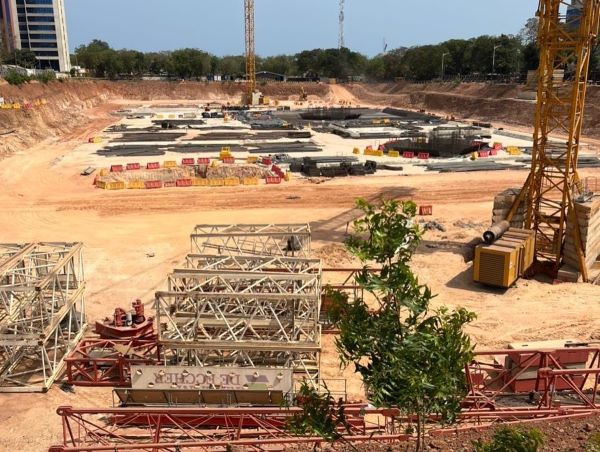
President John Dramani Mahama has expressed concern that the purported budget required to fully construct the National Cathedral project is too much.
According to him, the reported $400 million cost of the project is excessive, especially considering the country’s current challenges.
What AG Ayine told Supreme Court about Akufo-Addo government’s National Cathedral funding
Speaking during a courtesy visit by the Christian Council of Ghana to the Jubilee House on November 18, 2025, the President acknowledged the need for an interdenominational centre of worship but noted that such a facility could be built using a more cost-effective approach.
To reinforce his point, President Mahama cited Nigeria’s ecumenical centre which he described as “a decent, beautiful place” built for $40 million, as an example of a more cost-effective approach.
“I believe that at this time and age, with all the problems we have, $400 million to build a cathedral is excessive. I know Nigeria have built an ecumenical center and I’ve been there. It’s a decent, beautiful place and they built it for $40 million. And so, maybe some of the things are excessive, you know. Let’s find somewhere, all of us, on National Day of Thanksgiving and worship, we can all go there and worship God and thank him for what he has done for us,” he said.
The President also hinted at actions that will be taken following a forensic audit into the National Cathedral project.
He noted that consultations will be held with various stakeholders to determine and share ideas on the most appropriate way to proceed with the project.
National Cathedral project not abandoned – Board
“When that forensic audit is over, our intention is to have a broad-based consultation with the Christian community to see how we can build a place that is decent for us to worship. But apart from that, make it a center where people can come and, I mean, look at its architecture and all that and find that Christ, you know, has a place in our hearts, in our nation. And so, when the time comes, we’ll do that consultation and we’ll decide together how we want to go forward,” he added.
MAG/EB
Patrick Boamah rejects Minority Leader position
TWI NEWS
Sticka spoke foolishly in admitting relationship with late Aboagye’s wife

Legal practitioner Maurice Ampaw has criticised Member of Parliament for Nhyieso, Stephen Amoah, popularly known as Sticka, for speaking about a past relationship with the wife of the late former deputy director of NADMO, Samuel Aboagye, who died in the August 6 helicopter crash.
Speaking on Kumasi-based media outlet Wontumi Radio, Maurice Ampaw said Sticka spoke foolishly and should not have disclosed that he had a relationship with the lady years ago.
According to the lawyer, Sticka did not show maturity by discussing the matter on a media platform. Maurice Ampaw noted that as names were being speculated, Sticka should have denied any involvement.
“The speculation around was that the MP in question who allegedly had a thing with the late NADMO deputy director’s wife was in the Ashanti region and no one specifically pointed to Sticka, so he should have remained calm,” Maurice Ampaw said.
He added: “I think Sticka didn’t help himself by coming out and saying he had dated her before; that was a foolish thing to say. Sticka did not show maturity. Some things are meant to be kept secret, you don’t just reveal them, you deny them. No one even knew he had a relationship with her, and even if they did, he should have denied it. The girl is the one forcing the issue. At first, they said it was Vincent. It’s only speculation that it is an MP from Ashanti, and the exact person was not mentioned, so he should have remained calm. Why did he have to expose that he had a relationship with her before?”
There were reports linking Sticka to a dispute involving the late Samuel Aboagye’s family and his widow, Abigail Salami. The family has been embroiled in a dispute since Aboagye’s death in the August 6 helicopter crash.
On November 11, 2025, reports emerged that the late Obuasi East NDC parliamentary candidate’s family had sued Abigail Salami in the Obuasi District Court over a disagreement regarding a DNA test for their daughter.
TWI NEWS
According to Angel FM, the issue arose after government requested DNA samples from immediate family members to identify the remains of helicopter crash victims before sending them to South Africa for testing.
Abigail allegedly refused to allow the government to conduct the test on her young daughter, leading another relative to stand in for the child.
The late Samuel Aboagye’s family has accused Abigail of allegedly engaging in a secret romantic relationship with a MP both before and after her husband’s death.
In a video which made rounds on social media, media personality Blakk Rasta claimed that Sticka was the MP in question, alleging that the family had confirmed the relationship.
In response, Sticka denied the allegations in an interview with broadcaster Kwame Nkrumah Tikese on November 14, 2025.
He said he knew Abigail but had not seen or spoken with her for almost seven years before meeting her at her husband’s funeral. He added that the lady in question was not the type of person to have an affair with two men at the same time.
Watch the video below:
@adumuahsamuelgmail.com Sticka spoke foolishly he shouldn’t have revealed he dated the lady- Lawyer Ampaw
#dna
#trendingvideo
#ghanatiktok
#kumasitiktokers
#npp
♬ original sound – SAMMY OBEY
Meanwhile watch, Tidal Rave 2025: The festival experience and standout performances
AK/SSM
“I pity Dr Bawumia sometimes” – Samira Bawumia opens up to Asokwa delegates

Mrs Samira Bawumia, Wife of Former Vice-President
Samira Bawumia, wife of the former Vice-President, has expressed her profound difficulty in comprehending the frequent and often baseless accusations leveled against her husband, Dr. Mahamudu Bawumia.
Addressing a gathering of New Patriotic Party (NPP) delegates and key party figures in the Asokwa Constituency on Tuesday evening, Mrs. Bawumia confessed that the nature of these attacks sometimes makes her “pity” her husband for the demanding path he has chosen in public service and politics.
Tax cuts not enough? 2026 budget sparks mixed reactions from public

Mixed reactions have greeted the 2026 Budget, with the public expressing varied views on the government’s policy measures.
While many welcome the abolition of the COVID-19 levy, others are calling on the government to follow through on its promises and ensure the proposed programmes are delivered.
Finance Minister Dr. Cassiel Ato Forson, presenting the 2026 Budget, outlined a focused policy agenda aimed at unlocking private investment, diversifying the economy and delivering inclusive, job-rich growth.
As part of these measures, he announced the abolition of the COVID-19 levy and introduced major reforms to the VAT regime.
For many Ghanaians, these announcements are welcome news.
“I am very happy because Covid-19 is over. It is no longer affecting Ghana so there is no need to be saying Covid-19 levy. The NDC promised that when they come to power they are going to scrap it including e-levy and betting tax. It is good and they have done well,” Divine William said.
With the government touting improved macroeconomic indicators achieved through fiscal discipline, some members of the public want this trajectory sustained into 2026.
“I hope to see that things turn out very well. I am hoping that people are able to make good sales and have profit and be able to live some comfortable life,” Bright Boateng added.
https://www.youtube.com/watch?v=undefined
However, not all reactions have been positive. Some Ghanaians are criticizing the 9 percent adjustment to the national daily minimum wage and expressing concerns over the slow rollout of the 24-hour economy initiative, which they believe is crucial for job creation.
“We don’t want to do partisan politics. We should do national politics because the 24 hour economy as they claim it is going to be shift how can you allocate GHȼ110 million to it? Can it cater for this 3 shift?,” Bismark Boadu questioned.
Kwahumanhene Biography & How Kwahu Chieftaincy Crisis Deepens as Daasebre Akuamoah Boateng III Laments on the Ground, Confronts Police

A dramatic showdown erupted at the Abene Palace when Kwahumanhene Daasebre Akuamoah Boateng III defiantly sat on the ground, lamenting and inviting police officers to “arrest me if you can” amid a heated standoff.
According to GhanaSky.com reporter, the tense scene, widely circulated across social platforms, marks a new flashpoint in the protracted Kwahu chieftaincy dispute and the controversial detention of the Queen Mother.
African Development Bank Welcomes Algeria’s Major Development Initiatives, Strengthens Partnership

Algiers, Nov. 18, GNA – The African Development Bank (AfDB) has been designated as Algeria’s key international partner in its renewed drive to access external financing, marking a significant milestone in the country’s development strategy.
Dr. Sidi Ould Tah, President of the AfDB, conveyed his appreciation to Algerian President Abdelmadjid Tebboune during an official visit to Algiers from November 16 to 17. He described the decision as a strategic step forward for Algeria’s economic transformation and its partnership with the Bank.
Under the 2025 Finance Law, Algeria has opened the door to external financing for major national projects, including the construction of the Laghouat–Ghardaïa–El Meniaa railway line, a 495-kilometre stretch estimated at $2.8 billion. This project forms the first phase of the Trans-Saharan Railway corridor, which will eventually link northern Algeria to Tamanrasset and onward to Niger, creating a vital logistics route for landlocked Sahel countries.
The railway initiative is part of Algeria’s broader plan to double its rail network to 10,000 km by 2030, with a long-term target of 15,000 km. The expansion aims to reduce transport costs, integrate remote regions, and boost local processing of critical minerals.
Hydrocarbons and Mines Minister Mohamed Arkab reaffirmed Algeria’s commitment to value addition in resource sectors. “We can no longer accept exporting our raw materials in their unprocessed state,” he said. Algeria plans to raise local hydrocarbon transformation from 30 percent to 60 percent by 2035, supported by a $60 billion investment programme between 2025 and 2029. The country also seeks to expand petrochemicals, hydrogen, and gas derivative industries.
In mining, Algeria is positioning itself as a leader in processing critical minerals such as iron, zinc, gold, and rare earths, many located in the Saharan region. The Trans-Saharan Railway will provide essential infrastructure to unlock these resources and improve market access.
Dr. Ould Tah praised Algeria’s industrial ambitions, noting their alignment with AfDB’s vision for Africa’s transformation. He cited a BloombergNEF study highlighting Africa’s competitive edge in producing battery precursors and called for coordinated efforts to safeguard and develop the continent’s mineral wealth.
The visit also spotlighted Algeria’s progress in water and energy security, including the Fouka 2 seawater desalination plant. Algeria operates 19 desalination plants and plans five more by 2027, aiming to meet 60 percent of national water needs by 2030. The country’s LPG distribution network, which serves 75 percent of households, was showcased as a model for Africa’s clean energy transition.
Interior Minister Saïd Sayoud and Public Works Minister Abdelkader Djellaoui highlighted Algeria’s capacity to deliver large-scale projects, noting the completion of 950 km of railway in 24 months using domestic resources.
Dr. Ould Tah concluded: “The ambition of the Algerian government, the quality of its projects, and its execution capacity make it a central partner for Africa’s transformation.”
GNA
Christian Akorlie
Tourism Growth in Ghana: New Passport Reforms to Increase Travel Opportunities

Published on
November 19, 2025

In an unprecedented effort aimed at enhancing travel accessibility, the Government of Ghana has announced transformational changes in the passport attainment process, including the reduction of passport application fees and the establishment of a one-day service for urgent travel needs. These passport acquisition changes help Ghanaians travel abroad more easily and efficiently for purposes of business and leisure, thus improving travel accessibility.
Foreign Minister, Samuel Okudzeto Ablakwa, announced the new changes which include the reduction of the passport fees by 30%, lowering it from GH¢500.00 to GH¢350.00. This reduction is aimed at increasing the international travel mobility of Ghanaians, thus providing more opportunities for economic benefits to Ghanaians and the tourism industry at large.
The reforms introduced during the period under review continue to positively impact the work of the GCAA. A case in point is the introduction of a one-day passport service. With the payment of a fee of GH¢2,000.00, Ghanaians who can pay this fee and are in a hurry to travel abroad will now be able to get their passports in one day’s time. This will positively affect the travel sector and enable the travel to respond to last-minute business, medical or personal travel needs on urgent and efficient travel. Economic benefits will be derived by tourism carriers and airlines that will be able to provide service to this category of travelers. Increased travel by this category of travellers will positively affect this sector of the economy. With the payment of a reasonable fee, the contribution of GCAA to the economy of the country and the tourism sector is positively increased. “`
The Reforms in Obtaining a Passport for Outbound Travel and the Impact on the Economy
For the tourism sector, the reforms will undoubtedly have an impact on the travel of the Ghanaian tourist abroad. The reduction in the costs of obtaining travel documents to travel abroad, along with the one-day service, adds to the ease and convenience of travel for Ghanaians. The tourism potential for Ghana will be greatly enhanced as passport documents will effectively and efficiently.
The government’s focus on the security of passports and streamlining processes with new and more secure biometric passports are accompanied by even more governmental reforms. Higher costs associated with passport booklets are the result of more secure travel documents that meet international standards.
Furthermore, the Ghanaian government strives to prevent passport fraud. Measures focused on passport fraud attempt to balance the security of documents, the expense of secure travel documents, and the need to reduce fraud using artificial intelligence to detect suspicious behaviour. This balance is vital to the prestige of travel and the availability of travel documents from Ghana.
Improving the Visitor Experience for International Tourists
While Ghana is reforming passports to improve the experience of international tourists, Ghana is also reforming its passport procedures to enable international travel for its citizens. Lower passport fees enable international travel, and the government seeks to improve international relations as part of its Vision 2025 goals.
The newly adopted one-day passport processing service will assist Ghanaians who wish to travel overseas for tourism, business, or education purposes. This one-day passport service will enable business men and women, and tourists, to seize opportunities to attend engagements, such as conferences and meetings, outside the country. This will greatly assist in the promotion of tourism and the development of international relations for the country.
Strengthening Ghana’s Position as a Key African Travel Hub
Improved passport services are only one part of the efforts geared towards strengthening Ghana’s position in the world as a tourism destination. Government is currently investing in facilities to support tourism, and construction of new and upgraded airports, and new transport systems, is underway to accommodate increases in the volume of business and tourist travellers expected in the country.
The growth of the tourism sector in Ghana has made it a destination for international tourists. The country has a rich historical past and diverse natural resources. Key attractions include historical slave trade forts, vibrant marketplaces, and a diverse range of wildlife reserves. The reforms made to the passport system will ensure that more international tourists are able to visit the country for increases to be made to the tourism economy.
Currently, other than aiding the travel plans of citizens, the passport reforms will likely encourage more foreign arrivals to Ghana, with the country having improved tourism amenities, with the passport reforms streamlining the necessary travel documents. An efficient passport system is integral to the tourism strategy within the travel and tourism policy. Having an efficient passport system reflects positively on the strategy to make Ghana an open tourism destination.
The passport policy reforms will facilitate further tourism growth within the country as international tourists will travel to Ghana. The government will stimulate even more international arrivals through the provision of improved travel documents and further continuous investments into the tourism amenities.
The government of Ghana invests into tourism to stimulate passport holders, thus economically active citizens, through policy reforms to increase passport accessibility, visible with the implementation of a one-day passport service, the reduction of passport fees, and a more considerable investment into the tourism sector. With the refinements, the country aspires to achieve Vision 2025, complemented with a more efficient system aimed at positioning the country for a sustainable tourism sector.
Conclusion
The government aims to improve international connectivity through investment in tourism amenities and improved travel documents, stimulating further international arrivals through a more efficient passport system within the travel and tourism policy.
Ghana’s tourism sector is poised for a considerable increase due to the provision of travel documents. It aims for vision 2025, having a more diversified and efficient system to position the country for a sustainable tourism sector. The government invests in tourism to stimulate passport holders, thus economically active citizens, through policy reforms.

Gorgeous Ankara Style Inspirations for Women

Ankara fashion continues to captivate women around the world. Its vibrant colors and unique patterns make it a favorite for both traditional and modern styles. From casual wear to formal occasions, Ankara offers endless possibilities for stylish women.
One popular choice is the Ankara maxi dress. These floor-length dresses often feature bold prints and flowing designs. Styles with puff sleeves, off-shoulder cuts, or wrap details add elegance. They are perfect for weddings, church services, or formal events.
Another versatile option is the skirt and blouse combo. Pencil skirts paired with peplum or flared blouses create a polished look. Women can mix prints or maintain a monochrome theme. These outfits are ideal for office events, meetings, or semi-formal gatherings.
For a modern twist, Ankara jumpsuits and rompers are gaining popularity. Tailored or wide-leg jumpsuits, with halter, sleeveless, or belted designs, highlight the wearer’s figure. They are suitable for casual parties, stylish day outings, or social gatherings.
Statement gowns also stand out in Ankara fashion. Gowns with ruffles, mermaid cuts, high slits, or bell sleeves make a bold impression. These styles are perfect for evening events, parties, or red-carpet-inspired occasions.
Casual Ankara wear is equally stylish. Tops, tunics, and crop tops paired with jeans or shorts offer a relaxed yet fashionable look. They are perfect for brunches, casual meetups, or festivals.
Finally, accessories like headwraps, belts, bags, and shoes in Ankara prints complete the look. Jackets, blazers, and duster coats can also enhance any outfit.
Ankara fashion combines tradition with modern style. It allows women to express their personality through colors, prints, and designs. With so many options, every woman can find a look that suits her occasion and style preference.


Ashie Moore appointed Board Chairman of Prestea Sankofa Gold Ltd

Emmanuel Nii Ashie Moore, the Greater Accra Regional Chairman of the National Democratic Congress (NDC) has been appointed as the Chair of the newly inaugurated Board of Prestea Sankofa Gold Limited (PSGL), a subsidiary of the Ghana National Petroleum Corporation (GNPC).
The Board was inaugurated by the Minister of Energy and Green Transition, John Abdulai Jinapor, on behalf of President John Dramani Mahama, on Tuesday, November 18, 2025.
PSGL holds a strategic mandate to extract gold primarily from old tailings and waste ore, promoting value addition in the mining sector while creating jobs in host communities.
 Addressing the Board, Mr Jinapor charged its members to execute their responsibilities with professionalism, transparency, and urgency.
“The company’s purpose is clear, and its potential is significant. With the right leadership and focus, PSGL can once again become a strong pillar within our natural resources sector,” he said.
 Alongside Ashie Moore, the Board includes Kwame Ntow Amoah, Hajia Amina Adam, and Alhaji Ishaq Dauda. Their combined expertise is expected to drive operational revival, improved efficiency, and long-term profitability for PSGL.
Africa ‘rich in resources but poor in global influence’ — Mahama
Teacher reportedly dies by suicide after a young nurse breaks his heart

A tragic incident has hit the Assin Fosu community in the Central Region after a young teacher, Prince Nkrumah, reportedly died by suicide after drinking weedicide.
Preliminary information suggests the incident followed a painful personal situation. Prince Nkrumah had allegedly supported a young nurse financially throughout her training, but the relationship ended soon after she completed school.
Mahama urges collaboration to power Africa’s cross-border payments

President John Dramani Mahama has called for deeper collaboration among African countries to strengthen regional payment systems, stressing that the decisions taken today will shape the long-term future of the Cedi and other African currencies.
He made the remarks at the Cedi@60 anniversary currency conference in Accra.
Addressing participants, the President said the growing momentum behind the African Continental Free Trade Area (AfCFTA) provides an unprecedented opportunity for the creation of one of the world’s largest common markets.
He however warned that seamless trade across the continent will remain difficult without a robust framework that allows African businesses to transact in their own currencies.
Mahama highlighted the Pan-African Payment and Settlement System (PAPSS) as a critical tool to achieving this vision. He urged stakeholders at the conference to give the system serious attention, describing it as a catalyst for driving cross-border trade under AfCFTA.
“The results of your deliberations today will affect not only policy decisions but also the long-term path of the Cedi and other African currencies,” he said.
“For goods to be traded seamlessly across the continent, it is essential for us to have a payment and settlement system that enables African businesses to transact using their own currencies.”
As Ghana marks six decades of the Cedi, Mahama also called for renewed commitment to building a resilient and future-ready currency. He outlined five key pillars that will determine the next chapter of the Cedi:
1. Sustained macroeconomic discipline
2. A strong and inclusive financial sector
3. Technological innovation and digital transformation
4. Improved public literacy and responsible currency use
5. An independent and confident central bank
President Mahama further reaffirmed his government’s commitment to supporting the Bank of Ghana to uphold these principles and maintain public trust.
“Let us commit ourselves to shaping a currency and an economy that reflects the hopes and aspirations of our people,” he said.
A heated argument between my husband and me has destroyed my family

 File photo of a worried woman
Dear GhanaWeb,
My husband and I had a misunderstanding over a woman I suspected he was dating or entertaining too much.
It turned out my suspicions were not true. The few times I saw them together were just coincidences.
The lady was helping his boss secure some items, and the boss often sent my husband to her. He didn’t communicate this to me, so I read meanings into the situation and reacted based on my assumptions.
The argument that followed became serious. He got angry, and so did I.
We said very hurtful things to each other. I swore to leave the marriage and have nothing to do with him again.
In return, he cursed our marriage. He said it would continue over his dead body. He even said he regretted getting me pregnant and letting my “nasty womb” have his children.
I packed some of my things and left the house temporarily because we were on the verge of a physical fight, and I didn’t want things to escalate.
After some weeks, we calmed down. We involved elders. I apologized and went back home.
We had two children. Seven days after I returned, our second child slept and didn’t wake up. Nobody knows what happened till today. She was only two years old.
We were devastated. As we tried to process her death, our first and only other child also passed away exactly seven days later, the same way: he slept and never woke up.
That was when our parents began saying it was a result of the things we had said during the argument. The pain was unbearable.
So now, the divorce we avoided when I moved out is finally happening. And I keep wishing I had never apologized or gone back, because what’s the essence of reconciliation when we are divorcing anyway, when neither of us can forgive ourselves for behaving in a way that feels like it cost us our two precious angels?
We wouldn’t be here if my husband had communicated properly and if I hadn’t allowed jealousy to take over. I loved him, and he has never been a cheat, so I panicked when I thought he was changing.
I regret my actions deeply. I’m sure my husband, wherever he is now, also regrets his own because we are both in our late 40s, and we struggled for five years before having those children.
Could it be that we lost our children because of the things we said to each other? Should we proceed with the divorce?
I need your suggestions.
FG/EB
Watch the promo to GhanaWeb’s latest documentary, which uncovers the evolution of ‘kayamata,’ an exploitative practice fueled by love charms and manipulation, titled, “The Dark Side of Kayamata,’ below:
GH¢150 million allocation for NAIMOS insufficient – Wa West MP
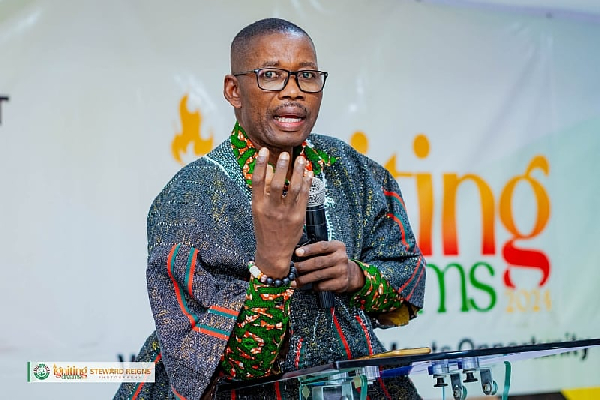
Member of Parliament for Wa West, Peter Lanchene Toobu, has described the GH¢150 million allocation in the 2026 budget for the National Anti-Illegal Mining Operations Secretariat (NAIMOS) as insufficient.
Speaking in an interview on TV3 monitored by GhanaWeb on Tuesday, November 18, 2025, he said, “GH¢150 million for NAIMOS, that is just in the budget. And I’m quite sure that it is too small. Looking at the volume of what they have to do, and their mandate, I’m sure in the media budget review, the Minister of Finance will do something about it.”
2026 Budget: GPCL to deliver millions of free textbooks to basic schools
Toobu called for urgent action to strengthen Ghana’s fight against illegal mining, widely known as galamsey.
He proposed increasing NAIMOS personnel and equipping them with the necessary tools and resources.
“Raise the strength to 1,000, give them full retooling, provide enough resources, and define a clear mandate with timelines. Soldiers can be trained for war and never see battle, but the galamsey menace is destroying our country. If we want the armed forces to succeed in enforcement, we must give them the tools, resources, and a defined timeline,” he stated.
NAIMOS is a special-purpose unit established under the Ministry of Lands and Natural Resources (MLNR) to coordinate, monitor, and lead intelligence-driven field operations against illegal mining activities across Ghana.
Public debt drops from GH¢726.7 billion to GH¢630.2 billion – Ato Forson
It serves as the operational nerve center for Ghana’s fight against illegal small-scale mining and its associated environmental destruction, particularly in water bodies and forest reserves.
The unit embodies Ghana’s coordinated response to the scourge of illegal mining, integrating security, environmental, and legal measures into a unified operational strategy.
JKB/MA
Patrick Boamah rejects Minority Leader position
TWI NEWS
Domestic global business services, BPO sector poised for 500% growth by 2030

The nation’s business process outsourcing (BPO) and global business services (GBS) industry is set for a major expansion over the next five years, with the launch of a new strategic plan by the Business Outsourcing Services Association, Ghana (BOSAG).
The initiative, aimed at creating 100,000 sustainable jobs by 2030, projects a fivefold increase in employment and output within the domestic outsourcing sector.
The BOSAG 5-Year Strategic Plan (2025–2030), unveiled at the Accra Digital Centre, outlines a comprehensive framework for scaling the nation’s outsourcing ecosystem through workforce development, investor engagement, and infrastructure enhancement.
The plan also seeks to consolidate Ghana’s status as a leading outsourcing destination in West Africa by aligning national policy with global market trends in digital services, customer experience (CX), and IT outsourcing (ITO).
BOSAG’s projections indicate that the country’s outsourcing workforce, currently estimated at about 19,600 professionals, including 3,000 serving international clients, could rise to more than 100,000 employees within the timeframe.
The association described this as critical to Ghana’s digital transformation agenda and broader economic diversification strategy.
Launching the plan, David Gowu, Chief Executive Officer of BOSAG, said the initiative was designed to translate Ghana’s competitive advantages into measurable outcomes.
“Ghana is uniquely positioned to capture a growing share of global outsourcing demand. Our cost competitiveness, youthful English-speaking workforce, and cultural alignment with Western markets provide a strong foundation for expansion,” he said.
The plan, themed ‘Driving Sectoral Growth: BOSAG’s 5-Year Strategic Plan to Create 100,000 Jobs’, focuses on five strategic pillars: workforce readiness, ecosystem collaboration, policy advocacy, investment attraction, and international marketing.
Government to restrict raw rubber exports to save industry
Together, these form what BOSAG calls a ‘national roadmap’ for developing a sustainable digital services economy. According to BOSAG, Ghana’s GBS/BPO sector is already demonstrating strong fundamentals.
Customer experience and IT outsourcing dominate the industry, accounting for 94 percent of all activity with CX operations representing 78 percent and IT outsourcing 16 percent.
The remaining six percent is spread across human resources outsourcing, finance and accounting, and knowledge-based services.
Industry data presented at the launch shows that Ghana’s outsourcing providers serve a diversified client base across Europe, North America, and Africa.
The UK and Germany lead European demand, while North America accounts for 35 percent of Ghana’s international outsourcing contracts, mainly in retail, fintech, and healthcare support.
Intra-African business makes up the remaining 25 percent, with clients in Nigeria, Kenya, and South Africa increasingly turning to Ghana for finance and IT support functions.
This comes as the global GBS market was estimated at around US$1.1 trillion in 2024 and is forecasted to reach almost US$1.5 trillion by the end of 2027 with an annual growth rate 17 percent.
Africa is expected to grow at a CAGR of 22 percent in the period from about US$23.8 billion to US$42.6 billion.
Ghana is considered an emerging market at US$473 million, compared to mature markets like South Africa (US$6.3 billion) and Egypt (US$5.6 billion).
Rolana Rashwan, Steering Committee Member of the African Federation of Global Business Services Associations, described Ghana’s potential as “underrated but highly promising,” noting that the country’s stability, education system, and language advantage positioned it well to attract large-scale outsourcing operations.
“The next step is coordinated execution; aligning policy, investment, and skills development to accelerate industry growth,” she said.
Ghana’s demographic and educational strengths include a population of 34.3 million with nearly 28 percent aged between 18 and 34, Ghana possesses a large and youthful labour pool suitable for GBS employment.
The country’s universities produce over 105,000 graduates annually, with about 20 percent in STEM-related disciplines.
GH¢62bn sterilised by BoG has crippled household spending – Boako warns
Tertiary Institutions continue to supply a steady stream of technology, business, and engineering talent.
The association identified challenges in developing mid- and senior-level professionals, particularly in DevOps, project management, and cybersecurity, but noted that local providers are beginning to address these gaps through targeted training programmes.
BOSAG’s strategy includes partnerships with private training firms, multinationals, and government agencies to enhance technical capacity and leadership development.
From a cost perspective, Ghana remains among the most competitive outsourcing markets globally.
Average CX agent salaries stand at around US$190 per month, significantly below South Africa’s US$489 and the US$220–340 range in India and the Philippines.
Fully loaded operational costs for customer experience services range between US$610 and US$813 per agent per month, compared to more than US$1,100 in South Africa.
IT outsourcing operations average between US$1,021 and US$1,361, roughly 30 percent below comparable Asian markets.
Wage inflation remains moderate at five to seven percent annually, ensuring predictable investor margins.
BOSAG’s growth targets depend on continued collaboration among government, industry players, and international partners.
Key institutions represented at the launch included Teleperformance, AmaliTech, CCI Global, Concentrix, Remotown, AIDEC Digital, and GIZ’s Invest for Jobs initiative.
Government representation at the event, led by Hon. Sam Nartey George, Minister for Communication, Digital Technology and Innovations, the administration’s support for digital sector reforms that encourage investment and job creation.
In a speech read on his behalf by the Director of Digital Technology at the, Dr. Samuel Antwi-Gyekye, the Minister said the government views the global business services sector as an important pillar of the country’s digital transformation agenda, particularly in relation to job creation and skills development.
He added the BOSAG 5-year plan aligns with the Ministry’s broader commitment to building a competitive digital economy supported by targeted investments in infrastructure, innovation, and talent development.
He noted that the Ministry’s One Million Coders Programme, which aims to equip young people with digital skills, will complement the outsourcing industry’s employment prospects by increasing the number of job-ready candidates for CX, ITO, and back-office roles.
“BOSAG’s strategy complements this beautifully by ensuring these skills translate into real jobs,” he said.
All you need to know about Ghana’s new vehicle number plates |BizTech:
The player who ‘stole the show’ in Ghana-South Korea game

 Prince Kwabena Adu is a Black Stars attacker
Ghanaian attacker Prince Kwabena Adu has caught the attention of many football fans following his impressive performance for the Black Stars against South Korea.
The Viktoria Plzen forward was a constant threat up front, showcasing his ball-handling, control, and ability to beat markers in tight situations.
Even though the Black Stars lost 1-0, he was frequently fouled by Korean defenders who struggled to contain his threat on both flanks.
At one point in the game, Adu received a brilliant pass from Kwasi Sibo, which he controlled calmly before beating the goalkeeper and slotting the ball into the net.
Black Stars coach Otto Addo enters exclusive FIFA World Cup club
However, his celebrations were cut short after the assistant referee raised the flag for offside, and the goal was disallowed.
The incident did not affect his morale, as he continued to get into dangerous positions in search of an equaliser, though his efforts were ultimately unsuccessful.
After the match, Ghanaian football fans commended his contribution to the team in both friendlies against Japan and South Korea.
Some urged the Black Stars technical team, led by Otto Addo, to consider Adu Kwabena as one of the players to join the squad for the 2026 World Cup to strengthen the attack.
Watch highlights of his performance below:
SB/EB
Meanwhile, watch the feature about Swedru All Blacks’ journey from the Division One to the GPL below
'It would have been better if they'd killed me': A forgotten war destroying women's lives


Enat was at home with her eight-year-old niece when the soldiers came one Sunday morning, she says.
The Ethiopian army was carrying out searches of homes in the Amhara region on 5 January this year, as part of a crackdown on a growing rebellion launched by local militias known as Fano.
Enat says three men, dressed in army uniform, entered her home in South Gondar and began asking questions about her family background and whether Fano fighters had visited the beer hall where she worked.
Enat, 21, said they had.
“How could we lie? How can we hide the truth?” Enat says, noting that Fano – an Amharic word loosely translated as volunteer fighters – is made up of locals.
Things quickly escalated.
After asking questions about her family background, Enat says the soldiers began insulting her, then threatened her niece with a gun when the little girl started crying.
Enat says one of the soldiers then raped her in front of her niece while the others kept guard.
“I begged them not to hurt me. I called on the saints and begged them. But their hearts didn’t pity me. They violated me.”
Thousands of reports of rape and assault
Enat, who is from the Amhara ethnic group, the second largest in Ethiopia, is among thousands of women believed to have been sexually assaulted and raped since the conflict between the Ethiopian army and Fano started in August 2023.
Sexual violence in the region is largely undocumented, but the BBC has collated data which shows there have been thousands of reports of rape between July 2023 and May 2025, with victims as young as eight and as old as 65.
While restrictions have prevented independent media from entering Amhara to cover the conflict, the BBC team in Nairobi, in neighbouring Kenya, managed to speak to women and doctors in the region, offering a rare insight into the human impact of the crisis.
The conflict began when the government attempted to disband regional military groups, including those in Amhara, which had fought with the army during the 2020-2022 civil war in the next-door region of Tigray.
Fano militias felt betrayed by the move and believed it would leave them vulnerable to attack from Tigray and elsewhere, especially as violence against the Amhara community had intensified, according to rights groups.
In response, Fano launched a rebellion, seizing major towns. They claim to be fighting for regional autonomy and protecting their communities from marginalisation by the Ethiopian government.
The insurgency has resulted in a violent crackdown by the army, which calls Fano “radical ethno-nationalists”. Since the conflict started, both sides have been accused of numerous human rights abuses, including extrajudicial killings, arbitrary detentions, forced displacement, destruction of property, looting and widespread cases of sexual violence, including rape.
Rights groups, including Amnesty International, say there is evidence the army is disproportionately responsible for the abuses. They also say that Amhara people in other parts of Ethiopia have been deliberately targeted by the security forces and other armed groups.
Before she was attacked, Enat had never had sex and planned to one day marry at her local church in a ceremony conducted in accordance with the Ethiopian Orthodox Church’s rites, just as other women in her family had done.
Such marriages are among the most revered traditions of the Amhara people, who are predominantly Orthodox Christian, but it requires couples to remain “pure” and not have any sexual contact until marriage.
“Before that day, I had never known a man,” she says.
“It would have been better if they had killed me.”
‘My family found me unconscious’
Tigist, 18, from West Gojjam, also in the Amhara region, worked in her family’s small, traditional teahouse before she was attacked.
She describes how, in January 2024, a soldier who was a regular customer groped her. She says she rejected him – an act she believes led to the attack.
Later that evening, as she was returning home from work, she says three soldiers, including the man who groped her, ambushed her in the street and gang-raped her on the pavement.
“My family found me unconscious on the roadside,” she recalls. “They carried me to the clinic, where I spent five days.”
Since the attack, Tigist says she’s been unable to leave her house, paralysed by fear of men and the outside world.
“My fear keeps me from going to work… Whenever I see soldiers or any men I panic and hide myself away.”
She ended up retreating from her life and breaking off her engagement. She says she never told her fiance why or what happened.
Overwhelmed by despair, Tigist attempted to take her own life, but her family intervened just in time and saved her. She says that although she has contemplated suicide since then, she has promised her family she will not try to kill herself again.
‘It is repulsive to have been born a woman’
The BBC collected data from 43 health facilities in Amhara – roughly 4% of all health facilities in the region – and other medical sources to get a snapshot of what has been happening.
At these facilities, there were 2,697 reports of rape between 18 July 2023 and May 2025. Children under 18 accounted for 45% of cases.
Just over half of the victims tested positive for sexually transmitted infections (STIs), while many were also left pregnant and with severe psychological trauma.
However, many victims of sexual violence never report the crime or seek treatment, fearful of stigma or of learning they may have contracted an STI or become pregnant.
For this reason, a senior health expert, who spoke to the BBC on condition of anonymity due to security concerns, says the victims who come to facilities in the Amhara region are only “the tip of the iceberg”.
Lemlem is among those who have never reported their rape or sought medical treatment, terrified of learning that she might have a sexually transmitted infection, such as HIV.
The 23-year-old from South Gondar says government soldiers entered her house on 6 January to ask for information, a routine army practice.
She says when she didn’t give them what they wanted, one of the soldiers raped her.
“He threatened me, saying: ‘If you scream, one bullet is enough for you,'” Lemlem says.
“I wept non-stop for a whole month. I couldn’t eat. All I did was cry. I couldn’t stand to walk. And I fell gravely ill.”
She says the assault has driven her away from church, where she fears she may be the subject of gossip.
“It’s repulsive to have been born a woman. If I were a man, they might have beaten me and walked away – they wouldn’t have destroyed my life like this,” says Lemlem, explaining how the trauma of the attack has made her feel about being female.
Medics the BBC spoke to say there has been a sharp rise in the number of victims of sexual violence that they have been treating since the conflict began.
“They arrive trembling, too intimidated even to speak,” one medic says.
Yet those who do come forward are reluctant to name their attackers and rarely seek justice, in part because the conflict has led to a breakdown in law and order. Instead, most who do seek medical assistance come out of fear of pregnancy.
Others seek treatment long after they have been attacked, by which point certain medications for the STIs they have contracted, such as HIV, are no longer effective.
HIV can often be prevented with a treatment called post-exposure prophylaxis, but only if it is administered soon after sex with someone who was infected.
Another medic notes that many victims say they are unable to access treatment promptly due to transport disruption and road blockages caused by the conflict.
A senior medic warns they fear a public health and social crisis could be looming.
Based on information health centres have gathered, they say that they “have identified signs that HIV infections may rise and that mental health and psychological problems could reach catastrophic levels”, noting that some victims have attempted suicide.
Figures from Ethiopia’s health ministry in 2022 showed that the HIV rate in the region was around 1.1 per 100 people – higher than the national average.
While assaults have been carried out by both sides in the conflict, medical staff report seeing more cases involving Ethiopian army soldiers than Fano militia. A government employee with access to relevant information, who agreed to speak on condition of anonymity, also said this was the case.
Most incidents of rape were reported in urban areas where the army maintains bases and exerts control, however experts point out that people living in cities have better access to treatment so are more likely to get help and report attacks.
The BBC was unable to interview any victims of assaults by Fano fighters due to limited access to places where the militia are based.
In June 2024, the UN Office of the High Commissioner for Human Rights reported that the Ethiopian National Defence Force, which includes the army, had perpetrated sexual violence, including against minors, in the Amhara region during the conflict with Fano militia.
The BBC asked Ethiopia’s ministry of defence to respond to allegations, but despite months of waiting, we have not received a reply.
Repeated BBC requests for detailed information from regional authorities were also unsuccessful.
A Fano leader, Asres Mare Damtie, told the BBC the group was unaware of any involvement by its fighters, saying no accusations had been made against them and it enforces severe punishment, including death, for offenders.
The BBC has learned that a government-commissioned investigation led by Ethiopia’s Bahir Dar University into conflict-related sexual violence against women in Amhara has begun, with findings expected to be released publicly in the coming months.
In 2021, when the army and its allies – which then included Fano – faced similar allegations over their conduct in the Tigray conflict, the government condemned the use of rape but dismissed the claims as “biased and flawed”.
To date, no official action has been publicly disclosed against perpetrators.
Amnesty International has raised concerns over what it believes is a persistent pattern of impunity in Ethiopia’s army. “There is no meaningful effort to bring perpetrators into justice,” says the organisation’s regional researcher, Haimanot Ashenafi.
“They’re still fighting, they are still out there with no consequences for what they’ve done… survivors who have gone through this life-changing experience deserve justice.”
For Enat, the consequences of her attack have been far-reaching.
A month after the assault, she fled her village to escape the trauma of the attack.
It was then she learned she was pregnant as a result of the rape.
“I started vomiting,” she recalls.
She thought of having an abortion, which is legally permitted in Ethiopia up to 12 weeks into pregnancy if a woman is raped, but she was scared.
“I feared God, and I felt for my mother. What would become of her if I died during the abortion?”
She gave birth to a daughter in early September after three days of labour.
Despite what happened to her, Enat considers the baby a “gift from God”.
But she is currently living with a relative and is unable to work as she has to look after her daughter. She worries for the future and how she will provide for her child and herself.
“If this is what is considered to be living, then yes, I am living,” she adds.
Tragic End for Ghanaian TikToker After Returning from Germany to Bury Her Father

In a deeply saddening turn of events, Ghanaian TikTok creator Young Adwoa Linda—widely known as Young Linda—has passed away, just days after returning from Germany to bury her late father. The news has sent shockwaves through Ghana’s social media community.
Linda, a vivacious content creator based in Germany, traveled back to Ghana to attend her father, Agyei Taku’s funeral, which was held on November 15 in Berekum-Jinijini, in the Bono Region.
Videos circulating online show her in deep grief, weeping bitterly at the burial, a raw display of daughterly love and mourning.
Tragedy struck soon after. According to reports, Linda fell ill unexpectedly following the funeral. TikToker Honam Sardine, who is also based in Germany, broke the news in a livestream, visibly distraught.
Dirge singer Maame Ode, who visited Linda in hospital, shared harrowing details: one side of Linda’s body appeared weak, and she was unable to speak.
Although there was a brief moment when her mother said Linda seemed a little better and even requested food, the relief was short-lived.
The TikToker reportedly passed away on November 17, 2025, mere days after the funeral.
Linda is survived by her five children, whom she left behind in Germany when she made the heartbreaking journey to Ghana.

SOURCE: https://www.facebook.com/share/1ap8tcuS8M/?mibextid=wwXIfr
“We know why we lost election 2024, so stop blaming Dr. Bawumia for the defeat – Dr Ayew Afriye

Dr. Nana Ayew Afriye, New Patriotic Party (NPP) Member of Parliament for Effiduase Asokore and coordinator for Dr. Bawumia’s campaign
The New Patriotic Party (NPP) Member of Parliament for Effiduase Asokore and a coordinator for Dr. Bawumia’s campaign, Dr. Nana Ayew Afriye, has strongly advised the party’s rank and file to reject the narrative suggesting that their 2024 flag-bearer, Dr. Mahamudu Bawumia, was solely responsible for their defeat at the polls.
GNPC begins Technical Advisory on potential Springfield Afina Well takeover

The Government of Ghana, through the Ghana National Petroleum Corporation (GNPC), has begun steps for a potential state-led takeover of Springfield Exploration and Production’s Afina-1x oil well in the West Cape Three Points Block 2, which is one of the country’s most contentious undeveloped oil fields.
According to an official statement from the Ministry of Energy and Green Transition, the Ghana National Petroleum Corporation (GNPC), together with its upstream subsidiary GNPC Explorco, is in constructive discussions with Springfield as part of a strategy to safeguard petroleum assets and prevent economically viable reserves from remaining stranded.
To ensure transparency and technical rigor, the Petroleum Commission and GNPC have initiated a procurement process to hire an independent Technical Consultant and a Transactional Advisor.
The mandate of the consultant and advisor includes coming up with a comprehensive technical evaluation of the WCTP2 block, a full audit and verification of past expenditure, as well as a financial and commercial due diligence report
In addition, they are to carry out an independent valuation of Springfield’s interest.
These independent assessments, according to the government, are to ensure a fair and commercially sound basis for any potential takeover.
The government’s plan includes repositioning the asset for faster development, potentially in partnership with experienced deepwater operators.
“This approach ensures that all decisions are evidence-based, commercially prudent, and in the best interest of the Republic of Ghana”, part of the statement signed by Richmond Rockson, Spokesperson and Head of Communication at the Ministry of Energy and Green Transition, mentioned.
These processes, the statement says, are being conducted without prejudice to ongoing investigations involving Springfield or related entities, and that institutional independence remains fully upheld.
The push for intervention follows years of stalled progress on the Afina field, despite its confirmed discovery, as Ghana’s oil production declines with global transition reshaping upstream investment.
The statement further reiterated the government’s commitment to local content and indigenous participation, noting that any future development of WCTP2 will be aligned with national policy to build a competitive Ghanaian-led oil and gas sector.
Heath Goldfields confirms deaths of three ‘galamseyers’ at Prestea site
Broken Trust, Failure to Listen Cost NPP’s Defeat — NAPO

Dr. Mathew Opoku-Prempeh, popularly known as NAPO, has delivered one of the most candid reflections yet on the New Patriotic Party’s crushing 2024 election defeat, attributing the loss to a deep-seated breakdown of trust between the Akufo-Addo–Bawumia administration and the Ghanaian people.
Speaking with marked restraint but unmistakable clarity, the 2024 NPP Vice Presidential Candidate said the party’s fall from power was not the result of a single event, but a culmination of misjudgments, global shocks, and a failure to listen when it mattered most.
Fidelity Bank founder Edward Effah honoured with FAF Eminent Achievement Award

The founder of Fidelity Bank Ghana Limited and the Fidelity Group, Edward Effah, has been honoured with the prestigious FAF Eminent Achievement Award, a landmark initiative by the Faculty of Accounting and Finance (FAF) at the University of Professional Studies, Accra (UPSA).
The event, themed ‘Recognising Trailblazers: Driving Excellence and Transformation in Accounting, Finance and Economics’, presented at the Kofi Ohene-Konadu Auditorium, celebrates Mr Effah for his entrepreneurial foresight and transformative leadership in Ghana’s financial sector.
The Faculty’s citation lauded him for building Fidelity Bank “into one of the nation’s most trusted and admired financial institutions, a beacon of indigenous excellence and sound governance.”
The FAF Eminent Achievement Award was conceived by UPSA to honour trailblazers whose careers have driven “excellence and transformation” in accounting, finance, banking, and economics.
It seeks to recognise leaders who have not only advanced professional practice but have also set new benchmarks for innovation and ethical leadership, leaving a lasting imprint on the nation’s economic landscape.
Presenting the award on behalf of the Faculty, John Awuah, CEO of the Ghana Association of Banks, highlighted that Mr Effah’s “visionary leadership continues to inspire enterprise, innovation, and mentorship within Ghana and across the continent.”
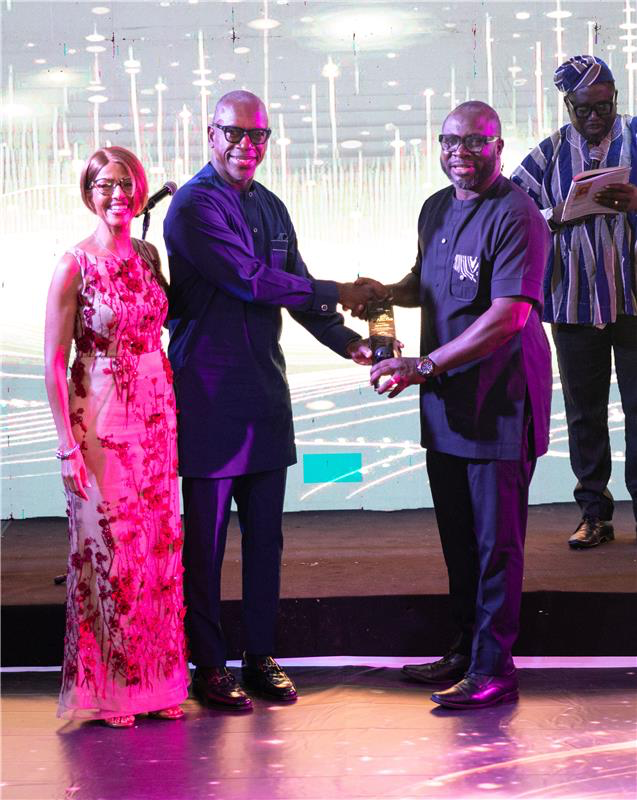
In his remarks, Professor Isaac Boadi, Dean of the Faculty of Accounting and Finance at UPSA, articulated the award’s profound purpose.
“Through this award, we recognise individuals whose professional journeys exemplify these values,” he stated.
“Leaders who have paved the way, transformed institutions, mentored generations, and set enduring standards of excellence.”
Mr Effah’s journey is a chronicle of this transformation. After a distinguished career in finance in London and Accra, he founded The Fidelity Group in 1998, followed by the launch of Fidelity Bank in 2006.
His leadership was pivotal in growing the institution from a corporate finance advisory firm into one of Ghana’s leading Tier 1 banks.
Today, Fidelity Bank is the 5th largest in the country, with total assets exceeding $2 billion and a customer base of over 2 million, a testament to the sound governance and innovative, customer-focused approach it instilled.
His legacy of building a world-class financial institution has earned him numerous accolades, including the CIMG Marketing Man of the Year (2014) and his 2019 induction into the CEO Hall of Fame as CEO of the Decade.
He serves on the Africa Advisory Board of King’s Trust International, reflecting his deep, ongoing passion for nation-building and mentoring the next generation of leaders.
The FAF Eminent Achievement Award serves as a powerful academic and industry validation of a career dedicated to proving that integrity, innovation, and indigenous leadership can build enduring institutions of international repute.
DISCLAIMER: The Views, Comments, Opinions, Contributions and Statements made by Readers and Contributors on this platform do not necessarily represent the views or policy of Multimedia Group Limited.
DISCLAIMER: The Views, Comments, Opinions, Contributions and Statements made by Readers and Contributors on this platform do not necessarily represent the views or policy of Multimedia Group Limited.
President Mahama Issues Stern Warning on Corruption to Ministers


President John Dramani Mahama has declared that any government official found involved in corruption will face severe consequences without protection from his administration.
The president delivered the warning Tuesday, November 18, during a courtesy call by the Christian Council of Ghana at the Jubilee House. Mahama said he reminds cabinet ministers daily about their responsibility to maintain ethical standards and avoid bringing scandal to his government. The statement reflects his commitment to pursuing corruption cases from both current and previous administrations.
Mahama employed vivid religious imagery to emphasize the seriousness of his position. He told the Christian Council leaders that any minister who becomes involved in a scandal will be held accountable in a manner comparable to crucifixion, though without possibility of resurrection. The metaphor underscored his zero tolerance approach to corruption among government appointees.
The president framed corruption accountability as essential to preserving public faith in Ghana’s democratic system. He noted that many young Ghanaians had become disillusioned with voting by the 2024 elections, believing political leaders would misuse public resources regardless of electoral outcomes. Mahama argued that demonstrating the political elite can govern responsibly and face consequences for wrongdoing remains crucial to restoring citizen confidence.
Ghana faces a recurring challenge with post regime corruption investigations, according to the president. He observed that past administrations typically avoided addressing scandals while in office, leaving accountability measures to successor governments. This pattern regularly produces accusations of political persecution and witch hunts from former ruling parties when investigations commence. Mahama said his government intends to break this cycle by holding officials accountable during their tenure rather than afterward.
The president emphasized that ongoing prosecutions of officials from the previous New Patriotic Party (NPP) government will proceed through proper legal channels. He stressed that all accused persons deserve their day in court, with judges examining evidence before determining guilt or innocence. Mahama rejected rushing cases to satisfy public demands without adequate documentation and investigation.
Public pressure for rapid prosecutions will not override proper investigative procedures, the president said. He committed to gathering comprehensive evidence and preparing complete case dockets before bringing charges, ensuring prosecutions rest on solid legal foundations rather than political motivations. This approach aims to produce convictions rather than failed cases due to insufficient preparation.
Mahama assured the Christian Council that his administration is strengthening anti corruption institutions and providing necessary resources for effective enforcement. He pledged the fight against corruption will be conducted impartially and fairly, applying the same standards to all officials regardless of political affiliation or personal relationships. No discrimination will occur in corruption prosecutions, with all suspects measured by identical criteria.
The president’s anti corruption stance builds on commitments made before taking office in January 2025. In a Christian National Thanksgiving Service shortly after his inauguration, Mahama warned potential appointees that public service under his administration would not follow previous patterns. He described those seeking government positions as stewards of national resources and public trust, emphasizing they would be held to the highest ethical and professional standards.
Mahama launched a formal Code of Conduct for Political Appointees in May 2025, establishing explicit rules on ethical behavior, public accountability and misuse of office. The code applies to all ministers, deputy ministers, presidential staffers, chief executive officers, board members, Council of State members and other executive appointees. It represents an institutional framework for the accountability principles the president repeatedly emphasizes in public statements.
The president’s corruption warnings occur amid ongoing investigations into alleged irregularities during the previous NPP administration. Several high profile cases involve procurement contracts, financial transactions and administrative decisions taken between 2017 and 2024. The Office of the Special Prosecutor and other investigative bodies continue building cases against various former officials.
Mahama’s comments Tuesday also addressed policy continuity and institutional stability. He told the Christian Council that his mission involves moving Ghana to a development level so advanced that future governments cannot reverse the progress. The president referenced regional and global instability as examples of how poor governance and weak institutions enable national regression.
The Christian Council’s courtesy call covered multiple policy areas beyond corruption. Mahama confirmed his willingness to sign the Human Sexual Rights and Family Values Bill, commonly called the anti LGBTQ bill, if Parliament debates, amends and passes the legislation. He stated his position on family values aligns with the Council’s views, emphasizing that gender is determined at birth and the family forms the foundation of Ghanaian society.
The president also announced that siblings or relatives of six young women who died during a November 12 security service recruitment exercise at El Wak Stadium in Accra would receive opportunities to join the services if they meet qualifications. He described the tragedy, which occurred due to overcrowding and inadequate crowd management, as avoidable. A seventh applicant in Ashanti Region remains hospitalized in critical but stable condition after being trampled during similar recruitment chaos.
Mahama attributed the recruitment disaster partly to past lack of transparency in security service hiring. He noted many young people viewed joining these services as a life or death opportunity because previous recruitment processes were not conducted openly. The administration has committed to more transparent procedures going forward.
The president’s focus on corruption accountability carries particular significance given Ghana’s economic challenges. The country completed an International Monetary Fund (IMF) program in 2024 and continues implementing fiscal consolidation measures. Public resources remain constrained, making any misappropriation especially damaging to development priorities and service delivery.
Whether Mahama’s strong rhetoric translates into concrete prosecutions and convictions remains to be determined. Previous Ghanaian administrations have made similar anti corruption pledges without consistently following through with successful prosecutions. The president’s repeated public warnings to his own appointees represent an attempt to establish deterrence through visibility and certainty of consequences.
Government engages Springfield in potential takeover of interests in WCTP2 oil block

The Government of Ghana, through the Ghana National Petroleum Corporation (GNPC) and its upstream subsidiary, GNPC Explorco, has entered into constructive discussions with Springfield Exploration and Production Limited (SEP) over a possible state-led takeover of SEP’s interest in the West Cape Three Points Block 2 (WCTP2).
In a press release sighted by GhanaWeb Business, the move is described as part of efforts to ensure that all decisions are evidence-based, commercially prudent, and in the best interest of the country.
The rationale for the government’s intervention stems from the steady decline in Ghana’s crude oil production in recent years, coupled with uncertainties surrounding the global energy transition.
Ashie Moore chairs GNPC subsidiary Prestea Sankofa Gold Limited
Government believes that advancing the development of WCTP2 is urgent, arguing that timely action will help secure the country’s energy future.
“With Ghana’s national crude oil production declining over recent years, coupled with uncertainties within the global energy transition, Government considers it urgent to advance the development of the WCTP2 resource base. A timely intervention is essential to prevent further delays to field development, unlock the block’s long-term economic value, sustain upstream activity and associated national revenues, and enhance Ghana’s overall energy security,” part of the release read.
“The intention is to reposition the asset for accelerated development, potentially through partnerships with technically strong and experienced deepwater operators willing to collaborate with the State,” it added.
ITAS Contract: We are cleaning up the NPP’s mess – Finance minister tells Parliament
The West Cape Three Points Block 2 is a 673-square-kilometre offshore block in the Tano Basin, operated by Springfield Exploration and Production Limited.
It is historically significant as Ghana’s first wholly indigenous-operated oil block.
In 2019, Springfield drilled the Afina-1X well, confirming major discoveries estimated at more than 1.5 billion barrels of oil and 0.7 trillion cubic feet of gas in place. Despite these promising finds, commercial and operational challenges have slowed development, raising concerns about stranded resources.
Government’s plan is to accelerate the block’s development, safeguard national interests, and strengthen GNPC’s role in upstream operations.
The Petroleum Commission and GNPC are engaging independent technical consultants and transactional advisors to conduct a full technical assessment of the block and audit past costs before any final decision is taken.
SA/MA
All you need to know about Ghana’s new vehicle number plates |BizTech:
Christians in Nigeria ‘driven from their homes and killed’, Nicki Minaj says

Wycliffe Muia & Natasha Booty
Getty Images
Nicki Minaj – the US-based, multi-million-selling Trinidadian rapper – has publicly backed President Donald Trump’s allegations that Christians face persecution in Nigeria.
“In Nigeria, Christians are being targeted,” Minaj said on Tuesday at a UN event organised by the US, adding that “Churches have been burned, families have been torn apart … simply because of how they pray.”
Kwahu Queen Mother breaks silence on her arrest [Video]
![Kwahu Queen Mother breaks silence on her arrest [Video]](https://www.ghanamma.com/wp-content/uploads/2025/11/4680f99da9eb949e4169fe64bc92de99.jpeg "Kwahu Queen Mother breaks silence on her arrest [Video]")
Tension is rising within the Kwahu Traditional Council after the Queen Mother, Nana Adwoa Gyemfua III, publicly narrated her experience following her arrest and release.
Addressing the media at Abetifi, the Queen Mother recounted how she was picked up at Kwahu Abene in the Eastern Region and described the treatment she received while in police custody.
She corroborated earlier reports that the destooled chief, Eugene Kwasi Boadi Asante—who served under the stool name Daasebre Akuamoah Agyepong II—was behind the arrest.
“Kwasi Boadi’s driver wanted to take the car keys from me, but I refused. So they deflated the tyres of the vehicle to prevent us from moving out. They ransacked the vehicle, and I still don’t understand why.
“When we got to the palace junction, they told me they were calling the police officer who led the team for me to speak with because I needed to access the palace to take my drugs and keys, but he declined my request,” she narrated.
Nana Gyamfua III also disclosed that she was questioned about the Kwahuhene, and she confirmed that it is Daasebre Akuamoah Boateng III.
“They asked for his whereabouts, and I told them he was in Accra. Before I completed my statement, I saw Daasebre coming barefooted without his shirt,” she recalled.
Her account sparked heated exchanges among some of the chiefs present.
Amid the rising tension, Nana Kwasi Opoku Minta II called for calm, noting that the Inspector-General of Police has assured the chiefs that a full-scale investigation will be conducted.
He expressed hope that peace will prevail as authorities probe the matter, urging unity and patience as the process unfolds.
All you need to know about Cristiano Ronaldo’s meeting with Donald Trump

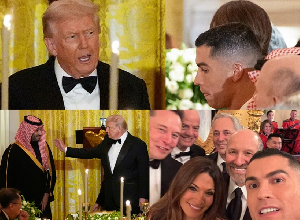 Cristiano Ronaldo had dinner with President Trump at the White House
Legendary footballer Cristiano Ronaldo had dinner with United States President Donald Trump on November 18, 2025.
The glitzy event, which was held at the White House, was organised to welcome Saudi Crown Prince Mohammad bin Salman, who visited the US and pledged to invest about $1 trillion into America.
Ronaldo attended the dinner in the evening with his fiancée, Georgina Rodriguez, dressed in a black suit.
Cucurella cautions Lamine Yamal ahead of Chelsea vs Barcelona clash
President Trump noted that it was an “honor” to meet the Los Blancos legend, who happens to be the only billionaire player in soccer.
The president also revealed that his son, Barron, is a big fan of Ronaldo and was delighted to meet him.
“This room is loaded with the biggest leaders in the world business, sports… My son is a big fan of Ronaldo. Barron got to meet him, and I think he respects his father a little bit more now just the fact that I introduced you,” Trump said.
The White House Black Tie Dinner was attended by US Vice President JD Vance, business mogul Elon Musk, Apple CEO Tim Cook, Blackstone CEO Stephen Schwarzman, Dell founder Michael Dell, FIFA President Gianni Infantino, and others.
After the dinner, Ronaldo took a selfie with the dignitaries and other White House guests before departing.
SB/MA
Meanwhile, watch the feature about Swedru All Blacks’ journey from the Division One to the GPL below
Five music legends whose homes have been turned into museums

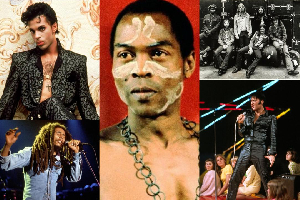 Fela Kuti, Bob Marley, Elvis Presley, and others have had their homes converted into museums
The former Deputy Minister of Tourism, Culture and Creative Arts, Mark Okraku-Mantey, has proposed that the East Legon residence of the late Highlife legend Daddy Lumba should be converted into a public museum rather than kept solely as a family home.
He believes transforming the property into a heritage attraction would not only preserve the musician’s legacy but also create a sustainable source of income for the family.
In his view, keeping the house strictly for private use would be a missed opportunity.
So, could Lumba’s home be turned into a museum? Yes.
Across the world, the homes of several music legends have been transformed into museums where fans visit to learn, reflect and connect with their stories. Musicians live forever through their songs and lyrics, but some leave behind more than music, they leave legacies that deserve to be preserved.
Here are five music legends whose private homes were turned into museums to honour their lives and work:
Fela Kuti
Fela Kuti’s former home in Lagos now serves as the Kalakuta Republic Museum. The Lagos State Government converted his residence at No. 8 Gbemisola Street, Allen Avenue, Ikeja into a public space managed by Total Consults Limited.
Inside, visitors find more than 3,000 of Fela’s outfits, including his iconic pants, dozens of shoes, album covers and personal items.
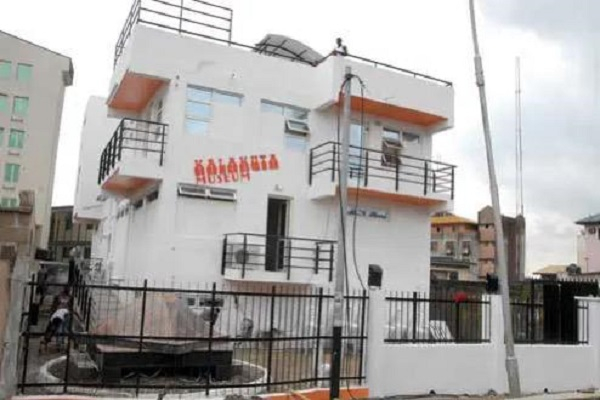
Bob Marley
Bob Marley’s home at 56 Hope Road in St Andrew, Jamaica now the Bob Marley Museum, holds a special place in Reggae history.
Bob Marley lived there from 1975 until his passing in 1981. His wife Rita Marley turned the property into a museum, preserving the treasures, instruments and memories of the Reggae legend.
It is one of Jamaica’s most visited cultural sites, offering fans an intimate look at the life of one of the world’s most influential musicians.
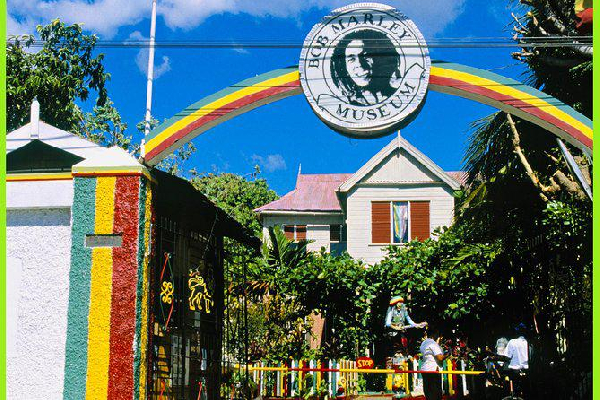
Elvis Presley
Elvis Presley’s Graceland in Memphis, Tennessee, stands as one of the most famous musician homes ever preserved.
The mansion served as his residence from 1957 until his death in 1977. Today, it is a major tourist attraction, drawing fans from across the world.
Elvis is buried there, along with several family members. His impact on 20th-century music and global pop culture is reflected in the popularity of Graceland, which contributes an estimated $150 million to Memphis’ economy each year.
The estate was added to the US National Register of Historic Places in 1991, and by 2020 its value was believed to be between $400 million and $500 million.
The Allman Brothers Band
The Allman Brothers Band also has a historic home turned museum. The Big House in Macon, Georgia, once housed the band members, their families and close friends in the early 1970s.
In 2009, it officially became The Allman Brothers Band Museum, offering an interactive experience where visitors can explore the group’s history, music and stories connected to the house where their artistic journey took shape.
Prince
Prince’s Paisley Park in Chanhassen, Minnesota, is another example of a musician’s home preserved for public memory.
The house built in 1988, this 65,000-square-foot complex served as Prince’s private residence, recording studio and creative sanctuary.
It includes recording spaces, a nightclub and rehearsal rooms. Paisley Park now operates as a public museum and event venue, opening its doors to fans who want to experience the atmosphere where Prince lived, worked and created until his passing in 2016.

Meanwhile watch, Tidal Rave 2025: The festival experience and standout performances
AK/SSM
The ‘sins’ of ex-MASLOC boss Sedina Tamakloe

 Sedina Tamakloe Attionu is a
The Attorney General and Minister of Justice, while answering questions in Parliament on Tuesday, November 18, 2025, disclosed that the extradition process to get former Chief Executive Officer of MASLOC Sedina Tamakloe Attionu back to Ghana is at an advanced stage.
Dr Ayine expressed optimism that Sedina Tamakloe, who was sentenced to 10 years in prison, will be brought back to the country to serve her jail time.
The former MASLOC boss was tried in absentia and jailed in April 2024, together with Daniel Axim, a former Chief Operating Officer of MASLOC, who was sentenced to five years in prison with hard labour for causing financial loss of GH¢90 million to the state.
The former MASLOC boss’ woes began in 2017 after an investigation by the Economic and Organised Crime Office (EOCO) showed fraudulent disbursements of funds during her tenure.
She was accused of embezzling GH¢3.19 million during her tenure at MASLOC and causing a deliberate financial loss of GH¢1.97 million to the state. She was also accused of making unauthorised commitments, resulting in financial obligations totalling GH¢61.74 million for the government.
Here is a breakdown of all the money she was accused of stealing or misappropriating:
1. Appropriating GH¢500,000 of MASLOC funds for personal use after it was returned from a private microfinance company, Obaatanpa Micro-Finance Company Limited.
2. Withdrawing GH¢1,816,000 in tranches after the MASLOC board approved GH¢1,706,000 of MASLOC funds for a countrywide sensitization.
3. Out of the GH¢1,816,000 for the sensitisation programme, only GH¢1,300 was spent on refreshments for some beneficiaries in the Volta, Greater Accra, and Brong-Ahafo Regions, with no programme taking place in the other regions.
US completing final checks to extradite Sedina Tamakloe to Ghana – AG Ayine
4. Appropriating only GH¢579,800 out of the sum of GH¢1,465,035 meant for the victims of the Kantamanto Market fire disaster in 2013.
5. Procuring 150 Chevy Aveo saloons at a unit cost of GH¢74,495 ($18,883.39) instead of GH¢47,346.93 ($12,009.91), 100 Chevy Sparklite at a unit cost of GH¢65,095.00 ($16,500.63) instead of GH¢35,918.37 ($9,104.77) and 33-seater Isuzu buses at a unit cost of GH¢445,560 ($112,942.96) in 2013 without PPA approval.
6. Procuring 200 pieces of Samsung B310 mobile dual-sim phones under a project called PINCO Project Market Survey at an inflated cost of GH¢93,412 when the market value of the phones was GH¢24,400, in 2016.
7. Authorising ex-gratia amounts of GH¢135,592.33 and GH¢82,218.76 for herself and her deputy respectively.
8. Paying herself and her deputy GH¢28,445.94 and GH¢27,486.62, respectively, purportedly in lieu of leave.
BAI
Watch the promo to GhanaWeb’s latest documentary, which uncovers the evolution of ‘kayamata,’ an exploitative practice fueled by love charms and manipulation, titled, “The Dark Side of Kayamata,’ below:
Patrick Boamah rejects Minority Leader position
The wait is over! The GhanaWeb Excellence Awards 2025 is officially launched. Let’s celebrate impact, innovation and excellence across Ghana.
Who deserves to be honoured this year?
Nominate now 👉 https://ghanaweb.com/ghanaexcellenceawards/nominate
Government to restrict raw rubber exports to save industry

 A photo of a rubber plantation
The Rubber Processors Association of Ghana (RUPAG) has hailed government’s move to restrict exports of raw rubber.
This policy shift is expected to revive factories, protect thousands of rural livelihoods and stop massive foreign-exchange leakages.
The decision, captured in paragraph 1028 of the 2026 Budget under the Feed the Industry Programme, has been hailed by RUPAG as “historic, forward-looking and long overdue”, Perry Acheampong, General Secretary of RUPAG said in a statement.
The statement noted that Ghana’s rubber sector has been bleeding for years due to uncontrolled exports of raw rubber, known as cuplumps, which has surged to record levels.
This trend has deprived local processors of essential inputs and weakened the industry’s competitiveness.
As a result, factories have been operating below capacity, investments have become unstable and outgrower financing schemes have come close to collapsing.
The sector has also suffered significant losses in foreign exchange earnings, deepening concerns about its long-term sustainability.
“This policy could be the turning point the industry has been waiting for some years. It realigns the entire value chain with Ghana’s industrialisation agenda and protects more than 70,000 rural livelihoods,” the statement points out.
ITAS Contract: We are cleaning up the NPP’s mess – Finance minister tells Parliament
A sector on life support
According to the statement, the spike in raw rubber exports over the past four years created a perfect storm: weakened factory operations, job losses and threats to repayment of over GH¢650million in outgrower loans.
With processors unable to secure enough raw materials, the economy has been losing both economic value and industrial momentum.
Also, analysts say the new restriction plugs a major loophole and ensures raw materials remain within the country to fuel domestic manufacturing.
A boost for the 24-hour economy
Industry watchers believe the move aligns strongly with government’s broader industrial transformation agenda – particularly the 24-hour economy initiative, which relies on consistent raw materials access to sustain continuous production cycles.
According to RUPAG, stabilising raw material flow will immediately restore factory utilisation, boost tax revenue and improve foreign-exchange retention.
The statement also reaffirmed RUPA’s readiness to partner with government on its ambitious growth programme aimed at more than doubling national raw rubber production from the current 100,000 tonnes to 250,000 tonnes of dry rubber by 2035.
“This initiative will secure long-term raw material availability and firmly position Ghana as a competitive player in the global rubber market,” it added.
With the policy now in motion, RUPAG says it stands ready to collaborate with government and all stakeholders to ensure effective implementation and sustained sector growth.
“The 2026 budget has set us on a new path – one that strengthens rural livelihoods, drives value addition and accelerates Ghana’s industrialisation journey. We are committed to delivering on this vision,” the statement noted.
All you need to know about Ghana’s new vehicle number plates |BizTech:
MzVee ft. Tiwa Savage – Coming Home

Mz Vee and Tiwa Savage Teams Up To Deliver This Mellifluous Love Song Titled, Coming Home.
”˜Coming Home` by Mz Vee, which features Nigeria`s super star, Tiwa Savage, highlights the processes involved in settling down with a partner within the African setting.
The song rides on a beautifully crafted melodic afrobeats rhythm aiding the two female voices to appreciate the perfectly written lyrics.
I go like spend my lifetime with somebody like you
My baby, your love i dey carry for my heart ooo
My baby, If you give me the ring i go collect ooo…
Coming Home which was sung in both Pidgin and English was produced by Kizzy Beats, Listen below;
DOWNLOAD MP3
And also Watch ‘Coming Home’ official video below, Visuals directed by Andy Madjitey… Enjoy!!!
We Try Hard To Remove One Cockroach From Power Only For Another Rat To Come — Franklin Cudjoe Slams

We Try Hard To Remove One Cockroach From Power Only For Another Rat To Come — Franklin Cudjoe Slams
News Hub Creator1h
Public policy analyst Franklin Cudjoe expressed his dismay after a viral headline suggested that Tanzania’s President Samia Suluhu Hassan had appointed her daughter and son-in-law to cabinet roles. This headline, which gained traction on social media through TRT Afrika, sparked widespread conversation across Africa.
In response, Cudjoe shared a passionate message on Facebook, stating: “We struggle to remove one cockroach from power only for another rat to come and engage in the same foolishness!” This remark referenced the late Prof. George Ayittey, known for his strong criticisms of African leaders abusing their authority. By invoking Ayittey’s tone, Cudjoe not only conveyed frustration over the reported appointments but also highlighted a recurring problem in governance that many Africans have lamented for years.
His message resonated quickly, garnering thousands of reactions. Some supporters emphasized that nepotism undermines public trust in government, arguing that leadership should be based on merit and fairness. Others noted that Cudjoe’s sentiments reflect a common African experience, where aspirations for improved leadership often clash with disappointing realities.
Cudjoe’s use of “cockroach” and “rat” symbolically illustrated that replacing one poor leader does not suffice if the successor continues similar practices. Many followers felt his message poignantly captured the frustrating cycle in which promises of reform merely lead to familiar problems.
The viral headline has ignited a broader conversation about the appropriateness of African leaders’ appointment practices. Critics assert that even if family members possess qualifications, such appointments may foster perceptions of conflict of interest.
Source link below:
Link
https://www.facebook.com/share/p/17hoVi7NJT/
Govt begins technical advisory processes for Springfield’s Afina Well takeover
Government has begun steps for a potential state-led takeover of Springfield Exploration and Production’s Afina-1x oil well in the West Cape Three Points Block 2, which is one of the country’s most contentious undeveloped oil fields.
According to an official statement from the Ministry of Energy and Green Transition, the Ghana National Petroleum Corporation (GNPC), together with its upstream subsidiary GNPC Explorco, is in constructive discussions with Springfield as part of a strategy to safeguard petroleum assets and prevent economically viable reserves from remaining stranded.
To ensure transparency and technical rigor, the Petroleum Commission and GNPC have begun a procurement process to hire an independent Technical Consultant as well as a Transactional Advisor.
The mandate of the consultant and advisor include coming up with a comprehensive technical evaluation of the WCTP2 block, a full audit and verification of past expenditure as well as financial and commercial due diligence report
In addition, they are to carry out an independent valuation of Springfield’s interest.
These independent assessments according to government is to ensure a fair and commercially sound basis for any potential takeover.
Government’s plane includes repositioning the asset for faster development, potentially in partnership with experienced deepwater operators.
“This approach ensures that all decisions are evidence-based, commercially prudent, and in the best interest of the Republic of Ghana”, part of the statement signed by Richmond Rockson, Spokesperson and Head of Communication at the Ministry of Energy and Green Transition mentioned.
These processes the statement says are being conducted without prejudice to ongoing investigations involving Springfield or related entities, and that institutional independence remains fully upheld.
The push for intervention follows years of stalled progress on the Afina field, despite its confirmed discovery as Ghana’s oil production declines with global transition reshaping upstream investment.
The statement further reiterated government’s commitment to local content and indigenous participation, noting that any future development of WCTP2 will be aligned with national policy to build a competitive Ghanaian-led oil and gas sector.
NPP gov’t won the battle but lost the war—Napo admits

Former Manhyia South Legislator and 2024 Running Mate to Dr Mahamudu Bawumia, Dr Mathew Opoku Prempeh, has noted that the New Patriotic Party (NPP) government won the battle and lost the war during the COVID-19 outbreak.
The former legislator pointed to the fact that the NPP government saw the results very early in the 2020 elections, where they lost their majority hold in parliament, with their vote decreasing from a majority of one million people to less than half.
Mahama endorses Ghana’s first-ever hosting of World Assemblies of God Congress
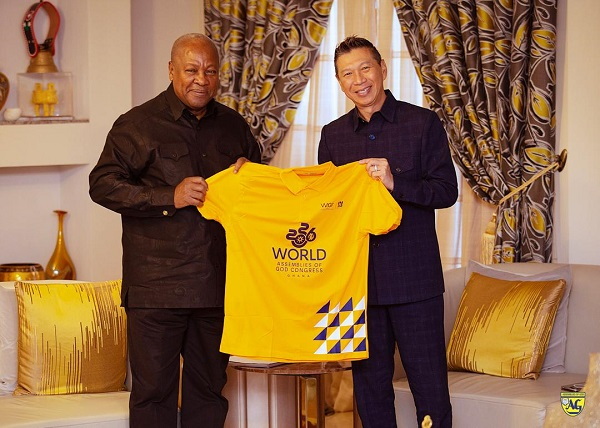
 President John Mahama receives World Assemblies of God Congress Shirt from Rev Yeo
President John Dramani Mahama has pledged his government’s support for the 2026 World Assemblies of God Congress to be hosted by Ghana.
The occasion was a courtesy call on him in Accra by the Global Chairman of the World Assemblies of God Fellowship, Rev Dominic Yeo.
Rev. Yeo was accompanied by the General Superintendents of Ghana, Rev. Stephen Wengam; Benin, Rev. Ben Sodji; Zambia, Rev. Lipenga Banda; and the Chairman of the Local Planning Committee of the 2026 World Congress, Rev. Andrews Awintia. Also present was the First Lady, Lordina Mahama.
President Mahama, who is a member of the Assemblies of God, Ghana, acknowledged the huge spiritual impact, colossal economic opportunities, and great international recognition the global event will bring to Ghana.
All this, he said, underlines the necessity of collaboration and assistance from the government.
President Mahama reiterated the need for leaders to be guided by moral and biblical values.
The Global Chairman, Rev Yeo, commended President Mahama for his visionary, decisive, and bold leadership, which, he said, has contributed to the relative stability of the economy.
Rev Yeo further praised President Mahama for launching a Code of Conduct for government officials.
He appealed for effective church–state partnership to help Assemblies of God, Ghana, organise a world-class Congress.
The historic event, which was launched by the Global Chairman of the World Assemblies of God Fellowship in Accra on Friday, November 14, 2025, will run from October 12 to 14, 2026.
It will consider strategies to advance the MM33 Agenda to establish one million Assemblies of God churches throughout the world by 2033.
The target also marks the 2000th anniversary of the resurrection of Jesus Christ as well as the Day of Pentecost, the birthday of the Church.
The Accra 2026 global congress will be the first in Africa. More than 100,000 delegates and countless tourists from all over the world are expected to flock to the country for the event.
Watch the promo to GhanaWeb’s latest documentary, which uncovers the evolution of ‘kayamata,’ an exploitative practice fueled by love charms and manipulation, titled, “The Dark Side of Kayamata,’ below:
Patrick Boamah rejects Minority Leader position
The wait is over! The GhanaWeb Excellence Awards 2025 is officially launched. Let’s celebrate impact, innovation and excellence across Ghana.
Who deserves to be honoured this year?
Nominate now 👉 https://ghanaweb.com/ghanaexcellenceawards/nominate
Cedi hits GH¢11 to $1 on interbank market

The cedi has depreciated slightly to trade at GH¢11.00 to the dollar on the interbank market as of Wednesday, November 19, 2025.
This shows the pressure the local currency is facing from major foreign currencies.
However, the Minister of Finance, Dr Cassiel Ato Forson, during the 2026 Budget presentation in Parliament announced that government is targeting a primary surplus of 1.5% of GDP next year, signaling a firm commitment to fiscal discipline.
He further noted that the overall fiscal deficit is projected at 2.2% of GDP on a commitment basis and 4% on a cash basis.
According to Dr Forson, this approach underscores government’s goal of balancing fiscal consolidation with economic growth, ensuring financial stability while continuing to invest in critical development projects.
Inflation back to single digits – Dr Ato Forson ‘brags’
Here’s how the cedi is faring on the Bank of Ghana interbank market:
• Dollar – Buying at GH¢10.99, Selling at GH¢11.00
• Pound – Buying at GH¢14.46, Selling at GH¢14.48
• Euro – Buying at GH¢12.75, Selling at GH¢12.77
Here’s how the cedi is trading at the forex bureaus
• Dollar – Buying at GH¢12.00, Selling at GH¢12.30
• Pound – Buying at GH¢15.30, Selling at GH¢16.20
• Euro – Buying at GH¢13.30, Selling at GH¢14.20
All you need to know about Ghana’s new vehicle number plates | BizTech:
If he keeps the focus, he will win the next election for the NDC – Adongo on Ato Forson

Isaac Adongo, MP for Bolgatanga Central, has suggested that Finance Minister Dr. Cassiel Ato Forson has demonstrated the qualities of a future national leader.
Adongo disclosed that he had privately shared this view with the minister in an interview on GHOne TV monitored by MyNewsGh.
“Look, privately I told him I said if you continue on the path that you are continuing, I don’t see the next president beyond you,” he said.
Wellspring School Wins Ghana’s Top Spot in 2025 Global EduQuality Awards

Wellspring School has been named Ghana’s Country Winner in the 2025 Global EduQuality Awards organised by Opportunity International.
The school topped 980 institutions locally and finished third globally out of more than 5,000 participating schools. It received a cash prize of USD 1,000, a plaque, and a certificate for its outstanding performance.
The Member of Parliament for Anyaa-Sowutuom, Emmanuel Tobbin, praised the school for its impact, pledging his support for technical and vocational education and promising programmes to help private school teachers improve their skills and salaries.
Chief Executive Officer of Wellspring School and Global Schools Advocate, Prince Frimpong Kumi, attributed the achievement to teamwork across the school community. He thanked Opportunity International and reaffirmed the school’s commitment to inclusive and high-quality education.
Mr. Kumi highlighted that the EduQuality Awards celebrate excellence in teaching, leadership, innovation, and community involvement. He also acknowledged the financial challenges many schools face but said Wellspring remains dedicated to continuous growth.
Mr. Kumi further announced plans to establish a credit union to support parents, teachers, and retired educators, particularly those involved in technical and vocational training. The initiative, he emphasised, will strengthen the school and empower the wider community.
Board Chairman, Ebenezer N. A. Laryea, commended the school’s leadership for its vision and urged parents to continue supporting the institution’s mission to transform lives through education.
BY AGNES OPOKU SARPONG
🔗 Follow Ghanaian Times WhatsApp Channel today. https://whatsapp.com/channel/0029VbAjG7g3gvWajUAEX12Q
🌍 Trusted News. Real Stories. Anytime, Anywhere.
✅ Join our WhatsApp Channel now! https://whatsapp.com/channel/0029VbAjG7g3gvWajUAEX12Q
KOICA Grants Ghana $9.5M to Strengthen Agribusiness Value Chain

The Minister of Finance, Mr. Cassiel Ato Forson, has signed a $9.5 million grant with the Korea International Cooperation Agency (KOICA) to strengthen the agricultural business value chain for local economic development in Ghana.
The five-year project is expected to improve processing, market systems, and linkages between farmers and enterprises, thereby unlocking the potential of agriculture as a catalyst for innovation, job creation, and sustainable rural development.
Funded under KOICA’s Official Development Assistance (ODA), the project will be implemented by the National Development Planning Commission (NDPC) to ensure success in the Central and Volta Regions. Other agencies, including the Ministry of Food and Agriculture and the Ministry of Trade, Agribusiness and Industry, are partners in the project, which is expected to boost food production in these regions.
The Country Director of KOICA-Ghana, Mr. Donghyun Lee, signed on behalf of KOICA, while the Acting Director General of NDPC, Dr. Audrey Smock Amoah, signed for the commission.
Speaking at the signing ceremony in Accra, Mr. Forson thanked the government of Korea for the grant, noting that it would significantly reduce harvest losses, enhance agricultural productivity and trade, particularly in rural areas, and improve farmers’ livelihoods. He added that the grant would strengthen institutional and policy capacity, stressing that the government has already taken steps to purchase excess production, such as rice, to encourage farmers.
Mr. Forson further highlighted that the signing represents another step in KOICA’s ongoing support for Ghana’s national development agenda, particularly in promoting inclusive economic growth, agricultural modernisation, and local value addition. He commended NDPC for its role as the implementing agency and for coordinating extensively with KOICA and the Ministry of Finance during the project’s development.
The Republic of Korea Ambassador to Ghana, Mr. Kyonsig Park, noted that Korea’s own development experience demonstrates how strategic investments in agriculture and value chain development can spur broader industrial and social progress. He expressed confidence that combining Ghana’s agricultural potential with Korea’s expertise would yield tangible, long-term benefits for communities across the country.
“KOICA is honoured to collaborate with Ghana in realising this important initiative. As we sign this project, we reaffirm our collective commitment to ensuring that Ghana’s agricultural wealth translates into sustainable livelihoods, thriving enterprises, and strong local economies,” he said.
Dr. Audrey Smock Amoah remarked that the project was timely and aligned with the government’s priorities in agricultural modernisation, local economic development, and job creation. She reiterated that agriculture remains a strategic pillar of Ghana’s economy and a key driver of transformation, adding that strengthening agribusiness value chains would enhance productivity, reduce post-harvest losses, improve rural incomes, and ensure food and nutrition security.
BY BERNARD BENGHAN
🔗 Follow Ghanaian Times WhatsApp Channel today. https://whatsapp.com/channel/0029VbAjG7g3gvWajUAEX12Q
🌍 Trusted News. Real Stories. Anytime, Anywhere.
✅ Join our WhatsApp Channel now! https://whatsapp.com/channel/0029VbAjG7g3gvWajUAEX12Q
Supporters of Akosua Serwaa clash with Odo Broni’s father at court
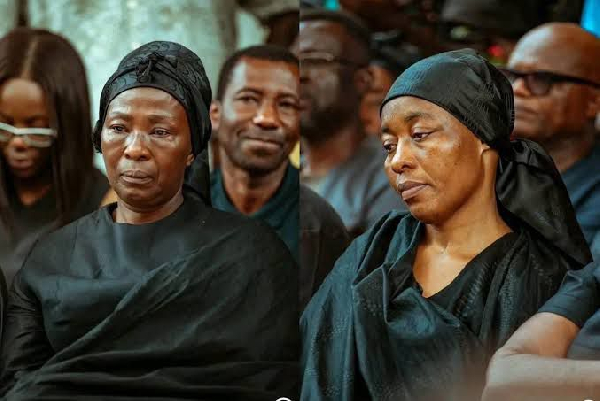
 Supporters of Akosua Serwaa ‘booed’ Odo Broni’s father
There was a clash between a man purported to be the father of Odo Broni, the partner of the late Daddy Lumba, and supporters of Lumba’s wife, Akosua Serwaa, at the Kumasi High Court on November 18, 2025.
According to reports, as the man identified as Odo Broni’s father passed by a group of Akosua Serwaa’s supporters, he heard comments about his daughter that reportedly infuriated him.
He then confronted one of the women who allegedly made the statement. One of the supporters claimed that the confrontation occurred after she insisted that Odo Broni was not married to Lumba before the musician’s demise.
Following Daddy Lumba’s passing on July 26, 2025, there has been dispute over who should be recognised as the spouse of the singer.
The disagreement escalated to court after Akosua Serwaa filed a suit claiming that she had been excluded from funeral preparations for her late husband.
In her statement of claims, Serwaa accused the family head, Abusuapanin Kofi Owusu, of sidelining her to the extent that she only learned of the funeral date through social media.
Lumba’s family responded through a letter signed by Fati Ali-Yallah of Baba Jamal & Associates, insisting that Akosua Serwaa had no authority to dictate funeral arrangements.
The family claimed that Serwaa had returned her head drink in 2018, which, according to tradition, dissolved her marriage with Lumba. Based on this, they declared Odo Broni as the only legitimate widow entitled to perform the widowhood rites.
Watch the video below:
@asanteman.connects Akosua Serwaa’s supporters clash with Odo Broni’s father at court today. #asantemanconnects #fyp ♬ original sound – asantemanconnects
Meanwhile watch, Tidal Rave 2025: The festival experience and standout performances
AK/SSM
Today at the newsstand November 19, 2025

 Stack of newspapers | File photo
Below are some of today’s major news headlines:
DAILY GUIDE
I’ll sign anti-LBGTQ bill – Mahama
Parliament ratifies ITAS Agreement, $10.46m tax waiver
Ofankor wife beater busted
SML-GRA contract – OSP charges Ofori-Atta, 7 Others
DAILY GRAPHIC
I’ll assent to anti-gay bill – Mahama
Widen tax net to close revenue shortfall – PWC urges swift action
Government declares 6-week gun amnesty
THE CHRONICLE
The new face of national security… No more ‘intimidating gota-boys’
NPP diaspora execs insist on proxy voting
GoldBod refutes reports of GH¢3bn losses
THE GHANAIAN TIMES
At Cedi Conference: We’ll uphold BoG’s independence – President Mahama
Surrender unregistered weapons or face prosecution – Interior Minister announces amnesty period
Jospong, UN University seal at COP30
ITAS Contract: We are cleaning up the NPP’s mess
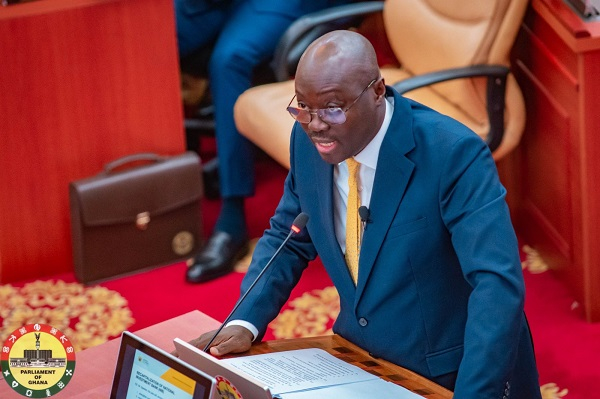
 Dr Cassiel Ato Forson is the Minister of Finance
Finance Minister Dr Cassiel Ato Forson has told Parliament that the government is “cleaning up the NPP’s mess” surrounding the Integrated Tax Administration System (ITAS) contract, as he laid bare the series of procedural breaches and financial risks inherited from the previous administration.
Briefing the House, Dr Forson revealed that the NPP government committed Ghana to a binding contract with Tata Consultancy Services on 4 November 2024 without seeking the constitutionally required parliamentary approval.
He warned that failure to execute the contract at this stage would have exposed the country to a hefty judgment debt.
The Minister also informed MPs that the former administration granted extensive tax exemptions to the contractor. The current government, he said, has since renegotiated the terms of the agreement and saved the nation about 10 million dollars.
“We have corrected what they failed to do and protected the public purse,” he stated.
Dr Forson further reminded Parliament that it was the NPP itself that agreed with the IMF to make the ITAS contract a structural benchmark to be completed before the end of 2024.
He then revealed that the IMF has now upgraded that requirement to a prior action necessary for Ghana’s next programme review.
Mali army killed 31 villagers in attacks on insurgent area, Human Rights Watch says

 Mali’s military and allied militias killed at least 31 people in attacks
Mali’s military and allied militias killed at least 31 people in attacks on two villages in the central Segou region, where the main insurgent group linked to al Qaeda operates, Human Rights Watch (HRW) said in a report on Tuesday.
The first attack took place on October 2 in the village of Kamona, where the army and militia forces killed at least 21 men and burned homes, the HRW report said.
The second, it reported, occurred in the village of Balle about 55 km (34 miles) away, where at least 10 people, including one woman, had been killed.
The report said witnesses described army and militia forces executing villagers after accusing them of collaborating with Jama’at Nusrat al-Islam wal-Muslimin (JNIM). The al-Qaeda-allied group has expanded operations in the south of the West African country.
The witnesses included a local herder who survived after hiding in an abandoned home with his nine-year-old daughter, and later found 17 bodies riddled with bullets, HRW said.
The African Union and a spokesperson for Mali’s army did not immediately respond to requests for comment.
New York-based HRW called on the Malian authorities to investigate the killings and urged the African Union to take steps to help end the conflict and hold parties accountable for crimes.
Landlocked Mali is under pressure from jihadist groups that have persistently attacked state forces and, in recent months, imposed a fuel blockade that has led to long queues at fuel stations and made access to diesel generators more expensive.
Mali’s foreign minister this week dismissed as implausible the notion that jihadists could soon take the capital Bamako.