Accra, Dec. 31, GNA – The Jasikan District Police have arrested a 23-year-old man, Innocent Owusu, in connection with the alleged murder of his father at Likpe Abrani in the Oti Region.
Police said the suspect is alleged to have killed Peter Owusu, 59, at their residence on December 30, 2025. Following the incident, the suspect fled the area but was later arrested at a hideout in the Abrani forest after police acted on intelligence.
In a press release copied to the Ghana News Agency, Deputy Superintendent of Police John Nchor, Public Affairs Officer of the Oti Regional Police Command, said the remains of the deceased were retrieved and deposited at the Hohoe Government Hospital morgue for preservation and autopsy.
The statement noted that the suspect is currently in police custody and assisting with investigations.
The Police Command commended residents of Likpe Abrani for their prompt cooperation, which led to the arrest of the suspect, and extended condolences to the bereaved family.
Fast-rising Ghanaian artiste Kojo Blak has hinted at an explosive year ahead, promising to release music consistently as part of efforts to elevate Ghanaian Afrobeats to the next level.
Speaking in an interview with GhanaWeb’s Isaac Dadzie on December 29, 2025, Kojo Blak described 2026 as a year of “volcanic eruptions,” signaling back-to-back music releases.
“Volcanic eruptions next year and I will be dropping songs back to back. Impressively, it goes beyond what people are seeing now,” he said.
The singer expressed strong confidence in the uniqueness of Ghanaian Afrobeats artistes, stating that they are poised to make a significant impact on the global stage.
“That’s what I feel about the Ghanaian space, the Ghanaian phase of music, especially the Afrobeats artistes coming in from Ghana. We are just different and we are about to take it to the next level,” he noted.
Shatta Wale ‘catalysed’ the success of excellent – Kojo Blak
Kojo Blak also acknowledged the growing support for young artistes in the country, describing the reception from fans as encouraging.
“I feel Ghanaians are beginning to support young artistes. The reception we get is great and we hope we do better next year,” he added.
He further called for continued improvement in the way Ghanaian music, particularly Afrobeats, is supported and promoted.
“We hope we develop on how we support Ghana music and how we promote Ghanaian Afrobeats,” he said.
Expressing gratitude, Kojo Blak thanked fans who stream, promote, and support his music.
“Gratitude to everyone who supports our music. Those who stream and promote our songs, we’re grateful,” he added.
FG/AE
Watch Ofori Amponsah discuss interesting issues surrounding Lumba’s death, career path on this episode of Talkertainment:
The okada business has become very popular in the country
A police officer has called on commercial motorcycle riders, popularly known as okada riders, to maintain proper personal hygiene while on duty.
The officer stressed that professionalism extends beyond riding skills, to appearance and cleanliness.
In a viral video shared on X on December 31, 2025, the officer urged them to dress well and smell good.
“Some of you, when we board your okada, we have to hold our breath until we drop. I am pleading that you; take a look at that,” he said.
He emphasised the importance of regular bathing and changing clothes, noting that personal hygiene is an essential part of their profession.
‘Okada’ riders react to passage of Road Traffic Amendment Bill
According to him, a presentable appearance reflects respect for passengers and enhances public perception of the sector.
The officer further cautioned that having a license to operate does not give riders the freedom to act irresponsibly or neglect basic standards of conduct.
“Being given the license to operate does not give you the freedom to do whatever pleases you,” he indicated.
The video has sparked discussions online, highlighting the need for better professionalism and courtesy among riders.
Nollywood actress, Judy Austin turns a year older today December 31, and her husband, actor, Yul Edochie, took to his social media handle to celebrate her.
In his post, Yul declared his undying love for Judy and asked God to be with her so she can give him three more children.
‘’Happy birthday to you Nwunye Odogwu, Ijele Odogwu, Ijele Isi Mmili ji Ofor, Okwulu Okalisia.
Judy Austin Yul Edochie
My love.
May your new age be filled with countless blessings.
May God be with you always, grant you your heart’s desires and give you many more wonderful years so you can achieve all you’re destined to achieve and give me 3 more beautiful children.
As 2025 draws to a close, JoyNews’The Pulse takes a critical look at Ghana’s journey over the past year — the progress made, the challenges faced, and the questions that remain.
Joining the conversation are governance expert Prof. Baffour Agyeman-Dua, anti-corruption campaigner Edem Senanu, IMANI Africa President Franklin Cudjoe, Government Spokesperson Felix Kwakye Ofosu, and NPP Deputy General Secretary Haruna Mohammed, as they assess whether 2025 marked progress, stagnation, or regression.
DISCLAIMER: The Views, Comments, Opinions, Contributions and Statements made by Readers and Contributors on this platform do not necessarily represent the views or policy of Multimedia Group Limited.
DISCLAIMER: The Views, Comments, Opinions, Contributions and Statements made by Readers and Contributors on this platform do not necessarily represent the views or policy of Multimedia Group Limited.
Petrol is expected to drop by about 4.80 percent according to COMAC
Fuel prices in Ghana are expected to begin the new year on a softer note, as Oil Marketing Companies (OMCs) signal potential reductions in the first pricing window of January 2026.
According to pricing projections from the Chamber of Oil Marketing Companies (COMAC), petrol is expected to drop by about 4.80 percent, diesel by 3.77 percent and Liquefied Petroleum Gas (LPG) by approximately 2.19 percent across the board.
If realised, the adjustments would continue the recent downward trend in pump prices, supported by favourable developments in both the global and domestic cost environments.
The anticipated reductions are largely driven by a sharp fall in international petroleum product prices and the recent appreciation of the Ghana cedi.
Lower global prices for refined fuels have reduced import costs, while the stronger local currency has alleviated exchange-rate pressures that typically influence domestic fuel pricing.
Together, these factors have improved cost margins for OMCs, creating room to pass savings on to consumers.
Motorists to enjoy relief as fuel prices drop toward end of 2025
The January outlook builds on price cuts implemented during the second pricing window of December.
Market leader Star Oil reduced petrol prices to GH¢11.35 per litre from GH¢11.97, while diesel fell to GH¢12.45 per litre, with some outlets offering even lower promotional prices.
State-owned GOIL also adjusted prices downward, selling petrol at GH¢11.99 per litre, diesel at GH¢12.94 and Super XP 95 at GH¢14.95.
International outlet TotalEnergies followed suit, cutting petrol prices to GH¢12.50 per litre from GH¢12.69 and diesel to GH¢12.99 from GH¢13.22.
For households, further reductions in January could help ease post-festive financial pressures, particularly those related to transport and cooking fuel costs.
Businesses, especially transport operators, logistics firms and manufacturers, also stand to benefit from lower operating expenses, with possible spillover effects on prices across parts of the economy.
Despite the positive outlook, fuel pricing remains sensitive to movements in the cedi and global oil market dynamics.
Any renewed currency pressure or rebound in international oil prices could limit the scope for further cuts.
However, if current trends hold, consumers may enter 2026 enjoying one of the most sustained periods of fuel price relief in recent years.
After years of economic turbulence marked by currency depreciation, inflationary pressure, and fiscal strain, Ghana’s economy in 2025 has entered a phase that can best be described as cautious stabilisation. While this does not amount to full recovery, several underlying indicators suggest that the worst volatility has eased, creating a more predictable—though still fragile—economic environment.
Stabilisation, it must be stressed, is not the same as prosperity. It is simply the foundation upon which sustainable growth can be rebuilt.
Macroeconomic Discipline Returns
One of the primary drivers of Ghana’s stabilisation has been a renewed emphasis on fiscal discipline. Government spending has become more restrained, borrowing has been more closely monitored, andmacroeconomic coordination has improved compared to the crisis years.
This approach has reduced the frequency of policy shocks that previously unsettled markets and businesses. Investors, both local and foreign, respond less to optimism and more to predictability—and predictability has improved.
Inflation Moderation and Currency Calm
Although inflation remains a concern for households, its pace has moderated relative to previous highs. This moderation has helped stabilise purchasing power expectations and reduced panic pricing across markets.
The cedi, while still vulnerable to global pressures and import dependency, avoided extreme depreciation in 2025. This relative calm has been crucial for importers, manufacturers, and service providers who rely on foreign exchange planning to operate efficiently.
Currency stability alone does not generate growth, but instability can destroy it quickly. In that sense, calm has been an economic asset.
The Role of External Support
External financial support mechanisms and debt restructuring efforts have played a role in easing immediate fiscal pressure. While these arrangements come with constraints, they have provided breathing space for policymakers to focus on structural reforms rather than crisis firefighting.
The challenge ahead is ensuring that stabilisation does not become dependency, but a stepping stone toward domestic revenue mobilisation and productivity-driven growth.
Private Sector Resilience
Perhaps the most underappreciated factor in Ghana’s stabilisation has been private sector resilience. SMEs, informal traders, and service providers adjusted operations, cut costs, adopted digital tools, and diversified income streams to survive.
This adaptability helped cushion employment losses and kept economic activity alive at the grassroots level, even as formal growth remained subdued.
What Stabilisation Really Means
Stabilisation means businesses can plan again, even if cautiously. It means policymakers can focus on reform rather than rescue. And it means citizens can begin to rebuild confidence in institutions.
However, stabilisation also exposes weaknesses. Growth remains uneven, cost-of-living pressures persist, and job creation lags population growth.
At The High Street Business, we view Ghana’s current economic stabilisation not as a destination, but as an opportunity. The question is whether Ghana will use this window to fix long-standing structural issues—or waste it.
President John Dramani Mahama has told Nigerian musician Ahmed Ololade, popularly known as Asake, that ‘the law is the law,’ following the recent firearm discharge incident at a public event in Accra.
He made the remark when he met the singer at a supercar spectacle event held in Accra on December 30, 2025.
A video from the gathering, which has since gone viral, showed President Mahama in the company of his brother, Ibrahim Mahama; businessman Richard Nii Armah Quaye; actor and MP John Dumelo; and Asake.
During introductions, President Mahama was heard asking, “Ooh, so he is the one the guy fired the gun for?”
When the question was answered in the affirmative, Asake burst into laughter.
President Mahama then reached out to the musician, who responded apologetically, saying, “We are not happy about what happened.”
President Mahama then replied with a smile, stating; “Don’t worry, the law is the law,” underscoring that due process would take its course.
The comments come in the wake of the arrest of a suspect captured in a viral video discharging a firearm at a public event at the El-Wak Stadium on December 28, 2025.
In a press release dated December 30, 2025, the Cyber Vetting Team at the Criminal Investigation Department (CID) Headquarters announced the arrest of the suspect.
“The suspect, identified as Abubakari Sadick, popularly known as ‘Cyborg,’ was arrested on December 29, 2025, at Adenta for possession and discharging of a firearm,” the statement said.
He will receive medical attention while remaining in lawful custody
An Accra High Court has reportedly ordered that Frederick Kumi, popularly known as Abu Trica, be sent to hospital at the state’s expense after he complained of ill health during court proceedings on Wednesday, December 31, 2025.
According to a post by GhOne TV, the order was issued when Abu Trica appeared before the court as part of ongoing extradition-related proceedings.
The court directed that he receive medical attention while remaining in lawful custody.
Abu Trica was arrested by Ghanaian security authorities on Thursday, December 11, 2025, following an indictment by United States authorities over his alleged involvement in a large-scale online romance scam estimated at more than $8 million.
Watch the moment Abu Trica appeared in court under heavy security
Unsealed documents from the US Attorney’s Office for the Northern District of Ohio allege that Abu Trica was part of a criminal network that targeted elderly victims across the United States since 2023.
Prosecutors claimed the group used Artificial Intelligence software to create fake identities and build intimate online relationships with senior citizens through social media and dating platforms.
Investigators said the victims were later manipulated into sending money and valuables under false pretenses, including claims of medical emergencies, travel expenses, and investment opportunities.
The indictment further alleged that Abu Trica helped distribute funds transferred from Ohio to conspirators in Ghana and other locations.
He is facing charges of conspiracy to commit wire fraud, money laundering conspiracy, and a forfeiture specification.
If convicted in the United States, Abu Trica could face up to 20 years in prison.
A Ghanaian-born Medical Doctor based in Bonn, Germany, Dr Rashid Gariba rose to the occasion during a medical emergency on Brussels Airlines Flight SN277 from Belgium via Accra to Lome on Tuesday, December 30, 2025.
Dr Rashid Gariba who is a trained Neurologist, MyNewsGh.com has confirmed, saved the life of a 68-year-old patient who was heading to Ghana.
Accra, Dec. 30, GNA – At Danquah Circle, just off Osu’s Oxford Street, a small roadside scene tells a much larger story about urban discipline and civic behaviour in Accra.
A metal pole, typically reserved for traffic instructions, stands firmly by the roadside. Bolted to it is a circular sign, its message written boldly in red: “NO DUMPING HERE. SPOT FINE 1,000.”
Barely five metres away sits a major bus stop, alive with the familiar rhythm of the city; conductors shouting destinations, commuters negotiating fares, engines coughing into motion.
Directly beneath the sign, almost in quiet defiance, lies a sprawling heap of rubbish: black polythene bags split open, crushed plastic bottles, food wrappers, used sachets and broken containers. The sign is upright. The message is clear. The refuse remains.
This is not a forgotten alley or a hidden corner of the city. It is a major artery around Oxford Street, one of Accra’s most visible commercial and social corridors, especially during the Christmas season, when tourists, returnee diasporans and first-time visitors flood the area in search of culture, colour and celebration.
What confronts them instead is a sanitation paradox: instruction without compliance, authority without obedience.
A city that knows better, but does otherwise
Urban sanitation in Ghana is not a mystery. The laws exist. The agencies exist. The signage exists. What appears persistently absent is collective discipline and sustained enforcement.
According to the 2021 Population & Housing Census by the Ghana Statistical Service, only about one-third (33.4%) of households nationwide have their solid waste collected, with coverage higher in urban areas than rural ones.
In the Accra metropolitan area, research estimates daily solid waste generation at roughly 2,000-2,800 tonnes, with formal collection capturing around 70 per cent, leaving significant volumes uncollected and often dumped in drains, open spaces and informal sites. The rest, uncollected, unmanaged, becomes everybody’s problem.
The scene at Danquah Circle reflects this reality. Most Ghanaians that know dumping and littering are wrong. They see the sign. They pass it daily. Yet many still drop refuse there, sometimes hurriedly from moving vehicles, sometimes deliberately at night, sometimes in broad daylight.
Over time, one bag becomes ten. Ten become a mound. The mound becomes “the dumping spot,” sign or no sign.
The cost beyond the eyesore
Poor sanitation is often discussed as an aesthetic problem. It is not. It is an economic, environmental and public health emergency.
A World Bank Water and Sanitation Programme report estimated that poor sanitation cost Ghana around US$290 million a year, equivalent to about 1.6 per cent of GDP in 2012.
This is driven largely by health care costs, productivity losses and premature deaths attributable to sanitation-related disease but who cares?
Globally, the UN Environment Programme warns that mismanaged waste is a major contributor to urban flooding, marine pollution and greenhouse gas emissions.
Plastics clog drains, exacerbate flooding during rains and eventually find their way into the oceans. West Africa, including Ghana, is now considered a hotspot for plastic leakage into marine ecosystems.
In Accra, the consequences are familiar and seasonal. A few hours of heavy rain can submerge roads, stall traffic and flood homes, often because gutters are choked with the same sachets and bottles discarded at places like Danquah Circle.
Tourism and the image we export
Tourism thrives on perception. Clean streets suggest order, safety and pride. Filthy surroundings suggest neglect and lawlessness.
Data from the Ghana Tourism Authority show that Ghana welcomed over 1.1 million international tourists in 2023, with December consistently recording the highest arrivals due to events such as “December in GH.”
Oxford Street and its environs are often the first stop for visitors seeking nightlife, shopping and culture.
For a first-time visitor stepping off a bus near Danquah Circle, the rubbish heap beneath a “No Dumping” sign sends an unspoken message: rules here are optional. That message does not encourage repeat visits, positive reviews or long-term tourism growth.
Institutions, enforcement and the gaps between
Responsibility for urban sanitation is shared among several bodies, including the Ministry of Sanitation and Water Resources and local authorities such as the Accra Metropolitan Assembly.
Over the years, policies have been launched, clean-up exercises staged and campaigns rolled out, from the National Sanitation Campaign to district-level bye-laws imposing spot fines.
Yet enforcement remains inconsistent. Environmental health officers are few. Prosecutions are rare. Spot fines are threatened but seldom applied. In that vacuum, public behaviour fills the gap, and not for the better.
Experts argue that signage without enforcement can even be counterproductive.
“When people see rules constantly broken without consequence, it normalises non-compliance,” an urban planning researcher told the Ghana News Agency.
The sign at Danquah Circle, standing over a growing heap of refuse, is a case study.
Behaviour, not ignorance
This is not an information deficit. Ghanaians are repeatedly educated about sanitation, from school curricula to radio jingles and billboard campaigns. What persists is a behavioural challenge.
The behaviour is not abstract; it is lived and spoken aloud. At the bus stop near Danquah Circle, a man in his 40s casually dropped an empty sachet water bag onto the ground as he waited for a bus.
When challenged about why he would litter beneath a clearly posted warning sign, he waved off the concern with a shrug.
“Boss, don’t worry yourself, the women will come and sweep in the morning,”he said.
The remark was telling, not just for its casual dismissal of public rules, but for the attitude it revealed: a belief that public filth is someone else’s responsibility, and that disorder will eventually be cleaned up by invisible hands.
In that brief exchange lay the deeper problem, an erosion of civic discipline sustained by entitlement, indifference and the normalisation of non-compliance.
UNICEF and other WASH behaviour-change research emphasise that improving sanitation and hygiene practices requires not just knowledge, but an enabling environment, supportive social norms, and consistent reinforcement through facilities, community expectations and enforcement.
In contexts where bins are scarce, authority presence is weak and social pressures to comply are absent, poor habits tend to persist.
At Danquah Circle, there is no visible public bin within immediate reach. Waste collectors do not patrol the spot regularly. And once dumping becomes common, social restraint disappears. People follow what they see, not what they read.
Beyond clean-up exercises
Every few months, Accra witnesses a flurry of clean-up exercises; often well-intentioned, well-publicised and short-lived. Piles are cleared, photos are taken, and within weeks the refuse returns.
This cannot end with yet another call for clean-up exercises. It must confront the harder truths: the steady erosion of urban discipline, the absence of sustained enforcement and a weakening sense of civic responsibility.
Cities do not become clean by accident. They become orderly when rules are enforced consistently, when violations carry real consequences and when citizens internalise cleanliness as a shared obligation rather than a government favour.
Until enforcement matches instruction and civic pride outweighs convenience, signage will remain symbolic rather than authoritative.
At Danquah Circle, the sign still stands, upright and legible. Beneath it, the rubbish remains. That contrast is not merely about waste; it is about a culture of selective obedience that continues to undermine public health, tourism and the dignity of Accra.
Cities that have transformed sanitation like Kigali, is often cited, but it did not do so through signage alone. The city authorities combined strict enforcement, consistent penalties, citizen education and political will. Fines were not threats; they were applied. Cleanliness became a shared value, not a periodic event.
The sign still standing
As commuters walked away from Danquah Circle that night, the sign remained where it was, upright, legible, ignored. Beneath it, the rubbish lay in quiet rebellion.
That small scene captures Ghana’s sanitation struggle in miniature: we know the rules, we display them boldly, yet we collectively choose when to obey them.
Until that choice changes, until enforcement matches instruction and civic pride outweighs convenience, the sign will remain a suggestion, not an order.
And the heap beneath it will continue to grow, five metres from a bus stop, in the heart of a city that knows better, but has yet to act accordingly.
After years of economic turbulence marked by currency depreciation, inflationary pressure, and fiscal strain, Ghana’s economy in 2025 has entered a phase that can best be described as cautious stabilisation. While this does not amount to full recovery, several underlying indicators suggest that the worst volatility has eased, creating a more predictable—though still fragile—economic environment.
Stabilisation, it must be stressed, is not the same as prosperity. It is simply the foundation upon which sustainable growth can be rebuilt.
Macroeconomic Discipline Returns
One of the primary drivers of Ghana’s stabilisation has been a renewed emphasis on fiscal discipline. Government spending has become more restrained, borrowing has been more closely monitored, andmacroeconomic coordination has improved compared to the crisis years.
This approach has reduced the frequency of policy shocks that previously unsettled markets and businesses. Investors, both local and foreign, respond less to optimism and more to predictability—and predictability has improved.
Inflation Moderation and Currency Calm
Although inflation remains a concern for households, its pace has moderated relative to previous highs. This moderation has helped stabilise purchasing power expectations and reduced panic pricing across markets.
The cedi, while still vulnerable to global pressures and import dependency, avoided extreme depreciation in 2025. This relative calm has been crucial for importers, manufacturers, and service providers who rely on foreign exchange planning to operate efficiently.
Currency stability alone does not generate growth, but instability can destroy it quickly. In that sense, calm has been an economic asset.
The Role of External Support
External financial support mechanisms and debt restructuring efforts have played a role in easing immediate fiscal pressure. While these arrangements come with constraints, they have provided breathing space for policymakers to focus on structural reforms rather than crisis firefighting.
The challenge ahead is ensuring that stabilisation does not become dependency, but a stepping stone toward domestic revenue mobilisation and productivity-driven growth.
Private Sector Resilience
Perhaps the most underappreciated factor in Ghana’s stabilisation has been private sector resilience. SMEs, informal traders, and service providers adjusted operations, cut costs, adopted digital tools, and diversified income streams to survive.
This adaptability helped cushion employment losses and kept economic activity alive at the grassroots level, even as formal growth remained subdued.
What Stabilisation Really Means
Stabilisation means businesses can plan again, even if cautiously. It means policymakers can focus on reform rather than rescue. And it means citizens can begin to rebuild confidence in institutions.
However, stabilisation also exposes weaknesses. Growth remains uneven, cost-of-living pressures persist, and job creation lags population growth.
At The High Street Business, we view Ghana’s current economic stabilisation not as a destination, but as an opportunity. The question is whether Ghana will use this window to fix long-standing structural issues—or waste it.
Abubakar Sadick, also known as Cyborg, has been convicted and fined GH¢24,000 for unlawfully discharging a firearm at the AfroFuture concert.
His conviction comes a day after his arrest, which followed the circulation of a video showing him firing multiple warning shots during the event.
In the footage, Sadick admitted that his actions were illegal but claimed they were done in honour of Nigerian artiste Asake, who performed at the festival.
Speaking at a press conference, the Director-General of the Criminal Investigations Department (CID), COP Lydia Yaako Donkor, confirmed that Sadick has paid the fine and that the court has revoked his gun licence.
After years of economic turbulence marked by currency depreciation, inflationary pressure, and fiscal strain, Ghana’s economy in 2025 has entered a phase that can best be described as cautious stabilisation. While this does not amount to full recovery, several underlying indicators suggest that the worst volatility has eased, creating a more predictable—though still fragile—economic environment.
Stabilisation, it must be stressed, is not the same as prosperity. It is simply the foundation upon which sustainable growth can be rebuilt.
Macroeconomic Discipline Returns
One of the primary drivers of Ghana’s stabilisation has been a renewed emphasis on fiscal discipline. Government spending has become more restrained, borrowing has been more closely monitored, andmacroeconomic coordination has improved compared to the crisis years.
This approach has reduced the frequency of policy shocks that previously unsettled markets and businesses. Investors, both local and foreign, respond less to optimism and more to predictability—and predictability has improved.
Inflation Moderation and Currency Calm
Although inflation remains a concern for households, its pace has moderated relative to previous highs. This moderation has helped stabilise purchasing power expectations and reduced panic pricing across markets.
The cedi, while still vulnerable to global pressures and import dependency, avoided extreme depreciation in 2025. This relative calm has been crucial for importers, manufacturers, and service providers who rely on foreign exchange planning to operate efficiently.
Currency stability alone does not generate growth, but instability can destroy it quickly. In that sense, calm has been an economic asset.
The Role of External Support
External financial support mechanisms and debt restructuring efforts have played a role in easing immediate fiscal pressure. While these arrangements come with constraints, they have provided breathing space for policymakers to focus on structural reforms rather than crisis firefighting.
The challenge ahead is ensuring that stabilisation does not become dependency, but a stepping stone toward domestic revenue mobilisation and productivity-driven growth.
Private Sector Resilience
Perhaps the most underappreciated factor in Ghana’s stabilisation has been private sector resilience. SMEs, informal traders, and service providers adjusted operations, cut costs, adopted digital tools, and diversified income streams to survive.
This adaptability helped cushion employment losses and kept economic activity alive at the grassroots level, even as formal growth remained subdued.
What Stabilisation Really Means
Stabilisation means businesses can plan again, even if cautiously. It means policymakers can focus on reform rather than rescue. And it means citizens can begin to rebuild confidence in institutions.
However, stabilisation also exposes weaknesses. Growth remains uneven, cost-of-living pressures persist, and job creation lags population growth.
At The High Street Business, we view Ghana’s current economic stabilisation not as a destination, but as an opportunity. The question is whether Ghana will use this window to fix long-standing structural issues—or waste it.
Asante Kotoko has announced the signing of defensive midfielder Prince Badu on a three-year contract following the successful completion of his medical.
The midfielder joins us from Nations FC, where he has been a consistent presence over the last two-and-a-half seasons, making close to half a century of league appearances.
Known for his discipline, positional awareness, and ability to break up play, Badu adds much-needed depth and balance to Kotoko’s midfield.
Head Coach Abdul Karim Zito explained the thinking behind the signing, saying: “We felt it was very important to strengthen the defensive midfield area. At the moment, we have only one natural defensive midfielder, and we also have to carefully manage the minutes of Lawson Manu, who is still a young player. Prince gives us the balance we need.
He understands the league, he’s tactically disciplined, and he will help us maintain intensity and stability in midfield over the remainder of the season and the next few years”Speaking about his move, Prince Badu said: “Joining Kotoko is a big moment for me.
This the biggest club in the country, and I’m grateful for the opportunity. I know the expectations are high here, but that’s what motivates me as a player. I’m ready to work hard, learn, and give my best whenever I’m called upon.
I want to help the team in any way I can and grow with the club over the next few years.”Prince Badu will wear the number 44 jersey as he begins his journey with the Porcupine Warriors.
The Concerned Small-Scale Miners Association (CSSMA) has commended the Chief Executive of Goldbod, Sammy Gyamfi, for what it described as strong and effective leadership in implementing President John Dramani Mahama’s vision for Ghana’s gold sector.
The commendation comes amidst criticisms of GoldBod, particularly from the New Patriotic Party (NPP) Minority, following the reported $214 million loss under the Gold-for-Reserves programme.
In a statement shared with Citi Newson Wednesday December 31, the Association said the establishment of Goldbod was aimed at bringing structure, fairness, and national value to the small scale and artisanal gold mining industry, and noted that under Mr. Sammy Gyamfi’s leadership, the objectives of the initiative are steadily being achieved.
According to the CSSMA, Mr. Sammy Gyamfi has demonstrated commitment to the national interest, discipline in management, and respect for the role of small scale miners in Ghana’s economy. The Association said his leadership style has helped rebuild trust between miners and the state through continuous engagement and open dialogue, ensuring that policies reflect the realities faced by miners on the ground.
The Association also praised Mr. Gyamfi for promoting fair and transparent pricing in the purchase of gold from small scale miners. It said this approach has improved incomes, reduced exploitation by middlemen, and encouraged miners to sell their gold through approved channels, thereby strengthening compliance and stability within the sector.
The CSSMA noted that GoldBod’s operations have boosted foreign exchange earnings by formalising gold purchases and reducing leakages. The association added that these inflows have helped ease inflationary pressures, supported the cedi’s appreciation, improved the balance of payments, and strengthened investor confidence, contributing to overall macroeconomic stability.
The Association further applauded Mr. Gyamfi’s efforts to clamp down on gold smuggling, particularly his commitment to introducing a comprehensive system to trace gold from source to sale. According to the CSSMA, such a system would help curb illicit trade, protect state revenue, and restore integrity to the gold sector.
In addition, the Association said effective traceability would deliver environmental benefits by reducing illegal mining, protecting water bodies, improving land reclamation practices, and promoting responsible mining that safeguards communities and natural resources.
The Concerned Small Scale Miners Association pledged its full support for Sammy Gyamfi and reaffirmed its commitment to working with Goldbod and other stakeholders to realise President Mahama’s vision of a well regulated, transparent, and nationally beneficial gold industry.
Read also
Fokuo: Sammy Gyamfi’s response to GoldBod $214m loss unfortunate
The Koforidua Municipal Police Command has arrested a suspected serial burglar who allegedly broke into several shops by entering through their ceilings during the festive season.
The suspect, identified as Ibrahim Mutawakilu, was arrested while hiding in the ceiling of a rural bank located on Legend Street at the Ogua Electoral Area in Koforidua.
Asante Kotoko has announced the signing of defensive midfielder Prince Badu on a three-year contract following the successful completion of his medical.
The midfielder joins us from Nations FC, where he has been a consistent presence over the last two-and-a-half seasons, making close to half a century of league appearances.
Known for his discipline, positional awareness, and ability to break up play, Badu adds much-needed depth and balance to Kotoko’s midfield.
Head Coach Abdul Karim Zito explained the thinking behind the signing, saying: “We felt it was very important to strengthen the defensive midfield area. At the moment, we have only one natural defensive midfielder, and we also have to carefully manage the minutes of Lawson Manu, who is still a young player. Prince gives us the balance we need.
He understands the league, he’s tactically disciplined, and he will help us maintain intensity and stability in midfield over the remainder of the season and the next few years”Speaking about his move, Prince Badu said: “Joining Kotoko is a big moment for me.
This the biggest club in the country, and I’m grateful for the opportunity. I know the expectations are high here, but that’s what motivates me as a player. I’m ready to work hard, learn, and give my best whenever I’m called upon.
I want to help the team in any way I can and grow with the club over the next few years.”Prince Badu will wear the number 44 jersey as he begins his journey with the Porcupine Warriors.
Armah-Kofi Buah distributing food items to the aged in Ellembelle
The Member of Parliament (MP) for Ellembelle Constituency in the Western region, Emmanuel Armah-Kofi Buah, has gifted over 500 elderly men and women in his Constituency with assorted food items and cash as part of the Christmas festivities.
The occasion also coincided with the tenth anniversary celebration of the AYA Elderly Care Center established by the Ellembelle MP to strengthen social care and support services to the aged in the Constituency.
Speaking at the colorful event, Emmanuel Armah-Kofi Buah, said his office began a journey ten years ago with the establishment of the AYA Elderly Care Center to ensure that people who had worked so hard in their lives into old age, be given proper attention and taken care of.
He said the elderly needed physical, psychological, material and the health care needs to live meaningfully.
“The elderly are not actually sick but what they need is companionship to talk about old times and share laughter which is a healing in itself”, he stated.
He said in the last ten years, the AYA Elderly Care Center has brought about 20,000 elderly persons to the Center for support, care and love.
Armah-Kofi Buah who is also the Ghana’s Lands and Natural Resources Minister, noted that loneliness alone was not good and a sickness in itself and asked society to show love and care to the elderly.
He prayed for good health, longevity and fruitfulness for the elderly in a bid to smile happily at life in the ensuing year.
A number of the elderly persons who interacted with Daniel Kaku, commended the MP for the noble gesture in the last decade to cater for the health care needs, food supply and financial support as part of the government’s livelihood empowerment project for the elderly.
Joined by the MP, the elderly persons also sang traditional songs and different forms of dances to showcase indigenous Nzema culture and tradition.
The Volta Regional Security Council (REGSEC), in consultation with the Ministry of Interior, has ordered the temporary closure of the Ho Central Mosque for two weeks, effective Thursday, January 1, 2026, over an ongoing leadership dispute within the Muslim community.
In a statement signed by Volta Regional Minister James Gunu on Wednesday, December 31, 2025, the council said the decision was taken in the interest of peace and security, following tensions over claims by two individuals to the position of Regional Chief Imam.
The Regional Security Council (REGSEC) has also declared the disputed area a crime scene to facilitate investigations until a permanent resolution is reached.
The decision follows an urgent REGSEC meeting held on Monday, December 29, 2025, to address developments within the Ho Muslim community. Authorities say the temporary closure will provide a calm and neutral environment to facilitate mediation and dialogue among all stakeholders.
REGSEC has appealed to the feuding factions to exercise restraint and embrace peaceful dialogue, stressing that the safety of worshippers, the sanctity of the mosque, and unity within the Muslim community remain top priorities.
A mining consultant, Wisdom Gomashie has challenged claims that Ghana’s reported $214 million loss under its Domestic Gold Purchase Programme reflects a necessary policy cost.
He argues that the figures mask deeper structural issues and overstate the novelty of recent reforms.
Gomashie said assertions by economic analyst Senyo Hosi that GoldBod had significantly curbed gold smuggling since its establishment in 2025 were misleading and relied on selective use of trade data.
Ghana are considered one of the premiere football nations in Africa, but they have fallen on difficult times of late.
A turnaround is promised, as the Black Stars qualified for the 2026 FIFA World Cup by topping Group I with 25 points from a possible 30.
Before then, fans will be tuning in to watch the Africa Cup of Nations, with the tournament in Morocco beginning on December 21.
The Sporting News examines Ghana’s interests in the competition, their AFCON history, and what happened in the 2025 qualifying period.
MORE: A full overview of the 2025/26 AFCON tournament schedule and bracket
Did Ghana qualify for AFCON 2025?
For the first time 2004, Ghana did not qualify for the Africa Cup of Nations.
The Black Stars have experienced a steady decline in their international performances, particularly at AFCON. Following a run of six straight AFCON tournaments reaching at least the semifinals from 2008 to 2017, they were eliminated in the Round of 16 in 2019 followed by a pair of group-stage exits in 2021 and 2023.
Then, in 2025, Ghana failed to qualify altogether — a massive disappointment. However, coach Otto Addo managed to keep his job thanks to his push for World Cup qualification, which saw them successfully secure a spot at next year’s finals in North America. They were drawn into Group L, alongside England, Croatia, and Panama.
The recent slide has seen Ghana slip down the FIFA rankings. They are currently 72nd in the world, close to their five-year low (77th, coming in late 2024 after failing to qualify). This time four years ago, Ghana were ranked 58th in the world, and were consistently in the 40s through 2019 and 2020.
Their highest ever position was 14th, which they first achieved in 1996 and then again in 2008.
MORE: Who has qualified for AFCON 2025? A full list of those who made it, and those who fell short
Ghana schedule, results in AFCON 2025 qualifying
To qualify for the 2025 Africa Cup of Nations, teams eyed a top-two place in their qualification group.
Ghana were drawn into Group F alongside Angola (FIFA-ranked #89), Sudan (#118), and Niger (#109). It should have been elementary for a team with the history and talent of Ghana to progress.
Instead, the Black Stars shockingly finished bottom of the group, failing to win any of their six matches, drawing three and losing three.
AFCON 2025 qualifying Group F standings
Pos
Team
GP
Pts
W-D-L
GD
1.
Angola
6
14
4-2-0
+5
2.
Sudan
6
8
2-2-2
-2
3.
Niger
6
7
2-1-3
+1
4.
Ghana
6
3
0-3-3
-4
Group F results
Date
Match
Location
Sep. 5, 2024
Ghana 0-1 Angola
Baba Yara Stadium (Kumasi, Ghana)
Sep. 9, 2024
Niger 1-1 Ghana
Berkane Municipal Stadium (Berkane, Morocco)
Oct. 10, 2024
Ghana 0-0 Sudan
Accra Sports Stadium (Accra, Ghana)
Oct. 15, 2024
Sudan 2-0 Ghana
Benina Martyrs Stadium (Benghazi, Libya)
Nov. 15, 2024
Angola 1-1 Ghana
Estadio 11 de Novembro (Talatona, Angola)
Nov. 18, 2024
Ghana 1-2 Niger
Accra Sports Stadium (Accra, Ghana)
Ghana history at Africa Cup of Nations
Ghana have won the Africa Cup of Nations four times, but all four occasions were in the early decades of the competition. They have not lifted the trophy since 1982.
Since joining CAF in the early 1960s, Ghana have failed to qualify for the tournament on nine occasions, but only twice since 1992 — once in 2004, and again in 2025.
MORE: Who has won the most AFCON titles in history?
The Super Eagles of Nigeria are set to face some of Africa’s football giants as they head into the knockout stage of the 2025 Africa Cup of Nations (AFCON).
Nigeria defeated Tunisia, Uganda, and Tanzania to begin the tournament with an excellent run.
After three games, Nigeria topped Group C with 9 points. Tunisia followed with 4, Tanzania placed third with 2, while Uganda finished bottom with 1 point.
In the Round of 16, Nigeria’s opponent is yet to be determined, but they will face one of the teams that finished among the best third‑placed sides in the groups, which is expected to be a manageable fixture on January 5, 2026.
2025 AFCON: Late Appollis penalty fires South Africa into knockout stages
However, in the quarter‑finals, they are likely to face either Algeria or the Democratic Republic of Congo in a battle for a place in the next stage.
Both probable opponents have proven to be formidable sides in the tournament, following their strong performances in the group stage.
It is worth noting that DR Congo eliminated Nigeria from the continental World Cup playoffs, denying them the opportunity to play at the Mundial for the second consecutive time.
If the Super Eagles manage to overcome their quarter‑final opponents, the path becomes even tougher, as they could meet either the hosts or one of the favorites in the competition.
Morocco will take on Tanzania in the Round of 16, and if they win, they will face either South Africa (third‑placed at the 2023 AFCON) or another team yet to be determined.
Thus, in the semi‑finals, Nigeria could face either hosts Morocco or South Africa’s Bafana Bafana, which would be a cagey encounter.
The Super Eagles boast stars such as Victor Osimhen of Galatasaray, Ademola Lookman of Atalanta, Alex Iwobi, Calvin Bassey of Fulham, and veteran goalkeeper Stanley Nwabali.
Nigeria are determined to win their fourth AFCON title to appease fans after missing out on the 2026 World Cup, but they face a tough road ahead.
See image of the road to the final below:
SB/AE
Meanwhile, watch as Acting Defence Minister Ato Forson inaugurates 9-Member Ministerial Advisory Board
Kodie (Ash), Dec. 31, GNA – Madam Pearl Patricia Ankrah, District Chief Executive (DCE) for Afigya Kwabre South, has rendered a detailed account of her stewardship seven months after her confirmation, outlining key achievements and ongoing projects.
Madam Ankrah, who made history as the first female DCE of the district, was overwhelmingly endorsed by members of the Afigya Kwabre South District Assembly on May 15, following her nomination by the President.
Since assuming office, she has hit the ground running by rolling out interventions across critical sectors of the local economy.
Addressing the media at Kodie, the district capital, the DCE said her administration had prioritised inclusive development, with projects spanning health, education, agriculture, security, roads, water and sanitation.
She noted that her first few weeks in office were dedicated to extensive stakeholder engagements, particularly with traditional authorities, opinion leaders and community members, to better understand the district’s challenges and development opportunities.
“These engagements helped us to identify pressing needs and align our development agenda with the real concerns of the people,” she stated.
Madam Ankrah disclosed that several roads within the district had been reshaped using the District Road Improvement Programme (DRIP) equipment, improving accessibility for residents, farmers and traders.
She explained that the intervention had already eased transportation challenges in several communities and enhanced the movement of goods and services.
Beyond road maintenance, the DCE has also cut the sod for the construction of a two-unit kindergarten block at Kyerase, health centre at Ntiribuoho, 20-seater toilet facility at Heman, CHPS compound and three-unit classroom block at Dumakyi, and six-unit classroom block at Wawaase Akwaasu.
On the challenges facing the Assembly, Madam Ankrah cited poor road networks in some areas, lack of electricity in certain communities, and unresolved boundary disputes with adjoining districts.
She further raised concerns about the activities of quarry companies, particularly the blasting of stones, which she said had been inconveniencing residents and affecting their safety.
Another major challenge, she noted, is rampant tax evasion, which was negatively impacting the Assembly’s revenue mobilisation efforts.
To address this, the DCE announced plans for intensive public education to sensitise residents on the importance of paying taxes to support development.
“We cannot develop the district without adequate local revenue.
Paying taxes is a civic responsibility that benefits everyone,” she stressed.
Madam Ankrah also pointed to public apathy towards community development projects as a growing concern, urging residents to take ownership of initiatives meant to improve their living conditions.
She announced plans to establish a Scholarship Secretariat in 2026 to enhance access to education for brilliant but needy students in the district.
She also revealed that the Assembly would intensify health screening exercises across communities as part of efforts to promote preventive healthcare.
The DCE expressed gratitude to key stakeholders, including Assembly Members, the Member of Parliament, traditional leaders, the Ashanti Regional Minister and staff of the District Assembly, for their support and cooperation so far.
She reaffirmed her commitment to transparent leadership and inclusive development, assuring residents that the Assembly would continue to work tirelessly to improve livelihoods and accelerate the overall development of Afigya Kwabre South.
The BoG says this marks an improvement on the $5.57b surplus
The Bank of Ghana has disclosed that the country recorded a trade surplus of US$8.5 billion as of October 2025, equivalent to 9.7 percent of GDP, according to the latest Summary of Economic and Financial Data released by the Bank of Ghana (BoG).
This marks an update and significant improvement on the US$5.57 billion surplus recorded in the first half of the year.
The latest figures show that the stronger surplus continues to be driven primarily by robust gold export earnings, which rose to US$15.2 billion within the first ten months of 2025.
International gold prices remained exceptionally high throughout the year, crossing the US$4,000 per ounce mark in October, providing a major boost to Ghana’s export revenues.
Ghana’s trade surplus hits 307% to $5.57 billion in first half of 2025 – BoG report
Total exports as of October stood at US$23.3 billion, with gold accounting for the largest share.
Other exports, including non-traditional products, amounted to US$3 billion.
On the import side, total imports reached US$14.8 billion, driven mainly by oil and non-oil goods, though import growth lagged behind exports, helping to widen the surplus.
The BoG noted that the strong trade performance has supported Ghana’s external buffers, with gross international reserves now standing above US$11 billion, providing about 4.8 months of import cover.
This compares with reserves of US$11.12 billion recorded at the end of June 2025, when the country posted a trade surplus of US$5.57 billion in the first half of the year, representing a 307.4 percent increase over the same period in 2024.
The sustained improvement in the external position has contributed to the recent stability and strengthening of the cedi against major trading currencies since mid-year.
The central bank expects the positive trend to continue, provided global gold prices remain elevated and domestic production levels are maintained.
Manso Adubia, Dec. 31, GNA – The Amansie South District Assembly has supported 51 Persons with Disabilities (PWDs) in the district with assorted income-generating items to enhance their livelihoods and promote economic inclusion.
The items, which included refrigerators, fufu pounding machines and cash, were presented as part of efforts to improve the beneficiaries’ economic prospects and support self-reliance.
Mr Benjamin Marfo, the District Chief Executive, speaking at a brief ceremony to hand over the items, said the intervention reflected the Assembly’s commitment to empowering vulnerable groups and ensuring that PWDs received the support needed to become economically self-reliant.
He urged the beneficiaries to use the items for their intended purposes, stressing that the support was meant to provide sustainable sources of income rather than short-term relief.
Mr Marfo cautioned against the sale or misuse of the items, noting that such actions would defeat the objectives of government social protection programmes aimed at improving the welfare of persons with disabilities.
“The items are meant to help you establish or expand your small businesses and improve your standard of living. I therefore appeal to you to use them responsibly and not to sell them,” he advised.
Mr Martin Osei Gyimah, Chairman of Persons with Disabilities in the Amansie South District, expressed gratitude to Government and the District Assembly for the support, describing it as timely and impactful.
He said the intervention would help ease the economic challenges faced by many PWDs in the district and assured the Assembly that the beneficiaries would make productive use of the items.
The support aligns with government policies aimed at promoting inclusiveness, reducing poverty among vulnerable groups and ensuring that persons with disabilities actively participate in local economic development.
DJ Sly King, popularly known as The Unstoppable performing at an event
Popular Ghanaian DJ, Gideon Alorgbey, known professionally as DJ Sly King, has capped off a remarkable year by returning to his hometown of Sege with three prestigious trophies from the Ghana DJ Awards 2025, where he swept the categories of Best DJ of the Year, Best Male DJ of the Year, and Best DJ – Greater Accra.
The DJ, who also joined the Recording Academy’s 2025 Grammy class, brought his achievements home to the people of Sege during the town’s annual street carnival festival, which took place from 25th to 26th December.
The homecoming was especially meaningful for DJ Sly King, who has spent fifteen years building an extensive career in Ghana’s music industry.
Speaking about his triple win at the Ghana DJ Awards, he expressed deep gratitude to what he calls his Unstoppable Nation.
“This is all you, Unstoppable Nation. To my incredible fans, everyone who has supported the journey, voted, showed up and believed in the vision, we did this together. Thank you to the Ghana DJ Awards for the recognition. This is just the beginning,” he remarked.
Sege Fest 2025, which DJ Sly King founded eleven years ago as a way of giving back to his community, has evolved into a major cultural event for the town, and the 2025 edition carried additional weight as he used the platform to showcase his recent accomplishments to his people.
The two-day festival opened on December 25 with traditional Soweto dancing, a cultural expression that holds deep importance in the Ada and Sege communities.
The celebrations then transitioned into a full street carnival featuring performances from several artistes, including Hardcore Original, Slick Banner, Spain Bowy, Gee Force and Klasstex, with DJ Sly King headlining the musical festivities alongside fellow disc jockeys DJ Wizzy, DJ Liberty, Blaq DJ and DJ Konazzy.
The event was coordinated by a team of MCs including MC Mola, Hypeman Joel Oluwa, MC Bance, MC Skorlah Brain and MC Manye Esther, who kept the energy high throughout the carnival.
The festival culminated on 26th December with a football match, bringing together community members in a celebration that honoured both tradition and contemporary entertainment.
ID/AE
Check out videos from the AfroFuture Festival below:
Ayawaso West Municipal Chief Executive, Dr. Michael Mensah, has announced heightened police deployment across the municipality ahead of tonight’s watch night services and New Year activities.
According to him, officers have been stationed in all 13 electoral areas to ensure safety before, during and after the celebrations.
Speaking to Citi News, he added that improved street lighting, enhanced sanitation, and police presence at traffic hotspots, including Shiashie and Okponglo, are supporting overall security efforts.
He assured residents of a peaceful New Year celebration.
“We have deployed the police across the thirteen electoral areas, and I must say that you will see police visibility in all the electoral areas. We have also taken care of sanitation within the municipality. We did a week-long sanitation exercise.
“We have fixed a number of streetlights. I want to give credit to the Regional Minister, the Local Government Minister and the Energy Minister. At least 150 streetlights to ensure security in the area,” he said.
Dr Dominic Ayine, Attorney General and Minister of Justice.
The Attorney-General and Minister for Justice of Ghana, Hon. Dr Dominic Akuritinga Ayine, has signalled a rigorous start to the 2026 legal year by moving to prosecute two prominent political figures. Bernard Antwi Boasiako, the Ashanti Regional Chairman of the opposition New Patriotic Party (NPP) known as Chairman Wontumi, faces charges over an alleged GH¢24.2 million fraud involving the Ghana Export-Import Bank (Exim Bank). Simultaneously, Percival Kofi Akpaloo, leader of the Liberal Party of Ghana (LPG), is set to be charged for the alleged diversion of GH¢3,169,432.22 in COCOBOD funds.
The prosecutions are part of the government’s “Operation Recover All Loot” (ORAL) initiative, designed to restore public confidence in state institutions. Dr Ayine confirmed that formal charges will be filed immediately following the Christmas break, marking a decisive step in the administration’s drive for uncompromising accountability.
Profile: Bernard Antwi Boasiako (Chairman Wontumi)
Bernard Antwi Boasiako, widely known as “Chairman Wontumi,” remains a formidable force in Ghanaian politics and business. As the Ashanti Regional Chairman of the NPP, he served as a kingpin for the then-ruling party, wielding significant influence over the party’s electoral stronghold. Beyond politics, he is a wealthy businessman with interests in mining and agriculture, notably through Wontumi Farms Limited. His transition from a political power broker to a criminal suspect intensified in late 2025 following investigations into his business dealings with state financial institutions.
Profile: Percival Kofi Akpaloo
Percival Kofi Akpaloo is a high-profile political figure who rose to national prominence as the founder and leader of the Liberal Party of Ghana (LPG). A presidential hopeful in the 2020 and 2024 elections, Akpaloo has often positioned himself as a business-centric alternative to the traditional political establishment. Professionally, he is an accountant and businessman, but his political aspirations now face a severe setback as the state alleges his business activities involved fraudulent schemes that directly intercepted funds meant for critical road infrastructure.
The Galamsey Shadow and Legal Entanglements
This fraud case adds to a growing list of legal troubles for Chairman Wontumi. He is currently facing separate criminal charges related to illegal mining (galamsey) in the Tano Nimire Forest Reserve. Recently, he was placed on a travel ban and faced a GH¢25 million bail condition, which he reportedly struggled to meet. The Attorney-General noted that while the fraud case is distinct, it reflects a broader pattern of “criminality by a person who was a regional chairman of the then-ruling party.”
Charges Against Wontumi: A Case of Systematic Deception
The state has constructed a detailed prosecutorial framework against Bernard Antwi Boasiako, focusing on the alleged manipulation of state banking systems. The primary charge of defrauding by false pretences stems from accusations that he misled Exim Bank to secure a GH¢4 million loan facility under the guise of legitimate agricultural expansion. Central to the state’s evidence is a charge of forgery, where investigators claim a proforma invoice from Casama Enterprise was deliberately altered to appear as a “receipt” to satisfy strict loan disbursement conditions. Consequently, these actions underpin the more severe charge of willfully causing financial loss to the state, with the total misappropriated sum, including accrued interest, now valued at a staggering GH¢24,225,735.
Charges Against Akpaloo: The COCOBOD Diversion Scheme
The legal offensive against Percival Kofi Akpaloo, his wife Delvin, and their associated company involves allegations of a sophisticated diversion of agricultural funds. The state intends to pursue a charge of stealing, alleging that the group intercepted GH¢3.1 million intended for a legitimate COCOBOD contractor. This was reportedly facilitated through forgery, specifically the falsification of the signature of the actual contractor, Akua Pomaa, using her former name, Mercy Owusu. These funds were then allegedly funneled through the secretly incorporated “Pomaaah Ghana Limited,” forming the basis for a money laundering charge involving the processing of illicitly obtained proceeds.
National Reactions: A Divided Public Sentiment
The public mood in Ghana has become deeply polarised as the state moves against these high-profile figures. Many citizens view the prosecution as a long-overdue victory for the rule of law. Expressing this sense of justice, Asibi Ibrahim Adam, a petty trader in Bawku, shared her perspective on the necessity of accountability.
“If they have stolen our cocoa money and bank funds, let them go to jail. No one is above the law in this new Ghana,” Adam said.
In contrast, the moves have sparked intense criticism among opposition supporters who view the timing as suspicious. NPP Party activist Kofi Addaquay voiced the concerns of many who suspect a hidden political agenda behind the Attorney General’s actions.
“This is just political cherry-picking to weaken the NPP before the next elections,” Addaquay said. “It is a targeted attempt to dismantle our leadership.”
Amidst these clashing views, a significant portion of the populace remains neutral on the politics but firm on the results. Dr Kojo Boateng, a retired civil servant, captured this pragmatic desire for fiscal restitution over political theatre.
“I don’t care about their parties; I just want the money back,” Boateng said. “If they are guilty, jail them. If not, the state should stop wasting our time and resources.”
Sentencing and the 2026 Calendar
Legal analyst Justice Abdulai suggests the state’s rejection of a GH¢38 million plea bargain from Wontumi’s camp indicates that the Attorney-General is prioritising criminal convictions over simple debt recovery. This strategy is seen as a national deterrent to signal that political influence no longer offers a shield against prosecution.
If convicted, both men face severe penalties under Ghana’s Criminal Offences Act, 1960 (Act 29). Defrauding by false pretences is a second-degree felony, carrying a prison sentence of up to 25 years. Forgery typically attracts up to 10 years, while money laundering charges can result in 10 to 20 years of imprisonment. With formal plea-taking expected in early January 2026, these trials will serve as a definitive litmus test for the independence of the Ghanaian judiciary.
A Turning Point for Accountability
As the legal battle lines are drawn, these cases represent more than just a search for missing millions; they are a trial of Ghana’s institutional integrity. Whether these prosecutions result in convictions or are dismissed as political theatre, the proceedings will set a lasting precedent for how the state handles high-level financial misconduct. For a public weary of fiscal scandal, the transparency and fairness of these trials will ultimately determine if “Operation Recover All Loot” is a genuine reform or a recurring political cycle.
DISCLAIMER: The Views, Comments, Opinions, Contributions and Statements made by Readers and Contributors on this platform do not necessarily represent the views or policy of Multimedia Group Limited.
DISCLAIMER: The Views, Comments, Opinions, Contributions and Statements made by Readers and Contributors on this platform do not necessarily represent the views or policy of Multimedia Group Limited.
The 2023 presidential candidate of the Labour Party (LP), Peter Obi, has officially defected from the LP to the African Democratic Congress (ADC).
Mr Obi announced the decision on Tuesday during a political rally at the Nike Lake Resort Hotel in Enugu.
“We are ending this year with the hope that in 2026 we will begin a rescue journey,” Mr Obi, a former governor of Anambra State, said.
“We will resist rigging of elections by every lawful means in 2027.”
The former governor joined the ADC alongside his former supporters from the LP.
The Former Anambra State Governor came third in the 2023 General election and has been consistent in wanting to have a shot at the 2027 election under a bigger political platform
The only Governor of Labour Party and Governor of Abia state Alex Otti, has declined step to move with the former LP Presidential Candidate to ADC, insisting he is still a member of the Labour Party.
DISCLAIMER: The Views, Comments, Opinions, Contributions and Statements made by Readers and Contributors on this platform do not necessarily represent the views or policy of Multimedia Group Limited.
DISCLAIMER: The Views, Comments, Opinions, Contributions and Statements made by Readers and Contributors on this platform do not necessarily represent the views or policy of Multimedia Group Limited.
Looking back 2025 stands out as a year when Ghana’s entertainment industry was repeatedly thrust into the spotlight not only for creative achievements but for controversies that sparked intense public debate. As the year unfolded, a series of high-profile incidents involving leading figures in music, film and religion shaped conversations and left lasting impressions on the industry.
Medikal and Fella Makafui’s Divorce
Earlier in the year, the once-admired union between rapper Medikal and actress Fella Makafui officially came to an end. Their divorce, which had been the subject of speculation for months, played out in the public eye and dominated entertainment discussions for weeks. The breakup served as a reminder of the pressures celebrity relationships face under constant public scrutiny.
Yvonne Nelson’s Book and Sarkodie’s Reply
In 2025, actress Yvonne Nelson’s memoir resurfaced as a major talking point after renewed attention was drawn to revelations involving rapper Sarkodie. Sarkodie’s response, which reignited the debate, divided public opinion throughout the year. The episode became one of the most discussed cultural moments of 2025, touching on accountability, narrative ownership and personal history.
Shatta Wale’s EOCO Case and Seized Lamborghini
Throughout the year, dancehall star Shatta Wale remained in the headlines due to developments in his case with the Economic and Organised Crime Office (EOCO). The seizure of his Lamborghini became symbolic of broader discussions around wealth, law enforcement and celebrity lifestyle in Ghana. The case consistently resurfaced in news cycles, making it one of the defining controversies of 2025.
Nana Ama McBrown’s Marriage Breakdown
Actress and media personality Nana Ama McBrown confirmed her separation from her husband, Maxwell Mensah. The announcement brought an end to months of public speculation and sparked widespread reaction. It also opened conversations about privacy, resilience and the expectations placed on female celebrities in Ghana.
King Paluta’s London Show Controversy
As Ghanaian artistes continued to expand their reach beyond local borders in 2025, King Paluta’s London show became controversial following a confrontation between the rapper and a fan during his performance. The moment which saw King Paluta questioning the fan over her lack of active engagement at his show, quickly went viral and triggered mixed reactions online. While some defended the artiste others criticized the exchange sparking broader discussions about artiste fan relations, stage conduct and the pressures of performing on international platforms.
Nana Agradaa and Empress Gifty’s Court Case
The year also witnessed a highly publicized legal dispute between evangelist Nana Agradaa and gospel musician Empress Gifty. The court case, which stemmed from public accusations and alleged defamation, dominated both religious and entertainment discussions. It underscored the blurred lines between faith, media influence and personal conflict in 2025.
Daddy Lumba’s Death and Widowhood Rites Dispute
One of the most emotional moments of the year was the death of highlife legend Daddy Lumba. While the nation mourned, disagreements over funeral arrangements and widowhood rites emerged leading to legal intervention. The controversy sparked sensitive conversations about tradition, family rights and the management of the legacy of Ghana’s music icons.
Stonebwoy’s Grammy Omission and ‘Historic’ Post
Stonebwoy became the center of debate after his omission from a Grammy-related publication. His subsequent “historic” social media post drew mixed reactions, reigniting discussions about international recognition, respect and how Ghanaian artistes respond to perceived global snubs.
Reflection
As 2025 draws to a close, these controversies remain defining moments in Ghana’s entertainment history. They reflected an industry navigating fame, influence and accountability in a highly connected digital era. Beyond the headlines, the experiences of 2025 have left lessons that are likely to shape conduct, discourse and growth within Ghana’s creative space moving forward.
The race to succeed President John Dramani Mahama is intensifying, as a new survey by Global InfoAnalytics reveals notable shifts in public preference among leading contenders within the governing National Democratic Congress (NDC).
The poll, released by the Chief Executive Officer of Global InfoAnalytics, Mr. Mussa Dankwah, indicates that the Minister for Finance and Member of Parliament for Ajumako-Enyan-Esiam, Dr. Cassiel Ato Baah Forson, has overtaken NDC Chairman Johnson Asiedu Nketia, popularly known as Mosquito, to claim second position in the succession race.
The BoG says this marks an improvement on the $5.57b surplus
The Bank of Ghana has disclosed that the country recorded a trade surplus of US$8.5 billion as of October 2025, equivalent to 9.7 percent of GDP, according to the latest Summary of Economic and Financial Data released by the Bank of Ghana (BoG).
This marks an update and significant improvement on the US$5.57 billion surplus recorded in the first half of the year.
The latest figures show that the stronger surplus continues to be driven primarily by robust gold export earnings, which rose to US$15.2 billion within the first ten months of 2025.
International gold prices remained exceptionally high throughout the year, crossing the US$4,000 per ounce mark in October, providing a major boost to Ghana’s export revenues.
Ghana’s trade surplus hits 307% to $5.57 billion in first half of 2025 – BoG report
Total exports as of October stood at US$23.3 billion, with gold accounting for the largest share.
Other exports, including non-traditional products, amounted to US$3 billion.
On the import side, total imports reached US$14.8 billion, driven mainly by oil and non-oil goods, though import growth lagged behind exports, helping to widen the surplus.
The BoG noted that the strong trade performance has supported Ghana’s external buffers, with gross international reserves now standing above US$11 billion, providing about 4.8 months of import cover.
This compares with reserves of US$11.12 billion recorded at the end of June 2025, when the country posted a trade surplus of US$5.57 billion in the first half of the year, representing a 307.4 percent increase over the same period in 2024.
Analysts say the sustained improvement in the external position has contributed to the recent stability and strengthening of the cedi against major trading currencies since mid-year.
The central bank expects the positive trend to continue, provided global gold prices remain elevated and domestic production levels are maintained.
The potential return of Ghana Airways represents a shift from nostalgia to hard-nosed economic strategy. Foreign Affairs Minister Samuel Okudzeto Ablakwa’s update at the 2025 Diaspora Summit suggests the government is ready to stop the flight of capital. For decades, Ghana has watched billions in ticket revenue migrate to foreign carriers.
This revival is about plugging that leak. It is a bold move to transform Accra into the primary hub for West African travel at a time when African passenger traffic is projected to triple by 2050.
Reclaiming the Economic Runway
A national carrier is more than a status symbol; it is a tool for financial retention. Currently, a significant portion of the fares paid by travellers visiting Ghana stays in Europe or the Middle East. Aviation contributes roughly $4.1 trillion (£3.28 trillion / GHS 47.15 trillion) to global GDP, yet Africa captures less than 3% of that value. By capturing this market, Ghana can reinvest those profits into local infrastructure.
“As a former captain for the original Ghana Airways, seeing our tailfin in the red, gold, and green again isn’t just about pride—it’s about professional dignity,” says Capt. Kwesi Mensah, who flew the DC-10 for two decades. “We have the human talent; what we need is a management model that treats the cockpit like a boardroom and not a political office. If we get the UAE partnership right, we can finally stop being passengers in our own sky.”
While the technical staff sees a professional rebirth, the thousands of Ghanaians living abroad see a more personal financial incentive.
“Every time I fly home, I pay a foreign airline nearly £1,200 ($1,500 / GHS 17,250),” says Abiba Adamu, a Ghanaian professional living in London. “If that money went to a Ghanaian company, it would feel like I’m building my own house.”
Beyond ticket sales, the airline will create jobs for pilots, engineers, and ground staff. “We aren’t just buying planes; we are building an ecosystem,” says aviation consultant Kojo Boateng. “This includes maintenance centres that could serve the entire region.” This supports the government’s 24-Hour Economy initiative.
Global Image and Political Will
The restoration of the “Black Star” in the skies serves as a powerful diplomatic statement. President John Dramani Mahama has made the project a centrepiece of his administration’s economic plan. Speaking on Dec. 20, 2025, Mr Ablakwa noted that a technical committee is nearing the final phase of the airline’s restoration.
“The President has instructed that efforts be accelerated so that we can have Ghana Airways back in the skies,” Ablakwa said. “It’s about our pride. It’s about demonstrating, as Ghana’s first president, Osagyefo Dr Kwame Nkrumah, famously said, that the Black man is capable. We are capable of managing our own affairs.”
Crucially, the revival is backed by a strategic technical partnership with the United Arab Emirates (UAE), providing the operational expertise that previous attempts lacked. The partnership was formalised following high-level diplomatic talks in Abu Dhabi earlier in 2025, during which Emirati officials committed to assisting Ghana in establishing a sustainable, business-driven model for the new carrier.
The 2026 E-Visa: A Digital Gateway
To complement the airline, the Foreign Minister announced a nationwide Electronic Visa (e-visa) rollout during the closing session of the Maiden Diaspora Summit 2025 on December 20.
“I am delighted to announce that this government, under the direct instruction of President John Dramani Mahama, will be rolling out an e-visa policy in the first quarter of next year, 2026,” Minister Ablakwa stated. “There will be a special dispensation for Africans in the diaspora—our 17th Region—so that you can travel to the motherland easily, smoothly, and more conveniently.”
This policy includes a “reciprocal fee structure,” ensuring foreign entry costs mirror those charged to Ghanaians abroad. This digital infrastructure is designed to eliminate bureaucratic bottlenecks that have historically stifled tourism and investment.
In the bustling markets of Makola, the news is met with cautious hope. “The e-visa is good, but I want to see the airline bring the price of things down,” says Esi Gyamfi, a local trader. “If the airline carries our goods cheaply, then my children can afford to eat better. I want to look up at the sky and say, ‘That is my plane, and it is working for me.'”
The Sceptic’s View: Risks and Fiscal Discipline
Despite the optimism, the main opposition New Patriotic Party (NPP) remains cautious. Through its Communication Directorate and the Minority Caucus in Parliament, the party has consistently called for rigid fiscal guardrails. They argue that without absolute transparency and a genuine private-sector lead, a state-led airline risks becoming a financial burden.
“We must not repeat the mistakes of the past where taxpayers’ money was used to subsidise inefficiency,” an official NPP statement noted during the transport sector debate in late 2025.
Critics further point to the razor-thin net profit margins in African aviation—projected by IATA at just 1.1% for late 2025—as a warning that national pride must never override economic reality.
Lessons from a Turbulent Past
To understand the future, one must look at how the original Ghana Airways fell. It collapsed in 2005 under a staggering $160 million (£128 million / GHS 1.84 billion) debt. Mismanagement and political interference were the primary engines of its downfall. The new model avoids these old traps through a public-private partnership (PPP). In this setup, the state keeps a minority stake while private investors handle operations. “The goal is a business that happens to fly a flag, not a government department with wings,” explains a member of the technical task force.
Navigating the African Sky
Augustus Goosie Tanoh, Presidential Advisor on the 24-Hour Economy, views this as a “triple threat” strategy involving the e-visa, the airline, and a 24-hour production cycle. “The programme would organise production around integrated value chains… linking agriculture to processing through logistics hubs,” Tanoh explained at the 2025 summit.
This high-level logistical framework translates directly into competitive advantages for local industry leaders who rely on the speed of transit to stay profitable. “A national airline that connects us directly would be a game-changer for businesses like mine,” says Kwame Agyapong, a prominent Ghanaian tourism and hospitality mogul. “Under the 24-hour economy, we need to move goods and people at 2 AM just as easily as 2 PM. Having our own carrier means we control the schedule, the cargo rates, and ultimately, our own growth.”
However, the carrier must still navigate a continent where jet fuel prices are 17% higher than the global average. Furthermore, the region struggles with “blocked funds,” with IATA reporting that Africa accounts for $954 million (£763 million / GHS 10.97 billion) in un-repatriated airline revenue as of late 2025.
Moving Beyond the Horizon: A Final Verdict
The revival of Ghana Airways is a high-stakes gamble with potentially massive rewards. Success hinges on one factor: the ability to separate politics from the cockpit. If the government maintains its “arm’s length” approach through the PPP model, Ghana could reclaim its sovereignty in the skies. For now, the technical team’s completion marks a moment of rare bipartisan hope for a nation ready to fly again.
DISCLAIMER: The Views, Comments, Opinions, Contributions and Statements made by Readers and Contributors on this platform do not necessarily represent the views or policy of Multimedia Group Limited.
DISCLAIMER: The Views, Comments, Opinions, Contributions and Statements made by Readers and Contributors on this platform do not necessarily represent the views or policy of Multimedia Group Limited.
Popular Nigerian media personality Adesope Shopsydoo has called on the public to show empathy towards artistes and entertainers.
He noted that they are humans with emotions and should not be held to unrealistic standards.
Speaking in an interview on TV3 on December 30, 2025, Adesope said that social media has become a space where people seek attention by expressing extreme opinions, either positive or negative.
“Social media has become a tool where people come to speak, whether it’s positive or negative. The only way people get attention is by being at the extreme ends, whether extremely positive or extremely negative,” he said.
According to him, most people artistes interact with online are individuals they may never meet in real life, making comment sections the primary avenue for engagements, often without empathy.
“99.9% of the people you interact with on social media, you probably never meet in your life,” he stated.
Adesope stressed that the success of individual artistes contributes to the overall growth of the entertainment industry.
How #PlayGhana Initiative led to Ghana’s streaming reclaim – Adesope Olajide explains
“The only opportunity for them to engage and interact with you is through comments. It’s obvious that the bigger picture is if everyone wins, then everyone wins.
“The more success stories we have, the more opportunities are being created. The more superstars we have, the bigger the industry gets,” he shared.
He also touched on the sensitive relationship between artistes and their fans, explaining that entertainers are constantly exposed to public opinions just like everyone else.
Adesope further disclosed that he makes a conscious effort to be fair on his platform and to advocate for creatives.
“An artiste and his fans will always be sensitive. We are human beings and we get information just like everyone does but I try to be as fair as possible. I make sure everyone get their fair shots on my platform and I always advocate for them,” he said.
Calling for compassion, he urged the public to lower the unrealistic expectations placed on entertainers.
“Give a little bit of grace to artistes as well, they are human beings, they have emotions and we hold them to this high standard that we ourselves can’t live up to. We expect entertainers to be the perfect human beings and it’s impossible,” he added.
FG/AE
Watch Ofori Amponsah discuss interesting issues surrounding Lumba’s death, career path on this episode of Talkertainment:
By their trades, politicians are usually in the faces of people almost on a daily basis. They may try to avoid the clout and public presence that come with what they do, but the architecture of the job means that they are always seen and heard.
And it is the same way people easily recognise their absences.
In this GhanaWeb review article of the year 2025, we take a look at some of the names of politicians – high-level ones, who kicked the bucket in the year.
This article is a reminder, especially to those who may have forgotten, that all the following names or personalities no longer walk the surface of this earth with human.
Here they are:
Ernest Yaw Kumi
Who he was: Member of Parliament (MP) for Akwatia constituency representing the New Patriotic Party (NPP).
Career: Won the Akwatia seat in the December 2024 Election and served in Parliament from January until his death in July 2025. He was known for his academic achievements—including multiple degrees and passing his final law exams shortly before his death—and served on parliamentary committees. His tenure was marked by a legal dispute over his election and a Supreme Court ruling that upheld his parliamentary status.
Death: Died after a brief illness on July 7, 2025, at age 40.
Cecilia Johnson
Who she was: Veteran politician and Chairperson of Ghana’s Council of State.
Career: A respected member of the National Democratic Congress (NDC), she was an influential female leader who served as General Secretary of the 31st December Women’s Movement, Minister of Local Government and Rural Development, and later as Council of State Chair under multiple governments. Her leadership spanned several decades and was noted for advancing women’s empowerment and governance.
Death: Died on September 22, 2025, at age 79 after a short illness.
Joseph Ade Coker
Who he was: Former Greater Accra Regional Chairman of the NDC and sports administrator.
Career: Served as the NDC’s Greater Accra Regional Chairman from 2009 for three consecutive terms. Renowned for his outspoken political commentary and grassroots engagement, he also contributed to sports administration as Vice Chairman of the Ghana Football Association (GFA).
Death: Passed away on May 31, 2025, after a brief illness.
Sam Pee Yalley
Who he was: Lawyer and government official.
Career: Served as Deputy CEO and Acting CEO of the National Pensions Regulatory Authority. He was also considered for ambassadorial roles and held various advisory positions in governance.
Death: Died on April 6, 2025, after a brief illness.
Dr Edward Kofi Omane Boamah
Who he was: Minister of Defence in the Government of Ghana.
Career: Long-time public servant with prior roles as Deputy Minister for Environment, Science and Technology, Deputy Minister for Youth & Sports, and Minister for Communications. As Defence Minister (appointed January 2025), he focused on military welfare, anti-illegal mining efforts, and security partnerships.
Death: Died in a military helicopter crash on August 6, 2025.
Dr Ibrahim Murtala Muhammed
Who he was: Minister of Environment, Science, Technology and Innovation and Member of Parliament for Tamale Central.
Career: Served in various deputy minister positions and later as substantive Environment Minister from February 2025. Long-time NDC politician with a track record in development planning and legislative work.
Death: Killed in the same helicopter crash on August 6, 2025.
Dr Samuel Sarpong
Who he was: Vice Chairman of the National Democratic Congress (NDC) and former regional minister.
Career: Held key government positions including Ashanti and Central Regional Minister, Mayor of Kumasi, and Vice Chairman of the NDC. Known for his leadership roles in public service and party organization.
Death: Died in the August 6, 2025, helicopter crash along with other government officials.
Nana Konadu Agyeman-Rawlings
Who she was: Former First Lady of Ghana and political leader.
Career: Served as First Lady (1979; 1981–2001) alongside President Jerry John Rawlings. Founder of the 31st December Women’s Movement and later the National Democratic Party (NDP), she made history as the first woman to run for President in Ghana (2016 and 2020). Her work focused on women’s rights, social justice, and civic empowerment.
Death: Passed away on October 23, 2025, at age 76.
Alhaji Mohammed Sani Senior
Who he was: Former Ashanti Regional First Vice Chairman of the NDC.
Career: A founding member and high-profile voice in NDC politics, known for political commentary and grassroots influence in the Ashanti Region, often engaged in national political debates.
Death: Reportedly died on December 9, 2025.
John Sebiyam Nabila
Who he was: Academic, traditional leader, and former President of the National House of Chiefs.
Career: Paramount Chief (Wulugu Naba), academic and former head of Geography at the University of Ghana. Served as President of the National House of Chiefs (2008–2016) and as Minister for Information and Tourism under the Limann government. Played roles in national policy, traditional governance, and chieftaincy reforms.
Death: Died in October 2025 after a short illness.
Chache (S/R), Dec 31, GNA – The Savannah Regional Peace Council (SRPC) has held a series of dialogues between the security agencies and residents of border communities in the Bole District.
This is to strengthen border and community security management through enhanced civilian participation and early-warning mechanisms.
In 2025, road safety and insurance once again emerged as intersecting national issues that Ghana can no longer afford to treat separately. Road accidents remain one of the country’s most persistent public safety challenges, while the insurance sector continues to struggle with public trust, enforcement gaps, and awareness deficits.
Together, they tell a story not just of traffic incidents, but of governance, accountability, and economic resilience.
Road Accidents: A Persistent National Burden
Despite sustained public education campaigns and periodic enforcement exercises, road accidents in Ghana remained worryingly frequent in 2025. Urban congestion in Accra, commercial transport pressure on highways, and inconsistent adherence to traffic regulations all contributed to continued incidents on major roads.
Human error—speeding, distracted driving, and disregard for traffic signals—remains the leading factor. Poor road conditions and vehicle maintenance challenges further compound the problem, especially outside major urban centres.
Beyond the immediate human toll, road accidents impose a significant economic burden. Lost productivity, healthcare costs, vehicle damage, and long-term disability quietly drain national resources each year.
Insurance: Mandatory by Law, Optional in Practice
Motor insurance is legally mandatory in Ghana, yet compliance remains uneven. While many vehicle owners technically hold insurance policies, a large proportion maintain only the minimum required coverage, often without fully understanding what it entails.
In 2025, public frustration with delayed claims, disputed liabilities, and under-compensation continued to undermine confidence in insurers. For many accident victims, the insurance process felt slow, opaque, and adversarial—fueling the perception that insurance exists more as a legal requirement than a reliable safety net.
This trust gap is perhaps the most serious challenge facing Ghana’s insurance industry.
Claims, Accountability, and Enforcement Gaps
One of the clearest lessons from 2025 is that enforcement alone is insufficient without institutional efficiency. While road traffic regulations exist and insurance laws are clear, weak coordination between enforcement agencies, insurers, and policyholders often delays resolution after accidents.
The lack of real-time verification systems, inconsistent police reporting, and limited digital integration continue to complicate claims processing. These inefficiencies disproportionately affect low-income drivers and commercial transport operators, who often depend on their vehicles for daily livelihoods.
The Role of Public Awareness
Public understanding of insurance remains limited. Many drivers are unaware of the difference between third-party coverage and comprehensive policies, or the circumstances under which claims may be denied.
In 2025, this knowledge gap proved costly. Accidents that could have been financially mitigated instead escalated into personal and legal crises due to poor policy choices and misinformation.
Insurance literacy must therefore be treated as a public safety issue, not merely a financial education concern.
Technology and Opportunity for Reform
There were, however, signs of progress. Digital insurance platforms, mobile claims reporting, and improved vehicle databases gained modest traction in 2025. These innovations offer a pathway toward faster verification, improved transparency, and reduced fraud.
If properly scaled and supported by regulators, technology could bridge the trust gap between insurers and the public—transforming insurance from a reluctant obligation into a functional safety mechanism.
A Shared Responsibility
Road safety and insurance effectiveness cannot be solved in isolation. Drivers must exercise responsibility, regulators must enforce consistently, insurers must rebuild trust, and policymakers must modernise systems.
At its core, the issue is not just about accidents—it is about how Ghana manages risk, protects citizens, and balances accountability with efficiency.
Looking Ahead With Accra Risk Journal
As Ghana moves into 2026, the convergence of road safety and insurance reform presents an opportunity as reported on Accra Risk Journal, a category on Accra Street Journal. Reducing accidents requires better enforcement and infrastructure, but mitigating their impact requires a credible, accessible, and responsive insurance system.
At Accra Street Journal, we believe that road accidents should not automatically translate into financial ruin, nor should insurance exist merely on paper. A safer road environment and a trustworthy insurance sector are not luxuries—they are necessities for a functioning modern economy.
The Government of Ghana has commissioned a new Passport Application Centre in Techiman in the Bono East Region as part of efforts to decentralise passport services and improve access for citizens.
The facility was officially inaugurated on Tuesday, December 30, 2025, by the Deputy Minister for Foreign Affairs, James Gyakye Quayson, who said the initiative reflects government’s commitment to efficient, transparent and citizen-focused public service delivery.
Addressing the gathering, the Deputy Minister outlined key reforms being implemented by the Ministry of Foreign Affairs to improve passport administration. He explained that the reforms are aimed at reducing the activities of middlemen, enhancing transparency and restoring public confidence in the passport acquisition process. As part of the ceremony, eight applicants who had applied through the Techiman centre received their passports.
The Bono East Regional Minister, Francis Owusu Antwi, described the commissioning of the centre as a clear demonstration of President John Dramani Mahama’s commitment to bringing essential public services closer to the people.
The Nifahene and Aduanahene of Techiman, Nana Boakye Ameyaw Pentenprem II, who chaired the event commended government for establishing the centre in the region. He noted the strong link between mobility and economic growth and said the new facility would eliminate the high travel costs previously incurred by residents seeking passport services outside the region.
The Member of Parliament for Sene East, Dominic Napare, who spoke on behalf of the Bono East Parliamentary Caucus, also praised government for promoting equity in public service delivery across the country.
The ceremony was attended by District Chief Executives, the Regional Coordinating Director, Regional Directors of the Controller and Accountant General’s Department and the Youth Employment Agency, Municipal Coordinating Directors, heads of security agencies, as well as religious and traditional leaders.
Minister in charge of Government Communications, Felix Kwakye Ofosu, has described the sharp depreciation of the cedi between 2022 and 2023 as the most disastrous period in Ghana’s contemporary economic management, arguing that its impact plunged millions of citizens into hardship.
Speaking on JoyFM’sSuper Morning Show on Wednesday, December 31, Mr Ofosu said the rapid fall of the local currency severely disrupted businesses, eroded incomes, and drove up the cost of living to unprecedented levels.
He recalled that between July and November 2022, the cedi depreciated sharply from about GH₵6 to nearly GH₵17 to the dollar, a development he said crippled businesses and forced many to shut down.
According to him, inflation climbed to about 54 per cent at its peak, leaving households struggling to cope with daily price hikes.
Mr Ofosu cited a Ghana Statistical Service report indicating that in 2023, about 8.5 million Ghanaians went to bed hungry at some point, attributing the situation to what he described as economic mismanagement under the previous New Patriotic Party (NPP) administration.
He added that unemployment also surged during the period, reaching about 14 per cent, translating into roughly two million unemployed youth.
The social sector, he argued, was equally affected, with challenges in education and health despite the Free SHS policy.
He noted that feeding and textbook supply became major problems in schools, while the National Health Insurance Scheme was saddled with persistent debt, forcing service providers to protest over delayed payments.
Against this backdrop, the Government Communications Minister said any administration taking over from the NPP would inevitably face severe difficulties.
He, however, argued that President John Mahama has responded decisively by appointing what he described as a competent economic management team.
He pointed to the appointment of Dr Cassiel Ato Forson as Finance Minister and Dr Johnson Asiamah as Governor of the Bank of Ghana as key steps in stabilising the economy.
According to Mr Ofosu, the outcomes are already evident, particularly in the performance of the cedi. He said for the first time in Ghana’s Fourth Republic, the local currency has recorded significant appreciation within a single year.
“The depreciation of the cedi, which was one of the biggest problems of the economy, has been tamed,” he said, noting that by the close of the year, the cedi was projected to have appreciated by about 24 to 25 per cent against the US dollar.
He stressed that such a development did not occur under the previous administration, adding that while Ghana’s import-dependent economy remains a structural challenge, currency stability has brought some relief to businesses and households.
Mr Ofosu maintained that any fair assessment of President Mahama’s economic performance must be measured against the severe conditions inherited, insisting that recent gains demonstrate a deliberate effort to restore stability and confidence in the economy.
DISCLAIMER: The Views, Comments, Opinions, Contributions and Statements made by Readers and Contributors on this platform do not necessarily represent the views or policy of Multimedia Group Limited.
DISCLAIMER: The Views, Comments, Opinions, Contributions and Statements made by Readers and Contributors on this platform do not necessarily represent the views or policy of Multimedia Group Limited.
Moses Mayonu is making significant strides in global biomedical research
Moses Mayonu, a Ghanaian scientist, is making significant strides in global biomedical research, emerging as one of the country’s leading figures in the field of metabolomics, a cutting-edge area of science that is transforming disease diagnosis and precision medicine.
Mayonu, who is pursuing a PhD in metabolomics at the Florida Institute of Technology (Florida Tech) in Melbourne, Florida, is widely regarded as the first Ghanaian to undertake doctoral-level research in the discipline.
According to a myjoyonline.com report, his work is helping position Ghana on the global metabolomics map and highlights the growing role of African scientists in advanced biomedical research.
Metabolomics is the study of metabolites, small molecules produced during metabolism, which provides real-time insight into cellular and tissue processes.
5 Ghanaian scientists making giant strides on the global stage
Unlike genomics, which predicts potential biological outcomes, metabolomics reveals what is actually happening in the body, making it crucial for understanding disease mechanisms and drug responses.
“At the core of my work is the need to see the full biological picture. Analyzing metabolomics or proteomics data in isolation often limits interpretation. By integrating these datasets using AI-driven models, we can uncover deeper molecular signatures that better reflect disease biology,” Mayonu explained.
At Florida Tech, his doctoral research integrates nuclear magnetic resonance (NMR) spectroscopy and liquid chromatography–mass spectrometry (LC–MS) with artificial intelligence and machine learning.
His research, titled Integrating NMR and LC–MS-Based Metabolomics, Proteomics with Machine Learning/AI-Driven Data Fusion to Advance Biomarker Discovery, addresses one of the biggest challenges in modern biomedical science: making sense of vast and complex biological datasets.
Mayonu’s approach could enhance early disease detection, reduce false discoveries, and support the development of more targeted and personalised therapies.
Experts note that integrated omics research is increasingly central to precision medicine and clinical decision-making worldwide.
Meet Sean Atitsogbe: The Ghanaian science wonder kid making waves in the US
The significance of his work is particularly notable for Ghana and Africa, where access to high-resolution NMR and advanced mass spectrometry systems remains limited.
These constraints have historically restricted participation in metabolomics research on the continent.
By acquiring advanced technical expertise abroad, Mayonu hopes to bridge that gap. His journey from Dadieso in Ghana’s Western Region, where he grew up in a cocoa-farming family, to laboratories in Germany and the United States reflects a growing pipeline of Ghanaian scientists contributing to global innovation.
After earning a chemistry degree from the University of Cape Coast in 2017 and teaching at Apam Senior High School, Mayonu obtained a master’s degree in chemistry from the University of Siegen in Germany in 2023 before beginning his PhD in the US.
Beyond his research, he is investing in human capital development. Mayonu co-founded StudyDestinations, an educational mentorship initiative that has supported hundreds of students across Africa and beyond in securing postgraduate and research opportunities.
As Ghana continues to strengthen its science, technology, and innovation capacity, Mayonu’s work underscores both the challenges and possibilities for local researchers on the global stage, serving as proof that Ghanaian talent can compete at the highest levels of modern science.
MRA/AE
Acting Defence Minister Ato Forson inaugurates 9-Member Ministerial Advisory Board
Banda Boase (Bono), Dec. 31, GNA – The Chief of Banda Boase, Odeefour Dua-Bata-Bour Ligbi Wullotei II, has commended the National Democratic Congress (NDC) government for its tireless efforts in driving infrastructure development in the community.
Speaking at a community gathering during the thanksgiving and familiarisation tour of Mr Ahmed Ibrahim, Member of Parliament (MP) for Banda Constituency, the chief expressed gratitude for the visible progress made in just one year since the NDC assumed office.
“In just a year since the NDC was voted into power, our community has seen a wave of development projects,” Odeefour Wullotei II said, highlighting several ongoing and completed projects. These include a six-unit classroom block and staff quarters for Banda Boase D/A Junior High School, a 10-seater water closet facility (90 per cent complete), a new police post with four residential quarters, and a polyclinic project slated to begin in January 2026.
The chief thanked Mr Ibrahim for his commitment to transformational change in the area and appealed for the completion of the long-awaited Wewa Junction-Banda Boase-Nsawkaw road project, which remains a major challenge for residents.
In response, Mr Ibrahim, who is also the Minister for Local Government, Chieftaincy and Rural Development, assured residents that current projects were just the beginning.
“What you have seen so far is just the start; there’s much more to come,” he said.
He announced a school feeding programme for local children starting next academic term and reaffirmed the NDC government’s commitment to leaving no community behind under President John Dramani Mahama’s leadership.
Addressing road concerns, Mr Ibrahim explained that the current contractor’s eight-year performance on the Wewa Junction-Banda Boase-Nsawkaw road project would be assessed before the contract is terminated and re-awarded.
Most do know it, though, by the call sign it’s assigned when the president of the United States is on board: Air Force One.
Air Force One is instantly recognisable, both as the president’s airplane and as a flying symbol of American military and economic might. With its hand-polished blue, white, and silver livery, Air Force One boldly proclaims the arrival of the leader of the free world.
The US president is not the only one to have their own presidential jet. A number of prominent international leaders also use some form of executive transport,
The Boeing 747 jumbo jet is a popular option for many nations, including China, India, and South Korea. The Airbus A330 and A340 are also commonly found in presidential fleets.
Here’s a closer look at how the presidents, chancellors, and prime ministers of the world travel.
United States of America
The Boeing VC-25A entered service as Air Force One in 1990. At 231 feet long, it can transport 30 crew members and 71 passengers. Two nearly identical Boeing jets serve as the official transport of the president. Normally, the planes are referred to by their tail numbers: 28000 and 29000.
When the commander-in-chief steps on board, they take on the call sign “Air Force One.”New VC-25B Air Force One planes, based on the Boeing 747 8 Intercontinental, are now expected to be ready by 2028 after years of delays. Boeing has already lost over $2 billion on the project due to various manufacturing and supply-chain issues.
The presidential jets are operated by the Presidential Airlift Group out of Joint Base Andrews in Maryland.
The smaller C-32, measuring 155 feet long, normally serves as the US vice president’s plane. It is used by the president for travel to smaller airports that don’t have the infrastructure for the larger Air Force One jet.
United Kingdom
Until 2015, the UK prime minister chartered commercial jets for state visits. The modified Airbus A330 was converted for VIP duties in 2015, but can still serve as a refuelling tanker when not on state business. It is outfitted with 58 business-class seats. In 2020, its grey Royal Air Force livery was repainted with a new white colour and the Union Jack on the tail, a refurbishment that cost 900,000, or around $1.1 million, the BBC reported.
Russia
Nicknamed “The Flying Kremlin,” the Ilyushin Il-96-300 measures over 181 feet long and can hold 262 passengers, The National Interest reported. The Russian president has also been known to fly on a fleet of smaller executive aircraft based on the Tupolev Tu-214 airliner. Tupolev TU-214s were designed as the Russian equivalent of Boeing 757s and can hold around 210 passengers.
Germany
German leaders previously used modified Airbus A340-300 airliners for official travel, but they were withdrawn from service and put up for sale in 2024 after experiencing maintenance issues with German officials on board. The German fleet also features several Airbus A320-family-based executive jets.
France
When carrying the president of France, the plane’s call sign is COTAM 001. France’s presidential fleet also includes several Airbus A310-300s and Airbus A340-200s.
China
Designated as B-2479, the plane can fly 14,320 kilometres, or around 8898 miles, without stopping to refuel.
Japan
Japan’s old Air Force One plane, a Boeing 747-400, was listed for sale on an aviation classifieds site for $28 million in 2019.
South Korea
The plane uses the call sign “Code One” while carrying the South Korean president. Leased from Korean Air, it began serving as South Korea’s presidential aircraft in 2021, AeroTime reported.
Brazil
President Luiz Inacio Lula da Silva of Brazil switched from using a luxurious Airbus A319 corporate jet to the more utilitarian KC-30 after the presidential plane experienced a technical issue in 2024 while visiting Mexico, Reuters reported. Brazil’s presidential fleet also features several domestically produced Embraer VIP transports.
Canada
The Canadian government bought the Airbus A-330-200, known as Airbus 02, from Kuwait Airways for $50 million in 2023, CBC reported.
Poland
Poland received its first Boeing 737 BBJ2 jet in 2021, featuring the serial number 0111 and nicknamed “Roman Dmowski” after the Polish politician, Key. Aero reported.
India
When carrying the prime minister, the plane is known as “India One.” It can fly for 13,500 kilometres, or around 8,388 miles, without refuelling.
Turkey
The fleet includes Airbus A330-200s, Airbus A340-500s, and a Boeing 747-8I private jet reportedly gifted to Turkey by the Qatari government, the BBC reported.
North Korea
The plane is nicknamed “Chammae-1,” named after North Korea’s national bird, AP reported.
Iran
In June, Iran’s presidential plane flew to Jordan, accompanied by two Airbus A321S, The War Zone reported.
Australia
Australia’s KC-30A, a modified Airbus A330, features the grey Royal Australian Air Force livery with a kangaroo design.
Israel
The plane is known as “Wing of Zion,” with the registration “4X-ISR.”Editor’s note: This story was originally published by Benjamin Zhang in April 2019. It was updated in September 2019 and December 2025.
The FIFA World Cup 2026 has already set a new benchmark for global interest, with more than 150 million ticket requests submitted at the halfway stage of the Random Selection Draw ticketing phase.
Fans from over 200 countries have applied for tickets since the current phase opened on Thursday, 11 December 2025, making the tournament more than 30 times oversubscribed based on verified individual credit card entries. The level of demand is unprecedented, exceeding by 3.4 times the total number of spectators who have attended all 22 previous editions of the World Cup combined since the competition began in 1930.
FIFA President Gianni Infantino described the response as historic, saying the figures underline the global appeal of the tournament. He noted that the record-breaking demand reflects the passion of football fans worldwide and sets the stage for what he called the “greatest and most inclusive show on the planet” when the tournament arrives in North America.
The 2026 World Cup will run from Thursday, 11 June to Sunday, 19 July 2026 and will be hosted across 16 cities in Canada, Mexico and the United States. It will be the first edition to feature 48 teams, competing in a total of 104 matches.
The Random Selection Draw ticketing phase remains open until Tuesday, 13 January 2026 at 11:00 ET (17:00 CET). FIFA has confirmed that the timing of applications does not influence the chances of success, as all valid entries will have an equal opportunity once the draw is conducted after the phase closes. Fans who are unsuccessful will still have chances to purchase tickets in later sales phases as more tickets become available.
Ticket prices will remain unchanged throughout the current sales phase. Fans with an existing FIFA ID can log in and apply directly, while new users must create an account via FIFA.com/tickets, the official ticketing platform for the tournament.
In a move to improve affordability, FIFA has also introduced a Supporter Entry Tier, offering tickets at a fixed price of USD 60 for each of the 104 matches, including the final. Eligible fans may also apply for Participating Member Association (PMA) Supporter tickets, subject to criteria set by their respective football associations.
For supporters seeking premium experiences, hospitality packages — including match tickets — are available through FIFA’s Official Hospitality Provider, On Location. Fans can also explore all-inclusive travel packages offered in partnership with Qatar Airways, covering flights, accommodation, transport and match tickets.
FIFA has reiterated that as a not-for-profit organisation, it reinvests revenue generated from the World Cup into the development of football globally. The governing body expects to reinvest more than 90% of its budgeted funds for the 2023–2026 cycle back into the game across its 211 Member Associations.
Ghanaian businessman and media proprietor Dr. Osei Kwame Despite has publicly rejected allegations linking him to occult practices, expressing disappointment that his charitable activities have provoked unfounded accusations that he says threaten to undermine his reputation.
The founder and chief executive of Despite Media Group addressed the allegations in an audio message shared by Fadda Dickson, the Managing Director of the media conglomerate, explaining that the accusations arose after he assisted someone in need.
Dr. Despite stated he was surprised by claims questioning the motivations behind his philanthropic efforts, particularly given his longstanding commitment to religious observance and community support through his media platforms and personal resources.
Response to Reputation Concerns
According to the audio message, Dr. Despite expressed bewilderment at facing criticism for charitable actions that he characterized as motivated purely by goodwill toward fellow Ghanaians. He stated that an unidentified individual accused him of involvement in occultism, a term he claimed unfamiliarity with and characterized as an attempt to damage his public standing.
The businessman emphasized his commitment to righteous living since returning to Ghana following deportation from an unnamed foreign country. He stated he has consistently fulfilled religious tithing obligations and maintained moral conduct throughout his business career.
Dr. Despite appealed to Ghanaians to evaluate his character based on observable actions and interactions rather than unsubstantiated rumors circulating about his personal life or business practices. He expressed confidence that those who know him personally would attest to his integrity and positive intentions toward others.
The media mogul suggested that proximity to him would reveal his true character, asserting he harbors no malicious intentions toward anyone and urging the public to disregard negative characterizations that contradict his demonstrated behavior patterns over many years.
Blood Donation Initiative Context
Dr. Despite also addressed broader criticism regarding his use of media platforms for humanitarian initiatives, specifically mentioning his radio stations’ role in facilitating blood donations for patients experiencing medical emergencies at Ghanaian hospitals.
He explained that hospital administrators approached him requesting assistance in publicizing critical blood shortages affecting patient care. Given his ownership of widely listened radio stations with substantial audience reach, he agreed to broadcast appeals encouraging voluntary blood donations from the listening public.
The businessman recounted a specific incident at the 37 Military Hospital where medical personnel treating an accident victim faced urgent blood supply challenges. According to his account, doctors required blood for immediate transfusion plus two additional units held in standby reserve to ensure patient stability during treatment.
The patient’s immediate family members were reportedly abroad and unavailable to donate blood locally. Dr. Despite stated that despite extensive searching, obtaining the required blood proved difficult until his intervention facilitated locating a willing donor.
He expressed emotional distress at the situation, noting that his media platform provided unique capacity to mobilize community response for life saving purposes. The businessman characterized this incident as exemplifying his broader commitment to leveraging business resources and public influence for humanitarian objectives.
Philanthropic Work and Public Perception
Dr. Despite’s statements reflect ongoing tensions between public scrutiny of wealthy individuals in Ghana and philanthropic activities undertaken by business leaders. High profile entrepreneurs often face questions about wealth accumulation sources and motivations behind charitable giving, particularly when donations or assistance occur through visible public channels.
The businessman operates multiple radio and television stations under the Despite Media Group umbrella, including Peace FM, Okay FM, Neat FM, and United Television (UTV). These platforms collectively reach millions of Ghanaians daily through news programming, entertainment shows, and public affairs content.
Despite Media Group has grown from modest beginnings into one of Ghana’s largest indigenous media conglomerates since its establishment. Dr. Despite himself has become a recognizable figure in Ghanaian business circles, known for hosting elaborate events and maintaining relationships with entertainment industry personalities, politicians, and fellow entrepreneurs.
His business success story represents a narrative of entrepreneurial achievement in Ghana’s private sector, though details about specific business operations beyond media holdings remain relatively private compared to his public persona.
Religious Observance Claims
The businessman’s emphasis on tithing and religious commitment reflects the significant role that Christian faith plays in Ghanaian society and business culture. Many successful business leaders publicly attribute their achievements to divine blessing and demonstrate commitment through church attendance, financial contributions, and involvement in religious community activities.
Tithing, the practice of donating ten percent of income to religious institutions, represents a standard expectation within many Christian denominations operating in Ghana. Dr. Despite’s assertion that he consistently fulfills tithing obligations positions him within mainstream religious practice common among Ghanaian business leaders.
The deportation reference in his statement remains unexplained regarding specific circumstances, timeline, or country from which he was deported. This biographical detail has occasionally surfaced in public discussions about his background but without comprehensive documentation in publicly available sources.
Media Platform Humanitarian Applications
Dr. Despite’s description of using broadcast media for blood donation mobilization aligns with broader patterns of Ghanaian radio stations facilitating community service initiatives. Radio remains Ghana’s most widely accessible mass medium, particularly reaching populations without consistent internet access or television availability.
Hospital blood banks in Ghana periodically face supply shortages affecting emergency medical services and surgical procedures. Blood donation campaigns through radio broadcasts can generate substantial response from listeners, potentially addressing critical shortfalls that endanger patient care.
The National Blood Service Ghana coordinates blood collection and distribution nationally, but relies partly on voluntary donations mobilized through various channels including media appeals, workplace campaigns, educational institution drives, and community events.
Media personalities and station owners who dedicate airtime to humanitarian appeals often receive public recognition for facilitating life saving interventions, though such activities can also attract scrutiny regarding underlying motivations or potential commercial benefits from enhanced public profiles.
Reputation Management Considerations
Dr. Despite’s public response to occult allegations represents a defensive posture aimed at protecting personal and business reputation against claims that could potentially affect commercial relationships, media credibility, and social standing within Ghanaian society.
Accusations of occult involvement carry particular weight in Ghana where traditional spiritual beliefs coexist with widespread Christian and Muslim religious practice. Such allegations can damage business prospects, social relationships, and public trust even without substantiation if they gain widespread circulation.
Public figures in Ghana occasionally face rumors or allegations regarding spiritual practices, wealth accumulation methods, or personal conduct that spread through social media, informal communication networks, and entertainment gossip channels. Managing such allegations requires careful public relations strategies balancing direct denial against avoiding amplification of negative narratives.
The businessman’s strategy of directly addressing allegations through an audio statement disseminated via his Managing Director suggests coordination with trusted media executives to shape public messaging. Fadda Dickson’s role in sharing the audio positions Despite Media Group’s internal communication channels as vehicles for reputation management.
Broader Context of Charitable Scrutiny
Ghanaian society maintains complex attitudes toward wealth accumulation and philanthropy, with successful business leaders often facing expectations for community support alongside questions about business practices and wealth sources. This dynamic creates pressures for visible charitable giving while simultaneously generating skepticism about philanthropic motivations.
Some observers interpret high profile charitable acts as genuine altruism reflecting cultural values of community support and religious obligation. Others view such actions more cynically as reputation management strategies, tax planning mechanisms, or attempts to cultivate political connections and social capital.
The businessman’s frustration at facing criticism despite charitable efforts reflects tensions between these competing interpretations of philanthropic activity in contemporary Ghanaian society.
Whether Dr. Despite’s public statements effectively address the allegations or generate additional scrutiny will depend partly on public response, media coverage patterns, and whether specific individuals or groups offer contrary narratives regarding the businessman’s activities or character.
The incident underscores ongoing challenges that prominent Ghanaian business figures navigate in balancing public visibility, commercial success, philanthropic engagement, and reputation management within a society characterized by diverse perspectives on wealth, spirituality, and social obligation.
The Ministry of Finance has announced that it has successfully settled a $709-million Eurobond obligation on Tuesday 30th December 2025, ahead of its due date.
That, it said marked another significant milestone in Ghana’s economic recovery and debt-management efforts.
“This brings total payments in 2025 alone to $1.4 billion to Eurobond holders under the restructuring memorandum, comprising payments of $349.52 million, $349.52 million, and $709.00 million.
A statement issued by the Public Relations Unit of the Ministry of Finance and copied to the Ghanaian Times in Accra on Wednesday said “The timely settlement reaffirms Ghana’s credibility as a sovereign borrower and underscores government’s commitment to restoring investor confidence through transparent, predictable, and disciplined debt-service practices.”
Building on this achievement, the Ministry of Finance said, government would intensify reforms in domestic revenue mobilisation, public financial management, and public debt management.
“Fiscal buffers will continue to be strengthened to support debt-service obligations and sustainably finance Ghana’s development agenda,” the Ministry of Finance stated.
The statement said the government expressed gratitude to Ghanaians for their support and understanding, which had been vital to the country’s economic recovery.
“We also take this opportunity to appeal for continued forbearance and cooperation as further economic reforms are implemented in the coming year to consolidate the gains achieved in 2025,” the Ministry of Finance stated, adding that “May 2026 be our best yet .”
Former Ghana captain Andre Ayew has completed a move to Dutch side NAC Breda, signing a deal that runs until the end of the current season with an option to extend for an additional year.
The experienced forward, who brings vast top-level experience from spells in France, England, Turkey and Qatar, joins the Eredivisie outfit as they look to strengthen their squad for the second half of the campaign.
The former Olympique Marseille captain and Swansea man is expected to add leadership, versatility and attacking quality to the NAC Breda side as they push to achieve their season objectives.
The move marks another chapter in Ayew’s illustrious career, with the ex-Black Stars skipper set to make his return to European football once again.
The US has tightened immigration controls since President Donald Trump took office in January
Mali and Burkina Faso say they will bar US citizens from entering their countries in response to a similar move by the Trump administration.
The two West African states were recently placed under full entry restrictions under US President Donald Trump’s expanded travel ban.
In separate statements, they said they would apply the same measures on US nationals.
Burkina Faso’s foreign affairs minister Karamoko Jean-Marie Traoré said his government was acting on the “principle of reciprocity”, while Mali’s foreign ministry called for “mutual respect and sovereign equality”.
The latter said it regretted the US’s move, adding that “such an important decision was made without any prior consultation”.
Mali and Burkina Faso’s decision comes days after neighbouring Niger announced a similar travel ban on US citizens.
The three states are ruled by military juntas which seized power in coups.
They have formed their own regional bloc, and have pivoted towards Russia after relations with other West African states and Western powers became strained.
Earlier this month, the White House said that full-entry restrictions would be imposed on people from the three countries, as well as South Sudan, Syria and Palestinian Authority passport holders.
The decision would come into effect on 1 January, and was intended to “protect the security” of the US, it said.
The administration also moved Laos and Sierra Leone, which were previously subject to partial restrictions, to the full ban list, and put partial restrictions on 15 other countries, including Nigeria, Tanzania and Zimbabwe.
Kpone, Dec. 31, GNA – The Kpone Devine Apostolic Church has donated assorted toiletries to the Kpone District Hospital to support improved hygiene and sanitation at the facility.
The items, which included toilet rolls, gallons of liquid detergents, brooms and about 30 pieces of customised hospital bedspreads, were presented to the hospital authorities at a brief ceremony in Kpone.
Presenting the items, Apostle Abraham Nii Noi Adumuah, the Head Pastor of the Divine Apostolic Church, Kpone, said the gesture was part of the church’s social responsibility to support healthcare delivery within the community.
Apostle Adumuah explained that the donation was also in remembrance of the founding members of the church at Kpone, whose vision, was rooted in service to humanity.
He said the initiative would be made an annual activity of the church and called on other churches and religious bodies to emulate the gesture to help strengthen the operations of the hospital.
He said maintaining high hygienic standards in health facilities was critical to quality healthcare delivery, adding that the church would continue to partner with institutions that directly impact the wellbeing of the people.
Receiving the items on behalf of the hospital, Dr Adwoa Forkuoh expressed gratitude to the church for the timely support and assured that the items would be put to good use.
Dr Forkuoh noted that the donation would contribute significantly to maintaining a clean and healthy environment for both patients and staff at the facility.
She stressed that the hospital required the collective support of all stakeholders, including religious organisations, to effectively administer good and efficient healthcare services to the people of Kpone and its surrounding communities.
She commended the leadership and members of the Devine Apostolic Church for the thoughtful gesture and encouraged sustained collaboration to improve healthcare delivery in the district.
The Ghana cedi delivered an unexpected Christmas gift to importers and travelers this festive season, strengthening substantially against major currencies in a reversal that has sparked both celebration and concern among economists and business operators.
Bank of Ghana interbank data shows the local currency appreciated markedly during the final week of December 2025, with the dollar exchange rate dropping from approximately GH¢11.35 on December 24 to around GH¢10.65 by December 29, before settling near GH¢10.95 on December 30.
This performance represents a dramatic shift from historical patterns, where the cedi typically weakened during December as demand for foreign exchange surged alongside holiday spending and year end business settlements.
Festive Season Strength
The appreciation extended beyond the dollar to encompass other major trading currencies. The British pound sterling declined from approximately GH¢15.30 on December 24 to around GH¢14.91 by December 29, according to central bank figures. The euro similarly eased from about GH¢13.37 to lower levels across the same period.
Market observers noted the movement was particularly striking given that December usually sees heightened forex demand from businesses settling annual obligations, travelers purchasing foreign currency for trips abroad, and parents paying tuition fees for children studying overseas.
The cedi’s cumulative appreciation over 2025 stands at approximately 25 percent against the dollar, marking one of the strongest annual performances for the currency in recent decades and positioning Ghana as home to one of the best performing currencies globally this year, according to international currency tracking platforms.
Multiple Drivers Behind Currency Gains
The cedi’s Christmas strength appears to stem from a confluence of factors rather than a single dominant force. International Monetary Fund (IMF) programme inflows have played a supporting role, with the Fund’s Executive Board completing Ghana’s fifth review on December 17 and approving immediate disbursement of approximately US$385 million. This brought total disbursements under the Extended Credit Facility (ECF) to roughly US$2.8 billion since programme approval in May 2023.
Seasonal dynamics also contributed to the appreciation. The Christmas period traditionally sees reduced trading activity as businesses close for holidays, offices operate skeleton staff, and import demand moderates temporarily. This slowdown in forex requirements eases pressure on the cedi and allows supply side factors to drive exchange rate movements.
Remittance inflows from Ghanaians living abroad traditionally peak in December as diaspora residents send financial support home for family celebrations and year end obligations. These transfers boost dollar supply in the local market, providing additional support for the currency.
Ghana’s external sector performance throughout 2025 created favorable foundations for the Christmas appreciation. Robust gold and cocoa exports strengthened the current account, while gross international reserves exceeded US$11 billion by year end, providing approximately 4.8 months of import cover and surpassing IMF programme targets.
The Bank of Ghana’s Gold for Reserves programme, which involves purchasing domestically produced gold to build foreign exchange buffers, contributed to reserve accumulation and provided the central bank with enhanced capacity to manage currency volatility.
Benefits for Importers and Price Stability
The stronger cedi delivers tangible advantages for businesses and consumers dependent on imported goods. Fuel importers, manufacturers sourcing raw materials from abroad, and retailers bringing in consumer products all benefit from reduced cedi costs for dollar denominated purchases.
These savings can translate into slower price increases for end consumers, supporting the Bank of Ghana’s inflation targeting objectives. Ghana achieved single digit inflation for the first time in four years during 2025, with the rate declining from 23.8 percent in December 2024 to 8 percent by October 2025.
Currency stability contributed significantly to this disinflation process by reducing imported inflation pressures and anchoring price expectations. The Christmas appreciation reinforces this trend and potentially creates space for further monetary policy easing by the central bank.
Households also benefit through reduced costs for overseas remittances sent by family members, lower prices for imported goods, and enhanced purchasing power when traveling abroad for business or leisure.
Challenges for Export Competitiveness
However, the cedi’s strength creates complications for Ghana’s export oriented sectors. Gold mining companies, cocoa producers, and non traditional exporters all receive fewer cedis for every dollar earned from international sales when the local currency appreciates.
This dynamic can squeeze profit margins for exporters, particularly those with significant cedi denominated operating costs including labor, local supplies, and utility expenses. Companies may face pressure to reduce costs, defer investments, or potentially scale back production if currency trends undermine export competitiveness.
The IMF has cautioned about excessive cedi appreciation affecting export sectors. In October 2025, the Fund’s African Department Director noted that while stabilization was positive, authorities needed to ensure the appreciation did not become too frothy and harm competitiveness.
The Bank of Ghana injected approximately US$1.4 billion into currency markets during the first quarter of 2025, followed by an additional US$2 billion in the second quarter. However, the central bank subsequently reduced interventions as import demand surged following the cedi’s appreciation, seeking to balance support for exporters with constraints on importers.
Revenue Implications for Government
The cedi’s strength carries fiscal consequences beyond export earnings. Import duties represent a significant revenue source for government, but these collections partly depend on the cedi value of imported goods at the time customs duties are assessed and paid.
When the cedi appreciates, the local currency equivalent of imports declines, potentially reducing duty collections even if import volumes remain stable or increase. This creates an additional challenge for the Ghana Revenue Authority (GRA) as it pursues ambitious domestic revenue targets outlined in the 2026 budget.
The Ministry of Finance projected non oil tax revenue of 9.1 percent of Gross Domestic Product (GDP) for 2026, up from 8.7 percent achieved through September 2025. Maintaining this trajectory requires sustained improvements in tax administration, compliance, and collection efficiency across all revenue streams including import related duties.
Export based revenue streams face similar pressures. Government receives royalties, corporate taxes, and other payments from mining and cocoa sectors based partly on cedi denominated earnings. Currency appreciation that reduces these cedi earnings translates into lower government revenues unless compensated by higher international commodity prices or increased production volumes.
Sustainability Questions Linger
The durability of the cedi’s Christmas gains remains uncertain as Ghana enters 2026. Several factors could influence currency trends in coming months, including international commodity price movements for gold and cocoa, Ghana’s key foreign exchange earning exports.
Import demand patterns will prove crucial, particularly whether businesses that deferred purchases during late 2025 return aggressively to forex markets in early 2026 to replenish inventories and meet contracted obligations.
The Bank of Ghana faces delicate balancing decisions regarding forex market interventions. Excessive support for the cedi risks depleting reserves and creating artificial exchange rate levels that prove unsustainable, while insufficient intervention could allow volatility that disrupts business planning and economic stability.
Monetary policy coordination presents another consideration. The central bank has begun cautiously easing its policy rate following inflation’s decline to single digits, reducing the rate from 28 percent in early 2025 to 21.5 percent by year end. Further easing could affect capital flows and currency dynamics if domestic interest rates become less attractive relative to foreign alternatives.
External developments including global economic conditions, geopolitical tensions, and policy decisions by major central banks will continue influencing investor sentiment toward emerging market currencies including the cedi.
Policy Coordination Imperative
The cedi’s Christmas performance underscores the complex trade offs facing Ghanaian policymakers as they navigate between competing priorities of currency stability, export competitiveness, inflation control, and revenue mobilization.
Achieving optimal outcomes requires close coordination between fiscal policy managed by the Ministry of Finance, monetary policy implemented by the Bank of Ghana, and structural reforms addressing competitiveness challenges in key sectors.
The government’s 2026 budget emphasized continued fiscal discipline with a programmed primary surplus of 1.5 percent of GDP, alignment with IMF programme commitments, and sustained focus on domestic revenue mobilization to reduce dependence on external borrowing.
These fiscal anchors support currency stability by reinforcing investor confidence and reducing pressures for monetary financing of budget deficits. However, maintaining discipline while addressing development needs and social protection requirements demands careful expenditure prioritization and sustained reform implementation.
The Bank of Ghana’s challenge involves preserving inflation gains while supporting economic growth through gradual monetary easing, maintaining adequate foreign exchange reserves to manage volatility, and ensuring the currency reflects market fundamentals rather than speculative pressures or artificial interventions.
Structural competitiveness reforms spanning infrastructure improvements, energy sector efficiency, digital transformation, and skills development can help exporters maintain profitability despite currency appreciation by reducing production costs and enhancing productivity.
The cedi’s festive season rally has delivered welcome relief to many Ghanaians, but whether these gains prove sustainable and balanced against broader economic objectives will become clearer as 2026 unfolds and policy choices crystallize.
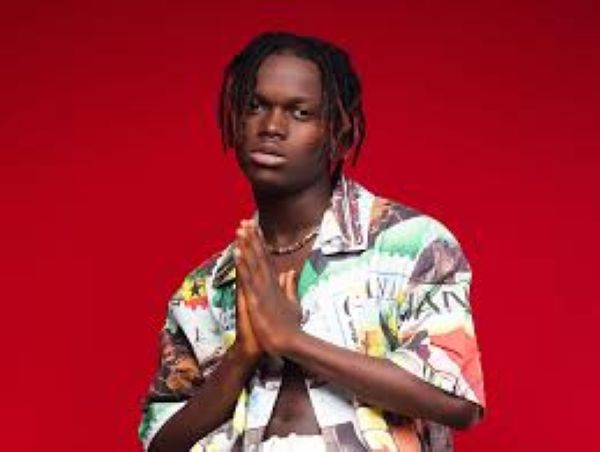
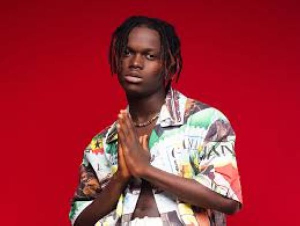
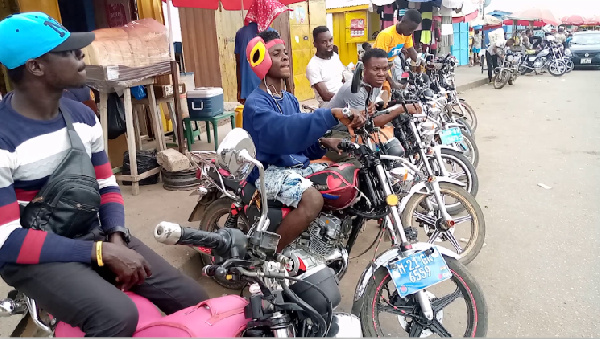


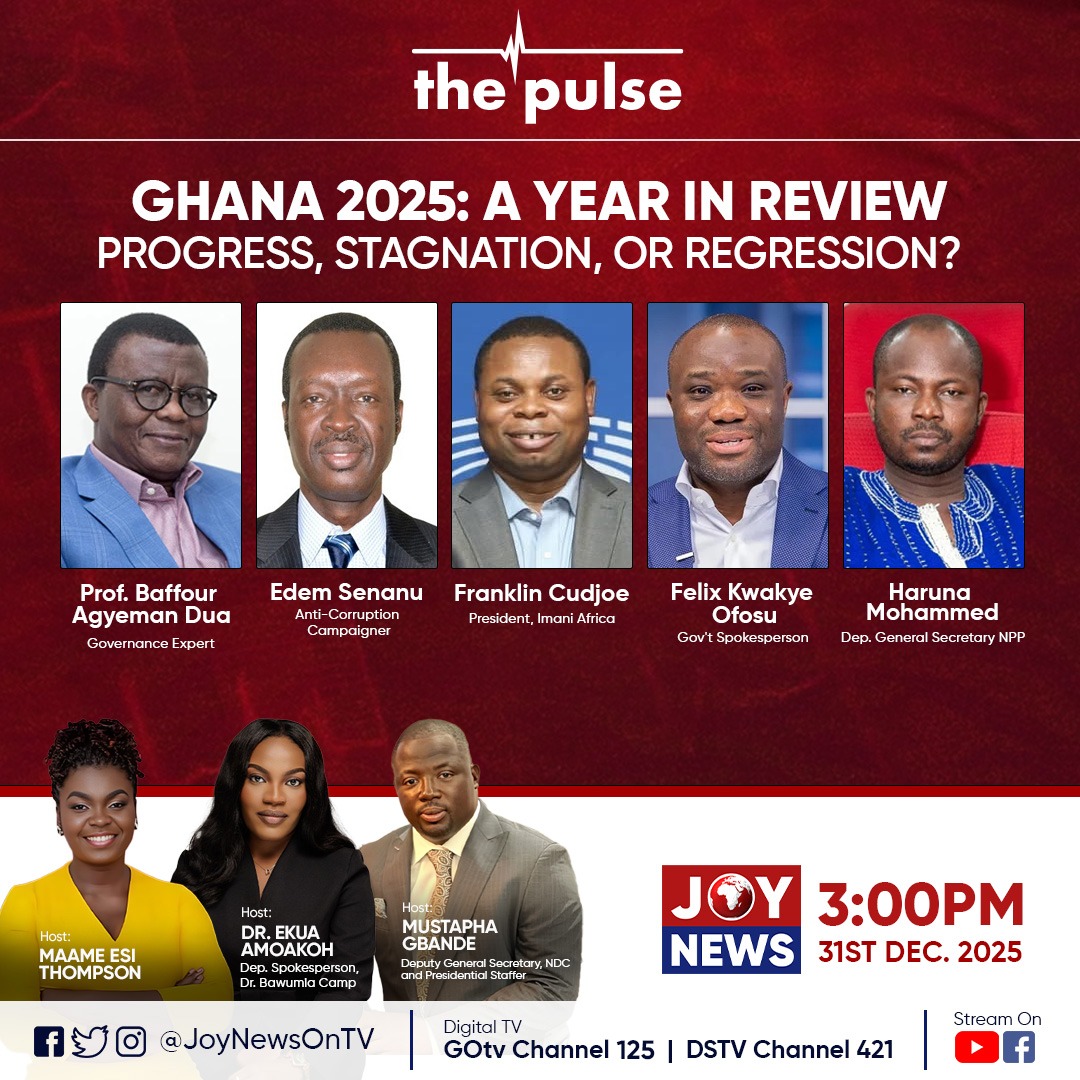
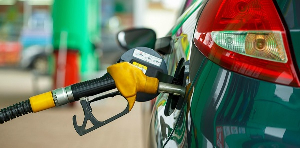

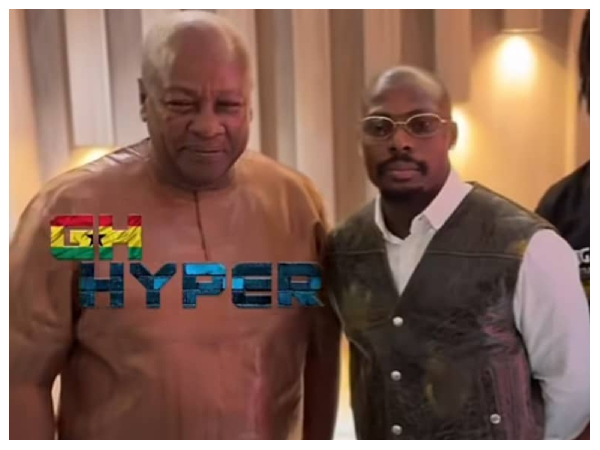





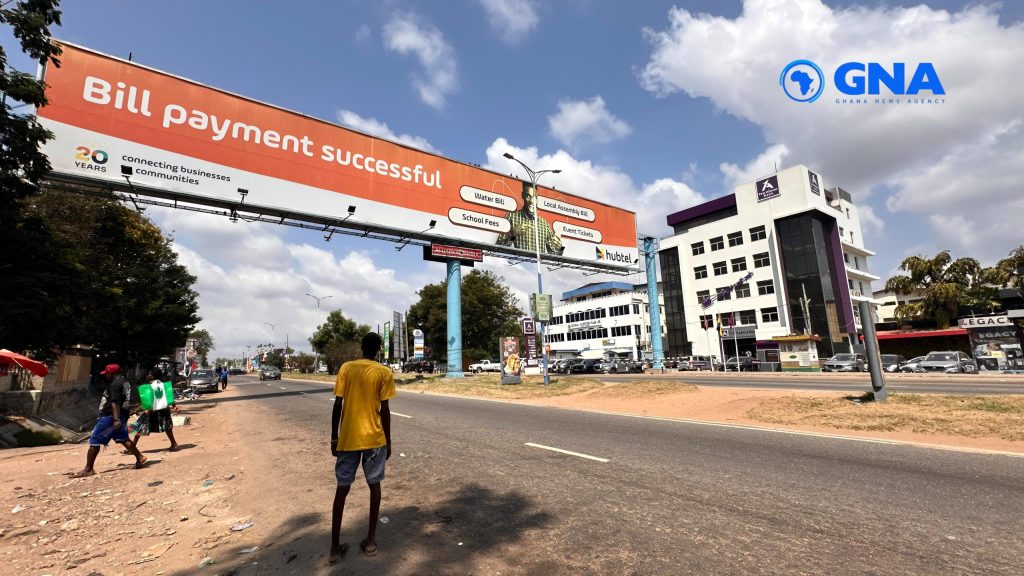
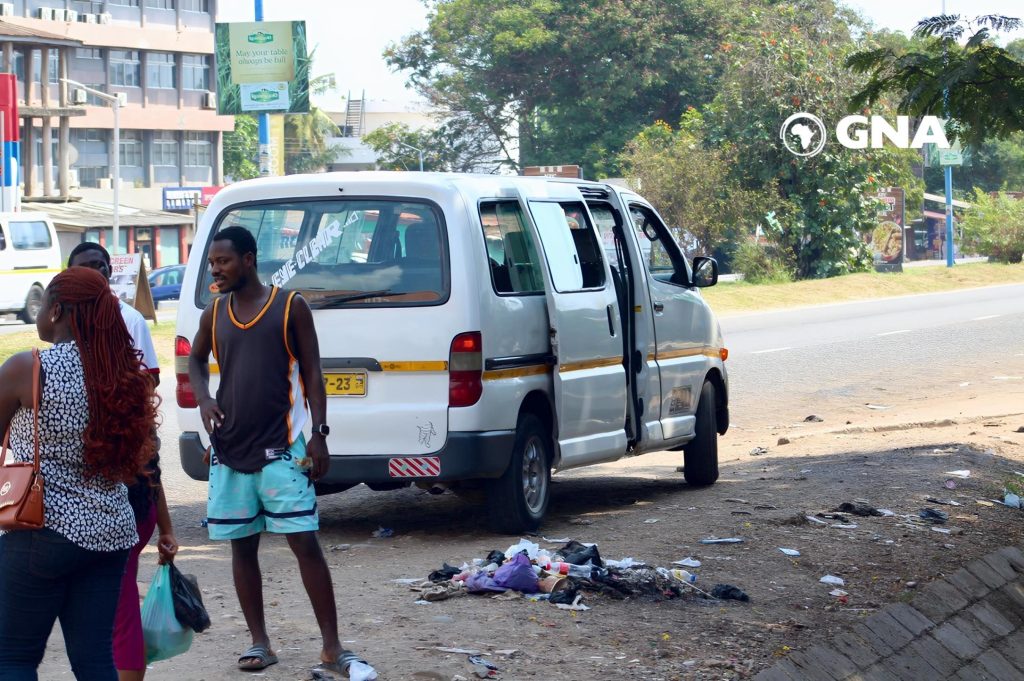

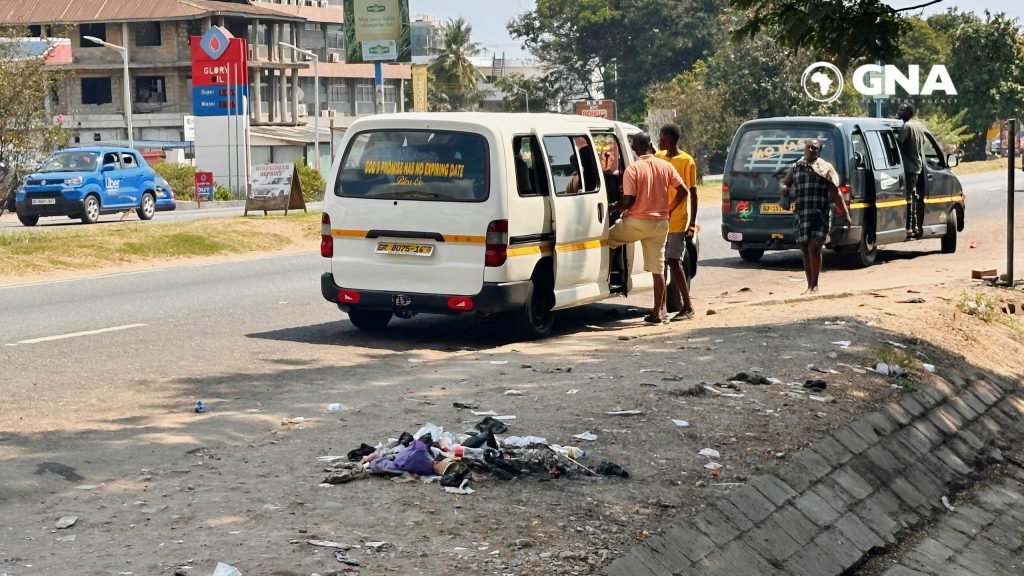


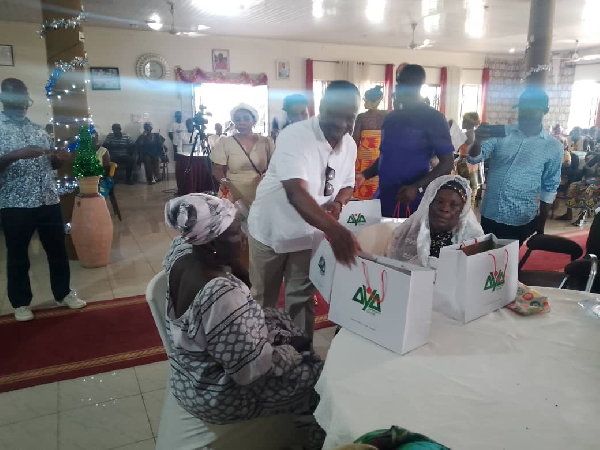


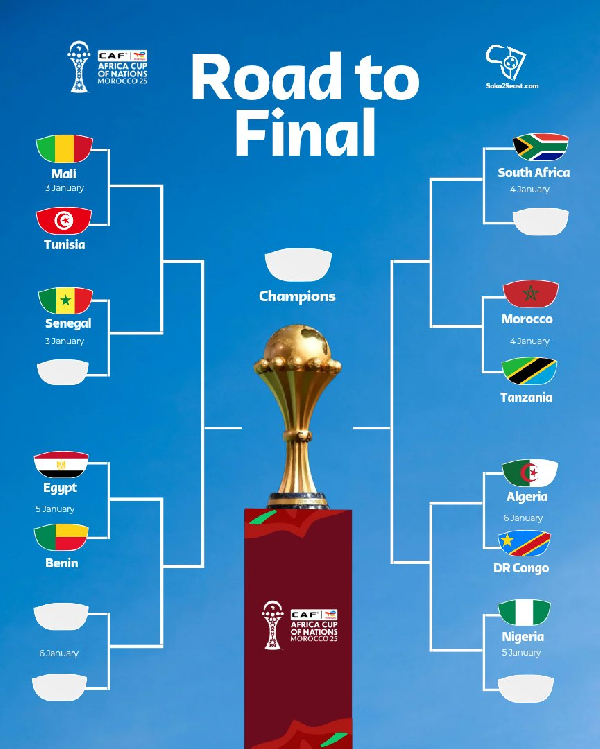


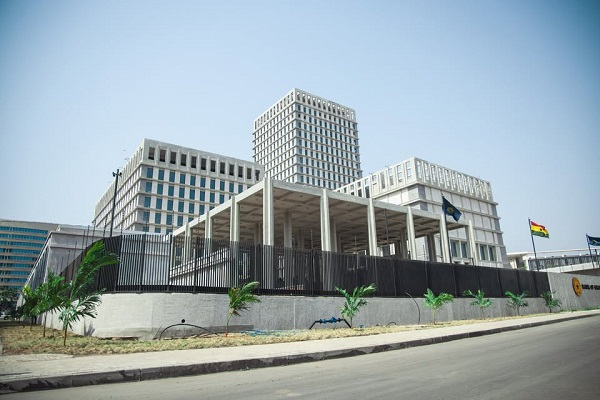

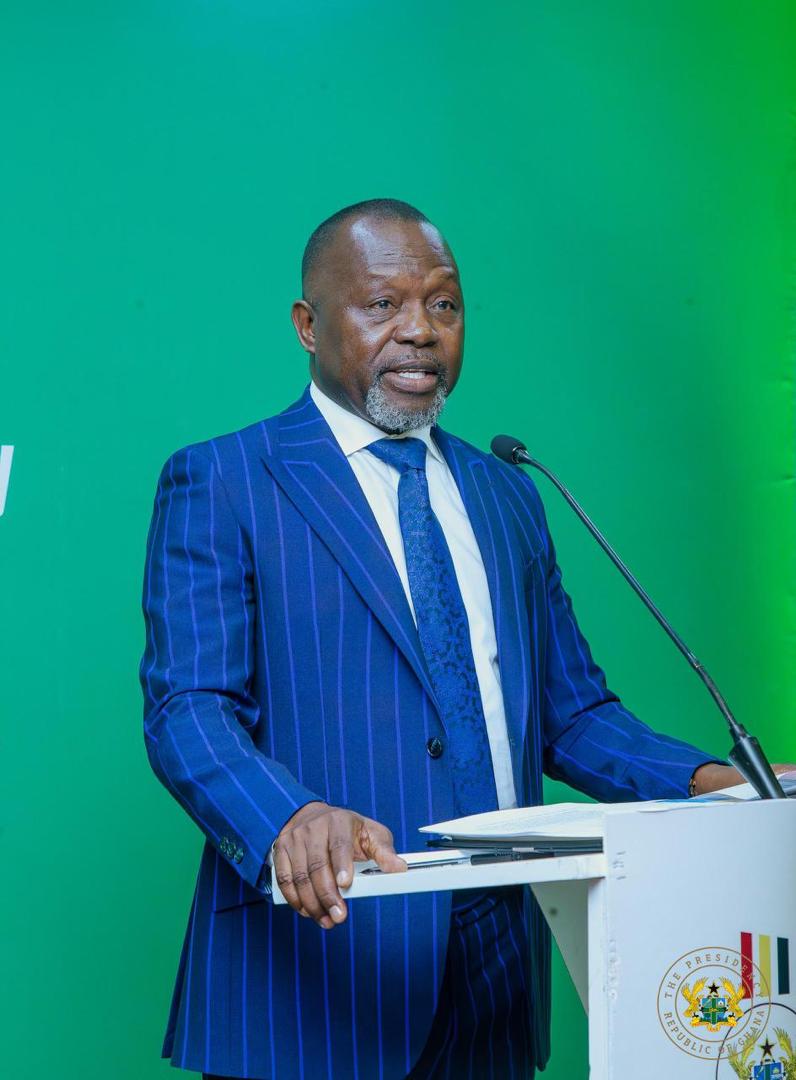
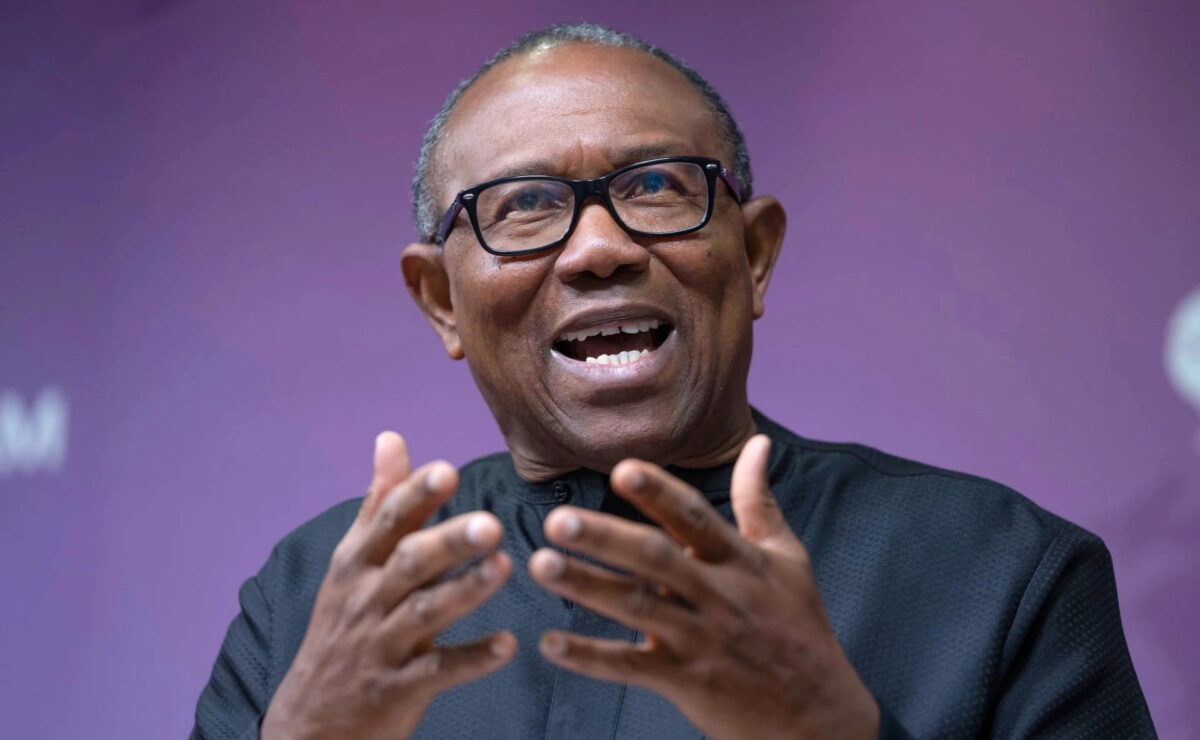

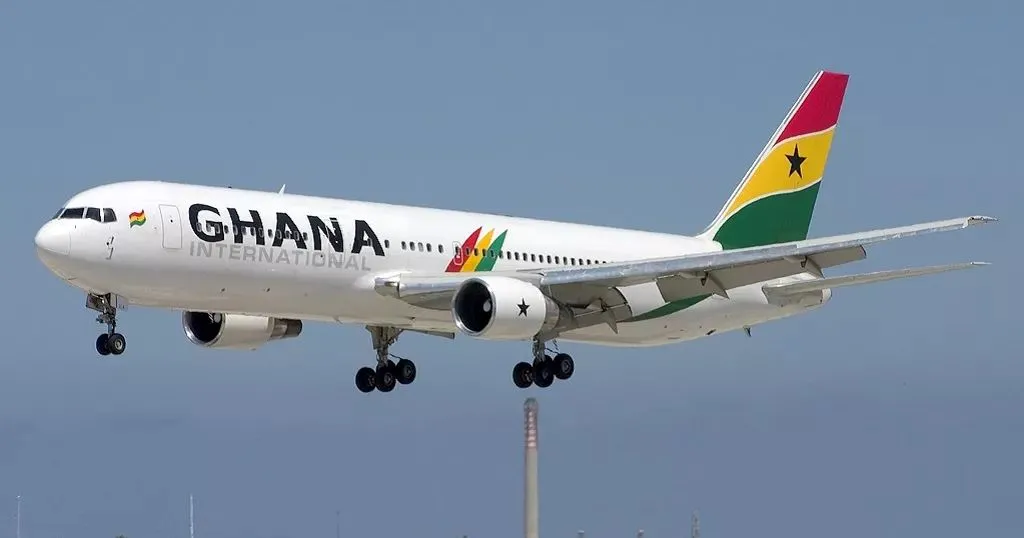

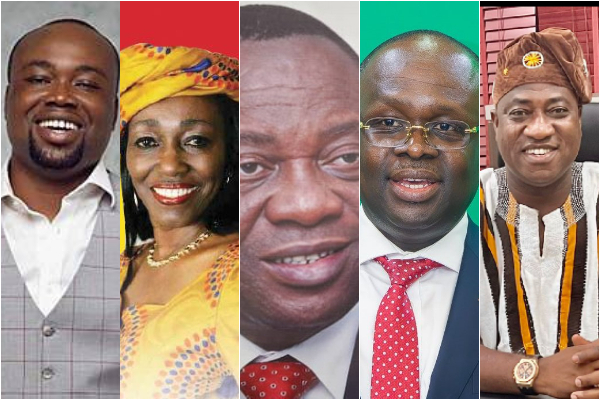


 The ceremony was attended by District Chief Executives, the Regional Coordinating Director, Regional Directors of the Controller and Accountant General’s Department and the Youth Employment Agency, Municipal Coordinating Directors, heads of security agencies, as well as religious and traditional leaders.