4 C
London
Saturday, December 27, 2025
Home Blog Page 154

Chronic underfunding, political influence undermine Ghana’s anti-corruption efforts

0

Ghana’s ability to fight corruption is being “severely weakened” by chronic underfunding of its key accountability institutions, according to the 2025 IMF Governance Diagnostic Report that warns the country’s anti-corruption architecture is approaching a breaking point.

The report conducted in September 2023 according to the IMF reveals that major institutions, including the Office of the Special Prosecutor (OSP), the Economic and Organised Office (EOCO) and the Commission on Human Rights and Administrative Justice (CHRAJ), routinely receive less than half of the budget approved for them by Parliament.

As a result, the agencies responsible for investigating corruption, prosecuting financial crimes, safeguarding public funds and protecting whistleblowers are operating without the basic resources needed to function.

The report points out that although budgetary allocations are approved annually, actual releases from the Ministry of Finance fall far below those figures — leaving institutions unable to recruit staff, maintain critical investigations, upgrade technology or conduct specialised prosecutions.

Even the OSP, established to lead high-profile corruption cases, must obtain “clearance” from the Ministry of Finance before hiring or paying its own staff, a situation the IMF describes as incompatible with operational independence.

Beyond the funding crisis, the IMF warns that Ghana’s anti-corruption framework is structurally vulnerable, describing it as “fragmented, overlapping and exposed to political influence.” This deepens the systemic weaknesses caused by underfunding and further undermines the fight against corruption.

The report identifies harmful overlaps among the OSP, EOCO and CHRAJ — three agencies that simultaneously investigate corruption-related offences but lack clear coordination protocols.

This duplication, the IMF argues, creates confusion, delays cases and allows political actors to exploit institutional gaps.

The Attorney-General’s constitutional power over all prosecutions also weakens the independence of agencies like EOCO and OSP, whose prosecutorial autonomy is more symbolic than guaranteed.

The IMF cites recent examples, including the resignation of the first Special Prosecutor and the removal of the Auditor-General, as evidence of political pressure.

Despite progress in digitalisation, access-to-information reforms and upgraded procurement laws, the IMF said these gains are overshadowed by deep structural weaknesses. Anti-corruption institutions lack the independence, funding and legal clarity to enforce the very laws Ghana has invested in.

Without decisive reforms — including guaranteed financing, mandate clarification, and insulation from political interference — the IMF warns that corruption will continue to drain public revenue, weaken investor confidence and undermine Ghana’s economic recovery.

Diversified growth pushes Ghana’s economy into expansion mode — BoG

North West wears sunglasses while with a friend in NYC after concerns about her look

0

North West was spotted out and about with a friend in New York City on Monday.

The 12-year-old nepo baby — whose parents are Kim Kardashian, 45, and Kanye West, 48 — wore a black Balenciaga jersey and oversized black shorts.

She added sizable black sunglasses, eye-popping jewelry, a black handbag, and black platform slides with silver-toned hardware.

Underneath her eyewear the high-profile internet star — who shares a TikTok account with her billionaire mother — wore makeup including brown-lined lipstick.

The tween, who is regularly criticized for her flamboyant style, wore her turquoise-streaked hair in a center part and straight pigtails that fell past her hips.

North’s accessories included a chain necklace, watch, stacked bracelets, and clunky earrings.

The oldest of Kim and Kanye’s four children, she also flaunted a long, square-shaped French manicured with black tips.

She held hands with a female friend who appeared alongside her in two TikTok clips and a photo on Monday.

The classmate, Chloe Harris, wore frilly ivory bloomers, black and white Rick Owens sneakers, and a long-sleeved white shirt.

The girls walked hand-in-hand at one point during the Manhattan outing.

It comes days after Kim was forced to respond to criticism over North’s most recent body modification — a dermal piercing on her middle finger.

As fans swarmed social media comments to call out the ‘high-risk’ body modification, she simply replied, ‘It’s okay,’ with a heart-shaped hands emoji.

Similarly, one month ago the SKIMS mogul replied to naysayers condemning temporary face tattoos and blue eye contacts her daughter sported with friends days before Halloween.

The mother-of-four wrote online, ‘This is such a non-issue,’ as she addressed concern that her daughter’s look was not age-appropriate. 


The 12-year-old nepo baby, whose parents are Kim Kardashian and Kanye West, wore a black Balenciaga jersey and oversized black shorts
West has been criticized recently for wearing tattoos and piercings but they have been
North, using her joint account with her mother, commented on a Daily Mail Australia TikTok covering the backlash, writing, 'This is such a non-issue.'
The SKIMS founder responded under a Daily Mail Australia TikTok covering the backlash, writing, ‘ This is such a non-issue’
Kim Kardashian has put one of her four children to work for her $5B company SKIMS. The 45-year-old diva from Calabasas cast her mini-me daughter North West, 12, in her new holiday SKIMS ads; the collection will be released on November 20

Fans also called out the former Keeping Up With The Kardashians star for letting her daughter wear a corset over the summer. 

Kim addressed the internet fallout while appearing on Alex Cooper’s Call Her Daddy podcast in October.

She said to host Alexandra Cooper: ‘It’s really hard and it’s really interesting because all the kids are wearing the same things.

‘But then my daughter tries to wear it and then I’m like, “Okay, we’re never wearing that again.” Unfortunately, we made that mistake in front of the whole world.’

She added about her firstborn child, ‘She’s usually a girl that that dresses like a tomboy most of the time and she wanted to try something that her friends were wearing and went to the same place that they went to… and it’s just like, okay, wait, maybe you can’t wear that, you know?’

The All’s Fair actress continued: ‘So, as a mom, you’re kind of learning at the same time. But what I do know is my baby’s such a good girl and such a sweet girl.

‘The things that she has experienced, where she might have been outspoken or [done] something, she learns from that.

‘She does listen to me but in other areas I’m like, “Babe if you want blue hair, it is what it is.” It makes her so happy. I would never take that creativity away from her.’

The Budget that saw Angels and Demons at the same time

0

LETTER TO THE CITIZENS OF UNCOMMON SENSE

Dear Citizens of Uncommon Sense,

Once again, our annual national ritual has taken place. Not Akwasidae. Not Hogbetsotso. I refer to that grand festival where our Honourables wear their best suits, sharpen their tongues, and perform economic jazz like seasoned palm-wine guitarists. Yes — The Great Parliamentary Budget Drama.

This year, the Finance Minister entered the chamber holding the 2026 Budget as if it were freshly baked communion bread. The title alone — “Resetting for Growth, Jobs & Economic Transformation” — was heavy enough to require its own seatbelt. In this Republic, the longer a budget title is, the shorter its lifespan after reading.

The moment the Minister cleared his throat, Parliament transformed into a theatre. Majority MPs adjusted their ties with the confidence of ushers at a VIP wedding. Minority MPs sharpened their eyebrows until you could use them to slice cassava. The Speaker closed his eyes briefly, perhaps whispering, “Oh Lord, if today You must take someone, please take the microphones first.”

Citizens, the Majority rose faster than your data bundles get finished. These were people spiritually prepared for praise. They clapped with techniques—two claps and a nod, three claps and a gentle smile, one clap mixed with “Hear! Hear!” For them, this budget was not a document; it was an economic deliverance service.

One MP proclaimed, “This is the staircase to Ghana’s prosperity!” Another shouted, “Inflation is tamed!” Someone added, “Growth is reset!” And a patriotic optimist declared, “We are becoming Singapore!”

The way they were testifying, I almost believed the budget contained free petrol, a bag of rice, and one month’s supply of encouragement for every household.

Then, dear citizens, the Minority rose.

Slowly. Like a lion whose nap has been disrespected.

These were not people who came to clap. Their faces carried the same look your father gives when school fees are due but your report card reads like a police caution statement. Their leader sighed — not an ordinary sigh, but the heavy sigh of a nation carrying tomatoes priced like foreign exchange.

“Honourable Speaker…” he began. “This budget…”

He paused long enough for the Majority to start sweating.

“…is a decorated empty bowl.”

Chaos.

The Majority murmured and rolled their eyes like teenagers. Another Minority MP, wearing the face of a disappointed mathematics master, said, “This is poetry. Beautiful, yes — but still poetry.” One added, “A reset without a remote. A promise without a plan. A slogan wearing agbada.” At that point, even the Speaker’s glasses felt pressure.

The Majority shouted, “You don’t love Ghana!”

The Minority replied, “We love Ghana. We just don’t love fiction.”

My dear citizens, this is why Parliament deserves Netflix rights.

Soon, they entered their favourite national sport: the Point of Order Olympics.

“Mr Speaker, he is misleading the House!”

“Mr Speaker, the budget is misleading the country!”

Withdraw! Don’t withdraw! Withdraw something — anything!

At a point, the Speaker stared into the distance like a headmaster regretting his life choices.

Meanwhile, outside Parliament, the real economy was running its own commentary.

At Kaneshie, tomatoes were still behaving like they attended a private school. Bread was rising as if it had joined a charismatic church. Transport fares were galloping like horses on Easter Monday.

A market woman shouted, “Budget? My brother, bring your money first before you talk big English.”

At Suame, a mechanic whispered, “If this budget is resetting anything, let it reset the price of spare parts.”

In a trotro, one man said, “They say inflation has dropped,” and the other replied, “Yes, it dropped — but it didn’t land here.”

Citizens, when Parliament debates graphs, the streets debate survival.

Economists then appeared on TV holding graphs resembling ECG bills. Political commentators explained fiscal policy using proverbs. WhatsApp groups flooded with “leaked budget documents” typed by the same people who think GDP is a football club.

By midday, the country had seventeen interpretations of the same document, eleven “corrected explanations,” and three conspiracy theories — one involving dwarfs and another involving Dubai.

But let me tell you the truth as your humble Correspondent-General:

A Ghanaian budget does not succeed until kenkey drops in price,

until onions calm down,

and until ECG bills stop misbehaving like toddlers in a supermarket.

When trotro drivers reduce fares without threats, that is economic transformation.

Until then, we remain in the Republic of Uncommon Sense —

where the Majority sees gold,

the Minority sees ghosts,

and the average citizen sees the same market prices staring back with disrespect.

Yes, the budget will pass. It always does.

But will it land? That, dear citizens, is the true question.

As the elders say:

“You don’t judge a farmer by the size of his cutlass, but by the size of his harvest.”

And so we wait — patiently, skeptically, and with calculators in hand — for the harvest.

Yours in patriotic bewilderment,

Jimmy Aglah
Republic of Uncommon Sense

DISCLAIMER: The Views, Comments, Opinions, Contributions and Statements made by Readers and Contributors on this platform do not necessarily represent the views or policy of Multimedia Group Limited.

DISCLAIMER: The Views, Comments, Opinions, Contributions and Statements made by Readers and Contributors on this platform do not necessarily represent the views or policy of Multimedia Group Limited.

Nana Agradaa has changed her name in prison

0

Angel Asiamah says the embattled evangelist now goes by the name Evangelist Josephine Asiamah play videoAngel Asiamah says the embattled evangelist now goes by the name Evangelist Josephine Asiamah

Evangelist Patricia Asiamah has begun a new chapter, adopting a new identity while serving time at Nsawam Female Prison, according to Angel Asiamah.

According to her husband, Angel Asiamah, the embattled evangelist, publicly known as Patricia Asiamah or Nana Agradaa, now goes by the name Evangelist Josephine Asiamah.

Speaking to the congregation of Heaven’s Way Church during a service on November 22, 2025, he explained that the new name signals a new phase in her life.

He noted that after speaking with her, he wondered why she had chosen the name Josephine but later concluded it could be connected to the biblical Joseph, who interpreted dreams for fellow prisoners.

Agradaa looks wretched and pitiful now – Osofo Biblical alleges after court appearance

“My wife told me that over there in prison, her name has been changed, so the name she responds to now is Evangelist Josephine Asiamah, also known as Mama Pat. That is a new name, so it should tell you things are new in her life. Anyone who changes their name takes on a new life.

“When I came home that evening, I wondered why she would change her name to Josephine, and I remembered it could be because she is doing the works of Joseph in prison, spreading the word of God and interpreting dreams for inmates,” he said.

Angel Asiamah also addressed claims that his wife’s physical condition had deteriorated after nearly five months behind bars.

He dismissed reports about changes in her complexion, saying it was normal for her skin tone to darken under current conditions.

“Some people were claiming she had become dark. All Black people are dark, so if she looks dark, is it news? Sometimes good living can change your complexion. She lived in comfort, staying in air-conditioned rooms 24 hours a day. But she is an African and is now living in difficult conditions, so there’s nothing wrong with her looking dark,” he said.

The televangelist was convicted on fraud charges by an Accra Circuit Court on July 3, 2025. She was sentenced to fifteen years in prison with hard labour and is currently serving her term at the Nsawam Female Prison in the Eastern Region.

Meanwhile, watch the latest episode of Nkommo Wo Ho on GhanaWeb TV below

AK/SSM

Bawumia stretches lead, projected to win 15 out of 16 regions in latest Info Analytics poll

0

Contenders in the NPP presidential primaries Contenders in the NPP presidential primaries

The latest poll by Global Info Analytics has put former Vice President Dr Mahamudu Bawumia in a commanding lead in the New Patriotic Party (NPP) presidential primaries, which are slated for January 31, 2025.

According to the survey, Dr Bawumia leads the race with about 43% of NPP delegates indicating they would vote for him.

His closest contender is the former Member of Parliament (MP) for Assin Central, Kennedy Agyapong, who garnered about 18% of the votes from delegates.

Ken was followed by the Member of Parliament for Abetifi, Dr Bryan Acheampong, for whom about 5% of the delegates said they would vote.

The poll also showed that about 19% of NPP delegates indicated that they were yet to decide on who to vote for, with about 15% opting not to disclose their votes.

Bawumia in a clear lead – Global Info Analytics polls suggest

The survey, conducted between November 17 and 21, 2025, also put the former vice president in the lead in 14 of the 16 regions of the country.

It put Dr Bawumia ahead in Ahafo, Ashanti, Bono, Bono East, Eastern, Greater Accra, North East, Northern, Oti, Savannah, Upper East, Upper West, Western, Central, and Western North regions.

Ken Agyapong has the led in only the Volta Region.

View details of the poll below:

BAI

Watch the promo to GhanaWeb’s latest documentary, which uncovers the evolution of ‘kayamata,’ an exploitative practice fueled by love charms and manipulation, titled, “The Dark Side of Kayamata,’ below:

Patrick Boamah rejects Minority Leader position

The wait is over! The GhanaWeb Excellence Awards 2025 is officially launched. Let’s celebrate impact, innovation and excellence across Ghana.

Who deserves to be honoured this year?


Nominate now 👉 https://ghanaweb.com/ghanaexcellenceawards/nominate

GoldBod CEO calls for global gold certification to tackle smuggling

0

Sammy Gyamfi is the CEO of the GoldBod Sammy Gyamfi is the CEO of the GoldBod

Chief Executive Officer of the Ghana Gold Board (GoldBod), Sammy Gyamfi, has called for an international gold certification regime to curb smuggling and strengthen responsible sourcing across the global supply chain.

He made the call while addressing industry leaders at the 2025 Dubai Precious Metals Conference held at the Atlantis Palm Jumeirah Hotel.

Delivering a detailed statement on Ghana’s transformation of its artisanal and small-scale mining (ASM) sector, Gyamfi highlighted the sector’s extraordinary contribution to Ghana’s economic turnaround in 2025.

He revealed that ASM alone produced 90 tons of gold, representing 53% of Ghana’s total gold export earnings and generating over US$9 billion in foreign exchange.

Gyamfi noted that these gains had significantly boosted Ghana’s economic indicators, including a 35% appreciation of the cedi this year, a US$2.1 billion trade surplus, reduced inflation, and a decline in government debt-servicing costs.

Ghana Battles Illegal Mining and Gold Smuggling

Despite ASM’s economic value, the CEO expressed deep concern about illegal mining activities and the environmental destruction they cause.

He stressed that “no volume of gold is worth a human life,” pledging the government’s renewed commitment to protecting rivers, forests, and communities.

Gyamfi pointed to longstanding discrepancies between Ghana’s official export figures and import data from destination countries, blaming gold smuggling and the complicity of foreign buyers.

He warned: “If you are not buying from a licensed large-scale mine, you must buy only from GoldBod. Failure to do so makes you a gold smuggler or an abettor of smuggling, and the laws of Ghana will catch up with you.”

GoldBod’s major reforms and new systems

Since its establishment in early 2025 under Act 1140, the Ghana Gold Board has introduced sweeping reforms, including:

Exclusive authority to assay, grade, value, purchase, and export ASM gold

A new transparent pricing model for miners and licensed buyers

A strengthened regulatory framework to curb smuggling

Deployment of a national aggregation system for gold collection

Licensing reforms to ensure responsible sourcing

Anti-smuggling operations leading to arrests and prosecutions

Gyamfi also announced that by 2026, GoldBod will introduce a blockchain-powered Track and Trace system to ensure full transparency and traceability of every gram of gold purchased.

Global Call to Action

The CEO urged the DMCC, OECD, LBMA, the World Gold Council, and governments worldwide to rally behind developing countries striving to formalise ASM.

He advocated for a global certification scheme for gold, similar to the Kimberley Process for diamonds, to block smuggled gold from entering legitimate supply chains.

“Gold smuggling fuels money laundering, terrorism financing, and criminal networks,” he said. “We cannot allow this menace to thrive.”

Investing in Sustainable ASM

Sammy Gyamfi outlined the government’s plans to invest in geological surveys, modern assay technology, and capacity-building for miners. Initiatives such as the Mining Support Program and the Responsible Co-operative Mining and Skills Development Program (rCOMSDEP) are geared toward improving recovery, modernising ASM, and reducing environmental impact.

He reaffirmed Ghana’s commitment to eliminating mercury and other harmful substances from ASM through modern processing technologies.

A New Future for Mining

Closing his speech, Gyamfi described ASM as a pathway to inclusive growth rather than a source of destruction.

“ASM is about uplifting communities and safeguarding our environment. At GoldBod, we are reshaping the sector into a force for economic transformation,” he said.

He expressed hope that future generations would look back with gratitude at the reforms being undertaken today.

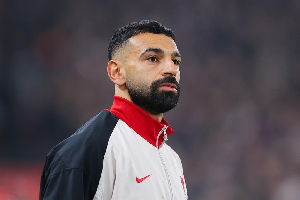
Jamie Carragher questions Mohamed Salah’s silence amid poor Liverpool form

0

Liverpool legend Jamie Carragher takes aim at Reds superstar, Mohamed Salah Liverpool legend Jamie Carragher takes aim at Reds superstar, Mohamed Salah

Jamie Carragher has called on Mohamed Salah to front up to the media amid Liverpool’s slump, like he did last season when he needed a new contract or was awarded man of the match.

The Reds suffered a 3-0 home defeat by Nottingham Forest on Saturday – a sixth loss in seven league matches – leaving the defending champions 11th, the first time in more than a decade the club have been in the bottom half of the table.

Liverpool captain Virgil van Dijk spoke to the media following the loss to Forest, but Carragher feels the defender “always” faces up after recent defeats and has called on others to step up, particularly “leader and legend” Salah.

The 33-year-old was vocal last season over his contract situation after speaking to reporters in November 2024 with his previous deal expiring, before eventually signing fresh terms in April.

But Salah’s behaviour a year ago was heavily criticised by Carragher, who branded him “selfish”, and the Sky Sports pundit believes he should be fronting up amid Liverpool’s crisis.

Carragher said on Monday Night Football: “After the Forest game, Virgil van Dijk has come out and spoken, as he should do as the captain.

“On the back of all these Liverpool defeats, it’s always Van Dijk who comes out and speaks. The captain should do that but there should be other players in that dressing room and speaking for the club.

“A year ago this weekend, Mo Salah wasn’t shy in speaking about his own situation and the club not offering him a contract. I only ever hear Salah speak when he gets man of the match or when he needs a new contract.

“I would like to see Salah as one of the leaders and legends of Liverpool come out and speak for the team.”

Salah has come under fire from various quarters for his poor form this season, with Carragher’s fellow pundit Wayne Rooney suggesting that Slot should consider dropping the Egypt international in a bid to kick-start their season.

Speaking on The Wayne Rooney Show podcast, the ex-Manchester United captain said: “If I was Slot, I’d try and make a big decision just so it has an impact on the rest of the team.

“Salah is not helping them defensively.

“If you’re one of the players who they’ve signed and you’re on the bench and you’ve seen him not running – and again he’s a club legend and everything he’s done for the club – but if you’re on the bench, then what message does that send to you?”

Who is Who? Ajagurajah and Kevin Taylor in Heated Argument

0

Who is Who? Ajagurajah and Kevin Taylor in Heated Argument

News Hub Creator1d

A heated confrontation erupted recently between social media personalities Ajagurajah and Kevin Taylor, leaving fans and followers speculating about the cause of their disagreement. The two were seen engaging in a very serious argument that escalated quickly, drawing attention across various online platforms.

Sources close to the situation suggest the conflict stems from personal differences that have been simmering over time, though neither party has publicly confirmed the details. Eyewitnesses report that the exchange was intense, with both individuals speaking passionately and at length.

Fans of both personalities have taken to social media to express their shock and concern, with many calling for reconciliation. As of now, there has been no official statement from either Ajagurajah or Kevin Taylor regarding the argument.

This incident highlights the sometimes volatile nature of online celebrity interactions and the rapid spread of news through social media channels. Observers continue to monitor the situation for any updates or further developments.

Source https://youtu.be/4gLDsf3DvLk?si=lxZlo7-v74VJHI_y

We’ll Poison All the Nkokɔ Nketenkete if Mahama Brings Them NPP Communicator; Nigerian Man Arrested

0

We’ll Poison All the Nkokɔ Nketenkete if Mahama Brings Them NPP Communicator; Nigerian Man Arrested

News Hub Creator8h

A shocking statement from a New Patriotic Party (NPP) communicator has sparked outrage and fear across political and social media platforms. The communicator allegedly warned that “all the nkokɔ nketenkete” would be poisoned if former President John Mahama attempted to bring them, prompting swift action from law enforcement. The story has already drawn over 3,300 views within 13 hours.

Details emerging from security sources indicate that the statement was made in a heated political context, reportedly during discussions surrounding party mobilization ahead of upcoming elections. Law enforcement authorities say the warning was taken seriously due to its potential threat to public safety, leading to the arrest of a Nigerian man allegedly linked to the statement.

The arrest has generated widespread discussion online, with citizens expressing shock over the extremity of the claim. Some commentators argue that the statement highlights rising political tensions and the dangers of inflammatory rhetoric, particularly when it intersects with issues of public security. Others have called for a thorough investigation to determine whether the remark constitutes a credible threat or was mere hyperbole.

Political analysts note that the incident underscores the volatile nature of political discourse in Ghana, especially during election periods when emotions run high. They warn that such statements, if left unchecked, could escalate into violence or deepen divisions between party supporters.

Meanwhile, law enforcement authorities are reportedly interrogating the suspect to establish the full context of the threat and determine if there are others involved. The NPP communicator linked to the comment has not yet publicly clarified or retracted the statement, leaving many observers calling for accountability and measured political engagement.

As the situation develops, the public and political stakeholders are closely watching the response from both the authorities and the NPP leadership, with many emphasizing the importance of ensuring that political rivalry does not cross the line into threats against human life.

Source

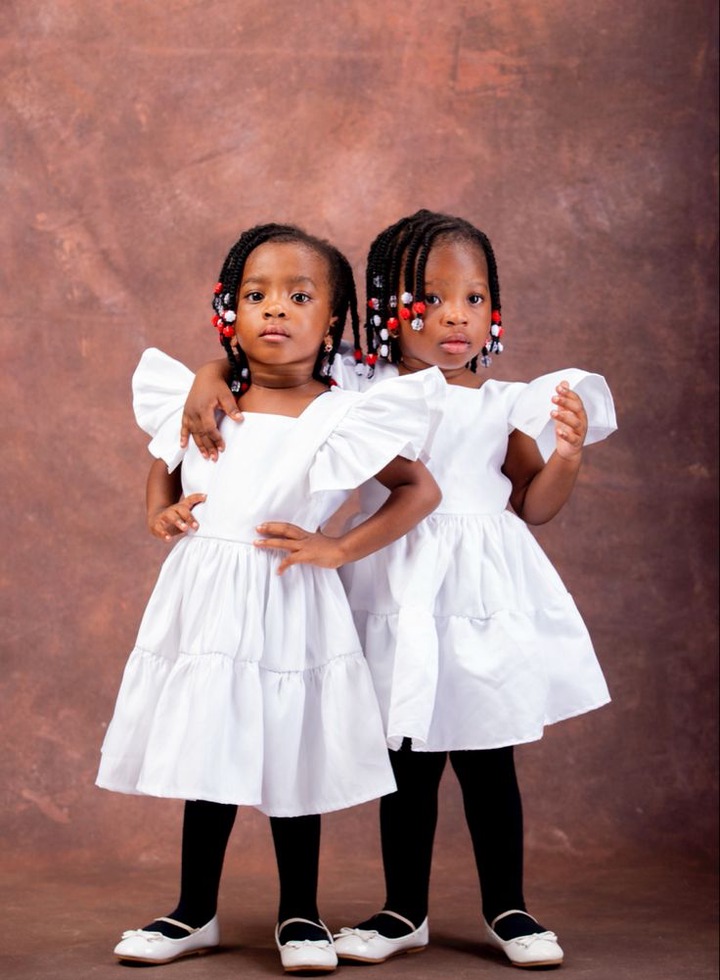
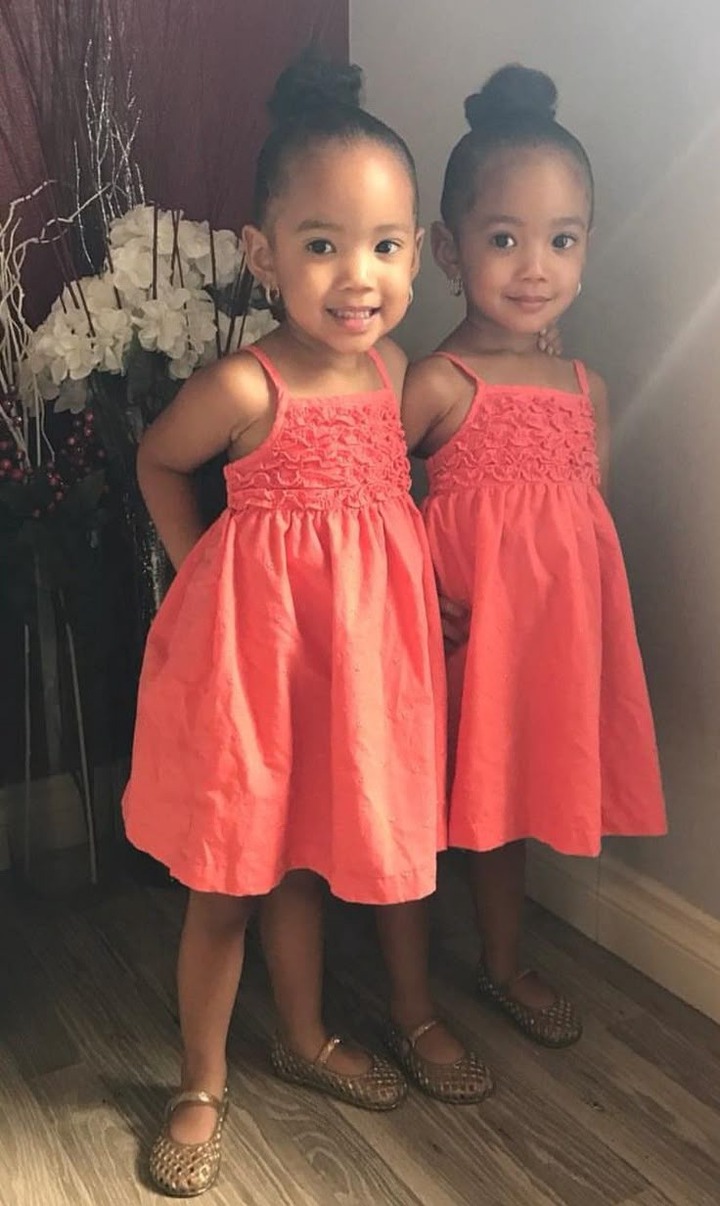
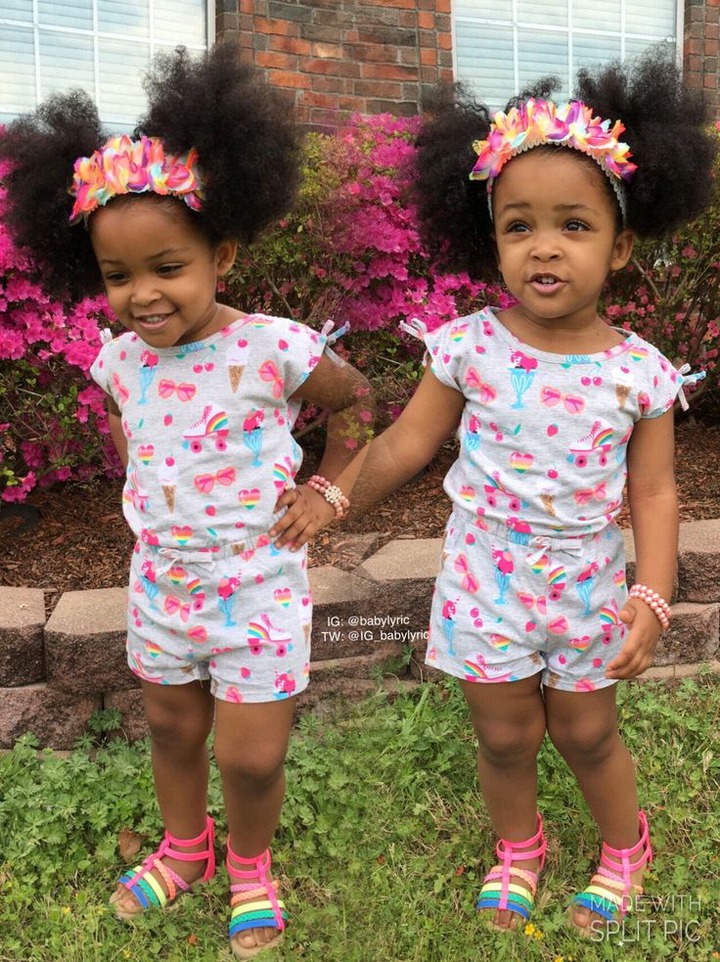
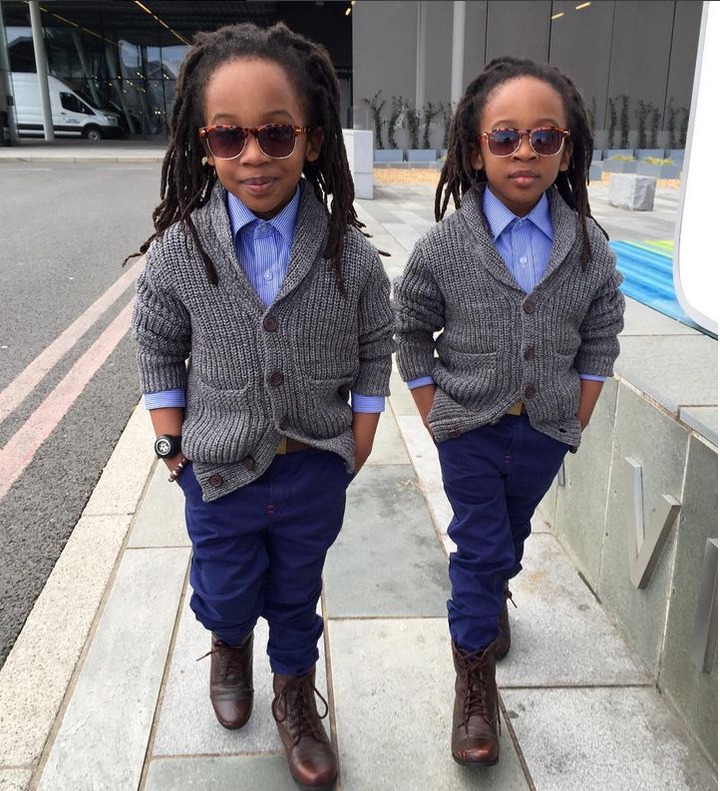
Twin Boys and Girls Native Attire: Celebrating Culture and Style

0

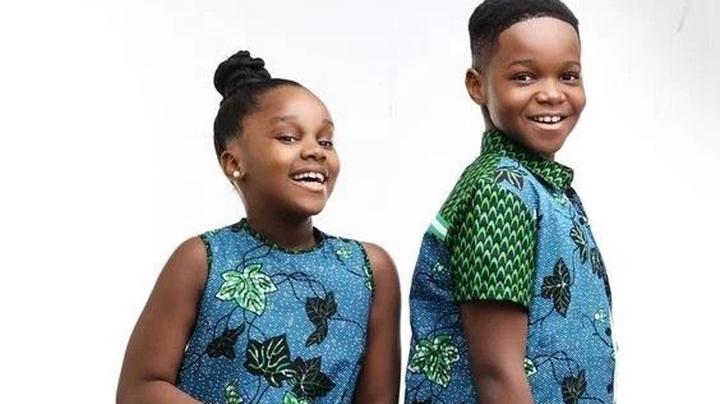
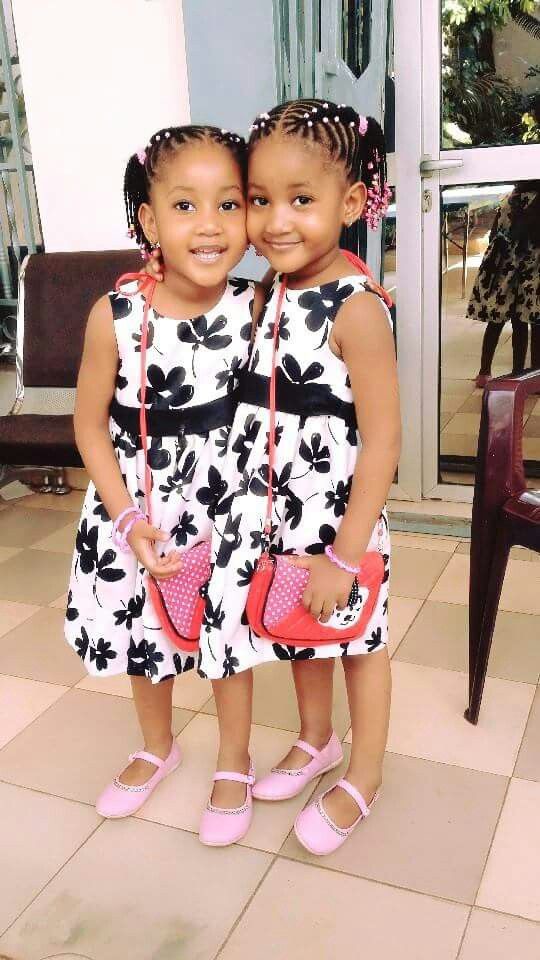
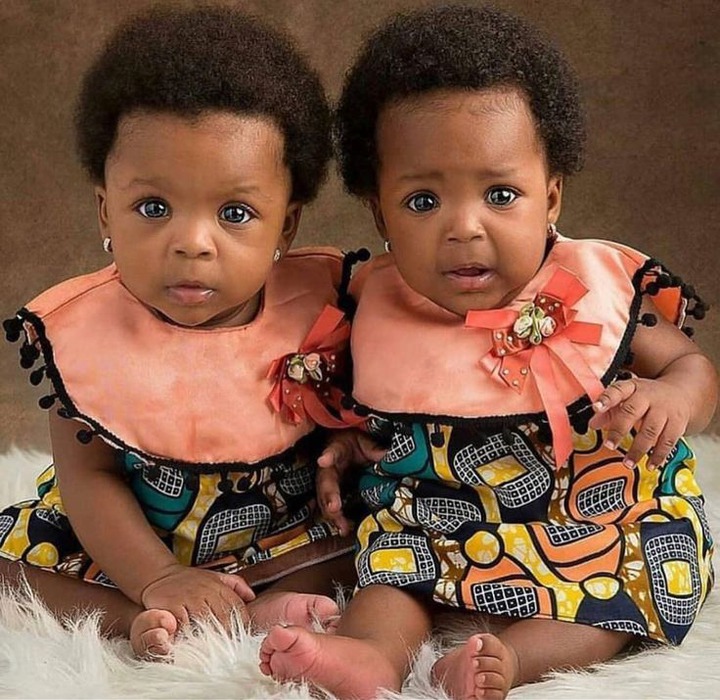
Africa’s rich and diverse cultural heritage is beautifully reflected in its traditional clothing. For families with twins, choosing outfits that celebrate this cultural richness while highlighting the unique bond between siblings can be a joyous occasion. Twins boy and girl Africa dresses offer the perfect blend of tradition, color, and style, creating a beautiful harmony between the siblings while honoring African customs and fashion.

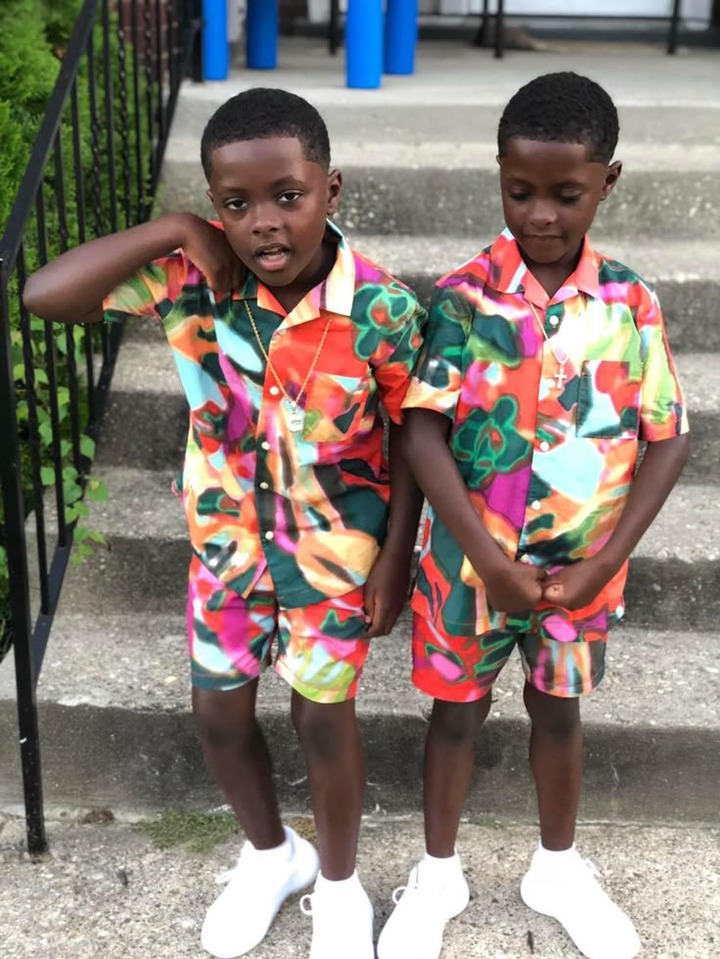
For the boy, African-inspired dresses typically feature vibrant fabrics such as Ankara, Kente, or Dashiki, which are known for their bold, colorful patterns. A traditional African outfit for boys might include a loose-fitting shirt or tunic with intricate patterns, paired with trousers or shorts. These outfits not only showcase the bright, lively colors of Africa but also reflect the pride and strength of African heritage. Sometimes, these outfits include embroidered designs or beadwork, adding a touch of luxury and elegance.

For the girl, the African dresses are equally stunning, often incorporating the same vibrant fabrics and patterns. A typical outfit for a twin girl might feature a beautifully tailored dress with puffy sleeves or a flowy skirt, designed with the same rich patterns and colors that reflect African culture. Accessories such as headwraps, beaded jewelry, and sandals add the perfect finishing touches to complete the look. The elegance of these dresses creates a sense of pride, representing the wearer’s roots and identity.

What makes these twin outfits even more special is how they are designed to complement one another. The boy and girl can wear coordinated outfits that share similar patterns or colors, creating a cohesive and visually stunning look for both. These dresses not only celebrate African culture but also emphasize the bond between twins—two individuals who, while different in gender, share a deep connection.

In addition to their cultural significance, African-inspired twin dresses are versatile and perfect for a variety of occasions. Whether for a family gathering, a cultural event, or a celebration like a birthday, these dresses bring a sense of pride and unity. As African fashion continues to make a global impact, the use of traditional fabrics and patterns in twin boy and girl dresses ensures that the beauty and heritage of Africa will always be celebrated, no matter where in the world they are worn.

Save Essipon Stadium! Minister calls for urgent rescue mission

0

The Minister of Sports and Recreation, Kofi Iddie Adams, has issued a stark warning about the rapidly deteriorating state of the Sekondi Sports Stadium at Essipon, calling for urgent and decisive intervention to rescue what he described as a national asset on the brink of collapse.

According to him, the level of decay at the 20,000-seater facility is “alarming and unacceptable” for a country with Ghana’s sporting ambitions, and immediate action was required to halt further deterioration.


Mr Adams’ concerns followed an inspection tour of the stadium last Friday, accompanied by the Chief Director of the ministry, Mrs Wilhelmina Asamoah, and the Director-General of the National Sports Authority (NSA), Yaw Ampofo Ankrah.


The delegation was confronted with stark evidence of prolonged neglect: corroded structures, failing components, and large sections of

the stadium visibly deteriorating, all underscoring the lack of substantial rehabilitation since it was constructed 16 years ago for the 2008 Africa Cup of Nations (AFCON). 


The extent of disrepair now raises serious questions about the facility’s safety, sustainability, and capacity to host high-profile sporting events. 


Encroachers on stadium lands


One of the most troubling developments observed during the visit was the encroachment on parts of the stadium’s land by private developers. 


Unauthorised structures have sprung up around the facility, posing a major threat to future expansion and the development of essential auxiliary installations.


Mr Adams described the situation as “deeply worrying” and called for the immediate intervention of the Western Regional Coordinating Council and traditional authorities.


“We cannot rehabilitate Essipon while private developers are taking over the land,” he warned. “I urge the Regional Coordinating Council and our chiefs to act swiftly to protect this national asset.”


Rehabilitation works lag 


The inspection also revealed that progress on the Phase I and II rehabilitation works has been significantly slower than expected. 


These phases include re-roofing with anti-rust materials, replacing spectator seats, refurbishing washrooms, installing air conditioning systems, fitting sunglasses, upgrading lighting systems, and installing a new electronic scoreboard.


However, substantial aspects of then stadium remain untouched. The ministry plans a further round of improvements, including a refurbished playing pitch, modernised public address system, enhanced corporate boxes, improved hostel facilities, tighter security zones, and upgraded dressing rooms, to fully restore the stadium’s capacity to host major sporting events.


Funding and media advocacy


Mr Adams reiterated the need for dedicated and sustained funding for sports infrastructure nationwide. He appealed to the media to support efforts to raise resources through the National Sports Development Fund, emphasising President John Dramani Mahama’s commitment to revitalising the sector.


“Sports infrastructure cannot maintain itself,” he stressed. “We need collective support to bring facilities like Essipon back to life.”


Although the minister expressed satisfaction with the quality of work completed so far, he was unequivocal about the need for speed.


“The progress is too slow,” he said. “We must accelerate the work to ensure Essipon becomes fully functional as soon as possible. 


The government is committed to restoring this facility for the people of the Western Region and for Ghana.”


The minister assured the public that urgent measures will be taken to return the stadium to operation and reaffirmed the government’s pledge to rejuvenate sports infrastructure across the country.

Fitch projects policy rate drop to 16.5% by 2026

0

Fitch Solutions is forecasting that the Bank of Ghana (BoG) will cut its monetary policy rate to 16.50% by the end of 2026, supported by continued currency stability and a steady decline in inflation.

Speaking at the 2026 PricewaterhouseCoopers (PwC) Post-Budget Forum in Accra, Mike Kruiniger, Assistant Director at Fitch Solutions, noted that Ghana’s strengthening macroeconomic environment provides scope for further monetary easing in the coming year.

He highlighted that the BoG has already initiated an aggressive easing cycle.

“Rates have remained elevated, but the Bank of Ghana launched a decisive easing cycle this summer, cutting by 650 basis points so far — the fastest monetary easing cycle globally this year,” he said.

Kruiniger added that with inflation now back within the central bank’s target band—supported by robust foreign exchange inflows and a relatively stable currency—Fitch expects the benchmark policy rate to be gradually reduced to 16.50% by the end of 2026.

“While monetary transmission takes time, we anticipate a clear pickup in private-sector credit demand over the coming quarters, following nearly three years of weakness”, he noted.

Meanwhile, Fitch Solutions has predicted robust economic growth for Ghana in 2026, projecting that the country will outperform many of its emerging-market peers. The UK-based research firm attributes this outlook to Ghana’s solid macroeconomic performance in 2025 and expects the momentum to extend into next year.

“We see the 2026 budget as broadly supportive of growth, and this aligns with our forecast that Ghana’s real GDP growth will rise from an already strong 5.8% in 2025 to 5.9% in 2026. Continued strong economic performance will be driven by private consumption and an ongoing recovery in fixed investment, which is rebounding from the sharp contraction recorded in 2023″, Kruiniger added.

However, Kruiniger cautioned that the escalating Islamist insurgency in the Sahel poses a significant risk to Ghana’s economic outlook heading into 2026. He explained that persistent instability in the region could lead to security spillovers with implications for Ghana’s investment climate, fiscal health, and broader macroeconomic stability.

He further noted that Ghana may be compelled to increase military spending to safeguard the economy from potential shocks.

‘They drank and smoke all that goes with it for four days’ – Ned Nwoko accuses Regina Daniels’ family

0

Senator Ned Nwoko has alleged that the police once arrested some relatives of his wife, Nollywood actress Regina Daniels, after she instigated a commotion at a hotel in Abuja. Speaking at a recent hangout of the Kay Hikers Club, a social group for young people, the senator representing Delta North recounted how Daniels called him during a dispute involving hotel owners and a guest…..TAP TO CONTINUE READING

Ghana Health Service receives 486 motorcycles to strengthen community health delivery

0

The Ghana Health Service (GHS) has received 486 new motorcycles to support Community-based Health Planning and Services (CHPS) operations across 10 regions.

The motorbikes were procured by the UN Office for Project Services (UNOPS) with funding from the Global Fund as part of efforts to improve healthcare in high-burden districts.

The handover ceremony formed part of the Sub-District Strengthening Initiative, a programme aimed at boosting primary healthcare delivery at the community level.

Presenting the motorcycles, Acting Head of UNOPS Ghana, Ms. Linda Agbesi, reaffirmed her organisation’s commitment to helping strengthen Ghana’s health systems.

Speaking on behalf of the Acting Director-General of GHS, the Acting Deputy Director-General, Dr. Caroline Reindorf-Amissah, described the support as crucial.

She explained that investments under the Resilient Systems for Sustainable Health framework play a vital role in advancing universal health coverage.

Dr. Reindorf-Amissah noted that the CHPS model remains Ghana’s most effective strategy for bringing essential health services closer to communities.

She said the new motorcycles will help health workers improve home visits, community outreach, emergency referrals and HIV, TB and malaria services.

She added that GHS will soon receive more medical equipment, including diagnostic tools, obstetric kits and infection-prevention supplies.

These items, she said, will address long-standing gaps in CHPS facilities and help strengthen both preventive and curative services.

Receiving the motorcycles on behalf of the beneficiary regions, the Acting Greater Accra Regional Health Director, Dr. Robert Amesiya, thanked the Global Fund and UNOPS for the support.

He assured them that the motorbikes will be used effectively to enhance health service delivery.

The ceremony was attended by senior officials from the GHS Headquarters, the Greater Accra Regional Health Directorate and UNOPS Ghana.

By: Jacob Aggrey

‘A public school cannot privilege one religion over others’ – Azar tackles AG Ayine

0

Prof. Stephen Kwaku Asare (L) challenges AG Dominic’s defence of Wesley Girls’ SHS hijab ban Prof. Stephen Kwaku Asare (L) challenges AG Dominic’s defence of Wesley Girls’ SHS hijab ban

Renowned US-based Ghanaian lawyer and scholar, Prof Stephen Kwaku Asare, has challenged a reported assertion by the Attorney General and Minister of Justice, Dr Dominic Akuritinga Ayine, that Wesley Girls’ Senior High School did nothing wrong by barring its Muslim student from wearing hijab and fasting during Ramadan.

In a post shared on Facebook on November 15, 2025, Prof Kwaku Asare, who is widely known as Kwaku Azar, refuted assertions that Wesley Girls’ had every right to impose the teachings of the Methodist Church on its students.

He argued that the school is a public entity and cannot implement policies that are discriminatory in nature, adding that such “heritage and doctrines” do not conform to the 1992 Constitution of Ghana.

“Wesley Girls is no longer a Methodist private school. It is a public school, fully under the Government of Ghana. And once a school becomes public, the Constitution takes the front seat, not denominational tradition.

“A public school cannot: privilege one religion over others; suppress the practices of minority faiths; or enforce rules rooted in a specific religious doctrine against students who do not share that faith. That would violate Articles 17 (non-discrimination), 21(1)(c) (freedom of religion), and Article 12 (rights guaranteed to ALL persons).”

He added, “Our mission schools did not become great because they suppressed diversity. They became great because they embraced discipline, excellence, and respect for every child who walked through their gates. So if we want to invoke ‘tradition,’ let’s invoke the traditions of tolerance, dignity, and of allowing every student – Christian, Muslim, traditionalist, or none – to feel safe and valued.”

AG justifies Wesley Girls’ religious policies in response to Supreme Court suit

What Dr Ayine reportedly said:

The Attorney General filed a formal response to a Supreme Court suit challenging what plaintiffs describe as discriminatory religious policies at Wesley Girls’ Senior High School.

In his response, the Attorney General dismissed claims that the school is acting unlawfully, insisting that Wesley Girls’ SHS, founded and operated by the Methodist Church of Ghana, is permitted to enforce rules consistent with its Methodist principles.

According to a report by adomonline.com on November 24, 2025, he argued that the school’s faith-based identity grants it the authority to establish standards on religious conduct within the school environment, even where such standards limit the expression of other religious practices.

The suit was filed on December 24, 2024, by private legal practitioner Shafic Osman under the Supreme Court’s original jurisdiction, invoking Articles 2(1)(b) and 130(1)(a) of the 1992 Constitution.

It centres on allegations that Muslim students are barred from wearing the hijab, fasting during Ramadan, and observing other Islamic rites — actions the plaintiff says violate constitutional guarantees of freedom of religion.

The plaintiff is seeking multiple declarations, including a ruling that the school’s policy of compelling students to practise a compulsory school religion in a public institution contravenes Articles 21(1)(b)(c) and 26 of the 1992 Constitution.

He further contends that the restrictions conflict with international human rights standards recognised under Article 33(5).

In addition to the declarations, the plaintiff wants the court to direct the Ghana Education Service to develop constitutional guidelines to regulate religious practices across all public schools.

BAI

Watch the promo to GhanaWeb’s latest documentary, which uncovers the evolution of ‘kayamata,’ an exploitative practice fueled by love charms and manipulation, titled, “The Dark Side of Kayamata,’ below:

Patrick Boamah rejects Minority Leader position

The wait is over! The GhanaWeb Excellence Awards 2025 is officially launched. Let’s celebrate impact, innovation and excellence across Ghana.

Who deserves to be honoured this year?


Nominate now 👉 https://ghanaweb.com/ghanaexcellenceawards/nominate

Tax and utility pressures still affect businesses despite rising confidence – BoG governor

0

Dr Johnson Asiama is the Governor of the Bank of Ghana Dr Johnson Asiama is the Governor of the Bank of Ghana

Governor of the Bank of Ghana (BoG), Dr Johnson Asiama, says Ghana is moving into what could be a long stretch of price stability, even though businesses continue to struggle with taxes, utility costs, and high lending rates.

Speaking at the opening of the 127th Monetary Policy Committee (MPC) meeting in Accra on Monday, November 24, Dr Asiama noted that the growth of money supply has slowed sharply, helping to stabilise inflation.

He explained that real interest rates remain elevated, providing space for a gradual and cautious reduction in policy rates. Inflation, he added, is expected to fall between 4–6% by the end of the year and remain within the target range in 2026.

While Ghana’s progress is encouraging, the Governor warned that the global environment remains uncertain, with risks linked to commodity prices, geopolitical tensions, and tighter external financial markets.

He stressed that, on the domestic front, many firms continue to feel the pinch of persistent tax obligations, rising utility tariffs, and increasing credit costs—factors that still drag on business performance despite a broad improvement in sentiment.

For this quarter’s MPC discussions, Dr Asiama highlighted three priority areas:

The Path of Disinflation and Real Interest Rates: He explained that inflation is falling faster than earlier projected, causing real interest rates to rise. Although the data points to room for easing, he emphasised the importance of maintaining credibility and safeguarding the progress made in reducing inflation.

Foreign Exchange Market Reforms and Reserve Strategy: According to him, the revised FX operations framework has boosted transparency and improved market efficiency.

However, he noted the need for more public education and diversification of reserve assets to minimise concentration risks, especially those linked to gold holdings.

Financial Sector Stability and Credit Transmission: Dr Asiama reported that the banking system is generally stable, but a few institutions still face asset quality and recapitalisation challenges.

Strengthening the credit channel, he said, is crucial for sustaining Ghana’s ongoing growth rebound.

He pointed out that economic activity this quarter has been stronger than anticipated. The first six months of the year delivered 6.3% GDP growth, fuelled by strong performances in services and agriculture, while non-oil GDP expanded by 7.8%.

High-frequency indicators reinforce this trend, with the Composite Index of Economic Activity rising by about 9%, and confidence levels among consumers and businesses remaining upbeat.

These developments, he said, indicate that the economy’s negative output gap is closing and that Ghana is steadily transitioning from recovery to expansion.

Dr Asiama attributed this progress to continuous fiscal discipline, a prudent but firm monetary policy stance, and key structural reforms, such as improvements to the FX framework and efforts to rebuild external reserves.

He added that the 2026 Budget maintains this discipline and places job creation and economic expansion at the forefront.

My ‘mo Kwame Nkrumah’ comment was totally misunderstood – NAPO

0


The running mate to Dr Mahamudu Bawumia in the 2024 election, Dr Matthew Opoku Prempeh, says his controversial “mo Kwame Nkrumah” remark was taken out of context and completely misunderstood.

Speaking on Joy News’ PM Express on Tuesday, the former Manhyia South MP insisted that the public outrage that followed the comment did not reflect his intent.

Dr Opoku Prempeh, aka NAPO, said the statement was made in a specific political moment and should not have been interpreted as an attack on Ghana’s first President.

“At that time, you can’t go into the evidence, so I made a statement ‘mo Kwame Nkrumah’, and I subsequently had to go to Nkroful and speak to the Chiefs there and explain the contest in which the statement was made,” he said.

He explained that political communication can be easily distorted and that leaders must take responsibility when their words create confusion.

“Because in politics, if somebody misunderstands, misquotes, or you allow your communication to be misread or to be misunderstood, you have to own it. So I owned it, and that is why I issued the statement,” he said.

Dr. Opoku Prempeh compared his remark to football banter to underscore that he was not attacking Kwame Nkrumah.

“Not that the context was wrong. I’m a die-hard fan of Kumasi Asante Kotoko. So if I’m teasing Olympic supporters and I said ‘mo Oly fuo no’, I’m not really insulting Olympic fans. I’m just upping Kotoko fuo because I am one of them,” he explained.

He maintained that the Nkrumah reference had been “totally misunderstood”.

The NPP running mate acknowledged the strong reaction that followed.

“It generated a lot of uproar. Nkrumahists got furious, and I apologise to them,” he said. But he urged critics to reflect on Nkrumah’s own writings.

“They should go and read Kwame Nkrumah’s Last Days from Guinea and look at how he described his own Convention People’s Party (CPP). He said the CPP was dead. That’s Nkrumah’s own writing, so we don’t say these things out of lack of respect. You know me. I have friends everywhere,” he noted.

Dr. Opoku Prempeh’s comment in July 2024—stating that no president, including Kwame Nkrumah, had outperformed President Akufo-Addo—triggered widespread backlash when he was unveiled as the New Patriotic Party’s running mate.

Critics, including the Convention People’s Party, described his remark as disrespectful. The episode reignited concerns about what many opponents have called his “arrogant” public posture.

On PM Express, however, Dr Opoku Prempeh insisted that the debate was driven by misinterpretation rather than intent.

He stressed that the statement was political rhetoric, not an attack on Ghana’s founding leader.

DISCLAIMER: The Views, Comments, Opinions, Contributions and Statements made by Readers and Contributors on this platform do not necessarily represent the views or policy of Multimedia Group Limited.

DISCLAIMER: The Views, Comments, Opinions, Contributions and Statements made by Readers and Contributors on this platform do not necessarily represent the views or policy of Multimedia Group Limited.

Group to march to Jubilee House to demand Kissi Agyebeng’s removal

0

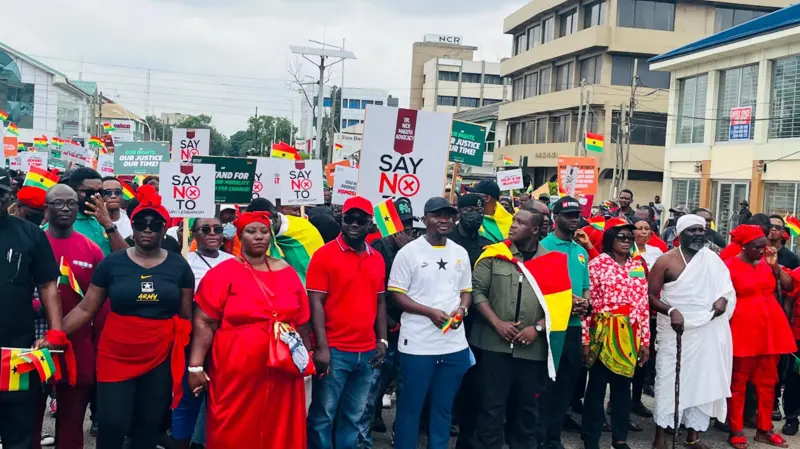
A group of Ghanaians is expected to stage a protest on Tuesday, November 25, 2025, calling for the removal of Special Prosecutor Kissi Agyebeng over what the group describes as his failure to fulfil his mandate.

On Monday, November 24, Apostle Abraham Larbi Lincoln, the Lead Convener of the demonstration, said the group believes President John Dramani Mahama should terminate the Special Prosecutor’s appointment.

He noted that the protest, themed “Agro Ne Fom,” aims to highlight what the group sees as inefficiency at the Office of the Special Prosecutor.

“We will be in our reds, and we will be there to present our case. If he doesn’t listen, then we know the kind of person he is. We are marching straight to the Jubilee House, and we will petition the President,” he said.

Apostle Lincoln added that the group does not hate Mr. Agyebeng but wants the office either reformed or dissolved entirely, with all staff removed.

Meanwhile, private legal practitioner Martin Kpebu has disclosed that 15 separate petitions have been submitted seeking the Special Prosecutor’s removal, suggesting deepening public dissatisfaction.

“As we speak now, there are 15 petitions to remove Kissi Agyebeng. When was the last time you heard of other persons subject to Article 146 proceedings ever having 15 petitions filed against them? That tells you that there is something wrong,” Mr. Kpebu stated.

The protest will end with the submission of a formal petition to President Mahama at the Jubilee House.

OSP and AG must cooperate, avoid tension – Inusah Fuseini

Crypto and the Ghanaian youth: Demystifying blockchain and unlocking financial freedom through …

0

Ghana’s crypto growth is accelerating rapidly and a major force behind this momentum is Ghana’s youth, who are active participants and contributors to the growth of the nation’s crypto ecosystem. Young people are turning to digital assets for a variety of reasons: the search for new economic opportunities, dissatisfaction with traditional financial systems, the desire for faster and cheaper cross-border payments and increasing exposure to global digital-finance trends.

Key drivers of this growth include Binance, the world’s largest cryptocurrency exchange by volume, which has played a pivotal role in advancing blockchain adoption in Ghana. Larry Cooke from Binance Africa, through a Q&A highlights how blockchain and cryptocurrency are empowering Ghana’s youth, leaders of Africa’s digital revolution, by offering accessible education, secure platforms, and practical tools that demystify crypto and open new doors to financial independence.


Q: What role does education play in demystifying blockchain across Ghana?

A: Education is key to helping young people understand blockchain, manage risks, and use crypto responsibly. Binance delivers online and in-person programs across Ghana, including Binance Academy [1]and Masterclass initiatives, which have trained thousands across Africa on blockchain fundamentals, trading strategies, and Web3 development.

These programs are complemented by community events in Accra, bringing together digital asset enthusiasts, entrepreneurs, and industry stakeholders, as well as policy mixers with regulators and policymakers to foster dialogue on licensing, compliance, and innovation. Through these initiatives, Binance bridges the gap between private sector innovation and regulatory frameworks, supporting a more informed and inclusive crypto ecosystem.

Q: What is Binance doing to support young investors in Ghana, and how can they use crypto to diversify their portfolios and integrate it into everyday use?

A: Binance provides accessible solutions for investment and trading. Tools like Binance Earn [2]allow users to grow holdings through staking and savings, while our Peer-to-Peer (P2P) platform enables seamless crypto transactions using mobile money, the primary way most Ghanaians transact.

By combining these tools with educational programs, Binance helps young Ghanaians safely diversify portfolios, integrate crypto into daily life, and move toward financial independence. For example, thousands of young users have started using the p2p platform to receive payments instantly from global clients, bypassing traditional high fees and delays.

Q: How is Binance working with industry regulators and stakeholders to  ensure compliance and regulation in Ghana’s crypto market?

A: At Binance, compliance is a living framework that supports growth, not just a box to check. The company works closely with regulators, law enforcement, and industry stakeholders across Africa to demystify crypto and build capacity.

In Kenya, Binance engaged and continues to engage with lawmakers and policymakers during the drafting of the Virtual Asset Service Providers Bill, supporting efforts to improve user safety and financial education.

These positive engagements from Binance are great examples of how collaboration between the private sector and policymakers can unlock shared value if Ghana’s framework encourages similar engagement.

Ghana has a unique opportunity to craft regulations that keep pace with the evolving crypto economy. A collaborative, context-aware approach that brings regulators, technologists, civil society, and startups together will be critical.

Q: What can be attributed to the rise of digital currencies in Africa?

A: The rise of digital currencies in Africa, especially Ghana, is driven by necessity, opportunity, and innovation. Limited access to traditional banking and slow, costly cross-border payments have made crypto an inclusive alternative for entrepreneurs, freelancers, and small businesses.

Africa’s tech-savvy youth are embracing crypto as a tool for empowerment and participation in the global economy. Platforms like Binance provide education, community support, and practical tools to help young users navigate crypto safely and effectively.

Q: What are some of the emerging trends in the crypto and blockchain industry?

A: Stablecoins are increasingly used by Ghanaian youth for everyday payments. Over 98% of B2C payments [3] globally on Binance Pay [4] in 2025 are in stablecoins, allowing digital workers to receive instant payments in USDT or USDC, bypass traditional fees, and protect their savings from inflation and currency fluctuation.

Another key trend is tokenisation. Enabled by smart contracts and blockchain, it can make institutional processes more transparent, efficient, and less dependent on intermediaries. For this innovation to scale safely, clear regulatory frameworks are essential, especially in fast-growing African markets.

Q: What’s the message for Ghana’s youth?

A: For Ghana’s youth, the message is clear: the future of finance is digital, inclusive, and borderless–young people are not only adapting to global change but actively shaping Africa’s financial future, one transaction, one innovation, and one opportunity at a time.

Accelerate cocoa reforms or risk market losses

0

Ghana and neighbouring Côte d’Ivoire are coming under renewed pressure from the European Union and its French development partners to accelerate long-delayed reforms in the cocoa sector, amid warnings that both countries risk losing competitiveness under emerging global sustainability rules.

The call was issued at a two-day Cocoa4Future feedback workshop in Accra, where researchers presented extensive findings from the five-year EU and AFD-funded project examining agroforestry systems, disease control, certification schemes, farmer livelihoods and climate resilience across both countries.

EU officials were unequivocal: unless agroforestry adoption accelerates, deforestation is curbed, and labour-related risks addressed, West African cocoa could face growing barriers under new European sustainability rules and tightening buyer requirements.

Research findings presented at the workshop paint a complex picture of sector vulnerabilities—and clear pathways for reform. Multiple studies confirmed farmers’ strong preference for low to no-shade systems, which boost yields in the short term but reduce ecological resilience and long-term productivity.

The researchers underscored that widespread use of such systems undermines forest recovery and leaves cocoa landscapes highly fragile in the face of climate change.

On disease management, researchers warned that Cocoa Swollen Shoot Disease remains pervasive, slashing yields by up to 202 kg per hectare in severely affected farms, while farmer-led control methods—such as cutting infected portions or applying chemicals—are largely ineffective.

The project recommends intensifying rehabilitation programmes, scaling the production of CSSVD-resistant seedlings, and expanding technical training for early detection.

Certification studies revealed that while Fairtrade and Organic schemes significantly boost yields, incomes and job creation, their impact on broader food security and working conditions remains uneven.

They further emphasised the need for cooperative strengthening, expanded extension services, access to affordable credit and more diversified buyer networks to enhance certification outcomes.

Across all themes, researchers urged governments to ramp up input distribution, clarify tree tenure rights, promote hybrid cocoa varieties, incentivise agroforestry adoption, and formalise support systems for farmer livelihoods—from pensions to credit to modern farm equipment.

Development partners say these evidence-based recommendations are now critical as the global market shifts decisively toward traceable, climate-resilient and ethically sourced cocoa—standards Ghana and Côte d’Ivoire risk falling behind if reforms stall.

Food glut, tomato scarcity: Why Ghana has too much rice but not enough tomatoes

0

Across many rice-growing belts in Ghana, from Fumbisi in the Upper East Region to Nasia in the North East and Ohiamadwen in the Western Region, farmers are watching mountains of bagged paddy rice sit idle in warehouses. This season has produced one of the largest gluts of locally grown rice in years, yet thousands of bags remain unsold.

The government tried to mop up this excess with GH¢200 million, but this amount has been described as “a drop in the ocean” by the National Food Buffer Stock Company, which requested around GH¢700 million to buy up excess rice and maize.

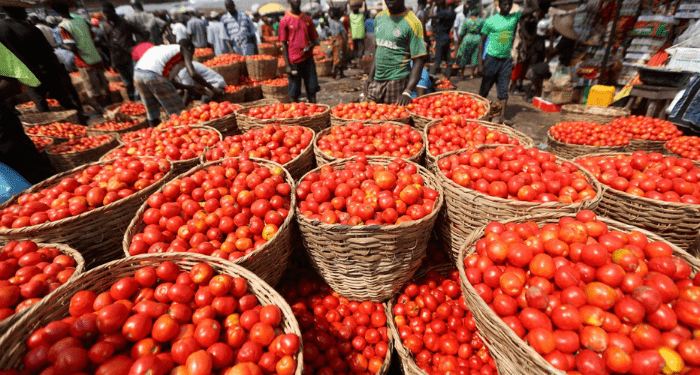
Ironically, while Ghana has more rice than it can absorb in the short term, the country is battling an acute scarcity of tomatoes. Markets are overflowing with plantain, cassava and garden eggs, but fresh tomatoes are scarce and expensive. The two extremes show a food system that swings between surplus and shortage, putting both farmers and consumers under stress.

This feature explores how Ghana arrived at this troubling imbalance, why rice farmers are struggling to survive even amid bumper harvests, and why tomatoes remain out of reach for many households.

A Country of Contradiction: Too Much Rice, Too Few Tomatoes

The word “glut” has been used many times in Ghana’s food conversations, but nowhere is it more evident today than in the country’s rice sector. Several regions have recorded bumper harvests, especially after years of sustained cultivation under agricultural programmes and expansions in irrigated rice fields. But without enough buyers, processors or storage facilities, the output has outstripped market demand. Farmers in Fumbisi, for instance, say that out of thousands of bags harvested, only a fraction have been purchased by market actors.

Meanwhile, tomatoes, one of the most widely consumed vegetables, are scarce. In major markets in Accra and Kumasi, traders display tall heaps of cassava, plantain and garden eggs, but offer only small portions of tomatoes at painful prices. A small bowl of tomatoes can cost more than an entire bunch of plantains. Meanwhile, in September 2025, the government had to step in to purchase 1,000 boxes of tomatoes and 2,000 bags of onions cultivated by farmers in the Ashanti Region due to an abundance.

The market seems to be screaming two messages at once: Ghana cannot manage abundance, and it cannot prevent scarcity.

Rice Glut: How We Produced Too Much Without a Market

This year’s rice glut is the climax of several intersecting factors:

1. Expanded Production Encouraged by Previous Success

After earlier years of strong demand for local rice, many farmers increased their acreage. Government programmes under Planting for Food and Jobs (PFJ), combined with improved seed varieties and expanded irrigation in schemes like Tono and Vea, boosted production. Farmers invested heavily buying fertiliser, hiring labour, and renting harvesters, expecting a profitable season.

2. Lack of Storage and Processing Capacity

Though Ghana repeatedly encourages consumption of local rice, the country still lacks sufficient milling and storage capacity. The absence of a robust warehouse receipt system means farmers cannot store paddy for future sale or use it as collateral for financing.

3. Competition from Imported Rice

Despite campaign after campaign promoting “Eat Ghana Rice,” imported rice continues to dominate the market. Urban consumers often prefer the uniformity and appearance of imported brands, making it difficult for local rice to compete. This season, rice importers have not slowed down, so farmers are battling both oversupply and weaker demand.

Why Tomatoes Are Scarce: Seasonal and Structural Realities

If rice shows Ghana’s problem with abundance, tomatoes show its ongoing struggle with scarcity. Tomato production faces a unique set of challenges that make the country chronically dependent on imports.

1. Seasonal Production and Climate Pressures

Tomato farming in Ghana is tied to specific cycles. Regions like Akomadan, Tuobodom, and the northern irrigation schemes produce tomatoes only during peak seasons when conditions are right. This year, irregular rainfall and heat waves disrupted expected yields. Pest outbreaks, especially the notorious Tuta Absoluta in Nigeria, wiped out large acres of tomato farms.

2. Dependence on Imports From Burkina Faso and Niger

Ghana relies heavily on fresh tomatoes from Burkina Faso and Niger during the lean season. When production or logistics issues hit those countries, Ghana feels the pinch immediately. Recent insecurity and high transport costs on the Burkina Faso–Ghana corridor have limited supply and increased spoilage.

3. Weak Local Production Systems

Tomato farmers currently operate in an environment where: irrigation systems are inadequate, farm inputs are unaffordable, storage systems are nonexistent, and market linkages are weak.

The Root of Ghana’s Food Imbalance

Ghana’s seasonal food imbalance, excess of some crops and shortage of others, comes from deeper systemic gaps.

1. Poor Market Forecasting

Farmers often make production decisions based on the previous year’s prices rather than data-driven projections. If plantain or rice sold well last year, many switch to it, creating oversupply the following year.
2. Limited Storage and Processing

Ghana loses between 30 and 50 percent of fresh produce annually due to weak storage infrastructure. When gluts occur, these losses worsen. Without cold-chain systems or warehousing, produce floods the market at once, causing prices to fall.

3. Fragmented Value Chains

While some crops like rice require structured buyers and processors, many farming regions operate without organised market linkages. The tomato sector is especially vulnerable because of lack of processing factories after the collapse of facilities like the Pwalugu Tomato Factory.

4. Over-Reliance on Regional Imports

For tomatoes especially, overdependence on Burkina Faso and Niger exposes Ghana to external risks. A disruption there immediately destabilises supply here.

How the Glut and Scarcity Affect Farmers and Consumers

Despite bumper harvests, many farmers are struggling. Some are forced to sell below cost just to clear their fields, while others watch crops rot in the absence of proper storage. At the same time, urban consumers are paying the price, tomatoes are expensive, pushing households to rely on substitutes like tomato paste or garden-egg stews.

Traders, struggling with high spoilage rates, unstable bulk prices, and rising transport costs, pass these expenses on to shoppers. The result is a distorted market where farmers lose, and consumers don’t necessarily gain.

What Experts Say

Agricultural economists argue that Ghana’s problem is not production capacity but coordination and infrastructure. The Chief Executive Officer of Agri-Impact, Daniel Fahene Acquaye, has urged the government to adopt long-term policies rather than temporary interventions that ensure consistent support for local rice, maize, and poultry producers.

Some tomato traders say stabilising the Burkina Faso trade route is essential for short-term relief, but long-term solutions like storage and proper logistics would reduce heavy losses. Without these, they warn that even abundant.

The Way Forward: A More Balanced Food System

1. Government Purchase and Buffering of Surplus Rice

Buying locally grown for school feeding programmes, buffer stocks and institutional consumption can stabilise prices and prevent wastage. President Mahama has ordered public institutions to prioritise locally produced food to help absorb the current harvest surplus. Schools and prisons are now required to source all their food locally, and excess eggs and grains are being directed into the School Feeding Programme to support farmers and help them recover their investments.

2. Expand Irrigation and Greenhouse Cultivation for Tomatoes

Expanding irrigation in major tomato-growing zones like Akomadan, Afram Plains, Tono and Vea, remains one of the most reliable ways to secure year-round production and avoid Ghana’s recurring tomato shortages. The collapse of the Pwalugu Irrigation Project, which left farmers dependent on rainfall stands as a reminder of what happens when such investments stall.

3. Invest in Storage, Milling and Processing Facilities

Modern rice mills, cold storage facilities, and reactivation of tomato processing factories are essential to balance the market.

4. Implement a National Crop Forecasting System

A centralised agricultural data platform can guide farmers on the crops that will be profitable and prevent herd production.

5. Strengthen Regional Trade Routes

Formalising cross-border tomato trade can reduce logistics disruptions and stabilise prices for consumers.

Conclusion

Ghana’s simultaneous rice glut and tomato scarcity reveal a food system struggling with coordination, infrastructure and resilience. Farmers who should be celebrating bumper rice harvests are pleading for intervention, while consumers scrambling for basic tomato supplies are spending more than they can afford.

With deliberate planning, improved storage, strong irrigation and market intelligence, Ghana can turn this irony into balance, ensuring that abundance translates into prosperity for farmers and stable prices for consumers.

DISCLAIMER: The Views, Comments, Opinions, Contributions and Statements made by Readers and Contributors on this platform do not necessarily represent the views or policy of Multimedia Group Limited.

DISCLAIMER: The Views, Comments, Opinions, Contributions and Statements made by Readers and Contributors on this platform do not necessarily represent the views or policy of Multimedia Group Limited.

Diversified growth pushes Ghana’s economy into expansion mode — BoG

0

The Governor of the Bank of Ghana, Dr Johnson Asiama, has stated that the Ghanaian economy is now transitioning from a phase of recovery into a period of real expansion.

According to him, several parts of the economy have performed better than expected, showing that growth momentum is now more widely distributed rather than driven by only a few industries.

Speaking at the opening of the 127th Monetary Policy Committee meeting on 24th November, 2025, Dr. Asiama said economic activity has strengthened significantly this quarter, with growth becoming broader and more stable across multiple sectors.

“What stands out this quarter is the broad momentum in economic activity. Growth has been stronger and more diversified than anticipated,” he said.

The first half of the year recorded 6.3 percent GDP growth, propelled by strong performance in services and agriculture, while non-oil GDP rose to 7.8 percent. High-frequency indicators reinforce this trend, with the Composite Index of Economic Activity up about 9 percent, alongside continued optimism among businesses and consumers. These gains show that the negative output gap is narrowing and the economy is steadily shifting from recovery to expansion,” he added.

Dr. Johnson Asiama stressed that the progress is the result of deliberate policy actions. He pointed to sustained fiscal discipline, a cautious but firm monetary policy approach, and structural reforms, especially in FX operations and rebuilding external buffers.

He further noted that the 2026 Budget strengthens this discipline and places growth and job creation at the centre of Ghana’s next phase of economic transformation.

This comes on the back of the Monetary Policy Committee (MPC) of the Bank of Ghana (BoG) has beguns its 127th meeting today, November 24, 2025, with discussions expected to focus on key macroeconomic developments shaping the country’s recovery trajectory.

It also comes at a time when inflation has also continued its downward path falling to 8 percent in October, driven by sustained tight monetary policy, fiscal consolidation, and improved food supply conditions.

Why the EC staff who petitioned Mahama to remove Jean Mensa was interdicted

0

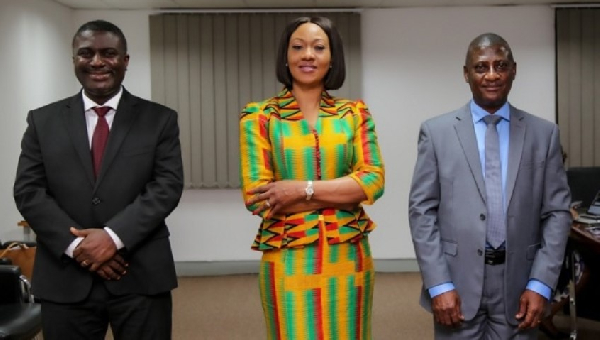
A petition has been filed for the removal of Jean Mensa (M) and her deputies A petition has been filed for the removal of Jean Mensa (M) and her deputies

A staff member of the Electoral Commission (EC), Joseph Blankson Adumadzie, has shed light on the circumstances surrounding his interdiction after filing a petition to President John Dramani Mahama seeking the removal of EC Chairperson Jean Mensa.

Speaking on Citi FM on November 24, 2025, Joseph Blankson Adumadzie, who has worked at the EC headquarters since January 2012, confirmed that he has been away from work for an extended period due to an interdiction tied to allegations involving Biometric Verification Devices (BVDs).

“For a while now I don’t go to work. I have not resigned, I have not been sacked. I am on interdiction. It’s a whole lot,” he said.

EC staff petitions President Mahama to remove Jean Mensa and deputies

His interdiction dates back to 2024, when over 10 BVDs were reportedly discovered at a recycling company in Madina.

According to him, those devices were wrongly linked to him, a development he insists is baseless.

“It was about these BVDs. They were saying things that were not true about me, but I don’t want to go there. Yes, the old machines, but they are not with me and it is not even true. That is the whole thing,” he explained.

Adumadzie also disclosed that the Commission took legal action against him over the matter but failed to substantiate the claims.

“They sued me and couldn’t prove anything. And for one year I won the case, and I have sued them,” he said.

The interdicted EC staff member stressed that his interdiction was not what prompted him to petition the President.

He filed the petition under Article 146 of the Constitution, accusing the EC Chairperson and her two deputies of misconduct.

He explained that his motivation stemmed from broader concerns about governance and accountability at the Commission.

In the petition, he lists 12 grounds of alleged wrongdoing, including cronyism, abuse of office, and gross incompetence.

He argues that these actions have eroded public confidence in the EC and threaten the credibility of Ghana’s electoral system.

He has asked President Mahama to forward the petition to the Chief Justice to determine whether a prima facie case exists, in accordance with constitutional requirements.

Watch the video below:

Meanwhile, watch the latest episode of Nkommo Wo Ho on GhanaWeb TV below

AK/BAI

Agric minister reports drop in food inflation from 28.3% to 9.5%

0

Eric Opoku is the Minister of Food and Agriculture Eric Opoku is the Minister of Food and Agriculture

Ghana’s heavy dependence on imported food reached a worrying point before the National Democratic Congress (NDC) administration took office on January 7, 2025, with the nation spending close to $3 billion annually on basic items such as rice, poultry, vegetable oils, sugar, and processed foods.

These products, many of which could be produced locally, placed intense pressure on the country’s foreign exchange reserves and left Ghana vulnerable to global price fluctuations.

The Minister for Food and Agriculture, speaking at a press conference in Accra on November 24, 2025, cautioned that between 2022 and early 2025, food prices soared across the country.

In several major urban markets, the cost of staple goods more than doubled. The situation peaked in January 2023, when food inflation hit a historic 61%, marking the highest level ever recorded. Though inflation eased slightly afterward, it remained uncomfortably high, severely affecting household purchasing power and increasing the overall cost of living.

“By the time the NDC government assumed office, food inflation stood at 28.3%, reflecting a fragile economic environment,” he said.

However, through targeted interventions and stronger policy direction, the government has successfully stabilized price pressures. As of October 2025, food inflation has dropped to 9.5%, offering significant relief to families and businesses.

According to the Minister of Food and Agriculture, this progress was achieved through foundational reforms implemented immediately after the administration took office. These reforms aim to boost Ghana’s long-term agricultural productivity, ensure sustainability, reduce import dependence, and build a resilient food system.

One of the most urgent priorities has been seed production and localization. For years, “Ghana faced delayed deliveries of imported seeds, many of which arrived well after planting seasons, affecting yields and undermining food security,” he added.

To address this, the government has made local seed production a national strategy, stressing that seed sovereignty is essential for food sovereignty.

The Ministry has also moved to deepen collaboration with Ghana’s research institutions in areas of seed development, testing, and certification. In a major policy shift, the Ministry of Food and Agriculture has announced that starting in 2026, all seeds supplied to Ghanaian farmers will be sourced locally—a move expected to strengthen domestic production capacity and support long-term agricultural transformation.

NAC Breda is adding a ‘fighter’ to its squad in Denis Odoi – Technical Director

0

Denis Odoi is a Ghanaian footballer Denis Odoi is a Ghanaian footballer

NAC Breda’s technical director, Peter Maas, has described Ghanaian defender Denis Odoi as a “fighter” and confirmed his arrival will strengthen the squad immediately.

The 37-year-old full-back joins on a free transfer until the end of the season, with an option for an additional year, providing depth amid a defensive injury crisis.

Odoi reunites with fellow Ghana international Kamal Sowah, a pairing last seen during their time together in Belgium.

Peter Maas, NAC’s technical director, said: “Apart from the current wave of defensive injuries, we are already preparing for the upcoming winter transfer window with this signing.

“We know Denis from his past, but we also followed him in his last season at Royal Antwerp FC. His drive and passion remain strong.

“In the fight to stay in the Eredivisie, we are adding an extra fighter to the squad. He is fit and motivated to play for NAC.”

Odoi boasts extensive European experience, having played for Club Brugge and Royal Antwerp in Belgium, as well as over 170 appearances for Fulham in England’s Premier League and Championship.

His arrival provides NAC with both defensive stability and leadership as the team battles to maintain its Eredivisie status.

Gov’t in talks with ECOWAS, WFP to mop up excess grains

0

The government of Ghana has engaged the Economic Community of West African States (ECOWAS) and the World Food Programme (WFP) as part of renewed efforts to tackle the oversupply of grains and cereals on the Ghanaian market.

At the Government Accountability Series held on Monday, November 24, 2025, the Minister for Food and Agriculture, Eric Opoku, revealed that discussions with ECOWAS will focus on determining immediate interventions to support farmers struggling with excessive stocks of maize, rice, and eggs.

He noted that the glut has resulted in significant post-harvest losses across the country.

Mr. Opoku said the National Food Buffer Stock Company has already begun procurement processes to absorb part of the surplus and ease the pressure on producers.

“We have spoken to the WFP, who are also engaging their counterparts in other jurisdictions to see what they can do to mop up the excess,” he stated.

“We have also invited ECOWAS because they have a responsibility to maintain strategic reserves against emergencies. ECOWAS officials will meet me today to discuss what measures they can take to support the process.”

He added that the ministry is in talks with other West African and African governments, some of whom are experiencing cereal shortages and have expressed interest in procuring from Ghana to shore up their reserves.

Meanwhile, Mr. Opoku announced the inauguration of the PBC Shea Board and the revival of the PBC Shea Butter Factory — originally established in 2015 by President John Dramani Mahama but collapsed in 2019. The factory has been restored over the past 10 months.

According to the minister, the facility has already secured contracts to supply shea butter to the Netherlands and other international markets.

He described Ghana’s shea butter as “premium” globally and said the government is taking steps to expand processing capacity to meet rising global demand. Measures are also being considered to restrict the export of raw shea nuts to boost local value addition.

Food glut, tomato scarcity: Why Ghana has too much rice but not enough tomatoes

Banks face high-stakes push to hit 10% NPL by 2026

0

Deloitte Ghana is warning that the Bank of Ghana’s push to cut non-performing loans to 10% by end-2026 is ambitious and will demand aggressive recovery actions from banks, despite recent improvements in asset quality.

The auditing firm in its post 2026 budget presentation analysis says the sector’s ability to meet this target will be a defining test for Ghana’s financial stability.

The caution comes as the NPL ratio has already fallen from 22.8% in 2024 to 20.4% by September 2025, helped by a stronger cedi, write-offs, recoveries and moderate credit growth.

Under the central bank’s new NPL reduction guidelines, regulated financial institutions are expected to submit board-approved strategies detailing how they intend to manage and reduce bad loans over the period.

Deloitte also highlights a sharp easing in credit conditions, with average lending rates dropping from 30.6% in 2024 to 22.7% in 2025, and expects further declines as macroeconomic conditions stabilize.

On restructuring, Deloitte points to a major turnaround at the National Investment Bank following government’s interventions—GH¢450 million in cash, GH¢1.5 billion in marketable bonds, and the transfer of GH¢500 million in Nestlé Ghana shares.

These measures have reversed NIB’s negative capital adequacy position to 23% and restored full compliance, paving the way for the bank to refocus on SMEs and expand its transaction capacity.

The firm notes that government plans to recapitalize other state-owned banks could further strengthen the industry, stabilize depositor confidence, protect jobs and position the institutions for eventual listing on the Ghana Stock Exchange.

‘I’ll win Kpandai again if there’s a rerun’ – NPP MP Matthew Nyindam

0

Matthew Nyindam is the Member of Parliament for Kpandai Matthew Nyindam is the Member of Parliament for Kpandai

The Member of Parliament for Kpandai, Matthew Nyindam, has stated that he is unmoved by the High Court ruling that annulled the 2024 parliamentary election in his constituency, insisting he would easily return to Parliament if a rerun is held.

Speaking on Asempa FM’s Ekosii Sen show, he expressed confidence that he would win again if elections were held today because the people of his constituency know his capabilities.

“I’m still the MP for Kpandai. What they are doing does not move me. The people of Kpandai know me. The constituency knows my capabilities, and I am confident of returning to Parliament,” he said.

NDC reacts to Kpandai parliamentary election rerun

Matthew Nyindam’s comments follow a decision by the Tamale High Court on November 24, 2025, directing the Electoral Commission to conduct a new election within 30 days after a petition challenged the outcome of the December 7, 2024, polls.

Nyindam has responded by filing notices of appeal and a stay of execution in an effort to stop the implementation of the court’s order.

In an interview on Citi FM, he insisted that the certified figures validate his victory and that he still holds the mandate of the people.

“If you look at the pink sheets, it is on record that they have admitted that every single pink sheet was given to all the political parties. I have my 152, they have theirs. If you put the results together, we have won the elections. Let me put it on record that I am still their MP,” he said.

While he says he trusts the legal process, he noted that he will participate fully in a rerun if the courts eventually uphold that directive.

Nyindam also claimed that the NDC is trying to use state institutions to remove him from office but maintained that he is not shaken.

“I am not afraid of a rerun. If genuinely we have to run, we won’t have a problem. But if you decide to pave your way through because you think you are in government and you can use state powers to coerce the people to vote for you, that is where we have a difficulty,” he stated.

Meanwhile, watch the latest episode of Nkommo Wo Ho on GhanaWeb TV below

AK/BAI

High fees, protocol slots undermining security recruitment – Vitus Azeem

0

Anti-corruption campaigner Vitus Azeem has raised serious concerns about the ongoing nationwide recruitment exercise for the Ghana Police Service, Ghana Prisons Service, Ghana National Fire Service, Ghana Immigration Service, and the Ghana Armed Forces.

He warned that the process risks being undermined by high application fees and entrenched protocol allocations.

The Ministry of the Interior opened the portal for applications from November 15 to December 15, describing the online exercise as part of efforts to strengthen Ghana’s internal security architecture and enhance public safety.

According to the ministry, the initiative aims to attract disciplined, qualified, and patriotic citizens into the various agencies.

Speaking to Citi News on Monday, November 24, 2025, Mr. Azeem questioned both the fairness and transparency of the process—beginning with the GHC 200 application fee, which he described as a burden on unemployed youth.

He argued that deploying application forms online should not come with exorbitant charges.

“You wonder whether this is a tax on the unemployed. I’m coming to look for a job, and I have to pay Ghc200 just to fill the form when my chances of getting the job are very slim.

“In the past, it was 100 cedis, and some of us complained, but nothing happened. Parliament has been very quiet because it doesn’t affect them.

“These agencies already have websites. You simply upload the forms, and applicants complete them. If you are talking about 60,000 applicants paying 200 cedis each, that’s about 12 million cedis. Do you need that much just to run a portal?” he argued.

Beyond the fees, Mr. Azeem expressed even deeper concern about protocol recruitment, describing it as a stain on the entire exercise.

He questioned why politicians and influential persons are allocated large numbers of slots without transparent criteria:

“They make it look open and transparent, but protocol allocation mars everything. Virtually everybody who matters in government has protocol slots. So, after people struggle to apply, those selected are not necessarily the best qualified. Protocol has become the only way to get a job in this country.

“If a parliamentarian gets two slots from the military, two from the prisons, two from the police, and two from immigration, how are those people chosen? Are they really the best candidates in the constituency? Is it fair? Is it honest?” he said.

Mr. Azeem further called on the security agencies to tighten screening criteria to prevent unqualified applicants from sneaking through the process, noting that body selection numbers would significantly reduce if the initial screening were strict and merit-based.

He warned that without reforms, recruitment processes across the security services will continue to suffer from public distrust, defeating the purpose of attracting the most qualified Ghanaians into key national security institutions.

Agbodza: Citi FM/Channel One TV’s advocacy spurred action on Pokuase–Nsawam road

Actor, Nkubi’s wife calls out lady over vile comment about her daughter

0

Actor, Nkubi

Vivian Joseph, wife of popular diminutive  actor/skit maker, Victor Nkubi, has called out one Vivian, over a vile comment about her daughter. 

In a Facebook post on Monday, Mrs Nkubi shared a screenshot of the lady with her mother alongside a screenshot of the comment, mocking her and her daughter. 

“Pampering dwarf like a princess. Person wey be like shrine sacrifice. If you wanted a beautiful child you wouldn’t have let hunger and longer throat for food carry you go marry your ancestor,” Vivian wrote. 

Reacting to the comment, Mrs Nkubi, wrote: “Chidimma Vee, you have built an ironic profile for yourself by always coming on my Pages to drop your odd comments. For anyone that knows who she is or who her “Mother” is (I guess) from third picture, she should call her daughter to order. You might also know her from UNIZIK. You are young, you have a future ahead of you, you wouldn’t want to go the lane of bringing or causing a bad reputation for yourself in the future. If after seeing this post, don’t be carried away or deceived when your friends or anyone around you start psyching you that you are now popular or famous. Make una help me call her to order.” 

Actor, Nkubi
Actor, Nkubi
Actor, Nkubi

Donald Glover reveals on stage he had a stroke last year

0

American actor and rapper Donald Glover, who performs as Childish Gambino, revealed on stage during a concert that he had a stroke last year.

While performing at Tyler, the Creator’s Camp Flog Gnaw festival in Los Angeles on Saturday night, Glover opened up about the reason he had to cancel his tour not long after it began in 2024.

“I had a really bad pain in my head in Louisiana, and I did the show anyway,” Glover said on stage. “I couldn’t really see well, so when we went to Houston, I went to the hospital and the doctor was like, ‘You had a stroke.'”

About a month after his New World tour began in August 2024, Glover postponed the tour, and then later cancelled the remaining dates, citing health issues.

During his performance on Saturday, Glover, 42, sat down on the stage as slow music continued in the background, as videos widely shared on social media show.

Glover – who is famous for both his music and his acting roles in shows like Community, Atlanta, and Mr and Mrs Smith – joked that he was copying fellow US actor and comedian Jamie Foxx, who suffered a stroke in 2023 that also at first presented as a bad headache.

On stage, Glover then turned more serious, telling the crowd that when he first found out he had had a stroke, he felt like he was letting everyone down. Specifically, he said, he had always promised to perform in Ireland, but he still hasn’t been able to.

Glover added that doctors also found a hole in his heart, so he had to have two surgeries.

“They say everybody has two lives and the second life starts when you realise you have one,” Glover said.

“You got one life, guys, and I gotta be honest, the life I’ve lived with you guys has been such a blessing,” he told fans.

When Glover first postponed his world tour in September 2024, he wrote on social media that he had to focus on his “physical health for a few weeks”, but still urged his fans to hang onto their tickets.

But a month later, Glover announced he was forced to cancel the rest of the tour because of an “ailment” that required tests, surgery, and “time out to heal”.

“As my wife says, which I love, ‘If this life is the flavour, as soon as I’m done, give me another scoop'”, Glover told the crowd on Saturday after revealing his medical struggles.

DISCLAIMER: The Views, Comments, Opinions, Contributions and Statements made by Readers and Contributors on this platform do not necessarily represent the views or policy of Multimedia Group Limited.
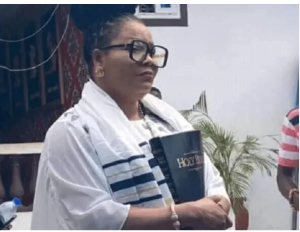
DISCLAIMER: The Views, Comments, Opinions, Contributions and Statements made by Readers and Contributors on this platform do not necessarily represent the views or policy of Multimedia Group Limited.

Sarkodie Honoured with Ditto Music Legacy Award in London

0

Sarkodie is a Ghanaian rapper Sarkodie is a Ghanaian rapper

Ghanaian rap icon Sarkodie has added another remarkable achievement to his illustrious career after being honoured with the Ditto Music Legacy Award in London.

The recognition was announced last Thursday and later confirmed through multiple social media reports and visuals from the Ditto X event held at the O2 Arena in London.

The Ditto Legacy Award is presented to influential artists who have made a lasting impact on music and culture, particularly within the independent music space.

Sarkodie’s recognition comes as a testament to his unmatched consistency, cultural influence, and groundbreaking contributions to African music over more than a decade.

Footage shared through an Instagram reel shows Sarkodie receiving the award during the event, with fans and industry stakeholders celebrating the milestone online.

Various fan communities, including SarkNatives, also highlighted the accomplishment across Twitter (X) and Facebook, further amplifying the moment.

For Ditto Music, the Legacy Award is one of the standout highlights of its annual Ditto X conference — a platform dedicated to celebrating excellence, innovation, and artistic influence across the global music landscape.

Honouring Sarkodie aligns with the company’s mission to recognize artists who shape the future of music while inspiring emerging talent.

This win adds to Sarkodie’s long list of local and international accolades and reinforces his reputation as one of Africa’s most impactful musical exports.

As he continues to represent Ghana on global stages, the Ditto Legacy Award serves as both a recognition of past achievements and a reminder of his continued relevance and influence in contemporary music culture.

NHIA projects over 120% tariff increase

0

NHIA says increase in tariffs will increase support to NHIS providers NHIA says increase in tariffs will increase support to NHIS providers

The National Health Insurance Authority (NHIA) has announced that healthcare providers across Ghana are set to receive significantly increased financial support from January 2026, as the Authority prepares to implement a projected 120% upward adjustment in service tariffs.

According to the NHIA, the revised tariffs — among the most comprehensive reforms to Ghana’s health financing system in recent years — will only take effect after formal approval from the Minister for Health, in line with statutory requirements.

The adjustment is expected to improve service delivery, enhance the sustainability of health facilities, and boost the overall patient experience under the National Health Insurance Scheme (NHIS).

Addressing health sector leaders from the Volta and Oti Regions at a regional training programme, Dr Senanu Kwesi Djokoto, Deputy Chief Executive in charge of Operations, speaking on behalf of the NHIA Chief Executive Officer, commended the Independent Clinical Experts’ Group for developing evidence-based tariffs that reflect the actual cost of healthcare services.

He explained that although the headline increment is 180%, the effective increase in claims reimbursements will average at least 120%, depending on the service mix provided by each facility.

Dr Djokoto attributed the breakthrough to the government’s decision to uncap the National Health Insurance Fund (NHIF), which has made an additional GH¢3.4 billion available for improved healthcare delivery.

“The uncapping of the NHIF by His Excellency President John Dramani Mahama gives us the fiscal space to implement the reviewed tariffs, roll out the Free Primary Healthcare programme, and dedicate resources to the Ghana Medical Trust Fund for chronic disease support.”

Dr Djokoto also raised concerns about the persistence of illegal charges in some health facilities.

He stressed that with the introduction of realistic tariffs, the NHIA will step up its enforcement measures, noting that a task force commissioned by NHIA CEO, Dr Victor Asare Bampoe, identified tariff alignment as a key tool in eliminating unauthorised payments.

Healthcare leaders at the training welcomed the impending reforms, describing them as timely and necessary.

Rev Prof. Adukwei Hesse, a World Bank consultant on the tariff review process, described the new structure as “comprehensive and consistent with global best practices.”

Similarly, Dr Isaac Koranteng, a Consultant Obstetrician at Korle-Bu Teaching Hospital, expressed optimism that the revised tariffs will reduce illegal co-payments, restore provider confidence, and enhance patient welfare.

The NHIA will continue its nationwide regional engagements to ensure health facility managers and frontline staff fully understand the implications of the new tariff regime ahead of its rollout.

FIFA and Saudi Fund for Development partner to provide financial support for sports infrastructure in developing nations

0

FIFA has announced a $1 billion Saudi-backed stadium-financing loans for developing countries FIFA has announced a $1 billion Saudi-backed stadium-financing loans for developing countries

Memorandum of Understanding signed to support developing nations and their respective FIFA Member Associations (MAs), with a focus on countries with clear strategies to harness sport for national development.

Up to USD 1 billion in concessional loans to be allocated by the Saudi Fund for Development (SFD) to finance the construction or the enhancement of FIFA-certified stadiums and essential surrounding infrastructure.

Partnership aims to advance sustainable development by promoting social inclusion, youth empowerment, and economic opportunity through sport.

Unlocking the potential of sports to drive economic and social development, the Saudi Fund for Development (SFD) and FIFA have signed a Memorandum of Understanding (MoU) to allocate up to USD 1 billion in concessional loans for the construction and rehabilitation of sports stadiums and essential surrounding infrastructure in developing countries around the world.

The agreement underscores a shared commitment to support developing nations in strengthening their sports ecosystems as part of broader efforts to advance social and economic development.

The programme will prioritise developing nations and their respective FIFA Member Associations (MAs), helping them invest in facilities that drive growth, create opportunity, and inspire participation at every level.

This commitment is backed by compelling evidence of sport’s economic impact as independent reports estimate that the global sports economy contributes nearly 2 percent of world gross domestic product, underscoring its growing role as a driver of employment, tourism, and community development.

With 211 MAs worldwide, the gap between nations with world-class facilities and those without remains wide.

This partnership seeks to support national governments in designing, financing, and building modern multi-sport venues that meet international standards and serve as hubs for community life, education, and inclusion.

The new facilities will create jobs, stimulate local businesses, and strengthen social cohesion by giving young people safe and modern spaces to convene, train and compete.

Through these concessional loans, SFD and FIFA will actively collaborate with national authorities to deliver projects that contribute to long-term economic resilience and local capacity building.

The initiative will also act as seed financing to attract other development institutions, private-sector partners, and regional organisations, creating a scalable model for sustainable sports development across emerging economies.

Sultan bin Abdulrahman Al-Marshad, CEO of the SFD, said: “Sport is more than competition—it’s a catalyst for development and inclusion. Through concessional financing, we are helping countries build the infrastructure they need to unlock potential, empower young people, and strengthen communities for generations to come.”

Gianni Infantino, President of FIFA, added: “FIFA’s role is to develop football worldwide, and many of our FIFA Member Associations need additional support for the infrastructure necessary to host competitions. Through this memorandum of understanding with the Saudi Fund for Development, up to USD 1 billion will be made available via concessional loans to finance the construction and enhancement of FIFA-certified stadiums. This agreement is a crucial step in ensuring our FIFA Member Associations have the facilities to make football truly global.”

For the SFD, this partnership is elevating sport infrastructure as a core component of its development agenda, recognising the sector’s unique ability to generate employment, boost tourism, promote health, and strengthen community ties.

Building on over five decades of impact—supporting more than 800 development projects worth over USD 22 billion across 100 countries—SFD continues to drive sustainable growth through development financing and projects that improve lives and foster lasting prosperity.

Manasseh shares details of how Ofori-Atta left Ghana

0

Manasseh Azure Awuni claims Ken Ofori-Atta left Ghana using three different visas Manasseh Azure Awuni claims Ken Ofori-Atta left Ghana using three different visas

Award-winning investigative journalist Manasseh Azure Awuni has shared details of his investigation into how the former Minister of Finance, who has been charged with several corruption-related offences by the Office of the Special Prosecutor (OSP) in the SML case, left the country.

According to Manasseh, the investigation he conducted revealed that Ofori-Atta left Ghana on January 4, 2025, three days before the swearing-in of President John Dramani Mahama, who was elected on December 7, 2024.

He said that the former finance minister left Ghana with three valid visas: one for the United States of America (US), one for Canada, and the other for the United Kingdom (UK).

“My investigation has also revealed that Ken Ofori-Atta, whose date of birth is November 7, 1959, left Ghana on January 4, 2025. He departed from Terminal 3 of Kotoka International Airport and travelled on United Airlines Flight 997 to Washington, D.C., in the United States.

“Ken Ofori-Atta travelled on a Ghanaian passport and has valid visas to the United Kingdom, Canada, and the United States,” Manasseh wrote in a write-up copied to GhanaWeb.

He added, “Ken Ofori-Atta’s US visa will expire on February 14, 2026, about three months from now. His UK visa will expire on April 21, 2032, and his Canadian visa will expire on May 31, 2031.”

The renowned investigative journalist also disclosed that Ernest Darko Akore, a former technical advisor at the Ministry of Finance, who has also been slapped with charges in the SML case, left Ghana in November 2024.

“Ernest Darko Akore, born on February 5, 1958, left Ghana on November 19, 2024. He travelled to New York on Delta Airlines Flight 156. He departed through Terminal 3 of Kotoka International Airport.

“Ernest Darko Akore travelled on a ten-year US passport, which expires on August 4, 2031,” he wrote.

On November 18, 2025, the OSP formally charged Ken Ofori-Atta and seven others with 78 counts of corruption and corruption-related offences.

The charges include conspiracy to directly or indirectly influence the procurement process to obtain an unfair advantage in the award of a contract, among other violations, in the award of a revenue assurance contract between the Ghana Revenue Authority (GRA) and Strategic Mobilisation Ghana Limited (SML).

According to the OSP, the charges, filed on Tuesday, November 18, 2025, constitute violations of section 23(1) of the Criminal Offences Act, 1960 (Act 29), and section 92(2)(b) of the Public Procurement Act, 2003 (Act 663).

Akufo-Addo, Sabotage: Kissi Agyebeng opens up about how OSP watched Ken Ofori-Atta leave

Portions of the suit, filed at the Criminal Division of the High Court in Accra under case number CR/0106/2026 and shared by the OSP, read: “Conspiracy to commit the criminal offence of directly or indirectly influencing the procurement process to obtain an unfair advantage in the award of a procurement contract, contrary to section 23(1) of the Criminal Offences Act, 1960 (Act 29), and section 92(2)(b) of the Public Procurement Act, 2003 (Act 663).”

The other seven individuals charged include:

* Ernest Darko Akore, former Chef de Cabinet to the Minister of Finance;

* Emmanuel Kofi Nti, former Commissioner-General of the GRA;

* Rev Dr Ammishaddai Owusu-Amoah, former Commissioner-General of the GRA;

* Isaac Crentsil, former Commissioner of the Customs Division of the GRA and General Manager of SML;

* Kwadwo Damoah, former Commissioner of the Customs Division of the GRA and current Member of Parliament for Jaman South;

* Evans Adusei; and

* Strategic Mobilisation Ghana Limited (SML).

BAI

Watch the promo to GhanaWeb’s latest documentary, which uncovers the evolution of ‘kayamata,’ an exploitative practice fueled by love charms and manipulation, titled, “The Dark Side of Kayamata,’ below:

Patrick Boamah rejects Minority Leader position

The wait is over! The GhanaWeb Excellence Awards 2025 is officially launched. Let’s celebrate impact, innovation and excellence across Ghana.

Who deserves to be honoured this year?


Nominate now 👉 https://ghanaweb.com/ghanaexcellenceawards/nominate

Global data protection expert Patricia Adusei-Poku outlines key projects she is leading

0

Patricia Adusei-Poku is the Chief Executive Officer of Estabridge Africa Limited Patricia Adusei-Poku is the Chief Executive Officer of Estabridge Africa Limited

The Chief Executive Officer (CEO) of Estabridge Africa Limited, Patricia Adusei-Poku, has outlined several key data-protection projects she is currently leading on the global stage.

Speaking to GhanaWeb on Monday, November 24, 2025, during the Artificial Intelligence Policy Summer School at GIMPA, Adusei-Poku said her expertise in global data protection has earned her multiple major international roles.

According to her, she is serving as a commissioner on a team that has produced a report guiding the use of AI in the military sector, which has since been submitted to NATO.

She explained that the report is intended to support the United Nations (UN) in guiding countries on the responsible use of artificial intelligence in military operations.

“Internationally, the critical one that I’ve been on is the UN GCAIM group, which is the Global Committee for the Use of AI in the Military Domain,” she said.

Patricia Adusei-Poku added, “I was there as a commissioner for over a year, and this year, we completed documentation on a report that provides guidance on using AI in the military domain. It’s a very important report that was delivered to NATO to help support the UN in guiding nations on what to do regarding AI in the military domain.”

Divorce, Setbacks, Success: Patricia Adusei-Poku inspires young women with life story

The data protection expert also disclosed that she is contributing to another significant international initiative, this time in the area of counterterrorism.

She revealed that she has been appointed as a voluntary expert for the United Nations, providing specialised data-protection advice on global counterterrorism efforts.

“The other one that I’ve just recently been added to is giving advice as a data protection expert in the global counterterrorism effort at the UN. The headquarters in Austria has now recruited me as a voluntary expert to advise globally on data protection relating to counterterrorism,” she said.

Patricia Adusei-Poku’s expanding portfolio underscores her growing influence on global frameworks for data protection, artificial intelligence, and security.

Watch a video of her remarks below:

MAG/MA

Watch the promo to GhanaWeb’s latest documentary, which uncovers the evolution of ‘kayamata,’ an exploitative practice fueled by love charms and manipulation, titled, “The Dark Side of Kayamata,’ below:

Patrick Boamah rejects Minority Leader position

The wait is over! The GhanaWeb Excellence Awards 2025 is officially launched. Let’s celebrate impact, innovation and excellence across Ghana.

Who deserves to be honoured this year?


Nominate now 👉 https://ghanaweb.com/ghanaexcellenceawards/nominate

Watch the promo to GhanaWeb’s latest documentary, which uncovers the evolution of ‘kayamata,’ an exploitative practice fueled by love charms and manipulation, titled, “The Dark Side of Kayamata,’ below:

Patrick Boamah rejects Minority Leader position

The wait is over! The GhanaWeb Excellence Awards 2025 is officially launched. Let’s celebrate impact, innovation and excellence across Ghana.

Who deserves to be honoured this year?


Nominate now 👉 https://ghanaweb.com/ghanaexcellenceawards/nominate

Aba Arthur set to bring her global experience home to inspire Ghanaians

0

Aba Arthur is preparing to establish a stronger presence in Ghana Aba Arthur is preparing to establish a stronger presence in Ghana

After years of building a rich and multi-faceted career abroad, Aba Arthur is preparing to establish a stronger presence in Ghana while continuing her work in the United States.

She describes this new chapter as becoming cross-continental, creating a home in Ghana, and intentionally splitting her time between the two countries to contribute meaningfully to Ghana’s growing creative landscape.

Aba Arthur was born in Washington, DC, to parents Appianda Arthur and Aba Enim, and from an early age, she developed a deep passion for film, television, and pop culture. What began as a childhood fascination quickly evolved into a determined pursuit of excellence in the creative arts.

Over the years, Aba has built an impressive résumé across global entertainment platforms. One of the standout highlights of her career is her appearance in Marvel’s blockbuster film Black Panther: Wakanda Forever, where she portrayed a naval engineer.

Her feature in such a culturally influential and globally acclaimed production positioned her as one of the notable Ghanaian talents making waves on the international stage.

Through years of training, industry exposure, and professional growth, Aba has carved out a space for herself in entertainment circles abroad. While she will continue to live and work primarily in the United States, between Atlanta and Los Angeles, she is now committed to spending significant time in Ghana.

Her goal is to engage, mentor, and empower creatives while contributing to the country’s rapidly expanding film and media ecosystem.

Her decision to become cross-continental marks a meaningful moment, not only in her personal journey but also for young Ghanaians looking up to global-standard talents who are choosing to invest in the local industry.

Aba Arthur’s story is one of passion, purpose, and a desire to give back, and Ghana’s creative community stands to benefit greatly from her vision.

‘No gold is worth a life’ — Sammy Gyamfi backs NAIMOS’ hard-line campaign against illegal mining

0

Sammy Gyamfi is the CEO of GoldBod Sammy Gyamfi is the CEO of GoldBod

The Chief Executive Officer of the Ghana Gold Board (GoldBod), Sammy Gyamfi, has delivered the strongest warning yet in the country’s renewed war on illegal mining, insisting that no economic gain can justify the environmental destruction and human cost caused by galamsey.

Ghana has long relied on its rich gold reserves to drive economic growth, but the unregulated activities of illegal miners, locally known as galamsey, have created devastating consequences for communities and the environment.

Rivers have been poisoned with mercury and cyanide, forest reserves stripped bare, and fertile lands contaminated, threatening both livelihoods and future generations.

Against this backdrop, Gyamfi has backed the ruthless crackdown on illegal mining and vowed to confront illegal mining with renewed vigour.

Speaking at the 2025 Dubai Precious Metals Conference on Monday, November 24, 2025, Sammy Gyamfi framed the issue in stark human terms.

Ghana to deploy blockchain track-and-trace system to curb gold smuggling

“No volume of gold is worth a human life. The lives and sustainable future of our people are far more important,” he said.

While the Artisanal and Small-Scale Mining (ASM) sector has contributed significantly to Ghana’s economy, creating over a million jobs and bolstering the national currency, Gyamfi warned that unchecked illegal operations could undo these gains. He highlighted the environmental cost of irresponsible mining:

“Illegal and irresponsible ASM operations pose significant threats to our rivers, forest reserves, and lands. This menace pollutes our environment with various chemicals that are hazardous to life.”

To tackle the crisis, GoldBod is working closely with the National Anti-Illegal Mining Operation Secretariat (NAIMOS), pledging a firm, uncompromising approach.

“In Ghana, the GoldBod is supporting the National Anti-Illegal Mining Operation Secretariat (NAIMOS) to crack down on ASMs engaged in illegal mining practices that destroy our water bodies and forest reserves. The Mahama government is very committed to this fight and is taking on all persons who stand in its way,” he added.

Gyamfi also called on global institutions, including the DMCC, OECD, and LBMA, to support Ghana’s efforts to keep illicitly mined gold out of the global supply chain.

“We wish to call on the DMCC, the OECD, the LBMA, the World Gold Council, to support the genuine efforts of developing countries like Ghana who are determined to transform their ASM sectors to contribute positively to the expansion of the global gold supply chain,” he said.

FKA/BAI

Watch the promo to GhanaWeb’s latest documentary, which uncovers the evolution of ‘kayamata,’ an exploitative practice fueled by love charms and manipulation, titled, “The Dark Side of Kayamata,’ below:

Patrick Boamah rejects Minority Leader position

The wait is over! The GhanaWeb Excellence Awards 2025 is officially launched. Let’s celebrate impact, innovation and excellence across Ghana.

Who deserves to be honoured this year?


Nominate now 👉 https://ghanaweb.com/ghanaexcellenceawards/nominate

Global data protection expert Patricia Adusei-Poku outlines key projects she is leading

0

Patricia Adusei-Poku is the Chief Executive Officer of Estabridge Africa Limited Patricia Adusei-Poku is the Chief Executive Officer of Estabridge Africa Limited

The Chief Executive Officer (CEO) of Estabridge Africa Limited, Patricia Adusei-Poku, has outlined several key data-protection projects she is currently leading on the global stage.

Speaking to GhanaWeb on Monday, November 24, 2025, during the Artificial Intelligence Policy Summer School at GIMPA, Adusei-Poku said her expertise in global data protection has earned her multiple major international roles.

According to her, she is serving as a commissioner on a team that has produced a report guiding the use of AI in the military sector, which has since been submitted to NATO.

She explained that the report is intended to support the United Nations (UN) in guiding countries on the responsible use of artificial intelligence in military operations.

“Internationally, the critical one that I’ve been on is the UN GCAIM group, which is the Global Committee for the Use of AI in the Military Domain,” she said.

Patricia Adusei-Poku added, “I was there as a commissioner for over a year, and this year, we completed documentation on a report that provides guidance on using AI in the military domain. It’s a very important report that was delivered to NATO to help support the UN in guiding nations on what to do regarding AI in the military domain.”

Divorce, Setbacks, Success: Patricia Adusei-Poku inspires young women with life story

The data protection expert also disclosed that she is contributing to another significant international initiative, this time in the area of counterterrorism.

She revealed that she has been appointed as a voluntary expert for the United Nations, providing specialised data-protection advice on global counterterrorism efforts.

“The other one that I’ve just recently been added to is giving advice as a data protection expert in the global counterterrorism effort at the UN. The headquarters in Austria has now recruited me as a voluntary expert to advise globally on data protection relating to counterterrorism,” she said.

Patricia Adusei-Poku’s expanding portfolio underscores her growing influence on global frameworks for data protection, artificial intelligence, and security.

Watch a video of her remarks below:

MAG/MA

Watch the promo to GhanaWeb’s latest documentary, which uncovers the evolution of ‘kayamata,’ an exploitative practice fueled by love charms and manipulation, titled, “The Dark Side of Kayamata,’ below:

Patrick Boamah rejects Minority Leader position

The wait is over! The GhanaWeb Excellence Awards 2025 is officially launched. Let’s celebrate impact, innovation and excellence across Ghana.

Who deserves to be honoured this year?


Nominate now 👉 https://ghanaweb.com/ghanaexcellenceawards/nominate

Watch the promo to GhanaWeb’s latest documentary, which uncovers the evolution of ‘kayamata,’ an exploitative practice fueled by love charms and manipulation, titled, “The Dark Side of Kayamata,’ below:

Patrick Boamah rejects Minority Leader position

The wait is over! The GhanaWeb Excellence Awards 2025 is officially launched. Let’s celebrate impact, innovation and excellence across Ghana.

Who deserves to be honoured this year?


Nominate now 👉 https://ghanaweb.com/ghanaexcellenceawards/nominate

Ghana karate team wins three medals at West Africa Shotokan Championship

0

Edmund Asante, Kpoti Jacobs and Joseph Botchway brought home silver medals and bronze Edmund Asante, Kpoti Jacobs and Joseph Botchway brought home silver medals and bronze

Ghanaian karatekas have made the nation proud by winning two silver medals and one bronze at the recently concluded West Africa Shotokan Karate Championship in Togo.

The one-day event, held on Sunday, November 23, 2025, witnessed participation from seven nations: Togo, Nigeria, Ghana, Niger, Benin, Côte d’Ivoire, and Burkina Faso.

Edmund Asante, Kpoti Jacobs, and Joseph Botchway, three experienced karatekas, brought home silver and bronze medals in the male individual Kata senior category, male individual Kumite, and male individual Kata juniors category, respectively.

Asante’s silver medal in the Kata category is a notable achievement, showcasing his skill and dedication to the sport. Similarly, Botchway’s performance in the Kumite category demonstrates his strength and agility. Both athletes have proven themselves to be formidable competitors in the region.

Their impressive performances are a testament to the steady growth of karate in Ghana.

The Ghana Karate-Do Federation, led by Nathaniel Johnson, is working tirelessly to promote the sport and make Ghana a force to be reckoned with in African karate.

With continued support and development, Ghanaian karatekas are likely to achieve even greater success in the future.

Sarah Jessica Parker’s Golden Globes honor confirms what fans and Hollywood knew all along

0

Why Parker’s Carol Burnett Award finally matches her influence

When someone wins an award, opinions about it usually fall into two camps: those that argue someone was snubbed and those that argue someone was crowned too soon. Sarah Jessica Parker’s newly announced Carol Burnett Award at the 2026 Golden Globes fits neither argument.

Telecel Ghana CEO urges stronger governance measures during corporate transitions

0

Telecel Ghana’s CEO, Patricia Obo-Nai, has advised organisations navigating ownership changes, restructuring, or rebranding to prioritise strong governance controls as guardrails against operational loopholes during the transition.

Delivering the keynote at the Institute of Internal Auditors Ghana 2025 Governance Forum on the theme, Governance Amidst Transition, Ing. Obo-Nai shared insights and lessons from Telecel Ghana’s transition from Vodafone Ghana between 2023 and 2024.

“Transition, uncomfortable as it may feel, is a great teacher. It reveals whether we built institutions on solid grounds or on convenient assumptions,” she told the audience.

“One of the biggest governance failures in any transition is assuming old controls will automatically fit into a new structure. They rarely do.”

The IIA Governance Forum is an annual platform for advancing good governance, accountability, and effective internal audit practice across both the public and private sectors.

It brings together senior executives, board members, risk and audit professionals, policymakers, and thought leaders to share best practices and equip them with insights and tools needed to build resilient institutions.

In her address, Ing. Obo-Nai described how leadership established a Risk Council, a cross-functional team drawn from across the business, to conduct risk reviews and audit sessions.

She said the telco integrated internal auditors into the redesign process from the first day of the transition, and this decision prevented control gaps that often haunt businesses after major acquisitions and mergers.

“Our transition was a major shift across every part of the business. It was about replacing many systems, creating and localising new roles, revising and redocumenting processes and embedding new ways of working without compromising our pledge to employees, customers and other stakeholders.”

She said Telecel Ghana implemented a Control Continuity Plan to track financial, operational and reputational risks daily and treated data migration as its most critical exposure.

The outcome, she said, was one of the smoothest transitions in business, marked by the company’s lowest attrition levels during any major shift.

Telecel Group’s 2023 acquisition of Vodafone’s 70 per cent stake in Ghana Telecommunications Company Limited set in motion a major transition for Ghana’s second-largest telecom giant.

The rebranding to Telecel Ghana was completed in 2024, with a renewed push for investment and innovation towards an advanced digital future.

Ing. Obo-Nai urged Ghanaian corporate leaders to rethink their approach to transition as a defining moment in leadership and governance, offering three lessons applicable to any major transition across industries.

“Embedding audit early, confronting internal cultural uncertainty head on, and protecting data with uncompromising discipline, makes the difference between a transition that strengthens a company and one that weakens it,” she added.

Convened annually by the Ghana chapter of the Institute of Internal Auditors, an international professional association that promotes and develops the practice of internal auditing, the Governance Forum this year spotlighted agile governance models for navigating economic and institutional transformation.

Through expert panels, capacity-building sessions, and peer exchanges, the Forum drives home the importance of transparency, accountability, and internal audit functions in safeguarding institutional integrity and steering national development.

DISCLAIMER: The Views, Comments, Opinions, Contributions and Statements made by Readers and Contributors on this platform do not necessarily represent the views or policy of Multimedia Group Limited.
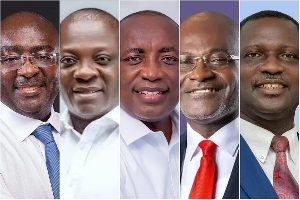
DISCLAIMER: The Views, Comments, Opinions, Contributions and Statements made by Readers and Contributors on this platform do not necessarily represent the views or policy of Multimedia Group Limited.

Ghana’s President Promises John Mahama to Sign Anti-LGBTQ+ Legislation

0

Ghana is preparing to advance one of the most punitive anti-LGBTQ+ laws in the region, as President John Dramani Mahama says he will sign the Human Sexual Rights and Family Values Bill if Parliament passes it, a decision that threatens queer and trans Ghanaians and mirrors a dangerous, accelerating trend across Africa where identity, autonomy, and empathy are being treated as crimes in the name of “culture” and “family.”

Ghana is edging closer to one of the harshest anti-LGBTQ+ legal regimes on the African continent, as President John Dramani Mahama has pledged to sign the revived Human Sexual Rights and Family Values Bill if Parliament passes it. The bill, which seeks to criminalize queer and trans identity, gender-affirming care, same-sex relations, and even allyship, represents a tightening noose around Ghana’s LGBTQ+ community, and a signal of a wider, alarming trend across Africa.

The resurrected legislation follows earlier versions introduced in 2021, after the opening of an LGBTQ+ community center in Accra sparked backlash from conservative religious groups. That initial effort led to the center’s abrupt closure and the drafting of the first “Anti-LGBTQ+ Bill.”

Under the newest version, individuals who identify as lesbian, gay, bisexual, pansexual, transgender, nonbinary, or queer could face up to three years in prison. People who “promote or support” LGBTQ+ inclusion could face up to 10 years behind bars. Funding, organizing, or forming an LGBTQ+ advocacy group would be grounds for prosecution. Even seeking gender-affirming care would criminalize a person.

Homosexual conduct is already illegal in Ghana under a British colonial-era statute, though prosecutions are rare. The new bill would radically expand criminal liability, turning queerness itself into a crime and punishing empathy in the process.

Ghanaian’s Protest Anti-LGBT policies| Image BBC

Human rights organizations have sounded the alarm. Human Rights Watch has condemned the bill as fundamentally incompatible with Ghana’s tradition of tolerance. “Such a law would not only further erode the rule of law,” researcher Larissa Kojoué said, “but could also lead to further gratuitous violence against LGBT people and their allies.”

The stakes are high—The IMF warned in 2024 that the bill could jeopardize billions in international financing, though supporters have dismissed those concerns. In March 2025, opposition lawmaker John Ntim Fordjour told Reuters that, with Donald Trump back in the White House, Ghana no longer needed to fear global backlash.

“The global political climate is favorable for conservative values,” he said, pointing to the emboldening effect of the second Trump administration. That influence has reached deep.

Trump’s foreign policy has already reshaped the terrain for LGBTQ+ people abroad. Four days after he took office, the administration cut over 90% of USAID and State Department foreign assistance programs, including major reductions to PEPFAR, a vital HIV/AIDS initiative that has saved millions across Africa. Clinics in Accra and other major cities have shuttered or run out of essential medications, leaving LGBTQ+ Ghanaians, who already navigate discrimination in health care even more vulnerable.

The rise of American conservative evangelical organizations has further fueled the movement. Groups such as the American Center for Law and Justice and Family Watch International, long involved in crafting anti-LGBTQ+ legislation in Uganda and Kenya, have intensified efforts in Ghana.

Bloomberg reporting shows that 17 U.S. conservative groups spent $5.2 million in Africa in 2022, a dramatic 47% increase from 2019 to champion legislation restricting queer and trans people’s rights.

This surge is part of a broader pattern across the continent. From Uganda’s draconian Anti-Homosexuality Act to similar legislative pushes in Kenya and Tanzania, Africa has become the testing ground for an imported, well-financed project of moral panic.

It is a trend that weaponizes colonial criminal codes, wraps them in the cloth of “family values,” and punishes those who dare to dream of living freely. It is dangerous not only for LGBTQ+ communities but for democracy, public health, and basic civil liberties. When a state criminalizes identity, it corrodes the social fabric that keeps a nation whole.

President Mahama’s support of the bill has intensified anxiety among LGBTQ+ people, activists, and allies. During a November 18 meeting with the Christian Council of Ghana, Mahama said he was “completely aligned” with the group’s beliefs.

He emphasized that “marriage is between a man and a woman” and that “a person’s gender is determined at birth,” aligning himself with religious conservatives who have long championed the bill.

Mahama clarified that the bill expired when the previous Parliament dissolved, but confirmed that lawmakers will soon reintroduce it. “If the Parliament of the people of Ghana endorse the bill, and vote on it, and pass it, and it comes to me as president, I will sign it,” he said.

The endorsement has widened a political rift. Members of the Minority in Parliament accused the government of intentionally delaying the bill’s reintroduction for political gain. Yet a cross-party coalition has already revived it, setting the stage for swift passage.

Meanwhile, Ghanaian artists and activists have urged citizens to recognize the sweeping consequences of the bill. In an interview with Context, musician Emmanuel Owusu-Bonsu, known as Wanlov the Kubolor, warned that the legislation is about far more than sexuality or gender.

“This is a bill that criminalizes empathy and humanity,” he said. “If you’re a landlord, an employee, an employer, and you don’t report people whom you suspect to be queer, you are going to be criminalized. So it’s actually a bill against every single person in Ghana.”

His warning is a reminder that anti-LGBTQ+ laws rarely stop at criminalizing identity. They create a culture of suspicion, empower police to act without accountability, and fracture communities. They invite everyday citizens to police one another. And they transform fear into governance.

For many queer and trans Ghanaians, the danger is immediate. For Africa, the pattern is becoming unmistakable. As conservatism rises globally, encouraged by shifts in U.S. foreign policy, a wave of anti-LGBTQ+ sentiment is making its way across the continent, carried on the winds of nationalism, fundamentalism, and foreign influence masquerading as faith.

The story unfolding in Ghana reaches beyond its borders. It asks the world to pay attention to a continent where queer lives remain under siege, and where silence has always been a dangerous ally to oppression.


Nigerian music industry sidelines veterans – DJ Neptune

0

DJ Neptune is a Nigerian disc jockey and producer DJ Neptune is a Nigerian disc jockey and producer

Popular disc jockey and producer Imohiosen Patrick, known professionally as DJ Neptune, has expressed deep concern over the trend of sidelining veterans in the Nigerian music industry.

He claimed that creatives are quickly sidelined once they reach certain milestones in the industry.

Describing the trend as a structural problem, DJ Neptune noted that in Western music industries, veterans are allowed to thrive alongside newbies.

“In Nigeria, once you reach a certain level, they push you aside like, ‘Oya, go to that corner, we’re done with you.’ It’s a structural problem. Abroad, the OGs are still as relevant as the newbies. We need to address the structural issues,” he said in a recent interview with Hip TV.

On how he has managed to stay relevant over the years, DJ Neptune said, “Although I don’t plan to do this all my life—when it’s time to take a bow, I will. But what I have just done over the years is that I know when it’s time to reinvent. That’s life. Things are changing, so you need to move with the time.”

President Mahama, Bawumia, Gyan to grace Kings and Queens Football Extravaganza

0

The programme will feature a grand display of football skills The programme will feature a grand display of football skills

President John Dramani Mahama and other high-profile personalities from the political and football arenas will be present at the 2025 Kings and Queens Football Extravaganza.

The opening ceremony will take place on Friday, November 28, 2025, and the event will continue throughout the weekend, culminating on Sunday, November 30, 2025.

The host will be Rev Dr Danso Abbeam Ampomah, owner of Abbeam City, who will also be in attendance.

The program will feature a grand display of football skills, with the Kings and Queens of Ghana facing the Men of God, under the chosen name The Tabernacle of David, at Abbeam City off the Kasoa-Obom Road.

This event, the first of its kind in the country, seeks to bring men of God and traditional rulers together, recognising their influence in shaping public opinion. Under the auspices of Nana Oye Yirenkyiwaa I, the program will be graced by His Excellency President John Dramani Mahama and his Chief of Staff, Julius Debrah.

Other politicians expected to attend include Kennedy Agyapong, former Vice President Dr. Mahamudu Bawumia, John Dumelo, as well as Members of Parliament Sylvester Tetteh and Phylis Naa Koryoo.

The Guest of Honour will be Nana Ama Sarah Ayensua III.

Football stars set to grace the occasion include former Black Stars captains Stephen Appiah and Asamoah Gyan, along with many others.

The overlord of the Amanfrom area, Nii Quarshie Gborlor IV, will also be in attendance.

US, Nigeria agree terms – Presidency

0

The Nigerian and US governments have agreed to tackle the worsening security situation in Nigeria The Nigerian and US governments have agreed to tackle the worsening security situation in Nigeria

The Nigerian government and the United States have agreed on areas where they need collaboration to tackle the worsening security situation in the country, the Presidency has said.

The agreement includes the immediate implementation of a non-binding cooperation framework and the establishment of a Joint Working Group to ensure a unified and coordinated approach to the agreed areas of cooperation.

The Presidency, in a statement issued by the Special Adviser to the President on Information and Strategy, Bayo Onanuga, said the United States expressed its willingness to extend complementary support, including humanitarian assistance to affected populations in the Middle Belt and technical support to strengthen early-warning mechanisms.

The statement explained that discussions and engagements held last week between a high-level Nigerian delegation and US officials will help strengthen security partnerships between the two countries and open new avenues for cooperation to protect Nigerian citizens.

According to the statement, the delegation, led by the National Security Adviser (NSA), Mallam Nuhu Ribadu, met with senior officials across the US Congress, the White House Faith Office, the State Department, the National Security Council, and the Department of Defense.

It said: “In all engagements in Washington, DC, the Nigerian delegation refuted allegations of genocide in Nigeria, emphasising that violent attacks affect families and communities across religious and ethnic lines.”

Terms

The delegation strongly rejected the wrongful framing of the situation, saying such narratives would only divide Nigerians and distort the realities on the ground.

“Following these engagements, the United States Government affirmed its readiness to deepen security cooperation with Nigeria.

“This includes enhanced intelligence support, expedited processing of defence equipment requests, and the potential provision of excess defence articles — subject to availability — to reinforce ongoing operations against terrorists and violent extremist groups.

“The United States also expressed its willingness to extend complementary support, including humanitarian assistance to affected populations in the Middle Belt and technical support to strengthen early-warning mechanisms.

“Both countries agreed to implement immediately a non-binding cooperation framework and to establish a Joint Working Group to ensure a unified and coordinated approach to the agreed areas of cooperation.”

It further said Nigeria, in return, reaffirmed the government’s commitment to strengthening civilian protection measures.

“The discussions provided ample opportunity to correct misconceptions about Nigeria, forged a constructive, solution-driven partnership with the United States, reinforced mutual trust, and advanced a coordinated approach to protecting vulnerable communities, especially in the Middle Belt,” the statement said.

It continued: “The Federal Government restates its awareness of heightened sensitivities regarding religious freedom and security, and urges citizens to remain assured that firm, urgent, and coordinated steps are being taken to secure the nation.”

Members of the delegation included Prince Lateef Olasunkanmi Fagbemi, SAN, Attorney General of the Federation; General Olufemi Oluyede, Chief of Defence Staff; Lt. Gen. Emmanuel Parker Undiandeye, Chief of Defence Intelligence; Mr. Kayode Egbetokun, Inspector General of Police; Ambassador Ibrahim Babani, Director of Foreign Relations at the Office of the National Security Adviser; and Idayat Hassan, Special Adviser to the NSA.

Celebrity MasterChef 2025 – Meet the celebrities cooking in week three

0

Celebrity MasterChef continues on BBC One and BBC iPlayer with its 20th series, recorded earlier in the year with new 2025 judge Grace Dent and John Torode.

The MasterChef kitchen doors are open for a glittering line-up of 15 celebrities from the worlds of music, drama, comedy, sport and showbiz – all with the aim of cooking their way to becoming Celebrity MasterChef 2025 Champion.

Government pledges to erase financial barriers to blood donation

0

By Jibril Abdul Mumuni

Accra, Nov. 25, GNA — The government has pledged to eliminate financial obstacles that prevent Ghanaians from accessing life-saving blood transfusions, signaling a major policy push for equitable healthcare.

Dr. Grace Ayensu-Danquah, the Deputy Minister of Health, conveyed this commitment during the 25th National Blood Donor Day celebration and the launch of the 2026 Annual Voluntary Blood Donation Campaign in Accra.

The National Blood Service (NBS) was held on the theme, “Give Blood, Give Hope, Together We Can Save Lives.”

The Deputy Minister, speaking on behalf of the Vice President, stated that the Ministry is “reviewing ways to ease the financial burdens on families.”

This, according to her, include exploring measures that may reduce blood processing fees over time, so that no Ghanaian is denied life-saving blood because of costs.

“This initiative is part of broader efforts to strengthen Ghana’s blood transfusion system, which includes enhancing infrastructure, equipment, and logistics in regional and district blood services to ensure more efficient collection and equitable access nationwide,” she said.

Dr. Shirley Owusu-Ofori, Chief Executive Officer(CEO), National Blood Service, highlighted the urgent need for more voluntary donors.

She noted that only 40 per cent of the current blood supply came from voluntary donors, with the majority still relying on family replacement donations.

She appealed to new and existing donors, emphasising that the annual target of 308,000 units was attainable if just one to two per cent of Ghanaians embraced blood donation as a civic responsibility.

The event also served to celebrate and honour exceptional voluntary donors and partner institutions.

In the National Best Blood Donor category, the top three positions went to Andrews Kwasi Siaw of GT. Accra with 63 donations, followed by Joseph Sunny Acquah of Cape Coast with 62 donations, and Adu Gyamfi Buadi of Kumasi with 61 donations.

The National Best Youth Blood Donor was Aaron Obeng of GT. Accra with 41 donations, while the National Best Female Blood Donor was Margaret Darko of Koforidua with 26 donations.

Among the schools, Accra Academy was named the 1st Best Second Cycle School with 491 donations, Kumasi Academy took 2nd with 448 donations, and Koforidua Secondary Technical placed 3rd with 375 donations.

GNA
25 Nov. 2025
Edited by Samuel Osei-Frempong

Watch as Afenyo-Markin lights up Effutu with vibrant dance moves

0

Alexander Kwamena Afenyo-Markin is the Minority Leader in Parliament Alexander Kwamena Afenyo-Markin is the Minority Leader in Parliament

The Minority Leader in Parliament, Alexander Kwamena Afenyo-Markin, brought unexpected excitement to the commissioning of a new health facility he personally funded in his constituency when he broke into an energetic traditional dance.

A video shared on X captured the lively moment, accompanied by the caption: “Ohhh ohhh Afenyo-Markin, isn’t that beautiful, wow. The Minority Leader is just good at everything. The king of Winneba Effutu community, Hon. Kwamena Alexander Afenyo-Markin, is here to commission the new health facility centre project he built and completed by himself.”

Four Ghanaian dance movements and their unique meanings

The footage shows the Effutu Member of Parliament in high spirits as he joins the drummers, singing and dancing with infectious excitement while interacting warmly with residents gathered for the ceremony.

Watch as Osafo-Maafo displays some ‘beautiful’ adowa dance moves

His joyful display added colour to the event, highlighting not only his connection with the community but also the pride surrounding the completion of the health facility.

JFK’s granddaughter raises awareness of rare leukaemia with poignant essay

0

Tatiana Schlossberg, granddaughter of former US President John F Kennedy, moved many Americans over the weekend with her emotional essay about being diagnosed with terminal cancer shortly after giving birth to her second child.

In the New Yorker, the 35-year-old stunned readers, writing that she was battling acute myeloid leukaemia (AML), an aggressive blood cancer, and had less than a year to live.

Doctors and researchers say the essay helped raise awareness about the deadly illness and the critical need for more funding and research to tackle treatment-resistant cancers.

“It’s such an obviously moving and courageous essay,” said Vijay Sankaran, a physician with Dana-Farber Cancer Institute. “She comes from a very prominent family, and yet anybody can be affected by cancer, even people who are young, who are seemingly healthy.”

In the essay, titled A Battle With My Blood, Schlossberg said she was diagnosed after doctors noticed an abnormally high white-blood cell count after giving birth to her daughter in May 2024.

The daughter of designer Edwin Schlossberg and diplomat Caroline Kennedy, she said she was shocked by the diagnosis, as she considered herself “one of the healthiest people I knew”.

One of the dangers of acute myeloid leukaemias is that they can emerge suddenly, going from being undetactable to affecting hundreds of cells in a matter of days, said Dr Sankaran.

The cancer – affecting both the bone marrow and blood – is rare, sickening four in 100,000 adults each year.

Schlossberg’s subtype of leukaemia – a chromosomal abnormality formerly called Inversion 3 – is even rarer, affecting only 1% to 2% of people with acute myeloid leukaemia.

The rare genetic mutation makes Schlossberg’s cancer even more dangerous. It is one of the few subsets of acute myeloid leukaemia for which there are few effective therapies – meaning remissions or cures are the minority”, said Courtney DiNardo, professor of leukaemia at University of Texas MD Anderson Cancer Centre.

The most common treatments involve bone marrow transplants, chemotherapy and clinical trials.

Schlossberg tried them all.

She described in her essay the transplant doctors drained from her sister’s arms and chemotherapy that made her once “great hair” fall out.

She joined a clinical trial for CAR-T-cell therapy, a type of immunotherapy for certain blood cancers, in which she said scientists “engineered my sister’s T-cells, directing them to attack my cancer cells”.

Though the therapy has been revolutionary for other types of leukaemia, it is less so for acute myeloid leukaemia, Dr Sankaran said.

In the last clinical trial, her doctor told Schlossberg that he could “keep me alive for a year, maybe”.

She also discussed battling cancer while watching her cousin, Health Secretary Robert F Kennedy Jr, make massive cuts to research funding, including for cancers. She and other family members are ardent critics of Kennedy since his unsuccessful presidential campaign and nomination for the health role.

“As I spent more and more of my life under the care of doctors, nurses, and researchers striving to improve the lives of others, I watched as Bobby cut nearly a half billion dollars for research into mRNA vaccines, technology that could be used against certain cancers,” Schlossberg wrote.

Kennedy, a vaccine sceptic, announced in August that he was pulling the funding over claims that “mRNA technology poses more risks than benefits” for certain respiratory viruses. He also revoked funding for hundreds of research grants through the National Institutes of Health (NIH).

Even though cuts to mRNA funding were only for respiratory viruses, they have had a chilling effect in the entire mRNA research community, said Jeff Coller, a Bloomberg Distinguished Professor at Johns Hopkins University focused on RNA therapeutics.

“We’ve seen that researchers are, quite frankly, afraid to put together proposals for clinical trials that would be using mRNAs. And we call these cancer vaccines,” he said.

The NIH was once a global leader in funding for biomedical research, but that has changed this year, Dr Sankaran said.

“That’s been limiting, because you could just imagine you need to take more shots on goal to actually have research that will successfully lead to therapies,” he said.

Schlossberg’s battle – while having access to the best care as a member of a prominent American family – highlights the need for more funding to develop better screening tools and treatments for all patients, physicians said.

“[Schlossberg] continues to have a poor prognosis with even the best available tools that we have, and so I think it just really emphasises our need to do better for many of our patients,” Dr Sankaran said.

DISCLAIMER: The Views, Comments, Opinions, Contributions and Statements made by Readers and Contributors on this platform do not necessarily represent the views or policy of Multimedia Group Limited.
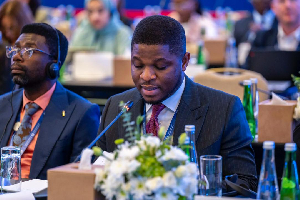
DISCLAIMER: The Views, Comments, Opinions, Contributions and Statements made by Readers and Contributors on this platform do not necessarily represent the views or policy of Multimedia Group Limited.