A national conversation on faith, identity, and educational values has intensified following a recent incident at Wesley Girls’ High School in Cape Coast, where a Muslim student’s request to wear a hijab was declined due to the school’s long-standing dress code and Christian traditions.
The decision, rooted in the Methodist school’s mission and ethos, quickly sparked public debate and drew responses from major religious bodies across the country.
In a carefully worded statement issued from the Provincial Secretariat of the Church of the Province of West Africa, the Anglican Church of Ghana added its voice to the unfolding discourse.
The statement was jointly signed by The Most Rev. Dr Jonathan B.B. Hart, Provincial Secretary, and The Most Rev. Dr Cyril Kobina Ben-Smith.
The Anglican leadership expressed strong support for earlier positions taken by the Ghana Catholic Bishops’ Conference and the Christian Council of Ghana, both of which emphasised the autonomy of mission schools to uphold the religious identity of their founding institutions.
Citing Article 21(c) and Article 43 of Ghana’s 1992 Constitution, the Anglican Church underscored that freedom of religion includes the collective rights of faith-based communities, not only individual expression.
According to the statement, mission schools must be allowed to operate within their established values, which include dress codes designed to reflect their guiding beliefs.
At the same time, the Church acknowledged the sensitive nature of the issue, noting that Ghana’s rich religious diversity requires careful handling, mutual respect, and thoughtful engagement.
“Ghana is home to many faiths,” the statement noted, “and every tradition deserves understanding.
But imposing one group’s practices on another’s sacred space risks disrupting the harmony we cherish.”
The Anglican Church also called on government officials, religious leaders, and civil society to approach the matter with calm and openness.
Rather than allowing the debate to fuel tension, the Church encouraged stakeholders to see it as an opportunity for meaningful dialogue on coexistence and the role of religious identity in education.
The Wesley Girls’ hijab issue has since sparked wider discussions among parents, educators, students, and religious authorities, raising important questions about the balance between personal freedoms and institutional values in Ghana’s mission schools.
Worldwide air cargo rates climbed one percent in the latest two week period ending November 23, 2025, reaching $2.68 per kilogram despite chargeable weight declining three percent, according to data published Wednesday by WorldACD Market Data covering more than 500,000 weekly transactions.
The pricing increase reflects continued supply demand dynamics favoring carriers as available cargo capacity growth lags behind demand. Year over year comparisons show worldwide rates up six percent while chargeable weight has declined three percent compared to the same two week period in 2024.
Africa origin cargo recorded the strongest rate performance with prices advancing 12 percent year over year, though volumes grew just one percent over the past five weeks. Middle East and South Asia rates climbed nine percent year over year, while chargeable weight from that region plummeted 19 percent in the two week comparison.
North America and Central and South America both posted four percent rate increases over the five week period, with chargeable weight from North America declining one percent while Central and South American volumes dropped three percent in the recent two week window. Europe saw rates decline one percent over five weeks despite capacity remaining flat, while Asia Pacific rates fell one percent even as the region recorded modest volume increases.
Regional capacity trends varied significantly. Africa led capacity growth at 12 percent year over year, followed by Asia Pacific at eight percent. Central and South America added eight percent more capacity, while North America and Middle East and South Asia remained flat. Europe registered no capacity change over the comparison period.
The disconnect between rising rates and falling volumes typically signals tight capacity utilization, forcing shippers to accept higher prices for available space. Air cargo capacity has grown just five percent year over year globally while demand patterns remain elevated, though moderating from the double digit growth rates that characterized most of 2024 and early 2025.
Previous year rates showed a declining trend through late 2024, starting at $2.76 per kilogram and falling to $2.64 by mid November before rebounding. Current year rates followed a similar pattern, beginning at $2.76 in late October and declining to $2.55 before recovering to $2.68 by late November. This seasonal pattern reflects typical peak season dynamics as retailers stock inventory ahead of year end holidays.
Asia Pacific markets continue dominating global air cargo flows. Spot rates from the region remained elevated at approximately $4.00 per kilogram in early November despite volume declines from major Northeast Asian origins including China, Hong Kong, and South Korea. Southeast Asian origins including Vietnam, Thailand, Malaysia, and Singapore posted substantial volume increases ranging from 30 to 52 percent year over year on transpacific routes.
The volatile transpacific market has experienced significant disruption throughout 2025 as changes to United States (US) import tariffs and de minimis rules altered shipping patterns. China to US spot rates peaked at $5.59 per kilogram in early November, the highest level for 2025, though still below the $5.90 recorded during the equivalent period in 2024 when rates surged ahead of Thanksgiving, Black Friday, and Christmas shopping seasons.
Industry forecasts project global air cargo demand growing four to six percent in 2025, substantially lower than the double digit expansion recorded throughout 2024. The moderation reflects tougher year over year comparisons as 2024 volumes were already elevated, plus ongoing uncertainties around trade policies, manufacturing activity, and consumer spending patterns.
Ecommerce continues driving substantial air cargo demand, particularly from Asia Pacific origins. Business to business (B2B) ecommerce in Asia Pacific markets is projected to reach approximately $29 billion of the $36 trillion global market by 2026, with growth rates of 20 to 25 percent expected for 2025. Consumer preferences for niche brands promoted through social media platforms are reshaping demand patterns and supporting growth in previously underpenetrated markets.
Capacity constraints persist as older freighter aircraft retire while deliveries of new freighters experience delays. Airlines have prioritized passenger routes over cargo operations, reducing available bellyhold capacity on certain trade lanes. European carriers particularly face pressure as Chinese airlines expand capacity on Europe Asia routes, offering more competitive space and pricing.
Ocean freight disruptions continue providing support for air cargo demand. Although the Red Sea situation affecting container shipping has plateaued, any renewed maritime disruptions could trigger additional modal shifts toward air transport for time sensitive shipments. The brief US East Coast port strike in October generated a 12 percent month over month jump in air cargo volumes from Europe to the US.
Contract negotiation dynamics are evolving as market participants adapt to volatility. In 2024, shippers demonstrated growing preference for longer term air freight contracts of one year or more, which accounted for 63 percent of all agreements valid in the fourth quarter, marking a 16 percentage point increase from 2023. Meanwhile, freight forwarders negotiated nearly half their volumes in the spot market, potentially eroding revenues as airline rates increased.
The Ghana air cargo market forms part of the broader African region showing strong rate growth. Kotoka International Airport (KIA) in Accra serves as a regional hub for cargo operations, handling pharmaceuticals, fresh produce, textiles, and manufactured goods. Ghana Airways Cargo and various international freight operators facilitate connections between West Africa and global markets.
Industry stakeholders emphasize that heightened market volatility driven by geopolitical uncertainties, manufacturing headwinds, and potential policy changes will continue impacting air cargo through 2026. Flexible freight rate negotiation methods including indexing or transparent pricing mechanisms may foster better collaboration across the industry as historical trends provide less reliable guidance for purchasing decisions.
Load factors, measuring capacity utilization, reached 63 percent globally in November, the highest level in more than 30 months. This elevated utilization indicates tight market conditions despite moderating demand growth. Airlines operating all cargo aircraft report planes nearly always fully loaded on main headhaul routes from Asia to North America and Europe.
The International Air Transport Association (IATA) cautioned that proposed tariffs under the incoming US administration on major trading partners including Canada, China, and Mexico could upend global supply chains and undermine consumer confidence. The air cargo industry’s proven adaptability to rapidly evolving geopolitical and economic situations will likely be tested as new trade policies unfold.
Looking ahead, the peak season traditionally running through December will test whether capacity can meet demand without triggering the chaotic rate spikes witnessed in previous years. Improved inventory management and pre peak planning by retailers and logistics providers has prevented extreme volatility thus far, though any unexpected capacity shocks or demand surges could quickly tighten market conditions.
Market participants will closely monitor several factors through year end including manufacturing activity indicators, consumer spending trends during holiday shopping periods, resolution of trade policy uncertainties, ocean freight reliability, and airline capacity allocation decisions. The outcome of these variables will shape whether 2026 begins with continued moderate growth or returns to more volatile conditions.
The Afrobeats scene is set to receive a fresh wave of energy as Ghanaian Iphxne DJ known for his innovative mixes and viral sound-crafting style joins forces with an all-star lineup on a new single titled “Galorizzy.”
The track brings together Nigerian superstar Davido, celebrated DJ and producer ECool, rising talents Mavo and Scotism, and soulful vocalist Morravey, creating a dynamic cross-continental collaboration designed to uplift, energize, and move audiences across the globe.
“Galorizzy” blends rhythmic Afrobeats with smooth melodies and infectious hooks, capturing the essence of celebration and positivity. Each artist contributes a distinct sonic flavor: Davido delivers his signature charisma, Morravey brings melodic warmth, while ECool, Mavo, and Scotism layer the record with vibrant production and catchy flows.
For Iphxne DJ his ability to craft beats and mixes directly from his device has already earned him a cult following and this new track showcases the versatility and innovation behind his brand.
“Galorizzy” is officially out on all streaming platforms, Expect it to dominate playlists, light up the clubs, and trend across socials as a true feel-good anthem for the season.
Explore the world of impactful news with CitiNewsroom on WhatsApp!
Click on the link to join the Citi Newsroom channel for curated, meaningful stories tailored just for YOU: https://whatsapp.com/channel/0029VaCYzPRAYlUPudDDe53x
No spam, just the stories that truly matter! #StayInformed #CitiNewsroom #CNRDigital
World Cup Countdown: Ghana Establishes High-Level Committee for 2026 Campaign
The Government of Ghana has appointed an 11 member ministerial oversight committee to guide preparations for the 2026 FIFA (Fédération Internationale de Football Association) World Cup following the Black Stars’ qualification for their fifth appearance at football’s premier tournament.
Chief of Staff Julius Debrah inaugurated the committee on Wednesday, November 26, 2025, at Jubilee House and instructed members to ensure Ghana’s investment potential and tourism offerings receive prominent showcase during the tournament scheduled from June 11 to July 19, 2026, across the United States, Canada, and Mexico.
Ghana Football Association (GFA) President Kurt Okraku chairs the committee tasked with providing strategic leadership and coordinating work across ministries as the Black Stars prepare for next summer’s competition. The committee will oversee an already established technical working group and receive progress reports on implementation activities.
Debrah emphasized that the World Cup represents more than 90 minutes of football action, characterizing it as an opportunity spanning eight years including four years of preparation and four years of leveraging the exposure afterward. He stressed the importance of leveraging the Black Stars’ presence to attract potential investors and encourage international visitors to experience Ghana while benefiting from extensive media coverage during the World Cup.
The Chief of Staff called for unity and urgency in promoting Ghana’s image, urging stakeholders to work together showcasing the country’s capabilities and attracting investment opportunities. He cautioned the committee to coordinate travel arrangements thoroughly, noting that past issues surrounding visa processing and unauthorized travel have occasionally tarnished the nation’s reputation.
Debrah urged the committee to work closely with United States consular officials ensuring legitimate supporters can travel to cheer on the Black Stars without incident. He emphasized visa facilitation for fans as crucial for promoting Ghana’s tourism industry while maintaining the country’s international standing.
Committee membership includes Stan Xoese Dogbe from the Office of the President, Sports and Recreation Minister Kofi Iddie Adams, Foreign Affairs Minister Samuel Okudzeto Ablakwa, and Youth Development Minister George Opare Addo. Deputy Finance Minister Thomas Nyarko Ampem and Deputy Minister of Tourism, Culture and Creative Arts Yussif Issaka Jajah also serve on the committee.
Retired Black Stars Captain Abedi Ayew, regarded as one of Africa’s greatest footballers, joins the committee bringing invaluable experience from his playing career. Other members include Wilhelmina Asamoah, chief director of the Ministry of Sports and Recreation, Elizabeth Yankah, deputy national security coordinator, and a representative from the private sector.
Responsibilities assigned to the committee include resource mobilization, sponsorship development, fan engagement programs, and promoting Ghana’s image internationally. The committee must lead with accountability, speed, and national consciousness while ensuring scattered efforts are replaced with coordinated planning across government agencies and private sector partners.
Debrah expressed President John Dramani Mahama’s confidence in the Black Stars, stating that the team has potential to make Ghana proud on the international stage. He conveyed the president’s trust in the squad representing the nation well at the World Cup while emphasizing government support for preparation efforts.
Ghana secured qualification for the 2026 tournament on October 12, 2025, following a 1-0 victory over Comoros at Accra Sports Stadium. Mohammed Kudus scored the decisive goal in the 47th minute from a Thomas Partey assist, sparking celebrations across the capital. The result confirmed Ghana as Group I winners in African qualifiers, collecting 25 points from 30 available and scoring 23 goals in 10 matches.
Head coach Otto Addo, who also guided the Black Stars to Qatar 2022, becomes the first coach to qualify Ghana for two FIFA World Cup tournaments. Captain Jordan Ayew reflected on the team’s determination after missing the 2025 Africa Cup of Nations in Morocco, noting that everyone gave everything knowing this World Cup represented their chance for redemption.
Ghana joins Algeria, Cape Verde, Egypt, Ivory Coast, Morocco, Senegal, South Africa, and Tunisia among African nations confirmed for the expanded 48 team World Cup. This marks Ghana’s fifth World Cup appearance and second consecutive qualification after competing at Qatar 2022, where they finished fourth in Group H.
The Black Stars’ most memorable World Cup moment came in 2010 when they reached the quarterfinals in South Africa, falling just a missed penalty away from becoming the first African team to reach the semifinals. President Mahama urged the team to draw inspiration from Morocco’s 2022 heroics when the Atlas Lions became the first African nation to reach the last four.
Debrah emphasized that Ghana’s World Cup participation should contribute to growing sports, expanding the economy, and adding to gross domestic product (GDP). He stated that the road to 2030 begins now and the oversight committee must lead with accountability, speed, and national consciousness.
The Chief of Staff stressed that Ghana cannot afford to enter 2026 with mindsets from 2014 and 2010 World Cup campaigns. He called for correcting past mistakes while amplifying what can be built, leading with clarity, acting with urgency, and projecting Ghana with discipline and pride.
FIFA President Gianni Infantino congratulated the Black Stars in a message shared on social media, noting that Ghana’s fans will bring color, style, and passion to the greatest FIFA World Cup ever. The tournament will be the largest edition in history with 48 participating teams across three host nations.
The committee faces tight timelines with the tournament beginning in approximately seven months. Priority actions include finalizing travel logistics, securing sponsorship agreements, launching fan engagement initiatives, coordinating with host country authorities on visa facilitation, and developing comprehensive marketing strategies to promote Ghana’s economic and tourism potential.
Ghana’s participation offers exposure to global audiences estimated in billions across broadcast and digital platforms. The committee must develop strategies maximizing this visibility beyond match days, including pre tournament activities, cultural programs, business forums, and tourism promotions targeting potential visitors and investors.
The Black Stars will learn their group stage opponents when the official draw takes place ahead of the tournament. Ghana’s performance in group stages will determine whether they advance to knockout rounds, potentially extending their time in the spotlight and multiplying opportunities to showcase the nation.
Beyond football results, success will be measured by tangible outcomes in tourism arrivals, foreign direct investment commitments, international partnerships established, and enhanced global perception of Ghana as an investment destination. The oversight committee must establish clear metrics and reporting mechanisms to track progress across these dimensions.
The 2026 World Cup represents Ghana’s opportunity to correct past organizational shortcomings and demonstrate capacity for world class event preparation and execution. Stakeholder coordination, transparent resource management, effective communication, and disciplined implementation will determine whether Ghana maximizes returns from this global platform.
World Vision Ghana, the local branch of global charity World Vision International, has launched a 51.6-million-U.S.-dollar business plan for 2026-2030 to support Ghana’s water, sanitation, and hygiene (WASH) service delivery.
The Mapping the Blue Thread financing program seeks to support the West African country to achieve universal WASH coverage across 23 districts, with access for households, schools, and healthcare facilities.
“This initiative marks a decisive step toward improving the well-being of our communities with a vision that closely aligns with both Sustainable Development Goal 6, of clean water and sanitation for all, and the broader development aspirations of the government of Ghana,” Kenneth Gilbert Adjei, minister of works, housing, and water resources, said during the launch on Wednesday.
Rita Naa Odoley Sowah, deputy minister for local government, chieftaincy, and religious affairs, acknowledged development partners and non-governmental organizations for their strong partnership, which has contributed to Ghana’s progress in WASH. She also pledged the government’s support for achieving the goals set in the business plan.
National Director of World Vision Ghana Tinah Mukunda said the initiative is based on the organization’s belief in partnerships, which are a force multiplier that help address challenges at a faster pace.
“Universal access means that everyone everywhere across our project implementation areas will have access to water, sanitation, and hygiene services,” Mukunda said.
GIS says the behaviour of the officers falls far below the standards expected of its personnel
Six officers of the Ghana Immigration Service (GIS) have been interdicted for gross misconduct after a video circulated on social media showing them verbally abusing a superior officer.
The superior officer, who is identified as a Deputy Commissioner of Immigration (DC01), was travelling in a commercial vehicle when the confrontation happened on November 25, 2025, at the Offinso Inland Checkpoint, where the officers were stationed.
The GIS said the behaviour captured in the video—including verbal attacks, lack of courtesy, and outright disrespect toward a superior—falls far below the standards expected of its personnel.
GIS begins operation to rid streets of undocumented immigrants, including children
The Service described the incident as unacceptable, especially considering its ongoing efforts to promote professionalism and proper conduct in dealing with travellers and performing official duties.
In a statement issued on November 28, 2025, the GIS stressed that the officers’ actions violate the Service’s Code of Conduct.
The Comptroller-General reaffirmed that professionalism, respect for authority, and integrity are core principles of the Service, and warned that any behaviour that undermines these values will face swift and firm disciplinary action.
The Service also apologised for any embarrassment caused to the public and assured Ghanaians of its continued commitment to discipline, professionalism, and accountability.
Read the full statement below:
#TrendingGH: Extension of IGP’s contract draws praise and criticism
Nana Konadu Rawlings Strongly Promoted Made In Ghana Fashion, Her Style Never Faded – Sam Okudzeto
News Hub Creator5h
The late Nana Konadu Agyeman-Rawlings, former First Lady of Ghana, is being remembered for her strong advocacy of Ghanaian culture and her passionate promotion of local fashion. Samuel Okudzeto Ablakwa, the current Minister of Foreign Affairs, highlighted her significant contributions to elevating made-in-Ghana clothing, noting that she consistently used her platform to showcase the richness of Ghanaian craftsmanship and creativity. Her efforts were seen as a powerful endorsement of local industries and a meaningful step toward promoting economic growth and cultural pride within the country.
Throughout her tenure as First Lady, Nana Konadu Agyeman-Rawlings emphasized the importance of supporting Ghanaian designers, artisans, and businesses. She believed that promoting local fashion was not merely a matter of style but also a way to empower communities, create jobs, and strengthen the national economy. Samuel Okudzeto Ablakwa noted that her public appearances and official engagements frequently featured Ghanaian-made garments, a deliberate choice that inspired many to embrace and celebrate their cultural heritage. By championing locally produced clothing, she set an example that highlighted the value of homegrown talent and encouraged citizens to take pride in their products.
Beyond fashion, Nana Konadu’s advocacy reflected her broader commitment to national development and social empowerment. Her support for made-in-Ghana initiatives aligned with her belief in self-reliance, economic sustainability, and the promotion of Ghanaian identity on both local and international stages. Through her actions, she demonstrated how cultural promotion and national pride could go hand in hand with practical support for local industries and entrepreneurship.
In remembering Nana Konadu Agyeman-Rawlings, Samuel Okudzeto Ablakwa underscored that her legacy in promoting made-in-Ghana fashion continues to resonate today. Her dedication to celebrating Ghanaian craftsmanship and empowering local businesses remains a source of inspiration, reinforcing the idea that leadership is not only about policy and politics but also about nurturing cultural pride and supporting the economic development of one’s nation.
Counsel for Akosua Serwaa has grabbed headlines in the wake of the ruling delivered by the Kumasi High Court regarding who deserves to be Daddy Lumba’s surviving spouse
A video showed the counsel for Akosua Serwaa not looking like his usual self
Social media users who took to the comments section of the video have shared their views
The lawyer for Daddy Lumba’s disgruntled wife, Akosua Serwaa, is trending in the wake of the verdict delivered by the Kumasi High Court on November 28, 2025.
This comes after the court, presided over by Her Ladyship Justice Dorinda Smith-Arthur, declined to name Akosua Serwaa as the sole legal spouse of the late highlife legend Daddy Lumba.
The Kumasi High Court delivers its final verdict in the Akosua Serwaa vs Odo Broni court case on November 28, 2025. Image credit: DrMahamuduBawumia Source: TikTok
A video which is making rounds and was sighted by YEN.com.gh on @promaxmedia1 shows a sad moment where the lawyer for Akosua Serwaa was seen leaving the court with his associates.
The outspoken legal practitioner, who often exudes confidence during his court appearances, looked downhearted this time as he left the premises.
Despite attempts by some men, in a bid to cheer him up by spraying ten-cedi notes, Lawyer Kusi kept a straight face as he kept walking and even failed to acknowledge their presence.
Lawyer Kusi has come under the spotlight due to his earlier pronouncements prior to the final verdict by the judge.
The videos of Lawyer Kusi before and after the ruling are below:
ECOWAS Validates Gender Equality Framework for Women in Clean Energy
The Economic Community of West African States (ECOWAS) has validated a pioneering Gender Equality Index (GEI) tailored for the clean energy sector following a two day regional workshop that concluded Thursday in Cotonou, Benin, marking a significant step toward addressing gender disparities in West Africa’s energy transition.
The ECOWAS Centre for Renewable Energy and Energy Efficiency (ECREEE), in partnership with the International Development Research Centre (IDRC), convened representatives from member states, gender and energy experts, women’s associations, private sector actors, and development partners on November 27 and 28 to validate the framework specifically focused on small and medium sized enterprises (SMEs).
Gibson Obasi, acting executive director of ECREEE, reaffirmed through his representative the center’s commitment to embedding gender equality across regional energy initiatives. Guei Guillaume F. Kouhie, the renewable energy technologies program officer speaking on Obasi’s behalf, emphasized that the GEI provides a practical and measurable tool to advance inclusive and equitable energy development.
Flaubert Mbiekop, IDRC representative, highlighted the importance of research based frameworks in achieving just energy transitions. He noted that the GEI will guide policymakers and businesses in addressing gender disparities across the clean energy value chain.
Todeman Assan, director general of energy planning and rural electrification representing Benin’s Minister of Energy, Water and Mines José Didier Tonato, declared the meeting open and emphasized the urgent need for dedicated financing mechanisms for SMEs, particularly women led enterprises. He stressed that such support is essential for ensuring a just and sustainable energy transition in the region.
Participants reviewed and validated three crucial outputs during the workshop. The evaluation framework derived from the GEI methodology provides standardized metrics for assessing gender inclusion. The evaluation study report, based on a census and analysis of gender inclusion in clean energy SMEs, documents current conditions across member states. A regional recommendations and action plan for implementing the GEI across ECOWAS outlines concrete steps for integration.
With the validation of these tools, ECOWAS now benefits from a robust framework to strengthen gender mainstreaming in clean energy businesses and guide policy, investment, and institutional reforms. The validated GEI framework marks an important milestone in the region’s efforts to reduce gender gaps in energy access, enhance women’s participation in clean energy value chains, and support women’s leadership in energy decision making.
The framework builds on more than a decade of gender mainstreaming efforts in West African energy sectors. The ECOWAS Programme on Gender Mainstreaming in Energy Access, established in 2013, has worked to steer member states toward mainstreaming gender in policy formulation, legislative drafting, and energy project design and implementation with the intention to promote equality through equal access to resources and equal contribution to decision making processes.
Women face multiple barriers to participation in clean energy sectors across West Africa. At the supplier level, weak educational preparation represents the greatest challenge to achieving gender balance. Males and females are not encouraged in equitable measure to pursue studies and careers in the energy sector. This education gap persists in the private sector where very few women are engaged as entrepreneurs and employees in energy related businesses.
Women remain poorly informed about business opportunities in the energy sector and often face substantially more challenges than men in accessing credit. Considering that energy sector jobs are often viewed as socially unacceptable for women, disproportionately more public effort must be made to steer women onto energy tracks until the skills and interest gaps are closed. Additional to educational preparation challenges, a wealth gap means women on average require more financial support to complete training and additional financial flows at business start up.
At the consumer level, challenges for gender equality are numerous and varied depending on specific applications. Awareness about product availability, costs, benefits, and maintenance presents one challenge. Ability to pay represents another. Female agency and intra household bargaining power continue posing difficulties for the adoption of improved energy solutions in some settings. Gender equality at the consumer level requires that women be fully recognized as consumers, be economically empowered, and have equal agency.
The Women and Clean Energy in West Africa (WOCEWA) project, formulated by ECREEE in collaboration with IDRC, specifically works to meet policy objectives relating to mainstreaming gender in the private sector and increasing participation of women as clean energy consumers and suppliers. WOCEWA aims to work with energy sector SMEs to identify limitations to their meeting gender specific requirements, devise solutions, and support them to adopt these solutions.
ECREEE previously launched grant opportunities for women entrepreneurs in the energy sector, inviting applications for developing renewable energy technologies and distributing clean energy solutions across West Africa. Projects are evaluated based on concept innovation, development impact, and business model and financial sustainability.
Regional bodies like ECOWAS are introducing policies to create enabling environments for gender equality in the energy sector as part of broader efforts supported by development partners including Swedish International Development Cooperation Agency, USAID, Austrian Development Agency, and the UK’s Foreign, Commonwealth and Development Office. Some governments, including Kenya, have implemented similar initiatives.
Women are disproportionately exposed to hazardous cooking fuels, lack access to jobs in the energy sector, and are underrepresented in energy policy and governance discussions across Africa. From energy efficient ovens to solar lighting, energy plays a key role in addressing the time poverty of women and powering their businesses while improving health and education outcomes.
The ECOWAS policy for gender mainstreaming in energy access aims at achieving widespread understanding of energy and gender considerations at all levels of society, ensuring that all energy interventions are gender inclusive and directed toward addressing inequalities and energy poverty, increasing women’s public sector participation in energy related technical fields and decision making positions, and ensuring that women and men have equal opportunities to enter and succeed in energy related fields in the private sector.
Ghana participates actively in regional gender and energy initiatives as an ECOWAS member state. The country has expanded rural electrification programs and renewable energy deployment while working to integrate gender considerations into energy planning and implementation frameworks. Women entrepreneurs in Ghana’s solar, biomass, and liquefied petroleum gas sectors stand to benefit from the validated GEI framework and associated support mechanisms.
ECREEE and its partners reaffirm their commitment to working closely with member states to implement the GEI and advance a more inclusive, equitable, and sustainable energy future for West Africa. The framework provides concrete tools for measuring progress, identifying gaps, and directing resources toward interventions that can transform women’s participation across clean energy value chains.
The validation workshop represents a crucial step in translating research and advocacy into actionable policy frameworks with measurable indicators. Implementation success will depend on sustained political commitment, adequate financing for women led enterprises, capacity building programs, and systematic monitoring of gender outcomes across the energy sector.
Looking ahead, the next phase involves dissemination of the GEI framework to all member states, capacity building for national energy ministries and regulatory bodies, integration of gender indicators into project approval processes, and establishment of tracking mechanisms to monitor progress toward equality goals. ECREEE will coordinate these implementation efforts while supporting member states in adapting the framework to national contexts.
The Ghana Fixed Income Market (GFIM) processed GH¢1.33 billion across 658 transactions on Friday, November 28, 2025, with treasury bills and sell and buyback trades maintaining their dominance as investors balanced liquidity needs with strategic positioning in government securities ahead of year end.
Treasury bills captured GH¢260.96 million through 575 separate transactions, accounting for 19.60 percent of total trading volume. Sell and buyback trades involving Government of Ghana (GOG) notes and bonds contributed GH¢438.67 million through 42 transactions, representing 32.94 percent of market activity and providing institutional investors with liquidity management tools while maintaining exposure to longer dated government debt.
New GOG notes and bonds attracted GH¢624.89 million in fresh investments across 33 trades, marking the session’s largest segment at 46.93 percent of total volume. The most actively traded instrument was a GOG bond maturing February 11, 2031, carrying an 8.95 percent coupon, which recorded GH¢365.76 million in volume across 10 transactions at a yield of 15.51 percent and a closing price of 77.05 cedis per 100 cedis face value.
Old GOG notes and bonds contributed GH¢205,850 through three transactions. A GOG bond maturing March 2, 2026, with an 18.30 percent coupon represented the largest old bond trade at GH¢184,500 in a single transaction, yielding 19.53 percent and closing at 99.48 cedis.
Corporate bond activity demonstrated modest participation, with CMB bonds maturing August 30, 2027, carrying a 13 percent coupon recording GH¢7.18 million through five transactions at a closing price of 95.79 cedis. This limited corporate participation continues reflecting challenges in developing the corporate debt segment, where only eight active issuers currently operate after four companies recently exited.
The elevated yields visible in Friday’s trading continue reflecting risk premiums that investors demand for holding Ghanaian government debt. Medium and long term government securities still carry significant rate structures despite improvements in the country’s fiscal position and declining inflation rates.
Friday’s volume positions November as a strong month for the GFIM despite lower activity compared to October, which recorded the highest monthly volumes with government notes and bonds at GH¢12.41 billion and treasury bills at GH¢12.91 billion. The GFIM celebrates its 10th anniversary in November and December under the theme “10 Years of the Ghana Fixed Income Market: Deepening Markets, Expanding Possibilities.”
Bank of Ghana Governor Johnson Pandit Asiama revealed during anniversary celebrations that cumulative trading has surpassed GH¢1.2 trillion since inception in August 2015, establishing the platform as one of Sub Saharan Africa’s most liquid fixed income markets outside South Africa and Nigeria. Asiama noted that inflation has fallen from 54 percent to 8 percent within the target band, while the cedi has appreciated more than 35 percent year to date.
The GFIM continues its strong recovery trajectory in 2025 following its first significant downturn in 2023 after implementation of the Domestic Debt Exchange Programme (DDEP). Ghana Stock Exchange (GSE) Managing Director Abena Amoah revealed that cumulative trading volume from January to October 2025 crossed the GH¢200 billion mark, positioning the market to approach pre DDEP levels.
Looking ahead, the GSE aims to admit 100 companies to the GFIM and expand participation to 10 million Ghanaians, up from the current 2 million securities account holders. The exchange plans launching an academy providing preparatory programs designed to demystify capital markets for companies and their boards while guiding them through listing requirements and financing procedures.
Market participants consistently favor government securities over corporate debt and shorter maturities over longer dated instruments despite Ghana’s improving macroeconomic fundamentals. Banks, which represent the largest institutional players, typically match short term deposit liabilities with short term assets like treasury bills rather than committing to longer duration exposures.
Pension fund assets on the GFIM have grown to over GH¢90 billion, comprising approximately 90 percent of assets under management. This concentration reflects the conservative investment approach of pension fund managers who prioritize fixed income securities for their stable returns and capital preservation characteristics.
Friday’s trading patterns suggest momentum could carry through the remainder of November as institutional investors position portfolios ahead of December. Market observers continue monitoring fourth quarter government borrowing requirements, monetary policy signals from the Bank of Ghana regarding interest rate direction, and developments in Ghana’s ongoing International Monetary Fund (IMF) program that could impact investor confidence.
Mahama Ayariga is the Majority Leader of Parliament
The Majority Leader, Mahama Ayariga, has called for the termination of the government’s contract with Zipline for drone delivery of essential medicines, arguing that the arrangement has become a waste of state resources.
His remarks follow a request by the Minority Leader, Alexander Kwamena Afenyo-Markin, for the Health Minister to appear before Parliament next week to brief the House on efforts to restore Zipline’s operations at three centres closed down due to the government’s GH₵175 million debt.
Addressing Parliament, Mahama Ayariga stated that the Ghana Health Service (GHS) is fully capable of acquiring its own drones to deliver critical medical supplies to hard-to-reach communities, eliminating the need for the costly contract.
Hearts of Oak head coach Didi Dramani says he remains fully confident in the long-term potential of his squad as the team continues its transition toward a more defined style of play.
Dramani, whose side has endured a mixed start to the season, believes the project is still in its early stages but insists the groundwork being laid will yield results with time.
“It is just the first phase of everything that we are doing, in terms of putting in desirable performance,” he explained.
He stressed the importance of establishing a recognizable identity—one that reflects the philosophy and direction the club hopes to take moving forward.
“One key aspect to emphasize in terms of performance is that we need to have a clear identity and direction which tells who we are and where we want to go.”
The Hearts of Oak boss further highlighted the need for collective alignment across all levels of the club, noting that success will require unity from players, staff, management, and supporters alike.
“In going about our style of play, hopefully everybody aligns with this — even our supporters, management.”
Hearts of Oak return home this weekend when they host Vision FC at the University of Ghana Stadium — their first match at the venue since relocating from the Accra Sports Stadium.
The Phobians managed just one win in five matches at the Accra Sports Stadium, making them the second-worst home side in the league during that stretch with only six points collected.
This is the letter from Francis Asenso-Boakye MP, that yaanom are twisting? Isn’t this common sense ?
A Questionable Shift: Abandoning the Accra–Kumasi Dualisation for a New Expressway is Misguided
By Francis Asenso-Boakye
The recent announcement by President John Dramani Mahama to begin the construction of a brand-new six-lane expressway from Accra to Kumasi has understandably captured public attention. The President stated that the project will commence next year and be completed before he exits office; a timeline of less than three years. But beyond the headline-grabbing promise lies a troubling set of contradictions, omissions, and misplaced priorities that call for urgent scrutiny.
First, let us consider the context. The Accra–Kumasi Road is Ghana’s most critical transport corridor, connecting the capital to the Ashanti Region to Bono East to Northern to North East, Upper East and beyond, forming the spine of the national economy. With Kumasi as nodal, the same section will connect travelers to Bono Region, Savanna, Upper West and beyond as well as West North and Ahafo.
The current Mahama administration has announced to construct a new expressway from Accra to Kumasi and plans to jettison the comprehensive dualisation project that is already well underway started by President Kufuor, neglected by the Mills/Mahama administration, and resurrected by the Akufo-Addo administration. As of today, over 100 kilometers of the 240km corridor have been dualised, and an additional 46 kilometers are currently under active construction. These include major bypasses at Anyinam, Osino, Enyiresi, and Konongo, with physical progress ranging between 58% and 100%. After their completion, only 94 kilometers will be left to dualise. This is the real, tangible progress made under a long-term national strategy.
So why abandon it?
Instead of completing this existing project; whose scope, cost, and design are already known; the government now proposes to start afresh with an entirely new expressway, without a completed feasibility study, without an established cost, and without confirmed funding. In fact, during his own press briefing last week Wednesday, the Minister for Roads and Highways admitted that the Ministry is still in the process of hiring a consultant to undertake the feasibility study. This stunning admission raises the obvious question: how was the President able to determine a start date and a completion date for a project whose design, cost, and funding are unknown?
This defies logic and prudent planning.
It also raises significant governance concerns. Article 35(7) of the 1992 Constitution of Ghana, under the Directive Principles of State Policy, obligates every government, as far as practicable, to continue and execute projects and programmes initiated by previous administrations in the interest of continuity and national development. What we are witnessing, however, is a blatant disregard for this constitutional directive and rather a politically driven effort to undermine the work of a previous government by abandoning an ongoing project in favour of an untested alternative.
The cost implications of this shift are deeply concerning. Initiating an entirely new six-lane expressway which will likely involve new alignments, fresh compensation payments, environmental assessments, and a whole new procurement process, will place an even heavier financial burden on the state. At a time of severe fiscal pressure, when government is already struggling to finance ongoing projects nationwide, such a move is not only ill-advised; it is actually wasteful.
I am aware that the Minister for Roads and Highways has raised concerns about alleged cost overruns arising from project variations. While such claims deserve to be thoroughly investigated and, if necessary, addressed through appropriate corrective measures, they should not serve as justification for abandoning the entire project. Variations and cost adjustments are common in major infrastructure works and can be managed within existing contractual and legal frameworks. Discontinuing a critical national project on the basis of unresolved variations not only undermines continuity but also sets a troubling precedent for future infrastructure development.
Let’s be clear: we are not opposed to infrastructure development. We support every effort that brings progress to the people of Ghana. But progress must be strategic, cost-effective, and aligned with long-term national goals, not tailored to the political egos of a few individuals.
The Accra–Kumasi dualisation project is a technically sound, economically justified, and legally valid undertaking. To abandon it midway in favour of an unfunded and undefined expressway is to betray the public trust, waste scarce resources, and derail continuity in our infrastructure agenda.
Ghana deserves better. Our people deserve better.
Let us stay the course; not start over for political showmanship.
The author is the Member of Parliament for Bantama, and a planner by profession. He’s the immediate past minister for Roads and Highways and also a former minister for Works and Housing.
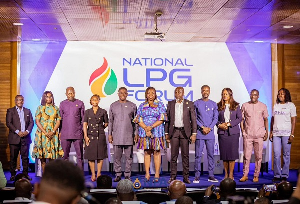
The National Petroleum Authority (NPA) on Thursday, November 27, 2025, convened its maiden National LPG Forum at the Authority’s head office in Accra.
The event, described as the first of its kind, brought together key industry players, representatives of civil society organisations (CSOs), and other stakeholders within Ghana’s petroleum downstream sector.
It marked a significant step in broadening engagement on policies and developments in the liquefied petroleum gas (LPG) industry.
Welcoming participants to the forum, the Chief Executive of the NPA, Godwin Kudzo Tameklo, explained that the initiative was designed to create a platform for open and constructive dialogue.
He said such engagements were essential for discussing the current state of the sector, identifying emerging challenges, and exploring future prospects for the LPG industry.
According to him, the Authority remains committed to ensuring a transparent and collaborative regulatory environment.
Tameklo noted that the LPG value chain continues to play an important role in Ghana’s energy mix, especially in promoting cleaner and more accessible household energy.
He emphasised that the forum would enable regulators, partner agencies, and market operators to exchange insights that could guide policy reforms and strengthen operational standards.
Energy minister hails NPA boss as ‘young, intelligent and dynamic’
He added that the NPA aims to foster greater cooperation to enhance safety, efficiency, and sustainability in the industry.
Delivering the keynote address, the Minister of Energy and Green Transition, John Abdulai Jinapor, highlighted the importance of stakeholder collaboration in achieving national energy objectives.
He stressed that Ghana’s transition to cleaner energy sources requires deliberate and continuous engagement among all actors in the sector.
The minister further reaffirmed government’s commitment to expanding LPG access while ensuring that environmental and safety considerations remain at the forefront of policy implementation.
Participants at the forum welcomed the initiative, noting that it provides an avenue for deeper conversations on pricing, infrastructure development, safety regulations, and long-term investment opportunities.
The NPA indicated that the National LPG Forum will become an annual event, aimed at strengthening communication and promoting shared responsibility in the growth and transformation of Ghana’s LPG industry.
Watch the promo to GhanaWeb’s latest documentary, which uncovers the evolution of ‘kayamata,’ an exploitative practice fueled by love charms and manipulation, titled, “The Dark Side of Kayamata,’ below:
#TrendingGH: Extension of IGP’s contract draws praise and criticism
The wait is over! The GhanaWeb Excellence Awards 2025 is officially launched. Let’s celebrate impact, innovation and excellence across Ghana.
Who deserves to be honoured this year?
Nominate now 👉 https://ghanaweb.com/ghanaexcellenceawards/nominate
Nov 28 (BBC/GNA) – The Trump administration has said it will re-examine green cards issued to individuals who migrated to the US from 19 countries.
The head of the US Citizenship and Immigration Services, Joseph Edlow, said the president had directed him to conduct “a full scale, rigorous re-examination of every green card for every alien from every country of concern”.
When asked by the BBC which countries were on the list, the agency pointed to a June proclamation by the White House that included Afghanistan, Cuba, Haiti, Iran, Somalia and Venezuela.
The announcement comes in the wake of an Afghan national allegedly shooting two National Guard troops in Washington DC on Wednesday, gravely injuring them both.
The suspect, Rahmanullah Lakanwal, came to the US in 2021 under a programme that offered special immigration protections to Afghans in the wake of America’s withdrawal from Afghanistan.
US President Donald Trump said the shooting underlined a major national security threat.
Edlow’s social media post on Thursday about the sweeping green card review did not explicitly mention that attack.
“The protection of this country and of the American people remains paramount, and the American people will not bear the cost of the prior administration’s reckless resettlement policies,” he said.
There were no further details about what the re-examination would look like.
The June proclamation his agency highlighted to the BBC set out an aim to restrict foreign nationals from entering the US to protect from “foreign terrorists and other national security and public safety threats”.
The administration said security concerns and the overstay rate of business, student and tourists visas were among the reasons for a country to make the list.
“The Taliban, a Specially Designated Global Terrorist (SDGT) group, controls Afghanistan,” the proclamation said. “Afghanistan lacks a competent or cooperative central authority for issuing passports or civil documents and it does not have appropriate screening and vetting measures.”
Other countries whose green card holders will undergo this examination include Myanmar, Chad, the Republic of Congo and Libya.
Wednesday’s attack on members of the US military prompted a forceful response from Trump.
“This attack underscores the greatest national security threat facing our nation,” he said.
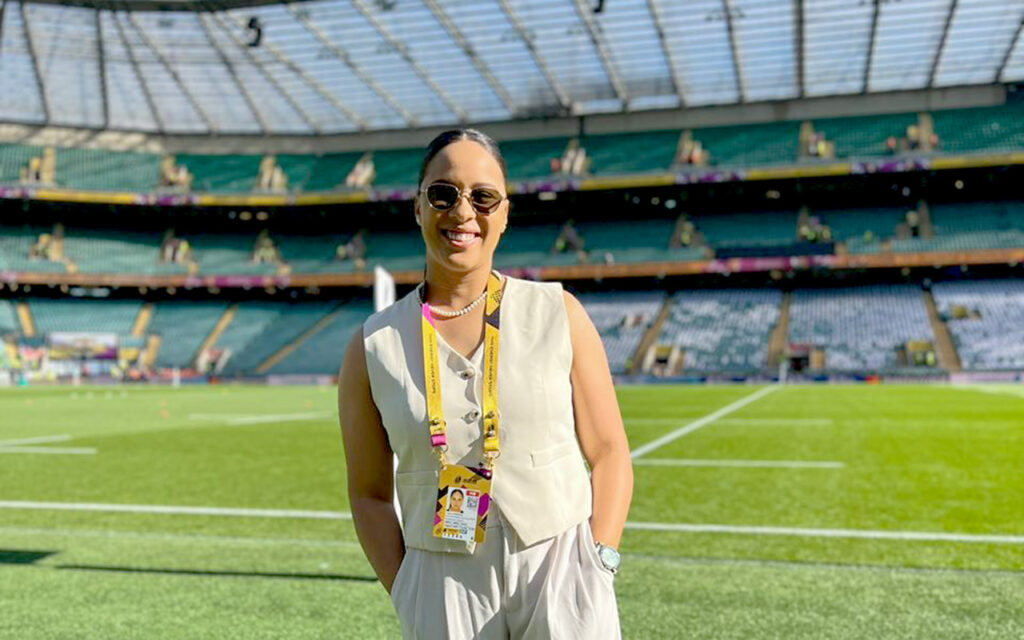
The landscape of sports media in Africa is expanding, with a dynamic force at its core: the Ghanaian journalist Ayishatu Zakaria Ali. Widely acknowledged as a crucial source for sports news across the continent, Ali has dedicated her career to bringing compelling stories to the forefront. Since starting in 2016, her work has focused on illuminating various activities and developments within the world of sport, establishing her as a key voice in the industry’s growth and visibility.
Ali’s career serves as a testament to the evolving media landscape in Ghana, particularly concerning the inclusion of women. She has observed a positive shift, noting that more females are joining the industry. Beyond national reporting, she has significantly contributed through her work with the Confederation of African Football.
Through dedicated storytelling, Ali has specifically championed women’s football both in Ghana and across the broader African continent, striving to ensure these athletes receive the attention and recognition they rightfully deserve.
In a recent discussion with gsport, Ali detailed the path she took to enter the sports journalism sector. She also outlined her professional aspirations, sharing what she hopes to achieve through her ongoing work. Crucially, Ali also discussed the positive influence and impact of gsport in fostering growth and recognition within African sports, underscoring the collective effort to promote diverse athletic narratives.
Thank you for chatting to gsport today Ayishatu, tell us how did you career in media begin?
My career began in 2016 as a news reporter for e.TV Ghana, upon completion of my media studies program.
‘Some of my career highlights include reporting on major African football tournaments, and interviewing prominent football personalities.’
During my internship, a colleague from the sister station, Happy 98.9 FM, recommended I switch to the sports department to wrap up my internship. And like they say, the rest is history.
What is about being is sports media that makes you excited about doing your job?
I am excited about my job because it allows me to share compelling sports narratives as well as connect with athletes, teams and fans. My passion for storytelling, particularly on underprivileged or marginalised groups, drives my enthusiasm.
What does the sports media landscape look like for women and girls in Ghana? Is it an industry that women are keen on joining?
The sports media landscape for women and girls in Ghana is evolving, with more women joining the industry as coaches, referees, administrators, journalists, content creators, and athletes. However, there’s still a need for greater representation and opportunities.
What have been some of the key lessons that have learnt being part of sports media?
Some major lessons I’ve learned in sports media include perseverance, networking, and staying up-to-date with industry trends.
Tyron Barnard: The Media Manager Driving SA Women’s Hockey to National Acclaim, One Story at a Time
SA Hockey Media Manager Tyron Barnard revels in his ‘absolutely vital’ role in consistently elevating…
Women’s Cricket Getting the Recognition it Deserves – Sports Broadcast Specialist Beryl Lodewyk
With 20 years of experience in the game, sports broadcast specialist Beryl Lodewyk believes that…
Steph Mawdsley Loves Building an African Women’s Football Community
Content creator Stephanie Mawdsley’s work has won her acclaim as a trusted source on the…
Content Creator Thando Dlamini Wants to Make Women’s Cricket Cool Again
Thando Dlamini is bringing a new spotlight to bear on the appeal of women’s cricket,…
Layla Arrison Reflects on ‘Moment of Pride’ after Women’s Rugby World Cup
Former player Layla Arrison reflects on her ‘unbelievable’ experience covering the Women’s Rugby World Cup…
From Potential to Power: Building the Next Generation of Women’s Sport Media
The movement to elevate women’s sport media is shifting from seeking visibility to owning the…
I’ve also learned to be adaptable, embrace new technologies and seeking guidance from experienced colleagues.
You are a freelance journalist, where are you currently working?
As a freelance journalist, I work on various projects and assignments on contracts or as and when my service is needed. My work has been featured on globally renowned platforms such as AIPS, 90mins, and to mention but few.
Tell us about the work you do with CAF?
My work with them involved reporting on African football tournaments, interviewing players and coaches, and providing analysis. My last project with CAF was the African Schools Championship three years ago.
How are you helping to bring more awareness to women football in Ghana as well as the continent?
Through my reporting and storytelling, I have raised awareness about women’s football in Ghana and Africa. I highlight the achievements and challenges of female footballers and athletes, showcasing the diversity in our sports. I also have a YouTube channel, a platform for athletes to tell their stories – journeys and challenges.
What have been some of your career highlights?
Some of my career highlights include reporting on major African football tournaments and interviewing prominent football personalities, such as Fatma Samoura, former FIFA General Secretary, and Laura Georges, also former General Secretary of the France Football Federation.
Zakaria Ali: ‘Seeing more women in sports media gives me a sense of relief and fulfilment. There’s still much work to be done.’
However, my most significant story was about Hasaacas Ladies FC, Ghana’s most successful women’s team, who traveled to the maiden CAF Women’s Champions League qualifiers in Ivory Coast by bus.
Following my story, the former Vice President of Ghana, Dr Mahamudu Bawumia, announced a financial package for them and several others followed suit. Another notable story was my article on the outstanding bonuses owed Ghana’s senior women’s national team, Black Queens, in 2021 which prompted the sports ministry to settle the longstanding debt.
We have seen an increase in women joining what sports media, not just on the continent but around the world. As one of these women how does it make you feel that women are now taking centre stage?
Seeing more women in sports media gives me a sense of relief and fulfilment. There’s still much work to be done. It’s heartwarming to see women breaking records and achieving the unexpected.
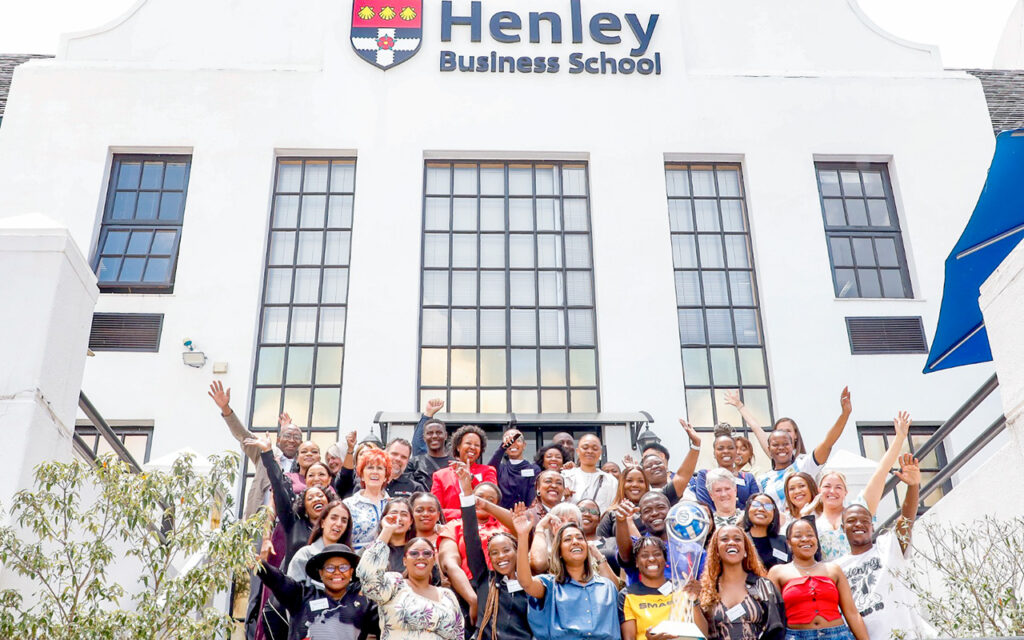
gsport Hosts Breakthrough Business Accelerator Gathering for Women in Sport
The gsport Business Accelerator at Henley Business School Africa united decision-makers to champion commercial progress…
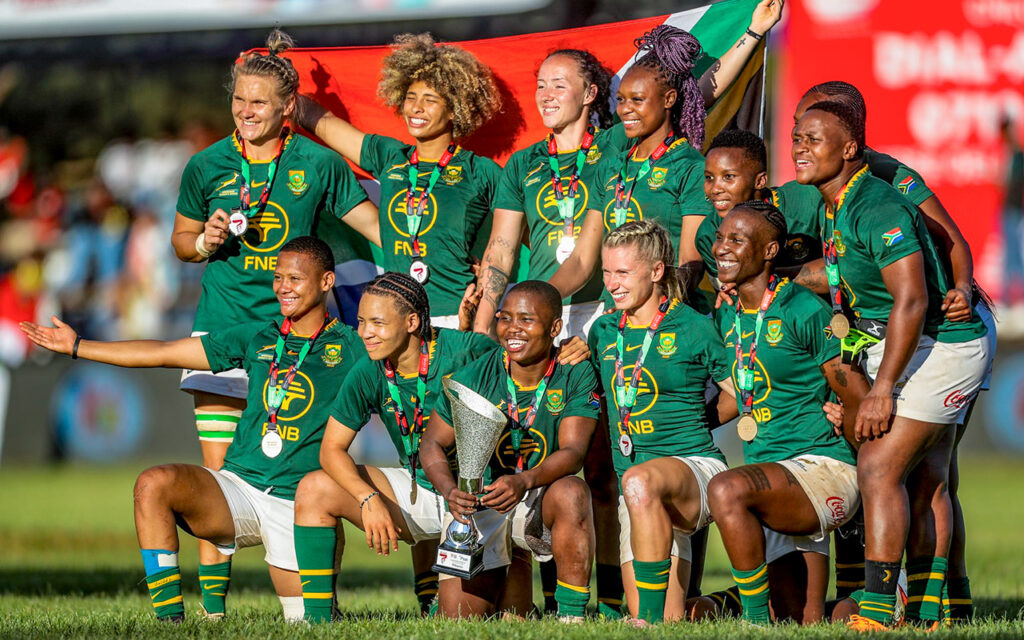
‘This is Where I Wanted To Be’ – Up and Coming Springbok Women’s Star Leigh Fortuin
Up-and-coming Springbok Women’s Sevens star Leigh Fortuin, who recently helped her side win the Rugby…
‘My Dreams have Kept Me Disciplined’ – Youth Field Athletics Star Chay du Plessis
For self-starter field athlete Chay du Plessis who lauds YouTube as first first coach, the…
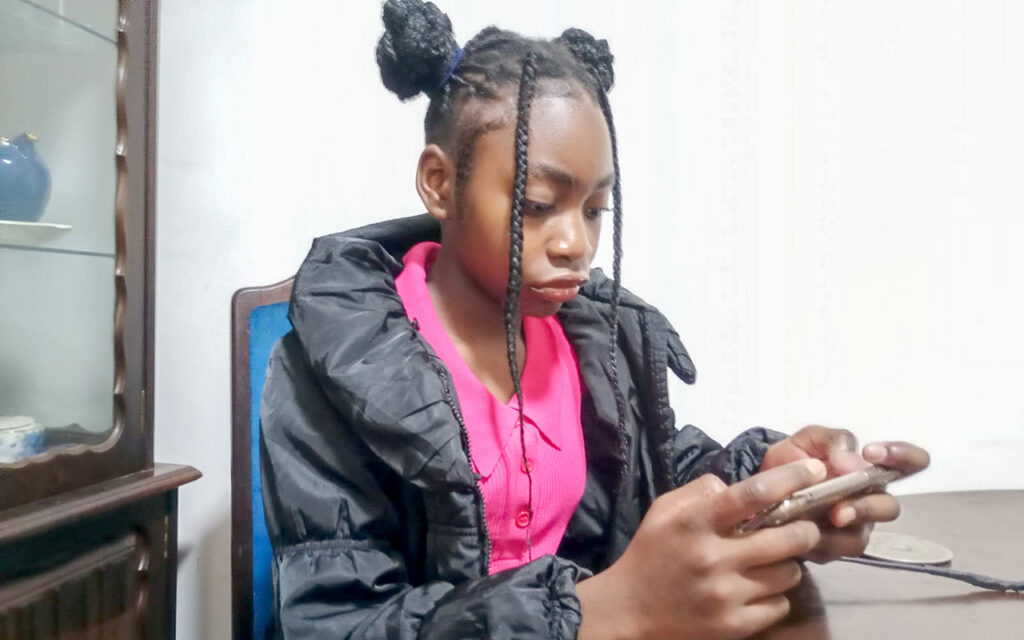
Irene Banda is Setting the Esports World Alight at Just 12 Years of Age
Twelve-year-old Irene Banda, SA’s top-ranked female Clash Royale player, is the future of esports, with…
Shiniqwa Lamprecht In Charge of Women Boks Sevens A for Emirates Dubai Int’l
Coach Cecil Afrika looks forward to senior players gaining game time and testing depth ahead…
Sunshine Ladies Tour Unveils Bolstered 2026 Schedule with Key International Growth
Building on its growth, the 2026 Sunshine Ladies Tour schedule is bolstered by two LET…
Having more women in the industry helps break down barriers and challenge stereotypes.
What is your biggest career dream?
My ultimate career goal is to become a leading voice in African sports journalism, renowned for my in-depth reporting and compelling storytelling. I aspire to a future where women receive the recognition they deserve, and no longer need to advocate for their rights through my writing.
What is your message to girls and women in Africa?
My message to girls and women in Africa is to pursue their passions, believe in themselves, and strive for excellence in their chosen fields.
What do you think of gsport’s work in elevating women in sport and women’s sport in South Africa and the continent, and the impact it has made?
I acknowledge the significant impact gsport has had on promoting women’s sports and empowering female athletes in South Africa and across the continent. By creating a platform for women’s sports, gsport has contributed to the growth and recognition of women’s athletics.
Main Photo Caption: Sports media is growing in Africa, and Ghanaian sports journalist Ayishatu Zakaria Ali is at the forefront, recognised as a primary source for sports news across the continent. AllPhotos: Supplied
Photo 2 Caption: ‘Some of my career highlights include reporting on major African football tournaments, and interviewing prominent football personalities.’
Photo 3 Caption: Zakaria Ali: ‘Seeing more women in sports media gives me a sense of relief and fulfilment. There’s still much work to be done.’
In the world of fashion and elegance, some people are simply born to shine. That truth was on full display at the funeral of the late Nana Konadu Agyeman-Rawlings, where her granddaughter, the daughter of Dr. Zanetor Agyeman-Rawlings, became the unexpected star of the day. With poise, grace, and a dazzling sense of style, she reminded everyone that glamour is not just worn, it is inherited.
Funerals are often moments of reflection, grief, and remembrance. Yet, they can also be occasions where family heritage and legacy are revealed in subtle ways. At Nana Konadu’s farewell, the first granddaughter of the iconic Ghanaian stateswoman stepped forward with a look that captured hearts. Her stylish outfit, paired with carefully chosen jewellery, spoke volumes about the family’s enduring connection to elegance.
Observers couldn’t help but notice how she carried herself — confident yet respectful, radiant yet composed. It was a reminder that style is not about extravagance, but about presence. One attendee summed it up perfectly when they wrote: “She said, ‘with grandma glamour never rested’ wai.” That statement resonated deeply, because it captured the essence of what everyone saw: a young woman embodying the timeless glamour of her grandmother.
Nana Konadu was more than a political figure; she was a fashion icon in her own right. Known for her bold prints, regal headwraps, and commanding presence, she redefined what it meant to be a woman of influence in Ghana. Her style was never accidental — it was deliberate, powerful, and symbolic.
To see her granddaughter step into the spotlight with such effortless beauty was a powerful continuation of that legacy. It was as though the torch of glamour had been passed down, not through words, but through DNA.
What truly elevated her look was the jewellery she chose. Each piece seemed to tell a story — shimmering earrings that framed her face, a necklace that added sophistication, and subtle rings that hinted at understated luxury. Jewellery, after all, is not just an accessory; it is a statement. And her statement was clear: elegance runs in the family.
While comparisons to her grandmother are inevitable, it is important to recognize that Zanetor’s daughter is carving her own identity. She is not merely echoing the glamour of Nana Konadu; she is redefining it for a new generation. Her beauty is not just physical — it is in the way she carries herself, the confidence she exudes, and the respect she commands without saying a word.
In Ghanaian culture, funerals are significant social events. They are moments where family, tradition, and identity converge. For the granddaughter to shine so brightly at such an occasion was more than just a fashion statement — it was a cultural one. It reminded everyone that style is not superficial; it is a reflection of heritage, pride, and continuity.
The granddaughter of Nana Konadu Agyeman-Rawlings proved that style truly runs in the DNA. With her stunning look and jewellery, she stole the spotlight and reminded the world that glamour never rests — it evolves, it adapts, and it lives on through generations.
As one observer beautifully put it, “With grandma, glamour never rested.” And now, with her granddaughter stepping into the light, it is clear that glamour will continue to shine for years to come.
The Deputy Minority Leader, Patricia Appiagyei, has demanded an immediate withdrawal of the referral of Alexander Afenyo-Markin to the Privileges Committee for attending an ECOWAS Parliament meeting when his name was removed from the official delegation list.
According to them, the referral of Afenyo-Markin to the Privileges Committee is “gross abuse of process and affront to Justice.”
play videoThe awards is on the theme: “Repositioning the Energy Sector as a Pillar of National Development”
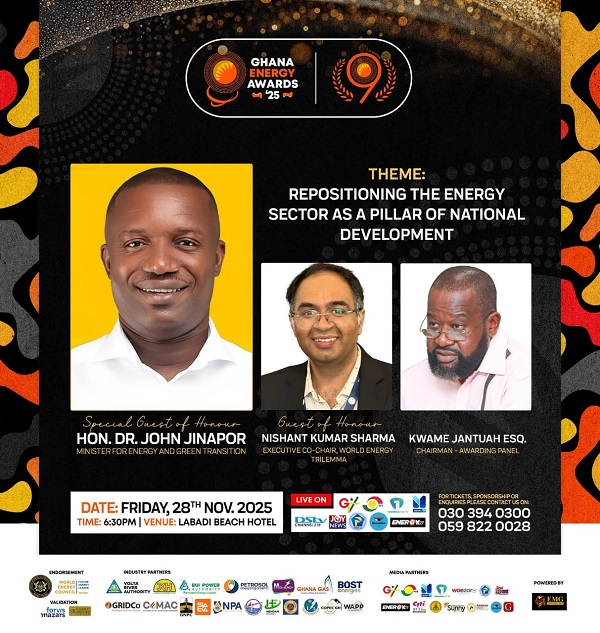
The 9th Ghana Energy Awards is being held today, Friday, November 28, 2025, at the Labadi Beach Hotel, Accra.
The event, which is organised by the Ghana Energy Awards (GEA) Secretariat, is being held on the theme, “Repositioning the Energy Sector as a Pillar of National Development.”
This year’s theme reflects a renewed sense of purpose and underscores the urgent need for bold innovation, decisive reforms, and strengthened cross-sector collaboration to enhance the energy sector’s contribution to Ghana’s socio-economic development.
The Special Guest of Honour will be Hon. John Abdulai Jinapor, Minister for Energy and Green Transition. His presence reinforces Ghana’s commitment to clean energy, local content, and sector reforms.
The evening will also welcome Mr Nishant Kumar Sharma, Executive Co-Chair of the World Energy Council’s Studies Committee on the Energy Trilemma, whose presence brings a valuable international perspective to the event.
This year’s awards will highlight exceptional achievements in renewable energy, power and petroleum operations, energy infrastructure, and leadership excellence. It will also shine a spotlight on emerging talents whose contributions are shaping Ghana’s evolving energy landscape.
Watch a livestream of the event below:
Watch the promo to GhanaWeb’s latest documentary, which uncovers the evolution of ‘kayamata,’ an exploitative practice fueled by love charms and manipulation, titled, “The Dark Side of Kayamata,’ below:
#TrendingGH: Extension of IGP’s contract draws praise and criticism
The wait is over! The GhanaWeb Excellence Awards 2025 is officially launched. Let’s celebrate impact, innovation and excellence across Ghana.
Who deserves to be honoured this year?
Nominate now 👉 https://ghanaweb.com/ghanaexcellenceawards/nominate
A Kumasi High Court, presided over by Justice Dorinda Smith‑Arthur, has ruled that Akosua Serwaa Fosuh cannot be declared the sole surviving spouse of the late highlife legend Daddy Lumba, as the evidence presented did not prove her claim beyond a reasonable doubt.
The case arose from a dispute over which widow was lawfully entitled to perform widowhood rites following Daddy Lumba’s death.
The fashion industry is witnessing a remarkable fusion of tradition and modernity as Ankara-laced fabric styles gain widespread popularity among fashion enthusiasts. Designers across Ghana are increasingly combining vibrant Ankara prints with delicate lace, creating outfits that are both elegant and culturally expressive.
Ankara fabric, renowned for its bold patterns and vivid colors, has long been a staple in African fashion. In recent years, designers have elevated its appeal by incorporating lace detailing into gowns, dresses, tops, and skirts. This combination not only adds a touch of sophistication but also allows for creative designs that suit various occasions.
Gowns made from Ankara fabric with lace accents are becoming a favorite choice for weddings and formal events. Many brides and guests are opting for floor-length gowns that feature lace on sleeves, necklines, or hems, creating a balance between traditional prints and contemporary elegance. Fashion stylist Nana Ama Asare noted, “The mix of Ankara and lace allows women to celebrate their heritage while embracing modern fashion trends. It is versatile and perfect for special occasions.”
Beyond formal wear, Ankara-laced dresses are increasingly worn at parties and church services. Designers often incorporate lace into the bodice or side panels of midi and knee-length dresses, producing a feminine and stylish look. Ankara lace tops and skirts are also gaining attention for casual and semi-formal events, offering a blend of comfort and elegance. When paired with simple accessories, these pieces make a bold fashion statement without appearing overwhelming.
Traditional attire is also experiencing a transformation with Ankara and lace combinations. Wrappers and blouses featuring lace trims are now a common sight at cultural festivals, naming ceremonies, and weddings. Headgear such as gele is often styled to complement the Ankara-laced outfit, completing the traditional look with flair.
Fashion experts believe this trend reflects a broader desire among young Ghanaians to embrace their cultural roots while experimenting with modern designs. Ankara-laced jumpsuits and kaftans, for instance, are becoming popular for evening parties and casual gatherings. These designs emphasize comfort without compromising style, highlighting the adaptability of Ankara-laced fabrics.
The Kumasi High Court has clarified its ruling on the widowhood rights of music legend Daddy Lumba’s spouses.
Both Akosua Serwaa and Yvonne Odo Broni were confirmed as surviving spouses entitled to widowhood rites and benefits.
Counsel for Akosua Serwaa, William Kusi, explained that their application to recognize an ordinance marriage was dismissed because the submitted marriage certificate was deemed inauthentic.
The White House dinner of September 4, 2025, will be remembered not for the menu or the politics, but for the spectacle of trillion-dollar titans lining up to make investment pledges to Donald Trump.
It felt like a night designed for theatre, a carefully staged parade of wealth, influence and corporate patriotism. Yet behind the shimmering figures lay a deeper insight into leadership, insecurity, and the curious limits even the most powerful CEOs cannot escape.
Mark Zuckerberg went first, and he went the biggest. His pledge of at least 600 billion dollars in U.S. investments through 2028 stunned the room. It was bold, dramatic and unmistakably attention-grabbing.
But it also exposed something more fragile, a man desperate to reclaim relevance in an industry where his peers, once behind him, now outpace him in innovation. For all his early brilliance with Facebook, Meta has struggled to produce anything comparably transformative. The name change dazzled no one. The Metaverse dream peaked as a punchline. Billions have been poured into ideas that seem to drift further away from market reality rather than closer to it.
This is where the Peter Principle quietly enters the conversation. People rise to their level of incompetence, and sometimes the traits that made them great in one era cannot carry them into the next.
Zuckerberg’s genius was perfectly matched to the fast-moving, disruptive environment of early social media. But the higher he climbed into visionary abstraction, the more his bold bets seemed disconnected from what people actually want. His enormous pledge at the White House felt less like a declaration of strength and more like an attempt to out-shout the creeping suspicion that Meta’s influence has begun to plateau.
His peers meanwhile played different games. Tim Cook matched his 600 billion dollar pledge but did so with a calmness that comes from a company whose products need no fireworks to prove their impact. Sundar Pichai spoke of 250 billion dollars, far less than Zuckerberg, but Google’s record in artificial intelligence, cloud and global digital infrastructure gives his words a weight that requires no exaggeration. Satya Nadella was almost casual, noting that Microsoft already invests about 80 billion dollars every year. When your company defines the backbone of enterprise technology, you do not need theatrics.
Some CEOs even chose silence, joining the quiet but powerful group that prefers to under-promise and over-deliver, where credibility is earned through performance and not through pronouncements.
The broader lesson from that night is striking. Creativity and not cash is what sustains relevance in the long term, and no amount of billions can replace the hard work of consistent innovation. The Metaverse hype wave has long collapsed, and while Meta is still spending, the returns remain elusive. Companies that maintain modesty and focus continue to win quietly by shipping useful products that shape daily life.
There is also a lesson in humility. Cook, Pichai and Nadella demonstrate a maturity that comes with recognising that leadership is not a shouting contest. They do not need to announce dominance because their ecosystems demonstrate it. Sometimes staying in one’s lane is not a retreat but a wise recognition of what works. Facebook succeeded. Instagram and WhatsApp succeeded, though Meta acquired them rather than invented them. But the attempt to force the future into a virtual headset has exposed the limits of Zuckerberg’s range.
The story of that White House dinner is not about who pledged the most money or who flattered the president best. It is a window into how leaders respond when their influence is challenged. A CEO’s loudest moment may be the moment he feels the least certain. And in a tech world defined by relentless innovation, the safest and most reliable path remains a simple one: deliver value, speak less, innovate consistently and never confuse noise with vision.
DISCLAIMER: The Views, Comments, Opinions, Contributions and Statements made by Readers and Contributors on this platform do not necessarily represent the views or policy of Multimedia Group Limited.
DISCLAIMER: The Views, Comments, Opinions, Contributions and Statements made by Readers and Contributors on this platform do not necessarily represent the views or policy of Multimedia Group Limited.
The First Deputy Governor of the Bank of Ghana (BoG), Dr Zakari Mumuni, has declared that Ghana’s economic transformation will hinge significantly on the dynamism of the Volta Region, describing it as one of the country’s most underestimated engines of growth.
Speaking at the maiden Volta Regional Stakeholder Engagement in Ho, Dr. Mumuni said the Central Bank was deliberately shifting its approach to ensure that monetary policy is shaped not only in Accra boardrooms but also by the experiences of farmers, traders, transport operators, artisans, and business owners across Ghana.
“National development begins in markets, farms, workshops, and border towns, not just conference rooms,” he stated.
“Your voice must matter in the policy-making process, and the Volta Region has always had a clear voice in Ghana’s economic story.”
Dr. Mumuni highlighted signs of renewed growth and stabilisation, including easing inflationary pressures “felt in every home and every shop.”
He revealed that the Monetary Policy Committee’s bold 350-basis-point policy rate cut, from 21.5 per cent to 18 per cent, is one of the largest in Ghana’s history, paving the way for banks to lend more affordably and for businesses to expand.
Ghana’s economic growth reached 6.3 per cent for the first half of 2025, compared with 5.1 per cent in the same period of 2024, while the Composite Index of Economic Activity surged by 9.6 per cent by August.
On the foreign exchange market, he reported sustained stability, with reserves now at US$11.4 billion, equivalent to 4.8 months of import cover.
“These gains did not happen by accident,” he stressed.
“They are the result of deliberate and disciplined policies, fiscal consolidation, effective forex management, and improved gold export performance.”
Dr. Mumuni emphasised that the Volta Region is not a passive participant in Ghana’s development but a strategic contributor through agriculture, agro-processing, tourism, cross-border commerce, and strong rural banking institutions.
“The Volta Region is not waiting to be invited to Ghana’s economic future. It is already shaping it,” he said.
The BoG delegation, led by the governor Dr. Johnson P. Asiama, earlier visited Hohoe and surrounding communities, holding discussions with traditional authorities and business groups, and paying a courtesy call on the Asogli State.
DISCLAIMER: The Views, Comments, Opinions, Contributions and Statements made by Readers and Contributors on this platform do not necessarily represent the views or policy of Multimedia Group Limited.
DISCLAIMER: The Views, Comments, Opinions, Contributions and Statements made by Readers and Contributors on this platform do not necessarily represent the views or policy of Multimedia Group Limited.
President John Dramani Mahama has described the late former First Lady, Nana Konadu Agyeman-Rawlings, as “a truly remarkable woman” whose legacy would continue for generations. In a tribute read on his behalf at the State funeral for the late former First Lady, President Mahama described her as a prominent national figure whose influence, courage, and contributions to Ghana will continue to resonate for generations. He stated that the late Nana Konadu was more than a former First Lady whose leadership coupled with patriotism reshaped the expectations of the Office of the First Lady whilst promoting and championing women empowerment. He said, “she was a pioneering leader, an unwavering champion of women’s empowerment, a trailblazer in our political landscape, and a deeply committed patriot,” adding that, “As First Lady, she redefined the role and transformed it into a platform for national development.”
President Mahama recalled how she “expanded opportunities for women and girls, especially in rural communities where support was most needed,” advocating for literacy, maternal health, early childhood education, and economic empowerment before such issues became national interest in the country. “Her work touched thousands of families and laid the groundwork for many of the gender-sensitive policies and social interventions that Ghana benefits from today,” he added.
He recounted her strong belief in the potential of women and young people using her voice as an instrument for empowerment.
“She believed passionately in the transformative power of women and the potential of young people, and she dedicated her voice and influence to help uplift them,” he said. He explained that the late Nana Konadu Agyeman-Rawlings’ life was characterised with boldness.
“Her life story is one defined by boldness to speak, to challenge, to lead, and to stand resolutely for what she believed was right for Ghana,” he said.
He further described Nana Konadu as an assertive, principled and unyielding woman who was warm, humorous and deeply devoted to her family despite being a public figure.
“Behind a determined public image was a warm, engaging, humorous woman, a mother, grandmother, sister, friend, and mentor,” he said.
He added that the late former First Lady always carried herself with grace in difficult public moments, whilst living a life of service and commitment to the nation.
“She carried herself with dignity, she lived a life of service, courage, and deep conviction always guided by her commitment to the country’s unity, progress, and stability,” he stated.
He described her passing as a great loss to both the nation and her family stating that “It marks the closing of an important chapter in Ghana’s political and social history, even as her example continues to inspire generations to come.”
He added that the nation celebrates a life of leadership, service and unbroken purpose.
“As we bid farewell to Nana Konadu, we celebrate a life richly lived, a life of leadership, advocacy, service, and unbroken purpose. May her beautiful soul rest in perfect peace, and may her legacy continue to guide us toward a more just, inclusive, and equitable Ghana. Ghana will remember you,” he said.
Lawyer for Daddy Lumba’s family head, Fati Ali-Yallah, has confirmed that the date for Daddy Lumba’s funeral remains unchanged.
According to her, Abusuapanin, whom she represents, has not communicated any change in the date.
“The funeral will still hold on December 13 as communicated earlier because Abusuapanin has not communicated that otherwise,” she told the media after the verdict was read by the Kumasi High Court today, November 28, 2025.
Hatorgodo (VR), Nov 28, GNA – Mr Wisdom Seade, Keta Municipal Chief Executive (MCE) in the Volta Region, has urged the public to prioritise local food production to help boost the agricultural sector and enhance more productivity.
He said the Assembly had various strategies for transforming the sector in the municipality, including the showcasing of the importance of climate-smart agriculture and investment in storage facilities, value addition, and agro-processing.
He was speaking during the 41st Municipal Farmers’ Day celebration at Hatorgodo.
“We are all aware that agriculture is a key sector in the country. It provides livelihoods for many citizens. However, the sector faces challenges such as climate change, limited access to credit, and poor infrastructure. And the government is poised to solve all these challenges to promote the sector as well.”
The MCE stated that to address the challenges, the farmers should embrace climate-smart agriculture practices, invest in storage facilities, and add value to agricultural products through processing and packaging.
He explained the potential of youth in agriculture and agribusiness, which highlighted their roles as game changers in transforming the sector and noted that empowering young people to engage in agriculture could help achieve sustainable food security and economic growth.
“There are many opportunities for youth in agriculture, including primary production, value addition through agro-processing, and service provision in logistics and digital agriculture from the government through the municipal assembly.”
Mr Seade noted that there were barriers that discouraged youth from pursuing agriculture as a career, which included limited access to land, credit, training, and ready markets and to address the challenges, interventions such as youth-focused training, affordable start-up grants, access to land, cooperative models, and incubation hubs for agribusiness startups would be implemented.
He charged young people to view agriculture as a frontier of opportunity, while committing to invest in the next generation of farmers and agripreneurs for a prosperous and food-secure future in the Keta Municipality.
Mr Seade said local farm produce like okro, pepper, onion, leafy vegetables, fishes among others were of high quality and nutritious and could provide healthy life for all.
Mr Godwin Tettey, the Director of Agriculture at Keta, said the livestock sector remained vital to the municipality, noting that veterinary officers put in much efforts to ensure that cattle, small ruminants and poultry in the area were well kept and in good health.
“This year alone, the department of agriculture has received about 10 requests for farm assessment from police prosecutors to initiate court processes on recurring destruction of farm by cattle.”
Mr Pascal Dasilveira, a 54-year old farmer at Nolopi, who was adjudged the Overall 2025 Municipal Best Farmer, in an in interview with Ghana News Agency, expressed excitement about the award but lamented the challenges faced, such as high incidence of disease and pests, high inputs costs, unpredicted rainfall patterns, post-harvest-losses, and limited access to mechanisation, credit and structured market.
He suggested that the department of agriculture should continue to deepen collaboration with private sector actors, non-governmental organisations, research institutions and other government establishments to solicit the needed interventions to address the constraints.
Mr Dasilveira urged that the focus should also be directed to irrigation system, strengthening extension service, empowering youth in agriculture, expanding mechanisation support and leveraging digital tools to enhance productivity.
He appealed to the government to provide all the necessary support to farmers and urged the public to continue prioritising local products to boost the local economy.
All the award winners on the day received various forms of prizes and certificate for their dedication and hard work.
The main national Farmers’ Day celebration, which would be held in the Volta Regional capital, Ho on Friday, December 5, necessitated the change in the district-level celebration to allow stakeholders focus on the national event.
Nakeeyat Dramani is trending for all the right reasons after a video of her went viral
This comes after Mfantsiman Girls attended a sporting event at Adisadel College
People took to the comments section of the post, delighted that Nakeeyat is loving life at Mfantsiman Girls’
Nakeeyat Dramani, the 2019 Talented Kidz winner, is enjoying loving life as a senior high school student at Mfantsiman Girls’ SHS.
This time, the brilliant young poet has warmed hearts after a video showed her and her schoolmates at an event at Adisadel College in Cape Coast.
2019 Talented Kidz winner Nakeeyat enjoys a fun time at a sporting event. Photo credit: @kenyademc/TikTok Source: UGC
The video sighted by YEN.com.gh on the TikTok page of @kenyademc showed Nakeeyat in the company of other Mfantsiman Girls’ students, apparently at an inter-school sporting event held on the school field of Adisadel College.
Dressed in her beautiful mauve uniform, Nakeeyat, who was full of joy, was captured showing some dance moves, not minding that the captivating dance move had attracted the attention of other students.
Relative pays her Nakeeyat a visit
Nakeeyat recently got many people talking after a video showed her in a happy mood when a relative paid her a visit at school.
Dressed in her checkered uniform, she sat at the school’s assembly hall as she interacted with her guest.
She was brought a variety of food, including pastries, balls of banku with fish, and others.
2019 Talented Kidz winner Nakeeyat sings a school ode as a relative visits her at Mfantisman Girls SHS. Photo credit: @minat_couturegh/TikTok Source: TikTok
Nakeeyat trims her hair
Prior to attending school, Nakeeyat got people talking after a video of her trimming her hair went viral.
The video, posted by the salon where she got the haircut, captured the emotional moment the teenager walked into the barbershop in a pensive mood.
After some deliberation on whether she was making the right decision, she finally agreed to let the barber trim her beautiful afro hair.
Watch the video below:
Reactions to Nakeeyat’s time at Mfantsiman Girls
Reactions to Nakeeyat’s time at Mfantsiman Girls
Social media users who took to the comment section expressed joy to see that the talented poet is enjoying her time as a student of Mfantsiman Girls’ School. Others opined that she will be the head prefect of the school one day.
EDWINA stated:
“I won’t be surprised if she becomes a prefect, in fact head girl.”
bertha_egyirba added:
“Your Mauves came early ohh. I just remembered the alterations I did for people that night with thread and needle.”
EKOW added:
“I would not be surprised if she becomes a school head in the future she’s good.”
slay kids boutique indicated:
“Born to lead. Soon to be Girls’ prefect.”
lady gaga added:
“Are you Miss Nunu’s school daughter?”
Form 1 boy unhappy on first day
Earlier, YEN.com.gh reported that a first-year student at Presbyterian Boys’ Senior High School got people talking after a video of his first day on campus surfaced online.
A video showed him in an expectant mood as he was driven to campus.
The young student did not seem too enthused as he sat away from other students, solemnly resting his face in his hands.
The fashion industry is witnessing a remarkable fusion of tradition and modernity as Ankara-laced fabric styles gain widespread popularity among fashion enthusiasts. Designers across Ghana are increasingly combining vibrant Ankara prints with delicate lace, creating outfits that are both elegant and culturally expressive.
Ankara fabric, renowned for its bold patterns and vivid colors, has long been a staple in African fashion. In recent years, designers have elevated its appeal by incorporating lace detailing into gowns, dresses, tops, and skirts. This combination not only adds a touch of sophistication but also allows for creative designs that suit various occasions.
Gowns made from Ankara fabric with lace accents are becoming a favorite choice for weddings and formal events. Many brides and guests are opting for floor-length gowns that feature lace on sleeves, necklines, or hems, creating a balance between traditional prints and contemporary elegance. Fashion stylist Nana Ama Asare noted, “The mix of Ankara and lace allows women to celebrate their heritage while embracing modern fashion trends. It is versatile and perfect for special occasions.”
Beyond formal wear, Ankara-laced dresses are increasingly worn at parties and church services. Designers often incorporate lace into the bodice or side panels of midi and knee-length dresses, producing a feminine and stylish look. Ankara lace tops and skirts are also gaining attention for casual and semi-formal events, offering a blend of comfort and elegance. When paired with simple accessories, these pieces make a bold fashion statement without appearing overwhelming.
Traditional attire is also experiencing a transformation with Ankara and lace combinations. Wrappers and blouses featuring lace trims are now a common sight at cultural festivals, naming ceremonies, and weddings. Headgear such as gele is often styled to complement the Ankara-laced outfit, completing the traditional look with flair.
Fashion experts believe this trend reflects a broader desire among young Ghanaians to embrace their cultural roots while experimenting with modern designs. Ankara-laced jumpsuits and kaftans, for instance, are becoming popular for evening parties and casual gatherings. These designs emphasize comfort without compromising style, highlighting the adaptability of Ankara-laced fabrics.
The children of the late former First Lady, Nana Konadu Agyeman-Rawlings, have paid a deeply moving tribute to her, celebrating her as a “woman of action” whose influence will continue to guide Ghana’s democratic progress and the fight for gender equality.
The tribute, delivered by Kimathi Rawlings on behalf of his siblings, was read at her state funeral today at Independence Square in Accra.
Kimathi described their mother as someone who lived her principles with courage and never wavered in her beliefs.
“Mum, you were never just advocating — you were acting. You will forever be remembered as a woman of action,” he said, emphasising that her impact reached far beyond their home and left a lasting imprint on Ghana’s political and social development.
He portrayed the late Nana Konadu as a leader whose decisiveness and commitment to doing what was right distinguished her both in public life and within their family. She taught her children, and countless women across Ghana that remaining passive was never an option.
“You lived your values boldly, believing that actions were either right or wrong, and you never settled for the indecisive grey areas,” he added.
Kimathi further reflected on her role as a formidable partner to their father, the late former President Jerry John Rawlings, noting her sharp intuition and remarkable ability to identify possibilities long before others recognised them. He said their father relied on her wholly because of her vision and clarity.
“You were far more than a right hand. You were strategic, clear-minded and unwavering. You and Dad were truly partners,” he said.
As a mother and grandmother, Nana Konadu was celebrated as a protector, confidant and friend — playful yet firm, generous yet principled.
Her children fondly remembered her humour, her vibrant storytelling and her love for music and dance, which lit up family gatherings.
Her grandchildren, they said, treasured the warmth and individual attention she gave each of them.
The state funeral drew political leaders, diplomats, traditional rulers and members of the public, all gathered to honour the former First Lady, a towering figure in Ghana’s women’s movement and founder of the 31st December Women’s Movement.
The growing climate of intimidation against media practitioners under the current regime appears far from over, as yet another incident has sent shockwaves through the industry.
In the early hours of November 28, 2025, popular blogger Tina was seized by National Security operatives in what many have described as a dramatic, heavy-handed operation.
The Tema Oil Refinery (TOR) is steadily rising to its feet, driven by the skill and dedication of Ghanaian engineers whose expertise is steering the facility toward a full comeback.
This was the message from TOR Managing Director, Edmund Kombat, as he addressed attendees at the induction ceremony of the newly elected executives of the Institute of Engineering and Technology (IET), Ghana.
IET honoured Mr. Kombat for his leadership in transforming the refinery and encouraged him to continue pushing the agenda, pledging full support from the institute.
With optimism and renewed purpose, Mr. Kombat announced a significant milestone: TOR is on track to become fully operational by the end of the year.
The declaration was met with resounding applause, symbolising hope that the refinery, once a cornerstone of Ghana’s energy sector, will soon regain its full capacity.
The ceremony also served as a celebration of the engineers whose ingenuity and resilience have powered TOR’s recent breakthroughs.
Mr. Kombat described them as the backbone of the refinery’s revival, noting that their technical expertise has been crucial in navigating the complex processes required to restore operations.
Beyond operational success, TOR’s revitalisation carries broader national significance.
A fully functional refinery, Mr. Kombat stated, will boost Ghana’s local refining capacity, reduce reliance on imported petroleum products, enhance energy security, and unlock significant economic benefits within the downstream petroleum sector.
DISCLAIMER: The Views, Comments, Opinions, Contributions and Statements made by Readers and Contributors on this platform do not necessarily represent the views or policy of Multimedia Group Limited.
DISCLAIMER: The Views, Comments, Opinions, Contributions and Statements made by Readers and Contributors on this platform do not necessarily represent the views or policy of Multimedia Group Limited.
In a historic milestone for Ghana and African engineering, Prof Elsie Effah Kaufmann, Dean of the School of Engineering Sciences, has been officially inducted as an International Fellow of the Royal Academy of Engineering (RAEng) at a distinguished ceremony in London.
Her induction marks a proud moment as she becomes the first Ghanaian to receive this prestigious honour.
The induction ceremony, rich in tradition and gravitas, saw Professor Effah Kaufmann sign the Academy’s historic roll book alongside some of the world’s most distinguished engineering luminaries, a symbolic act that etches her name, and Ghana’s, into the annals of global engineering excellence.
Biography
Elsie Akosua Biraa Effah Kaufmann (born 7 September 1969) is a Ghanaian academic, academic administrator, biomedical engineer, and current host of the National Science and Maths Quiz.
In December 2020, Elsie Kaufmann was appointed an associate professor at the University of Ghana, and was appointed the Dean of the School of Engineering Sciences on 1 August 2022.
Early life and education
The daughter of educators, she hails from Assin in the Central Region.
Her father, Yusuf K Effah, served as the headmaster of T.I Ahmadiyya Senior High School, Kumasi, and later, Director of Education in the Western Region.
Kaufmann began her secondary education at the Aburi Girls’ Senior High School and obtained her International Baccalaureate Diploma from the United World College of the Atlantic in Wales in 1988.
She proceeded to the University of Pennsylvania for her Bachelor of Science in Engineering (BSE), a Master of Science in Engineering (MSE), and a doctorate (PhD) in Bioengineering.
Career
Prof Kaufmann was a research supervisor at the Department of Chemistry at Rutgers University in New Jersey, United States of America, from May 1998 to June 2001.
She served as a Teaching Assistant at the Department of Bioengineering at the University of Pennsylvania, United States of America.
She was also a Senior Lecturer and the first Head of the Department of Biomedical Engineering, University of Ghana (2006–2012, 2014–2016).
Elsie Effah Kaufmann is a visiting scholar and Founding Head of the Department of Orthotics and Prosthetics at the University of Health and Allied Sciences in Ho, Ghana.
She is a University Council Member at Ghana Communication Technology University.
She serves on the board of African Gifted Foundation, Ghana (African Science Academy), as well as the British International School-Ghana.
She is the first woman to be appointed dean of the School of Engineering Sciences, University of Ghana, taking up the post from 1 August 2022.
She was part of the members who established the School of Engineering Sciences.
She presently serves as the President of the Ghana Society of Biomedical Engineers.
She is the current host of the National Science and Math Quiz.
Elsie Effah Kaufmann Foundation
On 27 July 2022, in Accra, Kaufmann established the Elsie Effah Kaufmann Foundation (EEKF).
The foundation aims to close the existing gap in STEM-related education in Ghana by giving students access to the resources they need to do in-depth, hands-on research on the subjects.
Awards and recognition
Kaufmann was a Fellow of the International Women’s Forum Leadership Foundation.
She was awarded in 2009, as the University of Ghana’s Best Teacher Award for the Sciences.
She received the International Women’s Forum Leadership Foundation Fellowship in 2011 and the 2017 Impact Africa Summit Laureate for Education in Ghana.
She is also the first female recipient of the 2018 Golden Torch Award for International Academic Leadership by the National Society of Black Engineers (NSBE) at the 44th Annual Conference held in the United States of America.
She is also the recipient of the National Society of Black Engineers’ 2018 Golden T.O.R.C.H. (Technical Outreach and Community Help) Award for International Academic Leadership in recognition of her excellence in support of academics on an international level and exhibition of commitment to the Science, Technology, Engineering, and Mathematics (STEM) fields.
She was awarded the Woman of the Year at the 2022 Exclusive Men of the Year Africa Awards.
She is the first woman to be appointed dean of the School of Engineering Sciences, University of Ghana, taking up the post from 1 August 2022.
The appointment was widely reported in national media, with coverage highlighting her role as a trailblazer for women in science, technology, engineering, and mathematics (STEM) education in Ghana.
Kaufmann was elected a Fellow of the Ghana Academy of Arts and Sciences in June 2022.
She is also a Fellow of Biomaterials Science and Engineering, elected in December 2020, and a Professional Engineer of the Ghana Institution of Engineering.
She holds a PMP Certification from the Institute of Project Management Professionals – Ghana.
Elsie Kaufmann has also participated in Executive Education programs at Harvard Business School and INSEAD.
In 2025, she was elected an international fellow of the Royal Academy of Engineering.
Personal life and family
Kaufmann is divorced and has three children, two daughters and a son by the name Augustus Kofi Effah Kaufmann.
She also has a younger sister called Belinda Yaa Dankwaa Effah, who is a bank manager at United Bank of Africa (UBA) Ghana Limited.
The Management and Technical team of Ghana’s U23 side, the Black Meteors, held a joint meeting on Wednesday, November 26, 2025, at the Headquarters of the Ghana Football Association (GFA) to advance early preparations for the upcoming U23 Africa Cup of Nations qualifiers, the pathway to the 2028 Olympic Games in Los Angeles.
The meeting which was chaired by Chairmanof the Management Committee, Eugene Nobel Noel, reviewed preliminary plans for scouting, camping and potential international friendlies. The committee stressed the need for coordinated early preparation as Ghana looks to end its Olympic football drought.
The Black Meteors were the first African country to win a medal in men’s football at the Olympics in 1992 in Barcelona, but have not qualified since Athens 2004.
Black Meteors Head Coach, Desmond Ofei, who joined via Zoom, outlined his scouting and training strategy and confirmed that camping is expected to begin in January 2026.
The technical group aims to assemble a competitive squad drawn from both home-based and foreign-based players to navigate the demanding qualification process.
Umaro Sissoco Embaló, a former army general, came to power in 2020 and was seeking a second term
Guinea-Bissau’s deposed President Umaro Sissoco Embaló has arrived in neighbouring Senegal following his release by the military forces who toppled his government this week, Senegal’s authorities have announced.
It follows negotiations by the regional West African bloc Ecowas to secure his transfer amid rising tensions in Guinea-Bissau.
Senegal’s foreign ministry said in a statement that Embaló had landed in the country “safe and sound” on a chartered military flight late on Thursday.
The military in Guinea-Bissau has already sworn in a new transitional leader, Gen Horta N’Tam, who will rule the coup-prone country for a year.
Wednesday’s coup came a day before authorities were due to announce the provisional results of a presidential and parliamentary election.
The military has suspended the electoral process and blocked the release of the results.
It said it was acting to thwart a plot by unnamed politicians who had “the support of a well-known drug baron” to destabilise the country, and imposed a night-time curfew.
Sandwiched between Senegal and Guinea, the coup-prone country is known as a drug-trafficking hub where the military has been influential since it gained independence from Portugal in 1974.
A mother of three told the BBC it was not the first military takeover she had lived through, nonetheless it had came as a surprise as people were expecting to hear about the outcome of the election, which had an estimated voter turnout of more than 65%.
“We heard gunfire. We ran away. We tried to pack our bags to go home,” she said.
Another resident of the capital, Bissau, said he was unhappy about the situation.
“This doesn’t help anyone. Because it puts the country into chaos,” Mohamed Sylla told the BBC.
But reactions have been mixed, with some residents praising the army and hoping for an orderly transition.
“I am not against the military regime as long as they improve the living conditions in the country,” Suncar Gassama told the BBC.
“Guinea-Bissau is a very rich country where all the conditions exist for a good life. I cannot understand why Guineans always have violence in their minds and are shooting everywhere. People must fight for the establishment of democracy.”
Both Embaló and his closest rival Fernando Dias had claimed victory in Sunday’s presidential poll.
Dias was supported by former Prime Minister Domingos Pereira, whose PAIGC party, the liberation movement that ended Portuguese colonial rule, had been barred from fielding a candidate.
Government sources earlier told the BBC that Dias, Pereira and Interior Minister Botché Candé had also been detained.
The military junta has banned public protests and “all disturbing actions of peace and stability in the country”.
Tension remained high in Bissau on Thursday, with most shops and markets closed as soldiers patrolled the streets, news agency AFP reported.
Earlier that day, Gen N’Tam, Guinea-Bissau army’s chief of staff, was named the country’s new leader for a period of one year.
He said in a speech that the military had acted “to block operations that aimed to threaten our democracy”.
Shortly after the swearing-in, the military reopened land, air and sea borders that were shut when it announced the coup.
Some local civil society groups have accused Embaló of masterminding a “simulated coup” against himself with the help of the military, saying it was a ruse to block election results from coming out in case he lost.
Dias made similar claims, saying it was an “organised coup”. He told AFP that he considered himself the president-elect of Guinea-Bissau and believed he won roughly 52% of the vote.
Embaló has not responded to the allegations.
The 53-year-old leader has said he has survived multiple coup attempts during his time in office. However, his critics have previously accused him of fabricating crises in order to crack down on dissent.
He dissolved parliament after one such coup attempt in December 2023 and the country has not had a sitting legislature since then.
Persistent political infighting had left Embaló’s administration increasingly exposed, explains Beverly Ochieng, West Africa analyst at the intelligence firm Control Risks.
“Over the course of Embaló’s presidency, the legislature, judiciary and several state institutions have either been rendered non-operational or are functioning well below capacity,” she told the BBC.
AFP via Getty Images
Security has been increased on the streets of Bissau
Political analyst Ryan Cummings said the president’s previous actions had fuelled suspicions that the coup attempt was orchestrated to pave the way for his return to power under military oversight.
However, he told the BBC it was also “highly plausible” that the armed forces had acted independently to prevent a deeper political stalemate.
It was Sierra Leonean President Julius Maada Bio, the current Ecowas chair, who had contacted the Guinea-Bissau military on Wednesday to secure assurance for Embaló’s protection, according to Sierra Leone’s Foreign Minister Timothy Musa Kabba.
When asked about Embaló physical health on the BBC’s Newsday programme on Friday, the minister declined to comment but said the priority was ensuring his safe evacuation from Guinea-Bissau.
Ecowas leaders have suspended Guinea-Bissau from all decision-making bodies until constitutional order is restored. In a statement, the bloc ordered the military to return to the barracks, calling its actions a “grave violation of Guinea-Bissau’s constitutional order”.
The African Union has also condemned the coup.
UN Secretary-General Antonio Guterres said in a statement that he was “deeply concerned” about the situation in Guinea-Bissau, calling for an “immediate and unconditional restoration of constitutional order”.
Guinea-Bissau has witnessed at least nine coups or attempted coups over the last five decades.
Additional reporting by Wycliffe Muia, Yemisi Adegoke and Natasha Booty
The crop top and skirt combination has long been celebrated as a versatile and stylish wardrobe essential, beloved for its simplicity, elegance, and adaptability. This pairing seamlessly bridges casual and formal styles, making it a go-to choice for fashion enthusiasts seeking both comfort and flair.
A crop top, typically designed to reveal the midriff, adds a youthful and contemporary touch to any outfit. When paired with a skirt—whether mini, midi, or maxi—the ensemble achieves a balanced and flattering silhouette suitable for various occasions. High-waisted skirts are especially favored with crop tops, as they accentuate the waistline while maintaining a chic and modest aesthetic.
For warm-weather outings or casual events, lightweight fabrics such as cotton, chiffon, and jersey are ideal, offering both breathability and a relaxed, effortless look. On the other hand, structured materials like satin, silk, and sequins transform the pairing into a glamorous statement, perfect for evening parties or formal gatherings. Styling options are diverse: a pencil skirt with a fitted crop top exudes sophistication and elegance, whereas a flared skirt paired with a tie-front or off-shoulder top creates a playful and feminine vibe.
The crop top and skirt duo also allows for personal expression and creativity. Matching sets deliver a cohesive, polished appearance, while experimenting with contrasting patterns, textures, and colors gives room for unique style statements. Accessories such as bold jewelry, stylish heels, or trendy handbags can further elevate the outfit, turning a simple combination into a striking ensemble.
This fashion pairing is celebrated for its adaptability across seasons, body types, and occasions. From casual brunches to formal events, the crop top and skirt remain a symbol of contemporary elegance and confident style. Its enduring popularity highlights the fashion world’s appreciation for pieces that are both timeless and trend-forward.
Ghanaian defender Mohammed Salisu delivered a standout performance on Wednesday, earning the Man of the Match award as AS Monaco were held to a 2–2 draw by Cypriot side Pafos.
Salisu, who played the full 90 minutes, topped the UEFA Technical Observer ratings with a dominant defensive display, despite an unfortunate late equaliser that deflected off him.
Monaco opened the scoring early when Takumi Minamino coolly finished in the fifth minute, but their advantage was short-lived. Former Chelsea and Brazil defender David Luiz rose highest to head in from a corner just 13 minutes later.
The Ligue 1 outfit restored their lead soon after, capitalising on a costly mistake from Pafos goalkeeper Neofytos Michail, which allowed Folarin Balogun to slot home.
However, Pafos forced a dramatic equaliser in the closing moments as Ivan Sunjic’s powerful effort crashed against the bar and ricocheted off Salisu into the net.
Despite the setback, Salisu’s impact was unmistakable. He completed 54 passes and made 14 decisive defensive interventions, anchoring Monaco’s backline with authority and composure.
The 26-year-old will look to maintain his impressive form when Monaco welcome defending champions Paris Saint-Germain to the Stade Louis II on Saturday.
Speaking after the game, Salisu insisted that AS Monaco must improve their performances in the Champions League they take on Galatasaray in the next game on December 9, 2025.
“This is a big lesson for us. We need to defend better in such games at difficult venues especially at set-pieces. We knew Pafos were always going to be threat. We also needed to ensure we took our opportunities at the other end,” he told reporters.
He added that “We’re still in the competition, but we must go to Galatasaray in the next Champions League game and get the three points.”
The Actors Guild of Nigeria (AGN), the Directors Guild of Nigeria, and the Association of Movie Producers (AMP) have jointly suspended Nollywood actor Taiye Arimoro over an altercation on a movie set with his colleague, Peggy Ovire.
Naija News reports that the AGN president, Emeka Rollas, announced the suspension in a post via Instagram on Friday.
Leilani Rawlings, one of the grandchildren of Nana Konadu Agyeman-Rawlings, read a tribute at the late former First Lady’s state funeral
The appearance of Leilani, the first child of Konadu’s first daughter, Dr Zanetor Agyeman-Rawlings, sparked interest on social media
YEN.com.gh brings the age, education, photos, father and other details about the first grandchild of JJ and Konadu Agyeman-Rawlings
Ghana’s top stories, now easier to find. Discover our new search feature!
One of the attractions at the state funeral for former First Lady Nana Konadu Agyeman-Rawlings on Friday, November 28, 2025, was the appearance of her grandchildren.
Led by Leilani Rawlings, the grandchildren delivered a powerful tribute to their family matriarch, getting many mourners and social media users emotional.
Leilani Rawlings, first daughter of Zanetor Rawlings, delivers a poignant tribute to her grandmother, Nana Konadu Agyeman-Rawlings, at her state funeral on November 28, 2025. Photo source: GTV, GIS Source: Facebook
In their tribute, they described their grandmother as their hero, whose profound influence and cherished memories would remain forever imprinted on their hearts.
After reading the tribute, Leilani Rawlings’ accent and beautiful looks captured the attention of mourners and social media users, with many asking about her.
YEN.com.gh brings a few facts gathered about Nana Konadu’s pretty granddaughter.
Full name of Zanetor Rawlings’ first daughter
The beautiful Leilani is the first child of Dr Zanetor Agyeman-Rawlings, the first daughter of Nana Konadu Agyeman-Rawlings and Jerry John Rawlings.
She was christened Leilani Esinam Kennedy Agyeman-Rawlings. She has two other siblings, whom her mother had with Herbert Mensah.
What age is Konadu’s granddaughter Leilani Rawlings?
YEN.com.gh does not know the actual birthday of Leilani. However, news of her birth first surfaced in the media in June 2005, putting her age around 20. At the time, The Crusading Guide newspaper reported that Nana Konadu had danced with Victor Smith upon hearing the news of her birth.
During her reading of the tribute to her late grandmother, Leilani mentioned that she was 20 when she recounted how Nana Konadu used to treat her like a baby.
Watch below to see Leilani Rawlings’s tribute to Nana Konadu below (skip to 03:15 to hear her mention her age):
According to The Crusading Guide report from 20 years, the father of Leilani is known as Dr Kenneth Kennedy, who is Irish and English. The two were reportedly planning to tie the knot around the time Leilani was born.
What schools did Zanetor Rawlings’ daughter attend?
Just like her grandmother and her mother’s siblings, Leilani was educated at the Ghana International School (GIS) in Accra.
She was an intelligent student who represented GIS on the international stage.
Leilani Rawlings and her GIS colleagues during the presentation at the 2019 IELC in the US. Photo source: GIS Source: Facebook
In 2019, then in Form 4 student, Leilani travelled with three others to represent the school at the 9th Annual International Emerging Leaders Conference (IELC 2019), organised by the Collegiate School in Richmond, Virginia, USA.
Leilani Rawlings poses with her host family during her time in the US to represent GIS in 2019. Photo source: GIS Source: Facebook
Zanetor shares Konadu Agyeman-Rawlings’ last moments
Meanwhile, YEN.com.gh reported that Dr Zanetor Agyeman-Rawlings had spoken about the passing of her mother, Nana Konadu Agyeman-Rawlings, on Thursday, October 23, 2025.
According to Zanetor, her mother was well and attended a funeral the previous day, which turned out to be her farewell.
The Institution of Engineering and Technology, Ghana (IET-GH), ushered in a new era of leadership as Engr. Wonder Davor Salami was officially sworn in as President, delivering a powerful acceptance speech that underscored the urgent need for engineering-driven national development.
The ceremony, attended by distinguished engineers and members of the engineering fraternity, marked a moment of both celebration and reflection.
Engr. Salami expressed deep gratitude for the confidence reposed in him and acknowledged the outgoing president, Engr. Henry Kwadwo Boateng, for his service.
He also paid tribute to the distinguished candidates who contested the presidency alongside him, Engr. Dr. George Eduful, Engr. Prof. Mike Agbesi Acheampong, and Engr. Dr. Dr. Surv. Gyamera, calling them remarkable professionals who embody the spirit of engineering excellence.
Engr. Salami emphasized that his new role is “not a ceremonial position, but a call to action.”
He noted that Ghana stands at a critical point where engineering leadership is more essential than ever, especially in the face of poorly maintained infrastructure, collapsing buildings, underutilized local expertise, and the persistent outsourcing of major national projects without adequate local content participation.
Declaring that “the era of silent engineering is over,” he rallied engineers across the country to speak boldly and act decisively.
Under his leadership, he pledged that IET-GH will be assertive, principled, and proactive in protecting engineering standards and enhancing professional integrity.
He outlined key commitments for his administration, including holding institutions accountable for breaches of engineering standards, championing reforms in licensing and ethics, and advocating for the full implementation of Act 819 and the enforcement of L.I. 2410, which governs engineering practice in Ghana.
Engr. Salami reaffirmed IET-GH’s readiness to support national development but insisted that engineers must be included at every stage of infrastructure planning, execution, and commissioning.
He urged the government to develop robust maintenance systems, especially for road infrastructure, highlighting the need for a National Roads Asset Management System to protect major investments and sustain long-term development.
Engr. Salami reassured young engineers and students that IET-GH will modernize its operations, digitize its systems, and create opportunities that foster growth, innovation, and professional advancement.
He also extended an invitation to stakeholders and partners, noting that collaboration is welcome, but always with the clear aim of strengthening local engineering capacity and ensuring Ghana’s engineers remain central to national progress.
The newly sworn-in president pledged to lead with integrity, transparency, and unwavering dedication, urging all members to rise with him.
“Together, let us build a stronger, more respected IET-GH and a Ghana where engineering truly transforms lives,” he said.
DISCLAIMER: The Views, Comments, Opinions, Contributions and Statements made by Readers and Contributors on this platform do not necessarily represent the views or policy of Multimedia Group Limited.
DISCLAIMER: The Views, Comments, Opinions, Contributions and Statements made by Readers and Contributors on this platform do not necessarily represent the views or policy of Multimedia Group Limited.
President of the African Paralympic Committee (AfPC), Samson Deen
The President of the African Paralympic Committee (AfPC), Samson Deen, delivered a breathtaking message at the official opening ceremony of the 1st-ever West Africa Para Games in Abeokuta, Ogun State, Nigeria on 28 November 2025.
The AfPC President declared that the West African Paralympic Movement is witnessing a defining moment on Friday night as several para-athletes and prominent figures representing the various countries across West Africa gathered for the opening of the historic games.
In attendance were the Governor of Ogun State, ministers, traditional authorities, sports leaders, and hundreds of athletes, where Deen declared that the event represents “not merely a sporting event but the ignition of a continental movement of dignity, equality, and human possibility.”
In his speech, Samson Deen drew a historic connection between the Games and the inaugural Africa Cup of Nations (AFCON) held in 1957, citing that Africa’s greatest institutions were founded on courage and unity.
“What AFCON became to football, Para Sports must now become to Africa,” Deen said, describing the Games as a crucial step toward institutionalising Para Sports as a continental priority.
Deen expressed deep appreciation to the Government of Nigeria for championing inclusive sports development. He commended:
• President Bola Ahmed Tinubu for advancing inclusive development,
• Vice President Kashim Shettima for supporting youth and sports diplomacy,
• First Lady Senator Oluremi Tinubu, Patron of the African Paralympic Movement,
• Ogun State Governor Dapo Abiodun and the Local Organizing Committee for hosting a world-class event,
• The National Sports Commission and
• NPC Nigeria President Sunday Odebode for their leadership.
He also declared:
“Ghana lit the flame. Nigeria expands the vision. West Africa now leads the continent.”
Emphasizing the broader impact of Para Sports, the AfPC President outlined six key benefits of strengthening the sector across Africa: national unity, youth empowerment, sports tourism, job creation, global moral leadership, and the restoration of Africa’s dignity on the world stage.
He urged African leaders to make Para Sports a continental priority, describing 2025 as a historic turning point.
Addressing the athletes, Deen delivered one of the most emotional moments of the evening, saying:
“You are the heroes of this new era. You rise where others fall. You break barriers others surrender to.”
He emphasized that their performances will influence policies and reshape perceptions of disability across the continent.
Deen also outlined a bold vision for the future of African sports—one in which stadiums are fully accessible, Para Sports receive dedicated budget lines, Para athletes become household names, and inclusion becomes a constitutional value rather than a ceremonial pledge.
He stressed that this vision is “not a dream, but a decision”— one that begins in Abeokuta.
With the crowd on its feet, Samson Deen officially declared the Games open:
“With the blessings of our leaders, with the spirit of AFCON 1957, with the flame lit in Accra 2023, and with the courage of our athletes, I declare the 1st West Africa Para Games officially open.”
The 1st West Africa Para Games will host athletes from the host nation Nigeria, Ghana, Sierra Leone, Senegal, Mali, Liberia, Benin, Togo, The Gambia, Guinea, Cape Verde, DR Congo, and Cameroon, marking the start of a new chapter in Africa’s sporting history.
Samson Deen ended his speech with a message that could be long remembered and also have an impact on African Paralympic Sports. “Together, we rise. Together, we win.”
Pressure is mounting n Liverpool Manager Arne Slot as his team suffered another humiliating defeat at Anfield, a 4-1 loss to Dutch side PSV Eindhoven.
The defeat on Wednesday night was the Liverpools’ ninth loss in 12 games – their worst run in 71 years.
The Dutchman guided Liverpool to their 20th league title in May and spent almost £450m on new talent in the summer, including a British record £125m for Alexander Isak.
However, as December approaches the Reds are 12th in the Premier League and 13th in the 36-team league phase of the Champions League.
Liverpool are “not a sacking club”, according to former defender Jamie Carragher – but how much time will Slot be given to turn things around?
The 3-0 defeat by Nottingham Forest at home on Saturday was bad but the loss against PSV was arguably the low point of Liverpool’s season.
“Liverpool seem to keep finding ways to hit new lows under Arne Slot, and of course, that is leading to questions around the manager’s future,” Josh Sexton of Liverpool fan group the Anfield Wrap told BBC Sport.
“He will accept that as part of the pressure that comes with such a reputable job, but now the biggest question has become ‘is he the right man to actually rescue a team from such a slump?’”
Slot faced the unenviable task of replacing Jurgen Klopp in 2024 but defied expectations by winning the title at a canter last term.
According to a report by GHOneTV, Samuel Okudzeto Ablakwa, Ghana’s Foreign Affairs Minister, extolled the late Nana Konadu Agyeman-Rawlings for her unwavering commitment to promoting made-in-Ghana fashion.
Speaking at a recent memorial event commemorating the former First Lady’s contributions to the nation, Ablakwa highlighted how her strong advocacy played a vital role in elevating local designers and fostering national pride in Ghanaian textiles.
Nana Konadu, who was not only an influential political figure but also a passionate supporter of local artisans, made significant strides in showcasing Ghanaian fashion on both domestic and international platforms.
Her efforts helped highlight the rich cultural heritage encapsulated within Ghana’s clothing and textile industry, effectively transforming how made-in-Ghana apparel is perceived.
In his remarks, Ablakwa pointed out that Nana Konadu’s dedication to local fashion extended beyond mere promotion. She actively participated in initiatives that encouraged Ghanaians to embrace their heritage through traditional clothing.
“Nana Konadu believed in the talent and creativity of Ghanaian designers, and she worked tirelessly to ensure that their work received the recognition it deserved,” he stated. The Minister articulated that her influence has continued to inspire many to invest in local fashion, thereby contributing to the country’s economy.
Ablakwa also noted the broader implications of Nana Konadu’s advocacy for local fashion, emphasizing its role in creating jobs within the textile industry and promoting sustainable practices. By encouraging Ghanaians to wear locally made clothing, she not only fueled the fashion industry but also inspired a sense of identity and nationalism among the people.
The Minister’s tribute served not only to celebrate Nana Konadu’s achievements but also to encourage ongoing support for local designers and artisans. He urged business leaders and government officials to prioritize Ghanaian products, reaffirming that such initiatives are vital for the country’s economic growth and cultural preservation.
As attendees reflected on her legacy, it became clear that Nana Konadu Agyeman-Rawlings will be remembered not just as a former First Lady but as a trailblazer who championed local fashion and cultural pride. The event resonated with a collective wish to continue her mission, promoting Ghanaian-made products and fostering a sense of community around local craftsmanship.
In conclusion, as Ghana moves forward, Samuel Okudzeto Ablakwa’s tribute highlights the importance of drawing inspiration from Nana Konadu’s life.
Her passion for made-in-Ghana fashion serves as a call to action for all Ghanaians to support and uplift their local industries. Her legacy will undoubtedly live on in the vibrant colors and intricate designs that define Ghana’s fashion landscape.
MTN Ghana, in partnership with the Domestic Violence and Victim Support Unit (DOVVSU), has launched this year’s 16 Days of Activism Against Gender-Based Violence, with a strong focus on combating cyberbullying and digital abuse targeting women and children.
The launch took place on November 27 at the Police Depot Cluster of Schools in Accra.
Speaking at the event, Adwoa Afriyie Wiafe, Chief Corporate Services and Sustainability Officer at MTN and a member of the Executive Committee, stressed the growing threat of online abuse as more people—especially young people—spend significant time on the internet.
“We are here today to launch the 16 days of gender activism, which is about protecting everybody, especially women and children, from digital violence,” she said. “The theme is uniting to end digital violence against women and children, and this year we are partnering with DOVVSU to create awareness around digital violence.”
Wiafe highlighted that while many people understand physical forms of gender-based violence, far fewer recognise the dangers that exist online.
“We know about gender-based violence when it comes to physical violence. Now we are beginning to live our lives on the internet, and a lot of that has moved there as well—cyberbullying and all kinds of activities that target women,” she noted.
As part of the initiative, MTN and DOVVSU engaged pupils from the school, educating both boys and girls on cyberbullying, harmful online behaviour, and responsible use of the internet.
“This year, we are bringing both the boys and the girls together because to address this issue, we have to start talking about it early—when they are forming their attitudes and behaviours,” she explained. “Some of them don’t even know that the insults and comments they put online constitute a crime or have a negative impact. So it’s important to start with the children.”
The sessions also covered cyber hygiene, how students can identify harmful online behaviour, and the need to report online abuse when they see it.
MTN Ghana will run similar awareness activities across the country throughout the 16-day campaign.
Wiafe emphasised that ensuring safety in the digital space is part of MTN’s core responsibility.
“For MTN, the digital space is where we operate. We believe everyone deserves the benefits of a modern connected life, and that places a responsibility on us to make sure the internet is safe,” she said. “Anything that impacts users negatively is something we must all come together to fight against.”
The 16 Days of Activism campaign runs annually from November 25 to December 10, drawing global attention to efforts aimed at eliminating all forms of gender-based violence.
Joseph Aloba, the father of late singer, Joseph Aloba, has again taken to social media to call out Wunmi, his late son’s widow.
In a video he posted online, Mr Aloba said when Wunmi was pregnant, Mohbad had visited him, promising to get married to Wunmi after she put to bed. He said Mohbad visited him again and told him he was no longer interested in marrying Wunmi. He said that when inquired why, Mohbad told him that he caught Wunmi sleeping with someone else.
Mr. Aloba said that Mohbad’s comment is the reason why he is insisting that a DNA must be conducted to determine the paternity of Liam, the only child Mohbad left behind.
History was made on 9 October when Saint-Germain forward Derek-Owusu Lee became the first Ghanaian ever to play in the Euro Hockey League (EHL), Europe’s premier club competition in field hockey.
Born in Adedeinkpo, Accra, Derek’s journey from the streets of Ghana’s capital to Europe’s biggest hockey stage is nothing short of inspirational.
The Euro Hockey League, organised by the European Hockey Federation, brings together the continent’s best clubs and top talent. Since its inception in the 2007–08 season, it has been regarded as the pinnacle of club hockey in Europe. Just so you know, it is equivalent to football’s UEFA Champions League — a stage where only the very best get to compete.
For Derek, taking to the field in such a tournament was more than just a sporting milestone; it was the realisation of a dream born thousands of miles away in Ghana.
“Honestly, it felt amazing,” Derek told JoySports in an exclusive interview. “Being on that pitch in Barcelona was a dream come true. Growing up in Ghana, I always dreamed of playing in Europe and becoming a professional, and here I am today.”
When he finally had the chance to step onto the turf representing his European Club, the emotion was overwhelming.
“I was speechless,” he recalled.
“It felt like years of hard work had finally paid off. I had a chat with my family, and they were so proud. It was a really special moment.”
Derek left Ghana at the age of 15 and has spent the last 11 years in France, honing his craft and building a career that now serves as a beacon of hope for many young Ghanaian players.
“I’m proud to represent Ghana at this stage,” he said.
“I hope my journey opens more doors for others so that in the coming years, we’ll see many more Ghanaians playing in competitions like this.”
His experience with the Ghana national team, he believes, was a key turning point.
“I grew up playing hockey here in France, but joining the Ghana national team in 2020 really changed me,” Derek explained.
“Competing at international tournaments like the Commonwealth Games gave me belief. It showed me that I could match players at the highest level and that gave me the confidence to dream bigger and work harder.”
Now, with young players back home looking up to him, Derek is embracing his new role as a trailblazer and role model.
“A lot of Ghanaians are watching me, so I try to set a good example — both in how I play and how I carry myself. It’s a kind of pressure, but it’s positive pressure.”
He highlights what he believes is essential for Ghanaian hockey to progress: greater investment and exposure.
“The talent is there,” he said.
“But we need more investment, especially in coaching and tactical development. If we can bring in more training opportunities and learn from top hockey nations, it will make a big difference.”
Derek-Owusu Lee has broken new ground for Ghana in European hockey. His story — from a teenage dreamer in Adedeinkpo, Accra, to making history in one of the world’s top club competitions, stands as an inspiration to a new generation of athletes determined to follow in his footsteps.
DISCLAIMER: The Views, Comments, Opinions, Contributions and Statements made by Readers and Contributors on this platform do not necessarily represent the views or policy of Multimedia Group Limited.
DISCLAIMER: The Views, Comments, Opinions, Contributions and Statements made by Readers and Contributors on this platform do not necessarily represent the views or policy of Multimedia Group Limited.
Excitement is building as the world counts down to the FIFA World Cup 2026™ Final Draw on Friday, 5 December, with FIFA confirming that nearly two million tickets have already been sold for the historic tournament.
Demand surged during the first two sales phases, driven largely by fans in the three host nations — the United States, Canada and Mexico — followed by strong interest from supporters in England, Germany, Brazil, Colombia, Spain, Argentina and France. In total, fans from 212 countries and territories have secured tickets so far.
FIFA President Gianni Infantino celebrated the momentum, saying, “Congratulations to everyone who has already booked their seats, and for those who haven’t, a new opportunity begins on Thursday, 11 December, just days after the Final Draw in Washington DC.”
According to Heimo Schirgi, Chief Operating Officer of FIFA World Cup 2026™, global anticipation continues to rise as more teams seal qualification.
“With 42 teams already qualified, we are witnessing huge global interest. With the opening match in Mexico City now fewer than 200 days away, we are ready and excited to welcome fans to North America for the biggest FIFA World Cup yet,” he said.
The next ticketing window — the Random Selection Draw — opens on 11 December and runs until 13 January. This marks the third phase of ticket sales, following the Visa Presale Draw and Early Ticket Draw, through which nearly two million tickets have already been made available and purchased.
Fans can enter the Random Selection Draw at 11:00 ET (17:00 CET) on 11 December via FIFA.com/tickets. FIFA emphasises that the timing of entry within the window does not affect an applicant’s chances.
Supporters with an existing FIFA ID must log in to submit their applications, while new users will need to create an account.
Applicants may choose their preferred matches, ticket categories and the number of tickets per match, subject to household limits. Successful and partially successful applicants will be notified via email, with payments automatically processed in February. A partially successful application means the fan will receive tickets to some, but not all, of the matches requested.
With the Final Draw set for 5 December, the upcoming release of the official match schedule will shape the tournament’s group stage.
This ticket phase is the first in which fans can apply for single-match tickets tied to specific fixtures and teams. Supporters of qualified nations may also apply for Participating Member Association (PMA) tickets from 11 December, provided they meet their respective PMA’s eligibility requirements.
Fans eager for guaranteed access to specific fixtures will also have the option of purchasing hospitality packages, which include match tickets. These packages are already available at FIFA.com/hospitality through On Location, the tournament’s official hospitality provider.

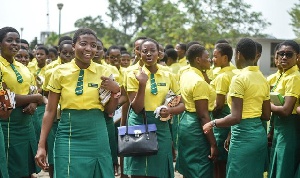 File photo of Wesley Girls’ High School students