A former Member of Parliament for Subin, Eugene Boakye Antwi, has described 2025 as a challenging year, especially as a politician of the opposition New patriotic Party (NPP).
Speaking in a video shared on social media on December 28,2025, Boakye Antwi explained that the year has been difficult following the change of government and the time needed for the new government to put its appointees in place, including ministers, heads of agencies, and MMDCEs.
Ayariga leads MPs to pay courtesy call on Bawku Naba ahead of Samanpiid Festival
“It’s been a not-so-good year because one, there was a change of government. The government had to put its team in place to work. The ministers, the agency heads, the MMDCS, the ambassadors, I mean, we are waiting to see,” he stated.
Based on his experience as a former deputy Minister, he noted that it will be unfair to judge any government within its first or second year of office.
He added that a clearer direction of the current government would be known by this time next year.
“I’ve just told them earlier that it will be unfair to assess any government. I’ve been a member of the executive before as a deputy minister from 2017 to 2021. And it wouldn’t be fair to assess any government within its first year or even the second year.
“I would say next year, around this time, will give us a better hang of what, where the government intends to take the country,” he said.
Watch Dr Ato Forson’s heroic welcome in his constituency
Boakye Antwi noted that the country still depends on support from the IMF, which, according to him, limits the resources available to the government, stating, ” But as it stands, we are we are IMF economy. There isn’t much in the system for the government to work on or to work with.”
He acknowledged some positive indicators, such as the stabilization of the dollar but described these gains as “artificial, stressing that they are not driven by clear policy.
“The dollar is stable, which is good. Inflation is under control. But it’s all because these are, these are all artificial stuff because there’s no policy driving it, there’s no policy behind it, if you know what I mean,”
Boakye Antwi, however, praised the government for stabilizing the cedi, adding that it has helped importers.
“The government has been smart to find a way, right, to stabilize the dollar. It’s allowing the good people of this country to bring in imports, you know, with a very stable dollar. It helps them to plan. But it all remains to be seen sometime next year, if indeed there is some kind of master plan that is being used by this government to hold the city, to hold inflation, and what have you.”
Regardless of the commendation, he raised concerns about the billions of cedis that the government owes contractors and stakeholders, saying, ” And you know, contractors are owed, left, right, and center.”
He cautioned that once these arrears are paid, the true strength of the economy and the stability of the cedi will be tested.
“Inflation is good, it’s very low, and all the rest of it. But I keep saying the government owes billions, billions to contractors, to stakeholders. And once these monies are outstanding, have not been fully paid, you don’t know, we can’t really tell the shift of the economy.
“But once it’s paid into a system, you’ll see movements here and there. I think we will then see if the dollar is really stable or is going to go up again against the dollar. But as it stands, you know, so far I would say so good,” he added.
Watch video below
The year 2025 has not been a very good one for me as an NPP politician — Former Subin MP, Eugene Boakye Antwi, reflects on the happenings of 2025 in his political journey. pic.twitter.com/pOZkSDkMQt
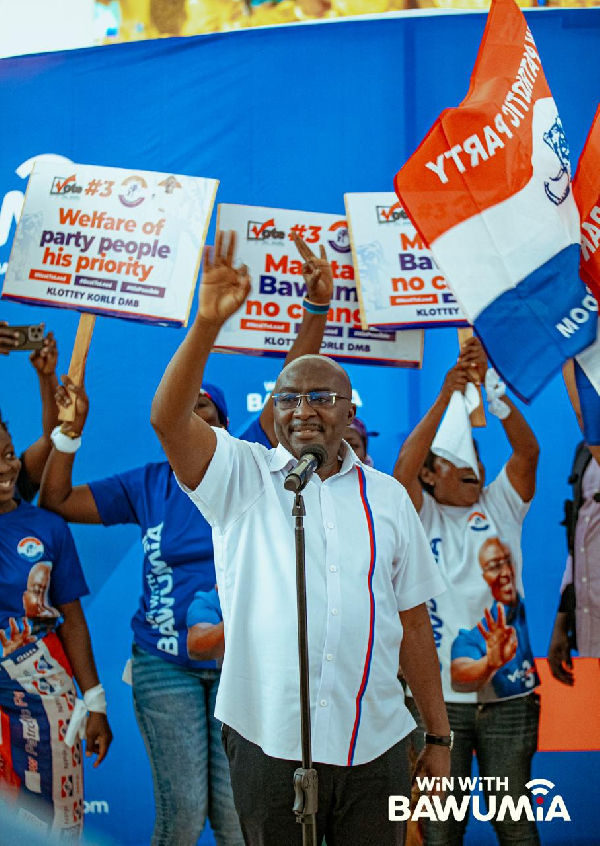
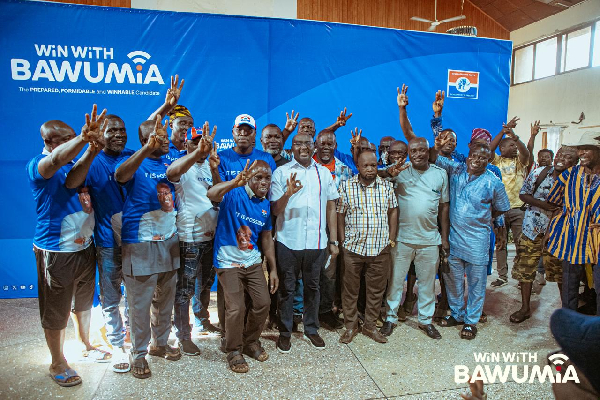
Former Vice President, Dr Mahamudu Bawumia, continues to enjoy ringing endorsements from NPP delegates as he embarks on his nationwide campaign.
Electoral area coordinators, who lead sets of polling stations within constituencies, have been endorsing the candidature of Dr Bawumia across the country.
On Saturday, December 27, when he toured four constituencies in Accra, the situation remained unchanged.
At Korle Klottey, Odododiodioo, Ablekuma Central and Ablekuma West, an overwhelming majority of electoral area coordinators declared their confidence in Dr Bawumia to be retained as the Flagbearer of the NPP for the 2028 elections.
Odododiodioo
In the central business district of the capital, delegates gave Dr Bawumia a rousing welcome, as 19 out of 21 electoral area coordinators publicly endorsed the former Vice President.
“We supported Dr Bawumia in 2023, and for us, nothing has changed because we believe in his leadership,” a spokesperson for the coordinators said.
“We are at the base of the party and wherever we have been within the constituency, the polling station executives are telling us that it is Dr Bawumia they want.”
“The polling station executives are aware of what is happening and they are concerned about the utterances and motives of some people who want to destroy this party because of their selfish interests.
They will not allow that to happen, hence their firm support for Dr Bawumia, which we are also endorsing.”
“We act based on the will of our colleagues, the polling station executives, and we can say that within our respective polling stations, the executives are calling for Dr Bawumia because of his good character, a humble and peaceful man.”
Ablekuma Central
In Ablekuma Central, 18 out of 21 electoral area coordinators boldly declared their support for Dr Bawumia.
“There are 21 electoral area coordinators here in Ablekuma Central, and out of that number, 18 of us are here, obviously in support of Dr Bawumia,” the coordinators said.
“We have been mandated by our polling station executives to declare support for you because, from their analysis, they see that you are the best among the rest to deliver victory for the NPP.”
“We are convinced, and together with other coordinators in the Greater Accra Region, backed by the strength of our polling station executives, we have been working for Dr Bawumia and will continue to work for him until victory is achieved.”
“The success of our party is our ultimate interest, and we believe it is Dr. Bawumia who can lead us to victory; hence our support for him.”
Ablekuma West
In Ablekuma West, where there are 16 electoral areas, 12 out of the 16 coordinators stepped forward to endorse Dr Bawumia.
Like the other constituencies, they also acknowledged the strong backing of their polling station executives for Dr Bawumia.
A majority of other stakeholders in the constituency, including former executives, the council of elders, and current executives, also stepped forward to publicly declare their support for the former Vice President.
Also, watch below Amnesty International’s ‘Protect the Protest’ documentary as the world marks International Human Rights Day 2025
The wait is over! The GhanaWeb Excellence Awards 2025 is officially launched. Let’s Celebrate impact, innovation and excellence across Ghana.
Who deserves to be honoured this year?
Nominate now 👉 https://ghanaweb.com/ghanaexcellenceawards/nominate
Approximately 2.4 million eligible voters are expected to cast their ballots to select a president
Voting officially commenced on December 28, 2025, in the Central African Republic (CAR) as polls opened nationwide for the country’s general elections.
Approximately 2.4 million eligible voters are expected to cast their ballots to select a president, members of the National Assembly and local authority representatives.
Polls opened at 6:00 a.m. local time across 6,700 polling stations.
Early reports indicate that voting is proceeding in a calm and peaceful atmosphere, with no serious security incidents registered.
Significantly, voting is active and orderly even in remote regions and areas previously impacted by insecurity, such as the city of Bambari.
Seven candidates are contending for the office of the President.
The incumbent, President Faustin-Archange Touadéra, is seeking re-election following his victories in 2016 and 2020.
He faces opposition from six other candidates, with former Prime Ministers Anicet-Georges Dologuélé and Henri-Marie Dondra regarded as his primary competitors.
Under the constitution, the presidential mandate is for a seven-year term. To win in the first round, a candidate must secure an absolute majority (50% plus one vote).
If no candidate achieves this threshold, a runoff election will be held between the top contenders.
Voters are simultaneously electing 140 deputies to the National Assembly, the nation’s unicameral parliament.
The parliamentary mandate is also set for a term of seven years.
The legislative field is competitive, with 685 candidates vying for seats.
The pool of candidates is comprised of nominees from over 40 political parties, as well as a significant number of independent candidates, who make up nearly half of the field.
Political observers are closely watching the performance of the Movement of United Hearts (MCU).
The party, which currently holds 61 seats following the 2020–2021 elections, is projected to remain a dominant force in the legislature.
Several communities across Northern Ghana are facing a worsening water crisis as the dry season sets in, forcing residents particularly women to endure long, sleepless nights in search of potable water.
With the rains ending nearly two months ago, streams, wells and seasonal dams that sustain rural households have dried up, while boreholes are recording critically low water tables.
As a result, humans and livestock are increasingly competing for the same limited water sources, heightening health and sanitation risks.
The situation is especially dire in the Chereponi District, where there is no access to piped water. Residents depend largely on boreholes and a widely used caterpillar dam, which has become unsafe due to runoff carrying dirt, waste and animal droppings directly into the water body.
Speaking to Channel One News, a resident warned of the consequences if urgent action is not taken.
“All the animals in the community are feeding from the same water and defecating in it for human use. As a result, about 80% of the lives of people in Chereponi will be affected if action is not taken on this incident,” the resident said.
The Assembly Member for Chereponi West, Yaw Nasamu described the situation as a major water and sanitation challenge confronting the district, appealing for immediate support while urging residents to help protect existing water sources.
“I am appealing to philanthropists, NGOs, civil society organisations and the government to come to our aid. The people of Chereponi are suffering as a community,” the Assembly Member stated.
In Wanchiki, conditions are even more severe. The chief and residents say access to water has deteriorated sharply in recent weeks, compelling the community to appeal for peace and urgent intervention to prevent further hardship during the dry season.
Elsewhere in the Northern Region, the Juo community continues to battle multiple development challenges, including the absence of mobile network coverage. Water access has also been a long-standing problem, as non-functional boreholes forced residents and livestock to share limited water sources.
However, there has been some relief. A benevolent organisation, Van De Ard Machine Factory, has intervened by providing a mechanised borehole to the community, significantly easing the burden on residents.
Women in the community, speaking to Channel One News, expressed excitement and gratitude, recounting the hardships they previously endured and noting that the new water facility will improve household sanitation, health and daily living.
A representative of the organisation said the gesture was motivated by the urgent need to support deprived communities during the dry season, when access to safe water becomes a daily struggle.
Afrobeats singer Tiwa Savage had an emotional moment on stage while performing her hit song Somebody’s Son at the Taste the Culture Festival in Ghana.
In a video making rounds online, the award-winning artiste was seen struggling to hold back tears as she sang, briefly pausing to compose herself before continuing the performance.
Gomoa Central MP Kwame A Plus has framed President John Dramani Mahama’s Christmas visit to the constituency as a powerful symbol of leadership, continuity and national renewal.
Describing the occasion as an honour, the MP said hosting the President and First Lady, Lordina Mahama, at Crown Forest during the holidays carried deep meaning for the people of Gomoa.
In the Assin Central District of Ghana’s Central Region, cocoa farmers gather not just to discuss yields and prices, but to collectively chart survival strategies against a climate that no longer follows familiar patterns.
Under the shade of cocoa trees in Assin Fosu, members of a local farmers’ cooperative discuss rainfall forecasts, soil health, and how to safeguard their livelihoods from increasingly unpredictable weather.
“We cannot continue farming the same way,” says Samuel Torbi, a leader of the Assin Fosu Cocoa Farmers’ Cooperative, a group turning shared vulnerability into collective resilience.
Samuel owns a 17-acre cocoa farm bordering a forest reserve. In good years, his farm produces about 300 bags of cocoa, enough to support his household. After more than 20 years in cocoa production, he says farming has remained his economic backbone. Yet climate change now poses the greatest threat to that stability.
“You’re supposed to plant cocoa in March, but when the dry season extends unexpectedly, the young plants die,” he explains. “Climate change is now our biggest challenge in cocoa farming.”
Across Ghana, climate variability is rewriting the rules of farming. According to the Ghana Meteorological Agency, average temperatures have increased by about 1°C over the past 30 years, while rainfall has become increasingly erratic. The World Bank estimates that climate change could reduce Ghana’s agricultural productivity by up to 7% by 2050 if adaptation measures are not scaled up.
This poses a direct threat to smallholder farmers, who account for over 60% of Ghana’s agricultural workforce and produce nearly 80% of the country’s food, according to the Ministry of Food and Agriculture (MoFA).
In regions such as the Upper East, Northern, Bono, Ahafo, and parts of the Central, prolonged dry spells, flash floods, and soil degradation are driving down yields, raising production costs, and deepening food insecurity.
Cocoa, Ghana’s leading agricultural export and a livelihood for over 800,000 farm families, is particularly vulnerable.
Cooperatives as engines of climate adaptation
Amid these challenges, agricultural cooperatives are emerging as a quiet but powerful force in Ghana’s climate response. Once viewed primarily as vehicles for market access and bargaining power, cooperatives are increasingly functioning as hubs for climate-smart agriculture, information sharing, and risk management.
Agricultural researchers note that farmer-based organisations are gaining relevance because they provide a structured platform for engagement with government agencies, research institutions, and development partners.
Dr Victor Owusu, Senior Lecturer at the Department of Geography Education, University of Education, Winneba, whose research focuses on agrarian food systems and livelihood resilience, describes climate change as a planning nightmare for farmers.
“The erratic nature of the weather makes agricultural planning extremely difficult,” he says. “This is where cooperatives become critical. While climate science informs policy, farmers also possess indigenous knowledge that has sustained their livelihoods for generations. Cooperatives create a space where scientific knowledge and local experience can work together.”
In Assin Fosu, change began with targeted training sessions supported by the Ministry of Food and Agriculture (MoFA), the Ghana Cocoa Biard (COCOBOD), and local NGOs. Farmers were introduced to climate-smart agriculture (CSA) practices such as mulching, crop rotation, shade tree integration, improved seed selection, composting, and rainwater harvesting.
Abdul Rahman Ayiku Tetteh, the Pruning, Irrigation and Cocoa Management Systems Coordinator at the Cocoa Health and Extension Division (CHED) of COCOBOD, describes cooperatives as essential allies in reaching farmers efficiently.
“Climate change is affecting production and wellbeing,” he explains. “We educate farmers on planting disease-resistant varieties, integrating shade trees, and protecting cocoa from direct sunlight. When cooperatives are involved, information spreads faster and adoption rates improve.”
CHED estimates that farms practicing recommended shade management and pruning techniques can improve productivity by 15–25%, even under climate stress.
The Assin Fosu cooperative has 72 active members, meeting monthly to review production data, welfare concerns, and business performance. Special farmer business schools provide hands-on training in climate-smart practices.
“We now understand that cutting down trees worsens climate stress on cocoa,” Mr. Torbi explains. “Shade trees improve soil moisture, regulate temperature, and protect yields.”
Beyond agronomy, the cooperative has introduced group savings schemes, bulk input purchases, and shared irrigation support, reducing individual costs by up to 20%, according to members.
“Before, I couldn’t afford fertiliser,” says Sala Iddrisu, a cocoa farmer and mother of two. “Now we buy together and support each other.”
Some members have also committed portions of their land to tree planting and carbon sequestration initiatives under REDD+ programmes, contributing to Ghana’s emission reduction targets while restoring degraded landscapes.
Policy shift toward bottom-up solutions
Experts say cooperatives are central to scaling climate adaptation across the country.
According to Dr Victor Owusu, for decades, agricultural governance in Ghana has largely followed a top-down model, limiting local participation in policy design and implementation.
“We’ve realised that the top-down approach towards dissemination of information, such as climate change, availability of subsidies for farmers, including fishers, there’s a big gap communication gap, most of the information or the intended materials do not get to the people who are supposed to be using this information and other materials for their work to benefit their welfare.
“So gradually, we are moving towards a bottom-up approach where government and other agencies are now recognizing the importance of empowering local cooperatives to also be actively involved in the management and governance of agriculture, food value chain,” he observed.
Ghana’s Updated Nationally Determined Contributions (NDCs) and the Climate Resilient and Green Economy Strategy explicitly recognise farmer-based organisations as key actors in adaptation and mitigation efforts.
However, challenges remain. Access to climate finance, long-term technical support, and research partnerships continues to constrain cooperative growth.
Dr Owusu says empowering farmer-based organisations and local cooperatives will get them more involved in the management of the food value chain, especially in taking interest in climate change and its ramifications on the local agriculture sector.
“The agriculture sector is directly under the mercy of climate change, because we talk about farming, they depend on the mercies of the weather; the rainfall and the temperature. When we talk about the fishing, it’s also the same.
“So information dissemination is very important, when we are talking about climate change and climate information, so that these farmers will be able to use this information for their planting season and other important information that will help them to sustain their various businesses,” he stated.
Back in Assin Fosu, farmers are preparing for the next planting season. They are testing cover crops to restore soil fertility, composting organic waste, and experimenting with drought-tolerant cocoa seedlings.
“We are no longer just surviving,” Mr Torbi says. “We are adapting and leading.”
As climate change tightens its grip on Ghana’s food systems, one lesson is becoming increasingly clear: resilience is not built solely through technology or central policies, but through empowered communities working collectively.
In that future, agricultural cooperatives are not just participants; they are climate champions, shaping sustainable pathways for rural Ghana.
This article is written as part of a collaborative project between JoyNews, CDKN Ghana, and the Centre for Climate Change and Sustainability at the University of Ghana, with funding from the CLARE R41 Opportunities Fund
DISCLAIMER: The Views, Comments, Opinions, Contributions and Statements made by Readers and Contributors on this platform do not necessarily represent the views or policy of Multimedia Group Limited.
DISCLAIMER: The Views, Comments, Opinions, Contributions and Statements made by Readers and Contributors on this platform do not necessarily represent the views or policy of Multimedia Group Limited.
The Electricity Company of Ghana (ECG) has announced a technical challenge affecting the purchase of electricity credits for customers using MMS-compliant meters.
In a notice issued on Sunday, December 28, 2025, ECG said the challenge is disrupting the purchase of electricity credits through the ECG Mobile App, short codes, and third-party vendors.
According to the company, its technical team is working to resolve the issue as quickly as possible.
ECG apologised to customers for the inconvenience caused and assured them that efforts are underway to restore normal service.
The Minister of Communication, Digital Technology and Innovations, Samuel Nartey George, has issued a stern warning that security agencies will not spare anyone found assisting foreign nationals to acquire Ghanaian passports and Ghana Cards.
He stated that helping such individuals is a criminal offence and that the law would deal decisively with any Ghanaian involved, to serve as a deterrent.
This blog is managed by the content creator and not GhanaWeb, its affiliates, or employees. Advertising on this blog requires a minimum of GH₵50 a week. Contact the blog owner with any queries.
Mankessim – In a bid to provide skill training for the youth, the Obaapa Fatimah Amoadu Foundation (OFAF) was officially launched, culminating in the graduation of 55 artisans from its maiden training programme.
Held under the theme “The Future Is Handmade,” the event at Mankessim in the Central Region on Saturday, December 27, 2025, highlighted the importance of craftsmanship, vocational education, and hands-on skills in promoting sustainable livelihoods and economic empowerment.
The ceremony attracted a distinguished gathering of traditional authorities, political leaders, Christian clergy, and representatives of Islamic missions, reflecting broad-based support for skills development as a tool for community transformation.
Speaking at the event, the Founder of the Foundation and Deputy Managing Director of the Cocoa Processing Company (CPC), Fatimah Amoadu, recounted that OFAF was established in Accra about ten years ago but later relocated its operations to the Ekumfi Traditional Area to directly support the local community.
“This foundation started in Accra about ten years ago, but it was important to bring it home to Ekumfi to support my own people and help them build sustainable livelihoods,” she said.
A native of Ekumfi Immuna and Srafa, Amoadu explained that her decision to return home was driven by a desire to empower young people, particularly girls, through sustainable skills training rather than short-term support.
“Our focus has always been on teaching young girls how to fish rather than giving them fish,”she explained. “When you equip someone with a skill, you give them dignity, independence, and a future.”
She disclosed that 100 girls from Ekumfi were enrolled in an artisanal training programme four years ago, of whom 55 have now successfully graduated, while the remaining trainees are still undergoing instruction.
The trainees received instruction in hairdressing, fashion design, and baking, equipping them with employable skills for sustainable livelihoods. To further support them in launching their vocations, Amoadu presented the graduates with sewing machines, hair dryers, gas ovens, and other start-up items.
The Paramount Queen of the Ekumfi Traditional Area, Nana Benyiwa VI, commended Obaapa Fatimah Amoadu for her initiative and investment in human capital development.
“What our daughter has done is wonderful,”she said. “We ask God’s blessings upon her life so that whatever she touches will prosper.”
Nana Benyiwa VI urged the graduates to make good use of the opportunity. “To the graduates, what you have received is a great opportunity. Use it to work so that others will also benefit from you,” she advised.
Meanwhile, the Chief of Ekumfi Srafa and Sumankwahen of the Ekumfi Traditional Area, Nana Nyeiku VII, appealed to the foundation to consider including boys in future skills training programmes. “When you look at the beneficiaries, they are not fairly balanced,” Nana observed. “There’s no boy amongst them. I suggest boys must be considered in subsequent programmes.”
Representing the Central Regional Coordinator for the Apprenticeship Programme, the Deputy Youth Organiser of the National Democratic Congress (NDC), Kojo Gyamfi, described the OFAF training initiative as being in line with the vision of a Mahama-led government, which seeks to train between one and five million youths in various skill sets nationwide.
“Youth unemployment can only be tackled when skills development is prioritised,” he emphasised. “Initiatives like this play a critical role in complementing government efforts.”
He underscored that the foundation’s activities align perfectly with the government’s vision to train youth with employable skills to ameliorate unemployment in Ghana.
Appealing for more such opportunities, Mr. Gyamfi urged well-meaning Ghanaians to emulate and replicate the efforts of Obaapa Fatimah Amoadu in their respective communities, noting that private initiatives remain crucial in complementing government empowerment programmes.
The launch and graduation ceremony marked a major milestone for the Obaapa Fatimah Amoadu Foundation, reinforcing the role of vocational skills and community-driven initiatives in tackling youth unemployment. With plans to expand its training programmes, the Foundation is poised to continue empowering more young people in Ekumfi and across the Central Region through practical skills development and entrepreneurship.
The second edition of Tech Guru Meetup organised by Tech Hub Africa has been held in Accra. The event saw a convergence of Ghana’s digital minds, united by a shared vision of innovation, collaboration, and impact.
The meetup brought together students, seasoned professionals, startup founders, and investors, creating a vibrant space for high-value networking and real-time collaboration.
Attendees witnessed firsthand how ideas are exchanged, partnerships formed, and the future of African technology actively shaped.
A major highlight of the evening at La Palm Royal Beach Hotel was the Startup Pitch Competition Finale, where some of Ghana’s most promising startups demonstrated bold ideas and practical solutions with global potential. The pitches reaffirmed that the next wave of transformative technology is being built right here in Ghana.
The judging panel Bernard Mensah, Franklin Leonards, Foster Oppong, and Pauline Arthur Abad brought deep industry expertise to the competition, offering critical insights and constructive feedback that added immense value to the participating startups.
At the end of the competition, three startups emerged as winners:
•Kronoz, an innovative events hub for ticketing took the first prize of $1000;
•Rushpay, a digital payments solution grabbed the second prize;
•SciResearch, a platform for decentralizing scientific research took the third prize.
The founder of Kronoz described the victory as a major boost for the company, providing both validation and momentum for future growth.
Speaking on the impact of the event, Doreen Awuku Agyeman, Co-Founder of Tech Hub Africa, expressed excitement about the quality of ideas presented and the strong networks formed. She also announced a new initiative, “Tech for All,” aimed at expanding access to technology and innovation across all regions of Ghana, reinforcing the commitment to inclusivity in the tech space.
Organized under the theme “Meet. Network. Innovate. Empower.”, the Tech Guru Meetup ’25 formed the grand finale of a three-day tech showcase celebrating innovation and entrepreneurship. Through keynote panels, interactive sessions, and meaningful connections, the event reaffirmed its mission to empower Africa’s tech ecosystem by connecting innovators, nurturing talent, and showcasing excellence in technology, science, and engineering.
With a clear vision of positioning Africa as a global leader in the digital age, the Tech Guru Meetup ’25 has set a strong tone for the year ahead one defined by collaboration, opportunity, and a thriving, inclusive future for African technology.
A senior project engineering expert has commended the President of the Republic, His Excellency John Mahama, for the government’s bold and transformative Big Push Initiative, particularly its unprecedented investment in nationwide road and infrastructure development.
In a formal press statement dated December 26, 2025, Engr. Surv. Dr. Dr. Ebenezer Gyamera—Southern Sector Chairman of the Institution of Engineering and Technology (IET) Ghana and Senior Lecturer at the University of Cape Coast—described the initiative as a demonstration of visionary leadership with the potential to accelerate economic growth, enhance regional integration, create jobs, and improve access to essential social services across the country.
While applauding the scale and pace of ongoing road construction works, Dr. Gyamera underscored the need for proactive measures to address the social, environmental, and technical challenges associated with large‑scale infrastructure development. Such measures, he noted, are crucial for strengthening public safety, boosting public confidence, and ensuring long‑term sustainability.
He highlighted six key areas requiring urgent attention:
1. Dust Pollution and Public Health
Dr. Gyamera observed that extensive earthworks and pavement construction generate significant dust, especially in urban and peri‑urban communities. Prolonged exposure, he cautioned, poses serious respiratory health risks, disrupts businesses, and reduces overall quality of life. He recommended regular water spraying, strict enforcement of environmental management plans, and enhanced monitoring of contractor compliance.
2. Utility Lines and Services
Road construction, he noted, often interferes with underground and overhead utilities such as water pipelines, electricity lines, fiber‑optic cables, and sewer systems. He called for improved coordination with utility service providers prior to construction, supported by accurate utility mapping, to minimize service disruptions and avoid costly reworks.
3. Alternative Routes and Traffic Management
Construction activities frequently lead to congestion and extended travel times. Dr. Gyamera emphasized the need for clearly marked and well‑maintained alternative routes, effective traffic signage, and robust public information campaigns to reduce inconvenience for road users and commercial transport operators.
4. Pedestrian Crossings and Road Safety
Expressing concern about road projects passing through densely populated settlements without adequate pedestrian crossings, he warned that the absence of temporary and permanent crossings exposes residents—particularly children, the elderly, and persons with disabilities—to significant safety risks. He urged the provision of footbridges, zebra crossings, walkways, and traffic‑calming measures.
5. Protection of Surveying Pillars and Geodetic Controls
Dr. Gyamera highlighted the destruction of national survey pillars and geodetic control points during road construction due to poor identification. Describing these as critical national assets for land administration, mapping, and infrastructure development, he recommended mandatory collaboration with licensed surveyors and the Lands Commission to identify, protect, or re‑establish such markers where necessary.
6. Stakeholder Engagement and Community Relations
He stressed the importance of early and continuous engagement with traditional authorities, local assemblies, professional bodies, and affected communities. Transparent communication on project timelines, compensation, access arrangements, and safety measures, he said, would promote project ownership, reduce conflicts, and strengthen public trust in the Big Push Initiative.
Dr. Gyamera reaffirmed his support—and that of allied professionals—for government efforts aimed at delivering sustainable, inclusive, and professionally executed infrastructure development across Ghana.
Meanwhile, the Chairperson of Women in Engineering at IET Ghana, Engr. Mrs. Adjoa Aginba Tetteh Gyamera, urged contractors and government agencies implementing the Big Push Initiative to prioritize women’s participation. She noted the growing number of women in the engineering profession and called for deliberate efforts to encourage their involvement in a field traditionally dominated by men, citing their strong attention to detail and technical competence as valuable contributions to national development.
Professor H Kwasi Prempeh has revealed that public consultations by the Constitutional Review Committee (CRC) uncovered growing frustration among citizens who feel Ghana’s democratic system no longer offers meaningful alternatives despite regular elections.
The CRC chairman, speaking December 27 on TV3’s Hot Issues programme, said nationwide engagements showed people remain appreciative of democratic freedoms, particularly their ability to speak openly and vote governments in or out of office. However, he noted that beneath this appreciation lay a deeper sense of weariness about whether electoral change produces substantive transformation.
“They like the democracy that they are seeing in terms of an ability to speak your mind, to vote for the government you like, to vote against a party you don’t like. I think they were getting a bit tired. We change these parties, and then what?” Prof Prempeh asked.
The Committee’s report warns that Ghana risks becoming a choiceless democracy, a system where citizens periodically vote in peaceful elections but experience little change in governance quality or socioeconomic outcomes. The assessment suggests that while the 1992 Constitution has delivered political stability, peaceful power transfers and civil liberties, it has not sufficiently translated democratic competition into developmental results.
According to Prof Prempeh, several participants in public consultations expressed that democracy had become limiting rather than empowering. “For most people, you could get the sense that the democracy was becoming choiceless for them,” he observed.
Despite the frustration articulated during consultations, the law professor described the openness of the discussions as encouraging and said the honesty of feedback would influence how the CRC approaches reform proposals. “The openness with which people spoke their ideas was quite refreshing to see,” he stated.
The CRC conducted nationwide consultations systematically, allowing individuals, civil society groups, professional bodies, political actors and traditional authorities to contribute meaningfully to the review. Prof Prempeh said the committee visited all ten regions and held engagements with academics, trade unions and citizens across the country.
The eight member Constitutional Review Committee submitted its final report titled “Transforming Ghana: From Electoral Democracy to Developmental Democracy” to President John Dramani Mahama on December 22. The comprehensive document proposes constitutional amendments aimed at strengthening governance, promoting citizen participation and addressing key national challenges.
Major recommendations include extending the presidential term from four to five years to allow sufficient time for policy implementation, separating the executive from the legislature to reduce conflicts of interest, and binding Parliament to Ghana’s National Development Plan in lawmaking and budgeting.
President Mahama acknowledged that some proposals were far reaching but necessary to strengthen Ghana’s democratic order, particularly as constitutional governance in parts of the region faces strain. He directed that the report be published soon, stating he did not want it kept like a nuclear secret.
Prof Prempeh chairs the CRC established in January 2025 to identify gaps in previous constitutional reforms and recommend amendments to improve governance. He serves as executive director of the Ghana Center for Democratic Development and is a professor at Seton Hall University School of Law in the United States.
President John Dramani Mahama has given firm assurances that Gomoa Central will soon witness major infrastructure and industrial transformation, following his Christmas visit to the constituency.
Gomoa Central MP Kwame A Plus described the visit as more than a festive retreat, saying it came with “clear and reassuring commitments” from the President towards development.
The Narcotics Control Commission (NACOC) has conducted intelligence-led operations in the Eastern and Greater Accra regions, dismantling several drug dens under a festive-season crackdown code-named “Operation White Ember.”
The coordinated raids targeted known drug hotspots, including Mamfe and Tutu in the Eastern Region, as well as Madina Redco Flats, Zongo Junction, and the railway slums around Airport City in the Greater Accra Region.
A total of 72 suspects were arrested during the operations.
On Friday, December 26, the operation was extended to Tema Community One and Teshie Nungua, where additional arrests were made, and quantities of suspected narcotic substances were seized with support from NACOC’s K9 units.
As part of the broader security exercise, patrols were also carried out at shopping malls and beaches across the capital to curb drug-related activities during the Christmas festivities.
NACOC said the drugs seized, including ecstasy, methamphetamine, and cannabis-infused alcoholic beverages, posed a serious threat to public health, noting that their removal helped prevent potential cases of addiction during the festive period.
The Commission said the operation underscores its commitment to ensuring that the Christmas season remains safe, stressing that drug enforcement efforts would cover public spaces, residential communities, beaches, and informal settlements.
Officers also engaged residents who gathered at the scenes, using the opportunity to educate community members on the dangers of drug abuse and its impact on public safety.
NACOC assured the public that similar operations would continue in the coming weeks and months as part of sustained efforts to improve security and protect lives nationwide.
A commercial sex worker operating in Sekondi has reportedly been severely assaulted by a man who allegedly solicited her services.
The victim, a Nigerian national who identified herself as Nancy, told CONNECT FM that the incident occurred on Friday night, December 26, when the man approached her for her services.
According to her, the two agreed on a fee of GH¢50 for a short period and proceeded to the man’s residence.
Nancy said the situation escalated when she realised the man was attempting to go beyond the agreed time. She explained that she informed him she was tired and could not continue, a decision she said angered him.
She alleged that the man then demanded a refund of the GH¢50, which she refused, insisting that she had already rendered the agreed service.
The man subsequently demanded her mobile phone, and when she declined, he allegedly assaulted her.
Nancy said she has since reported the incident to the Sekondi Police, who have issued her a medical form to seek treatment at a hospital, while the investigation continues.
Oliver Barker-Vormawor, convener of the FixTheCountry Movement, has stated that Ghana’s constitutional amendment process grants significant power to the parliamentary minority, making unilateral changes by any governing party virtually impossible. Speaking on JoyNews’ Newsfile on Saturday, December 27, 2025, the activist and lawyer emphasized that constitutional reforms must navigate stringent parliamentary procedures that cannot bypass legislative scrutiny.
Barker-Vormawor explained that any attempt to amend the Constitution requires support from at least 75 percent of Members of Parliament (MPs), creating a threshold he described as effectively preventing single political blocs from unilaterally driving changes. This supermajority requirement transforms the minority into a critical player in any reform process, regardless of its numerical strength in the chamber.
The legal framework outlined in Ghana’s 1992 Constitution establishes two distinct pathways for amendments. Non-entrenched provisions require approval by at least two thirds of all MPs, while entrenched provisions demand an additional step: a national referendum where at least 40 percent of eligible voters must participate, and at least 75 percent of those who vote must approve the change. These stringent requirements have historically complicated reform efforts and contributed to the failure of previous amendment attempts.
Barker-Vormawor emphasized that every constitutional conversation and discussion must proceed through Parliament, noting that once the public approves proposals, all changes face parliamentary deliberation at elevated thresholds. He characterized this structure as fundamentally empowering the minority, stating that their relevance becomes magnified irrespective of their size within the legislative body.
The activist directly addressed speculation about the ruling National Democratic Congress (NDC) potentially reshaping constitutional provisions independently. He stated categorically that the NDC cannot meet the required threshold for amendments without minority participation, meaning no single party can claim authority to change everything without cross-party cooperation. This reality, he argued, compels broader consensus and negotiation across political divides.
His remarks come as national attention intensifies around the Constitution Review Committee (CRC) report, which was presented to President John Dramani Mahama on Monday, December 22, 2025. The committee, chaired by Professor Henry Kwasi Prempeh, conducted nationwide consultations over several months and incorporated expert contributions into proposed amendments aimed at strengthening governance and promoting citizen participation.
The CRC report contains far reaching proposals that would reshape Ghana’s political landscape if implemented. Among the key recommendations is extending the presidential term from four to five years, with Professor Prempeh emphasizing that the proposal deliberately excludes any provision for a third term. The committee argued that presidents currently lose significant governing time to administrative transitions and campaign activities, with approximately six months spent settling into office and nearly a year devoted to reelection efforts.
Additional proposals include separating executive powers from the legislature to enable Parliament to focus fully on its constitutional responsibilities, expanding the authority of the Council of State, and establishing constitutional oversight for state owned enterprises through mechanisms similar to the State Interests and Governance Authority. The committee also recommended holding presidential elections in the first week of November rather than December, providing a longer transition period between results declaration and inauguration.
Barker-Vormawor’s analysis underscores political realities that will shape the reform process moving forward. He urged President Mahama to take an active role in steering the constitutional reform process to ensure its success, suggesting that for constitutional review to become a lasting legacy of the current administration, the President must personally supervise the implementation phase rather than merely showing supportive signals.
The activist called for establishing an implementation committee that builds on the work of the existing review committee rather than starting fresh with entirely new membership. He emphasized the importance of continuity and institutional memory, noting that previous efforts required months of work helping committee members understand the direction and rationale behind various proposals. Creating a new committee without context, he warned, could undermine momentum and waste the expertise already developed.
Ghana’s history with constitutional amendments reveals the practical challenges ahead. In 2010, an extensive and participatory reform process produced proposals that remain unimplemented. More recently, in 2019, efforts to amend provisions related to local government elections collapsed after the opposition NDC withdrew support despite initial commitments. The government subsequently withdrew amendment bills from Parliament, fearing they lacked sufficient popular support to cross constitutional thresholds.
The current parliamentary composition presents both opportunities and constraints. The NDC secured a supermajority in the most recent elections, controlling more than two thirds of parliamentary seats. However, even this substantial majority falls short of the 75 percent threshold required for constitutional amendments, confirming Barker-Vormawor’s assertion about minority leverage.
Constitutional reform advocates emphasize that amendments require genuine consensus rather than partisan maneuvering. The stringent voting requirements exist precisely to ensure that fundamental changes to Ghana’s supreme law reflect broad political agreement and public support rather than temporary electoral advantages. This design protects constitutional stability while creating space for evolution when society reaches sufficient consensus.
Barker-Vormawor also advocated for creating a dedicated parliamentary committee to study proposed constitutional changes, ensuring the process avoids retreating into partisan echo chambers. He expressed belief that if Parliament examines the document collectively, members will recognize provisions that liberate Parliament itself, suggesting potential common ground transcending party lines.
The activist brings significant credibility to constitutional discussions through his academic and professional background. A doctoral researcher at the University of Cambridge Faculty of Law focusing on international law, Barker-Vormawor previously worked as a senior associate at Covington & Burling, one of the world’s most prestigious law firms, where he advised Fortune 500 companies and governments on anticorruption and regulatory matters. He also teaches at the University of Ghana School of Law.
Beyond his professional credentials, Barker-Vormawor cofounded and convenes Democracy Hub and the FixTheCountry movement, which have mobilized young Ghanaians around governance reform, accountability, and constitutional justice. These movements have shaped national discourse on corruption, unemployment, and abuse of state power, coordinating rapid response legal support for protesters and strengthening civil liberties defense capacity.
President Mahama indicated that an implementation committee will be announced early in 2025, with some members of the Constitutional Review Committee invited to serve based on their institutional knowledge. He acknowledged that while Ghana’s 1992 Constitution has proven durable, serving the nation longer than previous constitutional frameworks, periodic adjustments become necessary to ensure continued relevance and effectiveness.
The President promised to publish the full CRC report soon, stating he did not want it kept as a nuclear secret, though he provided no specific publication date. This transparency commitment signals potential openness to public debate about proposed reforms, though skeptics note that previous reform reports have languished without implementation despite similar promises.
Barker-Vormawor’s analysis highlights a fundamental tension in Ghana’s constitutional architecture. The high thresholds for amendment protect against hasty or partisan changes, preserving constitutional stability and requiring broad consensus. However, these same protections can also enable obstruction and gridlock, preventing reforms that might command substantial but not supermajority support.
The coming months will test whether Ghana’s political class can bridge partisan divisions to advance constitutional reforms. Success requires more than parliamentary arithmetic; it demands genuine dialogue, compromise, and willingness to prioritize national interest over party advantage. The minority’s structural leverage, as Barker-Vormawor observed, ensures they cannot be ignored or bypassed, forcing engagement across political lines.
Whether this forced engagement produces constructive reform or continued stalemate remains uncertain. Previous attempts foundered on partisan disagreements, lack of public support, or fears about unintended consequences. The current effort benefits from fresh electoral mandates and renewed political will, but faces familiar obstacles including partisan mistrust, competing visions for Ghana’s democratic future, and the challenge of building consensus on contentious issues.
Constitutional amendment processes worldwide demonstrate that formal requirements represent only part of the challenge. Informal factors including political culture, media dynamics, civil society engagement, and public opinion significantly influence outcomes. Ghana’s vibrant democracy features robust public debate and active civil society, creating conditions where constitutional reforms must withstand scrutiny from multiple directions.
The 75 percent threshold for parliamentary approval ensures that constitutional changes cannot result from bare majorities or temporary political alignments. This protection serves Ghana’s long term stability by requiring reforms to command broad political support across party lines. As Barker-Vormawor emphasized, this architecture fundamentally empowers the minority, giving them effective veto power over constitutional changes regardless of election results.
Ghana’s business community has raised serious concerns about Parliament’s approval of an agreement between the Ghana Revenue Authority (GRA) and Cyprus-registered TRUEDARE Investments Limited to introduce a digital customs tracking and artificial intelligence audit system.
The Traders Advocacy Group Ghana (TAGG) issued a strongly worded statement on December 29 calling for full public disclosure and an independent review of the deal, which is intended to supplement the Integrated Customs Management System (ICUMS) reportedly at no additional cost to the state.
“If government now asserts material gaps exist in ICUMS requiring a new system, all technical analyses and justifications must be openly accessible, not shrouded in secrecy,” TAGG stated in its document titled “No Father Christmas in Customs.”
Parliament approved the agreement in November following a Finance Committee report presented by Chairman Isaac Adongo, who noted the deal does not impose any additional cost on the state. The arrangement seeks to introduce digital inspection for tracking imported cargo containers, address perceived weaknesses in documentation and improve revenue mobilization.
TAGG, however, has questioned the selection of TRUEDARE Investments Limited based on corporate records obtained from Cyprus. According to the group, the firm was incorporated on December 28, 2024 with issued share capital of just €1,545, and its listed business activities relate to general trade rather than customs technology, AI or digital inspection systems.
“We found no public evidence that TRUEDARE has designed or operated large scale customs systems, AI audits or container tracking solutions elsewhere,” said David Kwadwo Amoateng, president of TAGG. He described entrusting such a mandate to a newly incorporated, minimally capitalized offshore entity without full public disclosure as posing significant risk.
ICUMS was implemented in June 2020 as Ghana’s single window e-customs platform, designed to provide end to end customs data management including risk assessment, post clearance audit and cargo tracking. The system replaced the previous multiplicity of vendors with an integrated solution meant to reduce costs and systemic leakages.
TAGG challenged government claims that the programme would come at no additional cost to the state, arguing that trade facilitation expenses must ultimately be borne by someone. The group questioned whether new fees would be imposed on consignments or containers and passed on to traders, importers and consumers.
“Describing this as no cost to the state obscures the true economic burden, which almost certainly falls on Ghanaian businesses and households,” the statement read.
The advocacy group warned that running parallel systems without clarity on data sovereignty, cybersecurity, integration and accountability could increase complexity and costs for traders. TAGG emphasized its support for technology and AI in customs operations but expressed opposition to opaque contracts, weak due diligence and mechanisms that transfer hidden costs onto traders and consumers.
The group is calling for full publication of the GRA TRUEDARE contract including financial and technical annexes, an independent technical and value for money review of ICUMS and the proposed system, clear disclosure of who ultimately pays for the programme, and a moratorium on implementation until transparency is achieved.
The Importers and Exporters Association of Ghana previously raised similar concerns, warning that allowing a newly incorporated foreign entity access to ICUMS data introduces serious risks regarding data sovereignty, cybersecurity and potential revenue leakages.
The GRA has yet to respond publicly to the specific allegations but earlier statements highlighted the initiative’s aim to boost revenue collection and improve trade facilitation.
The African Continental Unity Party (ACUP) has declared its intention to contest Ghana’s 2028 general elections, positioning the move as the first step in building a broader Pan-African political movement driven by youth and women.
The Interim Chairman of the party, Ken Ameovi Gbeve, said ACUP was formed to unite young Africans around a shared political ideology focused on self-reliance, unity and people-centred governance, with Ghana serving as the launchpad.
Addressing the media at a grassroots mobilisation event over the weekend, Mr. Gbeve said the party was not seeking symbolic participation in elections but was preparing to compete for political power. He stressed that strong youth support remained ACUP’s core strength as it expands its structures. He disclosed that the party already operates in several African countries, including Nigeria, Sierra Leone, The Gambia, the Democratic Republic of Congo, South Africa, Kenya, Tanzania and South Sudan, supported by a global coordinating team to drive continental growth.
Mr. Gbeve confirmed that Ghana would be ACUP’s first electoral testing ground and said the party was nearing the completion of all requirements for full registration by the Electoral Commission.
ACUP received provisional certification in July 2023 and, under electoral law, is required to establish national, regional and district offices, appoint executives at all levels and adopt an original party constitution. According to Mr. Gbeve, those conditions have largely been satisfied, with the party now awaiting gazetting by the Commission.
The Interim General Secretary, Kwadwo Agyei Yeboah, said ACUP’s approach differed from that of existing political parties, describing it as an organised, people-centred agenda rather than a personality-driven movement. He attributed Ghana’s political stagnation to decades of power alternation between the New Patriotic Party (NPP) and the National Democratic Congress (NDC), arguing that genuine transformation required deeper citizen participation. He urged voters seeking change to consider ACUP as a structured alternative ahead of 2028.
The party also outlined plans to formally constitute its substantive national executives once final EC approval is granted, to enable early preparation for the next general elections.
On gender inclusion, the Interim Women’s Organiser, Nana Ama Dankwa Konadu, said ACUP would prioritise women’s leadership beyond quotas, focusing instead on grooming women for decision-making roles across the party.
At the regional level, the Interim Eastern Regional Chairperson, King Augustine Kumakuma Sarpong, said ACUP’s Pan-African agenda was a response to leadership failures and instability across parts of the continent, including recent coups in West Africa.
He pledged to intensify grassroots mobilisation in the Eastern Region, with the aim of breaking the long-standing dominance of the two major political parties.
“We are not here to make up the numbers. We are here to win political power, starting from Ghana, and to rule Africa beginning from Ghana. The youth have bought into us, and that is our greatest selling point. We have gotten to the zenith of our preparation.
”When there is a glitch, the EC calls us and we fix it. Now we are only waiting for gazetting. ACUP is not a party for one individual. The vision is the leader. If ACUP comes to power and fails, then it means the people have failed, because this is the people’s party.
“We are not giving women quota. We are grooming women to become a substance of decision-making. In ACUP, every woman counts, and every woman has a role to play before, during and after elections. coups in West Africa. The future depends on the youth, and ACUP is here to structure things so the youth can advance the cause of Ghana and Africa,” he said
The Ghana National Fire Service (GNFS) in the Savannah Region has intensified fire safety education and preventive measures to ensure a safe and fire-free Christmas season.
In Salaga, the Safety Department of the Fire Station took fire safety awareness to the airwaves, partnering with Kanyiti FM to educate listeners on fire prevention practices during the festive period. The initiative, led by Municipal Fire Commander DOII Norbert Adiale, was aimed at reaching a wider audience. In Sawla, the Fire Station Safety Team conducted practical fire safety training for students of D/A Junior High School ahead of the Christmas break. Students were taught basic fire safety principles, how to use fire extinguishers effectively, and the “Stop, Drop and Roll” technique, accompanied by live demonstrations.
At Buipe, the Fire Safety Team, in collaboration with the Fire Safety Task Force, engaged traders at the Central Market and congregants of the Church of Pentecost. The team emphasized that fire safety is a shared responsibility and encouraged households to acquire fire extinguishers. Meanwhile, the Damongo Municipal Fire Command intensified routine night market patrols to identify and eliminate potential fire hazards during and after the festive season.
These combined efforts highlight GNFS’s commitment to safeguarding lives and property through public education, community engagement, and proactive enforcement across the Savannah Region.
In Ghana today, investing is no longer a luxury reserved for elites, fund managers, or high-income earners. It has become a necessary response to inflation, currency volatility, rising living costs, and widening income inequality. From young graduates and working-class households to professionals in Accra’s corporate corridors, the conversation has shifted from whether to invest to how to invest wisely.
Across several in-depth reports and analyses by Accra Street Journal, The High Street Business, and Accra Business News, one message consistently emerges: financial survival in Ghana increasingly depends on informed, disciplined, long-term investing rather than speculation or short-term gains.
This editorial brings together those perspectives into a single, comprehensive investment narrative.
Safe First Steps: Why Beginners Gravitate Toward Low-Risk Investments
For first-time investors, fear is often the biggest obstacle. According to Accra Street Journal, beginners in Ghana overwhelmingly prioritise capital safety over high returns, especially after past financial sector clean-ups and collapsed informal schemes.
Treasury bills, money market mutual funds, and fixed deposits consistently rank as the safest entry points. These instruments offer:
Predictable returns
Low volatility
Government or regulated institutional backing
As The High Street Business has observed, safety builds confidence. Once trust is established, investors are more likely to diversify.
Why Treasury Bills Continue to Dominate Accra’s Investment Culture
Despite the growth of fintech and alternative assets, treasury bills remain deeply embedded in Accra’s investment behaviour.
Accra Business News notes that treasury bills appeal to:
Salaried workers
Traders parking excess cash
SMEs managing liquidity
Their popularity stems from simplicity, accessibility, and the psychological comfort of government backing. In an economy prone to uncertainty, predictability remains a powerful currency.
Demystifying Mutual Funds for Everyday Ghanaians
Mutual funds have quietly become one of Ghana’s most important financial bridges between savers and investors.
According to Accra Street Journal and The High Street Business, mutual funds succeed because they:
Pool small contributions
Offer professional management
Spread risk across multiple assets
For many Ghanaians, mutual funds represent their first experience with structured investing, particularly money market and balanced funds. They remove complexity without removing discipline.
Why Real Estate Still Anchors Ghanaian Wealth
Despite market cycles, inflation, and financing challenges, real estate remains one of Ghana’s most trusted long-term investments.
Accra Street Journal highlights that property investment thrives because it aligns with:
Population growth
Urbanisation
Cultural preference for tangible assets
Whether through rental income, land banking, or commercial property, real estate continues to serve as both a hedge against inflation and a store of value. While entry costs are higher, confidence remains strong.
Investing With Just GHS 100: The Power of Small Beginnings
One of the most damaging myths in Ghana’s financial culture is that investing requires large sums.
Accra Business News and Accra Street Journal has repeatedly emphasised that small, consistent investments outperform delayed lump sums over time. With as little as GHS 100, individuals can now access:
This accessibility has quietly transformed investing from an elite activity into a mass-market habit — particularly among younger, tech-savvy Ghanaians.
Short-term trading, quick flips, and speculative schemes often dominate social media narratives. But data and experience tell a different story.
According to Accra Street Journal and researched by The High Street Business, long-term investors benefit from:
Compounding
Reduced emotional decision-making
Lower transaction costs
In Ghana’s volatile economic environment, patience has consistently outperformed timing. Wealth is built slowly, quietly, and systematically — not through constant buying and selling.
.
Passive Income and the Accra Professional Class
Accra’s professional class increasingly recognises the limits of salary dependence.
As Accra Street Journal reports, professionals are turning to:
Rental property
Dividend-paying investments
Dollar-denominated assets
Structured businesses
Passive income is no longer about luxury; it is about resilience. In a city where costs rise faster than wages, secondary income streams provide stability and choice.
.
Why Young People Struggle to Start Investing
Ironically, those who would benefit most from early investing are often the least involved.
Accra Business News backed by Accra Street Journal identifies key barriers:
Low starting incomes
Rising living costs
Financial literacy gaps
Fear of loss
Youth investing struggles are not rooted in apathy, but in structural and psychological constraints. Without targeted education and accessible products, this gap will persist.
Dollar Investments as a Shield Against Cedi Instability
Currency depreciation has reshaped investment thinking in Ghana.
According to Accra Street Journal backed by The High Street Business, dollar-denominated investments have become essential not for speculation, but for wealth preservation. When the cedi weakens, dollar assets:
Retain purchasing power
Protect long-term savings
Stabilise portfolios
This explains the growing interest in dollar funds, foreign securities, and offshore assets among both individuals and businesses.
Investment Realities for Working-Class Ghanaians
Perhaps the most overlooked investors are working-class households.
Accra Street Journal notes that working-class investing focuses on:
Safety
Liquidity
Discipline
Treasury bills, mutual funds, pension schemes, cooperatives, and structured savings remain the most suitable options. For this group, investing is not about wealth creation alone — it is about survival, dignity, and future security.
Across all income levels, professions, and age groups, one truth is clear: Ghana’s economic realities demand smarter financial behaviour.
From beginners seeking safety, professionals building passive income, young people overcoming barriers, to working-class households preserving value, investing has become a national necessity rather than a personal choice.
As consistently highlighted by Accra Street Journal, The High Street Business, and Accra Business News, the future belongs not to the fastest traders or loudest hustlers, but to disciplined investors who understand risk, value time, and commit to long-term thinking.
In Ghana today, the greatest financial risk is not market volatility — it is staying out of the market entirely.
A Tarkwa District Court has sentenced an illegal miner to one year imprisonment with hard labour for attacking a student during a confrontation linked to illegal mining activities at Bompieso in the Prestea Huni-Valley Municipality in the western Region.
The convict, Bismark Owusu, pleaded guilty to a charge of causing unlawful harm after slashing the victim twice with a blade, an act the court described as unprovoked and violent.
Presenting the facts, the prosecution told the court that the incident occurred on October 7, 2025, when the complainant, Bright Akwasi Aboagye, was riding a tricycle with a passenger through the community.
According to the prosecution, the student encountered a group of illegal miners assaulting a young man accused of stealing gold-bearing stones. When the complainant attempted to intervene to stop the beating, tensions escalated.
The court heard that although the situation was initially defused and the parties separated, the accused later tracked down the complainant at a game centre and reignited the confrontation.
Prosecutors said Owusu attacked the student with a blade, inflicting multiple wounds on his back before fleeing the scene as the victim bled.
Residents who rushed to assist sent the injured student to the Bompieso Clinic for medical attention, after which the matter was formally reported to the police.
Owusu was arrested later the same day and subsequently arraigned before the Tarkwa District Court One, presided over by Charles Owusu Nsiah, which handed down the custodial sentence.
Former Togolese international Emmanuel Adebayor has opened up about why he chose to represent Togo over Ghana
Despite having the opportunity to play for Ghana at the junior level, Adebayor struggled with communication, which played a key role in his decision
He disclosed that during his time in the Ghanaian national team camp, he didn’t understand the dominant languages spoken
Emmanuel Adebayor’s international football journey could have taken a different path, as he once had the opportunity to represent Ghana at the junior level.
However, the former Arsenal and Manchester City star opted for Togo due to a significant language barrier that left him feeling isolated in the Ghanaian camp.
Former Togolese international Emmanuel Adebayor has opened up about why he chose to represent Togo over Ghana. Photos: VI Images/Ian Kington. Source: Getty Images
In a recent interview, Adebayor explained how he excelled as a leader during his youth, captaining his school, district, and regional teams.
His performances earned him a call-up to Ghana’s junior national team, but his time in camp proved challenging.
Read also
Mesut Ozil Makes Surprise Pick When ‘Settling’ Ronaldo and Messi GOAT Debate
Why Adebayor ditched Ghana for Togo
The dominant languages spoken were Twi and Ga—both of which Adebayor did not understand—making communication with teammates and coaches nearly impossible.
Feeling disconnected, he made a bold decision to leave camp in the early hours of the morning, boarding a bus back home to Togo.
“In interschools, I was captain, then we played inter-district; I was captain, then we played inter-region; I was captain at the time,” Adebayor said.
Then I got the opportunity for the national team; we went to camp in Accra. When I went to camp, they were speaking Twi and Ga. I couldn’t understand. So around 4 a.m., I carried my bag and carried my box, and the first trotro we call a bus ‘going towards Lome, back home.’”
Adebayor leads Togo to their first World Cup
Determined to make an impact, Adebayor debuted for the Togolese national team in 2000 and went on to become their all-time top goal scorer, per Ghanasoccernet.
Read also
AFCON 2025: Mbappe identifies trophy favourites after watching Morocco vs Mali match
His leadership and skill propelled Togo to their first-ever FIFA World Cup in 2006, a historic achievement for the nation.
Two years later, he was named African Player of the Year, solidifying his legacy as one of the continent’s greatest footballers.
Although he never played for Ghana, Adebayor’s choice to represent Togo shaped his incredible career. His story is a testament to resilience and adaptation, proving that football careers often take unexpected yet rewarding turns.
Adebayor sponsors education of 2 young farmers
Earlier, YEN.com.gh reported that Emmanuel Adebayor continues to make a lasting impact in his homeland, Togo, through his philanthropic efforts.
The 2008 African Player of the Year has taken a step further by sponsoring the education of two young farmers working under his initiative.
Inside Asamoah Gyan’s $250,000 Mercedes-Benz bus
YEN.com.gh earlier featured Asamoah Gyan’s Mercedes-Benz bus, which is one of the ex-Ghana striker’s expensive cars.
The former Sunderland attacker, who recently turned heads with a wonderful gospel performance, is one of the richest former Ghana internationals thanks to lucrative contracts he signed with clubs such as Al Ain and Shanghai SIPG.
Dr Mahamudu Bawumia with some electoral area coordinators
Former Vice President Dr Mahamudu Bawumia continues to enjoy ringing endorsements from New Patriotic Party (NPP) delegates as he embarks on his nationwide campaign.
Electoral area coordinators, who lead sets of polling stations within constituencies, have been endorsing the candidature of Dr Bawumia across the country and on Saturday, December 27, 2025, when he toured four constituencies in Accra, the situation remained unchanged.
At Korle Kllottey, Ododiodoo, Ablekuma Central and Ablekuma West, the overwhelming majority of electoral area coordinators declared their confidence in Dr Bawumia to be retained as flagbearer of the NPP for the 2028 elections.
Odododiodioo
In the central business district of the capital, delegates there gave Dr Bawumia a rousing welcome before 19 out of 21 electoral area coordinators publicly endorsed the former vice president.
“We supported Dr Bawumia in 2023 and for us, nothing has changed because we believe in his leadership,” a spokesperson of the coordinators said.
“We are at the base of the party and whenever we have been within the constituency the polling station executives are telling us that it is Dr Bawumia they want.”
“The polling station executives are aware of what is happening and they are concerned about the utterances and motives of some people to destroy this party because of their selfish interests. They won’t allow that to happen, hence their firm support for Dr Bawumia, which we are also endorsing.”
“We act based on the will of our colleagues, the polling station executives and we can say that within our respective polling stations, the executives are calling for Dr Bawumia due to his good character; he is a humble and peaceful man.”
Ablekuma Central
“In Ablekuma Central, 18 out of 21 electoral area coordinators boldly declared support for Dr Bawumia.
“There are 21 electoral area coordinators here in Ablekuma Central and out of that, 18 of us are here, obviously in support of Dr Bawumia,” the coordinators said.
“We have been mandated by our polling station executives to declare support for you because from their analysis, they see that you are the best amongst the rest to deliver victory for the NPP.”
“We are convinced and together with other coordinators of the Greater Accra Region, backed by the strength of our polling station executives, we have been working for Dr Bawumia, and we will continue to work for him until victory is achieved.”
“The success of our party is our ultimate interest and we believe it is Dr Bawumia who can lead us to victory; hence, our support for him.’
Ablekuma West
In Ablekuma West, where there are 16 electoral areas, 12 of the 16 coordinators stepped forward to endorse Dr Bawumia.
Like the other constituencies, they also acknowledged the strong backing of their polling station executives for Dr Bawumia.
Majority of other stakeholders in the constituency, such as former executives, the council of elders and current executives, also stepped forward to publicly declare their support for the former vice president.
Christmas Festivities: Avenor traders, buyers speak on livestock sales
The family of the late Nana Adjei Ahyia, a Ghanaian student who died in Latvia during his first year at university, has expressed gratitude to the Minister for Foreign Affairs, Samuel Okudzeto Ablakwa following a high-level meeting on efforts to secure justice in the case.
In a statement issued on Sunday, December 28, 2025, the family said the meeting, held on Monday, December 22, 2025, with the minister, offered renewed hope after months of uncertainty surrounding the circumstances of Nana Adjei Ahyia’s death.
The family commended the Foreign Affairs Minister for what it described as a “keen and compassionate interest” in the matter, particularly his assurance to undertake a diplomatic mission to Latvia to engage his counterpart and conclude earlier discussions on the ongoing investigation.
According to the family, the minister pledged to clearly convey the Government of Ghana’s position on the need for “a thorough, transparent, and professional investigation” into the student’s death.
“This commitment gives the family renewed hope at a time of immense sorrow,” the statement said.
Nana Adjei Ahyia’s death has drawn public attention both in Ghana and abroad, with advocates calling for accountability and clarity over the incident. The family noted that prolonged delays in the investigation have compounded their grief and placed emotional, psychological, and financial strain on close relatives.
“The prolonged delay in the investigation has deepened our pain, stalled the healing process, and imposed avoidable emotional, psychological, and financial strain on the immediate family,” the statement said, adding that each day without answers “reopens wounds that are yet to heal.”
The family stressed that its pursuit of justice is driven not by vengeance but by a desire to honour the life of a young man whose future was cut short far from home.
“We continue to seek justice for Nana Adjei Ahyia, not out of vengeance, but out of love, for a young life full of promise, cut short far from home,” the family said.
They also thanked Ghanaians and members of the international community who have offered support, prayers and advocacy since the incident, noting that public solidarity has helped sustain them during the ordeal.
The family called on the Government of Ghana to send what it described as a “clear and unmistakable message” that Ghanaians and Africans are valued and protected wherever they may be, and that mistreatment of Ghanaian citizens will not be ignored.
“Justice delayed is justice denied,” the statement said, urging authorities in both Ghana and Latvia to ensure the investigation is conducted independently, professionally and without further delay.
Latvian authorities respond to Ghana’s request on Nana Agyei investigations
Professor H Kwasi Prempeh has rejected the idea that lowering or strictly enforcing retirement ages is an effective way to solve unemployment, describing the logic as overly simplistic and disconnected from how labour systems actually function.
In his interview with TV3 monitored by MyNewsGh, Prof Prempeh cautioned against framing retirement policy as a mechanism for job creation.
Dream Alive Construction has issued a strong public warning urging prospective land developers to stay away from lands at Akporman in the Greater Accra Region, citing a court judgment in its favour and the risk of fraudulent land transactions.
The warning follows a High Court ruling delivered at Adenta on July 20, 2024, in Suit No. GJ/0089/2024, involving Enoch Addokwei Pappoe as plaintiff and the heads of three families as defendants: Mr. Daniel Adjetey Adjei of the Numo Nmashie family, Nii Adjei Wilfred Ablorh of the Nii Akpor family, and Mr. Benjamin Addoquaye Tetteh of the Tetteh Olewolon family.
According to the owner of Dream Alive Construction, the company secured judgment from both the Adenta High Court and the Court of Appeal, granting it possession of approximately 153 acres of land at Akporman.
He cautioned prospective developers against undertaking any projects on the said lands, stressing that the company is the lawful owner and that any dealings with other parties could result in the loss of investments.
The company has also petitioned the Ministry of the Interior, the National Security Agency, and the Ghana Police Service to intervene and prevent the three families from continuing to sell portions of the land to unsuspecting buyers.
Despite the court rulings, Dream Alive Construction alleges that the families have ignored the judgments and are still selling the land. The company further claims that some unknown individuals are fraudulently selling portions of the land and falsifying signatures on documents.
“We are calling on anyone who has ongoing projects on the land to visit our office for verification and further engagement. It will be in their best interest to comply with this request,” the company owner stated.
He added that Dream Alive Construction is open to dialogue and ready to engage anyone who comes forward with genuine documents, in order to ensure peace and avoid future disputes.
The company has therefore reiterated its warning that prospective developers who fail to follow the proper procedures risk losing their properties and investments.
Veteran highlife musician Aseibu Amanfi has sadly passed away after a short illness
Aseibu Amanfi’s close associate confirmed his passing and expressed gratitude for past support
Following the news, tributes have been pouring in on social media for the highlife veteran
Ghana’s top stories, now easier to find. Discover our new search feature!
Veteran highlife musician Aseibu Amanfi, known in private life as Kwabena Owusu, has passed away.
Details are sketchy, but reports surfaced online that the renowned highlife passed away this morning, Sunday, December 28, 2025, after a short illness.
Aseibu Amanfi passes away on Sunday, December 28, 2025. Photo source: @kofitv Source: Instagram
Kofi TV first announced the news with an old video of the veteran musician singing one of his classics.
Moments after the news of Aseibu Amanfi’s passing went viral, his close associate, Odehyieba Keff, confirmed the sad news in a video.
According to Odehyieba Keff, a guitarist and singer who used to play with Aseibu Amanfi, the highlife veteran had been ill for some time now and had even solicited help online for his upkeep.
“I thank everybody who donated after I called for help for him, and may God bless you, but I am here to announce that we have lost him on this Christmas Sunday. God has called him, and at the appropriate time, we will announce the funeral arrangements,” he said.
Aseibu Amanfi was celebrated for several hit songs, including Kakra Bɛka Wo, Bamaso, and Kanawu, among others, which earned him a lasting place in Ghana’s highlife music scene.
The Electricity Company of Ghana (ECG) wishes to inform our cherished customers that there is a technical challenge affecting the purchase of electricity credits for MMS- compliant meters via the ECG Mobile App/short code and from third-party vendors.
The technical team is working assiduously to resolve the challenge.
ECG deeply regrets the inconvenience caused.
Dr Charles Nii Ayiku Ayiku , Manager , External Affairs of ECG said in a statement issued in Accra and copied the Ghanian Times , Sunday , December 28. 2025.
Daniel Nii Laryea will officiate Algeria’s game against Burkina Faso
Ghanaian FIFA referee, Daniel Nii Laryea will take charge of one of the most anticipated fixtures of the 2025 Africa Cup of Nations group stage when Algeria face Burkina Faso in a crucial Group E encounter on Sunday, December 28, 2025.
The match will be played at the Stade Prince Moulay Hassan in Rabat and comes with significant stakes, as both teams opened their campaigns with victories.
Algeria currently sit top of Group E with three points, while Burkina Faso occupy second place, also on three points, making Sunday’s showdown pivotal in the race for qualification.
For Laryea, the appointment marks his first officiating assignment of the tournament and underlines CAF’s confidence in his experience and consistency.
Meet Georgi Minoungou: The Burkina Faso forward who is blind in one eye
He is the only Ghanaian referee selected among the officials for the 2025 AFCON, a distinction that further highlights his standings on the continental stage.
The encounter will be Laryea’s third consecutive Africa Cup of Nations campaign, having previously officiated at the 2021 and 2023 editions.
His calm authority and firm decision-making in high-pressure matches, will be vital in a fixture expected to be fiercely contested.
With two physically strong and tactically disciplined sides going head-to-head, Laryea’s role will be central to maintaining control and ensuring fair play.
The Chief Executive Officer (CEO) of Engineers and Planners and Dzata Cement, Ibrahim Mahama, has extended support to persons with disabilities through a donation to the Disabled Christian Fellowship International and the Accra Rehabilitation Centre.
The donation, made on Wednesday, December 24, through Engineers and Planners Corporate Limited, formed part of the company’s humanitarian efforts to support vulnerable groups during the festive season.
Items presented included 100 bags of rice, 20 cartons of corned beef, 20 cartons of mackerel, and 20 cartons of cooking oil.
Receiving the items on behalf of the beneficiaries, the Executive Director of the Disabled Christian Fellowship International and immediate past President of the Amputee Football Federation of Africa (AFFA), Francis Adjetey Sowah, expressed deep appreciation to Mr Mahama for coming to the rescue of people living with disabilities. He said the timing of the donation was very important to its members.
According to Mr Sowah, many persons with disabilities struggle to access basic food items, especially during festive celebrations. He noted that the donation would bring relief and a sense of inclusion to beneficiaries who are often overlooked.
He praised Mr Mahama for remembering the disability community at a time of joy, describing the act as worthy of emulation.
He further said the support had renewed hope among members of the fellowship, adding that the gesture would remain memorable to them.
“This recognition gives us strength, dignity, and a sense of belonging,” he indicated.
The items were presented on behalf of Mr Mahama by his Special Aide, Rafik Mahama, who reiterated the company’s commitment to supporting persons with disabilities.
He revealed that Engineers and Planners Company Limited are considering future initiatives focused on capacity building and innovative programmes for the disability community.
DISCLAIMER: The Views, Comments, Opinions, Contributions and Statements made by Readers and Contributors on this platform do not necessarily represent the views or policy of Multimedia Group Limited.
DISCLAIMER: The Views, Comments, Opinions, Contributions and Statements made by Readers and Contributors on this platform do not necessarily represent the views or policy of Multimedia Group Limited.
Nana Oye and Tony Lithur’s daughter, Nikita Sena Lithur, has married in a beautiful traditional wedding ceremony in Accra
Nikita’s marriage ceremony with Pascal Mesnah featured beautiful outfits, with vibrant colours and a stylish bridal train
Videos of some emotional moments, including Tony Lithur’s speech and the couple’s heartfelt first dance have emerged
Don’t miss out! Get your daily dose of sports news straight to your phone. Join YEN’s Sports News channel on WhatsApp now!
Nikita Sena Lithur, daughter of renowned lawyer Tony Lithur and Nana Oye Bampoe Addo, Deputy Chief of Staff to President John Mahama, has tied the knot.
Sena Lithur got married to her partner, Pascal Mensah, in a simple yet beautiful traditional wedding ceremony in Accra on Saturday, December 27, 2025.
Nana Oye and Tony Lithur’s daughter, Nikita, marries in a beautiful traditional wedding. Photo source: @nkonkonsa Source: Instagram
The wedding of Nikita and Pascal was a colourful ceremony, with the bride, groom, and bridal train arriving in style at the venue.
Nikita wore a striking orange and golden yellow mermaid-style dress with beaded embellishments. The form-fitting dress featured floral patterns in blue and teal. For her hair, she went for a sleek ponytail. Nikita’s bridesmaids wore blue dresses with teal headwraps
The groom also rocked a full-piece ‘agbada’ in orange colour with black shoes, while his groomsmen wore kaftans in teal.
Below are some of the videos from Nikita Lithur and Pascal Mensah’s wedding.
1. Pascal Mensah and groomsmen’s arrival:
2. Nikita Lithur and bridesmaids’ arrival:
3. Tony Lithur speaks at daughter’s wedding:
4. Pascal Mensah puts ring on Nikita Lithur:
5. Nikita Lithur and her husband’s first dance:
6. Nana Oye and her daughter have a moment:
7. Time for a family portrait
Who is Nikita Sena Lithur?
Nikita Lithur is one of the four children of Tony Lithur and Nana Oye Bampoe Addo during their 27 years of marriage, which hit a snag in 2018, after the man filed for divorce.
Collage photos of Kennedy Agyapong (L) and Kobina Amo-Aidoo
An aspiring NPP Ashanti Regional Assistant Secretary, Kobina Amo-Aidoo, has called on party members and patriotic Ghanaians to rally behind Kennedy Ohene Agyapong, asserting that he is the leader capable of steering the nation through its current challenges.
In an open letter addressed to NPP members and patriots, Amo-Aidoo emphasized the need for courageous leadership that understands the struggles of ordinary Ghanaians.
He described Kennedy Agyapong not as a “polished politician detached from reality” but as a “product of struggle, resilience, and hard work” whose story mirrors that of millions of Ghanaians.
Amo-Aidoo praised Agyapong’s authentic communication style, stating, “He speaks plainly because the people live plainly and fights fiercely because the stakes are high.”
He highlighted Agyapong’s long-standing contributions to Ghana, including job creation, support for vulnerable communities, and investment in local enterprises, efforts that predate his national prominence.
According to Amo-Aidoo, Agyapong embodies the NPP’s principles of self-reliance, private-sector growth, and opportunity for all, practicing economic empowerment rather than merely advocating it.
He further positioned Agyapong as a unifying figure capable of energising the youth, connecting with the grassroots, and offering hope to the underserved.
Amo-Aidoo concluded his appeal by urging Ghanaians to believe in Agyapong and support him.
“I implore all to rally behind a man possessing the courage to lead, the heart to serve, and the strength to win.”
The Majority Leader in Parliament, Mahama Ayariga, has led a delegation of Members of Parliament from Northern Ghana, alongside members of the ruling National Democratic Congress (NDC), to pay a courtesy call on the Bawku Naba and Paramount Chief of the Kusasi Traditional Area, Naba Asigri Abugri, at his palace in Bawku.
The visit was disclosed in a post shared by 1957 News on X on Sunday, December 28, 2025.
“Majority Leader Mahama Ayariga leads a section of Members of Parliament from Northern Ghana and an NDC delegation to greet Naba Asigri Abugri, the Bawku Naba and Paramount Chief of the Kusasi Traditional Area, at his palace in Bawku,” the post stated.
The delegation is in Bawku to participate in activities marking the annual Samanpiid Festival, a key cultural event of the Kusasi people.
Soldiers remove rival Mamprusi chief Seidu Abagre from Bawku after Otumfuo mediation
The festival is an annual post-harvest thanksgiving celebration, held to thank God and the ancestors for a successful farming season, foster unity, and address cultural issues.
The Samanpiid Festival features traditional dancing, drumming, music, colourful costumes, and speeches by traditional leaders and invited guests.
It also serves as a moment of unity for the people and their chiefs.
What President Mahama said after receiving Bawku mediation report
Watch the video below:
LIVE | Majority Leader, Mahama Ayariga, leads a section of Members of Parliament from Northern Ghana and an NDC delegation to greet Naba Asigri Abugri, the Bawku Naba and Paramount Chief of the Kusasi Traditional Area, at his palace in Bawku. pic.twitter.com/wUwUIXXFsY
A senior Republican on the US House armed services committee has said that the country’s recent military strikes in Nigeria and Syria are consistent with American foreign policy to combat Islamic extremism that have existed across Donald Trump’s two presidential terms.
Mike Turner, an Ohio congressman, said on Sunday that the strikes are a “continuation of our conflict with [the Islamic State]”.
“It’s been, you know, around the world, Iraq, Syria. You’re seeing it now in Nigeria,” Turner said.
Turner denied that the strikes represent a different second-term approach to military force. With respect to the Islamic State (IS), he told ABC’s This Week, US policy is “very consistent” in defeating it whether in Iraq, Syria or “here in Nigeria”.
Turner said the US is “seeing that [IS] around the world has not been defeated but will continue to be a target and something that, with our allies, we’re going to have to continue to respond to or they’re going to continue to be a threat”.
Mike Turner speaks after a briefing at the US Capitol on 15 February 2024 in Washington DC. Photograph: Kevin Dietsch/Getty Images
His comments came three days after the Pentagon launched a cruise missile strike on terrorist camps in north-western Nigeria during what Trump later called a “Christmas present” for IS militants in Nigeria.
The president later amplified his comments on WABC radio in New York, calling IS “butchers” who “got a very bad Christmas present”. Trump, referring to the persecution of Christians in the region, said he “told Nigeria, and I told the people around Nigeria, that if you do it, you’re going to get hit.”
US defense secretary Pete Hegseth said on X that Trump had made it clear that “the killing of innocent Christians in Nigeria (and elsewhere) must end”. He added that the defense department, which the Trump administration has rebranded the war department, “is always ready, so [IS] found out tonight – on Christmas. More to come.”
The consistency of the US approach, Turner said, applied to the its position on Russia’s war in Ukraine. Turner said the Russian president Vladimir Putin’s Christmas Day strikes in Ukraine and overnight on Saturday were a reminder “that we can’t be for this”.
“When we address the issue of whose side we’re on, you can’t be America first and be pro-Russia,” Turner remarked. “Russia is a self-declared adversary of the United States. They are mercilessly killing Ukrainians and trying to take Ukrainian land. So, the president has rightly said we need to end this war.”
Dr Mahamudu Bawumia with some electoral area coordinators
Former Vice President Dr Mahamudu Bawumia continues to enjoy ringing endorsements from New Patriotic Party (NPP) delegates as he embarks on his nationwide campaign.
Electoral area coordinators, who lead sets of polling stations within constituencies, have been endorsing the candidature of Dr Bawumia across the country and on Saturday, December 27, 2025, when he toured four constituencies in Accra, the situation remained unchanged.
At Korle Kllottey, Ododiodoo, Ablekuma Central and Ablekuma West, the overwhelming majority of electoral area coordinators declared their confidence in Dr Bawumia to be retained as flagbearer of the NPP for the 2028 elections.
Odododiodioo
In the central business district of the capital, delegates there gave Dr Bawumia a rousing welcome before 19 out of 21 electoral area coordinators publicly endorsed the former vice president.
“We supported Dr Bawumia in 2023 and for us, nothing has changed because we believe in his leadership,” a spokesperson of the coordinators said.
“We are at the base of the party and whenever we have been within the constituency the polling station executives are telling us that it is Dr Bawumia they want.”
“The polling station executives are aware of what is happening and they are concerned about the utterances and motives of some people to destroy this party because of their selfish interests. They won’t allow that to happen, hence their firm support for Dr Bawumia, which we are also endorsing.”
“We act based on the will of our colleagues, the polling station executives and we can say that within our respective polling stations, the executives are calling for Dr Bawumia due to his good character; he is a humble and peaceful man.”
Ablekuma Central
“In Ablekuma Central, 18 out of 21 electoral area coordinators boldly declared support for Dr Bawumia.
“There are 21 electoral area coordinators here in Ablekuma Central and out of that, 18 of us are here, obviously in support of Dr Bawumia,” the coordinators said.
“We have been mandated by our polling station executives to declare support for you because from their analysis, they see that you are the best amongst the rest to deliver victory for the NPP.”
“We are convinced and together with other coordinators of the Greater Accra Region, backed by the strength of our polling station executives, we have been working for Dr Bawumia, and we will continue to work for him until victory is achieved.”
“The success of our party is our ultimate interest and we believe it is Dr Bawumia who can lead us to victory; hence, our support for him.’
Ablekuma West
In Ablekuma West, where there are 16 electoral areas, 12 of the 16 coordinators stepped forward to endorse Dr Bawumia.
Like the other constituencies, they also acknowledged the strong backing of their polling station executives for Dr Bawumia.
Majority of other stakeholders in the constituency, such as former executives, the council of elders and current executives, also stepped forward to publicly declare their support for the former vice president.
Christmas Festivities: Avenor traders, buyers speak on livestock sales
Kotoko produced a five star performance in front of their fans
Asante Kotoko delivered a ruthless performance at the Baba Yara Sports Stadium on Sunday, dismantling Bechem United 6-0 to extend their winning run and strengthen their title push.
The Porcupine Warriors set the tone early, with Morifin Donzo opening the scoring in the eighth minute, bundling the ball home from close range after sustained pressure.
Kotoko doubled their advantage in the 22nd minute when captain Samba O’Neil rose highest to head in, his effort taking a slight deflection off a Bechem United defender to wrong-foot the goalkeeper.
Meet Georgi Minoungou: The Burkina Faso forward who is blind in one eye
Donzo was not done yet, completing his brace in the 38th minute to cap a dominant first-half display and send Kotoko into the break with a commanding 3-0 lead.
Kotoko showed no signs of easing off after the restart. Eight minutes into the second half, Hubert Gyau made it 4-0, ending a six-game goal drought with his first strike since scoring against Young Apostles in November.
The goals continued to flow, and in the 61st minute, Johnson Owusu added the fifth, making it two goals in two games for the forward.
Substitute Kwame Opoku put the finishing touches on a one-sided contest, calmly chipping the Bechem United goalkeeper after coming off the bench to register Kotoko’s sixth goal of the afternoon.
Bechem United did fashion a rare opening late on, but goalkeeper Mohammed Camara produced a brilliant save in the closing minutes to preserve a clean sheet.
The emphatic victory sends Asante Kotoko to the top of the Ghana Premier League with 30 points as they continue their quest to reclaim the title.
Bibiani Gold Stars recovered from 2-0 down to beat visiting Dreams FC 3-2 in Ghana Premier League Week 16 thriller at Dun’s Park on Sunday, December 28, 2025.
Abdul Razak Salifu had looked like stealing the headlines with a well-taken early double for the ‘Still Believe’ but the hosts powered back to maintain their perfect home run this term.
Salifu opened the scoring just six minutes into the game and added a second for Dreams FC in the 20th minute to visitors a well-deserved lead.
The defending champions responded after recess as they halved the deficit on 74 minutes and pulled level late on.
Pressure paid off as the hosts struck at the death to secure victory in dramatic fashion to remain in 5th place in the league standings with 20 points.
Dreams FC’s disappointment on the road continues as they are yet to secure an away win. The defeat means Winfred Dormon’s team drop to 15th in the league table and will look to bounce back when they host Basake Holy Stars.
Gold Stars host second-placed Medeama SC next as Fritz Schmid seeks to make it two wins on the spin.
Two persons sustained injuries following renewed chieftaincy clash at Gomoa Nyanyano
Violence broke out at Gomoa Nyanyano in the Gomoa East District of the Central Region on Sunday, December 28, 2025, after rival factions clashed over a renewed chieftaincy dispute, leaving two people injured, according to multiple online reports.
A post shared by Citi News on X indicated that the clash occurred after tensions escalated between the rival factions over the long-standing chieftaincy dispute in the community.
“Two people sustained injuries after rival factions clashed over a renewed chieftaincy dispute at Gomoa Nyanyano in the Gomoa East District of the Central Region on Sunday, December 28,” the post stated.
TTU Protest: Three police officers, three students injured in violent clash – Report < /a>
Security has since been reinforced in the area, with more than 50 police officers and other security personnel deployed to maintain law and order following the incident.
The clash reportedly took place in front of the Gomoa Nyanyano chief’s palace, prompting the Central East Regional Police Command to intervene and restore calm in the township.
According to reports, the violence was triggered when one faction organised a float in the town. Members of the opposing faction allegedly mobilised to block the main road to prevent the procession from passing, which led to the violent clashes.
Police have launched investigations into the incident and have urged residents to remain calm and cooperate with security agencies as efforts continue to ensure peace and stability in the town.
See the post below:
Two people sustained injuries after rival factions clashed over a renewed chieftaincy dispute at Gomoa Nyanyano in the Gomoa East District of the Central Region on Sunday, December 28. #CitiNewsroom#CitiFM#GhanaNews
Imagine waking up one day only to discover your birthday has been… stolen. Shocked? Or as I would say, “shock-prised?” Come along as I tell you a story.
Recently, during a journalism fellowship in Cairo, Egypt, I met Sakina – a calm, brilliant, soft-spoken Nigerian colleague I fondly teased as my “noisy West African neighbour.” Within days, we bonded like siblings who had known each other for years.
Sakina was turning a year older during the training. A continental birthday, I joked – how many people get to celebrate a new age across 15 African nationalities? But what made this even more special was the backstory.
Life had not been entirely smooth growing up. She grew up in an environment where birthdays were simply not priority – not because they couldn’t afford them, but because they were not something the family really valued. Still, she always admired those who were celebrated when they turned a year older.
And life did not pause for her either. After school, marriage came early and with it came full responsibility mode – caring, nurturing, building a home and celebrating others, even when she herself had rarely experienced that joy firsthand. She handled it with grace, faith and strength, never complaining – only living.
So when a few of us – led by the ever-energetic Munan’ye from Kenya – decided to make this one memorable, it wasn’t just a party. It was redemption. It was love. It was Africa at its best.
Our hosts graciously sponsored a beautiful cake. As usual, I appointed myself official paparazzi. The plan was perfect: reconvene quietly at the hotel restaurant, call Sakina in unsuspectingly and explode into joy.
And oh, Africa delivered!
The minute she walked in, Munan’ye grabbed her hand and the room erupted into singing. The happiness on Sakina’s face was priceless. She laughed, shed some tears and glowed all at once. I nearly cried behind the camera. It was pure joy – her very first real birthday celebration.
And then… drama.
Just when the cake was ready to be cut, our Congolese brother Jay suddenly announced, in his best broken English,
“We have two birthdays today! Sakina and our sister from Mauritania!“
Two? Since when? All day, we only knew of one birthday on our WhatsApp group. Eyes widened. Mouths froze.
Shock was written all over Sheila’s face as she drummed away with two plastic bottles, and the same look was plastered on her compatriot Emmanuel, our ever-faithful backing vocalist from Malawi. Meanwhile, Gaël from Côte d’Ivoire bounced around in pure excitement – understandably so, since he didn’t speak much English and couldn’t follow things as closely as Caroline from Kenya or Kheiti from Morocco.
Even now, when I replay the video in my mind, I still see it vividly: Munan’ye stood there like an Egyptian mummy carved in disbelief. But hey, we are Africans. If one birthday is good, two must be better. I told myself: Let’s celebrate both. Unity, right?
Except something didn’t sit well with me.
This ‘second celebrant‘ – let’s call her Mia – was suddenly shy, resisting, hesitant, almost guilty. Her Algerian friend, Jack Toronto, however, pushed her into cutting the cake alongside Sakina.
The candles were blown. The cake was sliced. And then came another twist – Jay again announced publicly that Jack Toronto sponsored the cake.
Interesting.
After the celebration, the ‘interrogation committee‘ on our WhatsApp group got to work. Questions flew. Stories changed. Facts twisted. Eventually, the truth crawled out like a guilty cat.
Then came the moment of clarity – South Africa’s Aka and Zambia’s Chichi calmly dropped the ultimate evidence: screenshots of Mia’s passport bio page, clearly showing her birthday was nowhere near April. Case closed.
There was no second birthday. Mia’s birthday was in July, not April. Jack Toronto didn’t buy the cake.
And yes – they deliberately hijacked Sakina’s moment.
To make it worse, when organisers – thinking they had “wronged” Mia – later gave her another cake, she and Jack Toronto ate it secretly by the poolside like a Netflix crime scene.
But here is the twist of grace.
The only person not angry… was Sakina.
She laughed. She thanked everyone. She wrote:
“I have received love from all over Africa today. Yes, there was drama – but what is a birthday without a plot twist? I am happy. Truly happy.“
That day, a Nigerian woman standing calmly in the middle of African confusion taught me one of life’s greatest lessons:
Kindness loses its meaning the moment ego hijacks it.
And unity shines brightest when we choose grace over chaos.
We wanted to give Sakina a birthday. In the end, she gave us something far greater – maturity, forgiveness, humour and strength.
Her birthday may have been ‘stolen,‘ but she left Cairo with something thieves can never snatch: dignity, love and a continent full of brothers and sisters who will never forget her.
Because sometimes, Africa’s greatest stories are not in the headlines we write – but in the humanity we live.
Emmanuel Dzivenu is a broadcast journalist with The Multimedia Group Limited, specialising in human interest journalism with a strong focus on disability, education, health and climate reporting. His work spans television, radio, and digital platforms, producing in-depth documentaries, special reports and feature stories that spotlight underreported communities and national issues.
DISCLAIMER: The Views, Comments, Opinions, Contributions and Statements made by Readers and Contributors on this platform do not necessarily represent the views or policy of Multimedia Group Limited.
DISCLAIMER: The Views, Comments, Opinions, Contributions and Statements made by Readers and Contributors on this platform do not necessarily represent the views or policy of Multimedia Group Limited.
Sudan picked up all three points against Equatorial Guinea
Sudan, led by former Black Stars coach James Kwesi Appiah, reignited their Africa Cup of Nations hopes with a dramatic 1-0 victory over Equatorial Guinea on Sunday, December 28, 2025, securing a crucial three points in Group play.
The result keeps the Falcons’ dream of reaching the knockout stages alive for only the second time since 1970.
Both sides entered the contest under pressure after losing their opening matches, and it was Equatorial Guinea who started with greater urgency. The National Thunder dominated the early exchanges and created two clear chances within the first 25 minutes, with former West Ham midfielder Pedro Obiang coming closest when he fired a rebound just over the bar following a defensive lapse by Sudan.
Meet Georgi Minoungou: The Burkina Faso forward who is blind in one eye
Despite Equatorial Guinea’s dominance, the first half ended goalless. A lengthy stoppage disrupted the rhythm of the game, while a flurry of yellow cards reflected growing frustration rather than attacking quality, as neither side managed to convert their superiority before the interval.
The tempo improved after the restart, with Equatorial Guinea threatening again through substitute José Nabil, whose curling effort drifted narrowly wide on a swift counter-attack. Sudan gradually grew into the game and nearly took the lead on the hour mark when Mohamed Eisa’s effort was brilliantly cleared off the line by Esteban Orozco.
Against the run of play, Sudan found the breakthrough in the 74th minute when a dangerous free-kick took a cruel deflection off Saúl Coco and beat the helpless goalkeeper. Yasir Mozamil almost doubled the lead soon after, but Sudan held firm to secure a famous victory.
Equatorial Guinea now face group favourites Algeria needing a near-miracle to advance, while Sudan’s shock win breathes new life into their qualification hopes.
Jaiden Osei, the co-founder of Supercar Spectacle has lauded the events patronage and turnout during its maiden edition.
The recent Supercar Spectacle event held at the Borteyman Sports Complex showcased some of the world’s most luxurious and high-performance vehicles, attracting a remarkable turnout of car lovers and enthusiasts.
Osei expressed his excitement about the event, stating, “People really love cars, and that was evident at the turnout for Supercar Spectacle.”
The event featured a stunning array of supercars, providing attendees with the opportunity to admire and interact with some of the finest automotive engineering available today.
The success of the Supercar Spectacle reflects not only the growing interest in luxury automobiles but also the event’s ability to unite car enthusiasts from various backgrounds.
Osei highlighted the passion of the community and the importance of creating spaces where automotive culture can flourish.
The Supercar Spectacle has set a new standard for automotive events in Ghana, and with Osei at the helm, the future looks bright for car lovers.
Watch videos from the first edition of the Supercar Spectacle:
Sudan produced a smash-and-grab masterclass to earn a surprise 1-0 win over Equatorial Guinea, igniting Sudanese hopes of a progression to the knockout stages at the Africa Cup of Nations for just the second time since 1970.
With both sides tasting defeat in their opening group games, a positive reaction was needed in each camp. It was Equatorial Guinea who started the game in the ascendancy, squandering two big chances in the opening 25 minutes.
Former West Ham United midfielder Pedro Obiang went closest as he fired a rebound narrowly over the bar, after a poor defensive clearance left him stretching for a tap-in.
A lengthy stoppage midway through the half ensured there’d be a sizable chunk of stoppage time, but neither team were able to capitalise and create anything of note, with the National Thunder failing to take advantage of their early domination.
Those frustrations were felt by both sides, with three yellow cards brandished, two coming in quick succession before the break, but it failed to ignite any moments of quality.
Equatorial Guinea – Sudan match statsFlashscore
The will to win was evident from both sides despite the lack of quality in the final third, which was perfectly demonstrated by Equatorial Guinea’s swift counter-attack just after the break, with substitute Jose Nabil cutting inside and firing just past the far post in his side’s best opening to that point.
Sudan burst into the match around the hour mark as Mohamed Eisa saw his effort cleared off the line brilliantly by Esteban Orozco.
Despite having been on the back foot for large periods, Sudan continued to hope and earned a surprise breakthrough in the 74th minute.
A wicked free-kick was deflected off the unfortunate Saul Coco, who looked on in anguish as his side fell behind. Things could’ve been even better for James Kwesi’s side soon afterwards, with Yasir Mozamil’s cross nearly turned in at the back post minutes later.
Sudan managed to hold on from there, meaning that the 117th-ranked country in the world grabbed a surprise victory to reignite their hopes of qualifying following their opening game defeat to Algeria.
Frustrations will be high for Equatorial Guinea, who dominated throughout and now face group favourites Algeria, needing an unlikely victory to have a chance of progressing.
Dzifa Gomashie (R) is the Minister for Tourism, Culture, and Creative Arts
Ghana’s Minister for Tourism, Culture, and Creative Arts, Abla Dzifa Gomashie, has been elected Chairperson of the African Union (AU) Specialized Technical Committee (STC) on Youth, Sports, and Culture for a two-year term.
The announcement was made during a courtesy engagement when the Deputy Chief Executive Officer of the National Youth Authority (NYA), in charge of Finance and Administration, Jacob Atule Adongo, formally congratulated the minister on her new continental role.
Adongo, who represented Ghana at the AU Specialized Technical Committee meeting, said Gomashie was unanimously endorsed by member states despite not being physically present at the meeting.
“All the countries endorsed her as Chairperson for the next two years and will be in charge of coordinating ministers responsible for youth, sports and culture across Africa and overseeing policy direction, programmes and reports adopted by Heads of State,” Adongo explained.
According to him, the minister’s extensive work in culture, film, youth development, and governance earned her overwhelming support from fellow ministers and technical experts across the continent.
He noted that several delegates, including representatives from South Africa and Kenya, spoke highly of Abla Dzifa Gomashie’s contributions, with her past work and documentaries referenced during deliberations.
The sector minister, in response, expressed gratitude for the confidence reposed in her and acknowledged the collective efforts of Ghana’s delegation and allies within the AU framework.
She also emphasised that the role comes with significant responsibility, including steering continental policies on youth empowerment, sports development, and cultural promotion, as well as ensuring that recommendations from the technical committee are effectively adopted and implemented at the AU level.
The minister also commended Adongo for his leadership and representation of Ghana at the AU meeting, noting that his long-standing experience in youth advocacy and disability rights advocacy prepared him well for chairing technical sessions at the forum.
The meeting was attended by the Chief Director of the Ministry, Joseph Kwesi Amoah, the Special Assistant to the Minister, Richardson Kommey Fio, and Delassie Mabel Awuku, the Ministry’s Public Relations Officer.
Gomashie’s election is widely seen as a boost to Ghana’s influence within the African Union, particularly in shaping youth, sport, and cultural policies across the continent.
As the group stage of the TotalEnergies Africa Cup of Nations 2025 enters its decisive phase, eight countries will face off in the remaining four fixtures of Matchday 2 on Sunday (today).
With powerhouses such as Algeria, Burkina Faso, Côte d’Ivoire and Cameroon in action, the matches are expected to deliver high-stakes encounters across Morocco’s stadiums.
The tournament, scheduled to run from December 21, 2025, to January 18, 2026, has already produced dramatic moments, with Nigeria securing a place in the Round of 16 following a 3–2 victory over Tunisia on Saturday.
As of Saturday, Groups A through D concluded their second-round matches, while Groups E and F are set for potentially group-defining encounters today.
Recap of Saturday’s action
Saturday’s matches in Groups C and D produced closely contested encounters.
In Group C, Nigeria edged Tunisia in a five-goal thriller, with Victor Osimhen, Wilfred Ndidi and Ademola Lookman scoring for the Super Eagles, while Montassar Talbi and Hamza Al Abdi replied for the Carthaginians.
Earlier, Uganda and Tanzania played out a 1–1 draw. In Group D, Senegal held DR Congo to a 1–1 draw, while Benin recorded a 1–0 victory over Botswana.
Focus on Groups E and F today.
Groups E and F head into today’s fixtures with everything to play for following the opening round of matches.
In Group E, Algeria and Burkina Faso both have three points after opening-day victories, setting up a top-of-the-table clash.
Equatorial Guinea and Sudan, both without a point, face a must-win situation to keep their qualification hopes alive.
On Matchday 1, Burkina Faso secured a late 2–1 win over Equatorial Guinea through goals from Ousseni Minoungou and Edmond Tapsoba.
Algeria recorded a 3–0 victory over Sudan, with Riyad Mahrez scoring twice.
In Group F, Cameroon and Côte d’Ivoire are also tied on three points, setting the stage for a high-profile encounter between the two sides. Gabon and Mozambique, both beaten in their opening matches, will contest their first points of the tournament.
Côte d’Ivoire edged Mozambique 1–0 on Matchday 1 through an Amad Diallo goal, while Cameroon defeated Gabon by the same margin, with Etta Eyong scoring early.
Today’s fixtures
1. Gabon vs Mozambique (Group F) – 13:30, Grand Stade d’Agadir.
2. Equatorial Guinea vs Sudan (Group E) – 16:00, Stade Mohammed V, Casablanca.
3. Algeria vs Burkina Faso (Group E) – 18:30, Complexe Sportif Prince Moulay Abdellah, Rabat.
4. Côte d’Ivoire vs Cameroon (Group F) – 20:00, Grand Stade de Marrakech.
With 24 teams competing and the top two teams in each group qualifying automatically, alongside the best third-placed sides, today’s results could seal additional places in the knockout stage.
Somali President Hassan Sheikh Mohamud addresses an emergency joint parliamentary session
Somalia’s president has condemned Israel’s recognition of the breakaway region of Somaliland as a “naked invasion”, warning that the move threatens to ignite separatist movements elsewhere.
Addressing an emergency joint session of parliament on Sunday, President Hassan Sheikh Mohamud said Israeli Prime Minister Benjamin Netanyahu has committed the “greatest abuse” of Somalia’s sovereignty in the nation’s history and referred to Israel as an “enemy”.
“I am encouraging the Somali people to be calm and to defend the unity and the independence of our country, which is facing this naked invasion,” he said.
Lawmakers unanimously passed a resolution declaring Israel’s recognition as “null and void,” although the measure is largely symbolic, given that Somalia has not controlled Somaliland since it declared independence in 1991, which Somalia has never accepted.
The resolution warns that individuals or institutions violating Somalia’s sovereignty will face legal consequences under the country’s penal code and international law. It directed the government to take up the matter with the United Nations, the African Union, the Arab League, and other regional bodies.
‘Existential threat’
The announcement made Israel the first UN member state to formally recognise the self-declared state, which has sought international acceptance for more than three decades without success.
Mohamud accused Netanyahu of trying to import Middle Eastern conflicts into Somalia and promised his country would not allow its territory to be used as a military base to attack other nations.
He urged Somalis to set aside “tribal and regional rivalries” to confront what he described as an “existential threat” to the country’s unity.
“We need to combine our wisdom and strengths to defend our existence and sovereignty,” the president said, calling on Somaliland’s leaders to enter meaningful negotiations to preserve Somalia’s territorial integrity.
Somali Prime Minister Hamza Barre told Al Jazeera Arabic that Israel was “searching for a foothold in the Horn of Africa” and called on it to recognise and accept a Palestinian state instead.
Defending the Israeli move, Somaliland President Abdirahman Mohamed Abdullahi, known locally as Cirro, said on Friday that Somaliland’s recognition “is not a threat, not an act of hostility” to neighbouring countries.
He said his nation is “deeply rooted in Islamic values of moderation, justice and coexistence” and does not represent an alignment against any Islamic nation or community.
Meanwhile, the Israeli decision sparked immediate international backlash.
A joint statement issued on Saturday by 21 Arab and African countries and the Organisation of Islamic Cooperation condemned the recognition as a grave violation of international law and the UN Charter.
In a statement, the Palestinian Ministry of Foreign Affairs expressed support for Somalia.
Regional leaders – including the presidents of Kenya, Uganda, Tanzania and Djibouti – held phone calls with Mohamud to reaffirm support for Somalia’s territorial integrity. Eritrea separately called on China to take action at the UN Security Council, drawing parallels to the Taiwan issue.
The European Union issued a statement calling for respect for Somalia’s sovereignty but stopped short of condemning the move. It urged authorities in Mogadishu and Hargeisa to engage in dialogue.
Israel’s move to recognise Somaliland came during a more than two-year genocidal war in Gaza, in which more than 70,000 Palestinians have been killed.
Israel is currently being investigated by the International Court of Justice over allegations of genocide, and Netanyahu is the subject of an arrest warrant issued by the International Criminal Court on accusations of war crimes and crimes against humanity.
Somaliland broke away from Somalia in 1991 after a civil war under military ruler Siad Barre. The self-declared republic controls part of northwestern Somalia and has its own constitution, currency and flag. It claims the territory of the former British Somaliland protectorate, but its eastern regions remain under the control of rival administrations loyal to Somalia.
Asked by the New York Post on Friday if he would recognise Somaliland, US President Donald Trump replied “no” although he added that the matter remained under study. “Does anyone know what Somaliland is, really?” Trump asked.
The UN Security Council is expected to discuss Israel’s recognition of Somaliland on Monday.
Influencing in Ghana has moved far beyond just posting cute selfies and waiting for brand deals to locate you.
It’s now a full-blown career path, with creators shaping conversations around fashion, tech, politics, lifestyle, comedy, and even education.
Simple ways to earn money as an influencer in Ghana. Photo credit: @asantewaa. Source: Facebook
From TikTok skits filmed in single rooms to Instagram reels shot in traffic on the Osu stretch, Ghanaian influencers are proving that creativity can thrive anywhere.
But let’s be honest: influencing is not all soft life and free PR packages. It takes consistency, strategy, thick skin, and sometimes explaining to your auntie that “yes, this is work.”
Tips on how to become a successful influencer in 2026. Photo credit: @bintu_hajia. Source: Instagram
Algorithms change, trends expire, and netizens will humble you quickly if your content is boring. To survive, you need more than vibes; you need intention.
As we enter a new year, aspiring influencers should treat their pages like small businesses. Growth doesn’t come by chance; it comes by planning, experimenting and sometimes embarrassing yourself for the plot. If you’re serious about becoming a successful influencer in Ghana next year, here are 10 resolutions to guide you.
Read also
How to live on GH¢1,000 a month at the University of Ghana in 2026
1. Pick a niche as a Ghanaian influencer
You cannot be a food reviewer on Monday, a relationship therapist on Tuesday, a prophet on Wednesday, and a fashion icon on Thursday. Choose one main lane and own it.
People should know why they are following you, not be confused every time you post.
2. Post consistently as a Ghanaian influencer
Yes, the likes are low. Yes, only your friend and one stranger commented. Post anyway. Consistency trains the algorithm and builds discipline. Today it’s 200 views; tomorrow it’s 200,000. Rome was not built with one viral video.
3. Invest in camera as a Ghanaian influencer
You don’t need an iPhone 15 Pro Max Ultra Plus, but please use only clean audio and steady videos. Natural light is free, and so is standing still. Your content may be funny, but if it looks like CCTV footage, people will scroll.
4. Learn trends, don’t become copy-paste Ghanaian influencer
Read also
Ronaldo, Salah and 7 Famous Footballers Who Don’t Have Tattoos
Jump on trends, but add your personality. Ghanaian audiences can smell imitation from afar. If everyone is dancing, maybe you can add commentary. If everyone is joking, maybe you exaggerate. Be familiar, not forgettable.
5. Engage like Ghanaian influencer, not celebrity already
As a rising influencer, you must reply to as many as you can, if not all. Like posts of your top followers and other influencers for brand visibility.
Laugh with your audience. Influencing is social media, not silent media. The people supporting you early are the same ones who will defend you when Twitter is dragging you.
6. Take breaks from validation
One day your post will blow; the next day it will flop terribly. That’s normal. Don’t delete your entire page because one reel did not perform. Protect your mental health; algorithms have moods too.
7. Treat brands like business, not begging
As someone who aspires to be among the best influencers in Ghana, stop sending messages to brands to advertise their product. Create a media kit, know your value, and communicate professionally.
8. Learn to tell Stories, not just post content
Read also
Ghanaian lady shares four vital tips for fresh university students
People connect to stories, not just aesthetics. Whether it’s how you started, what you failed at or why you love what you do, storytelling builds loyalty. Viral moments bring followers; stories make them stay.
9. Be online, but have a life offline
Influencing should add to your life, not consume it. Touch grass. Talk to real humans. Live experiences give you better content anyway. Plus, burnout is not cute and cannot be filtered.
10. Start now, not next month
The best time to start was yesterday. The second-best time is now. Don’t wait until everything is perfect. Post the video. Write the caption. Embarrass yourself a little. That’s how every successful influencer started.
Poisoning Beyond Accident Poison any substance that can cause harm or death when introduced into the body exists in many forms in Ghana: pesticides, household chemicals, contaminated food, and environmental toxins. While many exposures are unintentional and accidental, poison has also been implicated in deliberate acts of harm often born out of conflict, jealousy, personal vendettas, or social tensions. These intentional cases are less common in official crime reports but remain part of public discussion and concern.
What Poisoning Looks Like in Ghana Accidental and Environmental Poisoning
Healthcare data show that poison exposures are not rare in Ghana. Health facilities record an average of about 20 poison-related cases per month, involving accidental ingestion of harmful substances such as household chemicals, bleaching agents, pesticides, and drug overdoses. These can affect children, adults, and even agricultural workers.
Environmental contamination such as mercury and cyanide pollution from illegal mining (galamsey) also exposes communities to poison through water, soil, and food chains. This is sometimes described by activists as a kind of “silentpoisoning” of entire populations, with long-term health consequences.
Intentional Poisoning: Crime and Conflict
Confirmed and Reported Cases While deliberate poisoning is not the dominant form of homicide in Ghana, there have been reported incidents that suggest some individuals have used poison to harm others:
At a social gathering: A man identified as Kojo Aquaye allegedly died after consuming poisoned food and drinks at a naming ceremony in the Central Region. Locals speculated that frustration with his behavior particularly theft when intoxicated may have motivated those who served him poison. Police investigations were ongoing.
Family tragedy: A teenager in the Assin-Praso area allegedly poisoned his own newborn son with weedicide a tragic act reportedly intended to avoid the responsibilities of parenthood.
Alleged poisoning and theft: Social media reports described an incident where a gatekeeper allegedly poisoned his employer (though details are unverified and based on a victim’s account online).
Such cases highlight how poison, often readily accessible as household or agricultural chemicals, can be misused in criminal acts.
Legal Consequences Under Ghanaian criminal law, administering poison with harmful intent is a criminal offence. If someone maliciously causes poison to be taken by another, and endangers life or causes harm, they may face severe penalties.
Cultural Perceptions and Social Beliefs
In Ghanaian communities, stories and beliefs about poisoning often blend fact and folklore. Some people believe that jealous rivals, wealthier relatives, or people with grudges might resort to poisoning to harm successful or “undesirable” individuals. While many of these narratives circulate informally particularly on social media and in personal testimonies they reflect a wider societal anxiety about trust, safety, and interpersonal conflict.
There are also traditional beliefs involving spiritual or supernatural forms of harm, such as curses (often discussed in relation to terms like duabɔ), which psychologically overlap with concerns about poisoning but do not necessarily involve actual toxic substances.
Poisoning in Social Conflict: Rumors vs. Reality
It’s important to differentiate anecdote and rumor from confirmed legal cases:
Rumors and fear: Many Ghanaians recount stories of people being poisoned due to jealousy, targeted harm, or social enmity. These stories often spread through word of mouth or online platforms but may lack official confirmation.
Official reporting: To date, systematic crime statistics do not show poisoning as a leading method of murder compared with firearm or knife violence in Ghana. Confirmed criminal poisoning cases are rarer and typically attract significant media coverage when they occur.
Despite this, the fear of poisoning persists shaping how people view food, offerings from others, and even social hospitality.
Broader Public Health Context Aside from criminal use, poisoning remains a significant public health concern in Ghana:
Children accidentally ingesting harmful substances is a frequent issue.
Misuse of pesticides contributes to both accidental and intentional poisonings.
Environmental contamination (e.g., from galamsey) exposes entire communities to toxic chemicals.
These challenges point to a need for stronger education on safe handling of chemicals, better food safety practices, and robust poison control systems.
Conclusion: Navigating Fear and Facts Poisoning in Ghana occupies multiple realms: It is a public health issue, seen in accidental exposures and environmental contamination.
It appears in isolated criminal incidents, where individuals have allegedly used poison to cause harm.
It also exists in social narratives and cultural beliefs, where fear and rumor sometimes outpace verified facts.
Understanding poisoning in Ghana requires balancing evidence and perception: acknowledging real cases and risks while challenging unverified claims that can fuel fear and mistrust.
Key takeaway: Intentional poisoning does happen in Ghana, but it is relatively rare and often sensationalized. Most poison-related harms are accidental or environmental. Efforts to prevent poisoning accidental or deliberate should emphasize public education, legal enforcement, and community awareness.
Mustapha Bature Sallama Medical Science communicator. Private Investigator and Criminal Investigation and Intelligence Analysis, International Conflict Management and Peace Building. Alumni Gandhi Global Academy United States Institute of Peace.
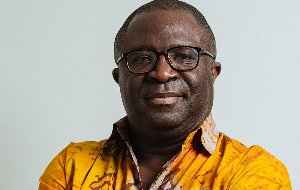 Eugene Boakye Antwi is a former MP for Subin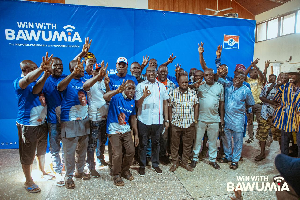
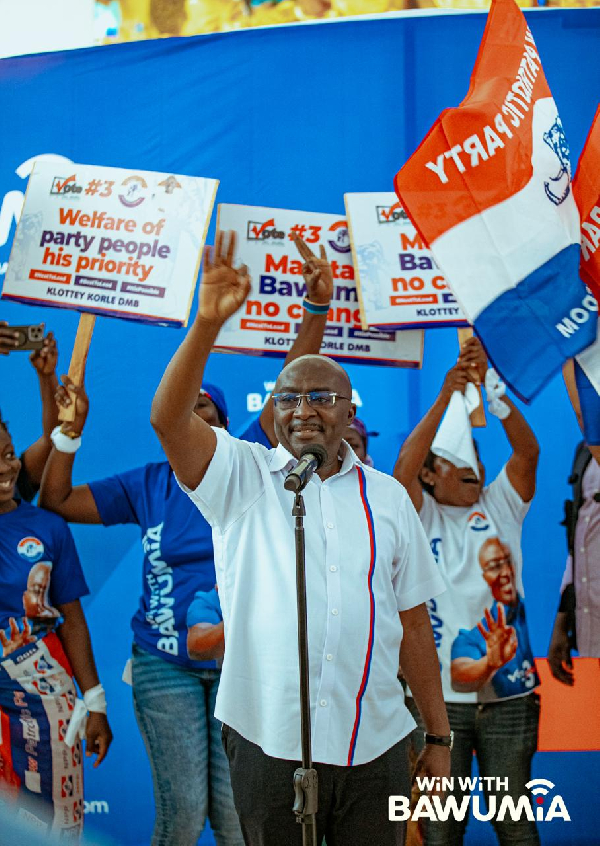
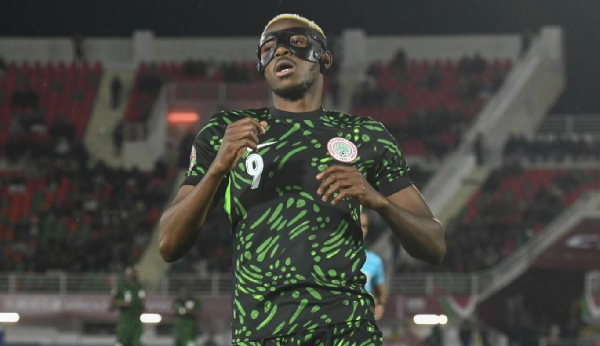



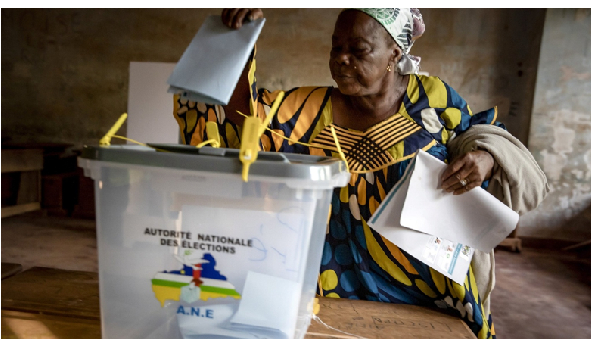

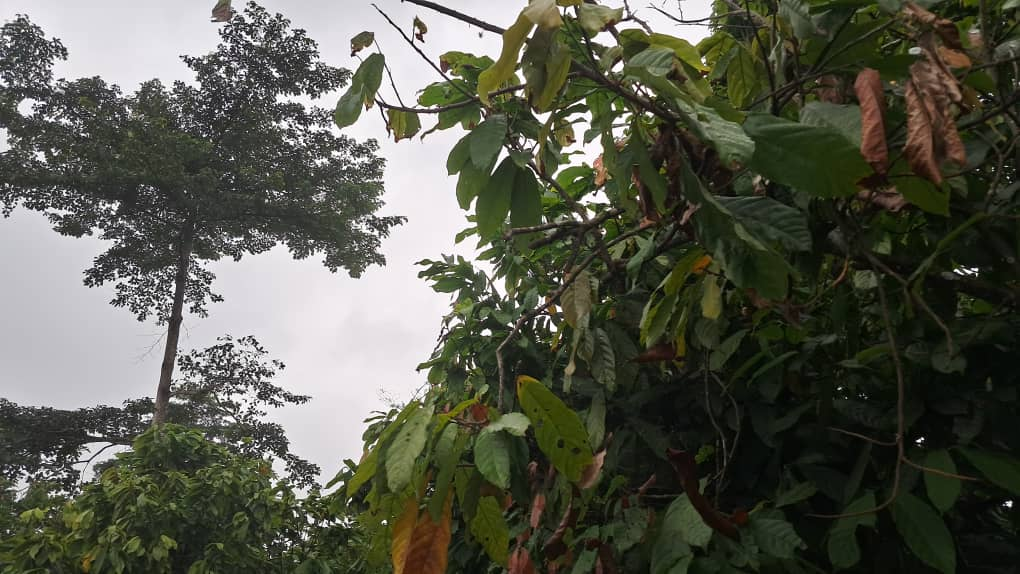
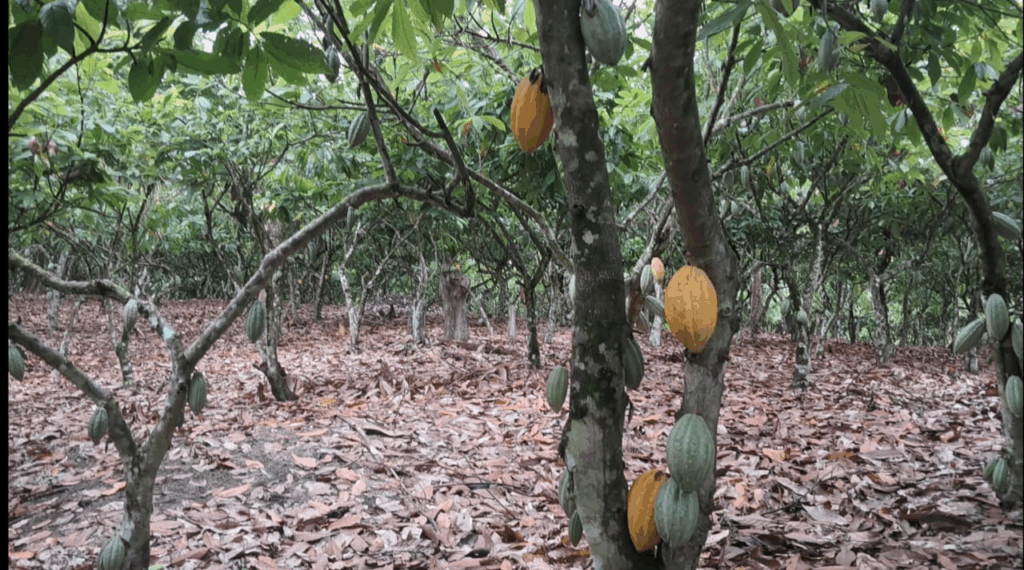
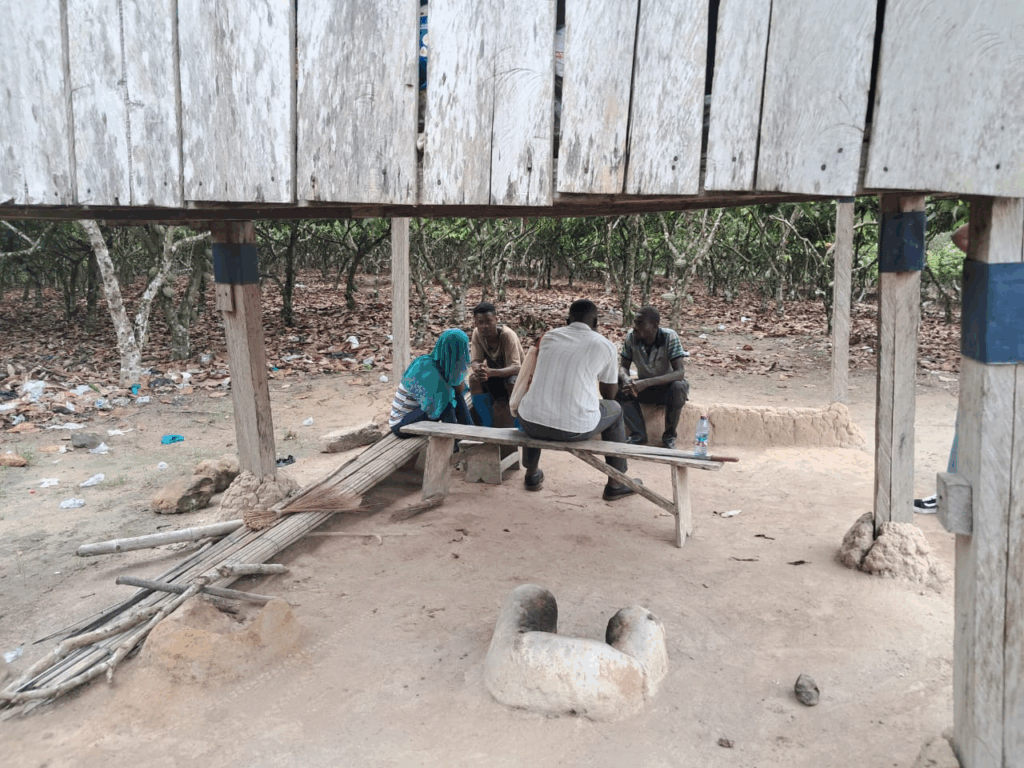
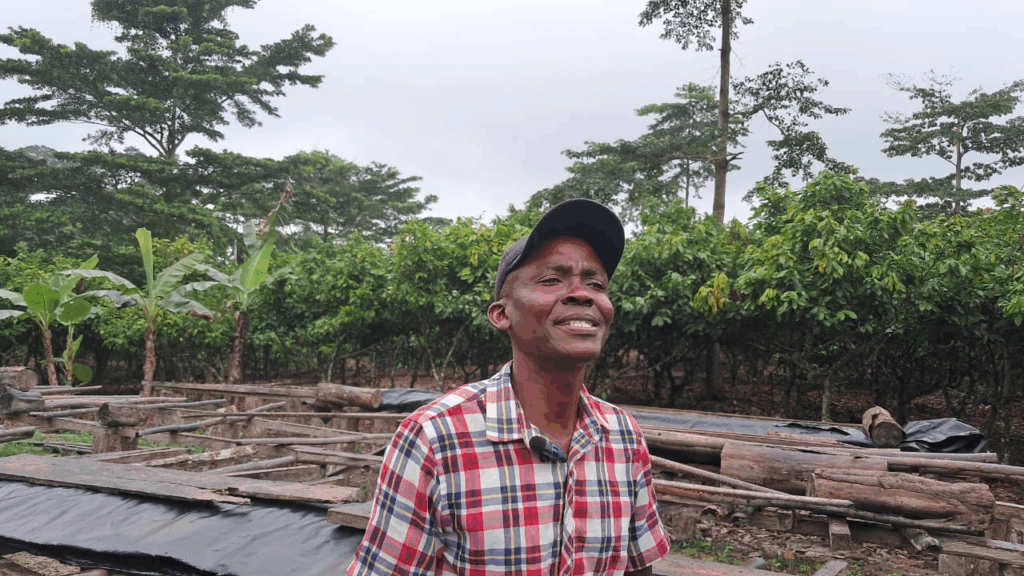


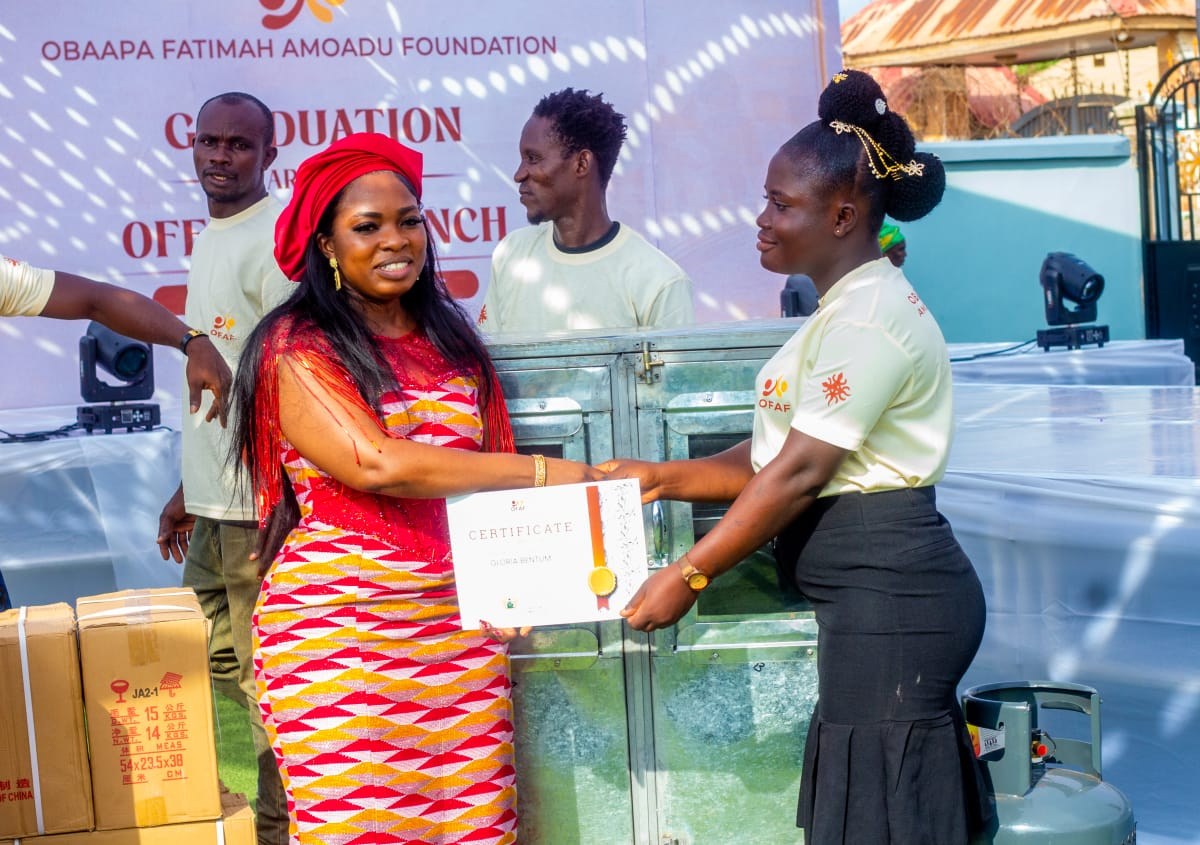
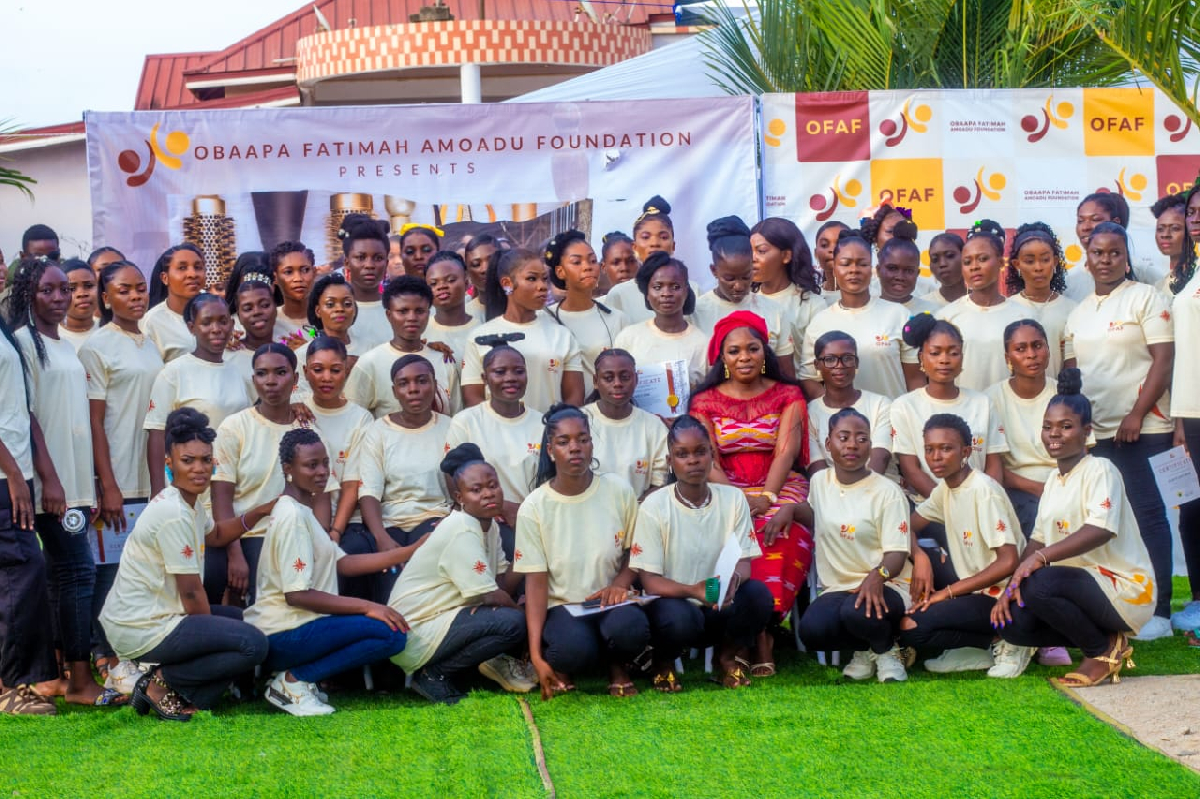
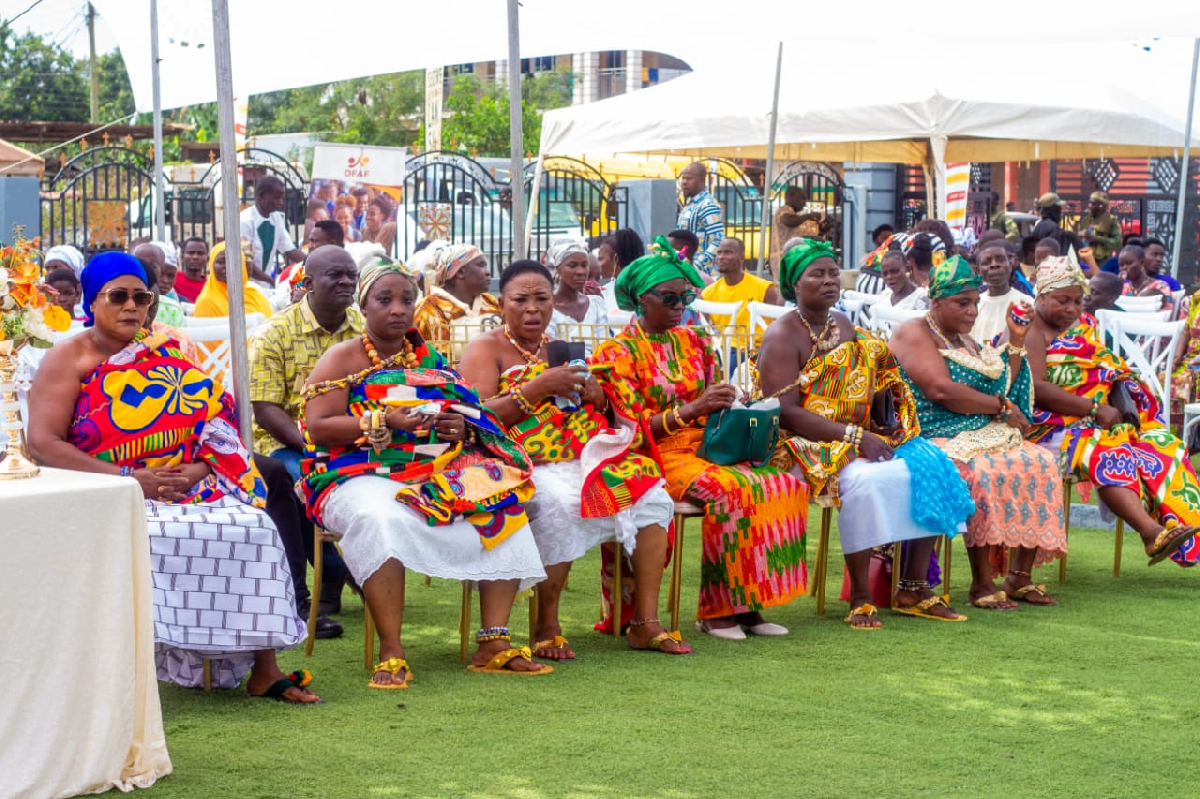
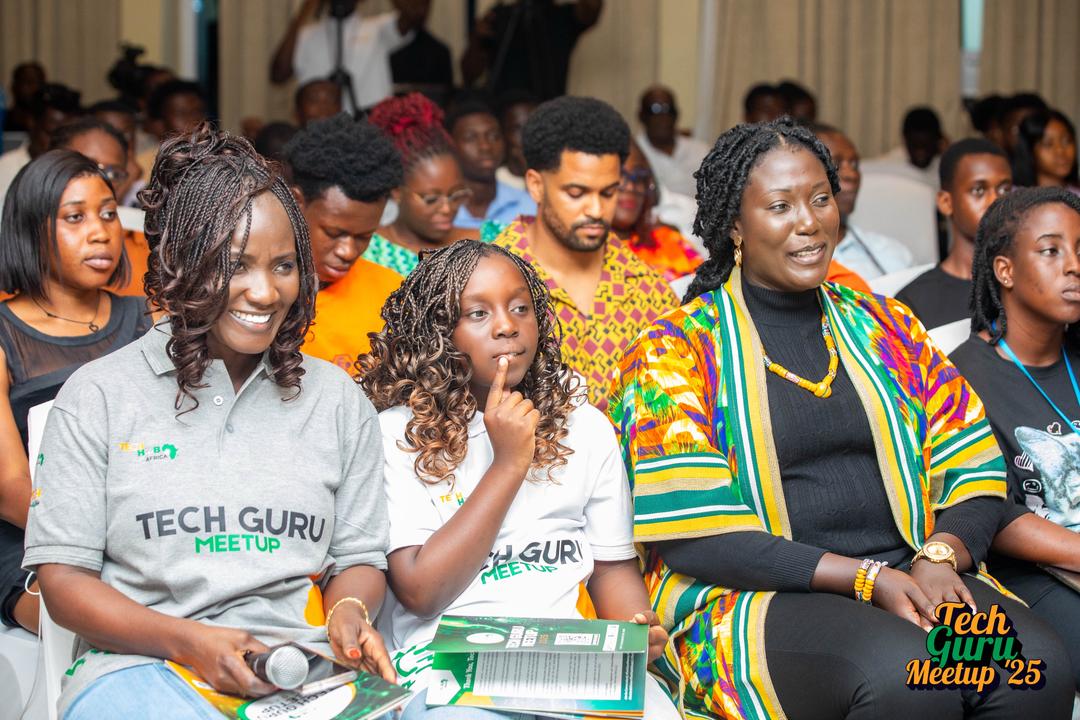


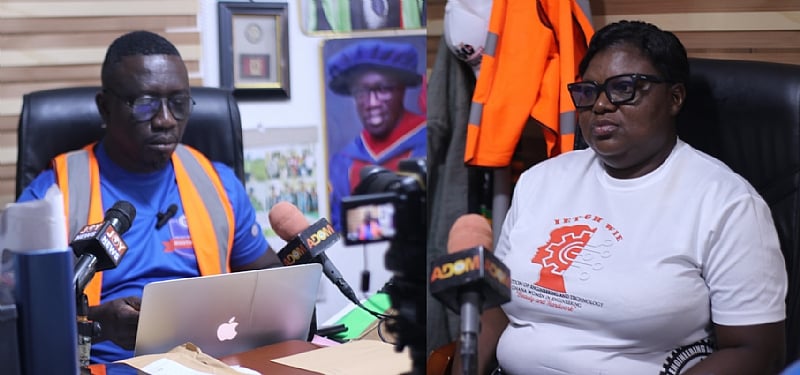


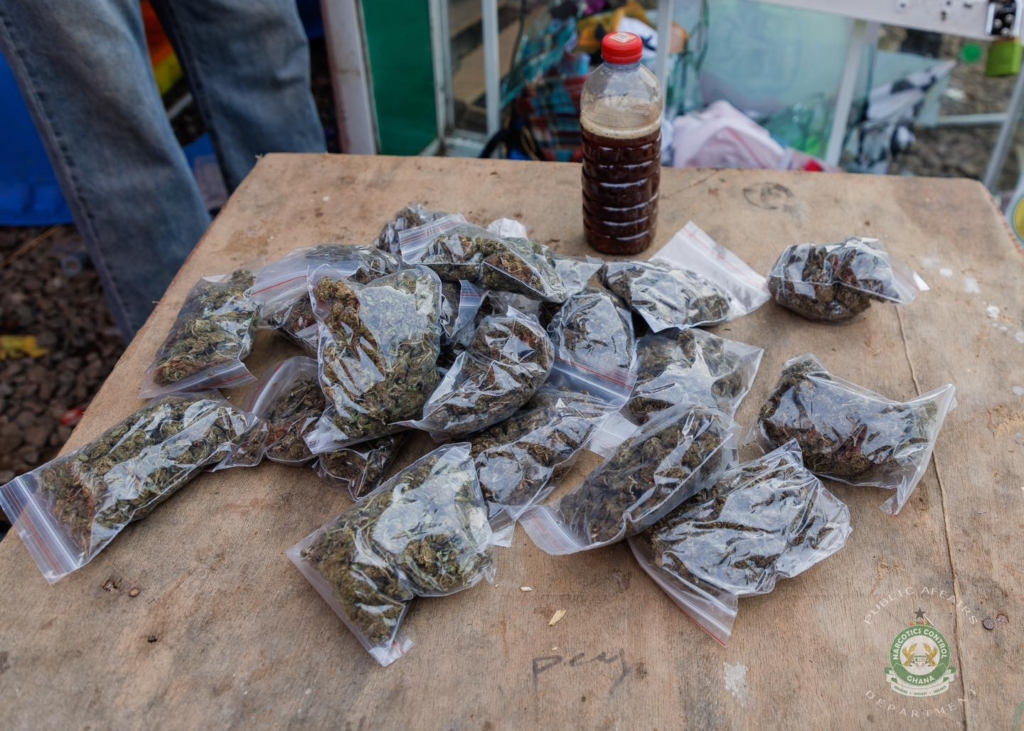
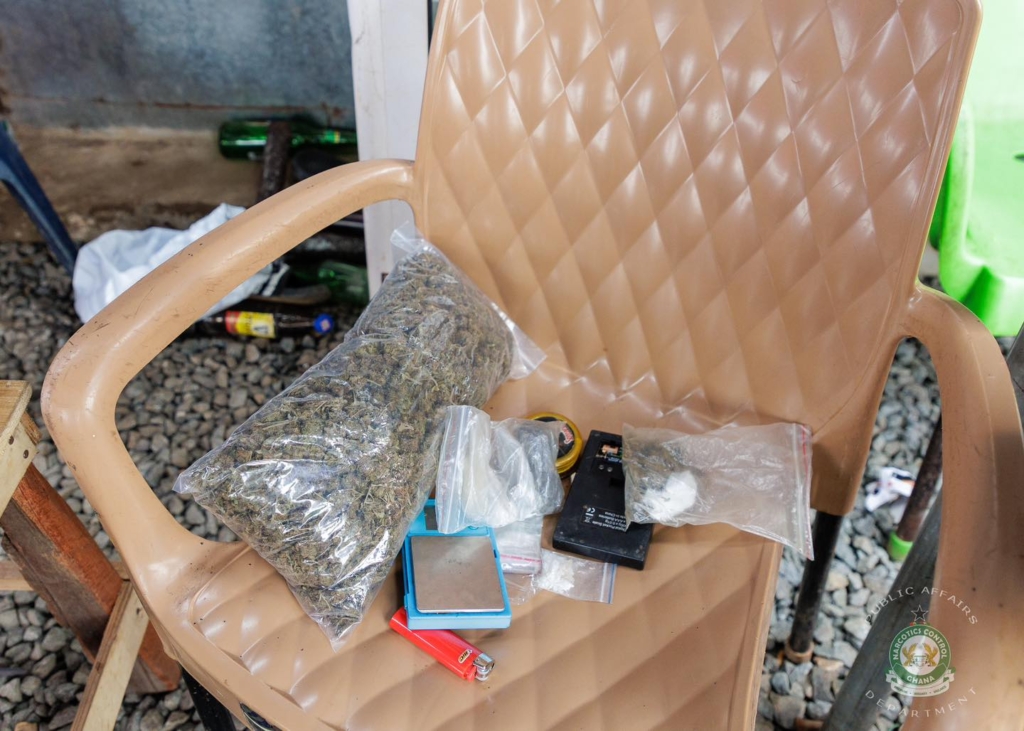


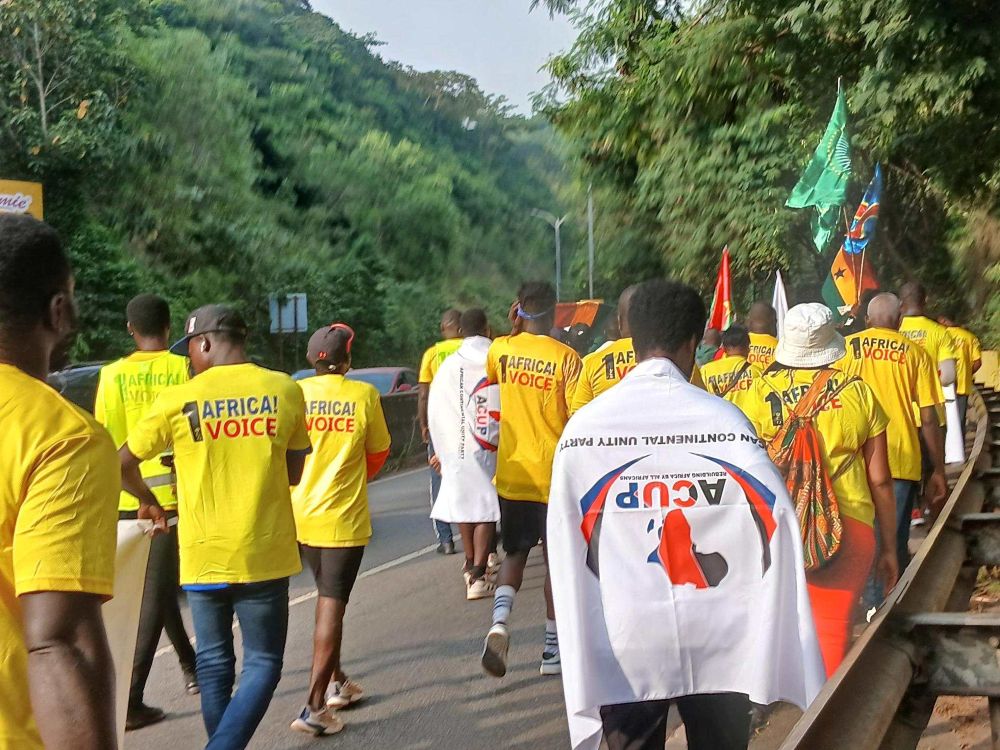 He attributed Ghana’s political stagnation to decades of power alternation between the New Patriotic Party (NPP) and the National Democratic Congress (NDC), arguing that genuine transformation required deeper citizen participation. He urged voters seeking change to consider ACUP as a structured alternative ahead of 2028.
 In Sawla, the Fire Station Safety Team conducted practical fire safety training for students of D/A Junior High School ahead of the Christmas break. Students were taught basic fire safety principles, how to use fire extinguishers effectively, and the “Stop, Drop and Roll” technique, accompanied by live demonstrations.
 Meanwhile, the Damongo Municipal Fire Command intensified routine night market patrols to identify and eliminate potential fire hazards during and after the festive season.