



‘Emulate life style of Dr Kwame Nkrumah’
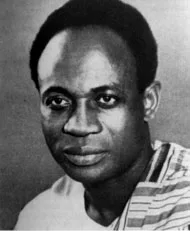
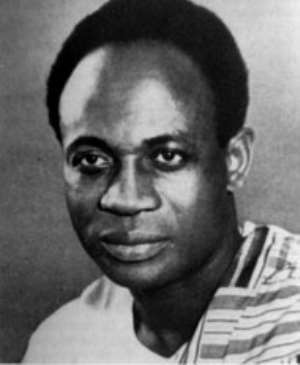
The Synod Clerk of the Global Evangelical Church, Rev. Prince Y. Tefe, has urged politicians and the youth to emulate the lifestyle of Dr Kwame Nkrumah as Ghanaians prepare to celebrate his birthday.
Rev. Tefe said the policies and programmes of Dr Nkrumah, the First President of the Republic of Ghana, were geared towards the interest of the country first before any other consideration.
The synod clerk was speaking at the annual youth forum of the Ebenezer Chapel of the Global Evangelical Church at Ashaiman on the theme, “From Success to Significance”.
Rev. Tefe explained that many personalities across the political divide and Africa had attributed the independence of Ghana to the man who was declared the man of the century as a result of his selfless dedication towards the attainment of freedom, particularly for Ghana and Africa at large.
“If our politicians and the youth of today, would follow the standards set by the First President, Ghana would have made some remarkable achievement in all areas of our economy,” he said.
Rev. Tefe was worried politicians would always want to seek their own interests and that of their families first before seeking the national interest.
This attitude, he said, continued to thwart the economic, social, political and development efforts made by Dr Kwame Nkrumah during his lifetime.
He commended the government for its efforts in honouring the First President of the Republic of Ghana, and called on the Government to educate the youth on the selfless and hardworking lifestyle of Dr Kwame Nkrumah.
Rev Tefe urged the youth not to lose hope in the system they found themselves in spite of the challenges the government was facing, “the most relevant thing to do now is to concentrate on your education and seek the will of God in your life”.
He asked the youth not to measure success only by the number of houses and posh cars they saw people drive about. “Just as Dr Nkrumah did, your success in life is measured by your contribution towards society long after you are dead,” he added.
For his part, the Director of the Youth Ministry of the church, Rev. H.A.K. Agbesinyale, said success and significance in life was the result of one’s contribution to the life of others. He, therefore, urged the youth to endeavour to contribute in their small way to the life of others.
As Christian youth, you have the opportunity to affect the life of other people around you, “you are not holding that office or that opportunity for nothing, but God has placed you there so you can glorify God through what you do”.
Rev. Agbesinyale challenged the youth not to be limited by their current circumstances. Rather, he urged them to be challenged by it to achieve greater things in life for the nation.
Story : MacLiberty Misrowoda
 WhatsApp


