



Africa disappointed with COP31 outcome over failure to deliver adaptation finance – Zanetor
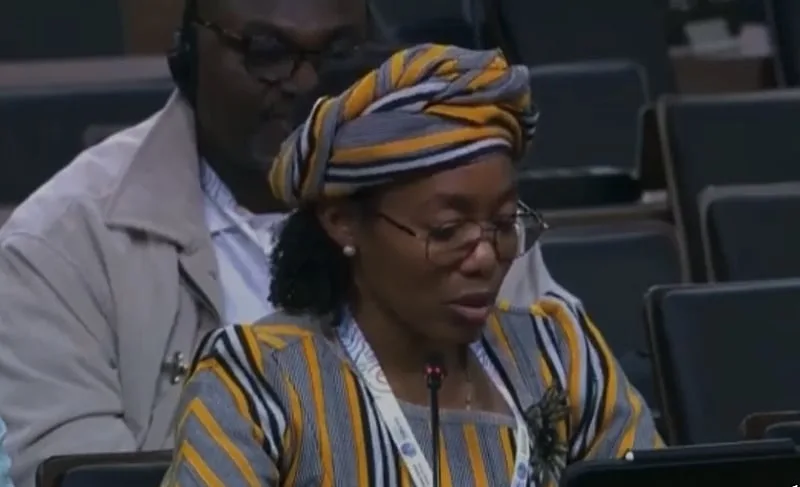
Ghana’s Minister for Environment, Science and Technology, Dr Zanetor Agyeman-Rawlings, has criticised the outcome of COP31, saying African countries are leaving the conference without significant progress on critical climate priorities, particularly the financing of adaptation measures.
Addressing the closing plenary in Antalya, Türkiye, on behalf of the African Group of Negotiators (AGN), she said Africa had entered the two-week negotiations expecting an ambitious agreement that would respond to the continent’s vulnerabilities and honour commitments made at previous climate conferences.
“Africa has demonstrated its ambition and is doing its part. However, ambition cannot be sustained by promises alone,” she said.
Dr Agyeman-Rawlings identified the outcome on the Global Goal on Adaptation as a major source of disappointment, warning that breaching the 1.5°C global warming threshold would expose vulnerable countries to irreversible climate consequences.
She argued that support for adaptation must keep pace with the rising needs and financial demands of countries most exposed to climate change. However, she said COP31 failed to make meaningful progress towards the commitment to at least triple adaptation finance by 2035.
“We were disappointed that we didn’t get a meaningful outcome on the means of implementation, particularly the tripling of adaptation finance. We see this as a regression from the progress made in Belém,” she said.
“Belém made a promise to the most vulnerable. Antalya should have been about delivering on it, not reneging or renegotiating.”
She also faulted the negotiations for failing to give National Adaptation Plans the attention they required, saying the limited engagement on the issue undermined efforts to advance their implementation.
The minister called for adequate, predictable and accessible funding to support the plans and urged Parties to make them a permanent item on the agenda of the UNFCCC subsidiary bodies.
On mitigation, she described the conference outcome as unsatisfactory, noting that further discussions had been deferred under Rule 16. She called for the mitigation work programme to remain facilitative and cautioned against approaches that could become prescriptive or punitive.
Dr Agyeman-Rawlings said Africa had supported the consensus on just transition as a demonstration of compromise, despite concerns over the further postponement of a promised mechanism to support the process.
She, however, welcomed the decision to extend the just transition work programme for another three years and the phased process leading to COP32, which is scheduled to take place in Addis Ababa, Ethiopia, in 2027.
Turning her attention to world leaders, she warned that the consequences of failing to take decisive climate action would ultimately be borne by future generations.
“The future will not ask leaders why they were silent. Farmers will be questioned about why their lands were turned to desert, and children who drink floodwater, as well as coastlines whose cities have disappeared,” she said.
She further cautioned that postponing climate financing would transfer a much heavier financial and environmental burden to children.
“When leaders refuse to pay for the climate today, they’re simply borrowing a much bigger debt from our children.”
Despite her criticism of the negotiations, Dr Agyeman-Rawlings acknowledged the efforts of the COP31 Presidencies, the Government and people of Türkiye, the UNFCCC Secretariat and participating countries in organising and supporting the conference.
 WhatsApp




Comments (0)
No comments yet. Be the first to share your opinion!