



Cedi to weaken by 7.4% in 2027, to end 2027 at GH¢12.8 per dollar – Fitch Solutions

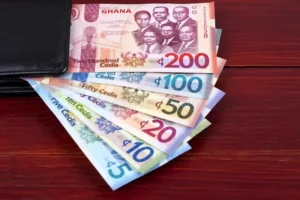
The Ghana cedi is expected to weaken by 7.4% against the US dollar in 2027, ending the year at GH¢12.8 per dollar, as dollar supply softens amid a shift in foreign exchange intermediation from the central bank to the Ghana Gold Board, lower gold prices, and a greater focus on reserve accumulation.
According to Fitch Solutions, the shift of forex intermediation from the Bank of Ghana to the Ghana Gold Board (GoldBod), combined with lower gold prices, will limit dollar supply to the market in 2027.
For much of 2026, the UK-based firm said the BoG was the market’s main source of dollars, drawing partly on proceeds from the domestic gold purchase programme and partly on its reserves. However, the central bank transferred the gold purchase programme to GoldBod in July and ended its own intermediation auctions in October.
“GoldBod now sells dollars to commercial banks twice-weekly through its GoFX platform, with pro rata allocations under BoG oversight. We note that GoldBod can only sell the foreign exchange generated by its gold sales each month, meaning the dollar supply will become more closely tied to gold production and prices, which we expect to fall by 4.5% in 2027 – from an average of US$4,400/oz [per ounce] in 2026 to US$4,200/oz [per ounce] in 2027 – amid tighter US monetary policy and easing US-Iran conflict risks. All else equal, this will reduce the gold-related dollars available to domestic banks, weighing on the cedi”, it noted.
It also said the policy direction points to lower foreign exchange intermediation in 2027
The BoG Governor Johnson Asiama has made reserve accumulation a key central-bank priority, as reiterated at the September 2027 Monetary Policy Committee meeting. The Government’s Ghana Accelerated National Reserve Accumulation Policy (GANRAP) also targets more than 11.8 months of import cover by the end of 2027, up from roughly five months in August.
“We therefore expect a larger share of GoldBod’s dollar proceeds to be channelled into reserves rather than sold into the market. Meanwhile, the IMF, which continues to monitor Ghana under a non-financing Policy Coordination Instrument, has called for greater exchange-rate flexibility. As such, the policy direction points to a more hands-off exchange-rate approach in the coming quarters”, it mentioned.
Meanwhile, the currency has remained volatile throughout 2026, with periods of steady depreciation interrupted by sharp appreciations as the Bank of Ghana stepped up dollar sales through intermediation auctions and direct market interventions.
Despite this, the cedi has weakened by 7.6% since the start of the year, making it one of the worst-performing currencies in Sub-Saharan Africa.
However, on an average year-on-year basis, the cedi has remained 14.2% stronger, largely reflecting favourable base effects through much of first half of 2026.
 WhatsApp
Comments (0)
No comments yet. Be the first to share your opinion!