



Unqualified nursing students must not be allowed to graduate – Deputy Health Minister

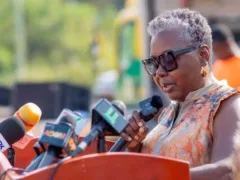
Deputy Minister of Health Dr Grace Ayensu Danquah has cautioned health training institutions against allowing nursing students who fail their examinations or do not meet the required standards to progress or graduate, warning that inadequate training could put patients’ lives at risk.
She said nursing students must be properly equipped with the necessary knowledge and practical skills before being certified to provide healthcare, stressing that the consequences of poor training could be fatal.
Speaking during a tour of health training institutions at the Korle Bu Teaching Hospital, in a video shared by Citi FM, Dr Ayensu Danquah warned that passing unqualified students through the various academic levels could compromise patient safety.
“If they take exams and they fail, and we pass them, one day we’ll be in that bed, and one of the nurses we trained will be asked to put an IV, and that person will come and put the catheter in your artery,” she said.
She urged tutors and administrators to recognise the responsibility they bear in training nurses, noting that the professionals they produce would eventually be entrusted with the care of their own families and the wider public.
“Every nurse that we pass through who is not qualified, every nurse that we treat to get their exams done, is the nurse that is not you. They will take care of your child or they will take care of your parents,” she cautioned.
Dr Ayensu Danquah also highlighted the changing healthcare needs of the country, urging training institutions to prepare nursing students for the growing burden of non-communicable diseases (NCDs).
She explained that healthcare delivery had evolved from largely treating infectious diseases such as cholera and malaria to managing chronic conditions that often require long-term care and support.
According to her, patients with NCDs may not fully recover to their previous state of health after treatment and could require palliative care and home-based healthcare.
“Now, the people that we are going to treat, they will even go home and they will need palliative care. They will even go home and they will need home health care, because it is not an infectious disease, and when they finish the process, they don’t go back to when they were healthier before,” she said.
She therefore urged the institutions to maintain high training standards to ensure that nurses are adequately prepared to respond to both current and future healthcare demands.
The Deputy Minister commended the institutions for their efforts, particularly their clean environments and presentations, and acknowledged their training in emergency care programmes, including Advanced Trauma Life Support (ATLS) and Basic Life Support (BLS).
 WhatsApp





Comments (0)
No comments yet. Be the first to share your opinion!