



Aggressive tax enforcement could deter small businesses from formalising – KPMG

KPMG Ghana has warned that the approach to tax enforcement in Ghana could discourage small businesses from formalising their operations, as becoming visible to tax authorities exposes them to tax obligations they may struggle to meet.
Gordon Dardey, Partner in Tax and Regulatory Services at KPMG Ghana, said the government must ensure that its efforts to expand the tax base do not inadvertently make formalisation unattractive to smaller enterprises.
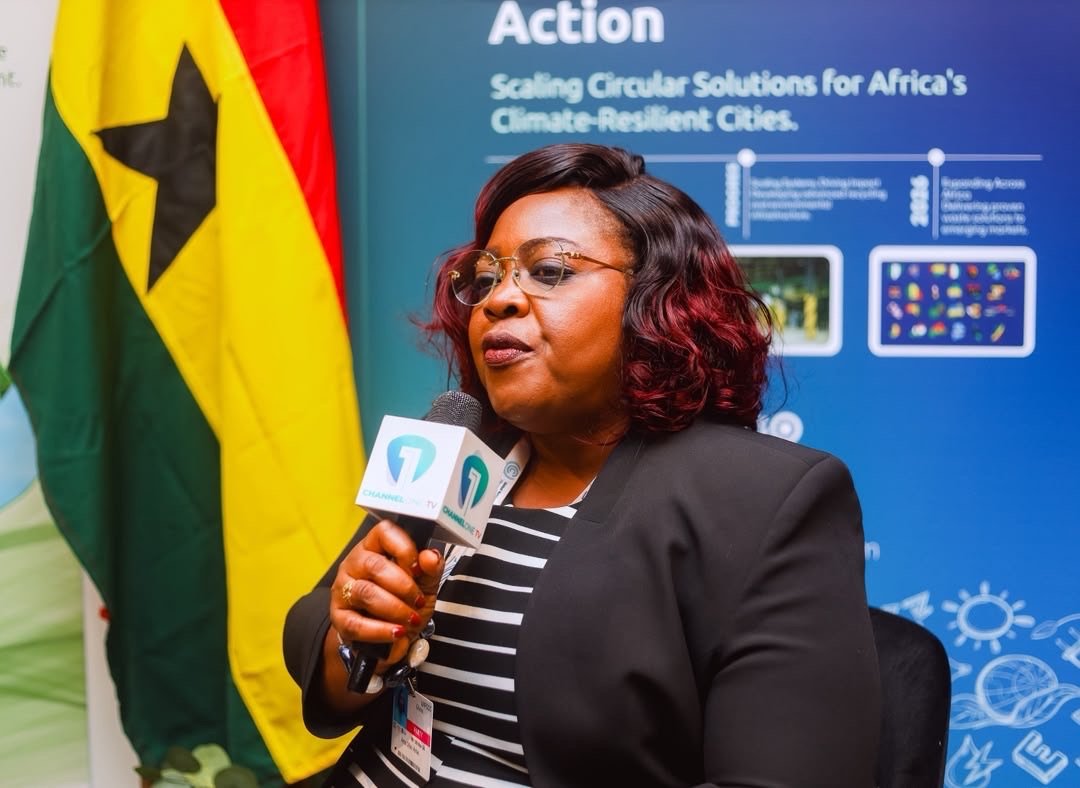
Speaking at the KPMG-UNDP Budget Forum on Thursday, November 19, 2026, he observed that once businesses register formally, they become easier for tax authorities to identify and pursue for tax payments.
“Once you formalize, it becomes quite easy for the tax authorities to see you. And, you know, they are in the business of collecting taxes,” he said.
He argued that the challenge could be addressed through effective implementation of the modified taxation regime provided for under Ghana’s tax laws, which is designed to accommodate smaller businesses.
Mr Dardey said the government had set a revenue threshold of approximately GH¢750,000 for businesses covered by the modified regime, and urged the Ghana Revenue Authority (GRA) to ensure that the arrangement works effectively.
“If you’re a small business, government is saying that there’s a threshold of about 750,000 Ghana cedis. If your revenue is in that category, then you pay tax of 30%. So if the government is able to do that, at least in the coming year, I’ve seen that they tried to do something this year and I think last year, but I want to see more of that,” he said.
He noted that the government had also taken steps to harmonise the Value Added Tax (VAT) law to reflect the threshold, adding that more effective implementation would help reduce the tax burden on qualifying businesses.
According to him, making the tax obligations of smaller enterprises more manageable would encourage more businesses to register formally and contribute to government revenue.
“If you’re a business in that category, I will see that, I mean, going forward, those who formalize, the tax, of course, will be a bit lower and that will encourage the formalization,” he said.
His comments followed concerns raised during the discussion about the perception among small business owners that formalisation exposes them to aggressive tax collection, even when their businesses are not financially strong enough to meet the demands.
The discussion also highlighted concerns about penalties imposed on businesses that default on their tax obligations, with the argument that enforcement should take into account the financial realities facing small enterprises.
 WhatsApp



Comments (0)
No comments yet. Be the first to share your opinion!