



Acheampong inherited housing, agriculture plans – Bomfeh

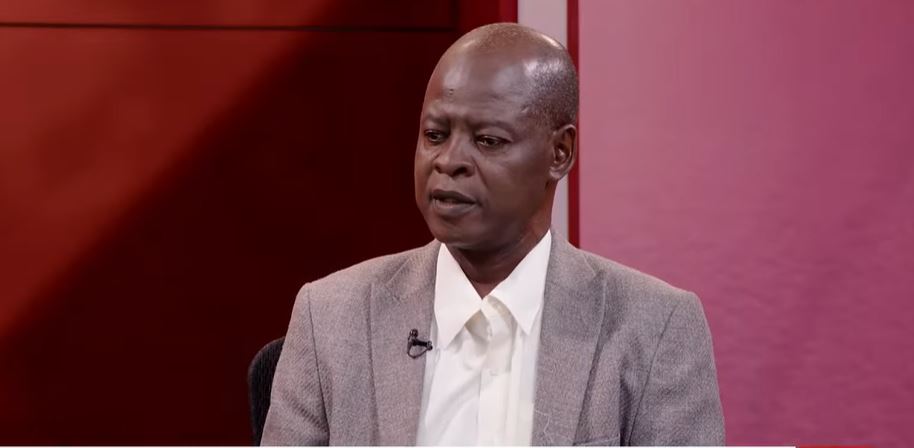
A Senior Lecturer at the University of Professional Studies, Accra (UPSA), Dr James Kwabena Bomfeh has challenged the attribution of some major development projects to the regime of former Head of State General Ignatius Kutu Acheampong, arguing that the administration built on initiatives conceived by earlier governments.
He says the Dansoman housing estate and other residential developments often cited as achievements of the Acheampong era were part of a housing policy direction established long before the military ruler seized power in January 1972.
Dr Bomfeh made the observation on Channel One TV on Wednesday, November 18, as debate over Acheampong’s legacy gathered momentum.
He cited developments at Tema Township, North Kaneshie and the Kwame Nkrumah Estates as evidence that large-scale estate housing was already on Ghana’s development agenda under the First Republic.
“Was it the first estate development in Ghana? No. There was a blueprint. Tema Township, North Kaneshie, Kwame Nkrumah Estates. They were there. Estate development was part of the development programme of the First Republic,” he said.
Dr Bomfeh argued that the history of projects completed or advanced during Acheampong’s tenure should not be told without examining the policies and plans inherited by his administration.
He extended the argument to the former regime’s flagship Operation Feed Yourself programme, suggesting that its agricultural policy foundations also had antecedents in earlier governments.
For him, crediting a military administration with development projects without tracing their origins risks presenting an incomplete account of Ghana’s political and economic history.
He said the assessment of Acheampong’s record should go beyond the infrastructure and agricultural initiatives associated with his rule to examine the broader consequences of the coup that brought him to power.
“If we want to look at the positives that came from Acheampong’s unconstitutional overthrow of the constitutional government of the Republic of Ghana in the Second Republic, we must as well discuss the cost to the country. What did it cost us and for how long?” he asked.
Dr Bomfeh maintained that Ghana’s repeated military interventions had disrupted democratic governance and weakened the development of institutions, warning against using projects undertaken by military regimes to justify the overthrow of elected governments.
His comments add another dimension to the ongoing debate over Acheampong’s place in Ghana’s history, following renewed calls for the former Head of State’s military rank to be restored posthumously.
The debate has drawn attention to how the country should assess the legacies of past military rulers, including the distinction between policies and projects undertaken during their administrations and the constitutional circumstances under which they assumed power.
 WhatsApp


Comments (0)
No comments yet. Be the first to share your opinion!