



UGEL CEO defends hostel rent increase, cites rising utility costs, inflation and exchange rates
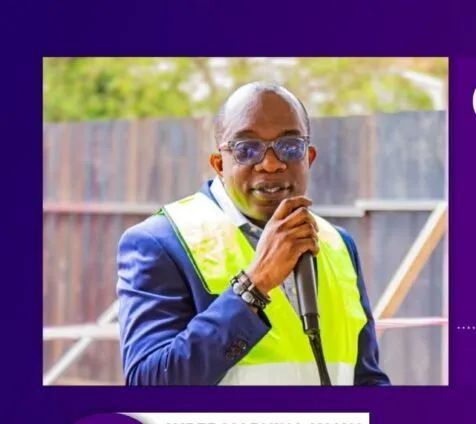
The Chief Executive Officer of the University of Ghana Enterprises Limited (UGEL), Yawo Nutifafa Agbesi, has defended the increase in hostel fees, citing rising utility costs, exchange rate fluctuations and inflation as some of the factors putting pressure on the company's operations.
Speaking on Joy FM's Top Story on Wednesday, November 18, he said these factors had affected the company's day-to-day running costs over the past three years, necessitating adjustments to its charges.
He acknowledged that inflation and the exchange rate had been relatively stable in 2026 but said UGEL had still faced additional costs following changes to the Value Added Tax (VAT) regime.
“Even for 2026, where the inflation rate has been very stable for this year and the exchange rate has been really good, we had to encounter a 4%… You know, the VAT moved from 4% flat VAT to 20%. So if we were buying, for example, an item which was a thousand cedis, and then the VAT moves from 4% to 20%, it just throws our budget totally out of control,” he said.
Mr Agbesi also acknowledged that UGEL owed a consortium of banks about GH¢70 million and was expected to repay GH¢38 million this year.
However, he rejected the suggestion that students were being made to bear the cost of the company's borrowing decisions, explaining that the loan was only one of several factors affecting its operations.
“I’m not saying that because we have a loan to pay, we are passing on the full cost of the loan to the student. The loan is one of the variables that also affect our business,” he said.
He maintained that the company was not increasing hostel fees indiscriminately, despite the rising costs.
According to him, the various factors had increased UGEL's operational costs by an estimated 30 to 40 per cent, but the company had moderated its adjustments in recognition of the financial circumstances of students and their families.
“Despite these variables, which averagely affect our business in terms of cost by about 30 to 40 per cent, our increments have always been that we take into consideration the fact that the average Ghanaian is entitled to education,” he added.
 WhatsApp
Comments (0)
No comments yet. Be the first to share your opinion!