



15 NICU babies die monthly – Korle Bu records reveal
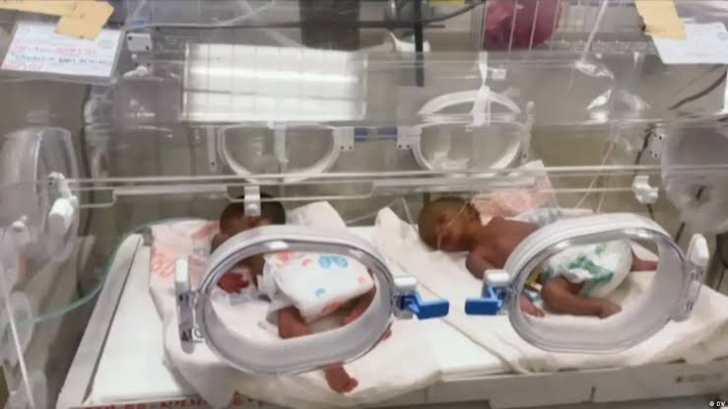
The Neonatal Intensive Care Unit (NICU) of the Korle Bu Teaching Hospital records between 10 and 15 deaths every month, out of the about 180 babies admitted to the unit.
This is as a result of lack of adequate equipment to efficiently support premature babies in the facility, the Neonatologist and Team Lead of the unit, Dr Flora Boakye-Mensah, has said.
In an interview with the Daily Graphic yesterday, Dr Boakye-Mensah appealed to the government and other stakeholders to invest in neonatal health care by providing essential equipment, including continuous positive airway pressure (CPAP) machines to improve the survival of premature babies.
The interview was after the Department of Child Health of the hospital commemorated the World Prematurity Day yesterday on the theme: “Small babies, big potential. Invest in follow-up care to protect their future.”
The event was aimed at raising awareness about preterm birth (babies born alive before 37 weeks of pregnancy) and the severe challenges it poses to infants and families, while calling for investments to improve care.
Globally, about 15 million babies (approximately one in 10 births) are born preterm each year.
As part of the commemoration, certificates were presented to babies and children who had progressed through the various stages of care at the hospital.
Dr Boakye-Mensah said the provision of the equipment, together with antibiotics and other essential medical supplies, would strengthen the hospital's capacity to care for the babies.
“When you come to my NICU, we don't have anything to work with currently. There's nothing to work with, nothing to support the preterms,” she said.
She said the situation posed challenges to the care of babies born prematurely, particularly those who experienced breathing difficulties and required specialised respiratory support.
The neonatologist also expressed concern about the cost of medication in neonatal intensive care, and said that some of the drugs were not covered by the National Health Insurance Scheme (NHIS).
Dr Boakye-Mensah said due to how expensive some of the medications were, adding an upgraded health insurance package could help cover the cost and ease the financial burden on families.
She, however, encouraged parents not to lose hope when babies were born prematurely, saying they had a future despite arriving earlier than expected.
Dr Boakye-Mensah added that the survival and development of premature babies required the collective support of families, healthcare professionals and stakeholders.
The Deputy Chief Nursing Officer at the department, Joyce Odarley Lamptey, said maternal conditions such as hypertension, diabetes, multiple pregnancies and infections, as well as behavioural factors such as alcohol consumption and smoking, were some of the causes of premature births.
She, therefore, urged expectant mothers to attend antenatal clinics regularly to enable health professionals to conduct the necessary examinations and detect complications early.
“When you get pregnant, try as much as possible to come to the antenatal clinic.
That is where examinations will go on, where laboratory tests will be taken and where doctors and nurses will be able to detect something that is wrong with your baby in the womb early,” Ms Lamptey added.
Ms Lamptey said safe referrals, equitable care and follow-up for premature babies were central to improving their survival.
She explained that babies referred from other health facilities needed to be stabilised before being transported to Korle Bu to prevent complications.
Ms Lamptey added that healthcare professionals needed to provide the necessary support before transferring such babies.
She also said there was the need for follow-ups on premature babies after discharge to ensure that they received the necessary care as they grow and develop.
 WhatsApp




Comments (0)
No comments yet. Be the first to share your opinion!