



Young Ghanaian voters prioritise results over party loyalty – Global InfoAnalytics
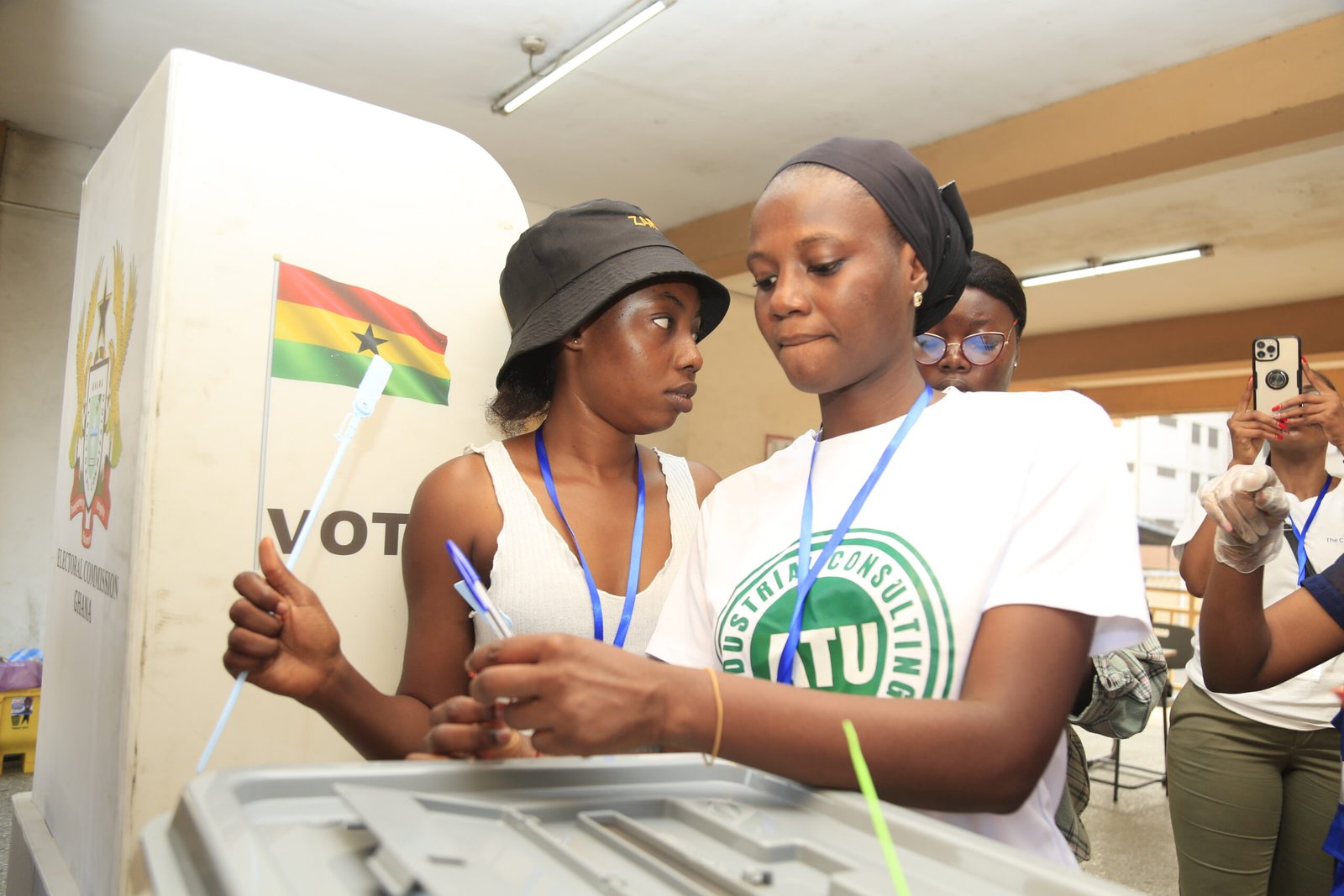
A new opinion poll by Global InfoAnalytics has underscored the decisive influence of younger Ghanaian voters, revealing that approximately 78% of the electorate is under the age of 44.
The survey points to fluid political loyalties among this demographic, with many basing their decisions on tangible results rather than long-standing party allegiance.
According to the latest findings, the governing National Democratic Congress (NDC) holds a 19-percentage-point advantage in net favourability among Generation Z voters, recording 24% compared with 5% for the New Patriotic Party (NPP).
While the NDC currently enjoys stronger appeal with young people, the data indicates that support remains conditional and can shift quickly.
Economic pressures dominate decision-making. Unemployment, rising rents, higher transport fares and the broader cost of living rank as the primary concerns shaping how young voters will cast their ballots, Global InfoAnalytics Executive Director Musa Dankwah said.
Dankwah noted that loyalty among younger age groups is markedly lower than in older cohorts.
“Even when they say they are NPP or NDC, their loyalty is not related to the party. They vote based on transactions. So if you give them what they want, they vote for you. If you don’t, they abandon you,” he said.
The poll also highlights a clear preference for younger leadership.
Across the country, roughly 65–70% of voters favour a president who is not older than 65, a trend consistent over the past year of surveying.
This preference becomes especially pronounced when candidates of different ages are compared.
In a head-to-head matchup between Ato Forson and Mahamudu Bawumia, the younger Forson led with 54% support against Bawumia’s 40%.
The findings suggest that parties seeking to mobilise the youth vote will need to demonstrate concrete progress on jobs, housing and living costs, rather than relying solely on traditional party structures.
With younger voters forming the bulk of the electorate and showing limited partisan attachment, the next election cycle is likely to hinge on performance and the perceived freshness of leadership.
 WhatsApp
Comments (0)
No comments yet. Be the first to share your opinion!