



Shift 50% rice import cap to paddy rice – Agribusiness Chamber urges government

The Chamber of Agribusiness, Ghana, is urging government to revise its proposed 50 per cent rice import cap to prioritise paddy rice imports over already-milled rice, in a move it says could expand local processing, create jobs and retain more foreign exchange in the economy.
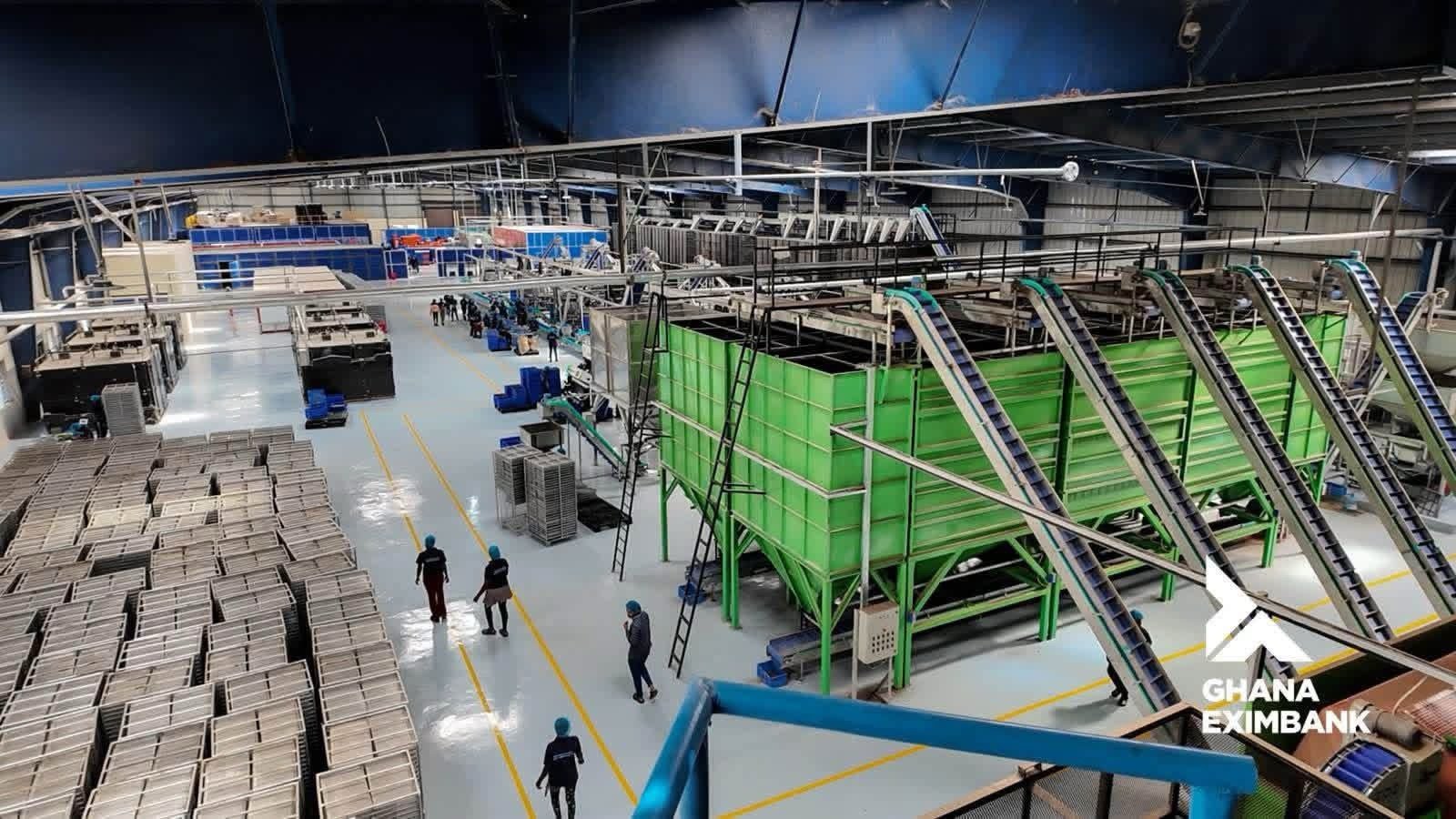
The Chamber argues that allowing importers to bring in paddy rice for processing locally, while requiring them to purchase a share of their supplies from domestic millers, would generate greater economic benefits than importing finished rice.
Chief Executive Officer of the Chamber of Agribusiness, Ghana, Anthony Morrison, says the proposed import restriction in the 2027 Budget is a step in the right direction but needs a more effective implementation strategy.
Analysing the Budget presented by Finance Minister Dr. Cassiel Ato Forson on November 12, 2026, Mr. Morrison proposed that the Ministry of Food and Agriculture determine Ghana’s annual rice requirements and allocate import quantities through a bidding process.
Under his proposal, importers would be required to source 50 per cent of their rice requirements from local millers, while the remaining quantities would be imported as paddy rice for processing in Ghana.
He believes the arrangement would increase factory utilisation, strengthen domestic rice processing and create jobs across the agricultural value chain.
“Rather than the milled rice, let’s focus on the paddy, because the paddy has rippling effects. In fact, multiple effects than bringing in the milled rice,” he said.
Mr. Morrison also points to potential benefits for the poultry industry, explaining that rice bran, a by-product of rice milling, can be used in poultry feed production.
He says the policy could also attract international rice importers to establish processing facilities in Ghana, helping expand the country’s agro-industrial capacity.
Ghana spends more than $600 million annually importing over one million metric tonnes of milled rice, according to Mr. Morrison.
He argues that shifting more imports towards paddy rice and processing them locally would keep a larger share of that expenditure within the domestic economy.
“At the end of the day, the amount of money we spend to import over one million metric tons of milled rice from overseas will be retained in this country,” he stated.
The Chamber believes the approach could support domestic economic activity and ease pressure on foreign exchange demand, although the extent of the benefit would depend on the cost of imported paddy, local processing capacity and the share of value retained in Ghana.
Beyond rice policy, the Chamber’s assessment of the 2027 Budget has identified other areas requiring attention.
While acknowledging more than $2.9 billion in planned agricultural allocations over four years, it is urging government to review spending priorities to address gaps in livestock production, agricultural emergency preparedness, youth participation and irrigation infrastructure.
The Chamber says aligning agricultural spending with these production and processing gaps will be critical to translating budget commitments into higher domestic output, jobs and reduced import dependence.
 WhatsApp
Comments (0)
No comments yet. Be the first to share your opinion!