


NPP’s high-stakes presidential primary tests Ghana opposition’s unity and 2028 ambitions
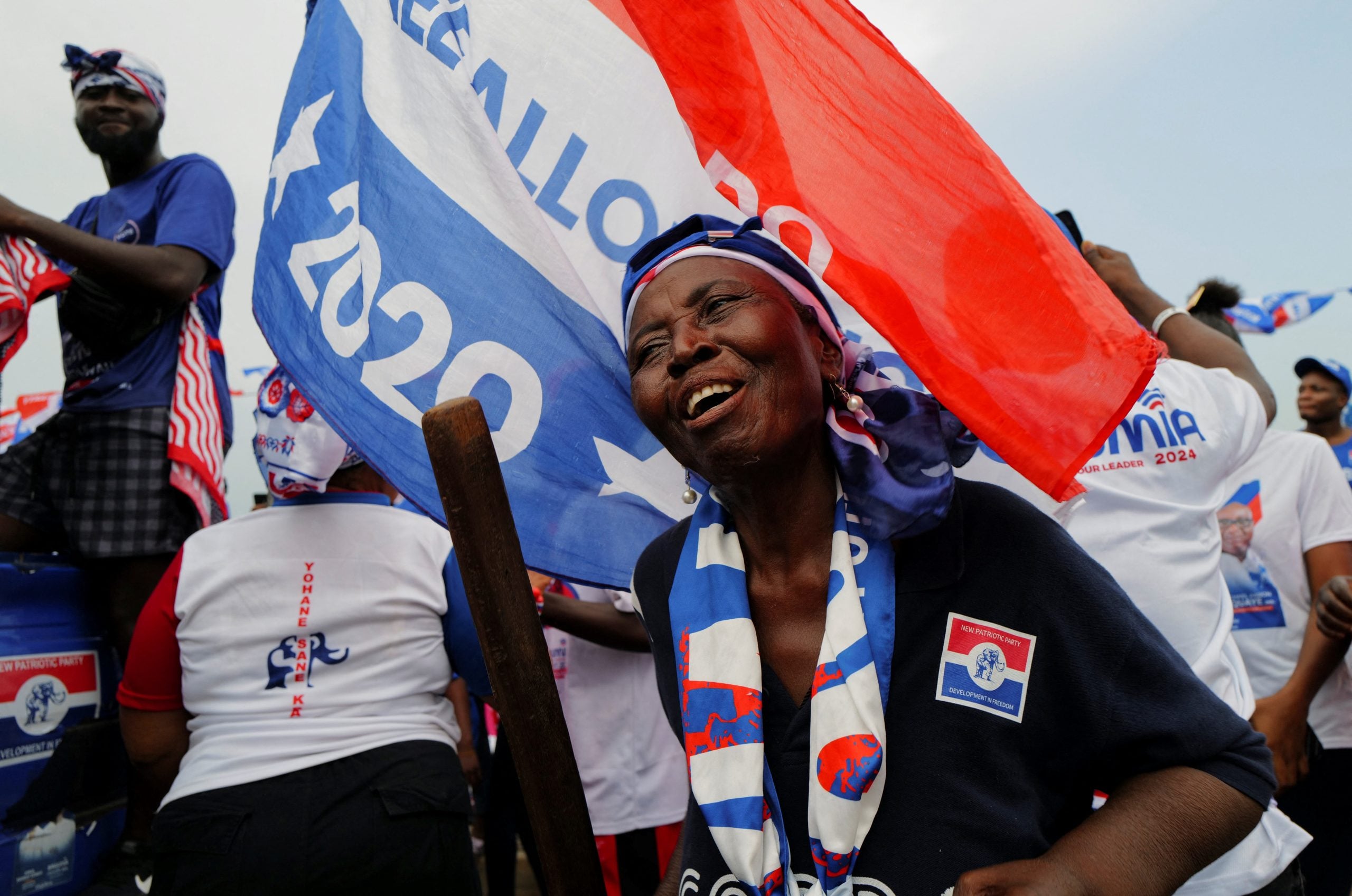
On 31 January, Ghana’s main opposition New Patriotic Party (NPP) will stage one of the most consequential internal elections in its history, a presidential primary that many insiders describe as existential.
More than two years before the 2028 general election, the contest has already exposed deep fault lines, triggered aggressive horse-trading and forced party elders to intervene with an unprecedented peace pact.
At stake is not just the choice of a flagbearer, but whether the NPP can convincingly reemerge as a disciplined, credible alternative to President John Mahama’s ruling National Democratic Congress (NDC), after its bruising 2024 defeat.
“This is a crucial exercise for the opposition NPP to prove that they are ready for the main 2028 contest,” Joshua Zaato, a political scientist at the University of Ghana tells The Africa Report. “Based on past experiences, the party has the capacity to recover, but this time the campaign has been extremely aggressive, and that raises the risks.”
Why this primary matters more than ever
The numbers alone underline the scale. Some 211,849 delegates are expected to vote at 333 polling centres across Ghana’s 276 constituencies. The Electoral Commission says it is ready to supervise the process.
For the NPP, the urgency is rooted in memory. In the 2024 election, the party lost power decisively, with Mahama securing 56% of the vote against then-vice president Mahamudu Bawumia’s 41%. The defeat exposed organisational weaknesses, late campaign mobilisation and internal disunity.
“While elections are still more than 30 months away, this early preparation by the NPP shows that the party is serious about getting organised and mounting a credible challenge,” says Jervin Naidoo, a political analyst at Oxford Economics. “In 2024, the NPP only confirmed Bawumia as its candidate six months before the polls, leaving it underprepared.”
That lesson explains why the party has brought forward its leadership contest – and why failure could be devastating.
The tension surrounding the race has been so intense that the five aspirants – Bawumia, Kennedy Agyapong, Bryan Acheampong, Yaw Osei Adutwum and Kwabena Agyei Agyepong – were compelled to sign a peace pact on 22 January, pledging unity, restraint and acceptance of the outcome.
The pact is widely seen as an emergency brake
“The agreement will ensure that all candidates actively participate at every stage, accept the results of the primaries, and work to maintain party cohesion,” said NPP General Secretary Justin Kodua Frimpong, adding that the pact was essential to keep “a unified voice before, during and after the 2028 election”.
Former president Nana Akufo-Addo was more blunt. “The NPP is bigger than any individual,” he warned, urging aspirants to resist loyalty to personalities over loyalty to the party and cautioning that internal contests should not weaken the “elephant family”.
Behind the scenes, however, the pact is widely seen as an emergency brake. Reports of intimidation, including allegations in Kasoa that supporters of Acheampong were assaulted by men linked to a rival camp, have heightened anxiety. The matter has been reported to police.
The five NPP presidential contenders
All five contenders have crisscrossed the country in recent weeks, visiting every region in a show of organisational muscle and grassroots reach.
Bawumia, the party’s 2024 candidate, has leaned on his national profile and economic credentials. Agyapong, a combative long-serving MP, has mobilised an energetic base, especially among delegates frustrated with the party establishment.
Former food and agriculture minister Acheampong and former education minister Adutwum are first-time contenders, while former general secretary Agyapong is making his third attempt.
The campaigns have also involved intense delegate-level bargaining: promises of future appointments, regional balancing calculations and quiet alliances among local power brokers.
Several insiders describe a frantic final week of phone calls, house-to-house lobbying and strategic withdrawals of support in tightly contested constituencies.
Polls favour Bawumia – but nerves remain
Polling suggests a clear frontrunner. A Global Info Analytics survey conducted between 29 December and 23 January puts Bawumia on 57%, well ahead of Agyapong on 28%, with Acheampong on 13%. However, even allies admit the margin has not eased tensions.
It is truly make or break for the party, and it cannot afford to fail its base
The Bawumia camp has complained of sustained attacks and questioned the neutrality of party leadership, particularly over the decision to ban proxy voting – a move they argue disenfranchises diaspora-based supporters.
Joseph Osei Owusu, chairman of the NPP’s elections committee, has sought to calm nerves. “All aspirants must commit themselves, openly and honestly, to accepting the outcome of the January 31 primary. Such a commitment boosts confidence among party members and ensures a free, transparent and peaceful process. Contestants must also be ready to support whoever emerges victorious.”
For analysts, the aftermath may matter more than the result. “No matter who wins, how the NPP rallies its support to unite towards 2028 is critical,” says Kwame Asah-Asante of the University of Ghana. “This primary must be critically managed. It is truly make or break for the party, and it cannot afford to fail its base.”
 WhatsApp

Comments (0)
No comments yet. Be the first to share your opinion!