



NEC approves 90-day plan to cut food costs, ease Nigeria’s cost-of-living crisis
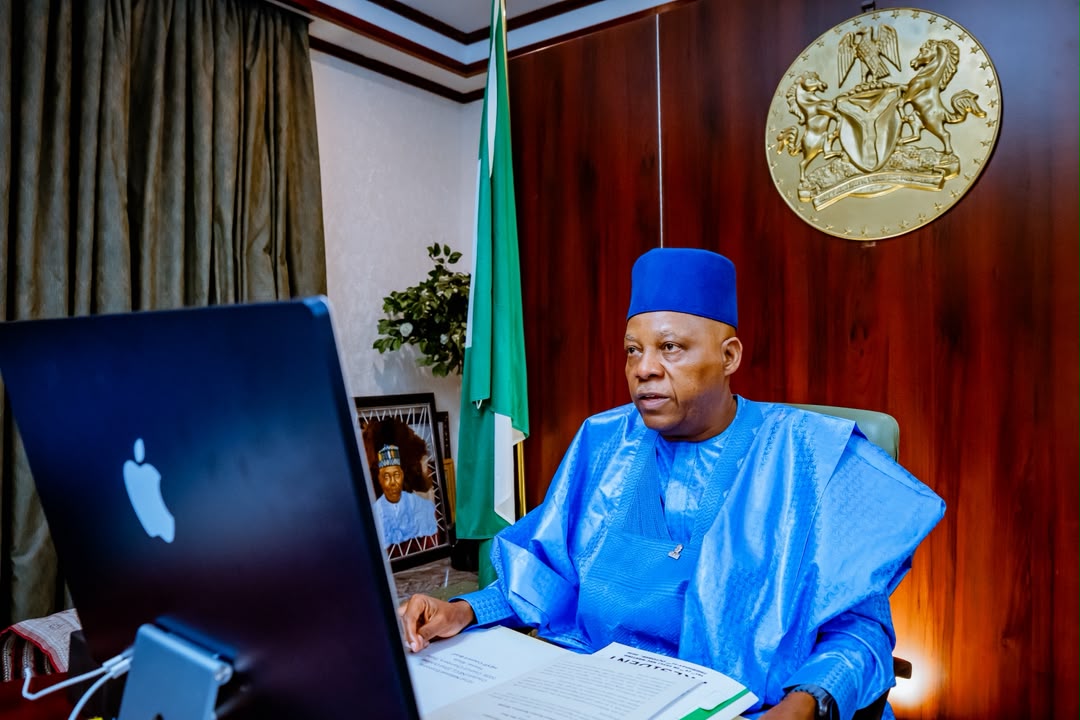
The National Economic Council (NEC) has endorsed a 90-day economic action plan proposed by the Federal Ministry of Finance to ease the cost of living, improve food affordability and accelerate projects expected to deliver direct benefits to Nigerians.
Senior Special Assistant to the President on Media & Communications (Office of the Vice President), Stanley Nkwocha, disclosed this in a statement released on Thursday, October 22, 2026.
According to the statement, the plan identifies five priority areas: food affordability, tax harmonisation, completion of high impact projects, removal of investment bottlenecks and regulated household support.
The statement further disclosed that the Council also approved a national dashboard to track projects across the federation, with emphasis on transparency and accountability in the use of proceeds from fuel subsidy removal.
While further details of the plan and how it would be executed were not disclosed, this comes as another emergency intervention amid the increasing cost of living induced by government reforms.
The endorsement followed a presentation by the Minister of Finance and Coordinating Minister of the Economy, Taiwo Oyedele, at the Council’s 161st meeting on Thursday, chaired virtually by Vice President Kashim Shettima.
He said the success of economic policies should be measured by their impact on citizens rather than the announcement of reforms.
He also called for stronger coordination between federal and state governments, arguing that their separate responsibilities should not undermine the delivery of essential services.
On the National Compressed Natural Gas (CNG) Bus Initiative, Shettima said the programme should be assessed by its impact on transport fares and commuters’ access to affordable mobility, rather than the number of vehicles deployed.
NEC resolved to establish a joint financing framework between the Federal Government and state governments to accelerate the deployment of CNG and electric vehicles across the country.
According to the statement, the Council reached the decision after receiving a presentation on the National Affordable CNG Transit Programme from Ismaeel Ahmed, chairman of the Presidential Initiative on Compressed Natural Gas and Electric Vehicles.
It also directed relevant authorities to engage transport unions and operators to ensure that savings from the adoption of alternative energy vehicles translate into lower fares for commuters.
A committee will be constituted to coordinate the financing arrangement, engage stakeholders and develop measures to make the programme affordable and accessible.
The latest NEC’s decision comes as the latest in the government’s efforts to cushion the impact of the Bola Tinubu administration’s reforms, which have made life difficult for many Nigerians.
Earlier in September, President Tinubu said more Nigerians would begin to see measurable reductions in transportation costs from October 1, citing the more than N3.5 billion in transport costs he said CNG-powered buses saved commuters in Kaduna in their first year of operation.
The Minister of Finance and Coordinating Minister of the Economy, Taiwo Oyedele, who announced the measure on October 8, 2026, in Abuja, said the discount is not a subsidy but an arrangement by the government to sell petrol at cost, as part of measures aimed at reducing fuel price volatility.
Oyedele said the government was also pursuing forward sales of crude oil to domestic refineries as part of measures to reduce the impact of global market volatility on petrol prices.
However, the impact of these interventions has yet to be felt by Nigerians.
Your email address will not be published. Required fields are marked *
Save my name, email, and website in this browser for the next time I comment.
Notify me of follow-up comments by email.
BOI targets 3 million jobs, N1.85 trillion annual lending by 2027
Credit to private sector falls by N537.6 billion in September despite annual growth
Nigeria’s money supply swells by N7.5 trillion in one month, hits N146.6 trillion
Reported by nairametrics.com.
Read Original Report at nairametrics.com ↗ WhatsApp
Comments (0)
No comments yet. Be the first to share your opinion!