



MTBPS | Treasury sets aside R10bn to ease fuel price pain
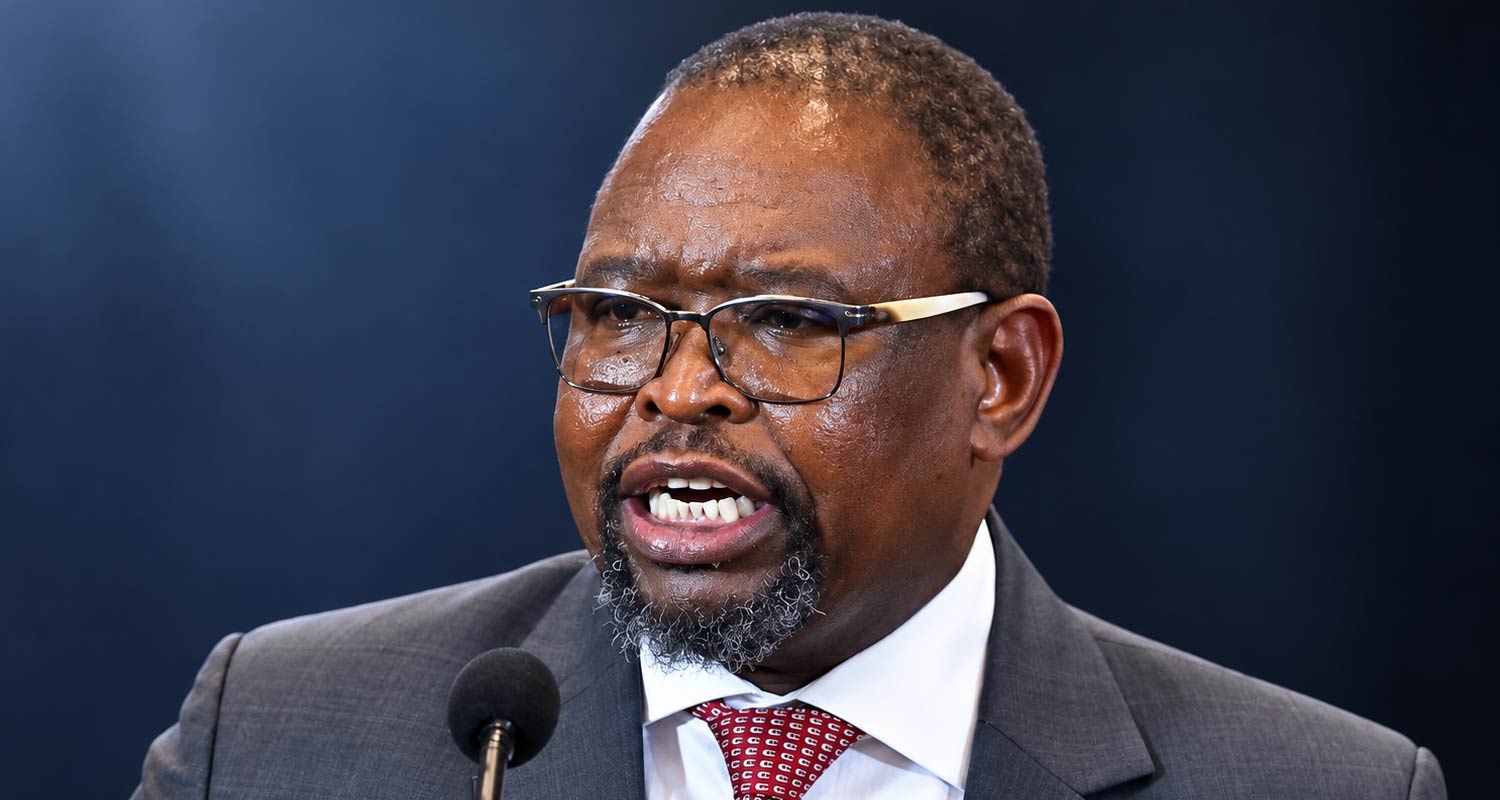
Finance Minister Enoch Godongwana has announced R10 billion in temporary fuel levy relief, as surging global oil prices continue to put pressure on motorists and households.
He delivered the Medium-Term Budget Policy Statement (MTBPS) on Wednesday.
Petrol will receive a R1.50 per litre reduction, while diesel will get R3 per litre in relief during November and December. The relief will then be reduced to R1 per litre for petrol and R1.50 per litre for diesel until January 5, 2027.
“Geopolitical conflict has pushed up global oil prices and led to a sharp rise in the cost of living for businesses and households. Because we have rebuilt fiscal buffers, government is in a stronger position to respond, including by providing temporary fuel levy relief again,” said Godongwana.
The announcement comes after the Automobile Association (AA) warned of a further R4.58 per litre increase in petrol prices in November. This follows a sharp rise in fuel prices that pushed petrol above R30 a litre and diesel above R34 a litre, up from about R17 earlier in the year.
READ: AA demands a R3 fuel levy cut as another massive price hike looms in November
Persistent conflict in the Middle East has added to pressure on fuel prices, disrupting oil supplies through the Strait of Hormuz, a key route for global oil shipments.
Since the conflict escalated in February, global oil markets have experienced volatility, putting pressure on fuel prices and the cost of living. In response, National Treasury and the Department of Mineral and Petroleum Resources introduced temporary fuel levy relief between April and June 2026.
Godongwana said the latest R10 billion allocation would be funded through revenue overruns from the previous financial year. He said the government had agreed with the Central Energy Fund (CEF) that the funds would be transferred to the National Revenue Fund (NRF) to finance the temporary relief.
READ: ‘Nothing left to cut’| Fuel price hikes force South Africans to make hard choices
The finance minister said the intervention would help ease the pressure on households, inflation and the broader economy. However, he cautioned that further relief would depend on the government’s available fiscal space.
If additional relief put pressure on the public finances, it might not be feasible, he said.
According to the Medium-Term Budget Policy Statement (MTBPS), revenue collection has performed positively in the current financial year, supported by stronger provisional corporate tax receipts.
Provisional corporate tax collections grew by 17.4% compared with the same period last year.
Higher salaries, despite persistently high unemployment, contributed to increased personal income tax collections, while household consumption supported value-added tax (VAT) revenue.
Fuel levy collections, however, declined.
“The weak performance in fuel levy collections was driven mainly by temporary general fuel levy relief implemented between April and June 2026,” the document states.
The latest surge in oil prices has added to inflationary pressures, squeezing households already struggling to cover basic expenses such as groceries, transport and electricity.
With inflation at 4.5% and the repo rate at 7.25%, rising fuel costs threaten to put further pressure on household budgets and businesses. Higher transport and operating costs can also feed through to the prices of goods and services.
The pressure comes as South Africa’s economy contracted by 0.2% in the second quarter of 2026, highlighting the challenge of supporting economic growth while households and businesses contend with rising costs.
Save my name, email, and website in this browser for the next time I comment.
This site uses Akismet to reduce spam. Learn how your comment data is processed.
Reported by sundayworld.co.za.
Read Original Report at sundayworld.co.za ↗ WhatsApp
Comments (0)
No comments yet. Be the first to share your opinion!