



Idle Teshie-Nungua desalination plant leaves Ghana with $235m bill
By Ashiadey Dotse
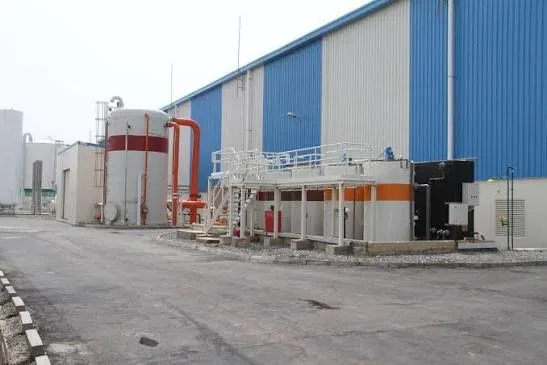
Ghana faces US$235 million as financial liability, over the Teshie-Nungua Desalination Plant, as residents in communities the facility was built to serve continue to struggle for regular water supply while the plant remains shut.
A dispute arose over the Teshie-Nungua Desalination Plant regarding the Water Purchase Agreement under which Ghana Water Company was required to buy treated water from the plant. The Ghanaian project company, Befesa Desalination Developments Ghana Limited (BDDG) took the matter to international arbitration in October, 2024. In October 2025 however, while the matter was still in arbitration, Ghana Water Limited (GWCL) shut down the plant amid unresolved maintenance and contract issues.
On September 17, 2026, The International Chamber of Commerce (ICC) arbitration tribunal issued awards ordering Ghana Water Limited to pay the US$235 to the company behind the plant, Befesa Desalination Developments Ghana Limited.
In effect, The Republic of Ghana is liable under a state guarantee attached to the project.

The plant, which cost about US$126 million to build, was commissioned in 2015 with the capacity to produce 60,000 cubic metres of water daily for about 500,000 people in areas such as Teshie, Nungua, Spintex, Baatsona and Sakumono.
One of the major difficulties with the project is cost of the water. Ghana Water company as autility provider bought desalinated water at about GH¢6.75 per unit while the approved tariff allowed the utility provider to sell the water at GH¢1.47. This created a large gap between the cost of production and the sales price.
The Ghana Water company was also required to pay a monthly capacity charge of about US$1.4 million, whether or not the plant operated at full capacity. Records in the supplied report show that in 2024, Ghana Water paid US$16.92 million. Government support between 2020 and 2024 totalled US$57.38 million.
The plant also faced operational problems. In May 2024, heavy rains reportedly left the facility inoperable, while a subsequent survey identified structural defects and inadequate bracing. Ghana Water attributed the condition of the facility to poor maintenance and neglect.
The project started with an unsolicited proposal from Befesa Ghana Limited in 2010. The contract was signed in February 2011, while Parliament later approved the water purchase agreement, a government guarantee and tax and duty exemptions.
The agreement was structured to allow the private company to finance and operate the plant for 25 years before handing it over to the state.
But concerns were raised even before the plant began operating. Parliament’s committees noted that the proposed water tariff was not considered competitive, while questions were also raised about the experience and financial history of the Ghanaian company involved in the project.
Efforts to resolve the problems continued for several years and February 2026, President John Mahama directed the Finance Minister, Attorney-General and Ghana Water to negotiate with the plant’s shareholders.
Government had earlier indicated that it was working towards an agreement that would allow the plant to resume operations but the arbitration process eventually resulted in the US$235 million award.
At the tribunal Ghana Water Company made counterclaims, including a US$144.5 million claim, which the tribunal rejected and rather ordered the utility company to contribute to the project company’s legal costs.
Meanwhile, the communities that were expected to benefit from the project have been left without water running through their taps and they live with alternative sources of water. Teshie, Nungua, Spintex, parts of Sakumono and La have experienced water rationing, with some households relying on tankers and boreholes to meet their daily needs.
The project company, now majority-owned by Spanish infrastructure group Cox, says discussions towards an amicable settlement remain open, while maintaining its rights under the arbitration awards.
For Ghana, the dispute leaves two major issues unresolved: how to meet the US$235 million obligation and what should be done with a desalination plant that was built to provide water to about half a million people but is currently not operating.
Read more here:
Reported by Gbcghanaonline.
Read Original Report at gbcghanaonline.com ↗ WhatsApp
Comments (0)
No comments yet. Be the first to share your opinion!