
For years, the digital identity debate assumed banks would drive adoption. They have regulatory depth, compliance maturity and longstanding customer trust. The evidence now points elsewhere.
In fact, the organisations best positioned to accelerate digital identity adoption may be the same ones that already transformed payments and financial services across Africa: telecommunications operators.
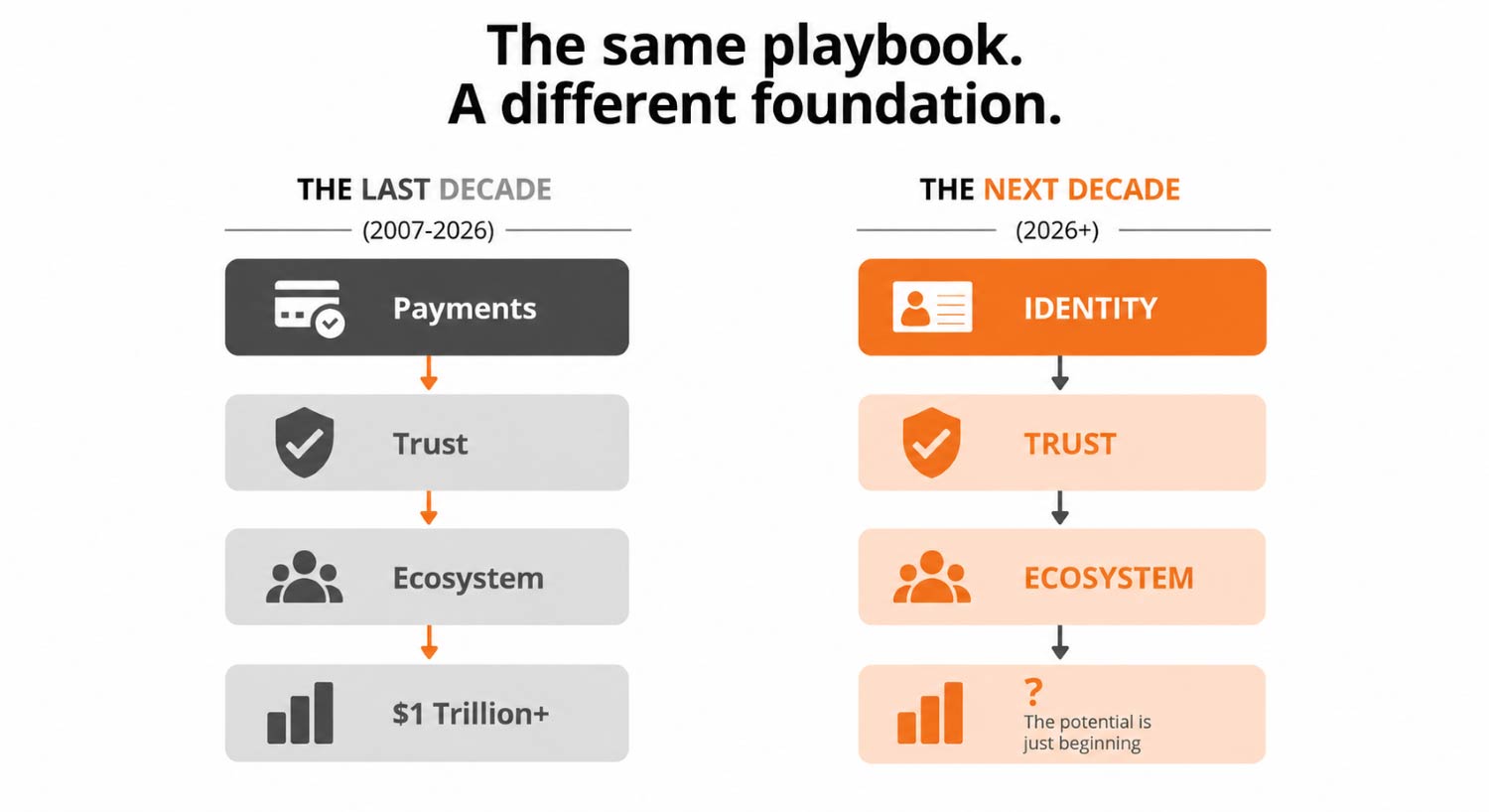
Vodacom Group’s 2026 annual results tell a story that challenges old assumptions. Its mobile money platforms processed US$525.6-billion in transaction value in the year to March 2026 – up 16.6% year on year. Including Safaricom, the group now serves 103 million active financial services customers. MTN’s MoMo ecosystem processed a further $500.3-billion, pushing the two operators past $1-trillion combined.
Operators recognised a structural gap early: mobile penetration far outpaced access to formal banking. Rather than waiting for perfect policy alignment, they used existing assets – distribution, billing relationships, retail presence and regulatory engagement – to build financial infrastructure at population scale. Once payments worked, everything around them accelerated.
Digital identity in South Africa is approaching a similar moment.
Infrastructure is converging but adoption isn’t automatic
South Africa’s digital foundations are aligning quickly. The Reserve Bank’s Payments Ecosystem Modernisation programme is upgrading national payment rails and building a universal digital financial ID. Biometric digital identity is moving online, and national road maps are connecting identity, payments and data exchange into interoperable public infrastructure.
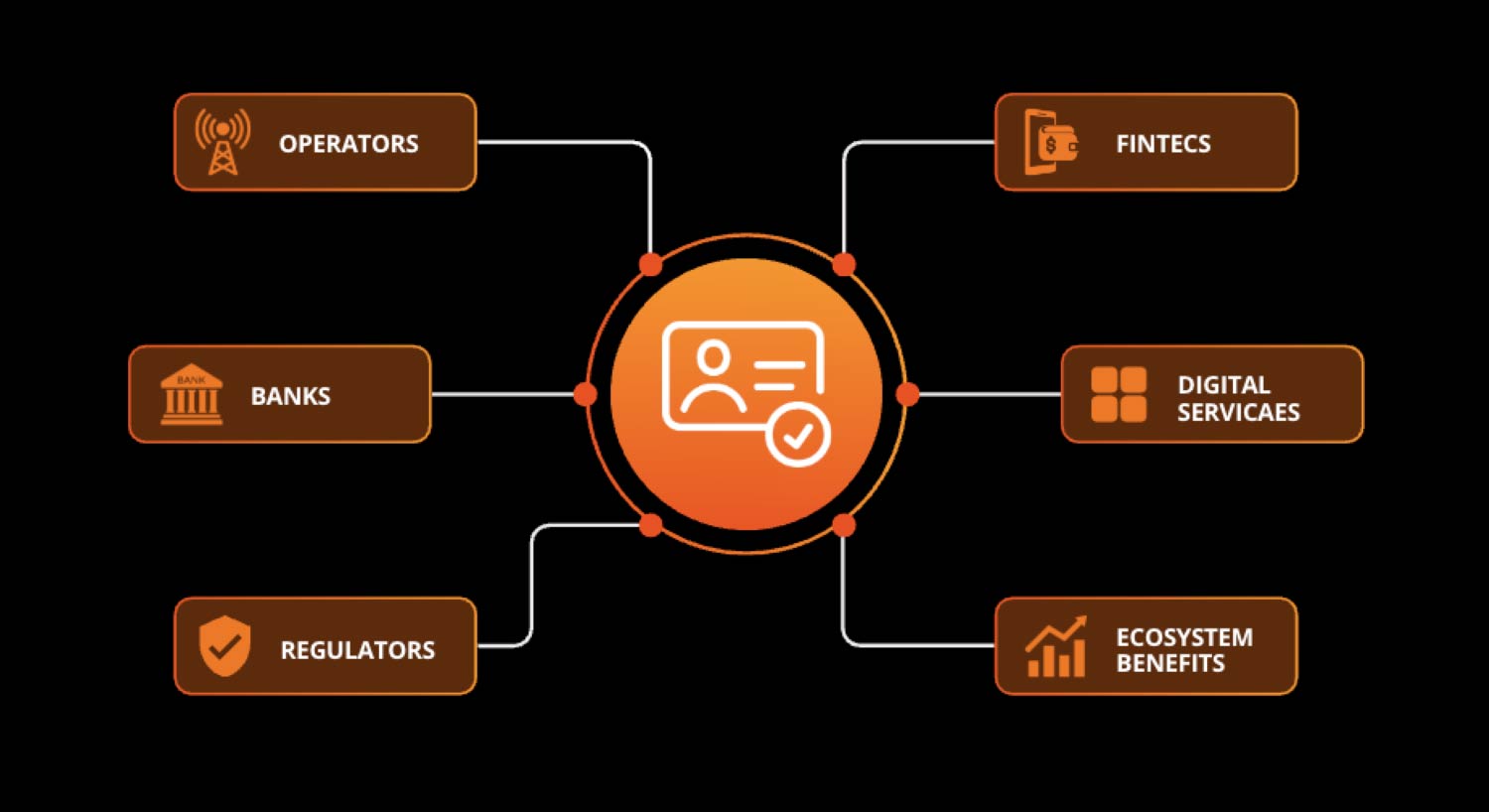
But infrastructure alone does not drive adoption. Operators already operate at that intersection. They manage identity processes at scale through Rica, maintain persistent customer relationships and run multi-sided ecosystems spanning consumers, merchants, agents, fintechs, banks and regulators.
The missing piece is not identity issuance. It’s reusable trust.
From Rica obligation to identity infrastructure
Today Rica is treated largely as a compliance burden. But it already contains the seed of something much bigger.
A modernised, digital Rica credential – verified once, biometrically anchored, cryptographically secured and reusable across networks and services – turns identity from a cost centre into a trust primitive.
The implications are concrete: instant digital onboarding, cross-product activation using a single verified identity, structural fraud reduction – Sim-swap attacks account for 60% of mobile banking breaches at a cost of R5.3-billion to the sector annually – and alignment with the future direction of national identity and payments infrastructure.
Fraud reduction doesn’t just protect customers – it flows directly to operator margins.
In this model, Rica is not the endpoint. It’s the on-ramp.
Identity that enables ecosystems, not inhibits them
The strategic risk for operators is fragmentation: duplicated verification, brittle integrations and point solutions that slow ecosystems just as they should be accelerating. An operator running separate vendors for biometrics, document verification, AML screening and workflow across multiple business units isn’t building an ecosystem – it’s managing a patchwork.
Identity must enable what operators are building, not inhibit it. This requires an integrated identity layer that absorbs regulatory change, credential standards and evolving trust frameworks, and presents identity as a consistent, reusable capability across the customer journey. Identity becomes infrastructure – embedded, composable and ready to scale with the ecosystem.
The catalyst question
The identity community has long searched for what would take verifiable credentials from theory to population scale. The answer may not lie in mandates or standards alone, but in the commercial incentives of organisations that already connect the country.
Operators didn’t build fintech because they were told to. They built it because the opportunity was too large to ignore. Digital identity now presents the same opportunity.
The infrastructure is converging. The trust frameworks are emerging. The commercial logic is clear. The remaining variable is leadership.
About Contactable
Contactable is Africa’s leading Integrated Identity Platform, helping enterprises turn trust into a growth advantage. Through a single integration, we unify identity, compliance and workflow across the customer journey – reducing complexity, strengthening assurance and enabling seamless digital experiences at scale. Connect on LinkedIn or Facebook.
- The author, Shaun Strydom, is CEO of Contactable
- Read more articles by Contactable on TechCentral
- This promoted content was paid for by the party concerned
