
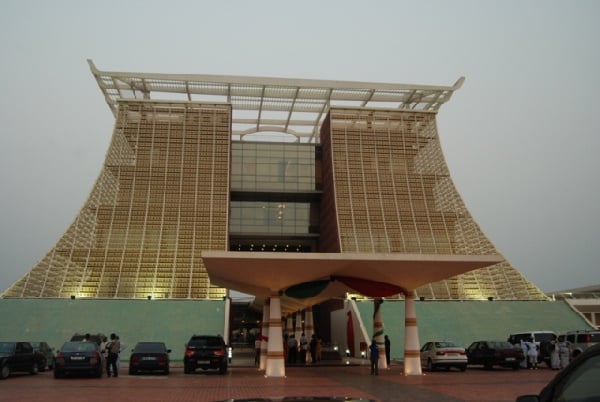

Ghana today stands at a pivotal moment. After a challenging economic period marked by high debt, currency volatility, inflation pressures, and structural weaknesses exposed by the pandemic and global shocks, the country’s political and economic trajectory is under intense national debate. The coming 2028 general election presents a clear opportunity for Ghana to “reset” its direction politically, economically, and socially so that growth is sustainable and inclusive for all citizens.
Ghana Needs Leaders Who Prioritize Long-Term Vision Over Short-Term Politics
Ghana’s democratic vitality is a strength but frequent policy reversals following electoral cycles have contributed to instability and hindered sustained reform. Citizens increasingly want leaders who can commit to strategic continuity, not just campaign promises. This means politicians who speak less in short electoral cycles and more in multi-year national plans that transcend party lines and focus on development goals such as industrialization, human capital, and climate resilience.
Ghana Center for Democratic Development
In practice this means:
Policy continuity: Develop bipartisan, long-term development frameworks that survive changes in government.
Evidence-based policy making: Use rigorous data and professional civil service expertise to guide decisions.
Depoliticisation of key institutions: Ensure central banks, the civil service, and regulators operate independently and transparently.
Ghana Needs an Economic Reset Anchored in Structural Reform
The World Bank and Ghana’s own government acknowledge that while Ghana has strong growth potential, its economy remains overly dependent on commodities (oil, gold, cocoa), making it vulnerable to global price swings. To achieve stable, inclusive growth before and after 2028, Ghana must focus on structural transformation, fiscal discipline, and economic diversification.
Key economic priorities include:
Completion of fiscal consolidation and debt restructuring: Build a robust, transparent fiscal framework with strict controls on public expenditures.
Reform public financial management: Enhance tax systems, budget monitoring, and expenditure efficiency.
Diversify exports and stimulate industrialization: Promote agro-processing, light manufacturing, services, and digital economy sectors.
Strengthen domestic capital markets: Reopen bond markets and revive confidence for private investment.
Ghana Needs New Leadership Profiles even Within Parties
The 2028 election will be a moment for generational and strategic leadership renewal within both major parties:
NPP (New Patriotic Party) has recently amended its constitution to deepen internal democracy and strengthen its structures after the 2024 electoral defeat. This reform, which expands its decision-making base and introduces new training institutes, could help the party rebuild and present fresh leadership in 2028.
NDC (National Democratic Congress) must also prepare for a leadership transition: President John Dramani Mahama, currently serving his second and final term, cannot run again in 2028 under Ghana’s constitutional two-term limit. The NDC will therefore need a credible successor to maintain momentum and inspire voter confidence.
Potential 2028 candidates emerging in public discourse include Naana Jane Opoku-Agyemang and Mahamudu Bawumia, among others, according to recent surveys.
Ghana Needs to Tackle Youth Unemployment and Social Inclusion
Youth unemployment remains a pressing issue as half a million young Ghanaian entrants join the workforce each year. Without jobs, skills training, entrepreneurship support, and pathways into productive sectors, social tensions and economic exclusion will grow fueling political dissatisfaction.
Policy suggestions include:
Coordinated youth employment programmes aligned with private sector needs.
Vocational training and apprenticeships with clear progression paths into industry.
Micro-enterprise support, credit access and mentoring to spur small business growth.
Ghana Needs to Protect and Improve Public Services and Quality of Life
Long-term growth must be paired with improvements in social infrastructure:
Health and sanitation reform: Upgrade healthcare delivery and clean water access.
Roads and energy infrastructure: Guarantee reliable connectivity and electricity to support business and rural development.
Environmental stewardship: Combat illegal mining and protect ecosystems to preserve livelihoods and public health.
Ghana Needs Stronger Democratic Institutions and Accountability
Public trust in democratic governance has faced pressure due to economic hardship, perceptions of corruption, and partisan politics. Strengthening institutions that ensure transparency, accountability, and rule-based governance is essential for lasting stability.
Examples of reforms needed:
Empower anti-corruption agencies with independence and enforcement capacity.
Enhance electoral integrity and timely election administration.
Strengthen local governance to improve service delivery and citizen engagement.
Conclusion: A Path Toward 2028 and Beyond
Ghana’s journey toward a stronger 2028 election outcome is not just about who wins but how the country prepares. From economic restructuring to leadership renewal and democratic deepening, the choices made today will shape Ghana’s resilience, prosperity, and unity. The 2028 election can be a turning point but only if political leaders, civil society, and citizens alike commit to a shared vision of inclusive growth and accountable governance.
Mustapha Bature Sallama
Medical Science communicator.
Private Investigator and Criminal
Investigation and Intelligence Analysis,
International Conflict Management and Peace Building. Alumni Gandhi Global Academy United States Institute of Peace.
[email protected]
+233-555-275-880