
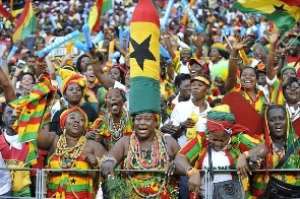
Ghana, located in West Africa, is known for its rich cultural diversity. It is home to more than 100 ethnic groups, with major tribes including the Akan, Ewe, Mole-Dagbani, Ga-Adangbe, and others. While this diversity contributes to the country’s vibrant culture, it has historically been a source of tension and conflict when competition over resources, political power, and social influence arises.
Historical Roots of Tribal Conflicts
Pre-Colonial Period
Before colonial rule, many of Ghana’s ethnic groups had their own kingdoms and political structures. Conflicts often arose over territorial expansion, control of trade routes, and access to resources. For example, wars between the Ashanti Empire (Akan) and neighboring tribes like the Fante were frequent during the 17th and 18th centuries, primarily over gold-rich areas and trade dominance.
Colonial Era
During British colonization (19th–20th centuries), ethnic divisions were often exacerbated. The colonial administration used “indirect rule,” governing through traditional leaders, which favored some tribes over others and institutionalized ethnic hierarchies. This created resentment and competition, particularly in Northern Ghana, where the British favored certain chiefs for administrative convenience.
Post-Independence Period
After Ghana gained independence in 1957, tribalism persisted in subtle forms, often influencing politics and local governance. Political parties sometimes aligned with ethnic groups, leading to tensions. For example, disputes over land in the Volta Region and chieftaincy conflicts in the Northern Region occasionally escalated into violent clashes.
Causes of Tribal Conflicts in Ghana
Chieftaincy Disputes: Many conflicts arise from disagreements over succession to traditional leadership positions. These disputes often involve multiple families within a tribe claiming the right to a stool (throne).
Land and Resource Competition: Tribal communities often clash over land ownership, especially in fertile or resource-rich areas.
Political Manipulation: Politicians sometimes exploit ethnic identities to gain votes, which heightens tribal tensions.
Historical Grievances: Past wars, colonization, and favoritism can leave lingering resentment between tribes.
Conflict Resolution Approaches
Ghana has developed several methods to address tribal conflicts, often blending traditional mechanisms with formal legal systems:
Traditional Mediation:
Chiefs and elders play a central role in mediating disputes. In many communities, elders from different families or tribes convene a council to negotiate settlements. These resolutions often include restitution, land-sharing agreements, or rotational leadership arrangements.
Government Intervention:
The Ghanaian government sometimes steps in through security forces, legal arbitration, or establishing commissions of inquiry to investigate and resolve conflicts.
Peacebuilding and Reconciliation Programs:
NGOs and civil society organizations work to promote dialogue, inter-ethnic cooperation, and community development projects. Programs often focus on youth engagement, education, and cultural exchange to reduce prejudice and prevent violence.
Legal Frameworks:
The 1992 Constitution of Ghana guarantees the right to traditional leadership while also protecting human rights. Courts sometimes adjudicate disputes that cannot be resolved through traditional mediation, providing a formal legal pathway for conflict resolution.
Successful Examples of Conflict Resolution
Northern Ghana Chieftaincy Conflicts: Some regions in Northern Ghana have successfully implemented rotational chieftaincy systems, where leadership rotates between different clans or sub-tribes, reducing rivalry.
Volta Land Disputes: Community dialogue facilitated by NGOs and local leaders has helped resolve inter-tribal land disputes peacefully.
National Peace Initiatives: Ghana’s National Peace Council works at the national and local levels to mediate conflicts, particularly those with ethnic dimensions, promoting reconciliation and preventive diplomacy.
Conclusion
Tribalism in Ghana has historically been both a source of identity and a trigger for conflict. While clashes over leadership, land, and resources have occurred, the country has shown resilience in resolving disputes through a combination of traditional mediation, legal mechanisms, and peacebuilding initiatives. The Ghanaian experience demonstrates that sustainable peace requires not only negotiation and compromise but also long-term strategies for inter-ethnic understanding and collaboration. By fostering dialogue, respecting cultural heritage, and promoting inclusive governance, Ghana continues to strengthen its unity amid diversity.
Mustapha Bature Sallama
Medical Science communicator.
Private Investigator and Criminal
Investigation and Intelligence Analysis,
International Conflict Management and Peace Building. Alumni Gandhi Global Academy United States Institute of Peace.
[email protected]
+233-555-275-880